Grammarly is the best plagiarism checker software for most writers, with a 4.7/5 G2 rating from 14,066 reviews and plagiarism checks in its $12-a-month Pro plan. Pick Originality.ai for publisher-grade AI and plagiarism checks, or Copyscape for pay-per-search web checks at 3 cents a search.
How we make this list: we compare pricing pages, product documentation and public user reviews, then re-check every price before each update. No product paid for a place. Disclosure.
Grammarly leads the list with a 4.7/5 G2 rating from 14,066 reviews; its plagiarism checker sits in Pro at $12 a month billed yearly.
Copyscape is the cheapest way to check a short web text: Premium searches cost 3 cents for the first 200 words, with no monthly fee.
Scribbr charges per document, from $19.95 for up to 7,499 words, so one thesis check costs more than a month of Quetext at $14.99.
PlagiarismCheck.org is the highest rated on G2 at 4.8/5, but from only 47 reviews, and it sells pages at $5.99 for 20.
DupliChecker has the lowest rating here at 2.1/5 on Trustpilot from 36 reviews, with most complaints about billing and cancellation.
Grammarly, Originality.ai and Quetext all pair a free plan with a paid plan under $15 a month.
What a plagiarism checker should cover
A plagiarism checker compares your text against web pages, published work and, in some tools, academic databases, then reports matching passages with sources. The size of that database matters more than any other feature: a checker can only flag what it can see.
Academic tools such as Scribbr and PlagiarismCheck.org scan scholarly sources, while Copyscape scans only the public web. Pick the database that matches what you write: web content needs web coverage, and a thesis needs academic sources.
Most tools in this list now bundle an AI detector with the plagiarism check. Our guide on whether Google penalizes AI content explains why a flag is a warning to review, not proof of copied text.
Pricing splits three ways: monthly subscriptions from $12 to $14.99, pay-per-check from $0.03 a search to $19.95 a document, and institutional quotes. Occasional users usually spend less on pay-per-use; regular writers save with a subscription.
Free checks are short on purpose: DupliChecker allows 10,000 characters per paste, and Scribbr shows only a risk level in its free check. Treat a free check as a trial, not a full report.
Grammarly is a writing assistant with a plagiarism checker built into its Pro plan. Pro costs $12 a month billed yearly and checks your text against web pages and ProQuest databases, alongside grammar, tone and clarity suggestions. The free plan covers grammar and spelling only.
The trade off is that plagiarism checking is not in the free plan, so occasional users pay for a full writing suite to get it. It suits writers who already want grammar help and want one subscription to cover originality too.
What we like
Largest review base in this list, 14,066 G2 reviews
Plagiarism, grammar and AI detection in one plan
Works in Word, Google Docs and the browser
Watch out for
No plagiarism check on the free plan
Pro costs $144 a year even for light use
Pro adds plagiarism checks, AI detection and full-sentence rewritesVisit grammarly.com
02
Originality.ai
4.4/5on G2 (250 reviews, checked Nov 2026)
Paid from$12.95/mo
Best for publishers and content teams
Plagiarism checkerPro plan
Free planYes, limited use
AI detectorYes, bundled
Paid planPro, $12.95/mo billed yearly
originality.ai
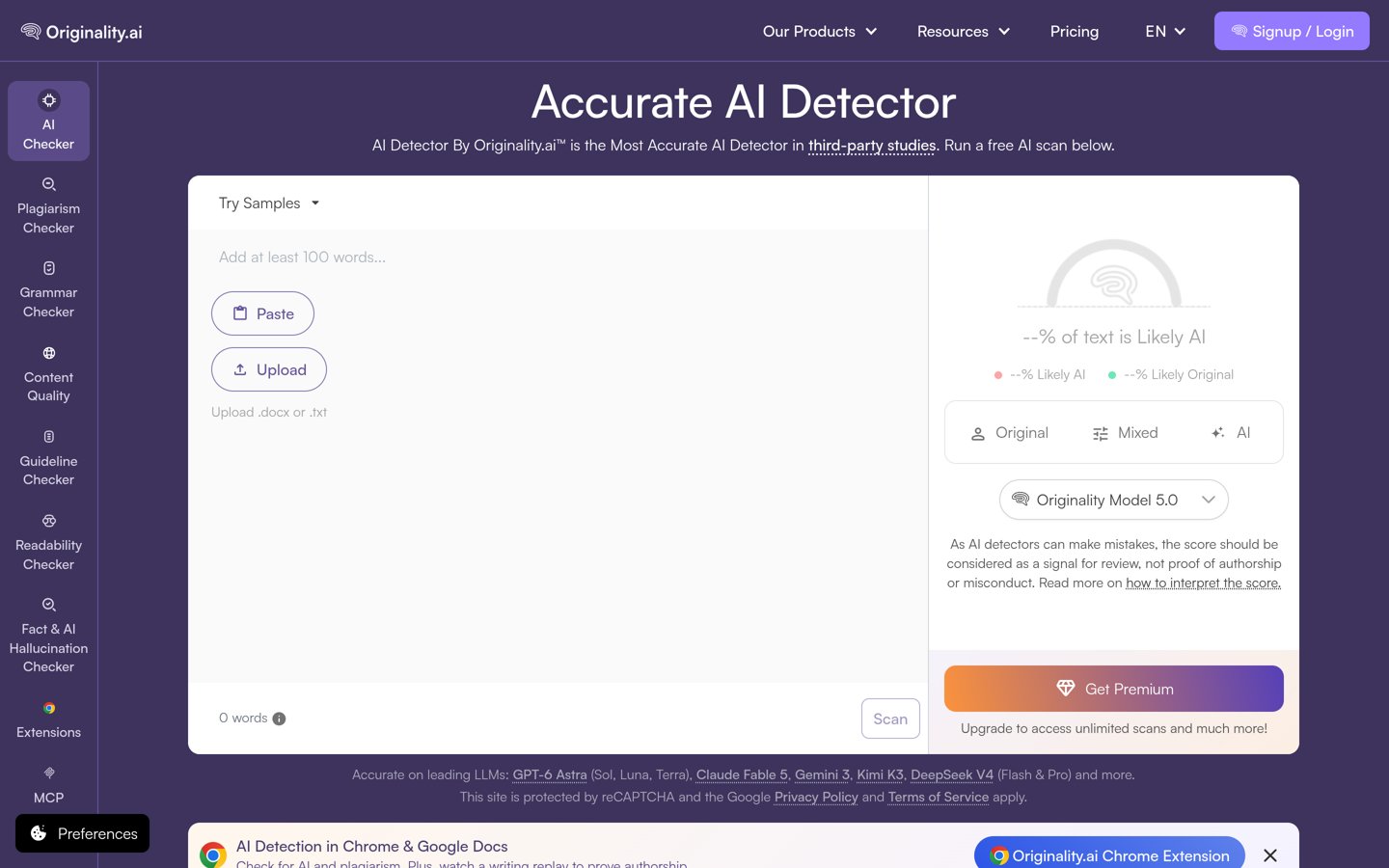
Originality.ai homepage, captured Nov 2026.
Originality.ai is a content quality checker that pairs AI detection with plagiarism checks in one scan. Its Pro plan costs $12.95 a month billed yearly, or $14.95 month to month, and includes 2,000 credits a month, with one credit scanning 100 words. A limited free plan covers small trial scans.
The trade off is credits. Unused Pro credits expire at the end of the month, so light users can pay for scans they never run. It suits publishers and agencies vetting freelance content every week.
What we like
AI and plagiarism results in a single scan
Site scans and API for content teams
Free plan for a trial before paying
Watch out for
Monthly credits expire if unused
No plagiarism check on the free plan
Pro adds the plagiarism checker, site scans and 2,000 monthly creditsVisit originality.ai
03
Copyscape
4.8/5on Capterra (71 reviews, checked Nov 2026)
Paid from$0.03/search
Best value for web checks
Plagiarism checkerPremium, pay per search
Free planYes, URL searches
Academic databasesNo, web only
Paid planPremium, $0.03/search
copyscape.com
Copyscape homepage, captured Nov 2026.
Copyscape is the longest-running web plagiarism checker in this list, built for site owners checking published pages. Premium searches cost 3 cents for the first 200 words plus 1 cent per extra 100 words, paid from prepaid credit with no monthly fee. A 1,000-word article costs 11 cents.
The trade off is coverage. Copyscape scans the public web only, so it misses academic databases and paywalled journals. It suits bloggers and editors checking whether web content was copied.
What we like
Cheapest per check in this list
No subscription or monthly fee
Batch search checks up to 10,000 pages
Watch out for
No academic database coverage
Costs add up for high-volume checking
Premium adds pasted-text checks, file uploads and batch searchVisit copyscape.com
04
Quetext
4.6/5on Trustpilot (154 reviews, checked Nov 2026)
Paid from$14.99/mo
Best for students and educators
Plagiarism checkerDeepSearch, all plans
Free planYes, 1,000 words
AI detectorYes, bundled
Paid planEssential, 100,000 words/mo
quetext.com
Quetext homepage, captured Nov 2026.
Quetext is a plagiarism checker aimed at students, teachers and writers, built around its DeepSearch scan. The free plan covers a 1,000-word plagiarism check, and the Essential plan starts at $14.99 a month with 100,000 words a month. AI detection is bundled with every check.
The trade off is the review base. Its G2 profile holds only 13 reviews, so the 4.6 Trustpilot score from 154 reviews is the stronger signal. It suits students checking essays before submission.
4.3/5on Trustpilot (15,716 reviews, checked Nov 2026)
Paid from$19.95/check
Best for a single academic paper
Plagiarism checkerPay per document
Free planYes, risk level only
Database99.3B web pages, 8M publications
Paid planFrom $19.95 per check
scribbr.com
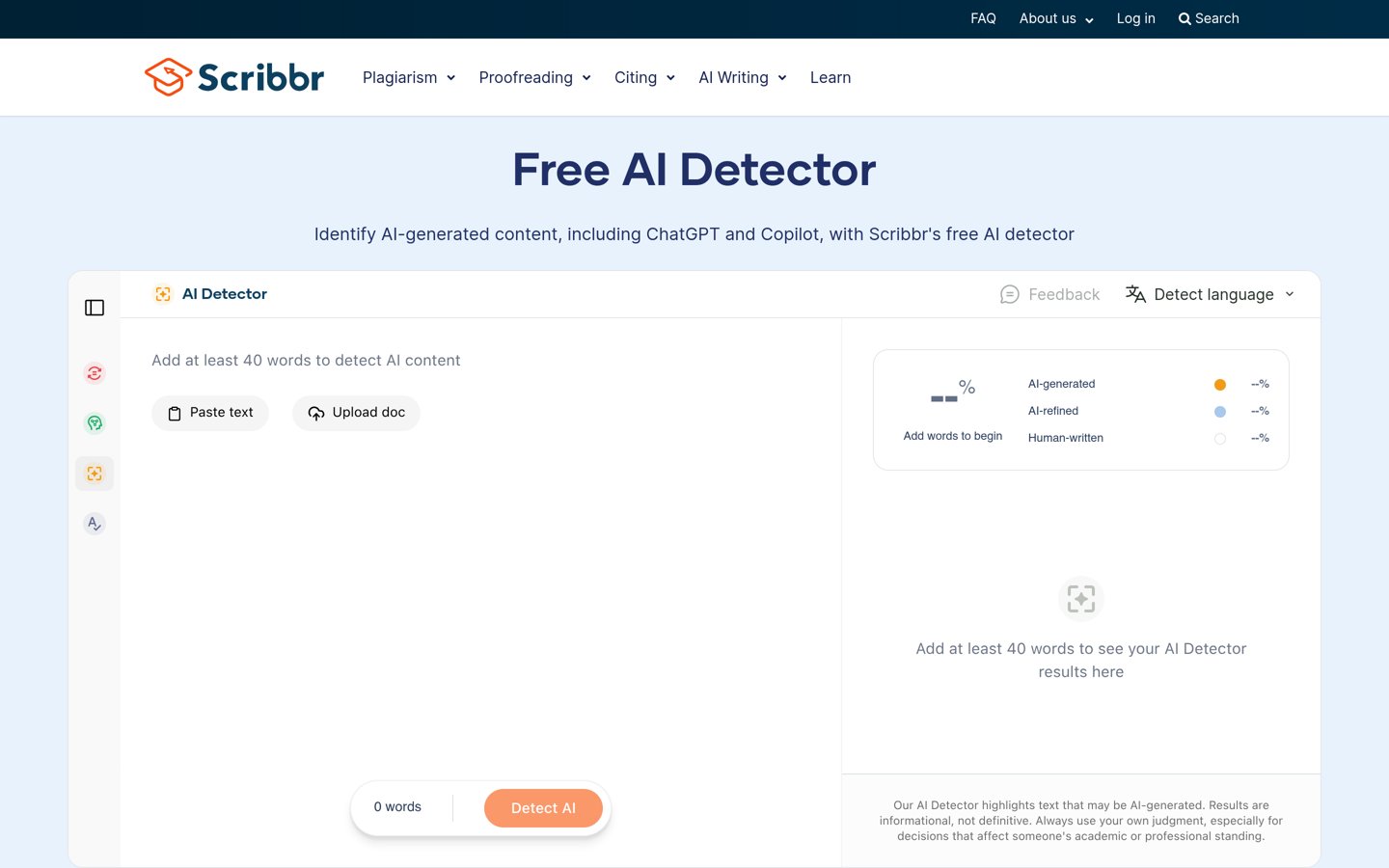
Scribbr homepage, captured Nov 2026.
Scribbr is an academic writing service whose plagiarism checker compares your text with 99.3 billion web pages and 8 million publications. Checks cost $19.95 per document up to 7,499 words, $29.95 up to 49,999 words, and $39.95 above that, with no subscription. The free check shows only a risk level and the top 5 matching sources.
The trade off is price per use. One long thesis check costs $39.95, more than two months of a Quetext subscription. It suits students who need one careful check of a final paper.
What we like
Largest Trustpilot review base here, 15,716 reviews
Academic database built for theses and papers
No subscription to cancel
Watch out for
Full report costs $19.95 or more per document
Free check shows no similarity percentage
Premium report adds the exact similarity percentage and full source listVisit scribbr.com
06
Copyleaks
4.4/5on Capterra (91 reviews, checked Nov 2026)
Paid from$13.99/mo
Best for multilingual checks
Plagiarism checkerPersonal plan
Free planYes, limited scans
AI detectorYes, 30+ languages
Paid planPersonal, $13.99/mo billed yearly
copyleaks.com
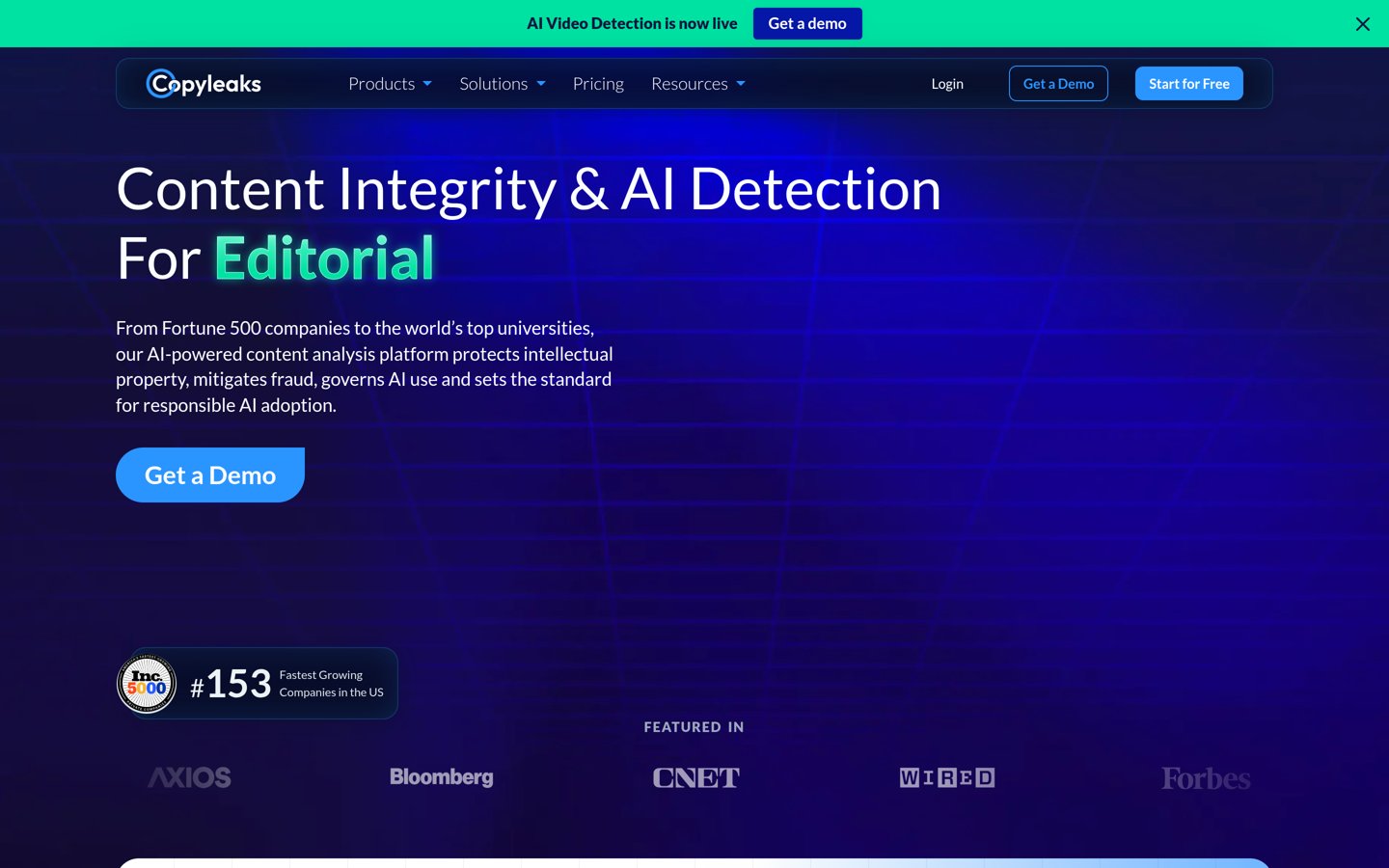
Copyleaks homepage, captured Nov 2026.
Copyleaks is an AI and plagiarism checker built for schools, publishers and businesses working in more than one language. Its Personal plan costs $13.99 a month billed yearly, or $16.99 month to month, and bundles AI detection in 30 languages with plagiarism checks in over 100. LMS integrations cover Canvas, Moodle and Blackboard.
The trade off is trust. Its Trustpilot score is 2.6 from 385 reviews, far below its 4.4 Capterra score from 91 reviews, with billing complaints repeating. It suits teams that need multilingual checks and LMS integrations.
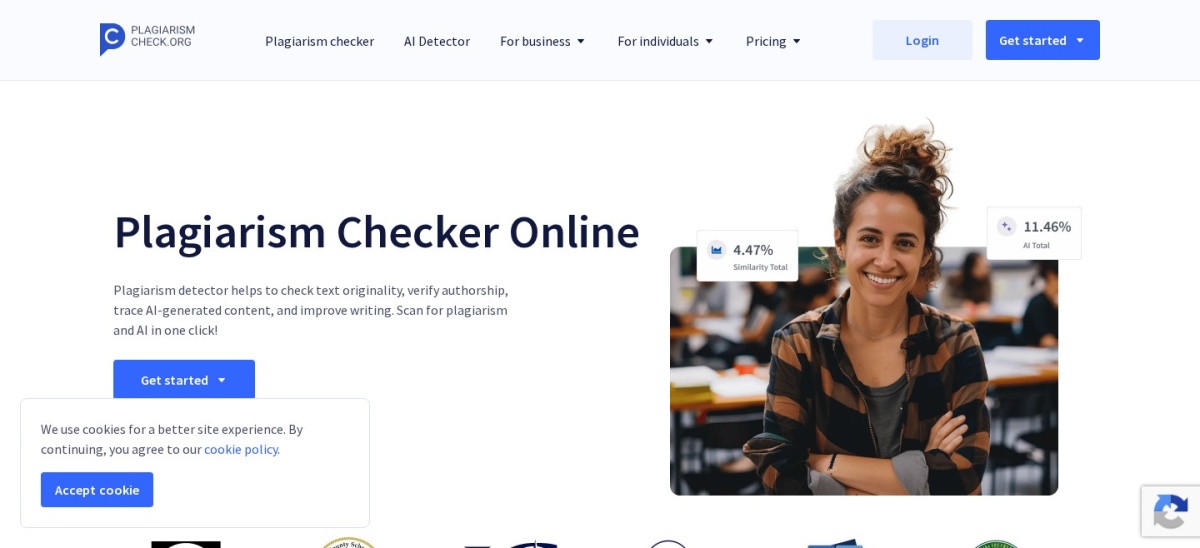
PlagiarismCheck.org is a browser-based checker that sells pages instead of subscriptions. The Basic pack costs $5.99 for 20 pages, and the first 2 pages are free. It checks similarity and AI-generated text together and returns a PDF report.
The trade off is scale. At about 30 cents a page, heavy users pay more than a monthly plan, and the G2 score rests on only 47 reviews. It suits occasional users and teachers checking a few papers.
What we like
Highest G2 rating in this list, 4.8/5
No subscription or monthly fee
Integrations with Canvas, Moodle and Google Classroom
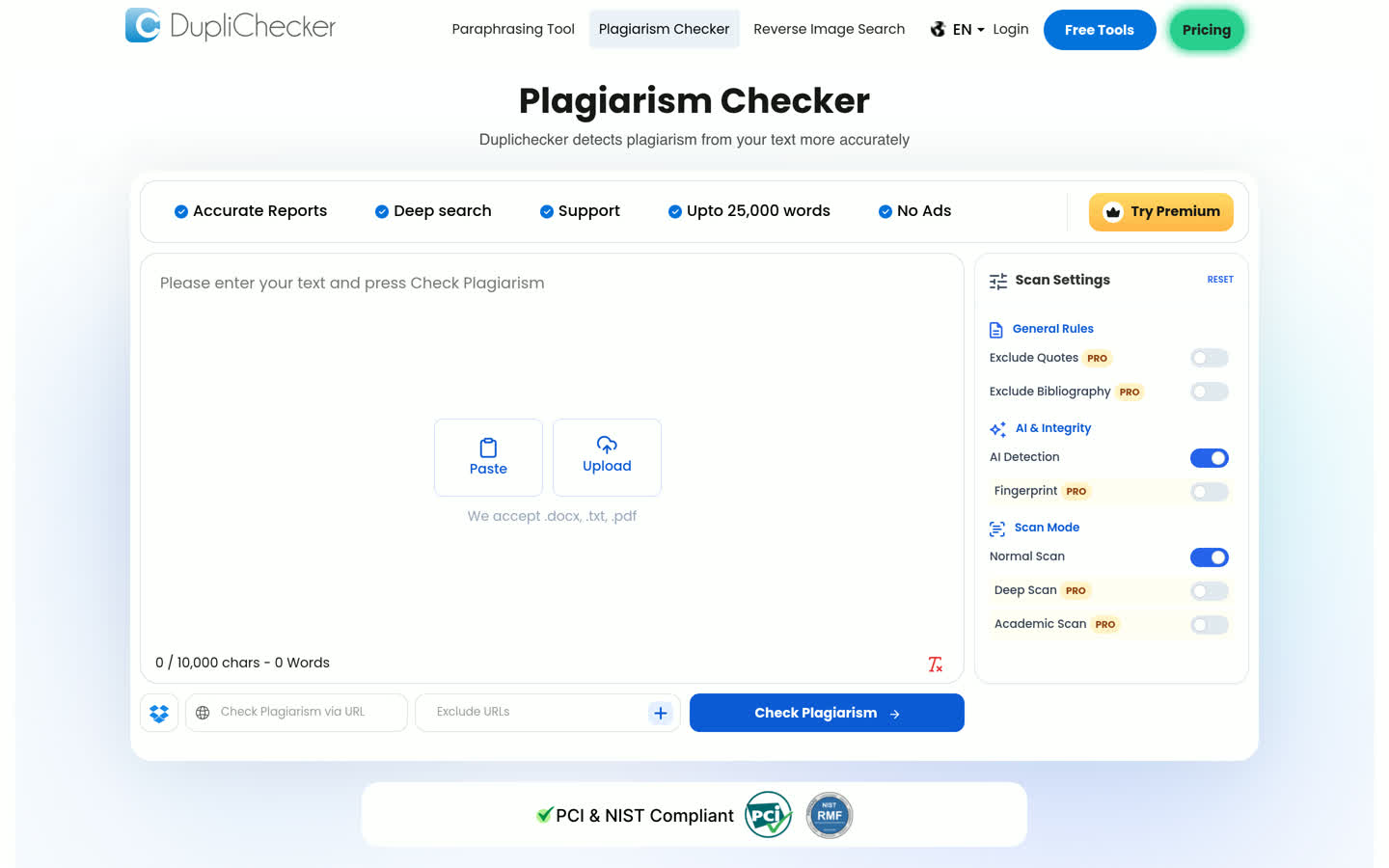
DupliChecker is a free online plagiarism checker aimed at students, bloggers and general writers. Each free paste covers up to 10,000 characters, and the entry Basic II plan costs $5 a week with 10,000 words and 33 searches. Paid plans raise the word allowance and search count.
The trade off is trust. It holds a 2.1 Trustpilot score from 36 reviews, the lowest in this list, with complaints about billing and cancellation. It suits quick free spot checks, not work you need to defend.
Pay-per-use wins for occasional checks. Copyscape charges 3 cents a search and PlagiarismCheck.org charges $5.99 for 20 pages, so a few checks a month cost under $6.
Subscriptions win for regular writers. Grammarly Pro at $12 a month and Quetext Essential at $14.99 a month cover unlimited grammar help or 100,000 words of checks.
Scribbr sits between the two: one $19.95 check suits a single paper, but three papers cost more than a month of Grammarly. Match the billing model to how often you check, not to the headline price.
How we chose
We started from the established plagiarism checkers with a public rating on G2, Capterra or Trustpilot, then kept those with a published price and a free option.
Prices come from each vendor's pricing page or its published FAQ, checked on 25 November 2026. Ratings and review counts come from G2, Capterra and Trustpilot on the same day. Where a vendor shows a sale, the list shows the regular price.
We left out Turnitin and Unicheck because neither publishes an individual price, and iThenticate because its single-document credits start at $100. No vendor paid for a place, and we do not claim to have used these tools ourselves.
How to choose a plagiarism checker
Match the checker to what you write, then check the database before the price.
Decide what you are checking. Web articles need web coverage like Copyscape, while essays and theses need academic sources like Scribbr or PlagiarismCheck.org.
Count how often you check. A few checks a month cost less pay-per-use; daily checks need a subscription such as Grammarly Pro or Quetext Essential.
Read the free plan limits first. Free checks cap words or hide the similarity percentage, so confirm the free tier covers a full document before you rely on it.
Check the review record, not just the score. A 4.8 from 47 reviews means less than a 4.7 from 14,066, and a low Trustpilot score with billing complaints is a warning worth reading.
FAQ
What is the best plagiarism checker software?
Grammarly is the best plagiarism checker software for most writers. Its Pro plan costs $12 a month billed yearly, includes plagiarism checks alongside grammar help, and holds a 4.7 out of 5 G2 rating from 14,066 reviews.
Is there a free plagiarism checker?
Yes. Grammarly, Quetext, Copyscape, Scribbr, PlagiarismCheck.org and DupliChecker all offer a free check, but each one limits words, sources or detail. Quetext allows 1,000 free words, DupliChecker allows 10,000 characters per paste, and Scribbr shows only a risk level for free.
How much does a plagiarism checker cost?
Monthly plans in this list run from $12 to $14.99 a month, while pay-per-use options range from 3 cents a Copyscape search to $19.95 for one Scribbr document check. Occasional users usually spend less per use, and regular writers save with a subscription.
Can a plagiarism checker detect AI-written text?
Most tools in this list now bundle an AI detector with the plagiarism check, including Grammarly, Originality.ai, Quetext, Copyleaks and PlagiarismCheck.org. A flag is a signal to review the text, not proof that it was copied or machine-written.
Do plagiarism checkers store my document?
Policies differ by vendor, so read the privacy page before uploading unpublished work. Some tools store documents to grow their databases, while others delete them after the check. Avoid uploading work you cannot share.
Which plagiarism checker is best for students?
Quetext suits students with a free 1,000-word check and an Essential plan at $14.99 a month, while Scribbr fits a single final paper at $19.95 per document. Check your school's rules first: some schools only accept checks run through their own system.
Is Turnitin available for individuals?
No. Turnitin sells to schools and universities only and publishes no individual price, which is why it is not in this list. Students should use their school's Turnitin access, or a tool here such as Scribbr or Quetext for a personal check.
SaaS SEO and WordPress specialist with about 8 years of experience. Rakib compares WordPress plugins, themes, hosting and software using public pricing, documentation and user reviews. See how we rank.