Snowflake is the top secure database software option for regulated teams, with encryption, role-based access and data masking built in. MongoDB Atlas suits developers who want a managed database with a free tier, while Databricks governs data and AI in one place.
How we make this list: we compare pricing pages, product documentation and public user reviews, then re-check every price before each update. No product paid for a place. Disclosure.
Snowflake leads on governed analytics, with encryption, masking and role-based access built in, rated 4.6 out of 5 on G2.
MongoDB Atlas is the cheapest paid start here, at $9 a month for the M2 shared cluster, with a free M0 tier.
Varonis, Snowflake, RDS, SQL Server and Oracle publish no flat price, so budget on a quote or usage instead.
PostgreSQL is free and open source, rated 4.4 out of 5 on G2, and powers Supabase and several tools on this list.
Every tool here encrypts data at rest; the gap is in discovery, monitoring and how fast you can prove compliance.
How do you choose the best secure database software options?
Encryption alone does not stop a stolen password. A secure database also needs access controls, activity monitoring and audit reports, so check those before you compare prices.
Managed databases trade control for convenience. Atlas, RDS and Supabase handle patching and backups for you, while PostgreSQL and SQL Server need your team to run them.
Usage billing is the budget trap. Snowflake, Databricks and RDS bill by use, so a heavy month costs far more than a light one, with no fixed price to budget against.
Compliance decides the shortlist for regulated teams. Snowflake, Databricks and Oracle all hold broad attestations, while Varonis adds the discovery and monitoring that audits ask for.
Snowflake is a cloud data warehouse with encryption, role-based access and data masking built in. It separates storage from compute, so teams can scale each side on its own, and it logs queries for audit.
The trade off is cost control. Snowflake bills by usage-based credits, and G2 reviewers warn that spend can climb fast without monitoring. It suits teams that want one governed warehouse for analytics and AI work.
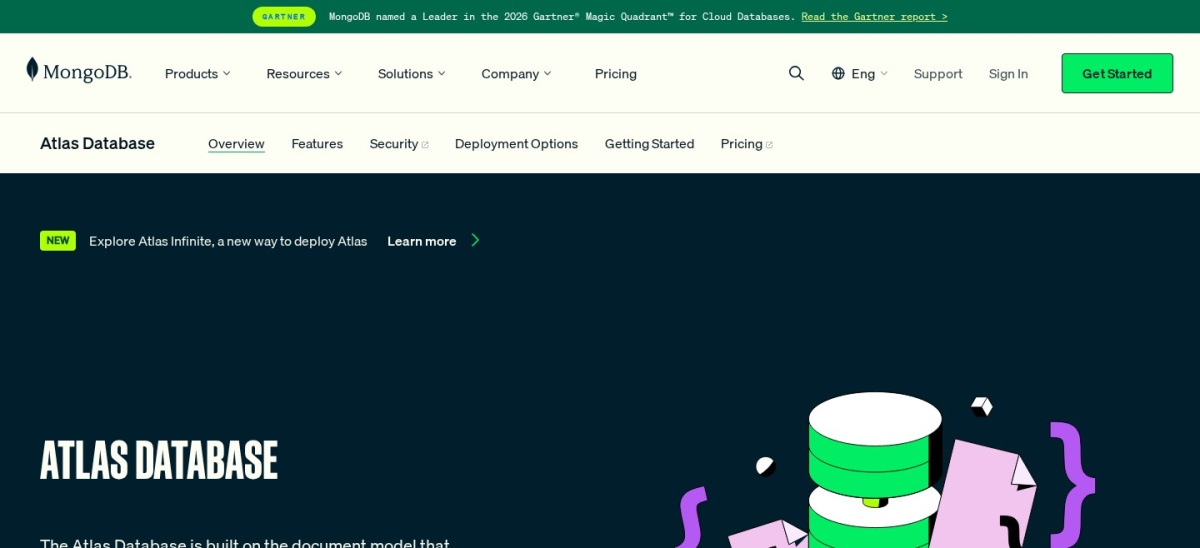
MongoDB Atlas is the managed cloud version of MongoDB, with encryption, network controls and database roles built in. The free M0 tier holds 512 MB, and the cheapest paid tier, M2, costs $9 a month.
The trade off is predictability. G2 reviewers praise the fast setup but warn that costs grow as storage and use rise. It suits developers who want a managed document database with a free start.
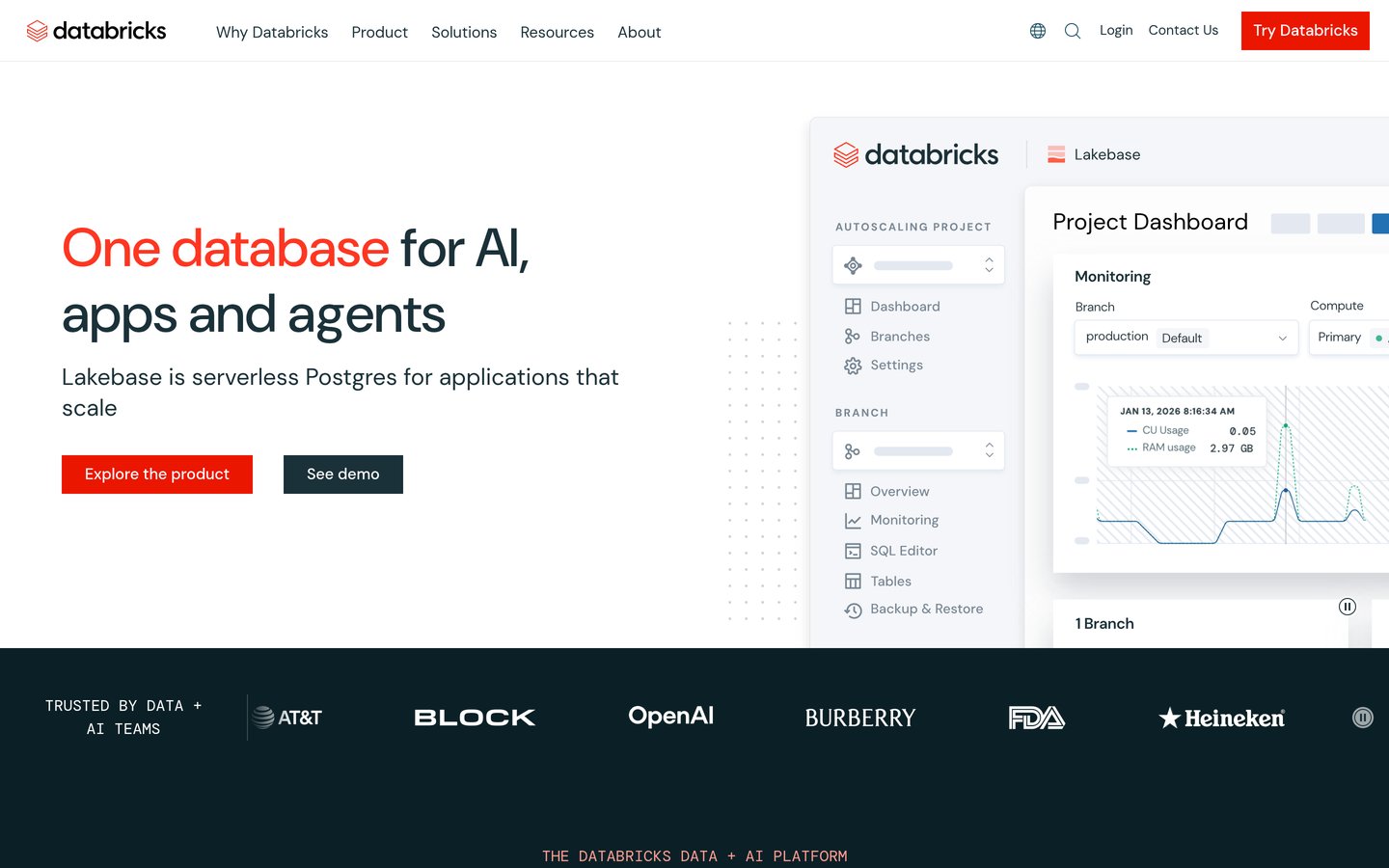
Databricks is a lakehouse platform that joins data engineering, analytics and AI work in one place. Its Unity Catalog governs tables, files and models together, with central permissions and audit logs.
The trade off is price and complexity. The Basic plan lists at $99 a month, and compute costs rise with use, so bills need watching. It suits data teams that need one governed home for analytics and AI.
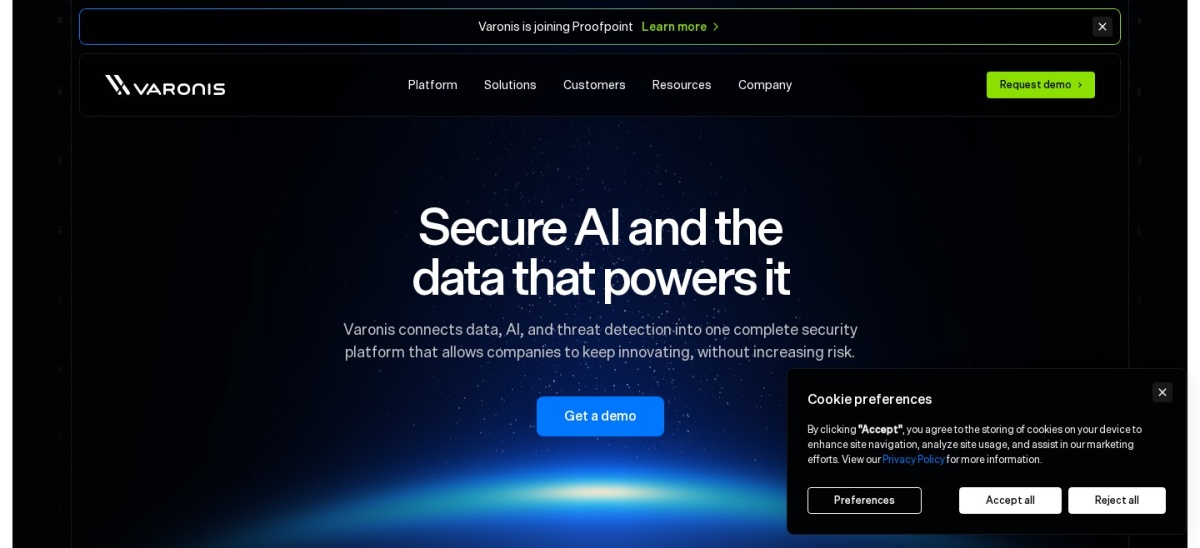
Varonis Data Security Platform homepage, captured Nov 2026.
Varonis Data Security Platform is a data security platform that finds sensitive data, maps who can reach it and watches how it is used. It covers databases, file shares and cloud apps, and it flags stale access and risky permissions for cleanup.
The trade off is cost and setup. Pricing is by quote, and G2 reviewers say deployment takes about 4 months on average and needs real effort to tune. It suits security teams that need one view of sensitive data across many stores.
What we like
Discovers and classifies sensitive data across stores
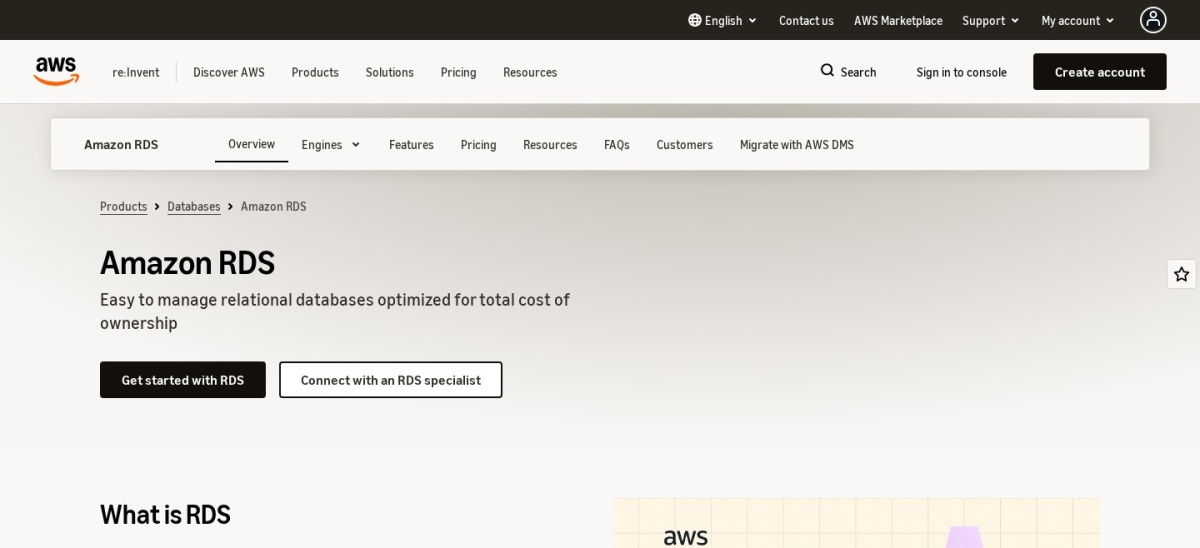
Amazon RDS is a managed relational database service from AWS. It runs MySQL, PostgreSQL, SQL Server and other engines, with encryption at rest, IAM database logins and automated backups.
The trade off is lock-in and billing. Costs are usage-based and vary by engine, size and region, so small teams must watch the bill. It suits teams already on AWS that want managed databases without new servers.
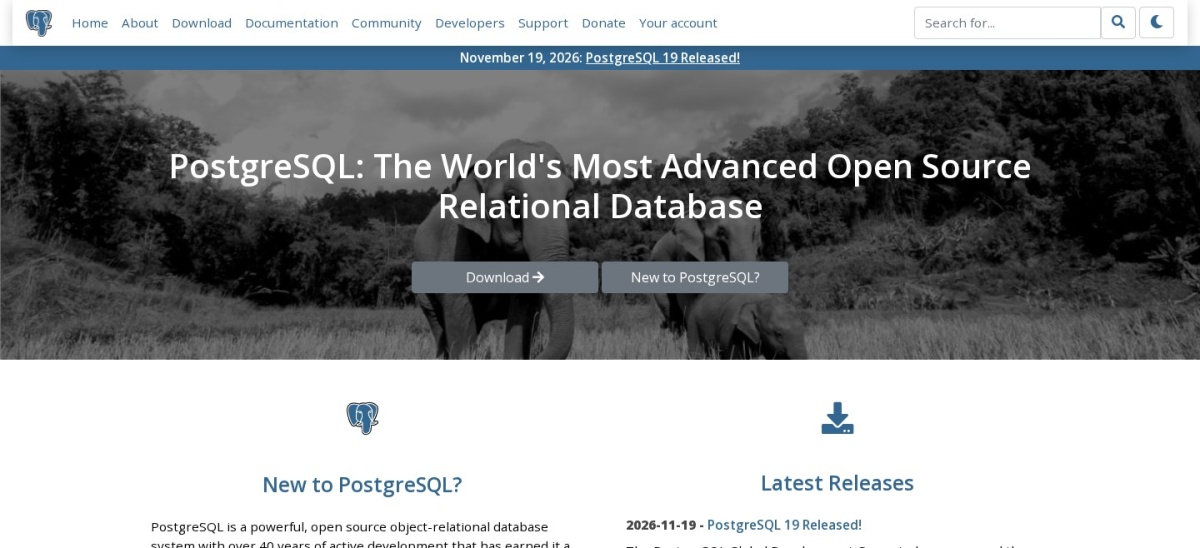
PostgreSQL is a free, open-source relational database with more than 40 years of development behind it, handling transactions with full ACID compliance and storing JSON documents when the schema needs flexibility.
The trade off is self-management. You run backups, patching and encryption yourself unless you pay a managed host, and tuning needs skill. It suits teams that want a proven free database and can run it themselves.
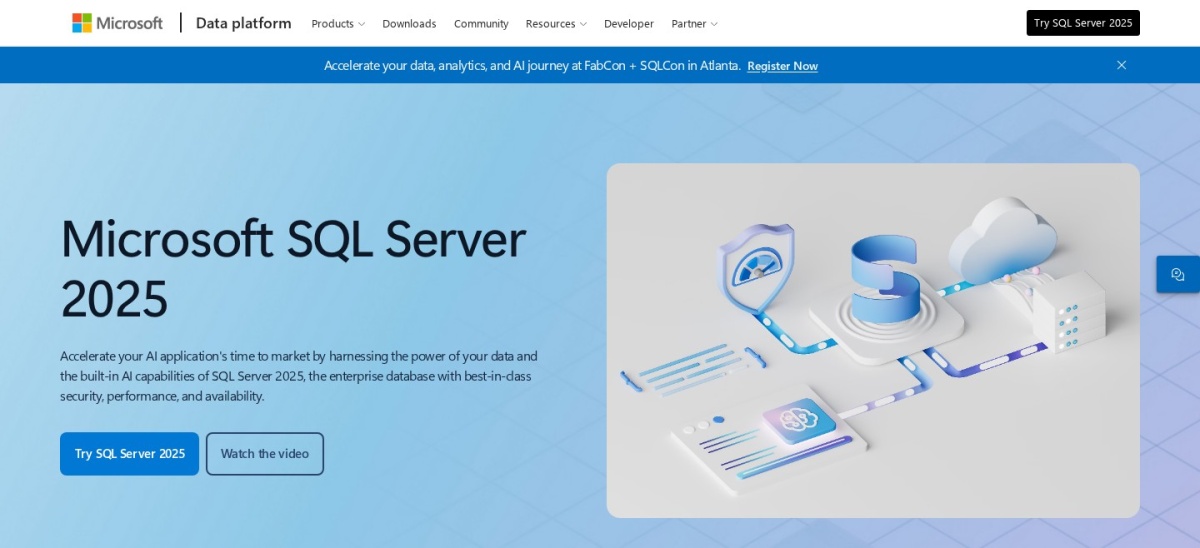
Microsoft SQL Server is a relational database with Transparent Data Encryption and Always Encrypted built in. It adds row-level security and audit logs, and it runs on premises or in Azure.
The trade off is licensing. Pricing is per core and varies by edition, so costs need a quote for each setup. It suits teams on Windows or Azure that already run Microsoft tools.
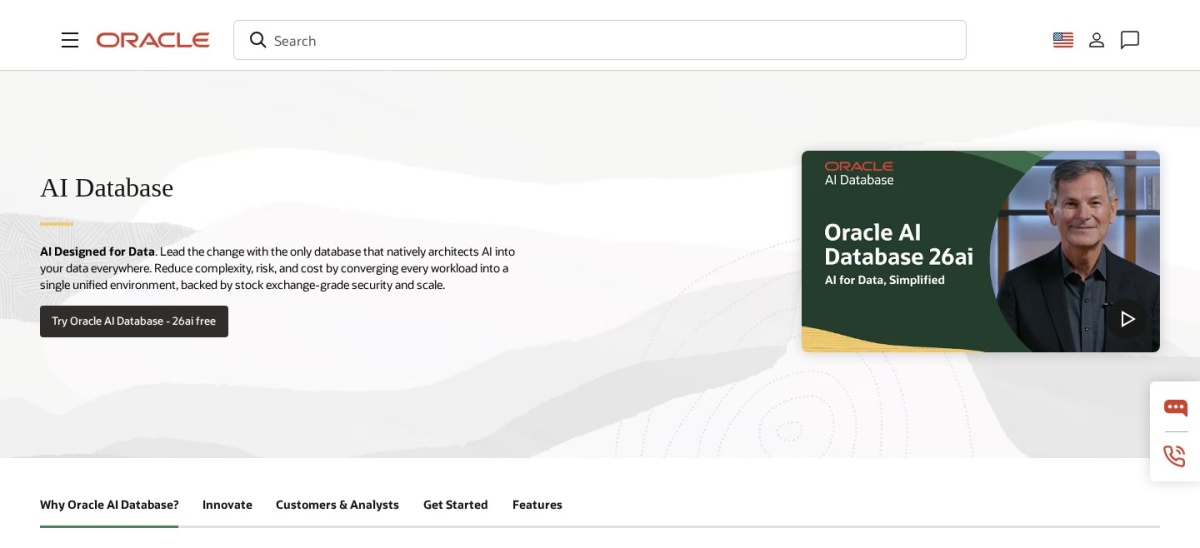
Oracle Database is an enterprise relational database with Transparent Data Encryption, Database Vault and Data Safe for discovery and masking. It is built for large, regulated workloads.
The trade off is licensing. Costs are high and the licensing is complex, per G2 reviewers, and the database needs skilled admins. It suits large teams already running Oracle estates.
Supabase is an open-source platform built on PostgreSQL, adding authentication, file storage, edge functions and realtime subscriptions beside the database. The free plan covers two projects with a 500 MB database, and Pro starts at $25 a month.
The trade off is the cap. The free plan holds only 500 MB per database, and heavy realtime use pushes teams to Pro and usage add-ons. It suits developers who want a managed Postgres backend without running servers.
Free tiers are genuinely useful now. MongoDB Atlas, Supabase and PostgreSQL all let a team build and launch before paying anything, while Snowflake and Databricks offer free trials with credits.
Paid plans mostly add scale and proof. You get bigger clusters, longer retention, audit logs and support, which is what compliance teams ask for.
Quote-only tools hide the real cost. Varonis, Oracle and SQL Server need a written quote, so get one before you compare them with published prices.
How we chose
We started from every secure database platform still sold in 2026 with a verifiable G2 rating, then kept nine that cover the main ways teams buy secure databases: governed warehouses, managed databases, security platforms and free open-source engines.
Prices come from each vendor pricing page and November 2026 comparisons, checked on 29 November 2026. Ratings and review counts come from G2 on the same day. Where a vendor shows a sale, the list shows the regular price.
We left out tools with no verifiable rating on G2, Capterra or Trustpilot. No vendor paid for a place, and we do not claim hands-on testing for this list.
How to choose secure database software
Start with the data you hold and the rules you must prove, then match the platform to that shape.
List the sensitive data first. Discovery tools such as Varonis find what you hold before you pick a database, so you know which tables need masking and tight access.
Decide managed or self-run. Atlas, RDS and Supabase handle patching and backups, while PostgreSQL and SQL Server need your team to run them.
Check the compliance attestations. Snowflake, Databricks and Oracle publish broad attestations, so confirm the ones your auditor asks for before you commit.
Model usage billing on a heavy month. Snowflake, Databricks and RDS bill by use, so price a busy month, not a quiet one, and set spend alerts from day one.
FAQ
What is the most secure database software option in 2026?
Snowflake is the most secure database software for most regulated teams, with encryption, role-based access and data masking built in, rated 4.6 out of 5 on G2. Varonis leads when you need discovery and monitoring across many databases, and Databricks suits teams that govern data and AI together.
Is PostgreSQL secure enough for production?
Yes, when it is run well. PostgreSQL supports SSL encryption, row-level security and strong roles, and it is rated 4.4 out of 5 on G2. The catch is self-management: backups, patching and audit logging are your job unless you use a managed host.
How much does MongoDB Atlas cost?
MongoDB Atlas has a free M0 tier with 512 MB of storage, and the cheapest paid tier, M2, costs $9 a month. Flex clusters start from about $8 a month for small workloads, while dedicated M10 clusters cost more, so check the pricing page for your workload.
Snowflake vs Databricks: which is more secure?
Both score 4.6 out of 5 on G2 and pair encryption with central access controls. Snowflake suits governed analytics warehouses, while Databricks suits teams that govern data engineering and AI together through Unity Catalog.
Does Amazon RDS encrypt data?
Yes. Amazon RDS encrypts data at rest with AWS KMS, supports IAM database logins and runs automated backups with point-in-time restore. Costs are usage-based and vary by engine, size and region, so watch the bill.
Which secure database is best for small teams?
MongoDB Atlas is the best secure database for small teams, with a free tier and a $9-a-month paid start. Supabase is the best managed Postgres start at $25 a month, and PostgreSQL itself is free for teams that can run it.
SaaS SEO and WordPress specialist with about 8 years of experience. Rakib compares WordPress plugins, themes, hosting and software using public pricing, documentation and user reviews. See how we rank.