Experity is the best software for retail clinics that run high-volume walk-in care, with complaint-driven charting and billing built for urgent care. Solv is the strongest front-door alternative for online booking, while NexHealth suits clinics that want scheduling synced with their EHR.
How we make this list: we compare pricing pages, product documentation and public user reviews, then re-check every price before each update. No product paid for a place. Disclosure.
Experity tops the list for urgent care at 4.3 on Capterra, built only for walk-in clinics.
NexHealth holds the highest rating here, 4.8 on G2 from 138 reviews.
Only Solutionreach publishes a starting price, $199 a month; the other eight sell by quote.
athenaOne prices as a percentage of collections, not a flat per-provider rate.
Solv is the front-door pick, with online booking and check-in for same-day care.
How do you choose software for retail clinics?
Retail clinics run on walk-in speed. Patients arrive without appointments, so the best tools register patients in minutes, chart by chief complaint and keep the queue moving.
Pricing is almost entirely quote-based. Only Solutionreach publishes a starting price, while Experity, Solv, NexHealth, athenaOne, DrChrono, Tebra, Phreesia and eClinicalWorks all price by providers, locations and modules, so the same scope must go to every vendor.
Full EHRs and front-door tools solve different problems. Experity, athenaOne, DrChrono, Tebra and eClinicalWorks run the clinical record, while Solv, NexHealth, Solutionreach and Phreesia run booking, check-in and patient messaging around it.
Occupational medicine changes the pick. Clinics that see workers-comp and employer-paid visits need occ-med billing and employer portals, which Experity covers and general EHRs often do not.
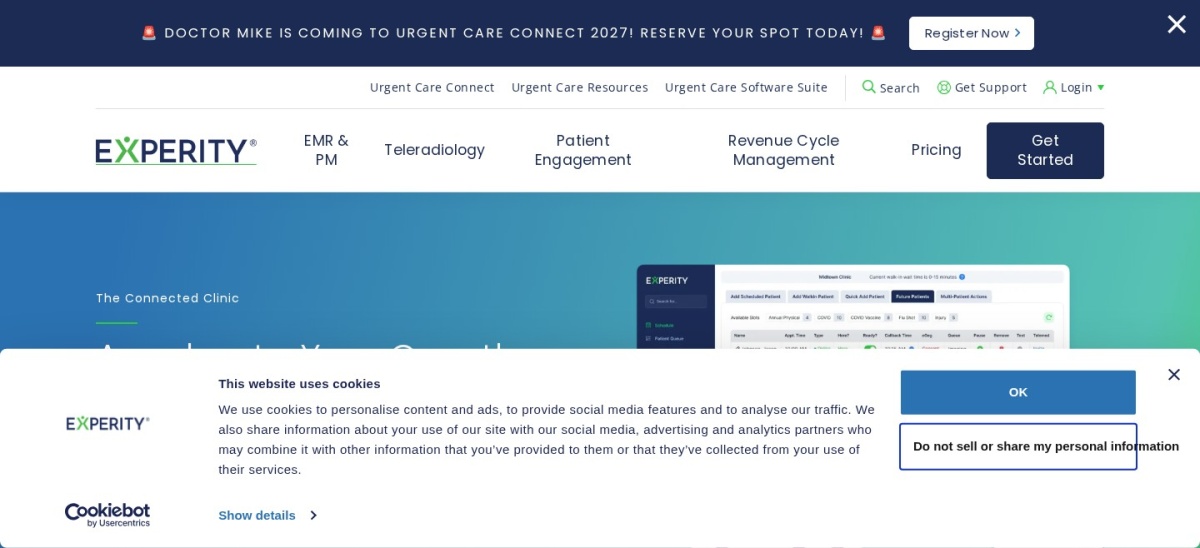
Experity is the only EMR suite built entirely for urgent care, with complaint-driven charting, practice management and billing in one system. Clinics register patients in under two minutes and chart most common visits in under a minute, and Capterra reviewers rate it 4.3 out of 5 from 205 reviews.
The trade off is price and reporting. Experity sells by custom quote with no published rates, and reviewers call out weak reporting and billing headaches after go-live. It suits high-volume urgent care groups and multi-site operators that want one urgent-care system.
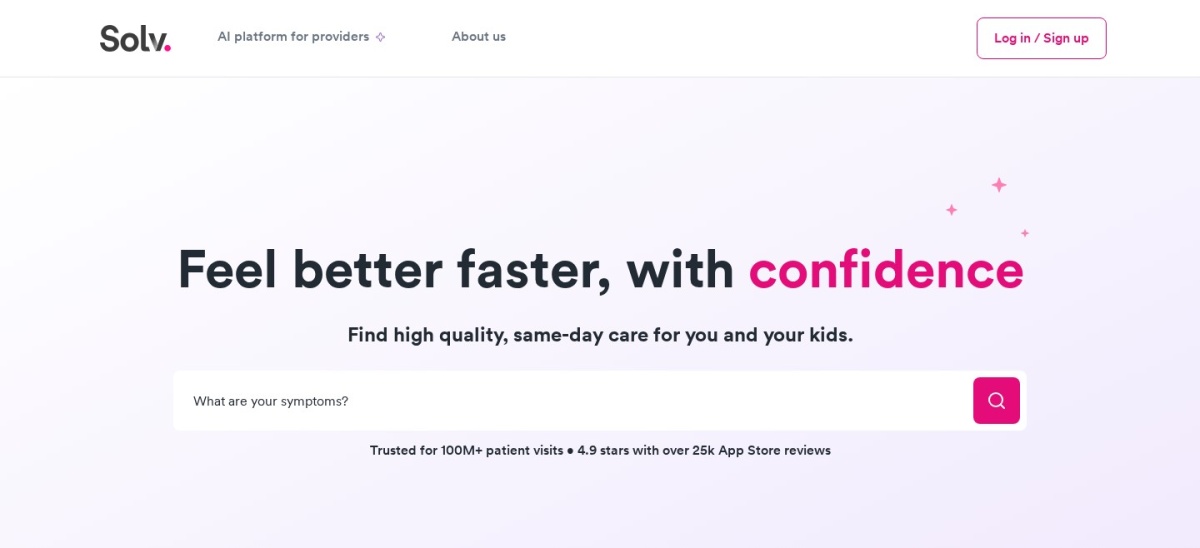
Solv is a patient-experience platform for urgent care booking, queue management and digital check-in. Patients find same-day care, book online and register from their phone, and G2 reviewers rate it 4.1 out of 5 from 9 reviews.
The trade off is the thin review base and price. Only 9 G2 reviews back the rating, and Solv publishes no prices, so every deal is a custom quote. It suits urgent care brands that want more same-day visits from online booking.
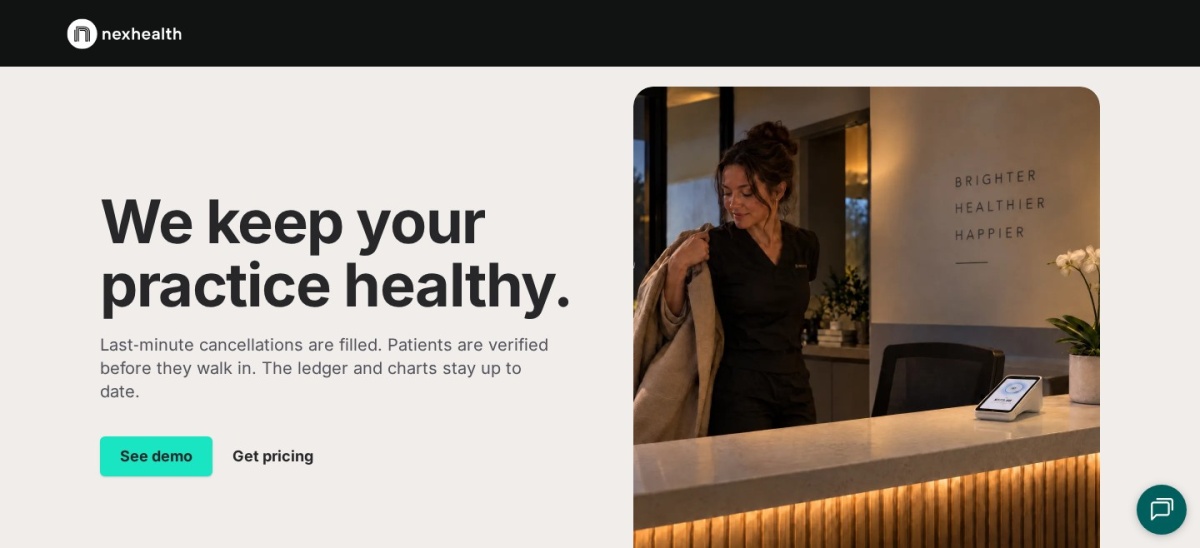
NexHealth is a patient-experience platform that syncs online scheduling, reminders, payments and forms with your EHR in real time. It fills last-minute cancellations and verifies patients before they walk in, and G2 reviewers rate it 4.8 out of 5 from 138 reviews, the highest score in this list.
The trade off is modular pricing. NexHealth sells by quote with no published rates, and each module is sold separately, so the bill grows with every capability you add. It suits multi-location clinics that want one scheduling layer across their EHR.
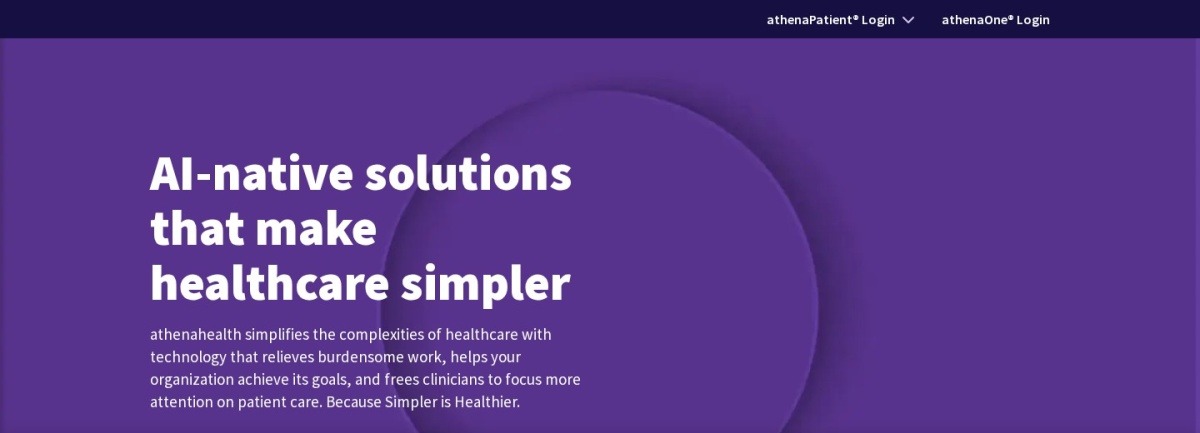
athenaOne is a cloud platform that combines an EHR, practice management and full-service revenue cycle management under one contract. Its network updates payer rules centrally, and Capterra reviewers rate it 3.8 out of 5 from 916 reviews.
The trade off is price opacity and cost. athenaOne charges as a percentage of collections with no published per-provider rate, so the bill grows with revenue. It suits larger ambulatory groups that want billing handled for them.
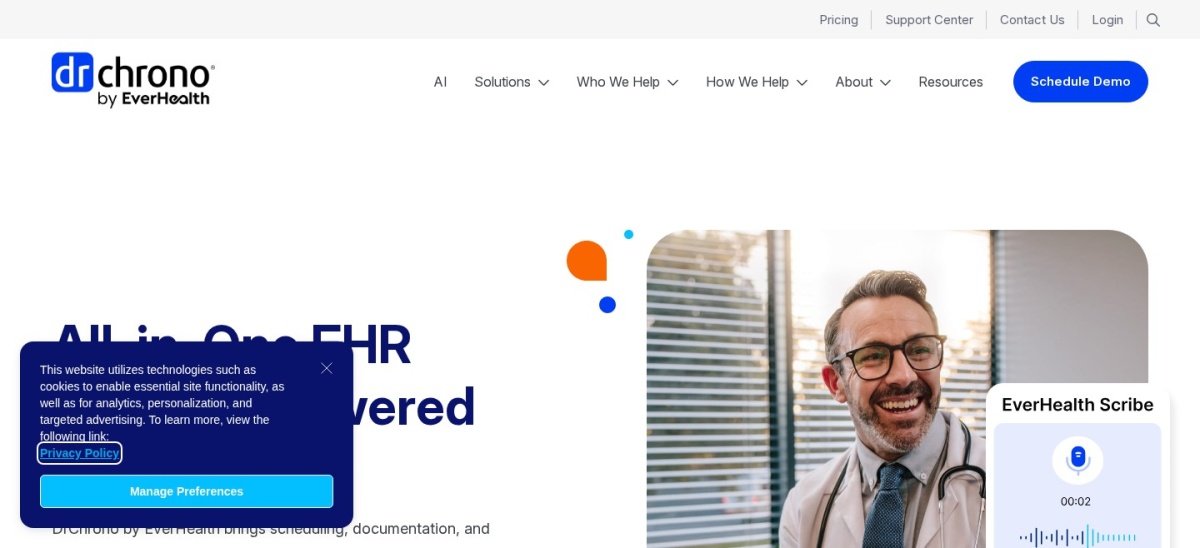
DrChrono is a cloud EHR built around iPad charting, with scheduling, telehealth, billing and a patient portal in one system. It supports Apple Pencil charting and custom templates, and Capterra reviewers rate it 3.9 out of 5 from 493 reviews.
The trade off is price transparency and support. DrChrono publishes no plan prices, and reviewers report slower support and price rises after the EverCommerce acquisition. It suits small clinics that want mobile charting without a heavy setup.
3.9/5on Capterra (1,365 reviews, checked Nov 2026)
PricingCustom/yr
Best all-in-one for independent clinics
EHRClinical charting and e-prescribing
BillingClaims, ERA and statements
GrowthReviews, SEO and scheduling
Free planNo
tebra.com
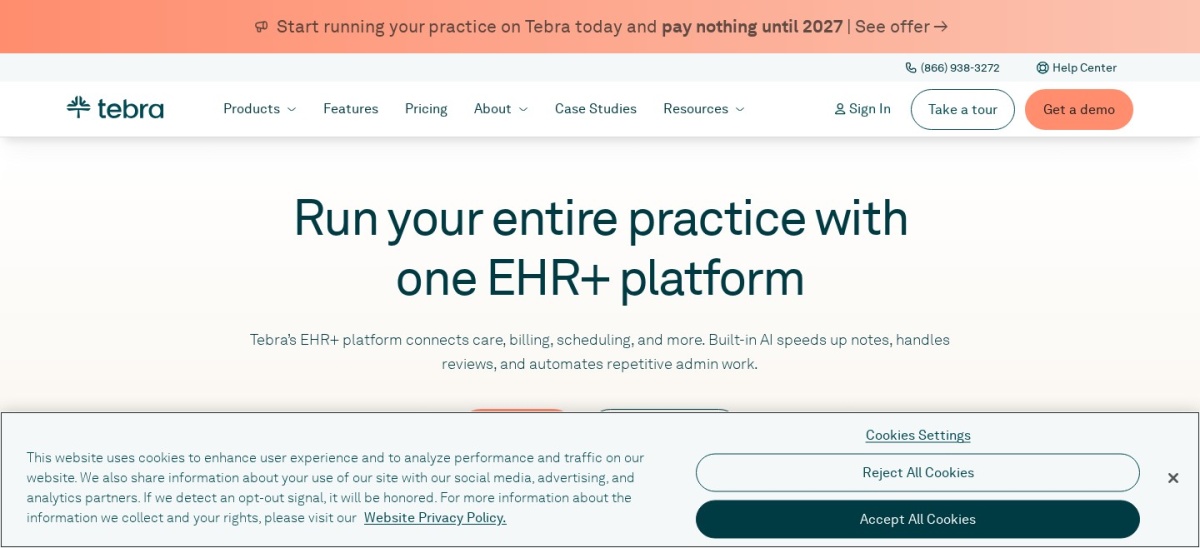
Tebra homepage, captured Nov 2026.
Tebra is a cloud platform that combines an EHR, billing and patient growth tools for independent practices. It grew from the Kareo and PatientPop merger, and Capterra reviewers rate it 3.9 out of 5 from 1,365 reviews.
The trade off is quote-only pricing and support. Tebra publishes no dollar prices on its pricing page, and reviewers report inconsistent support response times. It suits independent clinics that want billing, charting and marketing in one platform.
Solutionreach is a patient engagement platform for reminders, recalls, two-way texting and digital intake. It cuts no-shows and phone tag for front desks, and G2 reviewers rate it 4.3 out of 5 from 170 reviews.
The trade off is the starting price and scope. Pricing starts at $199 a month on the vendor page, but packages are quoted and intake or scheduling can cost extra. It suits clinics that want messaging, reminders and recall in one system.
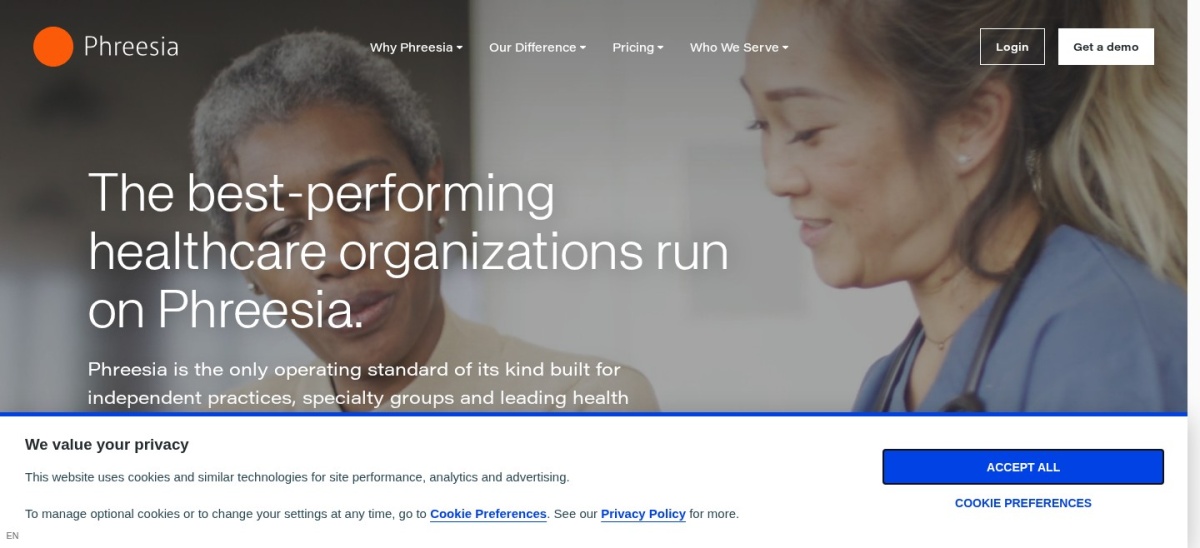
Phreesia is a digital intake platform that replaces paper forms with mobile check-in, insurance verification and patient messaging. It powers 1 in 6 patient visits in the US, and G2 reviewers rate it 4.0 out of 5 from 46 reviews.
The trade off is setup and price. Phreesia sells by custom quote, and reviewers report a challenging learning curve with scattered training for advanced setup. It suits clinics that want check-in time cut without adding front-desk staff.
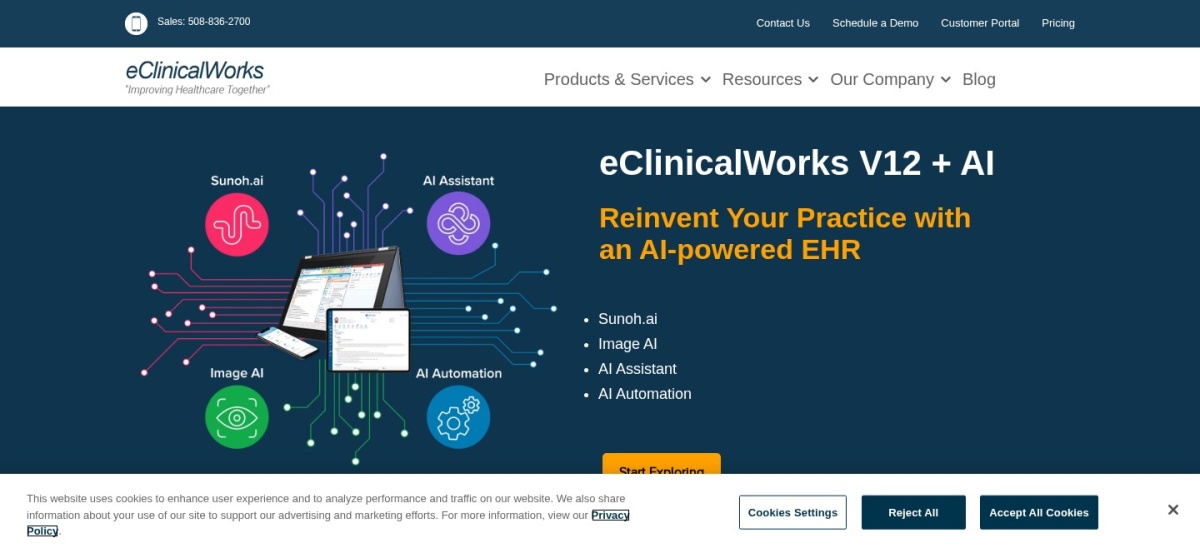
eClinicalWorks is a cloud EHR with integrated billing, scheduling and the healow patient portal in one platform. It suits small practices that want a full system at a reasonable cost, and G2 reviewers rate it 3.7 out of 5 from 160 reviews.
The trade off is the interface and add-on costs. Reviewers call the system dated and say costs rise as features are added. It suits clinics that also run primary care under the same roof and want one record for both.
No tool here offers a free plan. Every system is a paid subscription or a custom quote, so budget for a license from day one.
Starting prices hide the real cost. Solutionreach starts at $199 a month, but EHR quotes add implementation, interfaces and billing modules, so ask for the first-year total.
Quote-only tools hide the real comparison. Send every vendor the same provider count, locations and visit volume, or the quotes will not compare.
How we chose
We started from the EHR and patient-experience tools retail and urgent care clinics actually run, then kept the nine with a published numeric rating on G2 or Capterra and a live product page.
Prices come from each vendor's pricing page, checked on 30 November 2026. Only Solutionreach publishes a starting price; the other eight sell by quote.
We left out tools with no aggregator rating at all. No vendor paid for a place, and we do not claim hands-on testing for this list.
How to choose software for retail clinics
Start with the bottleneck your clinic actually has, then pick the tool that clears it cheapest.
Name the bottleneck first. Decide whether the problem is charting speed, the front door, or billing. A full EHR fixes charting, while Solv or NexHealth fixes booking and check-in.
Count providers and locations. Most vendors price by provider or location, so a quote for one clinic will not match a quote for five. Send every vendor the same provider count and locations.
Test the walk-in flow. Register a test patient and chart a common visit. If registration takes more than a few minutes, the queue will back up at peak hours.
Ask about occupational medicine. Clinics with employer-paid visits need occ-med billing and employer portals. Confirm those workflows before you sign, not after go-live.
FAQ
What is the best software for retail clinics in 2026?
Experity is the best software for retail clinics that run high-volume walk-in care. It holds 4.3 on Capterra from 205 reviews and pairs complaint-driven charting with billing built for urgent care. Solv is the strongest front-door alternative for online booking.
How much does software for retail clinics cost?
Only Solutionreach publishes a starting price, $199 a month. Experity, Solv, NexHealth, athenaOne, DrChrono, Tebra, Phreesia and eClinicalWorks all sell by quote, so get like-for-like quotes for the same provider count and locations.
Is there free software for retail clinics?
None of the nine tools here offers a free plan. Every tool sells by quote or subscription, and most offer a demo before you commit. Budget for a license from day one.
Which is better, Experity or Solv?
Experity is better for clinics that need a full EMR with charting, billing and occupational medicine in one system. Solv is better for the front door: online booking, queue management and digital check-in that fills the schedule. Many clinics run both together.
What is the easiest clinic software for a single location?
DrChrono is the easiest starting point for a single clinic. Its iPad-first charting and templates suit small teams, and it carries 3.9 on Capterra from 493 reviews. Tebra is the next step up, with billing and patient growth tools in one platform.
Do I need a full EHR or just scheduling software?
Pick a full EHR such as Experity or athenaOne when your clinic needs charting, e-prescribing and billing in one record. Pick scheduling software such as Solv or NexHealth when your EHR already works and the bottleneck is filling the schedule.
SaaS SEO and WordPress specialist with about 8 years of experience. Rakib compares WordPress plugins, themes, hosting and software using public pricing, documentation and user reviews. See how we rank.