Consensus leads presales software for enterprise, with the largest review base in this list and a Starter plan from six hundred dollars a month. Homerun is the best pick for managing POCs, while Demostack builds the most realistic full-app clones for complex products.
How we make this list: we compare pricing pages, product documentation and public user reviews, then re-check every price before each update. No product paid for a place. Disclosure.
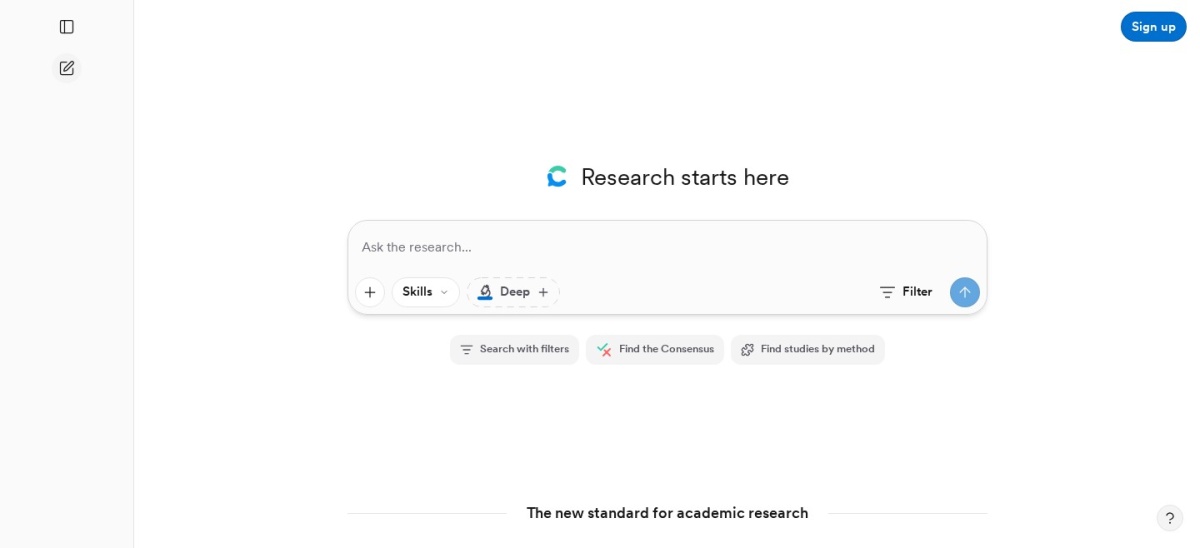
Consensus leads with the largest review base here and a Starter plan from $600 a month billed annually.
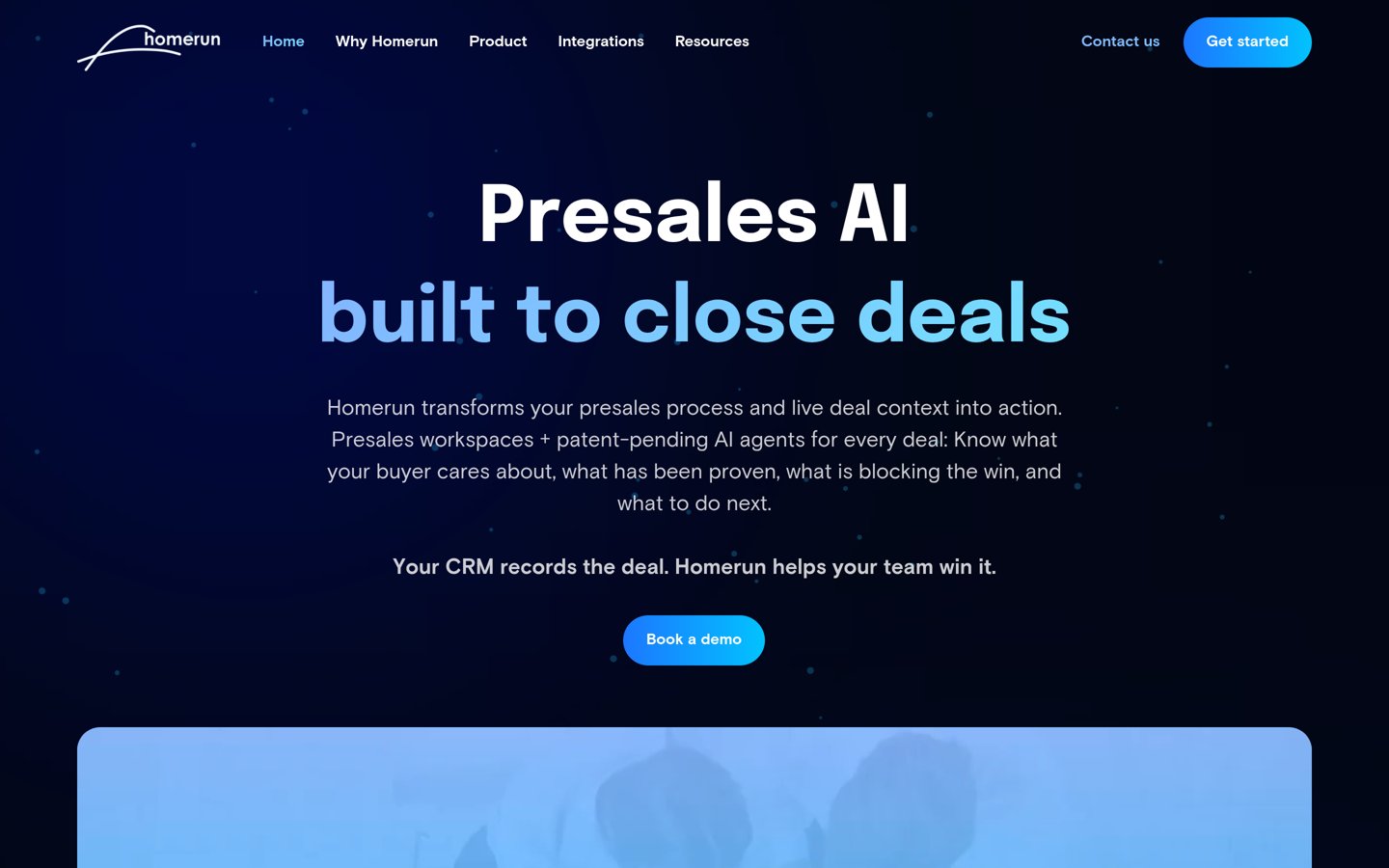
Homerun holds the highest G2 rating at 4.9, and it runs POCs and evaluations in one workspace.
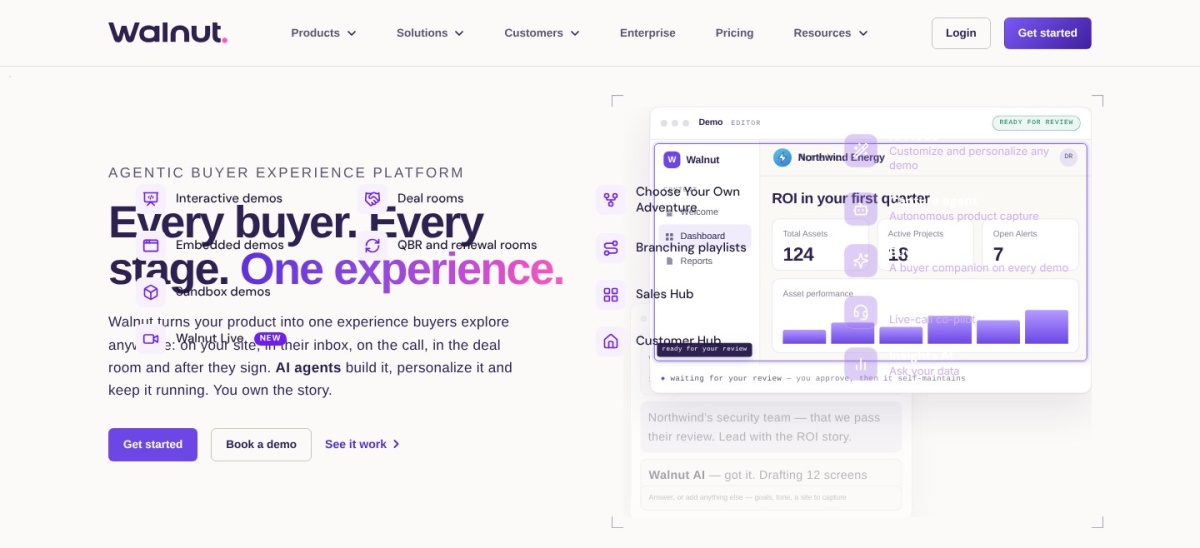
Walnut is the only enterprise demo platform here with fully published pricing, from $575 a month.
Demostack, Reprise and Homerun sell by quote only, so budget for a sales conversation and an annual contract.
Storylane is the cheapest way in at $40 a month, with a free plan that includes one published demo.
What does presales software for enterprise need to do well?
Enterprise presales is two jobs at once: run the demo, and run the deal behind it. Demo tools like Consensus, Walnut and Storylane handle the first job by turning a product into self-serve demos buyers watch without a call. Presales platforms like Homerun handle the second by tracking POCs, evaluations and SE workload in one place. The best shortlists mix both kinds, because a demo that no one follows up on still loses the deal.
Pricing splits this list in two. Storylane, Walnut, Consensus, Navattic, TestBox and Demoboost publish at least one price, from $40 a month to $44,750 a year. Demostack, Reprise and Homerun publish nothing and sell by quote, with reviewer-reported contracts from about $25,000 a year upward. Published pricing is not a quality signal, but it does tell you how fast you can budget.
Ratings here are strong across the board, from 4.4 to 4.9 on G2, so the review count matters more than the score. Consensus has over 1,800 reviews and Storylane over 1,400, while Demostack has 80 and Homerun 55. A 4.9 from 55 reviews is promising, not proven, so read the recent reviews from teams your size before you trust an average.
The demo format decides the fit. Screenshot and video tours work for simple products, HTML demos suit marketing pages, and full-app clones and live sandboxes fit complex enterprise software that buyers must test. Match the format to the product first, then compare price, because the cheapest tool that cannot show your product properly costs more than the expensive one that can.
The 9 best presales software tools for enterprise teams
01
Consensus
4.7/5on G2 (1,845 reviews, checked Nov 2026)
Starts at$600/mo
Best demo automation for enterprise presales
Entry planStarter, $600/mo
Seats on Starter5 users
Enterprise planCustom quote
Demo formatsVideo, tours, live demos
goconsensus.com
Consensus homepage, captured Nov 2026.
Consensus is the demo automation platform that enterprise presales teams use to send buyers self-serve video demos and guided product tours. Its Demolytics analytics show which stakeholders watched what, and the platform plugs into Salesforce, HubSpot, Gong and Outreach. Starter covers 5 users and Pro adds simulations, AI avatars and a full integration suite.
The trade off is the price and the annual-only billing. Starter starts at $600 a month with no free plan and no monthly billing, and the Enterprise tier is a custom quote, so small teams pay enterprise money. It suits large presales teams that run many demos and need stakeholder analytics.
Homerun is a presales workspace where sales engineers track every deal, POC and evaluation in one place. AI agents per deal flag what the buyer cares about, what is proven and what blocks the win, and the platform logs SE activity against the Salesforce opportunity. Homerun acquired Provarity in November 2026 to deepen its evaluation management.
The trade off is the quote-only pricing and the smaller review base. There is no published price and no free plan, so budgeting means a sales conversation, and 55 G2 reviews is far fewer than the demo platforms here. It suits presales teams that live in POCs and want one workspace per deal.
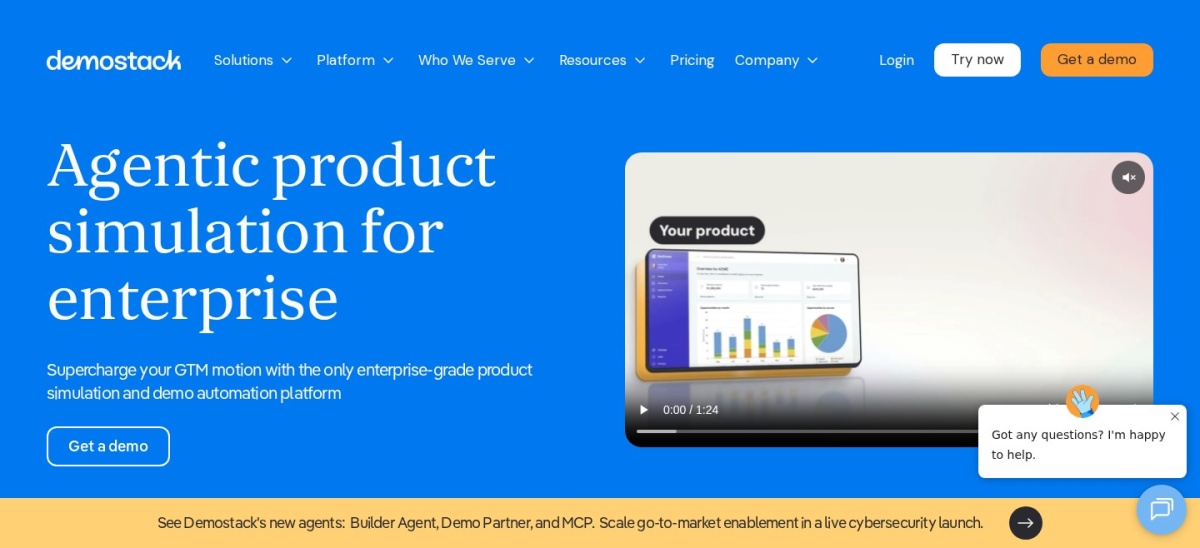
Demostack is an enterprise demo platform that clones a whole web application into a live, editable sandbox. Sales engineers hand buyers a working copy of the product with realistic data, so prospects test the real workflows instead of watching a video. Tours, personalization and analytics sit on top of the clone.
The trade off is cost and setup effort. Pricing is quote-only with reviewer-reported entry spend near $25,000 a year, and standing up a faithful clone takes engineering time. It suits enterprise teams with complex products where a screenshot tour cannot show the real thing.
Walnut is a demo experience platform that captures a product once and turns it into personalized interactive demos, playlists and deal rooms. AI Mode drafts demos from the captured product, and Buyer Xpert answers buyer questions inside the demo. Ignite includes HubSpot and Salesforce sync from the entry plan.
The trade off is the entry price and the seat bundles. Ignite starts at $575 a month billed annually with no free plan, and sandbox demos wait for Accelerate at $1,550 a month. It suits sales-led teams that want published pricing and fast, reusable demos.
What we like
Published pricing, rare in this list
AI Mode drafts demos fast
Buyer Xpert answers inside demos
Deal rooms included from Ignite
Watch out for
No free plan
Sandbox demos need Accelerate
Reviewers report slow editing on complex demos
Accelerate adds sandboxes, SSO and white labellingVisit walnut.io
05
Reprise
4.4/5on G2 (175 reviews, checked Nov 2026)
PricingCustom/yr
Best enterprise demo suite: tours, clones, overlays
ModulesReplay, Replicate, Reveal
PricingQuote-only
Reported medianAbout $31,600/yr
SecuritySOC 2, SSO, RBAC
reprise.com
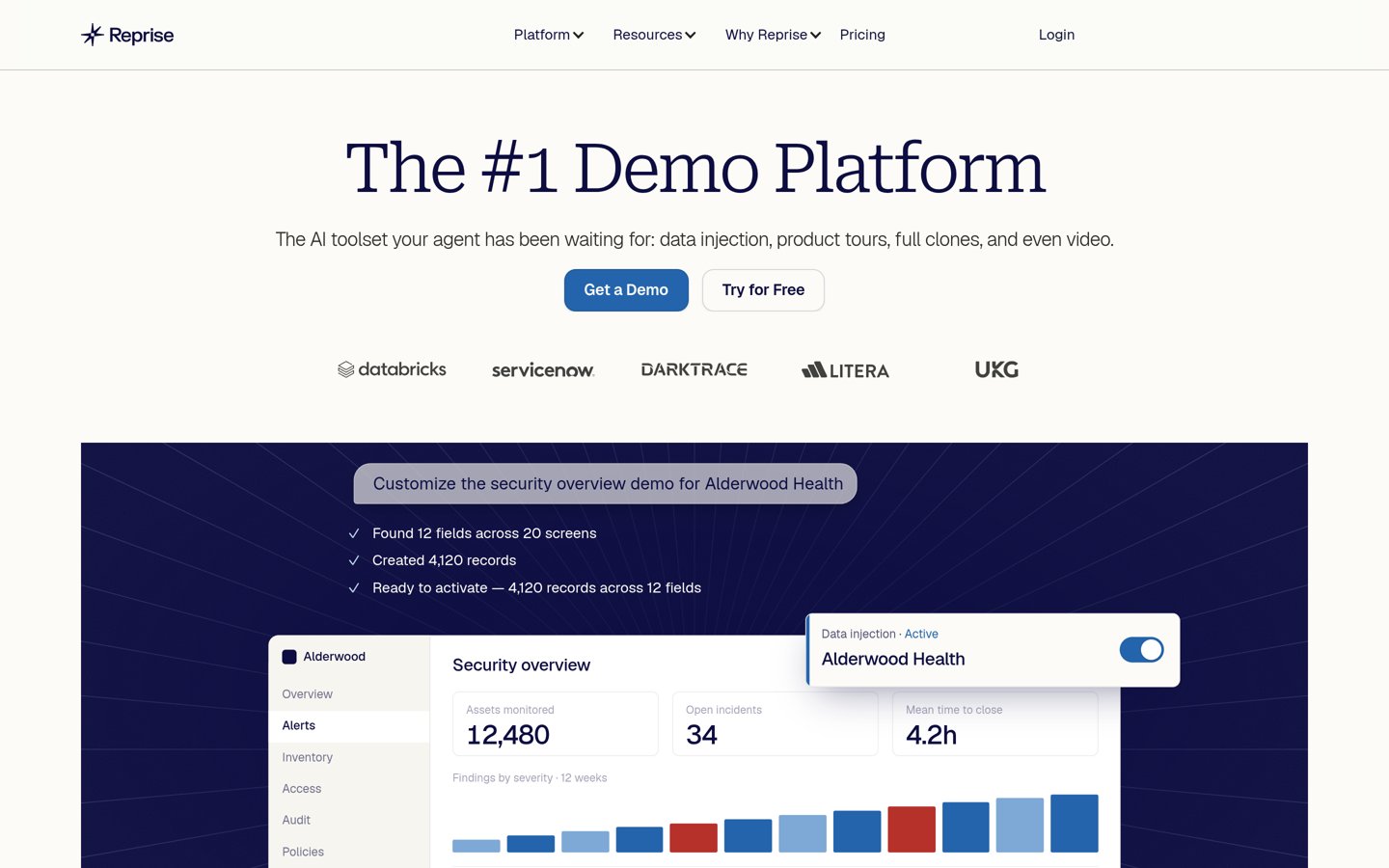
Reprise homepage, captured Nov 2026.
Reprise is an enterprise demo platform built around three products: Replay for guided tours, Replicate for cloned sandbox environments and Reveal for live overlays on the real application. It adds governance, role-based access and an MCP server so AI assistants can build and manage demos. Customers include Databricks and ServiceNow.
The trade off is the learning curve and the quote-only pricing. Reviewers praise the depth but call the setup steep for non-technical users, and reported contracts start around $31,600 a year. It suits mature sales engineering teams with complex demo environments.
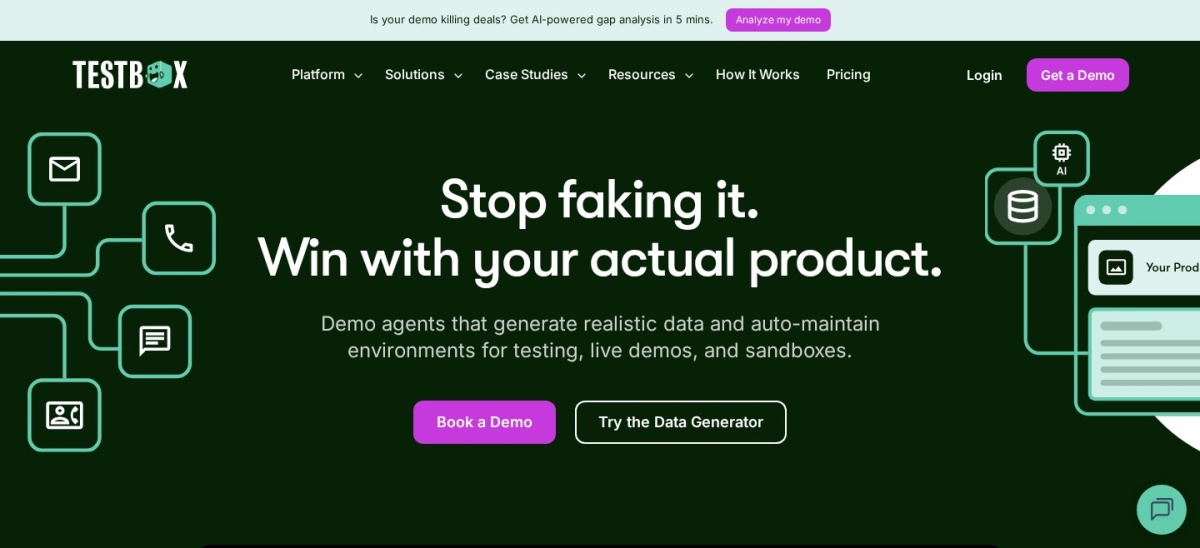
TestBox is a demo and POC platform that generates live, data-populated sandboxes so buyers test-drive a product with realistic data. AI demo workflows seed the environment, keep it updated and simulate user activity, so the demo never looks empty. The Platform Standard tier includes 15 seats and the Data Generator.
The trade off is the enterprise price tag. Platform Standard costs $44,750 a year plus implementation fees, and the quote-only Enterprise tier sits above that, so this is not a tool for small teams. It suits B2B teams that run POCs where realistic data decides the deal.
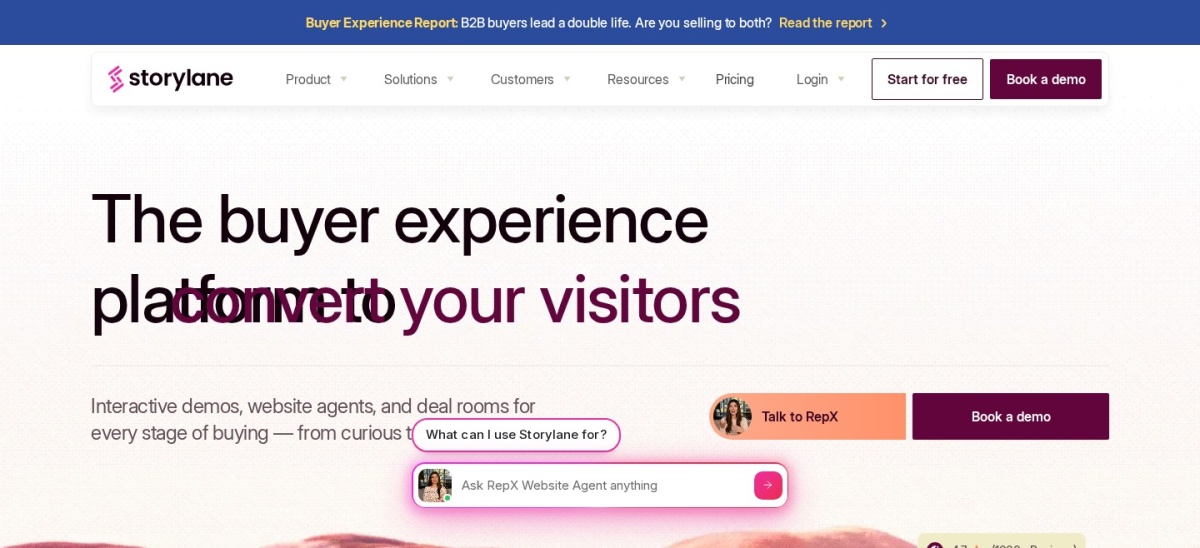
Storylane is a demo platform that builds screenshot, HTML and video demos in one library, with Hubs that bundle demos, videos and PDFs into a deal room for each buyer. The free plan includes 1 seat and 1 published demo, and Starter at $40 a month billed yearly adds unlimited demos, AI voiceovers and account reveal.
The trade off is that the deeper demo formats cost far more. HTML demos start on Growth at $500 a month and sandbox demos wait for Enterprise, so the $40 Starter is screenshot and video only. It suits teams that want one demo library for marketing, sales and presales.
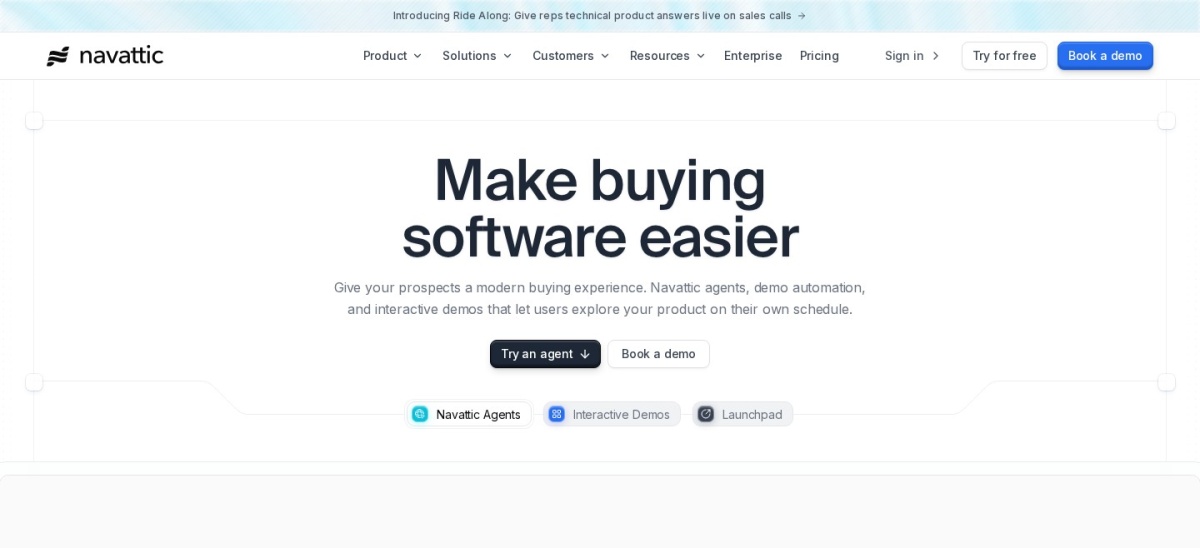
Navattic is a demo automation platform that captures a product as working HTML, so visitors click through the real interface instead of watching a video. The free Starter plan includes 1 seat, 1 demo and unlimited views. Paid plans add Salesforce and Marketo integrations, sandbox demos and A/B testing.
The trade off is the jump from free to paid. There is no paid plan between the free Starter plan and Base at $500 a month billed yearly, so a team that outgrows one demo faces a steep step up. It suits marketing teams that want HTML demos on their website.
Demoboost is a demo automation platform built for presales-led teams, with six demo formats: HTML tours, sandbox environments, live overlays, screenshot demos, mobile demos and video demos. Its qualification system routes buyers to the right demo path and captures engagement before the first discovery call. Customers include Bosch, Celonis and PwC.
The trade off is the entry price and the gated modules. Start Up costs $375 a month for 2 seats with no free plan, and sandbox demos wait for Growth at $1,200 a month while live overlays are Enterprise-only. It suits European mid-market and enterprise presales teams.
Quote-only pricing: what enterprise presales tools really cost
Three tools in this list publish no price at all. Demostack, Reprise and Homerun sell by annual quote only, and their pricing pages send buyers to book a sales call. Reviewer-reported contracts put Demostack from about $25,000 a year, Reprise at a median near $31,600 a year, and Homerun unreported, so treat every figure as a starting point for negotiation, not a list price.
The published prices are not much cheaper. Consensus Starter costs $600 a month billed annually, Walnut Ignite $575 a month, and TestBox Platform Standard $44,750 a year plus implementation fees. Only Storylane at $40 a month and Demoboost at $375 a month sit below $500 a month, and both reserve their deeper formats for higher tiers.
Budget for the whole contract, not the headline. Annual billing is standard across this list, implementation fees apply at TestBox and Demostack, and extra seats cost real money: TestBox charges $1,200 a year per extra user. Ask for the total first-year cost in writing before you sign, including onboarding and support.
How we chose
We started from the presales tools enterprise teams actually shortlist: demo automation platforms and presales operations platforms with a G2 rating and a real enterprise customer base. We kept the nine with a published price or a confirmed quote-only model, a G2 rating, and a homepage we could capture cleanly. Vivun was dropped because its G2 product page no longer lists reviews, and PreSkale was dropped because Storylane acquired it.
Prices come from each vendor's pricing page or its G2 pricing listing, checked on 30 November 2026. Walnut and Storylane prices come from their own pricing pages opened today. Consensus, Navattic, TestBox and Demoboost prices rest on vendor-provided G2 listings and November 2026 reads of the vendor pages, and are flagged as second-hand in our notes. Ratings and review counts come from G2 on the same day.
We left out tools with no G2 rating and tools whose homepages would not load a clean screenshot. No vendor paid for a place, and we do not claim hands-on testing for this list.
How to choose presales software for enterprise
Match the tool to the job your presales team does most, then check the price and the proof.
Decide whether you need demos, operations, or both. Demo tools send buyers self-serve tours, while presales platforms track POCs and SE workload. Most enterprise teams need one of each.
Check the demo format against your product. Screenshot tours suit simple products, HTML demos suit marketing pages, and clones and sandboxes suit complex software buyers must test.
Budget for the quote-only tools early. Demostack, Reprise and Homerun publish no price, so start the sales conversation before the shortlist is final and ask for total first-year cost.
Read recent G2 reviews from teams your size. Ratings run from 4.4 to 4.9 here, so the review count and the complaints from enterprise reviewers tell you more than the score.
FAQ
What is the best presales software for enterprise?
Consensus is the best overall pick, with the largest review base in this list and demo automation built for large presales teams. Homerun is the best choice for managing POCs and evaluations, and Demostack builds the most realistic full-app clones for complex products. The right pick depends on whether your team needs demos, operations, or both.
How much does presales software for enterprise cost?
Published prices in this list run from $40 a month for Storylane Starter to $44,750 a year for TestBox Platform Standard. Walnut Ignite costs $575 a month and Consensus Starter $600 a month, both billed annually. Demostack, Reprise and Homerun sell by quote only, with reviewer-reported contracts from about $25,000 a year.
What is the difference between Consensus and Walnut?
Consensus is the larger demo automation platform, with over 1,800 G2 reviews and stakeholder analytics that show which buyers watched what. Walnut is the more sales-led tool, with AI Mode that drafts demos and published pricing from $575 a month. Consensus suits bigger presales teams, while Walnut suits teams that want to launch reusable demos fast.
Do enterprise presales tools offer free plans?
Three tools here offer a free plan: Storylane with one published demo, Navattic with one demo and one seat, and TestBox with a free Data Generator tier. Walnut, Demoboost and Homerun offer a free trial instead of a free plan. Consensus, Demostack and Reprise offer neither, so evaluation means a demo and a sales conversation.
What is the best presales software for POC management?
Homerun is the best pick for POC management, with workspaces that track every evaluation, deal and SE activity in one place and AI agents that flag what blocks the win. TestBox is the best alternative when the POC needs a live sandbox with realistic data. Both are built for teams that run technical evaluations every week.
Is Vivun still a presales software option?
Vivun still sells presales software, including its Hero AI agent for sellers and the VivunOne operations platform, but its G2 product page no longer lists reviews, so we could not verify a current rating. We left it out of this list for that reason. Homerun and Consensus are the closest verified alternatives for presales operations and demo automation.
SaaS SEO and WordPress specialist with about 8 years of experience. Rakib compares WordPress plugins, themes, hosting and software using public pricing, documentation and user reviews. See how we rank.