Browserless is the best Prerender IO alternative for most teams. It hosts headless Chrome from $25 a month with a free tier, and it works with Puppeteer and Playwright, with no browser fleet to run.
How we make this list: we compare pricing pages, product documentation and public user reviews, then re-check every price before each update. No product paid for a place. Disclosure.
Browserless is the closest managed swap, from $25 a month, but you build the cache and bot rules yourself.
Playwright and Next.js are free, and both are rated 4.8 and 4.7 out of 5 on G2.
Encited and SEO4Ajax, the two closest managed services, have no verifiable G2, Capterra or Trustpilot rating, so they are not in this list.
Screaming Frog is the best-rated audit crawler here at 4.7 out of 5 from 187 reviews, priced at £199 a year.
Botify, seoClarity and Oncrawl are all sold by quote, so budget for enterprise contracts, not self-serve plans.
How do you choose the best Prerender IO alternative?
Start with how much engineering you have. A managed service or hosted browser fits teams with no developer time, while Playwright fits teams that can run their own servers.
Check which crawlers you need to serve. Search bots are the baseline, but AI crawlers such as ChatGPT and Perplexity need their own handling, and only some tools cover both.
Price follows scale, not features. Browserless starts at $25 a month, JetOctopus at $349, and the enterprise platforms are all quoted, so the bill depends on pages and renders, not the plan name.
Remember dynamic rendering is a bridge. Google's own guidance points to server-side rendering, so a framework move such as Next.js can end the problem instead of patching it.
List prices in each vendor's currency, checked Nov 2026
PlaywrightFree
Next.jsFree
BotifyCustom
seoClarityCustom
OncrawlCustom
Sitebulb$216
ScreamFrogFREE£279
BrowserlessFREE$300
JetOctopus$4,188
The 9 best Prerender IO alternatives
01
Browserless
4.8/5on G2 (9 reviews, checked Nov 2026)
Paid from$25/mo
Best managed Prerender replacement
Free planYes, 1,000 units/mo
Paid planPrototyping, $25/mo
BrowsersChrome, Chromium
AccessAPI, Puppeteer, Playwright
browserless.io
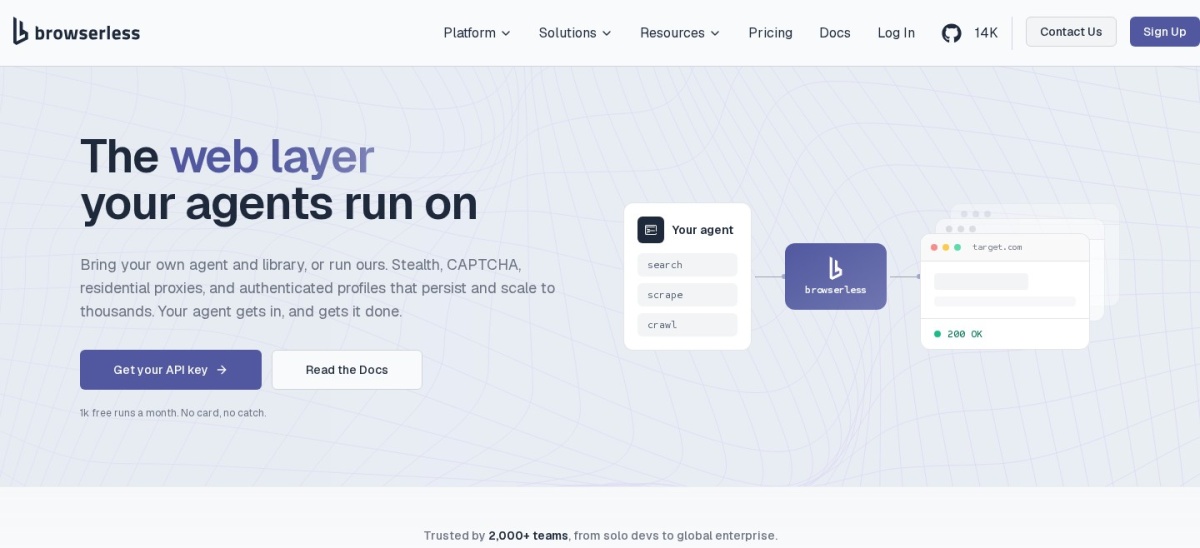
Browserless homepage, captured Nov 2026.
Browserless is a hosted headless-browser service that runs Chrome for you and returns rendered HTML, screenshots or PDFs through an API. It works with Puppeteer and Playwright over a websocket, so a Prerender pipeline can point at it with little code change. It is rated 4.8 out of 5 on G2.
The trade off is that Browserless sells the browser, not the rendering service. You build the cache, bot detection and snapshot serving yourself, and the free tier covers only 1,000 units a month. It suits teams with a developer who want full control of the pipeline.
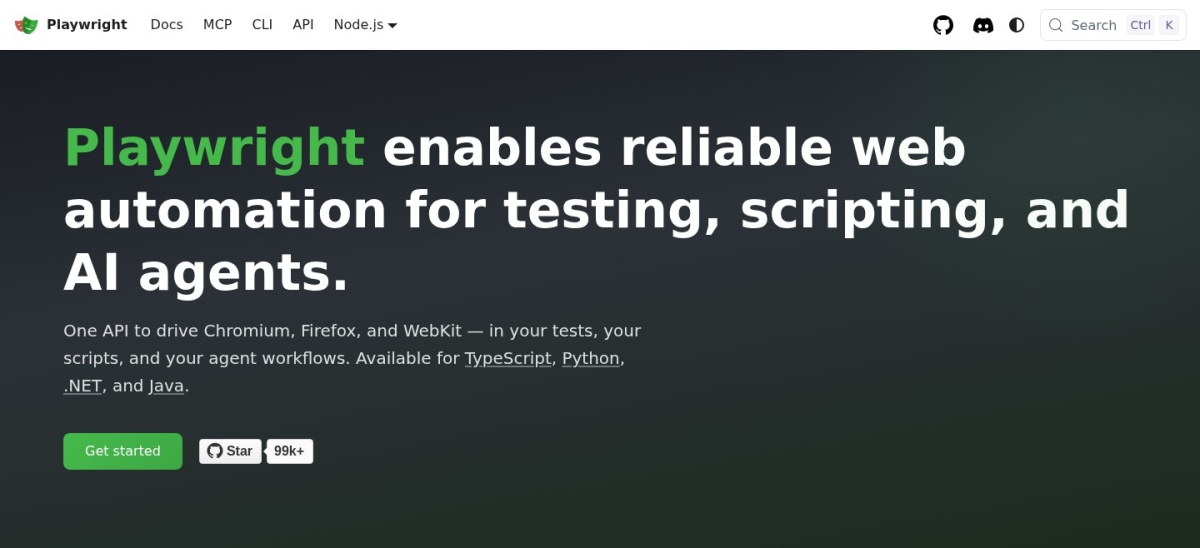
Playwright is Microsoft's free, open-source framework for driving Chromium, Firefox and WebKit from one API, with auto-waiting, tracing and parallel runs built in. A small script can request a page, wait for JavaScript to settle, save the HTML and serve it to bots. It is rated 4.8 out of 5 on G2.
The trade off is ownership. There is no hosted service, cache or dashboard, so the team runs the browsers, the queue and the invalidation logic. It suits developers who want a free, maintained toolkit and already run their own servers.
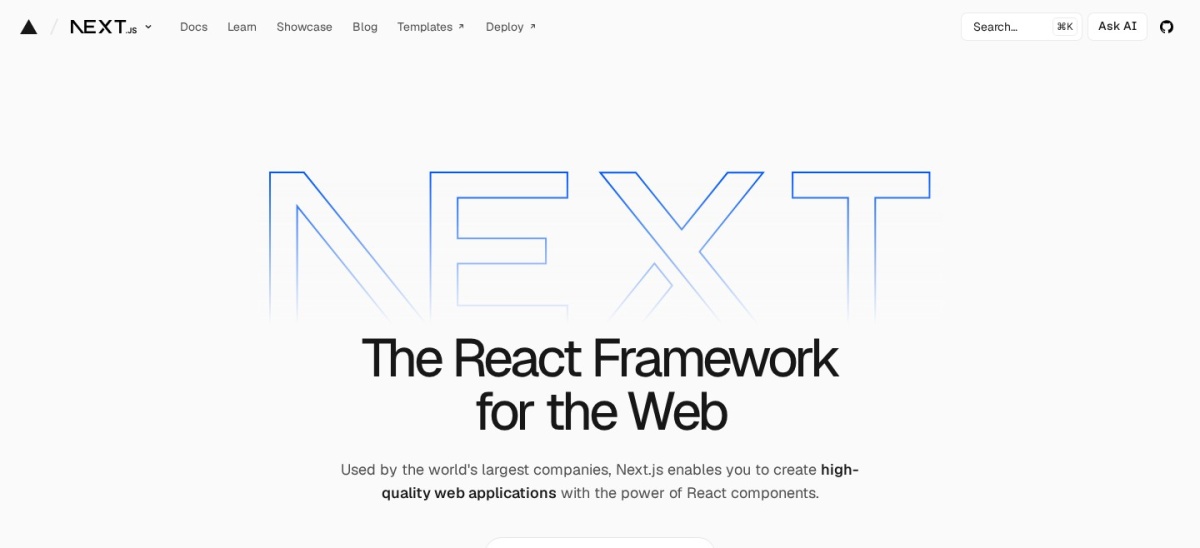
Next.js is a React framework that renders pages on the server or at build time, so bots get real HTML with no prerendering layer bolted on. File-based routing, built-in SEO and middleware come with the framework. It is rated 4.7 out of 5 on G2.
The trade off is the rebuild. Moving a single-page app to Next.js is a real project, and deployment outside Vercel can be fiddly. It suits React teams already planning a rebuild who want the rendering problem gone for good.
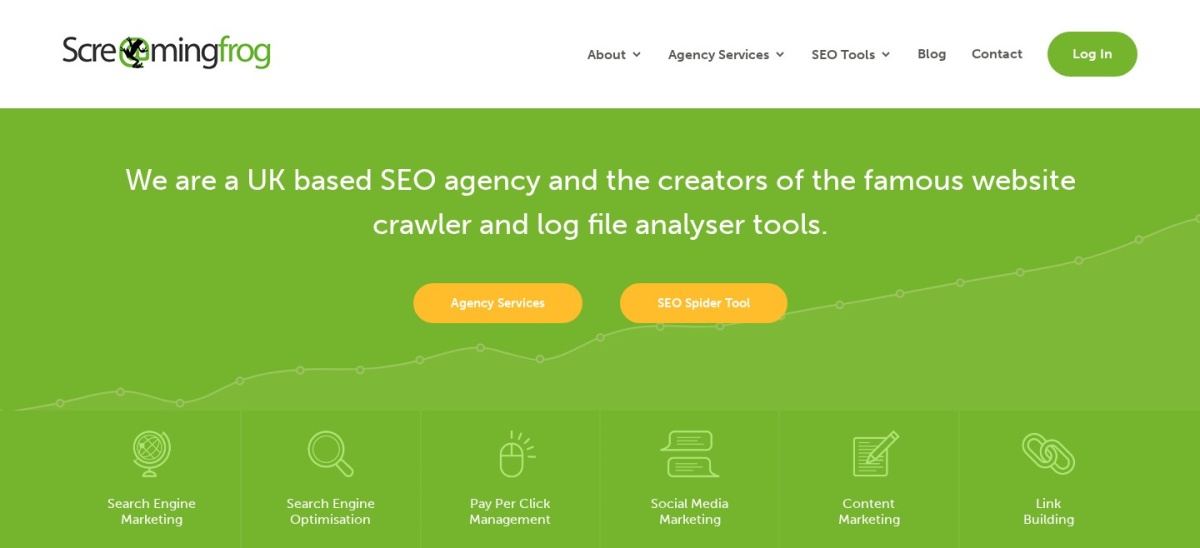
Screaming Frog is the desktop crawler most technical SEOs use, with JavaScript rendering, custom extraction and scheduling on the paid licence. The free version crawls up to 500 URLs, and the SEO Spider is rated 4.7 out of 5 on G2 from 187 reviews.
The trade off is that it audits rendering, it does not serve rendered pages to bots. The licence is priced in pounds at £199 a year, and each team member needs one. It suits SEOs who need to find rendering and indexing issues fast.
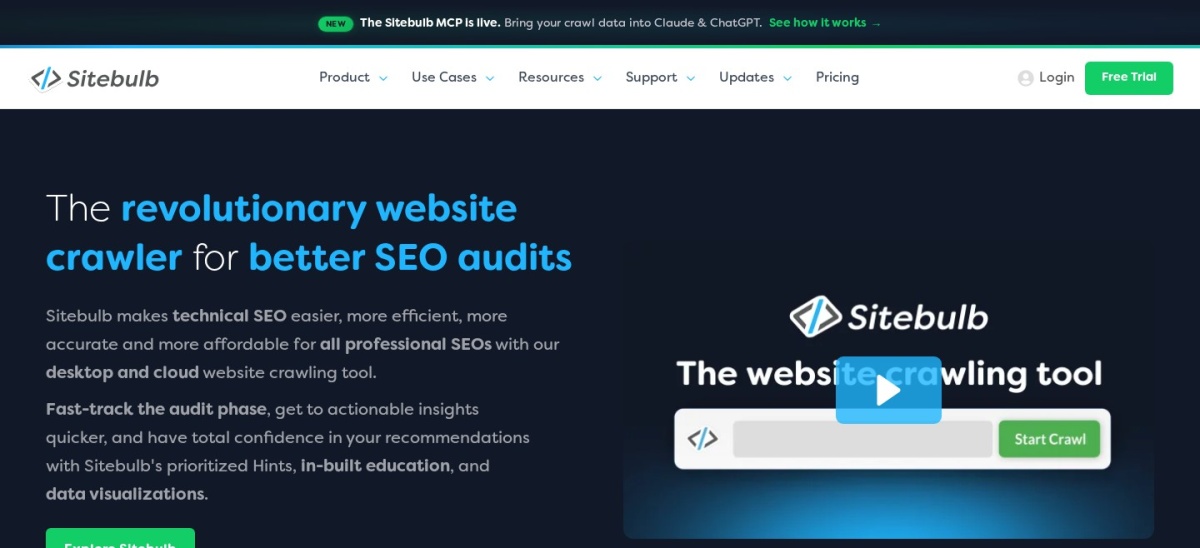
Sitebulb is a desktop crawler and audit tool that turns crawl data into prioritised hints, visualisations and client-ready PDF reports. Lite costs $18 a month for one user and 10,000 URLs per audit, with JavaScript crawling included. It is rated 4.5 out of 5 on G2.
The trade off is the thin review base, only 13 G2 reviews, and there is no free plan, only a 14-day trial. It suits agencies and consultants who hand audits to stakeholders and need the story told for them.
Botify is an enterprise SEO platform that combines crawling, server-log analysis and edge rendering, with AI search tracking on top. SpeedWorkers render pages at the edge for search and AI crawlers. It is rated 4.4 out of 5 on G2 from 80 reviews.
The trade off is price and process. There is no public price and no trial, only a demo and a yearly contract, so small sites cannot just sign up. It suits large brands with millions of pages and a full SEO problem, not just rendering.
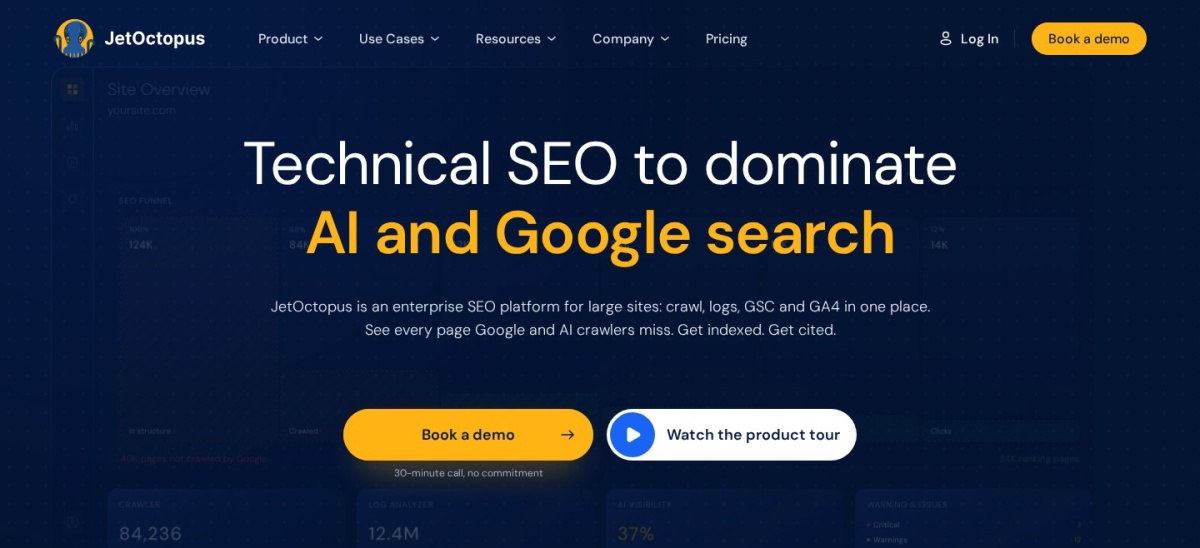
JetOctopus is a cloud technical SEO platform that crawls with and without JavaScript rendering and pairs it with native server-log analysis. Growth costs $349 a month billed yearly, covering 500,000 URLs a month. It is rated 4.4 out of 5 on G2.
The trade off is price and review depth, with only 15 G2 reviews behind the score. It suits large sites that want rendering checks and AI bot logs in one place without enterprise sales calls.
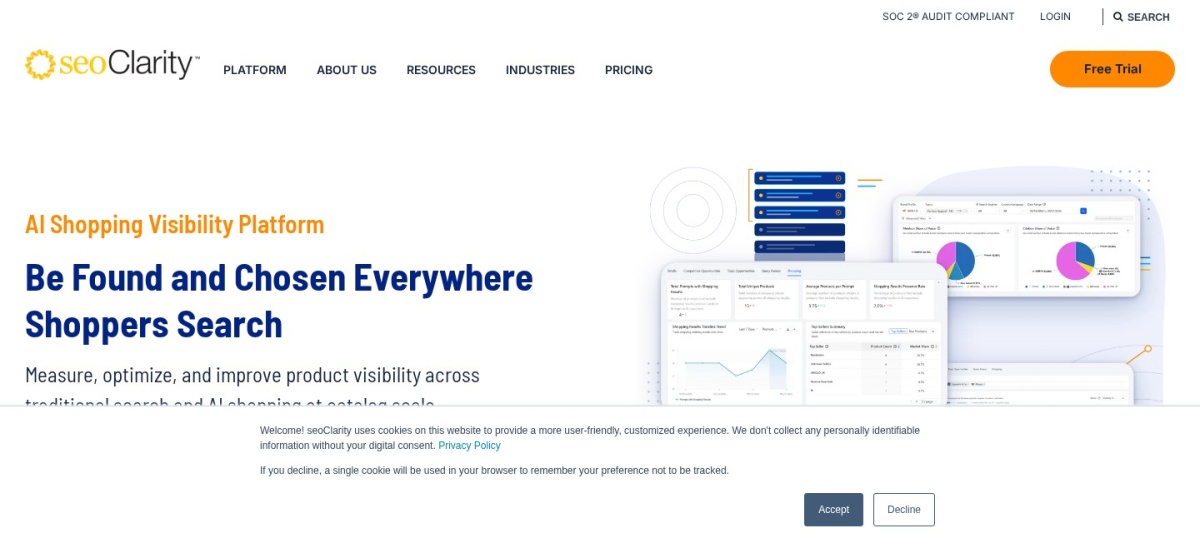
seoClarity is an enterprise SEO platform whose Bot Optimizer runs at the CDN or edge layer to render, cache and serve full HTML to approved bots. It covers search bots and AI crawlers such as ChatGPT and Perplexity, and seoClarity is rated 4.5 out of 5 on G2 from 165 reviews.
The trade off is access. There is no public price and no self-serve signup, and the wider platform starts around $2,500 a month. It suits large sites that want edge pre-rendering without front-end changes.
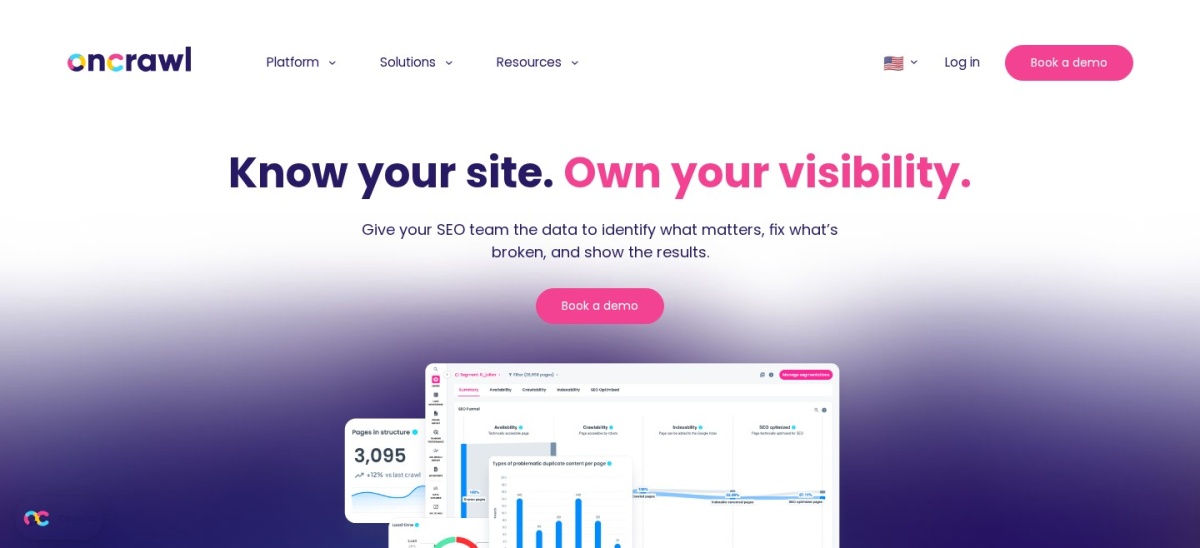
Oncrawl is a cloud technical SEO platform that combines a site crawler, server-log analysis and Search Console data for large websites. It handles JavaScript rendering and tracks AI bot activity in logs. It is rated 4.4 out of 5 on G2.
The trade off is that everything is by quote, with auto-renewing contracts and no trial, only a demo. It suits enterprise teams that live in log files and need crawl and log data in one place.
Managed services do the caching, bot detection and invalidation for you. Browserless is the exception here: it hosts the browser, but the rendering pipeline is yours to build.
DIY tools cost nothing in licences and everything in engineering time. Playwright is free and maintained, but the team runs the browsers, the queue and the cache.
Frameworks end the problem. Next.js renders real HTML at the source, so there is no snapshot layer to maintain, but the move is a rebuild, not a swap.
How we chose
We started from the tools buyers compare with Prerender.io most often, then kept the nine with a published price or quote route and a verifiable G2 rating.
Prices come from each vendor's pricing page, checked on 29 November 2026. Ratings and review counts come from G2 on the same day. Screaming Frog charges in pounds, so its price is shown in pounds with the US dollar figure beside it.
We left out Encited and SEO4Ajax because neither has a verifiable rating on G2, Capterra or Trustpilot, and Rendertron because Google archived it. No vendor paid for a place, and we do not claim hands-on testing for this list.
How to choose a Prerender IO alternative
Match the tool to your engineering time first, then to the crawlers you serve.
Count your renders. Check how many pages bots request each month, then price each tool at that volume, not at its smallest plan.
List the crawlers that matter. Googlebot is the baseline, but AI crawlers need separate handling, so confirm each tool serves the bots your traffic depends on.
Try the free route first. Run Playwright or Browserless on a free tier against a staging copy and compare the rendered HTML with what the live page sends.
Plan the exit from rendering. If a rebuild is on the roadmap, server-side rendering removes the snapshot layer entirely, so weigh that against another year of rendering bills.
FAQ
What is the best Prerender IO alternative in 2026?
Browserless is the best Prerender IO alternative for most teams. It hosts headless Chrome from $25 a month with a free tier, and it works with Puppeteer and Playwright, with no browser fleet to run.
Is there a free Prerender IO alternative?
Yes. Playwright and Next.js are both free and open source, and Browserless has a free tier of 1,000 units a month. Screaming Frog is also free for crawls of up to 500 URLs.
How much does a Prerender IO alternative cost?
Managed rendering starts at $25 a month with Browserless, while Playwright and Next.js cost nothing. Sitebulb starts at $18 a month, JetOctopus at $349, and Botify, seoClarity and Oncrawl are all sold by quote.
Which Prerender IO alternative is best for AI crawlers?
Botify and seoClarity are the strongest picks for AI crawlers, with tracking for ChatGPT, Perplexity and Gemini built in. Browserless can serve AI crawlers too, but only with rules you configure yourself.
Should I replace Prerender IO or rebuild with server-side rendering?
Rebuild if you can. Server-side rendering with Next.js removes the snapshot layer entirely, so bots get real HTML. Keep a rendering service only when a rebuild is months away and pages need to stay indexed now.
What happened to Rendertron?
Google archived Rendertron, so new projects should not build on it. Playwright is the maintained free route for self-hosted rendering, and Browserless is the hosted route.
SaaS SEO and WordPress specialist with about 8 years of experience. Rakib compares WordPress plugins, themes, hosting and software using public pricing, documentation and user reviews. See how we rank.