Browserless is the best Prerender alternative for most teams, with hosted Chrome from $25 a month and a free plan for small sites. Playwright is the best free route if your team can build its own pipeline, while a React framework removes the need for prerendering altogether.
How we make this list: we compare pricing pages, product documentation and public user reviews, then re-check every price before each update. No product paid for a place. Disclosure.
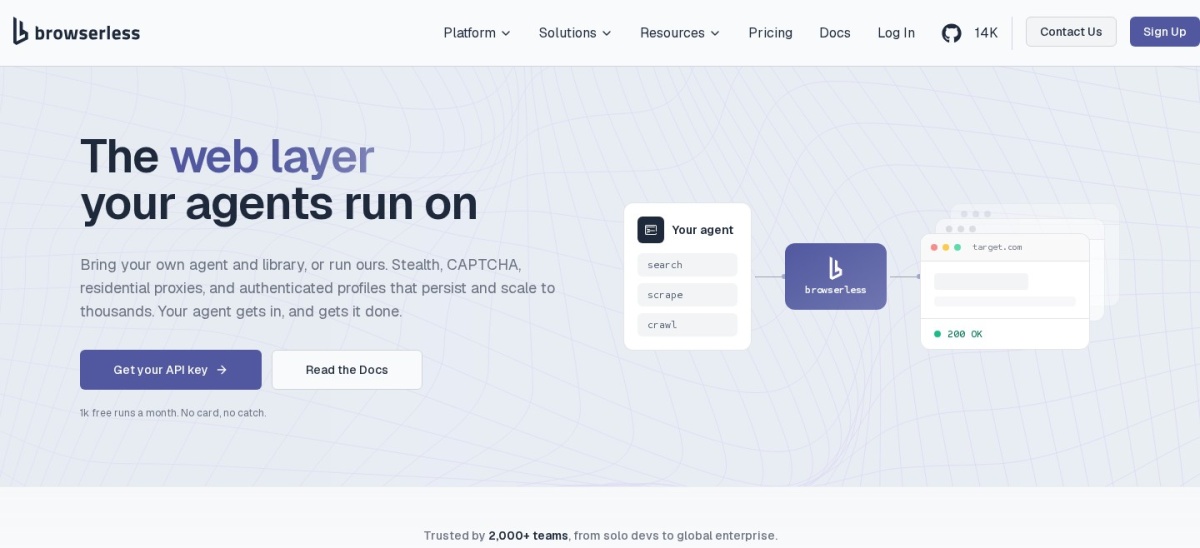
Browserless is the closest low-cost route to managed rendering, with a free plan of 1,000 units a month and paid plans from $25 a month.
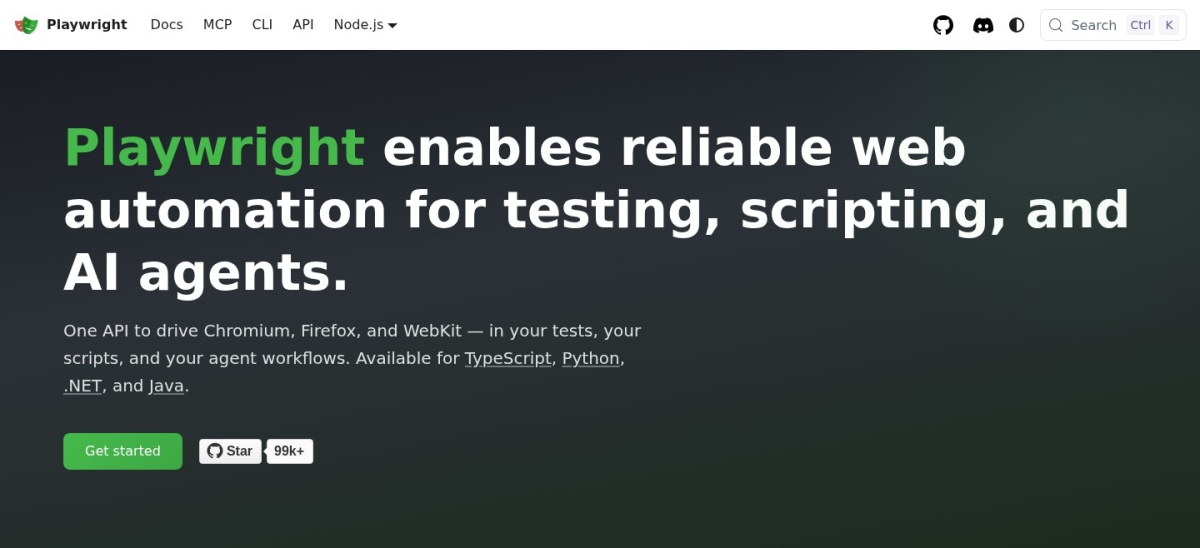
Playwright and Next.js are both free, but they solve different problems: Playwright builds your own renderer, Next.js removes the need for one.
Screaming Frog and Sitebulb audit what Googlebot renders; they do not serve prerendered pages to crawlers.
Botify and seoClarity are enterprise-only, with custom pricing and rendering built for very large sites.
Encited and SEO4Ajax are the closest managed replacements, but neither has a verifiable G2, Capterra or Trustpilot rating, so they are not in this list.
How do you choose the right Prerender alternative?
Start with how much engineering time you have. Managed services and hosted browsers need the least work, while libraries and frameworks need a developer to build and run them.
Match the tool to the job. A hosted browser or a DIY library serves rendered HTML to bots, a framework fixes rendering at the source, and a crawler only shows you what bots see.
Check the price model before you commit. Browserless charges by browser time, Screaming Frog charges a flat yearly licence, and Botify and seoClarity are custom quotes that suit enterprise budgets.
Do not trust a tool with no public reviews. Every pick in this list carries a G2 rating, and the two closest managed replacements were left out because no verifiable rating exists for them.
Browserless is a hosted headless Chrome service that runs the browser for you, so your own servers never launch Chrome. The free plan includes 1,000 units a month with two concurrent browsers, and the API works with Puppeteer and Playwright code with only an endpoint change.
The trade off is that Browserless sells the browser, not a finished prerendering service. Bot detection, caching and serving rendered HTML to crawlers are still yours to build. It suits engineering teams that want to run their own rendering pipeline without managing Chrome fleets.
Playwright is Microsoft's free, open source library for driving Chromium, Firefox and WebKit from one API. It waits for JavaScript to settle before you read the page, which makes it a solid base for a home-built prerendering service that renders pages and caches the HTML.
The trade off is that Playwright is a toolkit, not a service. You run the browsers, build the cache, detect bots and serve the HTML yourself, and you pay for the machines. It suits teams that already run Node or Python services and want full control.
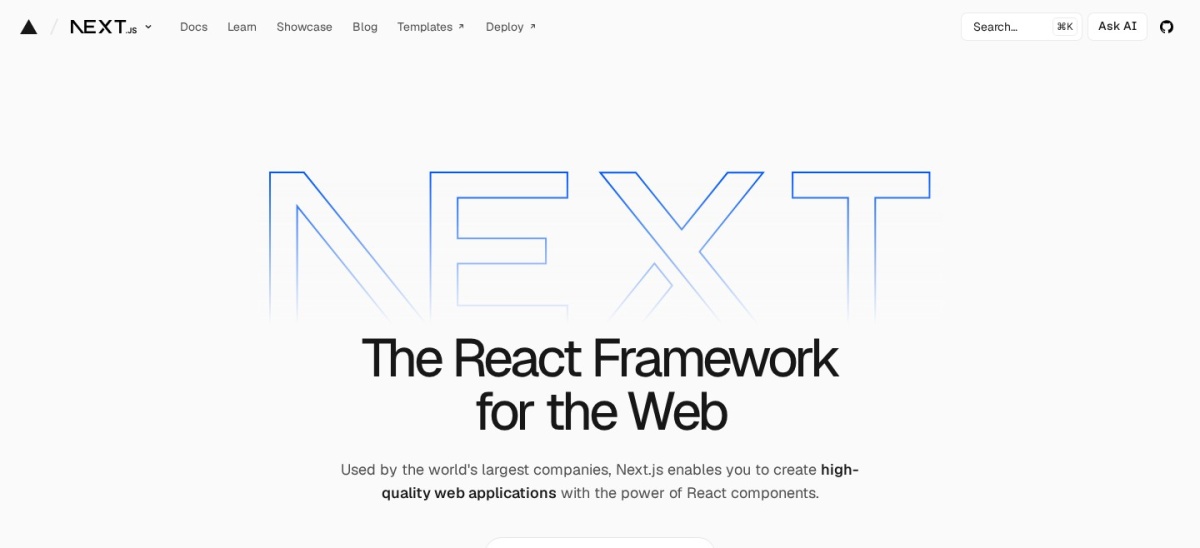
Next.js is a free React framework that renders pages on the server or at build time, so search engines receive real HTML with no prerendering layer bolted on. It is the long-term fix Google points teams toward instead of dynamic rendering, and it powers a large share of modern React sites.
The trade off is the rebuild. Moving a client-only React app to Next.js takes real engineering time, and it only helps React sites. It suits teams already planning a rebuild or starting a new React project.
What we like
Free and open source
Removes the need for prerendering entirely
Server rendering, static builds and caching built in
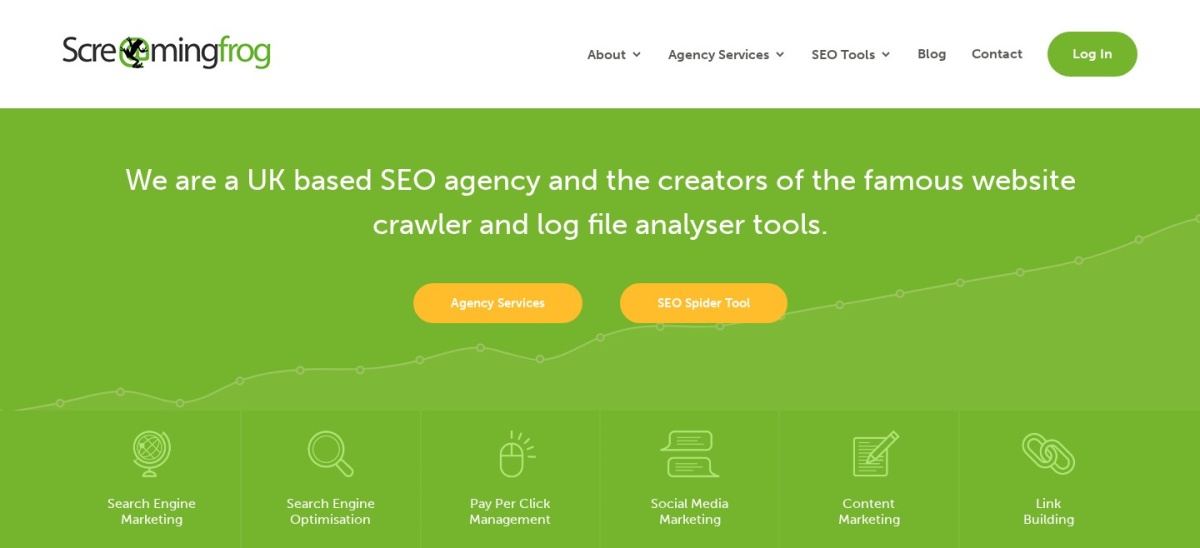
Screaming Frog SEO Spider homepage, captured Nov 2026.
Screaming Frog SEO Spider is a desktop crawler that audits links, redirects, titles and metadata, and renders JavaScript to show what Googlebot actually sees. The free version crawls up to 500 URLs, and the paid licence removes the cap and adds scheduling, crawl comparison and custom extraction.
The trade off is that it audits rendering rather than serving prerendered pages. It tells you what is broken but does not fix indexation on its own, and large crawls are limited by your own hardware. It suits technical SEOs who audit JavaScript sites every week.
Vercel is the frontend cloud from the team behind Next.js, and it deploys server-rendered apps straight from Git with a preview link for every pull request. The free Hobby plan covers personal projects, and Pro costs $20 per user a month with $20 of usage credit included.
The trade off is that Vercel hosts your rendering rather than prerendering for crawlers. Usage billing can climb as traffic grows, and long-running backends need separate services. It suits React teams that want server rendering with almost no infrastructure work.
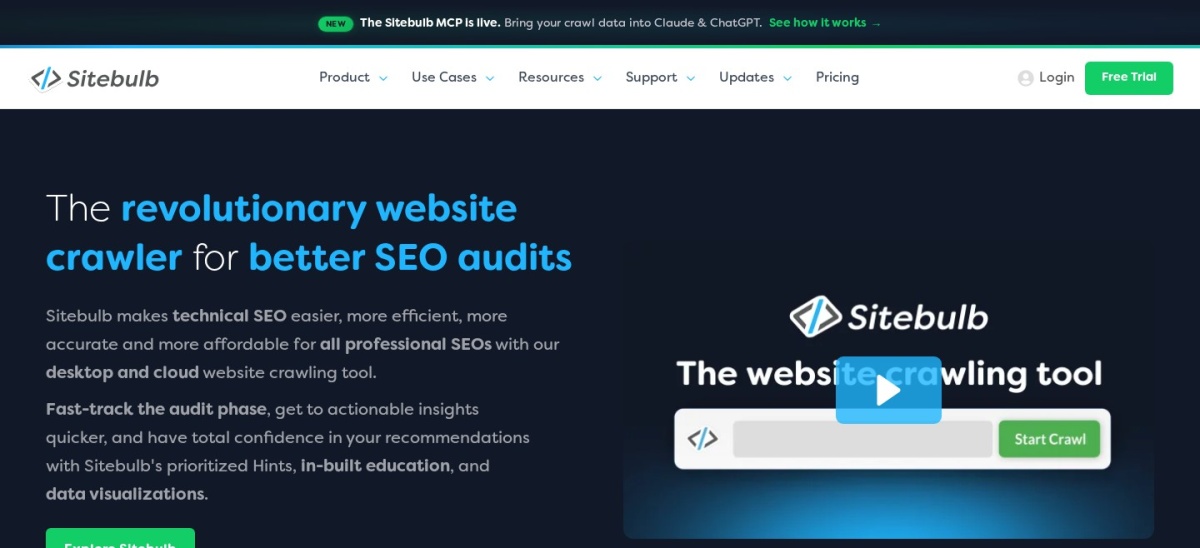
Sitebulb is a website auditing crawler built around visual crawl maps and prioritised issue explanations. Desktop Lite starts at $18 a month and covers up to 10,000 URLs per audit with over 100 hints, and JavaScript crawling runs on every plan.
The trade off is that Sitebulb audits rather than serves pages, and Lite caps audits at 10,000 URLs with no scheduling or white-label reports. Pro at $42 a month lifts the cap to 500,000 URLs. It suits consultants who need client-ready explanations of rendering issues.
seoClarity is an enterprise SEO platform whose Bot Optimizer renders pages at the edge for large sites, alongside crawling, log analysis and AI search tracking. It holds a 4.5 out of 5 G2 rating from 225 reviews, the largest review base in this list.
The trade off is price and scale. Pricing is custom and by quote, and the platform is built for large brands rather than small sites. It suits enterprise teams that need rendering, log analysis and AI visibility reporting in one contract.
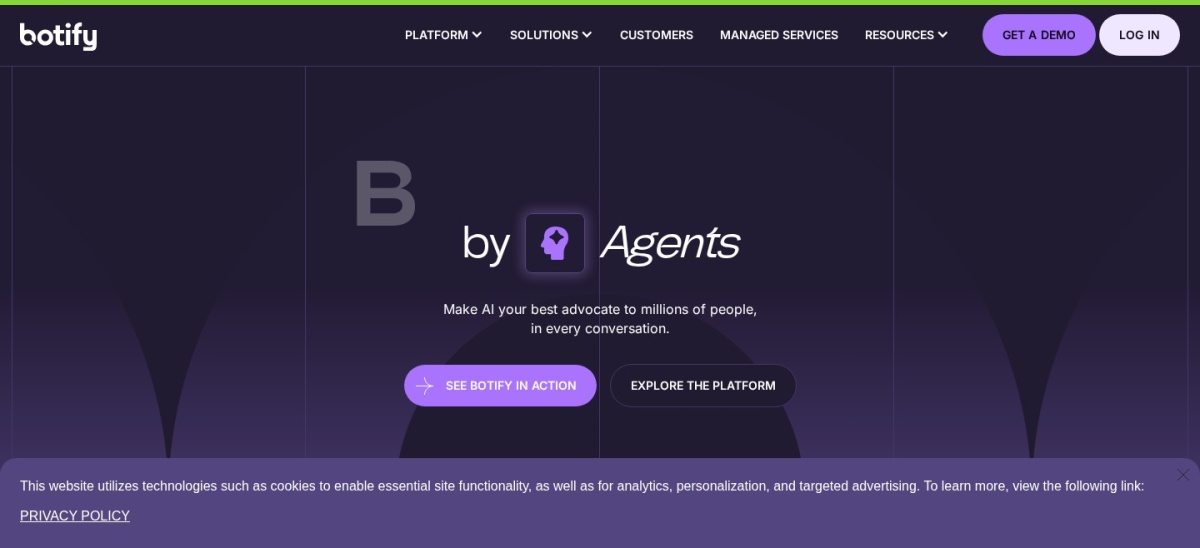
Botify is an enterprise SEO platform that pairs crawling and server-log analysis with SpeedWorkers, its edge rendering product for large JavaScript sites. It holds a 4.4 out of 5 G2 rating from 81 reviews and is built for sites where rendering and crawl budget decide visibility.
The trade off is that Botify is an enterprise purchase with custom pricing and a long implementation, typically around a month. It suits large brands and retailers, not small sites that need a quick managed swap.
Managed services do the whole job but cost a monthly fee and need a track record you can check. DIY libraries cost nothing but need an engineer to build and run the pipeline.
Frameworks fix the cause but need a rebuild, so they fit new projects and planned migrations better than a site that must stay as it is.
Crawlers belong in every lane. Whatever you pick, crawl the site afterwards and confirm Googlebot sees the content that matters.
How we chose
We started from every tool comparison sources name as a Prerender.io replacement, then kept only live, maintained options that solve JavaScript rendering for search in a real way. Archived projects such as Rendertron were left out.
Prices come from each vendor's pricing page or from pricing pages read in November 2026, checked on 29 November 2026. Ratings and review counts come from G2 on the same day. Where a vendor charges by quote, the list says so.
We left out Encited and SEO4Ajax, the two closest managed replacements, because neither has a verifiable rating on G2, Capterra or Trustpilot. No vendor paid for a place, and we do not claim hands-on testing for this list.
How to choose a Prerender alternative
Start with your stack, then match the tool to the team that will run it.
Work out whether you need serving or fixing. If the site must stay as it is, you need a service or library that serves rendered HTML. If a rebuild is possible, a framework fixes the cause.
Count the engineering hours. A hosted browser needs an endpoint change, a library needs a pipeline you build and run, and a framework needs a rebuild. Pick the route your team can staff.
Check the price model against your crawl volume. Browser time, flat licences and custom enterprise quotes scale very differently. Estimate monthly renders before you sign up.
Verify rendering with a crawler. Crawl the site with Screaming Frog or Sitebulb after the switch and confirm Googlebot sees the content that matters.
FAQ
What is the best Prerender alternative in 2026?
Browserless is the best low-cost Prerender alternative for most teams. Its hosted Chrome API starts at $25 a month billed annually, works with existing Puppeteer and Playwright code, and includes 1,000 free units a month. Playwright is the best free route if your team can build the pipeline.
What is the cheapest Prerender alternative?
Playwright and Next.js are free and open source, so they cost nothing but the machines and time to run them. Browserless is the cheapest paid option, with a free plan of 1,000 units a month and paid plans from $25 a month billed annually.
Is there a free alternative to Prerender.io?
Yes. Playwright and Next.js are free and open source, Browserless has a free plan with 1,000 units a month, and Screaming Frog crawls up to 500 URLs free. None of these is a drop-in managed service, so each needs setup work from your team.
Do I still need prerendering if I use Next.js?
No, in most cases. Next.js renders pages on the server or at build time, so search engines receive real HTML without a prerendering layer. It only helps React sites, and moving an existing client-only app to Next.js takes real engineering time.
Browserless vs Playwright: which should I choose?
Choose Browserless if you want someone else to run Chrome, with a free plan and paid plans from $25 a month. Choose Playwright if your team can run its own browsers and wants full control with no monthly bill. Both use the same Puppeteer and Playwright code.
What is the best Prerender alternative for enterprise sites?
Botify and seoClarity are the enterprise picks, with edge rendering, log analysis and AI search tracking in one platform. Both are custom-priced and built for very large sites, so small teams should start with Browserless or a framework instead.
SaaS SEO and WordPress specialist with about 8 years of experience. Rakib compares WordPress plugins, themes, hosting and software using public pricing, documentation and user reviews. See how we rank.