Statsig is the best online experiment software for mobile apps that want feature flags, experiments and product analytics in one developer-first platform. Online experiment software for mobile apps such as Firebase and LaunchDarkly fits teams already on Google services, or teams that run releases through feature flags first.
How we make this list: we compare pricing pages, product documentation and public user reviews, then re-check every price before each update. No product paid for a place. Disclosure.
Statsig gives a free tier up to 1 million events a month, with Pro from $150 a month.
Firebase A/B Testing is free on the Spark plan for teams already on Google services.
GrowthBook is free and open source, with Pro at $40 per seat a month.
Optimizely, VWO, AB Tasty, Split and Eppo all sell by quote, so expect a sales call.
LaunchDarkly has the largest review base here, with 859 G2 reviews.
How do you choose online experiment software for a mobile app?
Mobile experiments run inside the app code, not on a web page. The tool needs SDKs for iOS and Android, a way to change a value without shipping a new build, and stats that handle small samples well.
Feature-flag tools and visual tools solve different problems. LaunchDarkly, Split, GrowthBook and Statsig test inside the codebase, while VWO and AB Tasty fit web and marketing tests with a visual editor.
Only Statsig, LaunchDarkly and GrowthBook publish clear starting prices. Optimizely, VWO, AB Tasty and Split are quote-led, so budgeting starts with a sales conversation for most of this market.
Free tiers are generous here. Firebase testing is free on the Spark plan, Statsig is free up to 1 million events a month, and GrowthBook is free and open source, so a small team can run real tests before paying.
The 9 best online experiment software for mobile apps
01
Statsig
4.8/5on G2 (120 reviews, checked Nov 2026)
Paid from$150/mo
Best online experiment software for mobile apps overall
Free tierYes, up to 1M events a month
Feature flagsYes, included
Stats engineSequential testing, CUPED
Paid planPro, from $150/mo
statsig.com
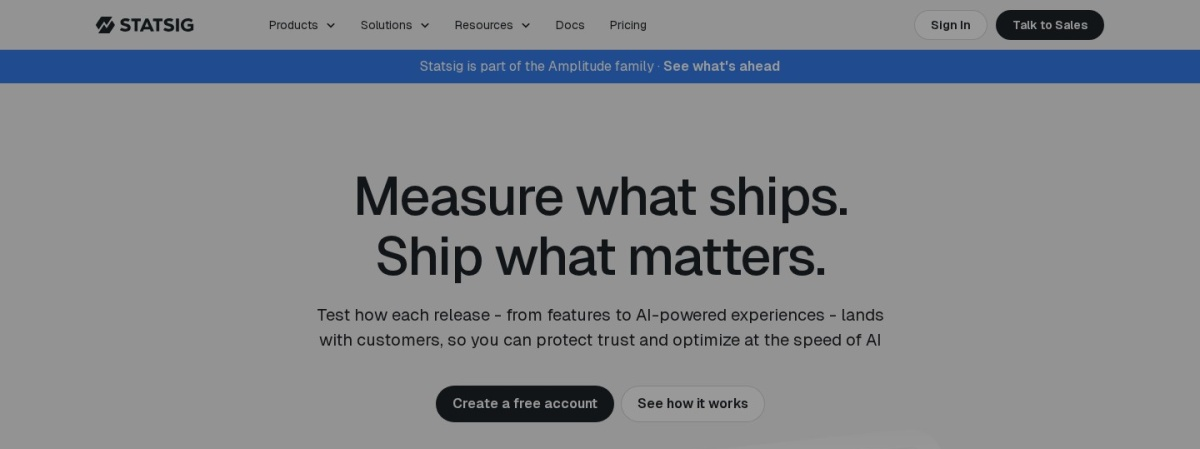
Statsig homepage, captured Nov 2026.
Statsig is a developer-first experimentation platform that combines feature flags, experiments and product analytics in one place. The free tier covers up to 1 million events a month, and Pro starts at $150 a month, with sequential testing and CUPED variance reduction built in to cut the sample size a test needs.
The trade off is that Statsig is built for product teams, not marketers. There is no visual editor for changing app screens without code, so every test runs through the SDKs. It suits small-to-mid mobile teams that want experimentation plus analytics.
4.5/5on G2 (Not published reviews, checked Nov 2026)
PriceFree
Best free start for mobile apps
PriceFree on the Spark plan
SDKsiOS, Android, web, Unity
Remote ConfigYes, tests run through it
Paid planFree, usage-based above
firebase.google.com
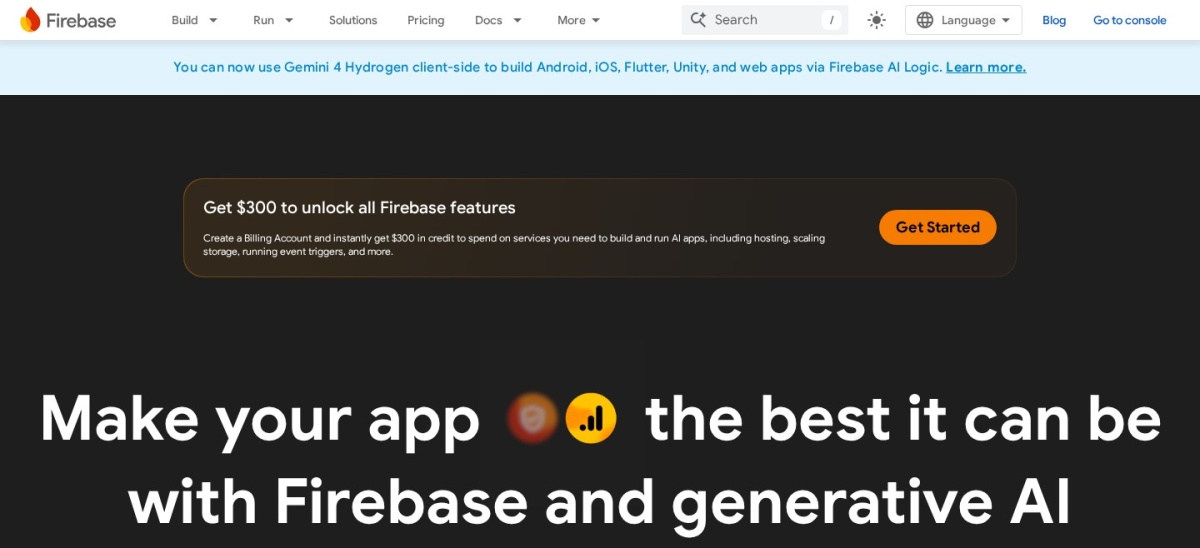
Firebase homepage, captured Nov 2026.
Firebase is the obvious first test tool for apps already built on Firebase. Tests run through Remote Config, so a team can change a value or a layout without shipping a new build, and A/B testing is included free on the Spark plan with usage-based pricing above it.
The trade off is depth. Firebase testing is simpler than a dedicated platform, with basic stats and no feature flags or advanced segmentation. It suits mobile teams already on Google services that want free experiments now.
LaunchDarkly is a feature management platform that grew into experimentation, so app teams can roll out a feature to a slice of users, test it, and roll it back from the same dashboard. The free Developer plan covers small teams, and Foundation is pay-as-you-go with 100,000 experimentation monthly users included.
The trade off is price clarity. Foundation pricing is usage-based, so the bill depends on service connections and users, and the Experimentation add-on costs extra. It suits flag-first teams that add experiments on top of releases.
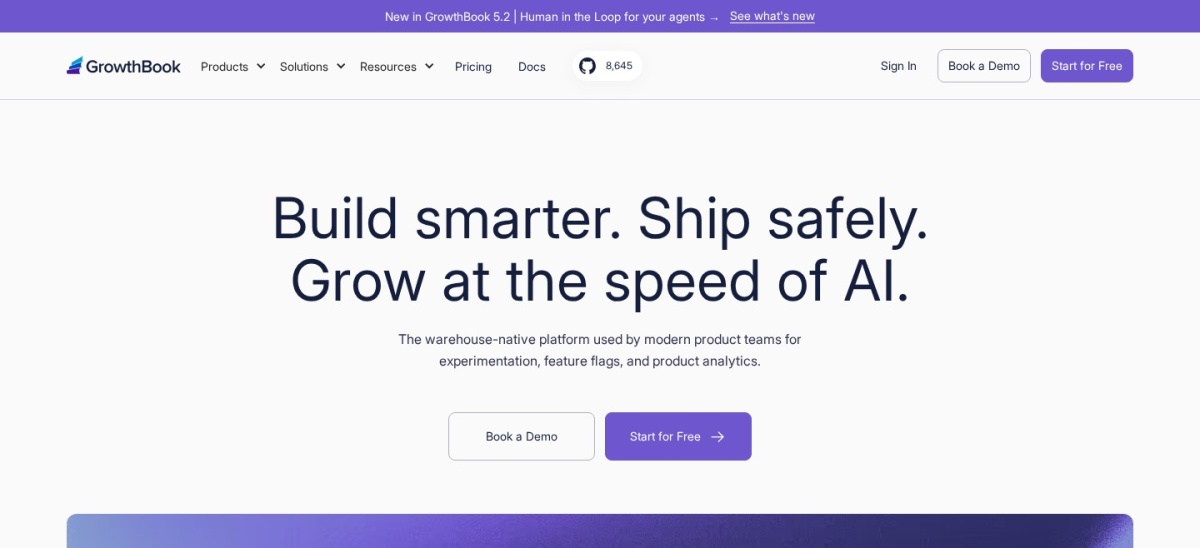
GrowthBook is an open-source A/B testing and feature flagging platform that connects directly to your data warehouse to run analysis, so experiment results use the metrics your data team already trusts. The free Starter plan covers 3 users, and Pro costs $40 per seat a month.
The trade off is setup. GrowthBook needs a warehouse connection and engineering time to run well, and its G2 score rests on just 26 reviews. It suits engineering-led teams that want warehouse-native experiments.
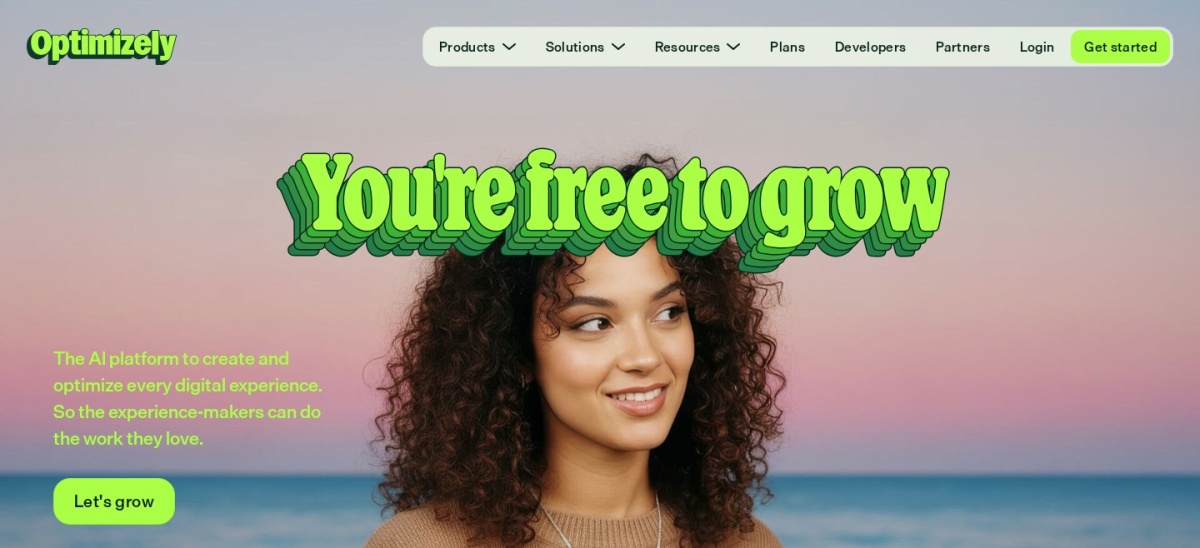
Optimizely is the enterprise standard for experimentation programs that run dozens of tests at once. It covers web experimentation with a visual editor and feature experimentation with server-side SDKs, so one platform can serve marketing pages and app code, with governance tools controlling who can launch what.
The trade off is cost and weight. Optimizely publishes no prices, and third-party reports put contracts well into five figures a year, so it fits companies with a dedicated experimentation team rather than a single app team.
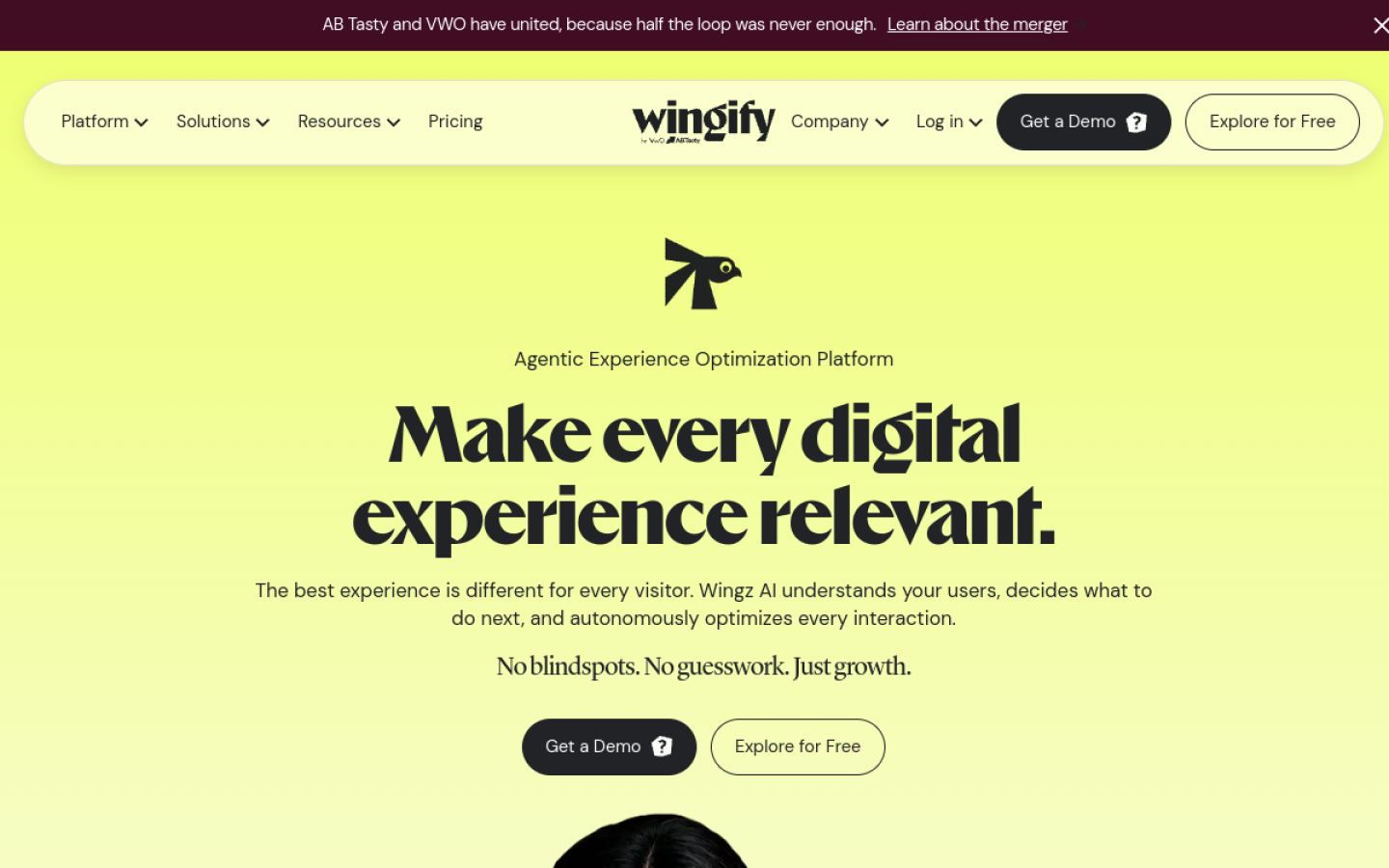
VWO is a testing platform that combines A/B testing with behaviour analytics, which is useful when a test result needs an explanation. A team can run a test, then open heatmaps and session recordings for the same pages to see why one variant won, while server-side SDKs cover app and feature tests.
The trade off is price clarity. VWO no longer maintains a clean public rate card, and third-party reports put entry tiers around $259 to $314 a month billed annually. It suits web-plus-mobile teams that want testing and analytics from one vendor.
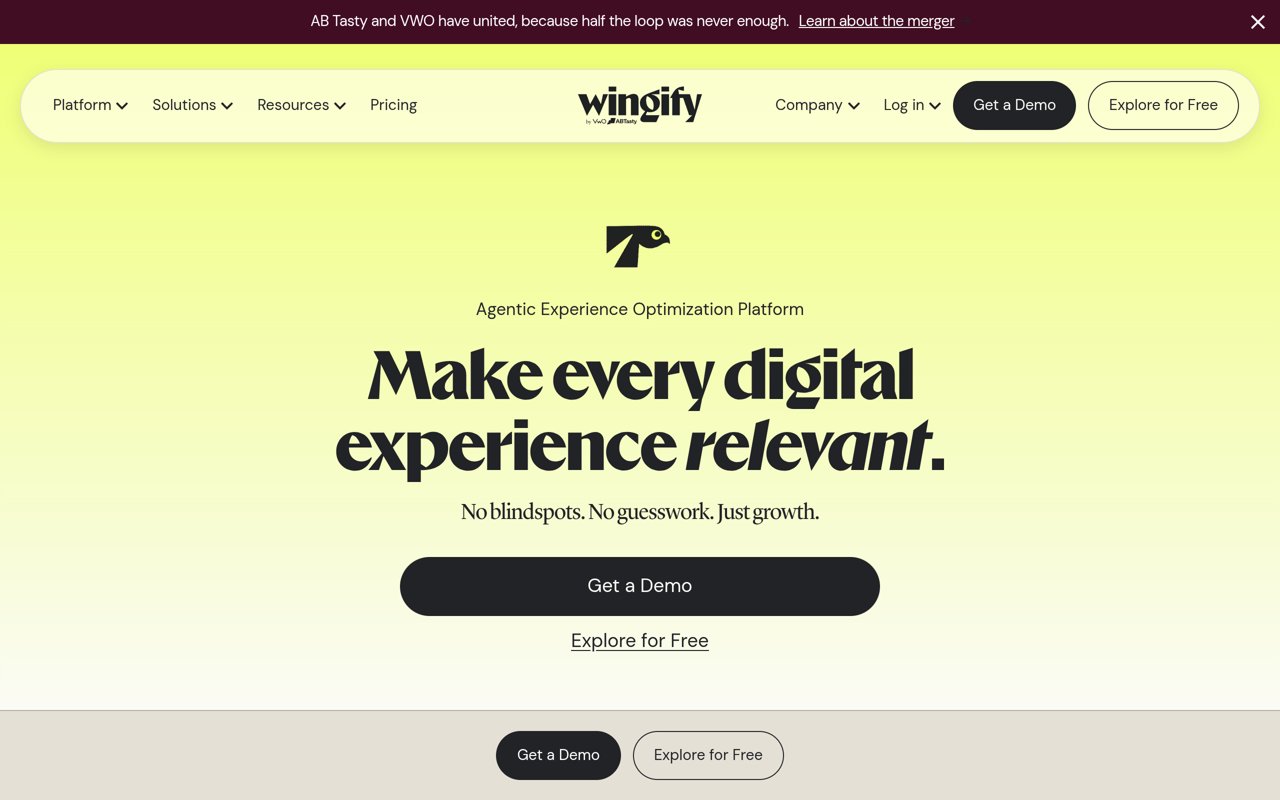
AB Tasty is a testing and personalisation platform with a visual editor, AI-driven audience targeting and server-side testing for apps. It suits European companies with data hosting requirements, and its parent company Wingify now owns both AB Tasty and VWO, so buyers should confirm which bundle a quote covers.
The trade off is price clarity. AB Tasty does not publish standard pricing, and plans are quoted on traffic and modules, with entry points reported near $2,000 a month. It suits mid-market European teams that need personalisation beside testing.
Split is a feature management and experimentation platform for data-heavy teams where engineers run experiments from code. It pairs feature flags with experiment analysis, guardrails and impact metrics, so a bad rollout can be caught and rolled back fast.
The trade off is price clarity and reach. Split sells by quote, with third-party reports putting entry contracts near $8,000 a year, and it has no visual editor for marketers. It suits engineering teams that test inside the codebase.
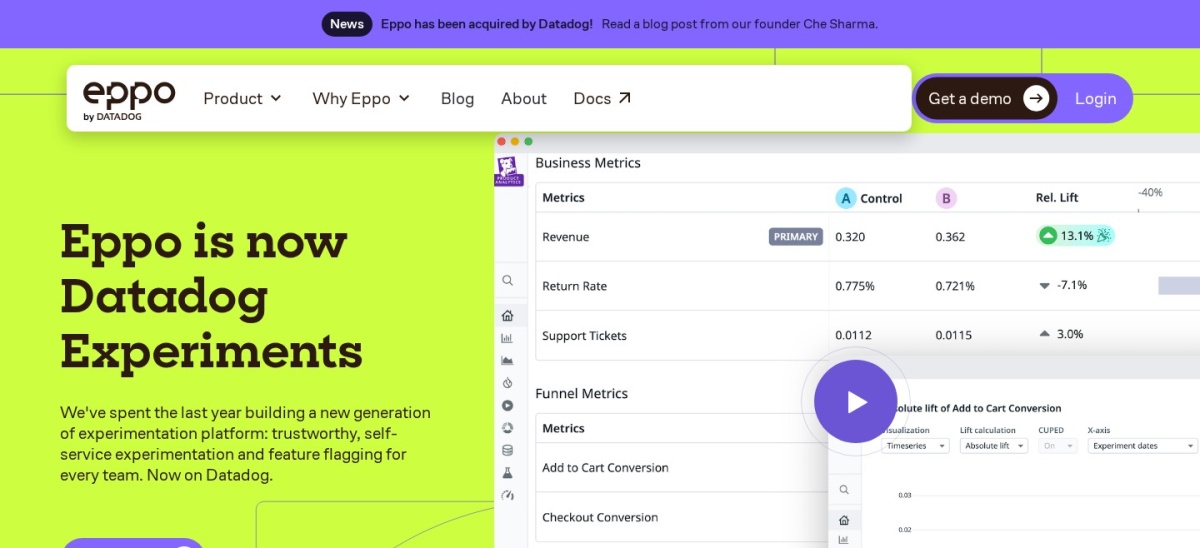
Eppo is a warehouse-native experimentation platform for data and engineering teams running analysis against Snowflake or BigQuery. It brings experiment analysis into the warehouse itself, so the metrics the data team already trusts are the metrics the experiment reports on.
The trade off is audience. Eppo is built for organisations with mature data infrastructure, and it sells by quote with no self-serve plan. It suits data-mature teams that want rigorous experiment analysis.
Feature flags vs visual testing: which fits a mobile app?
Feature-flag testing changes behaviour in code. The app ships with both variants behind a flag, and the tool decides who sees which one, which suits native screens, pricing logic and onboarding flows.
Visual testing changes what users see without code. It suits marketing pages and web views inside the app, but it cannot change native app logic that lives in the code.
Most mobile teams need flags first. Pick a flag-first tool such as Statsig, LaunchDarkly or GrowthBook for the app itself, and add a visual tool only if the marketing site needs tests too.
How we chose
We started from the experiment tools mobile teams name most often, then kept those with a published price or a clear free tier and a G2 rating.
Prices come from each vendor pricing page and G2 listings, checked on 30 November 2026. Most vendors in this market sell by quote, so those tools show Custom here rather than a guessed price.
We left out web-only testing tools with no mobile SDKs. No vendor paid for a place, and we do not claim hands-on testing for this list.
How to choose online experiment software for mobile apps
Start with your SDKs, then check the stats and the free tier.
Check the mobile SDKs first. Confirm the tool ships SDKs for iOS and Android, and that tests can run without a new app release through Remote Config or feature flags.
Pick flag-first or visual. Flag-first tools test native app logic in code. Visual tools test marketing pages without code. Most mobile teams need flags first.
Test the free tier with a real experiment. Firebase, Statsig and GrowthBook all have free tiers. Run one real test on them before you pay for a platform.
Ask for a written quote early. Optimizely, VWO, AB Tasty, Split and Eppo all sell by quote, so get the price in writing before you build your process around one of them.
FAQ
What is the best online experiment software for mobile apps?
Statsig is the best online experiment software for mobile apps, with feature flags, experiments and product analytics in one platform, rated 4.8 out of 5 on G2.
Is there a free experiment tool for mobile apps?
Yes. Firebase A/B Testing is free on the Spark plan, Statsig is free up to 1 million events a month, and GrowthBook is free and open source, so a small team can run real tests without paying.
How much does mobile app experiment software cost?
Free tiers cover small teams, Statsig Pro starts at $150 a month and GrowthBook Pro at $40 per seat a month, while Optimizely, VWO, AB Tasty, Split and Eppo all sell by quote.
Which experiment tool is best for a small mobile team?
Statsig is the best pick for a small mobile team, with a generous free tier and Pro from $150 a month. Firebase suits teams already on Google services, and GrowthBook suits engineering-led teams.
Statsig or LaunchDarkly: which should I pick?
Pick Statsig if you want flags, experiments and product analytics in one platform with a clear price. Pick LaunchDarkly if feature management and governed rollouts matter more than built-in analytics.
Do I need feature flags to run mobile experiments?
Not always, but they help. Flags let you roll a variant to a slice of users and roll it back fast, which is why most mobile experiment tools are built around them.
SaaS SEO and WordPress specialist with about 8 years of experience. Rakib compares WordPress plugins, themes, hosting and software using public pricing, documentation and user reviews. See how we rank.