FullStory is the best LogRocket alternative for most product teams: its autocapture records every click and rage click without manual tagging, its free plan covers 30,000 sessions a month, and it holds 4.5 out of 5 from 1,058 G2 reviews. Pick Sentry if error debugging is the priority, or Microsoft Clarity if you want replays free.
How we make this list: we compare pricing pages, product documentation and public user reviews, then re-check every price before each update. No product paid for a place. Disclosure.
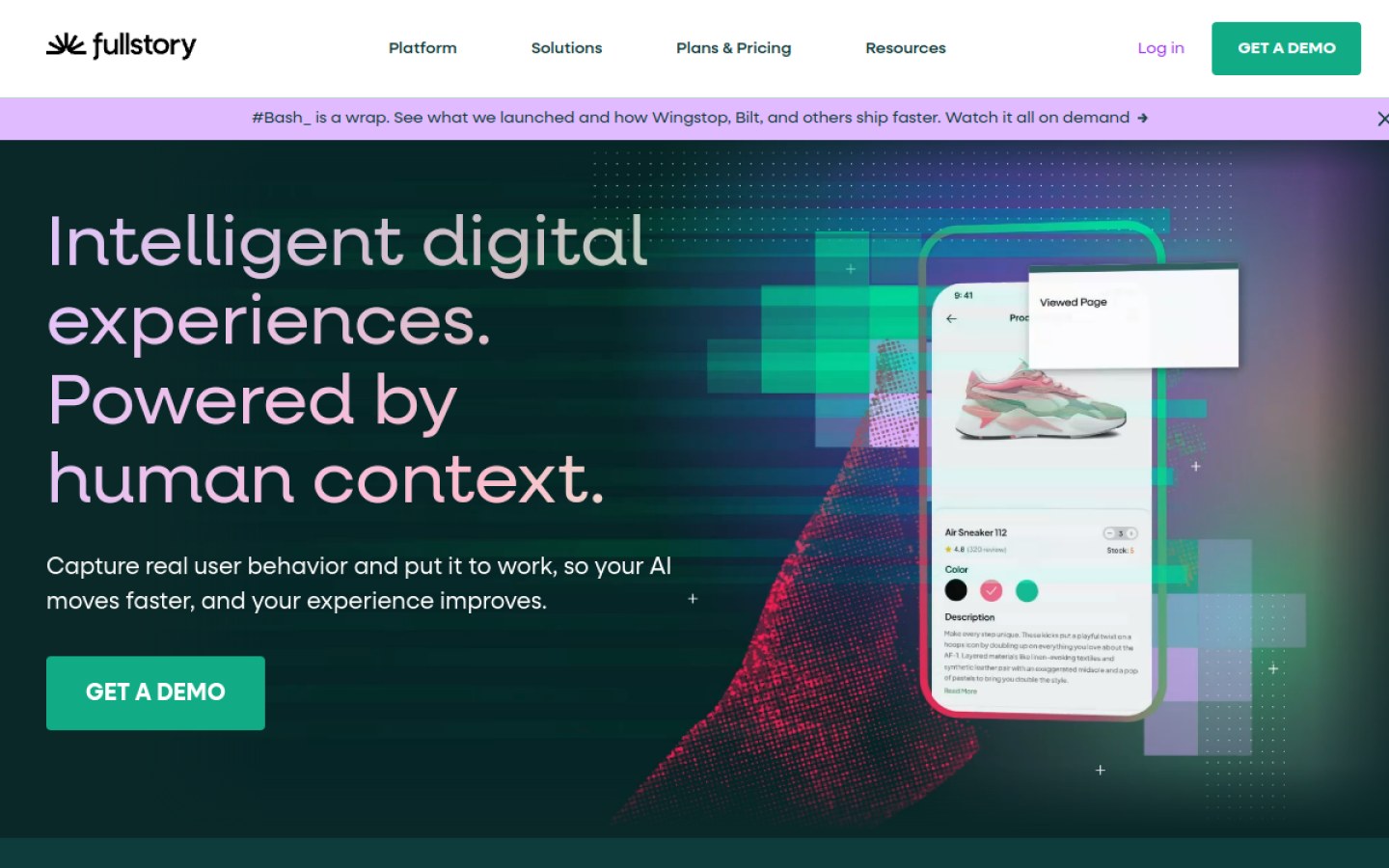
FullStory pairs autocapture replay with frustration signals, and its free plan covers 30,000 sessions a month.
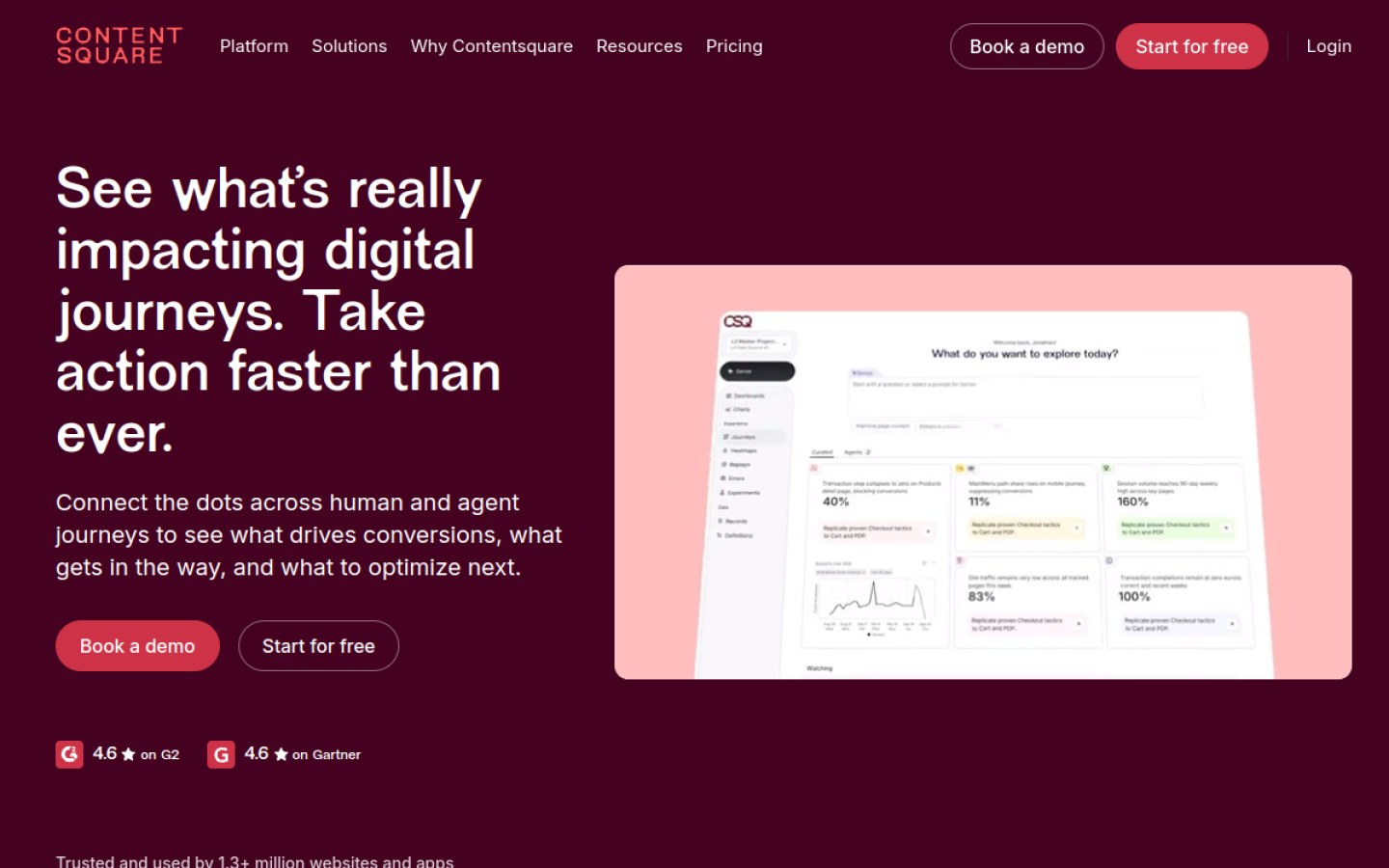
Contentsquare adds zone-based heatmaps and journey analysis, and now includes the former Hotjar.
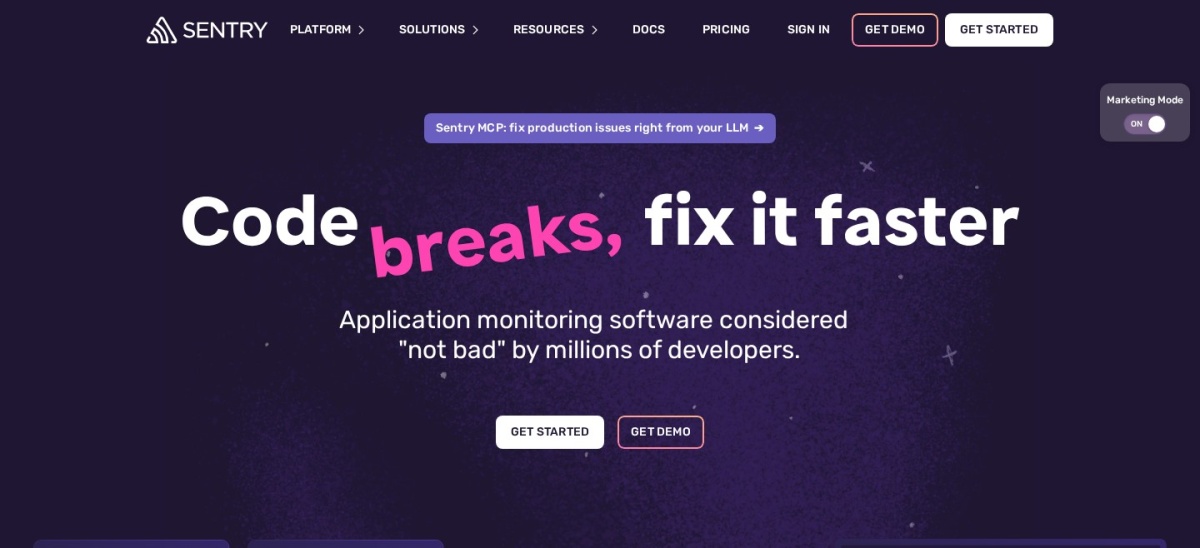
Sentry is the closest debugging swap, pairing replay with stack traces, logs and an AI debugger.
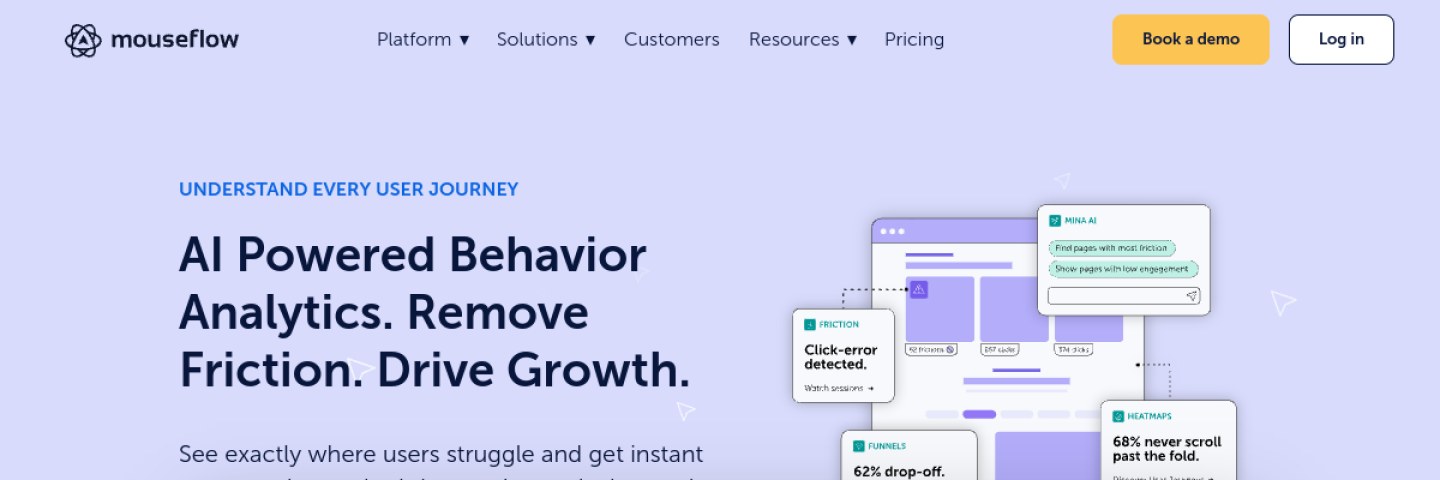
Mouseflow and Lucky Orange are the budget replay picks, with paid plans from $39 a month.
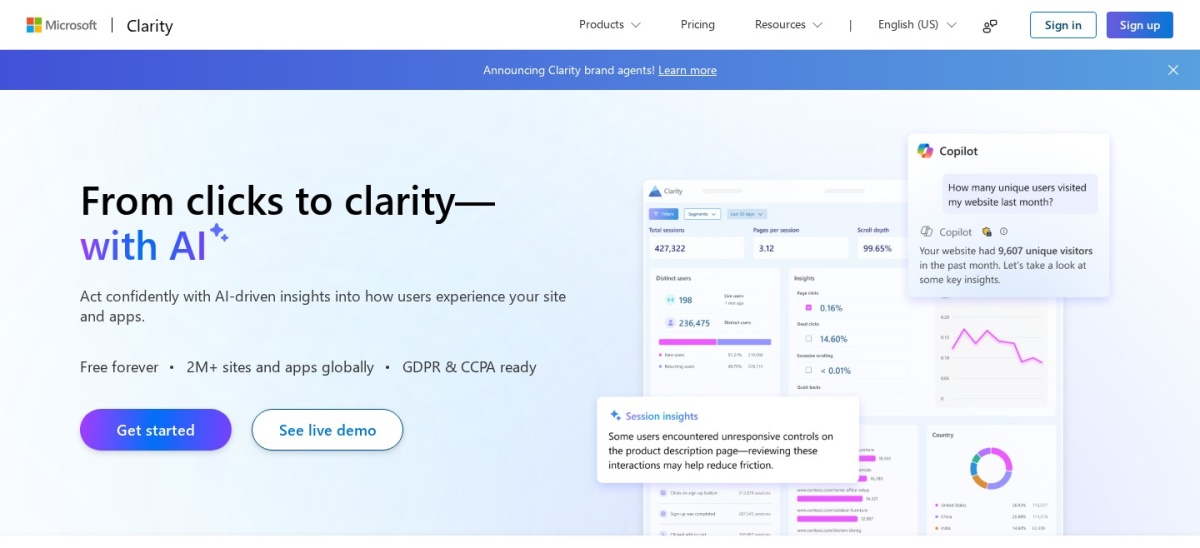
Microsoft Clarity is the only fully free option, with unlimited recordings and heatmaps and no paid tier at all.
Smartlook and standalone Hotjar are left out: Smartlook shuts down in September 2027 and Hotjar now lives inside Contentsquare.
What makes a good LogRocket alternative?
LogRocket pairs session replay with console logs, network requests and error data, so a good LogRocket alternative must do more than play back recordings. It should connect a replay to the reason a session went wrong.
The tools in this list split into two camps. Replay-first tools such as FullStory, Contentsquare and Mouseflow show you what visitors did on each page. Analytics-first tools such as Mixpanel, PostHog and Amplitude count what users did, then link a drop-off to the replay behind it.
Start with the free tier. Most of these tools give you real recordings free, so you can check recording quality before paying anything. Our guide on adding Google Analytics 4 to WordPress pairs well with any replay tool here, since GA4 counts the traffic and replay shows why it behaves that way.
Watch the meter. Replay tools charge by sessions or recordings, and analytics tools charge by events, so a busy month can push you into the next tier. Check the session or event cap before the free trial ends.
FullStory is a behavioural data platform that automatically captures every click, scroll, rage click and dead click across web and mobile, with no manual event tagging. Its free plan covers 30,000 sessions a month with 12 months of retention and up to 10 users, the largest free replay allowance in this list.
The trade off is price. Business, Advanced and Enterprise are all quote-only, so there is no public paid price to budget against, and mobile analytics is an add-on on every plan. It suits product and UX teams that want to search behaviour first and watch the replay second.
What we like
Autocapture needs no manual tagging
Frustration signals flag rage clicks automatically
Contentsquare is a digital experience analytics platform that combines session replays, zone-based heatmaps, journey analysis and error monitoring. Its free plan covers up to 200,000 sessions a month, and it is also where Hotjar now lives after the 2025 merger.
The trade off is the free plan's replay limit. Only 5% of sessions are recorded as replays, and Growth starts at $39 a month, with the $49 figure struck through on the pricing page, while Pro and Enterprise need a sales quote. It suits marketing and ecommerce teams that want to tie page friction to revenue.
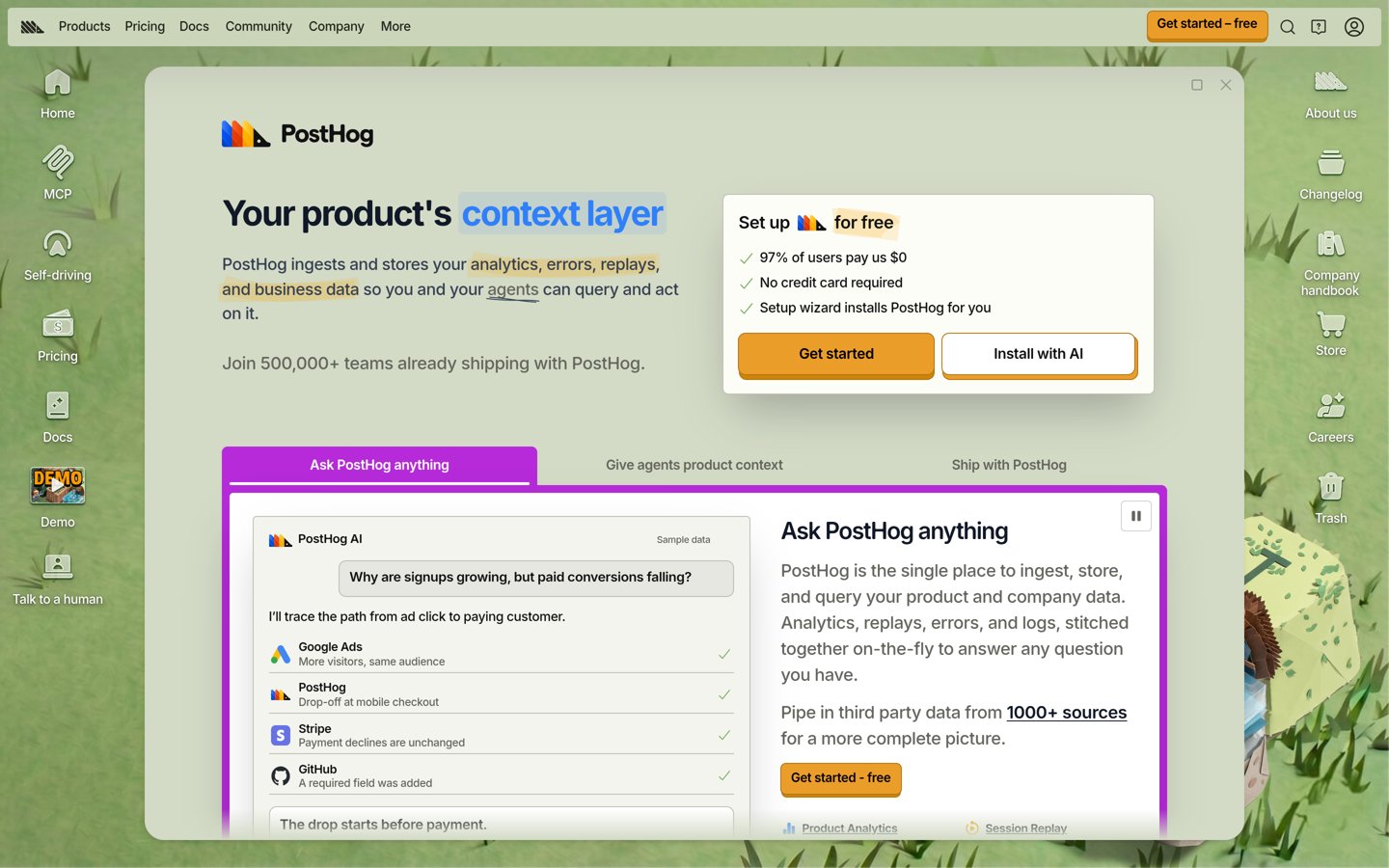
PostHog is an open-source product platform that combines product analytics, session replay, feature flags, experiments, error tracking and surveys in one tool. The free tier covers 1 million analytics events and 5,000 session recordings a month, with no time limit.
The trade off is usage-based billing. There is no flat monthly plan: paid usage starts at $0.005 per recording above the free allowance, so a traffic spike can push the bill up without warning. It suits engineering-led teams that want one platform and tight control over costs.
What we like
Large free tier on every product
Replay links to flags, errors and experiments
Open source with a self-hosted option
No platform fee on pay-as-you-go
Watch out for
Usage-based bills are hard to predict
Breadth means each tool is less deep than a specialist
Sentry is an application monitoring platform that pairs session replay with error tracking, performance traces and logs in one view. The free Developer plan covers 1 user, and Team starts at $26 a month with 50,000 errors a month included and up to 90 days of data retention.
The trade off is that replay is a supporting feature, not the core product. Session replay can slow low-end devices when enabled, per G2 reviewers, and usage above the quota is billed pay-as-you-go. It suits engineering teams that want to go from an error straight to the replay behind it.
Mouseflow is a behaviour analytics tool that records sessions and builds click, scroll, attention and geo heatmaps, with funnels, friction detection and feedback surveys on higher plans. The free plan covers 500 sessions a month on 1 website with 1 month of data retention.
The trade off is session caps. Essential starts at $39 a month, or $25 a month billed annually, for 5,000 sessions, and surveys, form analytics and the API each need a higher tier. It suits small businesses that want replay and heatmaps without an enterprise contract.
What we like
Free plan includes replays and heatmaps
Attention heatmaps show where visitors linger
Friction detection flags rage clicks and dead clicks
Microsoft Clarity is a free behaviour analytics tool from Microsoft that records sessions and builds click, scroll, area and conversion heatmaps with no traffic cap. It includes rage-click and dead-click detection, Copilot AI session summaries and a Google Analytics integration, all free.
The trade off is depth. Recordings are kept for 30 days, there are no form analytics, surveys or A/B testing, and there is no paid tier to grow into, so outgrowing it means migrating. It suits sites with zero budget that want unlimited recordings and heatmaps.
Lucky Orange is a behaviour analytics platform that bundles session recordings, heatmaps, conversion funnels, form analytics, surveys and live chat into every plan. Build starts at $39 a month, or $32 a month billed annually, for 3,500 sessions with 60 days of data storage.
The trade off is the session allowance. A free plan covers 100 sessions a month, and high-traffic stores climb to $89 or $249 a month fast, while Discovery AI is a paid add-on. It suits small stores that want to watch visitors and talk to them from one dashboard.
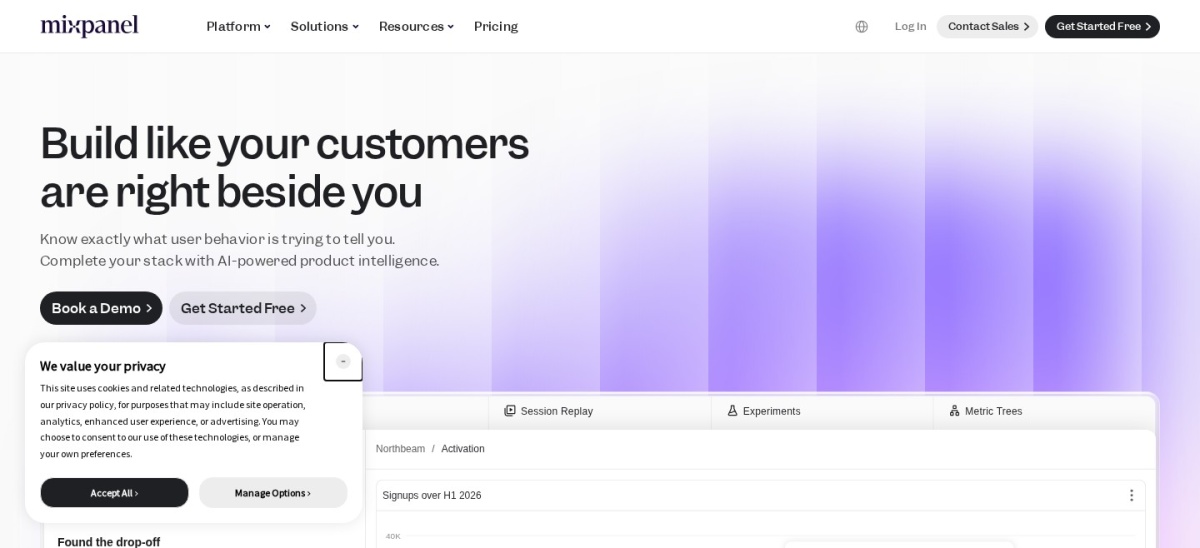
Mixpanel is a product analytics platform that tracks events such as signups and feature use, then shows the paths users take through Flows and Funnels reports. Its free plan includes up to 1 million events a month, 10,000 session replays and unlimited seats with no credit card required.
The trade off is event-volume pricing. Growth starts at $0 a month, and the first paid step is $100 a month billed annually for 1.5 million events, or $140 a month billed monthly. It suits product teams that want to connect a funnel drop-off to the replay behind it.
What we like
Generous free tier with 1M events a month
Replays link directly to funnel drop-offs
Unlimited seats on every plan
Watch out for
Needs a tracking plan and engineering setup
Costs climb with event volume
Replay depth is thinner than dedicated replay tools
Amplitude is a product analytics platform that answers what users do inside an app or SaaS product, event by event, with funnels, retention, cohorts and session replay. The free plan covers 2 million events a month forever, plus 10,000 monthly session replays.
The trade off is the pricing model. Plus starts at $0 and scales with event volume, with no flat dollar price on the vendor page, and Growth and Enterprise are custom quotes. It suits product teams that want deep behavioural analysis without writing SQL.
Replay tools vs analytics tools: which camp fits you
Pick a replay-first tool if your main question is what happened on a page. You get recordings and heatmaps fast, with little setup, and the bill follows session volume.
Pick an analytics-first tool if your main question is which users did what, and where they dropped off. You get funnels, cohorts and retention, but you need a tracking plan and engineering time to set events up.
Many teams run one of each: Clarity for free replays beside Mixpanel or Amplitude for product analytics. That pairing costs nothing extra at the free tier.
How we chose
We started from the session replay and product analytics tools most often named as LogRocket alternatives, then kept those with a public rating and a public price or a free plan.
Prices come from each vendor's pricing page and ratings from G2, both checked on 29 November 2026. Where a vendor shows a monthly price and a cheaper annual price, the list shows the monthly price and notes the annual price in the text.
We left out Smartlook, which stopped selling new paid plans on 31 May 2026 and shuts down on 30 September 2027, and Hotjar, which no longer takes new standalone signups after folding into Contentsquare. No vendor paid for a place, and we do not claim to have used these tools ourselves.
How to choose a LogRocket alternative
Start with the question you need answered, then check the free tier before paying anything.
Decide what question you need answered. If it is what happened on a page, pick a replay-first tool. If it is which users dropped off and where, pick an analytics-first tool.
Check the free tier first. FullStory, Contentsquare, PostHog, Mixpanel, Amplitude and Clarity all give you real recordings free. Run one for two weeks before paying anything.
Match the meter to your traffic. Replay tools bill by sessions, analytics tools by events. Estimate your monthly volume first, or the first bill will surprise you.
Check the rating base, not just the score. Clarity scores 4.5 out of 5 but from only 55 G2 reviews, while FullStory holds 4.5 from 1,058. A thin base means the score can move fast.
FAQ
What is the best LogRocket alternative in 2026?
FullStory is the best LogRocket alternative for most product teams. Its autocapture records every interaction without manual tagging, it flags rage clicks and dead clicks, and its free plan covers 30,000 sessions a month. It holds 4.5 out of 5 from 1,058 G2 reviews.
Is there a free LogRocket alternative?
Yes. Microsoft Clarity is completely free, with unlimited session recordings and heatmaps and no paid tier. FullStory, Contentsquare, PostHog, Mixpanel and Amplitude also have free plans, though each caps sessions, events or recordings per month.
What happened to Hotjar?
Contentsquare bought Hotjar in 2021 and folded it into its own platform in 2025. You can no longer open a standalone Hotjar account; new signups land on Contentsquare, which keeps the heatmaps, replays and surveys under its Growth plan from $39 a month.
What happened to Smartlook?
Smartlook stopped selling new paid plans on 31 May 2026 and will shut down on 30 September 2027. It is left out of this list because new buyers cannot start a paid plan, and existing users need a replacement before the shutdown date.
Which LogRocket alternative is best for debugging errors?
Sentry is the strongest pick for debugging. It pairs session replay with stack traces, logs and traces in one view, and its Seer AI debugger suggests root causes. LogRocket users who switch mainly for error context usually land on Sentry.
FullStory vs LogRocket: which is better?
FullStory is better for behavioural analysis, with autocapture, frustration signals and journey analysis that need no tagging. LogRocket is better for frontend debugging, with console logs and network data in every replay. Pick FullStory for product questions and LogRocket-style debugging tools such as Sentry for engineering questions.
Do I need session replay or product analytics?
Replay shows what one visitor did on a page, which fits fixing a confusing checkout or a broken form. Product analytics counts what groups of users did across funnels and retention, which fits roadmap decisions. Many teams use one of each.
SaaS SEO and WordPress specialist with about 8 years of experience. Rakib compares WordPress plugins, themes, hosting and software using public pricing, documentation and user reviews. See how we rank.