Tableau is the best Looker alternative for most teams, with the strongest visual analytics in this list and a 4.4 out of 5 G2 rating from 3,787 reviews. Power BI suits Microsoft 365 teams at $14 a user a month, while Looker Studio is the free pick for Google data.
How we make this list: we compare pricing pages, product documentation and public user reviews, then re-check every price before each update. No product paid for a place. Disclosure.
Tableau is the top pick, rated 4.4 out of 5 on G2 from 3,787 reviews, with Viewer seats from $15 a user a month.
Power BI is the cheapest serious paid entry at $14 a user a month, and it is the natural pick inside Microsoft 365.
Looker Studio is free for creators and viewers, with Pro at $9 a user a month, but it has no governed semantic layer.
Metabase is the open-source pick, free to self-host, with paid plans from $85 a month for Starter.
Domo is the dearest entry here at about $30,000 a year, and it charges by data credits, not by seat.
How do you choose the best Looker alternative?
Looker is a governed BI platform, so the best replacement depends on what you miss most: the semantic layer, the visual dashboards, or the Google Cloud tie-in.
A governed metric layer matters most at scale. If two dashboards must never disagree on revenue, pick a tool with certified datasets or a shared model, such as Tableau, Power BI or ThoughtSpot.
Price is the second filter, and the spread is wide. Per-user prices run from free to $75 a user a month for a Tableau Creator, while Domo starts near $30,000 a year and Qlik Starter costs $300 a month.
Small teams should start free. Looker Studio costs nothing for Google data, Metabase is free to self-host, and our guide on adding Google Analytics to WordPress shows how much reporting you can do before paying for BI at all.
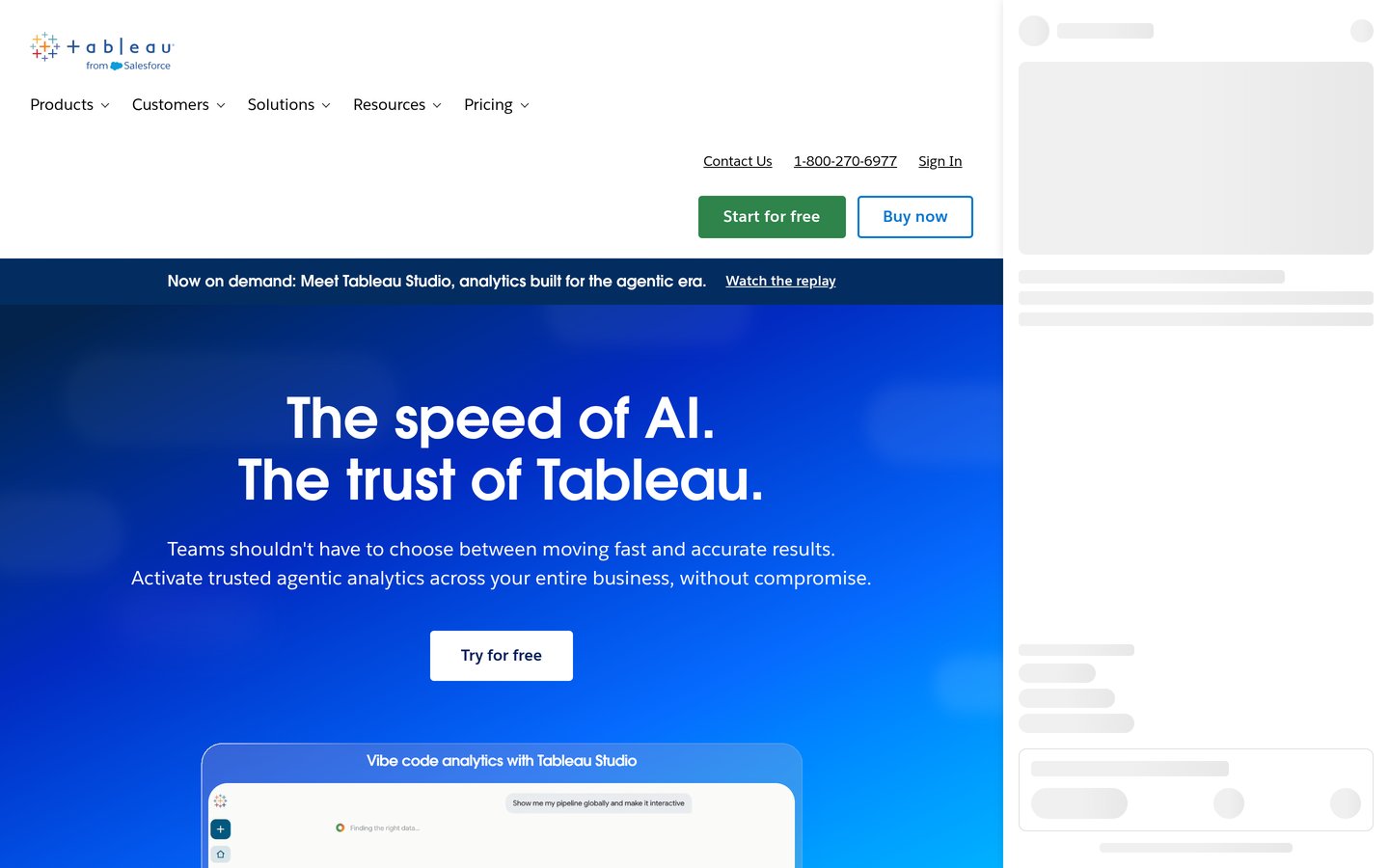
Tableau is a visual analytics platform with drag-and-drop dashboards, strong data connectors and certified datasets that keep metrics consistent. A Viewer seat costs $15 a user a month on the Standard edition, billed annually, and Tableau Public is free for public dashboards.
The trade off is the price of building. A Creator seat costs $75 a user a month on Standard, so every team needs at least one, and Enterprise Creator rises to $115. It suits teams that want polished, self-service visual analytics.
What we like
Largest G2 review base in this list, 3,787 reviews
Best-in-class visual exploration and dashboards
Certified datasets keep shared metrics consistent
Watch out for
Creator seats cost far more than Viewer seats
Annual contracts only, no month-to-month plan
Creator and Explorer seats add authoring and publishingVisit tableau.com
02
Power BI
4.5/5on G2 (1,661 reviews, checked Nov 2026)
Paid from$14/mo
Best value for Microsoft 365 teams
Cheapest seatPro, $14/user/mo
Free tierDesktop, free
Model size1 GB on Pro
AICopilot in Fabric
microsoft.com
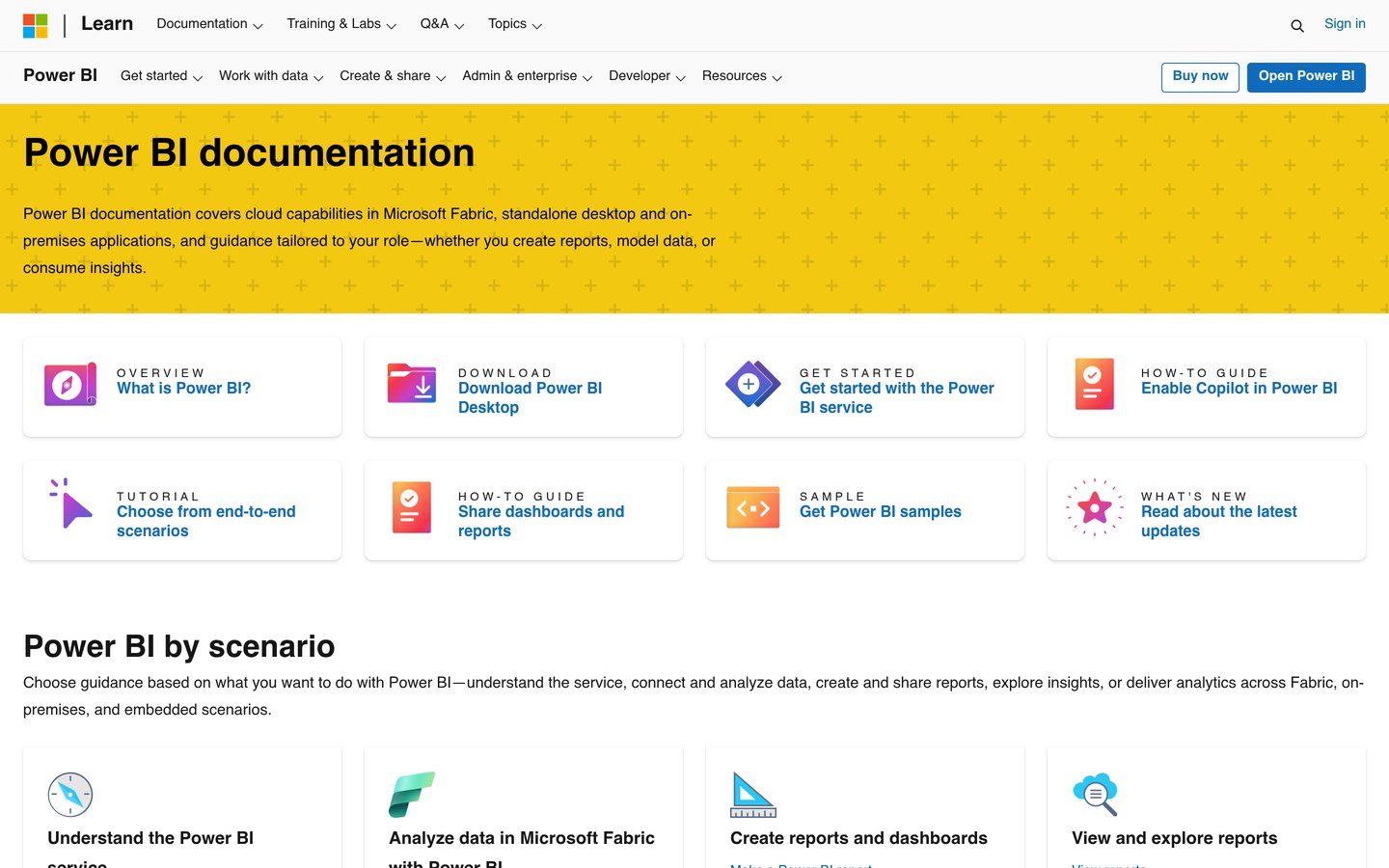
Power BI homepage, captured Nov 2026.
Power BI is Microsoft's self-service BI platform, with dashboards, reports and AI-assisted analysis across Microsoft 365 and Azure data. Power BI Desktop is free to build in, and Pro costs $14 a user a month, paid yearly, to publish and share reports.
The trade off is ecosystem lock-in. It works best inside Microsoft 365, and larger models and more refreshes need Premium Per User at $24 a user a month. It suits organisations already running Microsoft tools.
What we like
Cheapest paid entry in this list at $14 a user a month
Deep Microsoft 365 and Azure integration
Highest G2 rating in this list at 4.5 out of 5
Watch out for
Best inside the Microsoft ecosystem
Viewers need a Pro licence unless content sits on large Fabric capacity
Looker Studio is a separate Google product from Looker, and it is a genuine alternative for reporting rather than a smaller Looker. It is free for report creators and viewers, with ready connectors for Google Analytics, Google Ads, Sheets and BigQuery, and Google renamed it back to Data Studio in April 2026.
The trade off is governance. It has no LookML-style semantic layer, so metrics can drift between reports, and Pro costs $9 a user a month mainly for team ownership and scheduling. It suits small teams reporting on Google data.
What we like
Free for creators and viewers, with no seat cost
Strongest free connectors for Google data sources
Fastest to a first dashboard in this list
Watch out for
No governed semantic layer like Looker
Non-Google connectors are often paid partner products
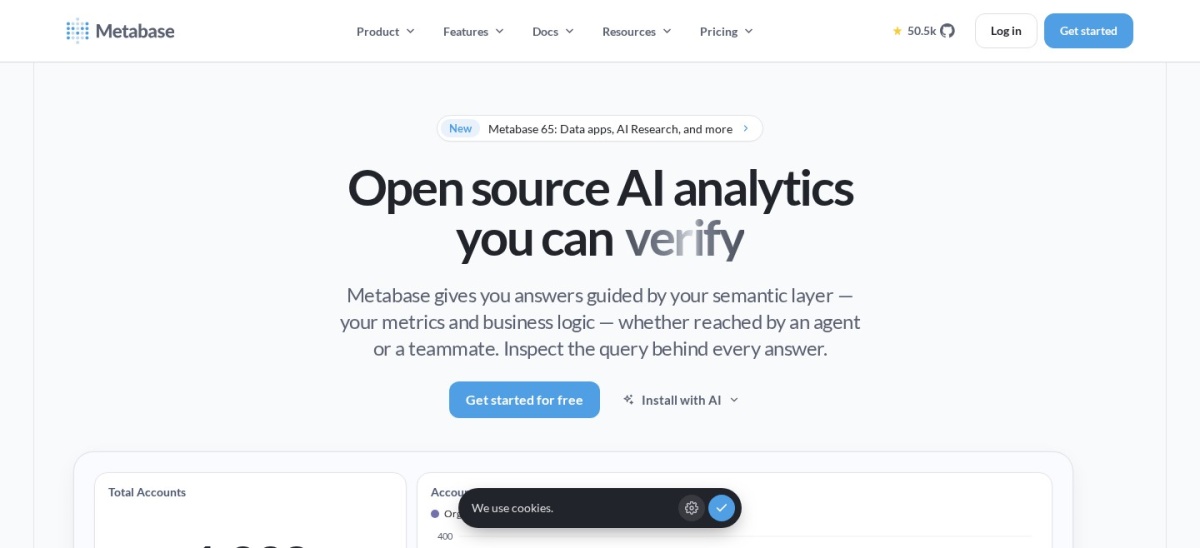
Metabase is an open-source BI tool that lets business users ask questions and build dashboards without SQL, using a visual query builder. The open-source edition is free to self-host with unlimited users, and the paid Starter plan costs $85 a month for 5 users.
The trade off is the paid jump. Pro starts at $500 a month for 10 users, and row-level security and single sign-on sit on paid tiers. It suits technical teams that want a free, self-hosted start.
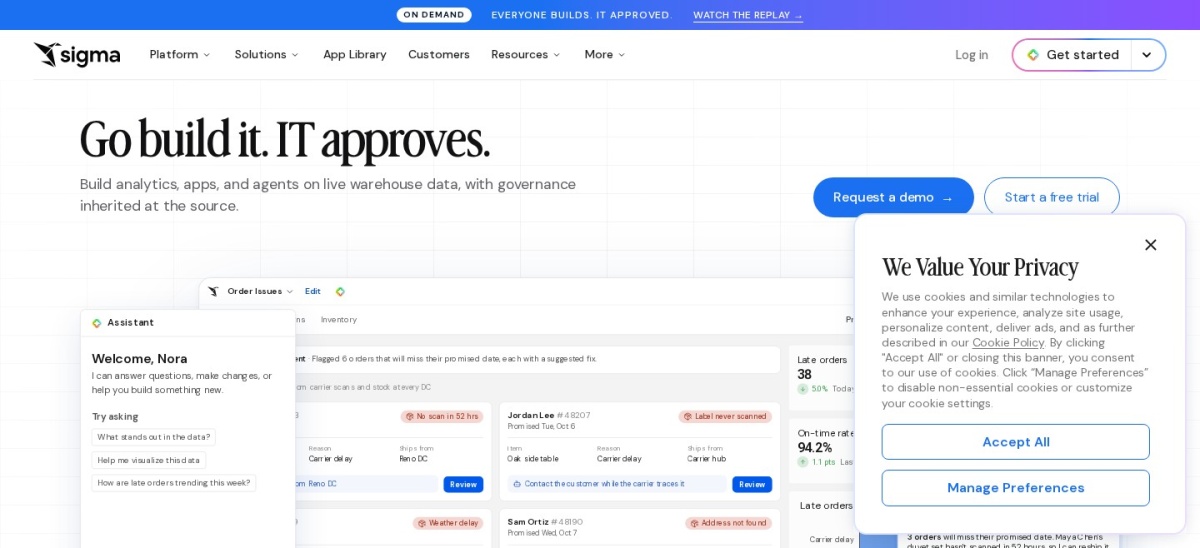
Sigma Computing is a BI platform with a spreadsheet interface that queries cloud data warehouses directly, so formulas and pivots run as warehouse queries with no extracts to refresh. Its free tier covers up to 5 users, and the paid Essential plan is listed at $25 a user a month, billed annually.
The trade off is pricing clarity. Some listings show no published price and quote-only enterprise sales, so confirm the $25 figure on the pricing page before budgeting. It suits Excel-first teams on Snowflake or BigQuery.
What we like
Feels like Excel, handles billions of rows
No extracts to refresh
Governed data stays in the warehouse
Watch out for
Pricing is inconsistently published across listings
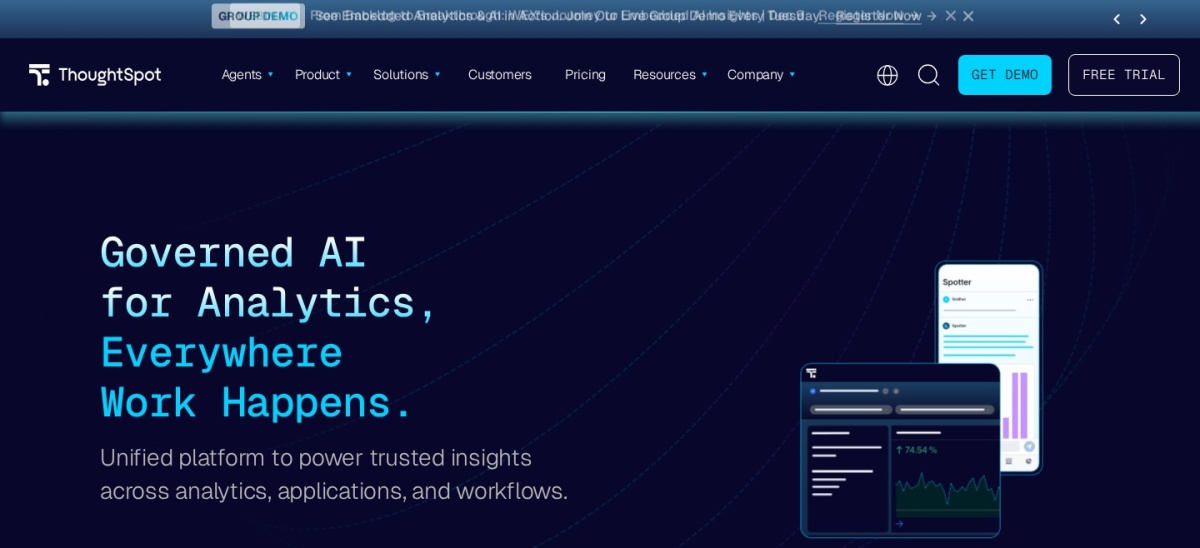
ThoughtSpot is a search-driven analytics platform: users type a plain-language question and get an answer with visualisations from governed data models. Essentials costs $25 a user a month, billed annually, for 5 to 50 users and up to 25 million rows.
The trade off is the data model. It needs well-modelled, governed data to shine, and the Spotter AI analyst starts on Pro at $50 a user a month. It suits teams whose bottleneck is business users waiting on analysts.
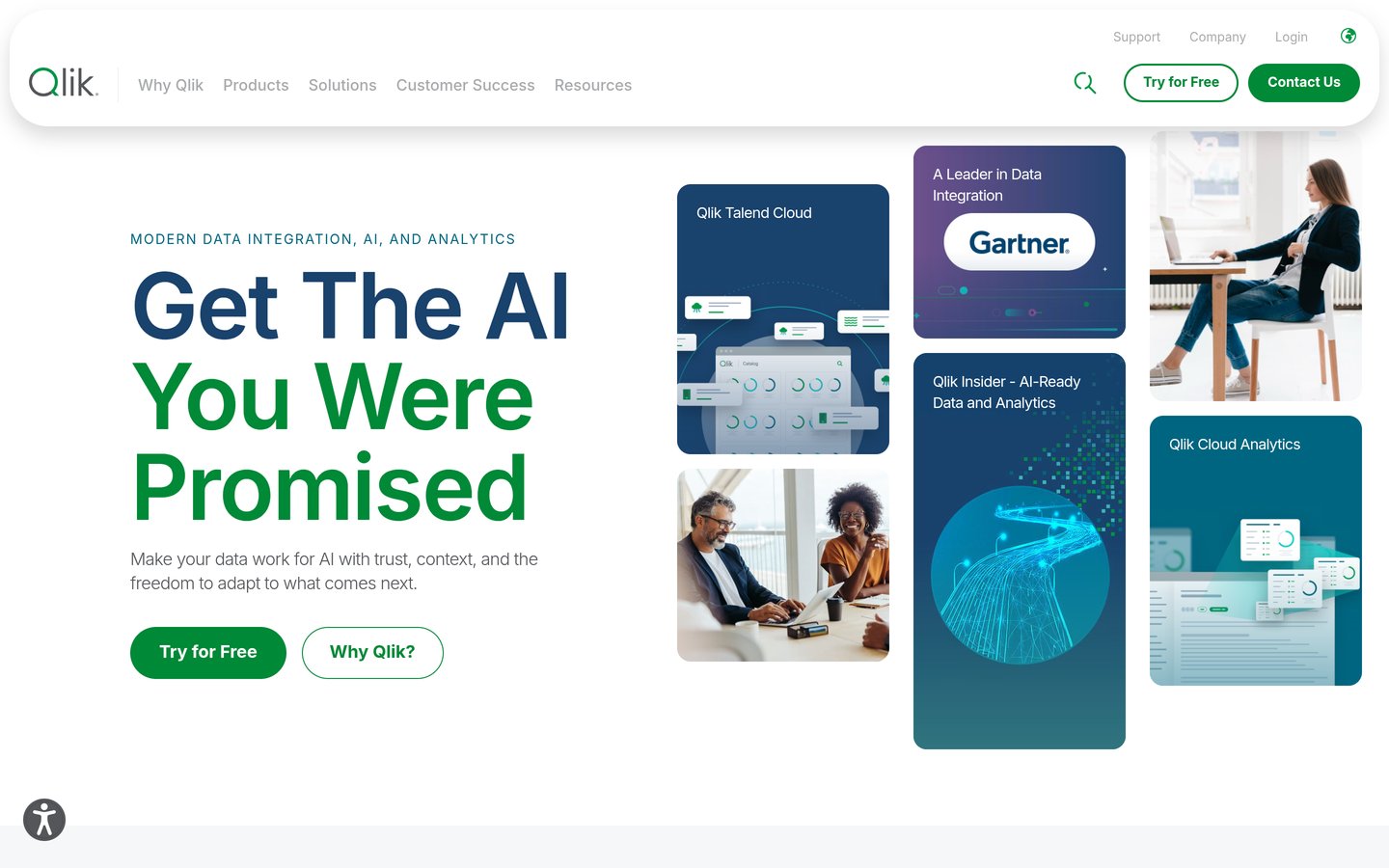
Qlik Sense is a cloud analytics platform built around an associative engine, so users can explore relationships across connected data rather than following fixed drill paths. It is sold as Qlik Cloud Analytics, and Starter costs $300 a month, billed annually, for 10 users and 10 GB of data.
The trade off is the pricing switch. Standard costs $825 a month and Premium $2,750 a month, priced by data capacity with unlimited users, so the bill grows with data volume. It suits mid-size teams with many viewers and moderate data.
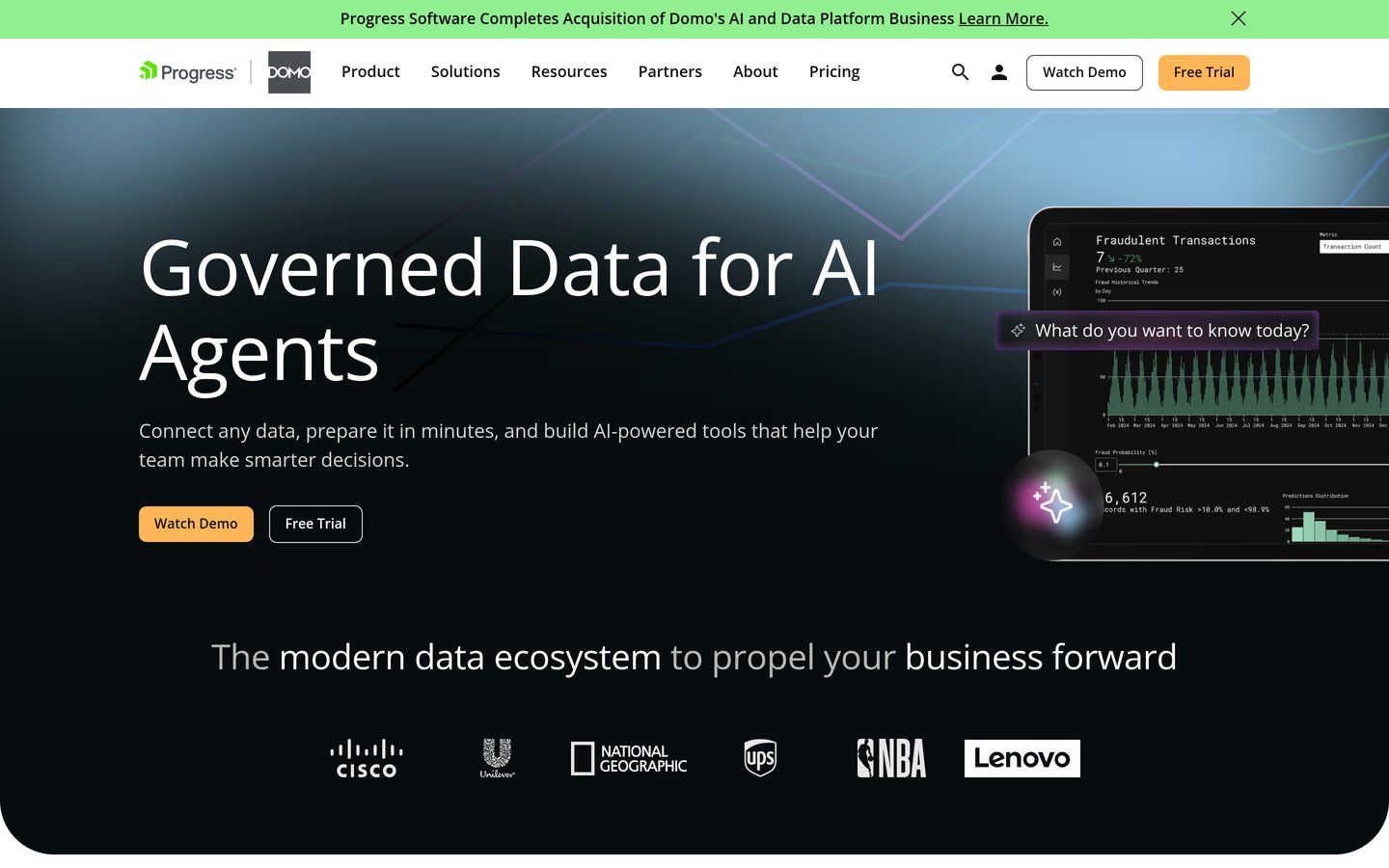
Domo is a cloud BI platform that combines data integration, preparation and dashboards in one place, with AI assistance at every step. It charges by consumption credits rather than seats, so users are unlimited, and its only public entry price is $30,000 a year for Tier 1 on AWS Marketplace.
The trade off is the entry cost and the model. Credits are spent each time data loads, transforms or stores, so a busy pipeline can burn the pool fast. It suits mid-size and large companies building data products.
What we like
Connectors, prep and dashboards in one platform
Strong for executive dashboards
Unlimited users, so rollout adds no seat cost
Watch out for
Dearest entry in this list at about $30,000 a year
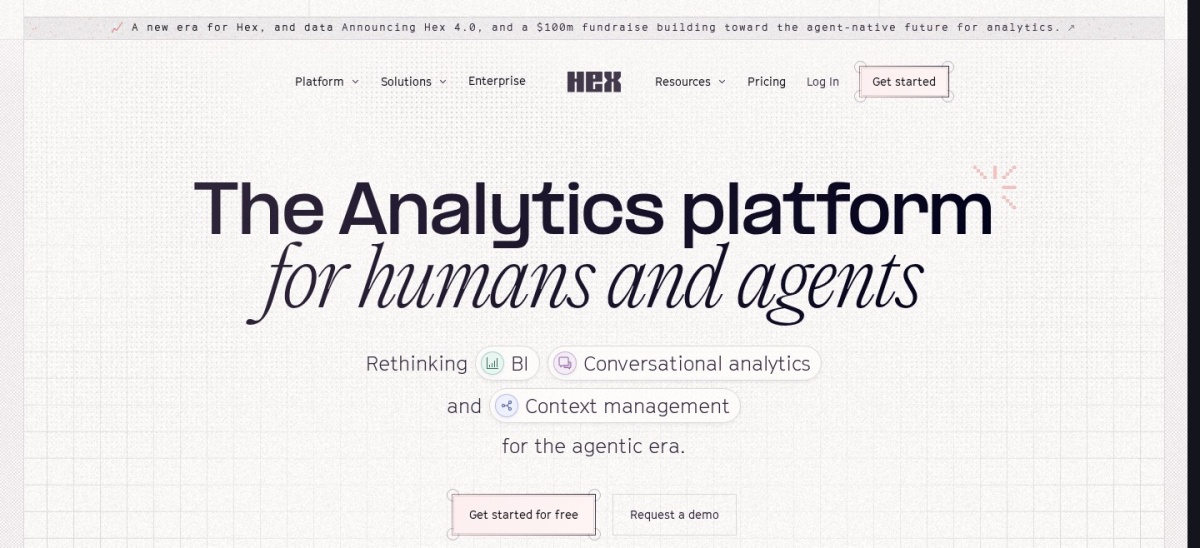
Hex is a collaborative data workspace where SQL and Python notebooks, AI agents and published data apps live in one place. Its free Community tier covers up to 3 project authors, and the paid Professional plan costs $36 per editor a month, with Team at $75.
The trade off is audience. It is analyst-first, so non-technical users still lean on analysts for the hardest questions, and AI features consume metered credits. It suits data teams that think in notebooks.
What we like
Free Community tier to start
Analysts and business users in one workspace
AI assistance for building analyses
Watch out for
Analyst-first, less friendly for pure business users
No. Looker Studio and Looker are two different Google products that shared a brand from October 2022 to April 2026, when Google renamed Looker Studio back to Data Studio.
Looker is the enterprise platform, with a LookML semantic layer, governed metrics and quote-only pricing. Looker Studio is the free drag-and-drop report builder for dashboards and charts.
If you leave Looker for cost, Looker Studio is the cheapest landing spot, but it does not replace the semantic layer. Tableau and Power BI are closer replacements for governed reporting.
How we chose
We started from the BI platforms most often named as Looker replacements, then kept those with a verifiable G2 rating and a live product.
Prices and ratings were checked on 29 November 2026. Ratings come from G2 on that day; published prices come from vendor pricing pages and pricing pages cited in comparisons read that day. Where a vendor shows a sale, the list shows the regular price.
We left out tools with no verifiable rating, and we left out Sisense because it publishes no current price. No vendor paid for a place, and we do not claim to have used these tools ourselves.
How to choose a Looker alternative
Start with who will ask the questions, then match the tool to their skill.
Count your question-askers. If most users are in Microsoft 365, Power BI wins. If they live in spreadsheets, Sigma fits better.
Check the governed model. Confirm metrics are defined once and reused, so two dashboards cannot disagree on revenue.
Price for all users, not just analysts. Per-user pricing climbs fast when hundreds of business users join, so get the full quote before you commit.
Start free where you can. Try Looker Studio for Google data or Metabase self-hosted before signing an annual contract.
FAQ
What is the best free alternative to Looker?
Looker Studio is the best free alternative to Looker. It is free for report creators and viewers, connects to Google Analytics, Google Ads, Sheets and BigQuery, and Pro costs $9 a user a month. It has no governed semantic layer, so it suits reporting rather than enterprise BI.
What are the best Looker alternatives in 2026?
Tableau is the best Looker alternative overall, rated 4.4 out of 5 on G2 from 3,787 reviews. Power BI is the best value at $14 a user a month, Looker Studio is the best free pick, and Metabase is the best open-source option.
How much do Looker alternatives cost?
Prices run from free to about $30,000 a year. Looker Studio is free, Power BI Pro is $14 a user a month, Tableau Viewer is $15, ThoughtSpot and Sigma start at $25, and Domo starts near $30,000 a year. Looker itself is quote-only.
Which Looker alternative is best for small teams?
Looker Studio is best for small teams on Google data because it is free. Metabase is best for technical small teams because the open-source edition is free to self-host. Power BI is best for small teams already on Microsoft 365.
Is Looker Studio the same as Looker?
No. Looker Studio is a separate Google product from Looker, a free report builder for dashboards and charts. Looker is the enterprise BI platform with a LookML semantic layer and quote-only pricing. Google renamed Looker Studio back to Data Studio in April 2026.
Tableau vs Power BI: which is the better Looker alternative?
Tableau is better for visual exploration and polished dashboards, rated 4.4 out of 5 on G2 from 3,787 reviews. Power BI is better for Microsoft 365 teams and value, rated 4.5 out of 5, with Pro at $14 a user a month against $75 for a Tableau Creator.
Do any Looker alternatives have a governed semantic layer?
Yes, but none match Looker exactly. Tableau uses certified datasets, Power BI uses shared semantic models, and ThoughtSpot uses governed data models. Teams that need strict metric definitions should shortlist those three first.
SaaS SEO and WordPress specialist with about 8 years of experience. Rakib compares WordPress plugins, themes, hosting and software using public pricing, documentation and user reviews. See how we rank.