HubSpot is the best live chat software for electricians, because its free plan covers two users and turns website visitors into CRM contacts. Tidio is the cheapest paid route, and LiveChat is the simplest widget for a one-person firm.
How we make this list: we compare pricing pages, product documentation and public user reviews, then re-check every price before each update. No product paid for a place. Disclosure.
HubSpot is the only free live chat here, covering two users with a shared inbox and ticketing.
Tidio charges by conversations, not seats, so a whole office can answer chats on Starter at 33 dollars a month.
LiveChat's new Text plans start at 19 dollars a user a month, with 10 AI resolutions included.
Podium and Birdeye are quote-based and cost about 399 and 299 dollars a month, far above the rest.
Intercom's Fin agent is the strongest AI here, but it bills 99 cents every time it resolves a question.
How do you choose live chat software for electricians?
Most electrical jobs start with a question, not a booking. A visitor asks whether you cover their area, how fast you can come out, or what a panel upgrade costs, and the firm that answers first usually wins the job.
After-hours chat is where the money is. Emergencies happen at night, so an AI agent that takes the details and books a call-back beats a contact form that nobody reads until Monday.
Per-seat pricing punishes small firms. A chat tool that charges per agent costs twice as much for a two-person office, while Tidio and Crisp charge by conversations or a flat fee instead.
Chat should feed your CRM, not sit beside it. HubSpot puts every conversation on the contact record, so a quote request becomes a follow-up task instead of a lost message.
The 9 best live chat software tools for electricians
01
HubSpot
4.4/5on G2 (14,407 reviews, checked Nov 2026)
Paid from$20/mo
Best free start for electricians
Free planYes, 2 users
Paid planStarter, $20/mo
Live chatIncluded on Free
AI agentProfessional only
hubspot.com
HubSpot homepage, captured Nov 2026.
HubSpot is the free CRM with live chat built in, and it is the best starting point for an electrician who wants every website enquiry in one place. The free plan covers two users with live chat, a shared inbox, ticketing and contact records, and Starter costs 20 dollars a seat a month at list price. New customers often see a 7 dollar promotional price.
The trade off is that the free chat carries HubSpot branding, and the AI agent only arrives on Professional at 90 dollars a seat a month. It suits electricians who want chat, quotes and follow-up in one CRM rather than a standalone widget.
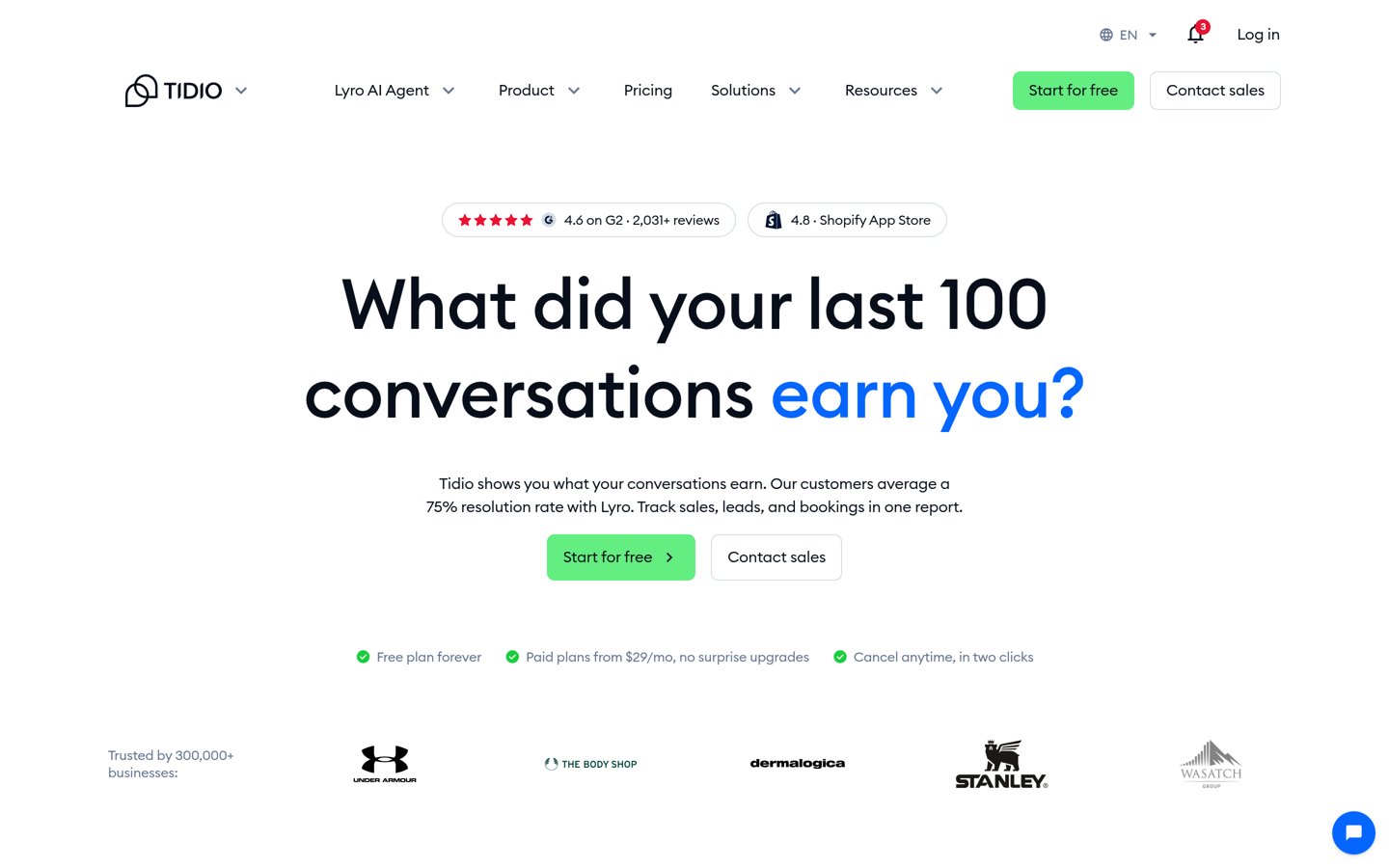
Tidio is a live chat and help desk for small businesses, priced by conversations rather than seats, so a whole office can answer chats on one plan. The free plan covers 50 human conversations a month, and Starter costs 33 dollars a month billed annually with Lyro AI answering routine questions first. Up to 10 seats are included.
The trade off is the conversation cap. Starter covers only 50 conversations a month with Lyro AI, and a busy electrician's site can burn through that in a week. It suits small firms that want an AI agent answering after hours without paying per seat.
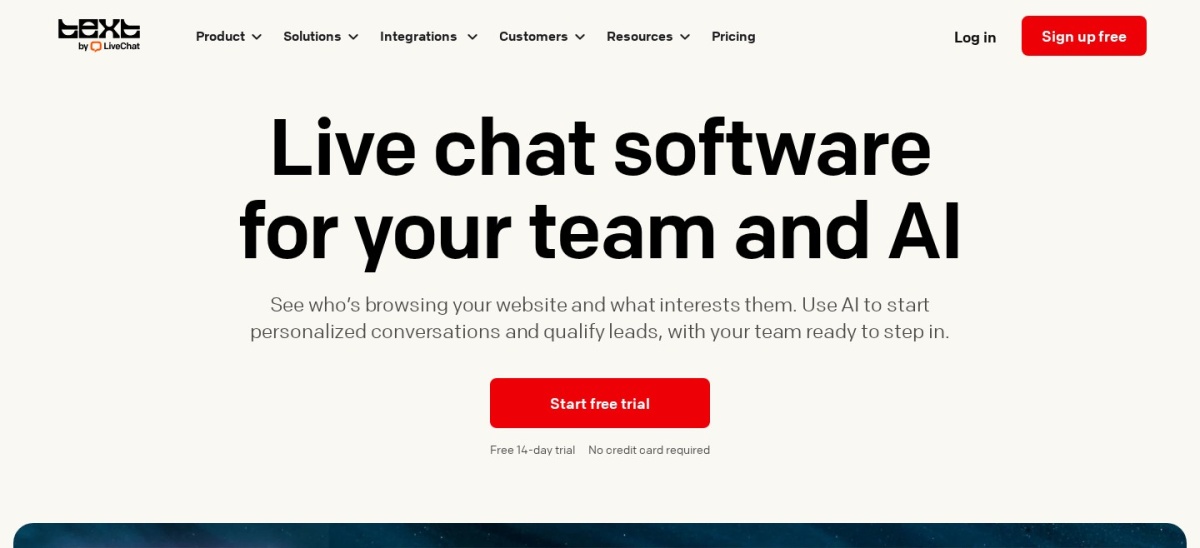
LiveChat is the long-running website chat from Text, now sold as Text plans to new customers. Essential costs 19 dollars a user a month billed annually, or 25 dollars billed monthly, and includes chat, inbox, an AI agent and 10 AI resolutions a month. It suits a one-person electrician who wants a simple widget that just works.
The trade off is the per-user billing and the AI cap. Every person answering needs a seat, and 10 AI resolutions a month is thin for a busy site. It suits solo electricians and small teams that want proven chat without a help desk suite.
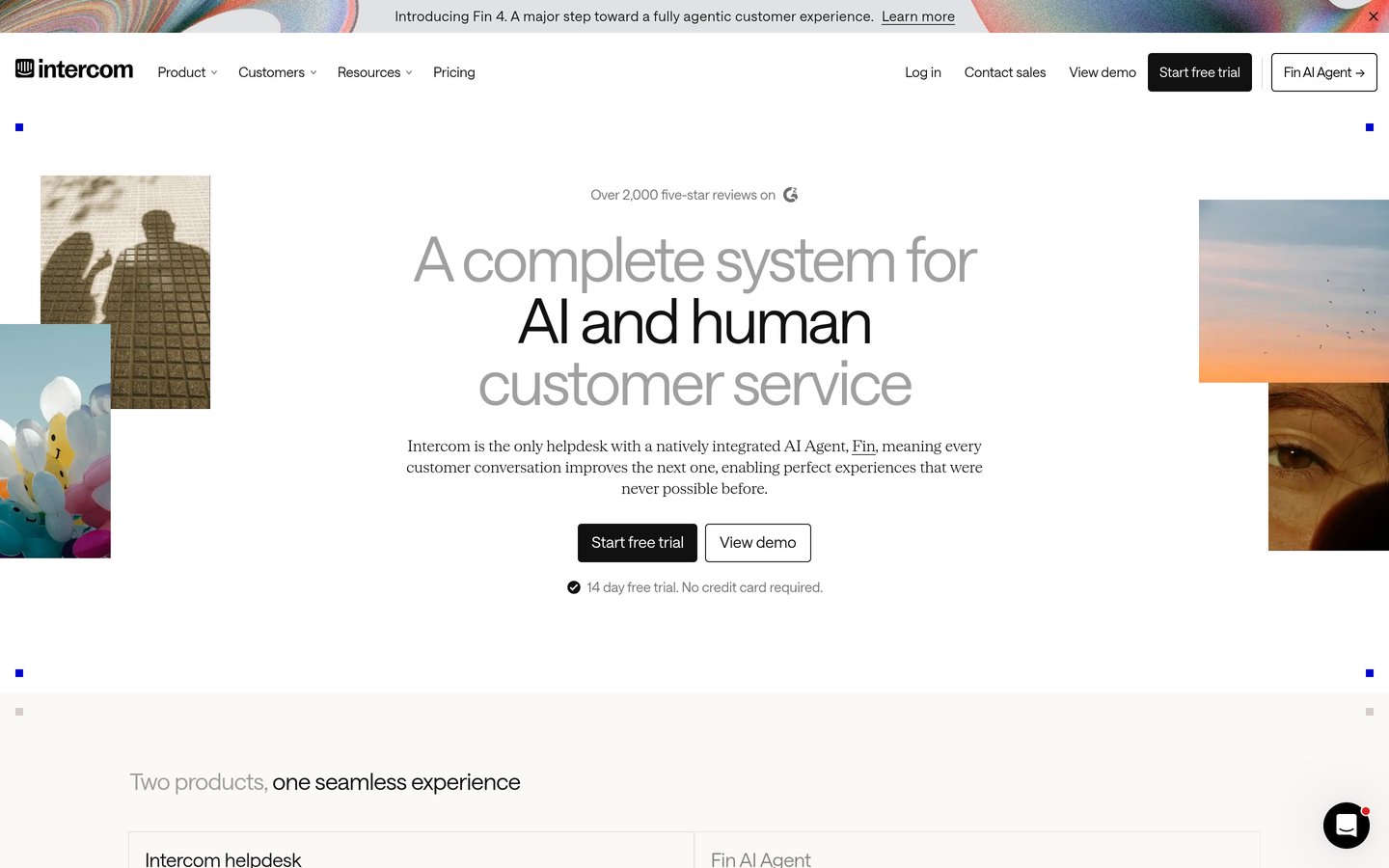
Intercom is the AI-first messaging platform, built around its Fin agent that resolves customer questions before a human is needed. Essential costs 29 dollars a seat a month billed annually, plus 99 cents per Fin resolution. It suits electricians who get the same questions again and again and want them answered automatically.
The trade off is the per-resolution billing. Fin costs 99 cents every time it resolves a question, so a busy site pays for the AI on top of the seat price. It suits firms with high chat volume that want the strongest AI in this list.
Olark is the simplest live chat in this list, with one plan and a clean widget that goes on a website in minutes. Standard costs 29 dollars an agent a month and covers the chatbox, pre-chat forms, routing and visitor insights. It suits electricians who want chat and nothing else, without learning a new platform.
The trade off is the add-ons. Co-browsing, translation, an unbranded chatbox and the AI Copilot are sold separately and can add hundreds of dollars a month. It suits firms that want plain live chat and will not miss the extras.
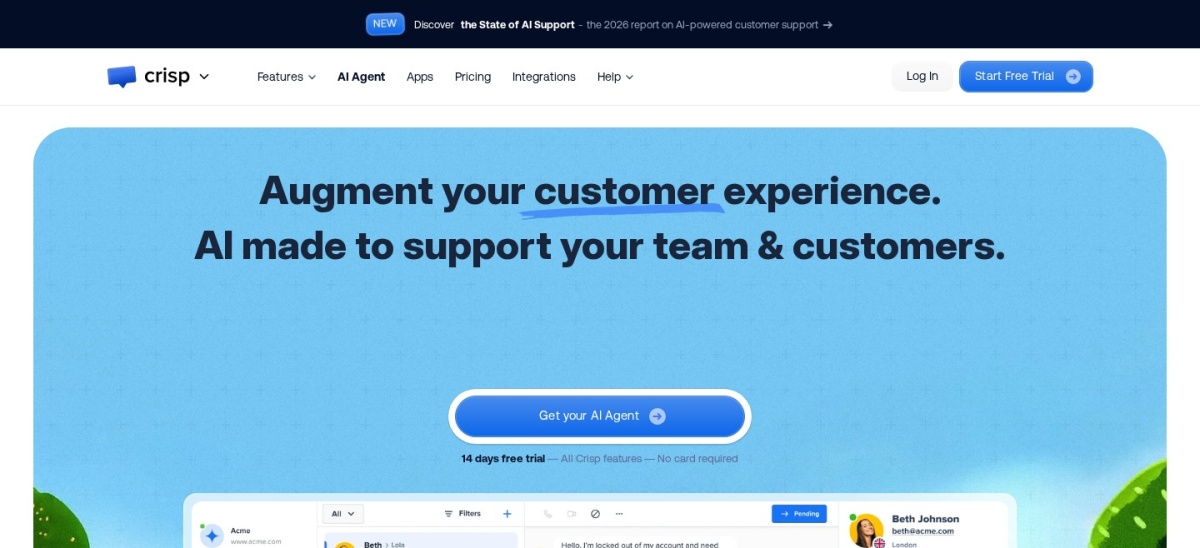
Crisp is a multichannel inbox that puts website chat, email, Messenger and Instagram in one place for a flat monthly price. The free plan covers the basics, and paid plans start at 45 dollars a month with chatbots, automation and a shared inbox for the whole team. It suits electricians who answer customers on more than one channel.
The trade off is the price rise. Older guides list Crisp from 25 dollars a month, but current pricing starts at 45 dollars a month, so the budget case is weaker than it was. It suits firms that want every channel in one inbox at one flat price.
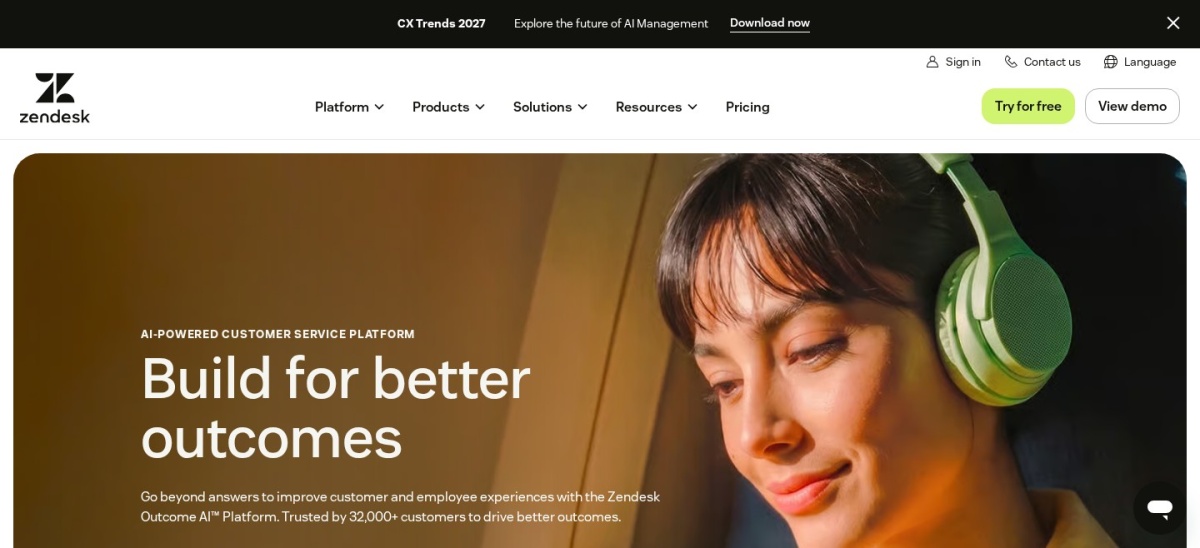
Zendesk is the omnichannel support suite, and its chat lives inside a full ticketing system rather than a standalone widget. Chat arrives on the Suite Team plan at 55 dollars an agent a month billed annually, with email, social messaging and a help centre in the same price. It suits larger electrical firms with a real support team.
The trade off is scale and cost. Zendesk is built for teams, so a solo electrician pays for a suite they will barely use, and the AI costs 1.50 to 2 dollars per automated resolution past the included five. It suits firms that already run Zendesk or need tickets across every channel.
Podium is the messaging platform built for local businesses, putting website chat, text and phone in one inbox. Pricing is quote-based, and recent reports put it near 399 dollars a month, with Core, Pro and Signature plans that add reviews, payments and marketing. It suits electrical firms that text customers about arrival times and quotes.
The trade off is the price and the quote. At about 399 dollars a month, Podium costs more than every other tool here, and a one-person electrician may not use enough of it to justify the bill. It suits busy firms that live on text and want reviews in the same thread.
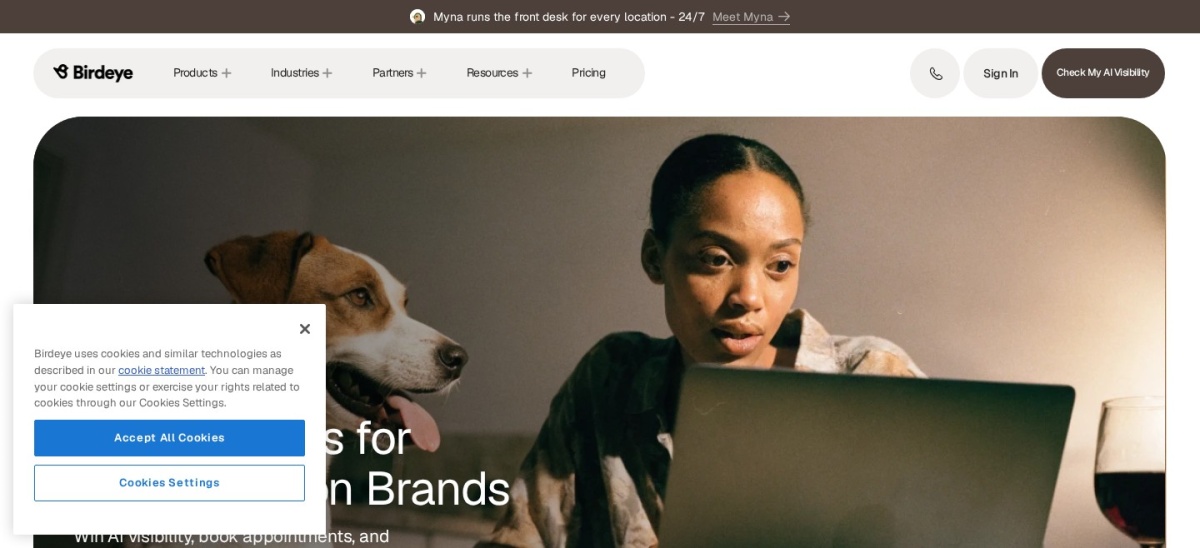
Birdeye is a reputation and messaging platform for local service businesses, with an AI chat that answers website visitors around the clock. Pricing is quote-based, with reports putting it near 299 dollars a month per location, and the AI can book appointments and hand off to a live agent. It suits firms that want chat and reviews in one dashboard.
The trade off is the enterprise pricing. Birdeye is priced for businesses with meaningful message volume, and a single-location electrician may pay for dashboards they never open. It suits multi-location firms that want AI chat, reviews and messaging in one place.
Free chat covers the basics well. HubSpot gives two users live chat, a shared inbox and ticketing for nothing, and Tidio gives 50 conversations a month free.
Paid plans mostly buy AI and branding. HubSpot Starter at 20 dollars a seat removes the branding, and Tidio Starter at 33 dollars a month adds Lyro AI answering routine questions.
Per-seat billing is the trap for small firms. LiveChat, Intercom and Olark all charge per person, so a three-person office pays three times the headline price.
For an electrician, the maths is simple. One extra booked job a month pays for any plan here except Podium and Birdeye, so pick the tool your team will actually answer.
How we chose
We started from the live chat tools electricians and other trades most often compare in 2026, then kept the nine with a published price or a free plan and a G2 or Capterra rating.
Prices come from each vendor's pricing page or its own published pricing guide, checked on 30 November 2026. Ratings and review counts come from G2 or Capterra on the same day. Where a vendor shows a sale, the list shows the regular price.
We left out quote-only tools with no published price and no usable figure, and review-first tools such as NiceJob where chat is secondary. No vendor paid for a place, and we do not claim hands-on testing for this list.
How to choose live chat software for electricians
Start with who answers the chat, then check the price at your real headcount.
Count who answers chats. Per-seat tools charge for every person who logs in. A two-person office pays double on LiveChat or Intercom, while Tidio includes up to 10 seats on Starter.
Check the after-hours answer. Emergencies happen at night. Pick a tool with an AI agent, such as Tidio's Lyro or HubSpot's Customer Agent, that takes the details and books a call-back.
Ask what happens after the chat. A chat that ends in a CRM contact becomes a quote and a follow-up. HubSpot does this free, while a standalone widget leaves the job in a separate inbox.
Try the free plan with real enquiries. Run two weeks of real website chats in the free plan before you pay. If the widget misses jobs or the replies feel slow, the tool is wrong, whatever its rating.
FAQ
What is the best live chat software for electricians in 2026?
HubSpot is the best live chat software for electricians for most small firms. Its free plan covers two users with live chat, a shared inbox and ticketing, and every conversation lands on the contact record in the CRM.
How much does live chat software cost?
Prices here run from free on HubSpot and Tidio to about 399 dollars a month for Podium, with most tools between 19 and 55 dollars a user a month. Per-seat tools cost more once two or three people answer chats.
Is there a free live chat for electricians?
Yes. HubSpot covers two users free with live chat, a shared inbox and ticketing, and Tidio covers 50 conversations a month free. Crisp also has a free plan, so a solo electrician can start without paying.
HubSpot vs Tidio: which is better for an electrician?
HubSpot is better if you want chat, quotes and follow-up in one CRM with a free plan. Tidio is better if you want an AI agent answering after hours, since it charges by conversations and includes up to 10 seats on Starter.
What is the cheapest live chat software?
HubSpot and Tidio are the cheapest, both free to start. The cheapest paid plan is LiveChat Essential at 19 dollars a user a month, followed by Intercom and Olark at 29 dollars a month.
Should an electrician use Podium or Birdeye?
Only if the firm is busy enough to justify the price. Podium costs about 399 dollars a month and Birdeye about 299, both quote-based, and both suit firms that live on text and reviews rather than a solo electrician.
SaaS SEO and WordPress specialist with about 8 years of experience. Rakib compares WordPress plugins, themes, hosting and software using public pricing, documentation and user reviews. See how we rank.