Auth0 is the best Keycloak alternative for most teams, with a free plan and paid plans from $35 a month, rated 4.3 out of 5 from 314 G2 reviews. Pick FusionAuth if you want to self-host, or Clerk if you want drop-in sign-in for a new app.
How we make this list: we compare pricing pages, product documentation and public user reviews, then re-check every price before each update. No product paid for a place. Disclosure.
Auth0 is the closest hosted match to Keycloak, with a free plan and Essentials at $35 a month.
FusionAuth is the only self-hosted pick with a free edition and no user limit.
Okta, Entra ID, JumpCloud and Ping Identity charge per user, so headcount sets the bill.
Clerk has the highest rating in the list at 4.8 out of 5, with a free plan up to 50,000 users.
Cognito is cheapest at low volume: 10,000 monthly active users free, then $0.015 each.
No tool here matches Keycloak's $0 price, so the choice is which trade-off you accept.
How do you pick the right Keycloak alternative?
Keycloak is free and self-hosted, so every alternative costs money or gives up control. The first choice is whether you keep running identity yourself or pay a hosted service to run it.
Self-hosting keeps data and cost under your control. FusionAuth is the only tool in this list with a free self-hosted edition, and it covers the same standards Keycloak does: OAuth 2.0, OpenID Connect and SAML.
Hosted tools trade a monthly bill for less work. Auth0, Clerk and Cognito handle upgrades, uptime and scaling, but the bill grows with users, so check the free tier limit before you commit.
Workforce and customer login are different jobs. Our guide on adding two-factor authentication to WordPress shows the same split: staff SSO tools such as Okta and Entra ID fit employee login, while Auth0, Clerk and Frontegg fit customer sign-up.
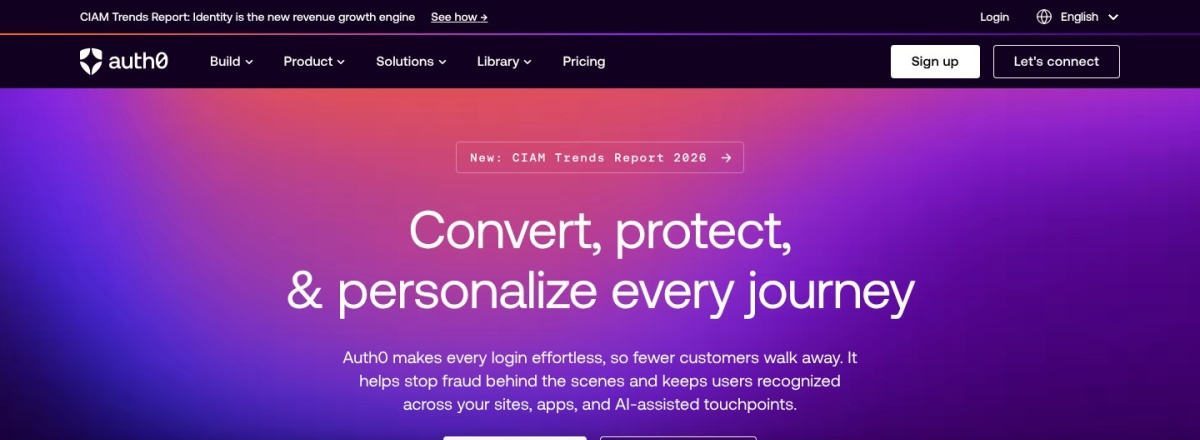
Auth0 is a hosted identity platform from Okta that adds login, single sign-on and multi-factor authentication to web and mobile apps without running an identity server. The free plan covers small apps, and paid plans start with Essentials at $35 a month.
The trade off is cost at scale. The bill grows with monthly active users, and enterprise connections such as SAML and OIDC sit on higher plans, so a large user base gets expensive fast. It suits teams that want Keycloak's features without operating Keycloak.
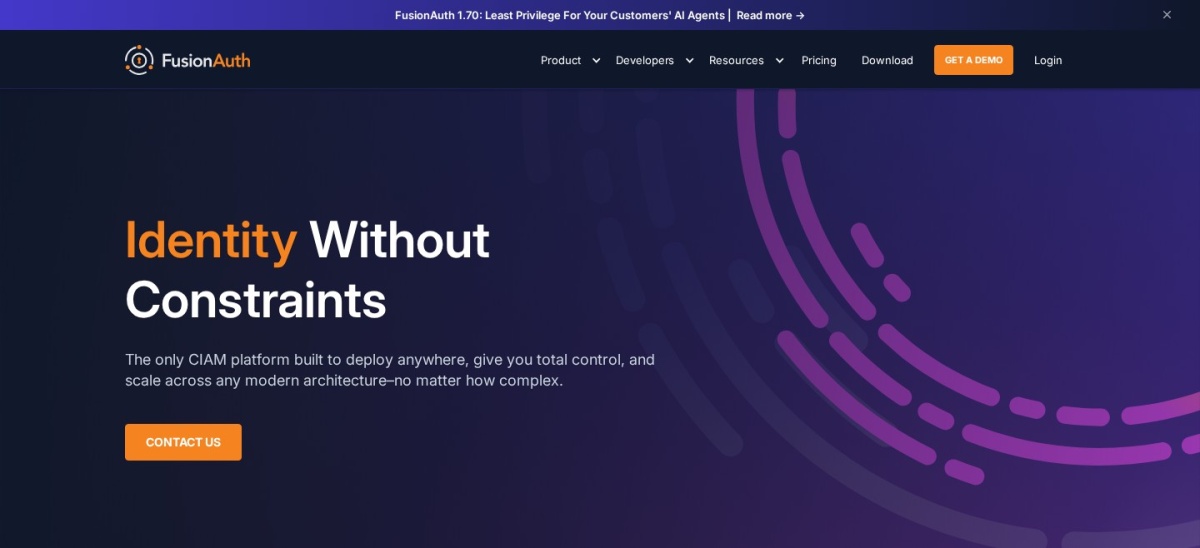
FusionAuth is a customer identity platform that runs anywhere, including on your own servers, which makes it the closest match to Keycloak's self-hosted model. The free Community edition covers OAuth 2.0, OpenID Connect, SAML, MFA, multi-tenancy and social login with no user limit.
The trade off is price for the paid edition. Starter starts at $162 a month for 1,000 monthly active users, which is far above Keycloak's $0, and advanced MFA and theming are paid features. It suits teams that want to keep hosting their own identity but want supported software.
What we like
Free self-hosted edition with no user limit
Runs on your own servers or FusionAuth Cloud
Transparent pricing with no sales call needed
Watch out for
Paid plans start at $162 a month
Advanced setup takes more effort than hosted tools
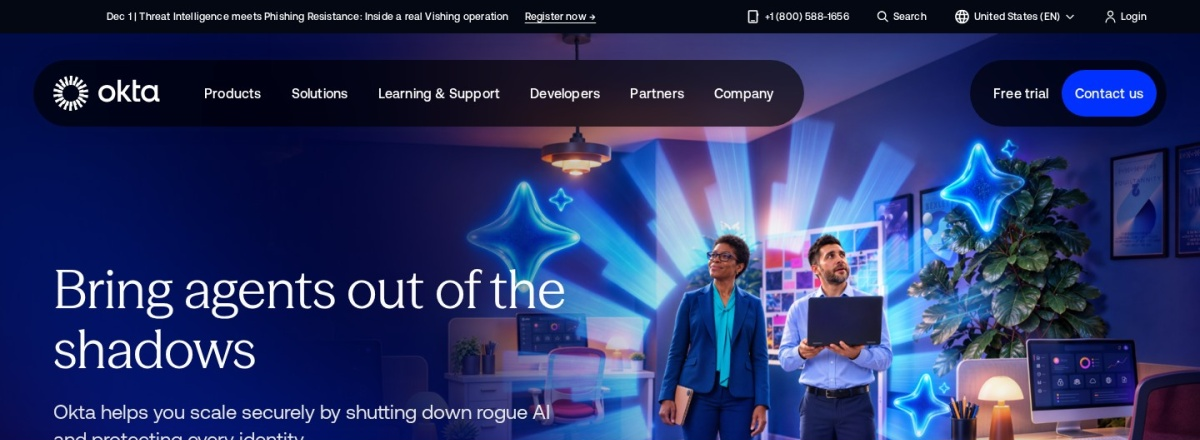
Okta is a workforce identity platform that gives staff one login for cloud apps, with single sign-on, multi-factor authentication and automated provisioning. Starter costs $6 per user a month, and the platform is rated 4.5 out of 5 from more than 1,400 G2 reviews.
The trade off is that it is built for employees, not app customers. There is no free plan, and customer identity is a separate Okta product, so it fits workforce login better than consumer sign-up. It suits companies replacing Keycloak as their staff directory and SSO hub.
What we like
Largest app catalog and provisioning depth
Strong admin controls and reporting
Rated 4.5 out of 5 from 1,400+ reviews
Watch out for
No free plan
Licensing costs rise as headcount grows
Higher plans add lifecycle management and governanceVisit okta.com
04
Microsoft Entra ID
4.5/5on G2 (912 reviews, checked Nov 2026)
Paid from$7/mo
Best for Microsoft 365 teams
Free planYes, with Microsoft 365
Conditional AccessP1, $7/user/mo
MFAYes
Paid planP1, $7/user/mo
microsoft.com
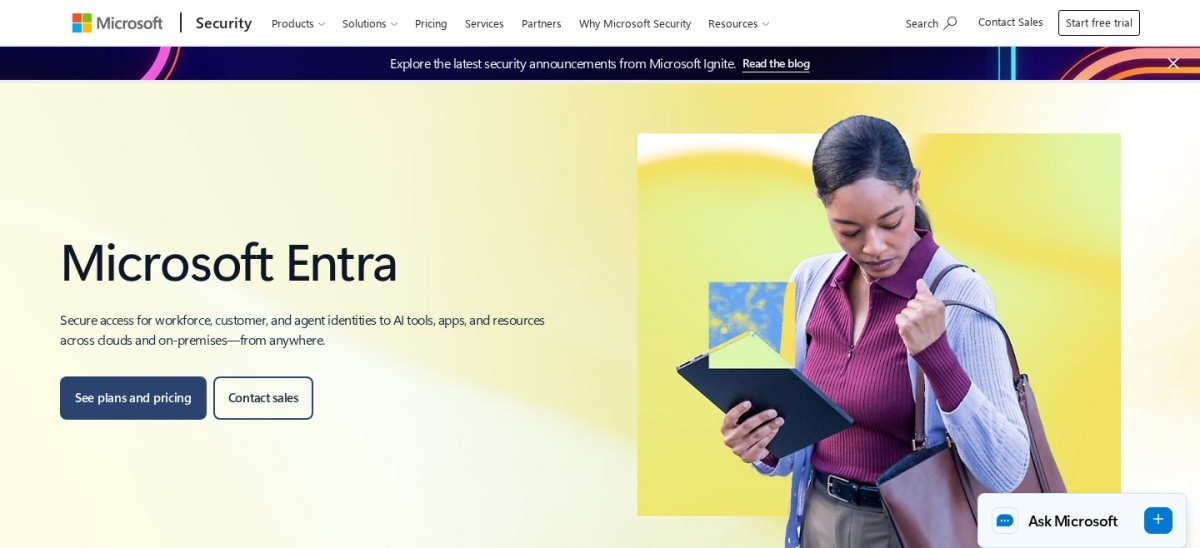
Microsoft Entra ID homepage, captured Nov 2026.
Microsoft Entra ID is the identity layer for Microsoft 365 and Azure, covering single sign-on, multi-factor authentication and user management. A free tier comes with Microsoft cloud subscriptions, and P1 costs $7 per user a month, adding Conditional Access and self-service password reset.
The trade off is that it is built for Microsoft shops. It works with other apps, but the deepest coverage is for Windows sign-in and Microsoft apps, and advanced identity protection needs P2 at $9 per user a month. It suits teams already paying for Microsoft 365.
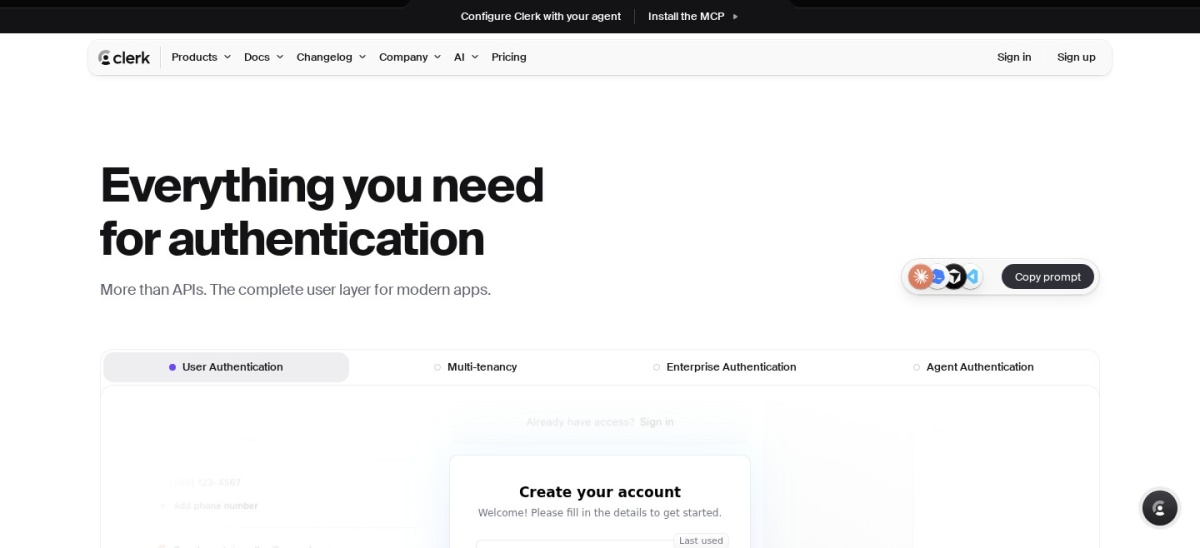
Clerk is a developer-first authentication platform with ready-made sign-in, sign-up and user profile components for React and Next.js apps. The free Hobby plan covers up to 50,000 monthly retained users per app, and Pro starts at $25 a month.
The trade off is metering. Past 50,000 retained users each extra user costs $0.02 a month, and extras such as SMS codes and extra enterprise SSO connections add up. It suits small teams that want login working in an afternoon.
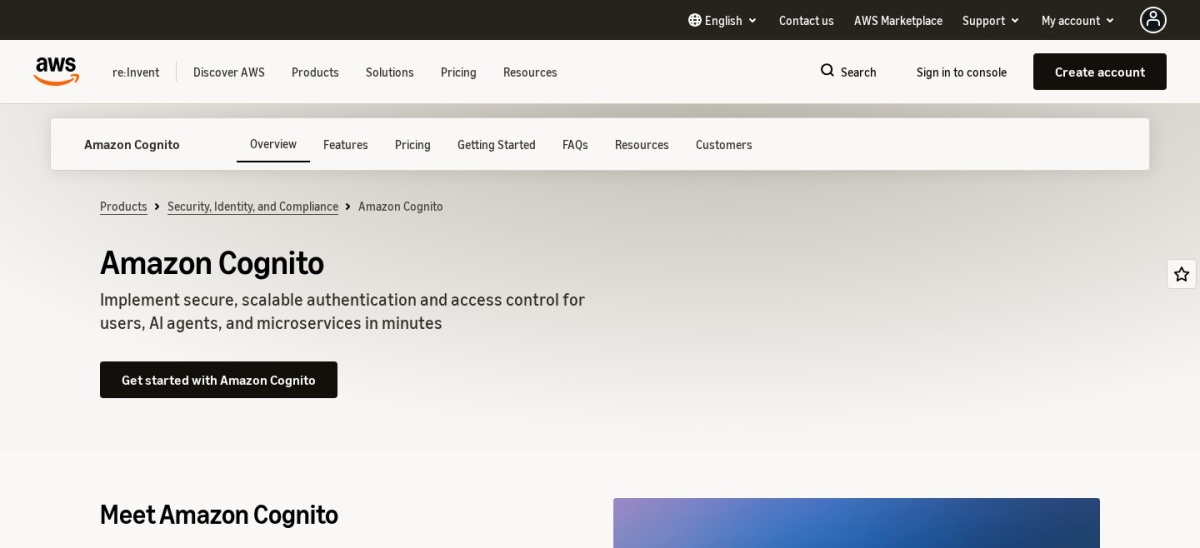
Amazon Cognito is AWS's sign-in service for web and mobile apps, with user pools, social login and hosted sign-in pages. The Lite and Essentials tiers include 10,000 monthly active users free, and Essentials then costs $0.015 per active user.
The trade off is the AWS learning curve. Setup runs through IAM policies and the AWS console, reviewers rate support lower than rivals, and features such as threat protection need the Plus tier at $0.02 per user. It suits teams already building on AWS.
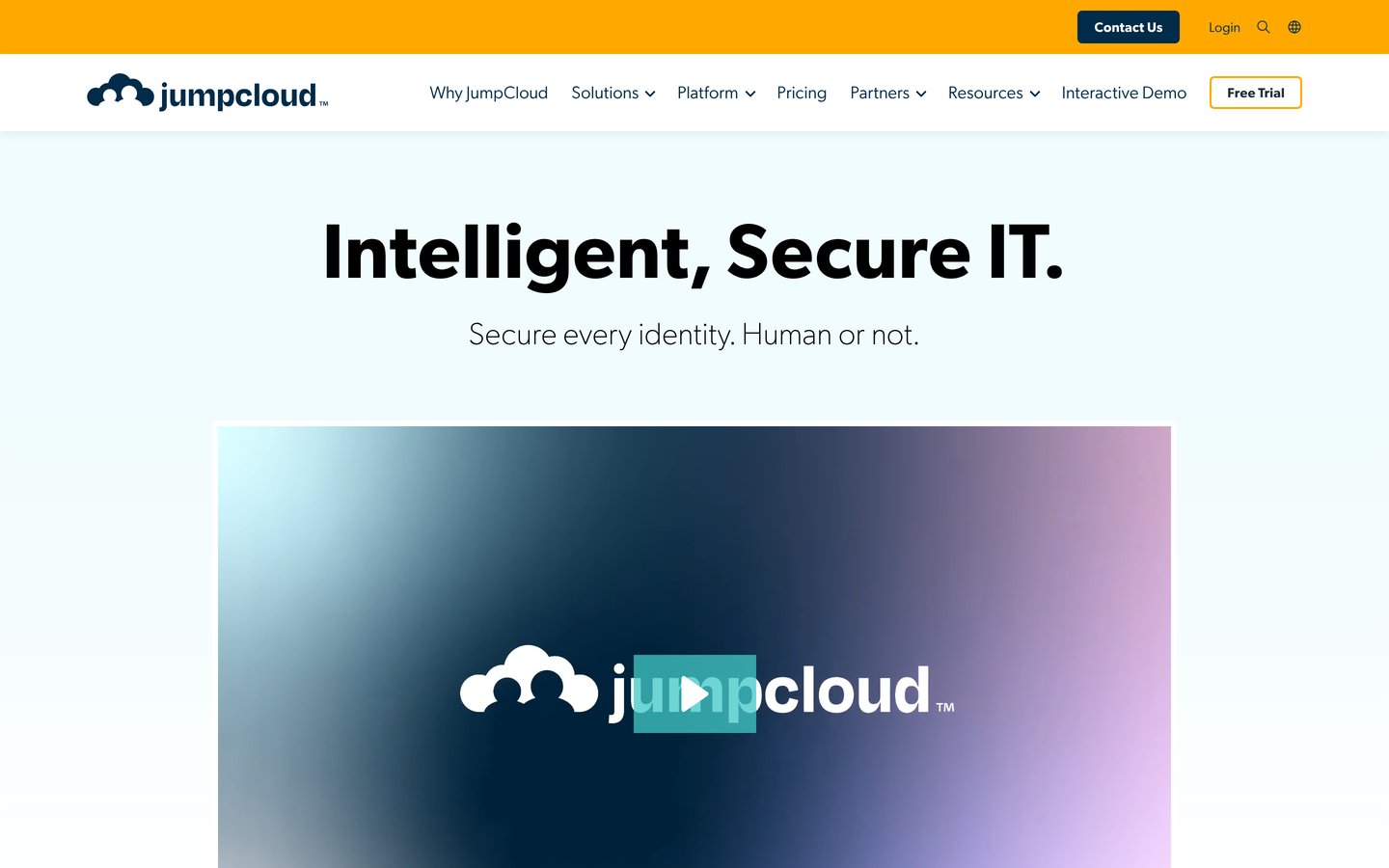
JumpCloud is a cloud directory that combines single sign-on, multi-factor authentication and device management for Windows, Mac and Linux. The SSO package costs $11 per user a month on annual billing, and the platform is rated 4.5 out of 5 from more than 4,000 G2 reviews.
The trade off is that identity is bundled with device tools. Teams that only need login pay for directory features they may not use, and device management is a separate $9 package. It suits small IT teams replacing both Active Directory and a device tool.
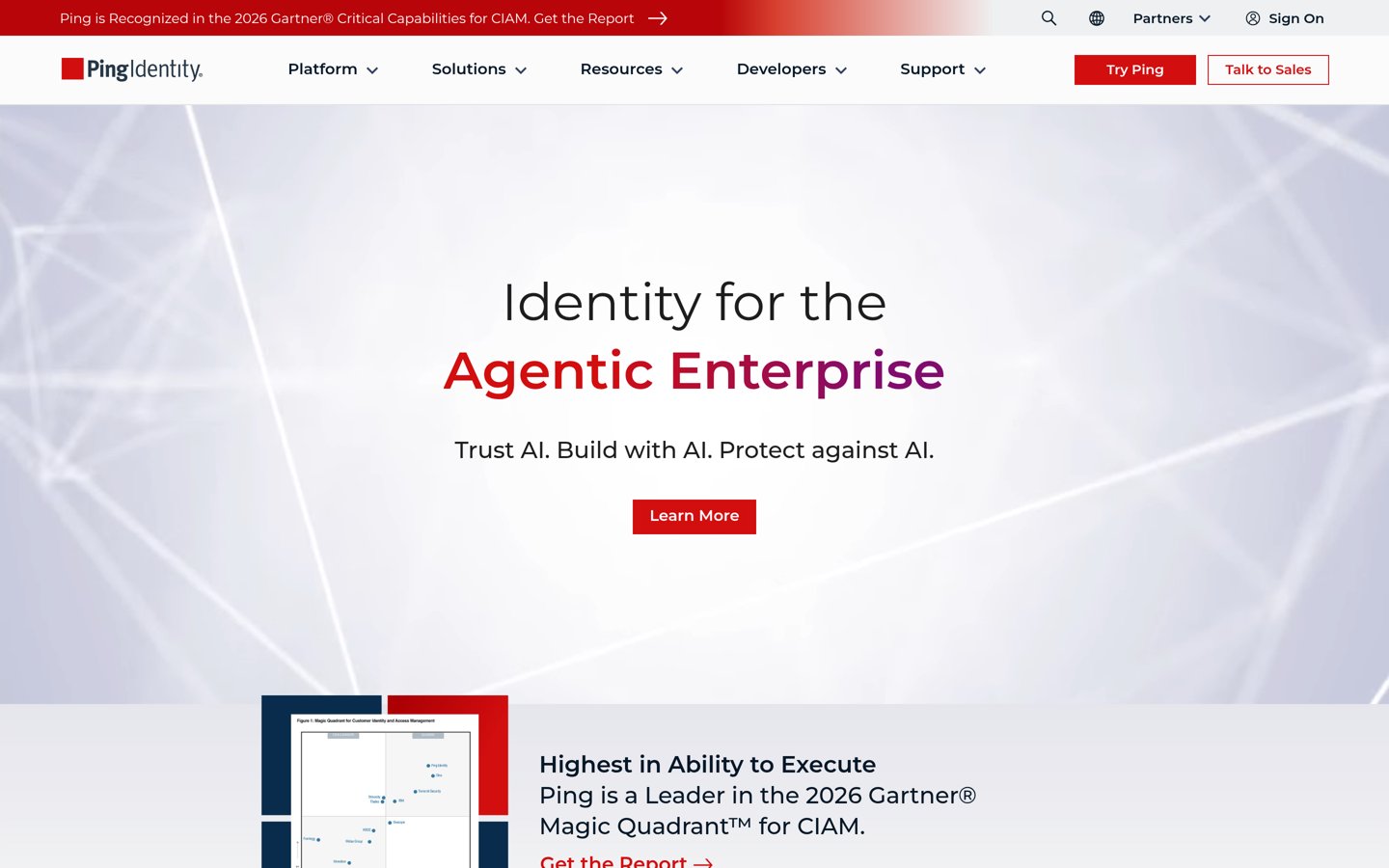
Ping Identity is an enterprise identity platform covering single sign-on, multi-factor authentication and access management, with deployment on-premises or in the cloud. It is rated 4.4 out of 5 from 378 G2 reviews and is built for large, regulated environments.
The trade off is complexity and cost. Ping sells features separately, pricing is not fully published, and setup needs more admin effort than hosted rivals. It suits large teams that must run identity on their own infrastructure.
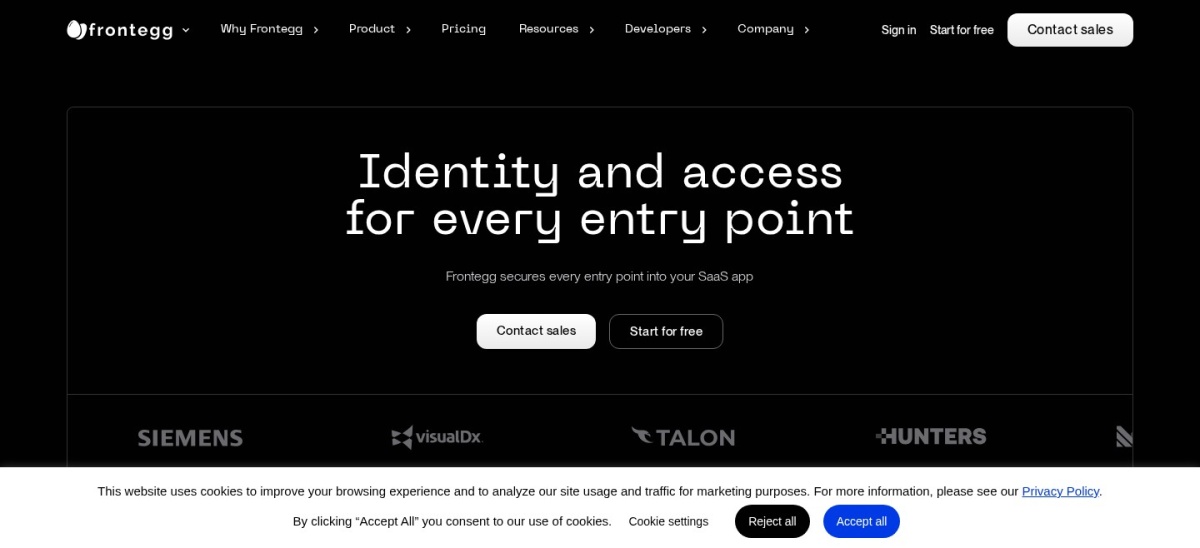
Frontegg is an identity platform built for B2B software, with hosted login, single sign-on, multi-tenancy and admin controls for customer teams. A free plan covers small apps, and the Basic plan starts at $99 a month. It is rated 4.8 out of 5 from 366 G2 reviews.
The trade off is focus. It is built for SaaS vendors selling to businesses, so teams that need workforce login or self-hosting will find a narrower fit. It suits B2B apps that need customer organizations, roles and enterprise SSO out of the box.
Keycloak costs nothing to license, so any move means paying or giving up control. Self-hosting with FusionAuth keeps the $0 license habit, but you still run and patch a server.
Hosted tools remove that work. Auth0, Clerk and Cognito handle uptime and upgrades, and their free plans cover small apps, so a side project may pay nothing at all.
Per-user pricing is the trap to watch. Okta, Entra ID and JumpCloud look cheap at $6 to $11 a user a month, but the bill scales with every hire, while usage-priced tools such as Cognito stay cheap until your user count grows.
If you run WordPress, identity still needs login protection on the site itself. Our limit login attempts guide explains the basics that no identity tool replaces.
How we chose
We started from the identity tools G2 reviewers rank as Keycloak alternatives, then kept nine with a public rating, a published price and a real free or trial plan.
Prices come from each vendor's pricing page and G2 pricing data, checked on 29 November 2026. Ratings and review counts come from G2 on the same day. Where a vendor shows a sale, the list shows the regular price.
We left out open-source projects with no public rating, because the list needs a verifiable score for every tool. No vendor paid for a place, and we do not claim to have used these tools ourselves.
How to choose a Keycloak alternative
Start with where identity will run, then match the tool to who signs in.
Decide hosted or self-hosted first. If you must keep data on your own servers, FusionAuth is the only pick here with a free self-hosted edition.
Split workforce login from customer sign-up. Okta, Entra ID and JumpCloud fit staff; Auth0, Clerk, Cognito and Frontegg fit app customers.
Check the free tier against your real user count. Cognito covers 10,000 users free and Clerk covers 50,000, but per-user tools charge from the first employee.
Test migration before you switch. Move one app and its users first, and check that SSO, MFA and social logins all still work. See how to add two-factor authentication to WordPress for the login basics.
FAQ
What is the best Keycloak alternative in 2026?
Auth0 is the best Keycloak alternative for most teams. Its hosted platform covers login, single sign-on and multi-factor authentication, with a free plan and paid plans from $35 a month, and it is rated 4.3 out of 5 from 314 G2 reviews.
Is there a free alternative to Keycloak?
FusionAuth is the closest free alternative. Its Community edition is free and self-hosted, with no user limit, and it covers OAuth 2.0, OpenID Connect, SAML, MFA and social login. Keycloak itself is free, so no hosted tool matches its $0 license cost.
What is the cheapest Keycloak alternative?
Amazon Cognito is cheapest at low volume. Its Lite and Essentials tiers include 10,000 monthly active users free, then charge $0.015 per active user. For workforce login, Ping Identity lists plans from $3 per user a month, and Okta starts at $6 per user a month.
Which Keycloak alternative is best for self-hosting?
FusionAuth is the best self-hosted Keycloak alternative. Its free Community edition runs on your own servers with Docker or a ZIP install, covers the same open standards as Keycloak, and has no user limit. Ping Identity also offers on-premises deployment for large teams.
Which Keycloak alternative is best for small teams?
Clerk is the best pick for small teams building a new app. Its free Hobby plan covers up to 50,000 monthly retained users, and Pro starts at $25 a month with passkeys and MFA. Auth0 is the safer pick if you need enterprise SSO later.
Auth0 vs FusionAuth: which should I choose?
Choose Auth0 if you want a hosted service and no server to run, with a free plan and Essentials at $35 a month. Choose FusionAuth if you want to self-host like Keycloak, with a free Community edition and paid plans from $162 a month.
Can I migrate from Keycloak to Auth0?
Yes, migration is possible with user export from Keycloak and import tools on the hosted side. Plan the move app by app, and keep Keycloak running until sign-in works on the new tool for every app.
SaaS SEO and WordPress specialist with about 8 years of experience. Rakib compares WordPress plugins, themes, hosting and software using public pricing, documentation and user reviews. See how we rank.