Cursor is the best GitHub Copilot alternative for most developers, with an AI-native editor from $8 a month and a 4.6 out of 5 G2 rating. Claude Code suits terminal-first work at $20 a month, while Devin Desktop adds cloud agents for the same price.
How we make this list: we compare pricing pages, product documentation and public user reviews, then re-check every price before each update. No product paid for a place. Disclosure.
Cursor starts at $8 a month for Plus, but frontier models need Premium at $30 a month.
Claude Code has the highest G2 rating here, 4.7 out of 5 from 112 reviews, and no free plan.
Devin Desktop, formerly Windsurf, includes frontier models in its $20 Pro plan.
Amazon Q Developer is rated 4.6 out of 5, but AWS closed new sign-ups and ends IDE support on 30 April 2027.
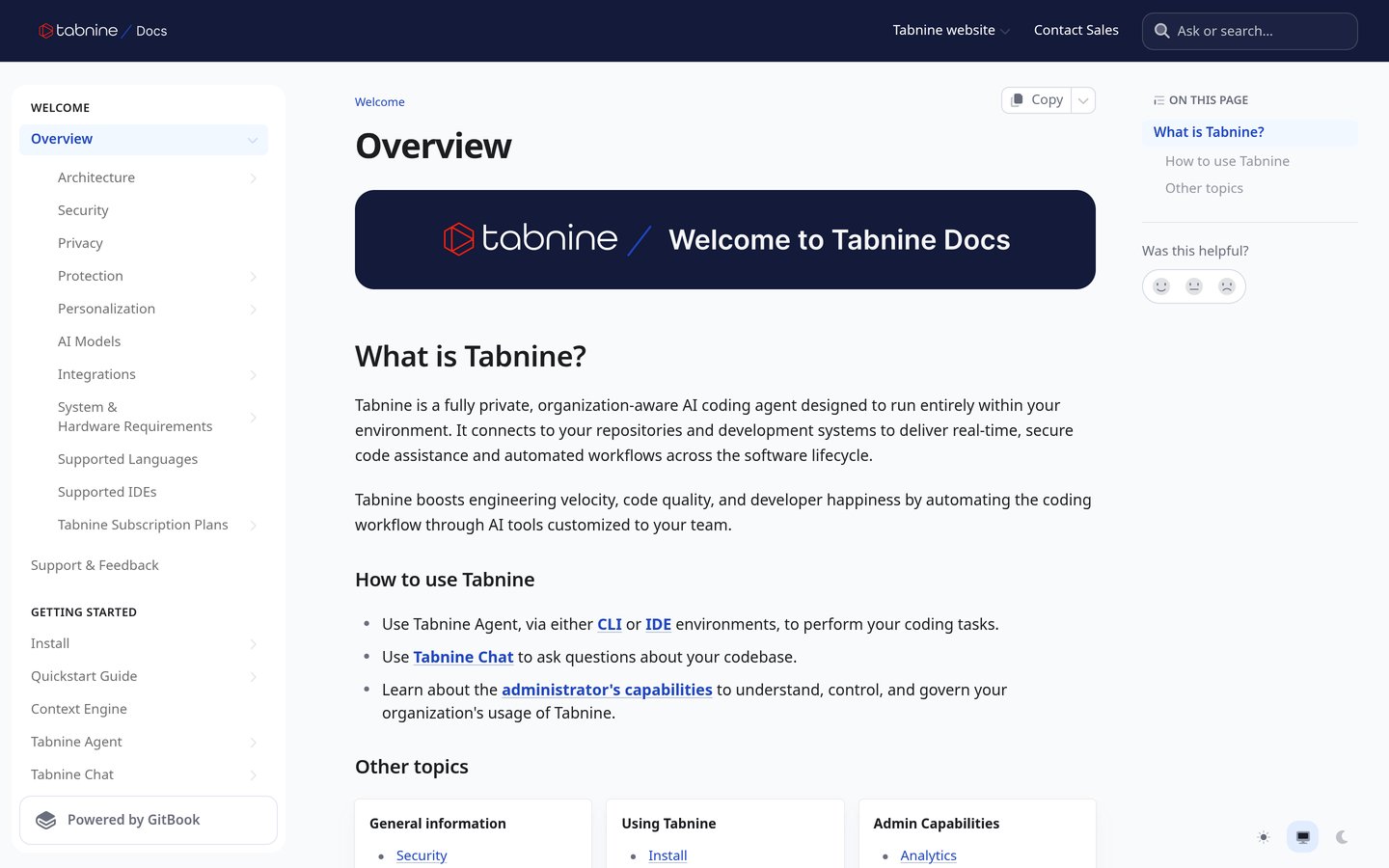
Tabnine is now enterprise-only at $39 per user a month, with no free tier.
Paid plans in this list run from $8 to $39 a month, and 5 of the 9 tools have a free plan or free tier.
How do you pick the right GitHub Copilot alternatives?
Most GitHub Copilot alternatives fall into two camps: AI-native editors and assistants that plug into the editor you already use. Editors such as Cursor and Devin Desktop replace VS Code, while Claude Code, Tabnine and JetBrains AI work inside the tools teams already run.
Price is a floor, not a cap, in this list. Most tools now meter agent use with credits or quotas, so an $8 or $10 plan can cost more in a heavy month, and Cursor's cheapest plan covers Grok models only.
Free plans are thinner than they look. Our guide on adding code snippets safely in WordPress shows the same care with AI-written code: check every change before it ships, whichever assistant wrote it.
Three tools in this list changed status in 2026. Windsurf became Devin Desktop, Tabnine moved to enterprise-only pricing under Tricentis, and Amazon Q Developer stopped new sign-ups, so check the pricing page on the day you buy.
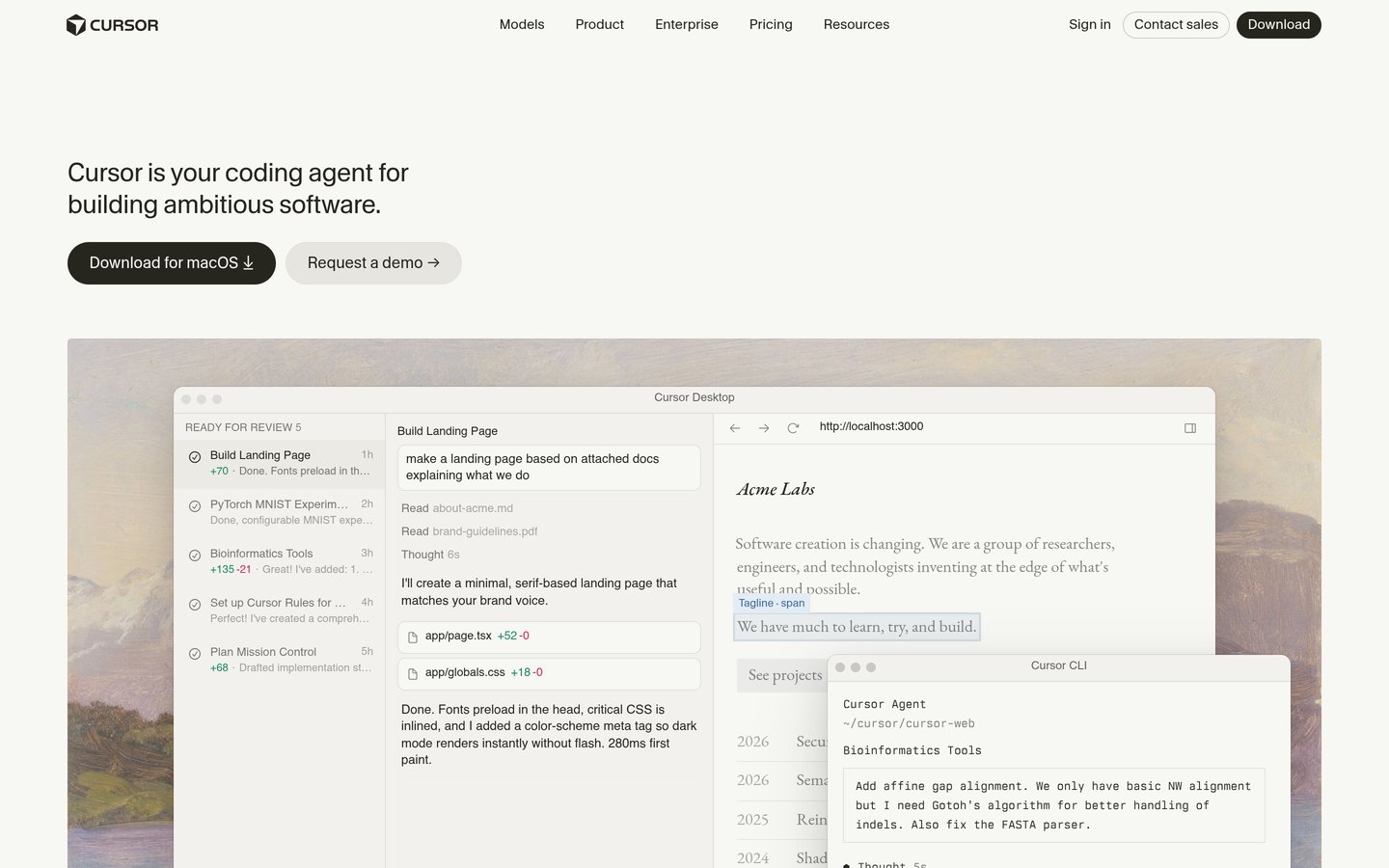
Cursor is an AI-native code editor built as a fork of VS Code, with an agent that plans and edits across files and a free Hobby plan for light use. Plus at $8 a month adds more agent use on Grok models, while Premium at $30 a month opens frontier models such as Claude and GPT. It is rated 4.6 out of 5 on G2 from 333 reviews.
The trade off is the model split. The $8 Plus plan covers Grok models only, so developers who want Claude or GPT pay $30 a month for Premium, and extra use is billed at API rates. It suits developers who want to live in one AI-first editor all day and rarely leave it.
Claude Code is Anthropic's terminal-first coding agent, included in a Claude Pro subscription. It takes a plain-language task, reads the codebase, edits files, runs commands and checks its own work, and it also runs as an IDE plugin and in CI. It is rated 4.7 out of 5 on G2 from 112 reviews, the highest rating in this list.
The trade off is the surface. There is no free plan and no full editor of its own, so developers who want buttons and panels may prefer Cursor or Copilot. Pro costs $20 a month, or $17 a month billed yearly. It suits teams comfortable in the terminal with large codebases.
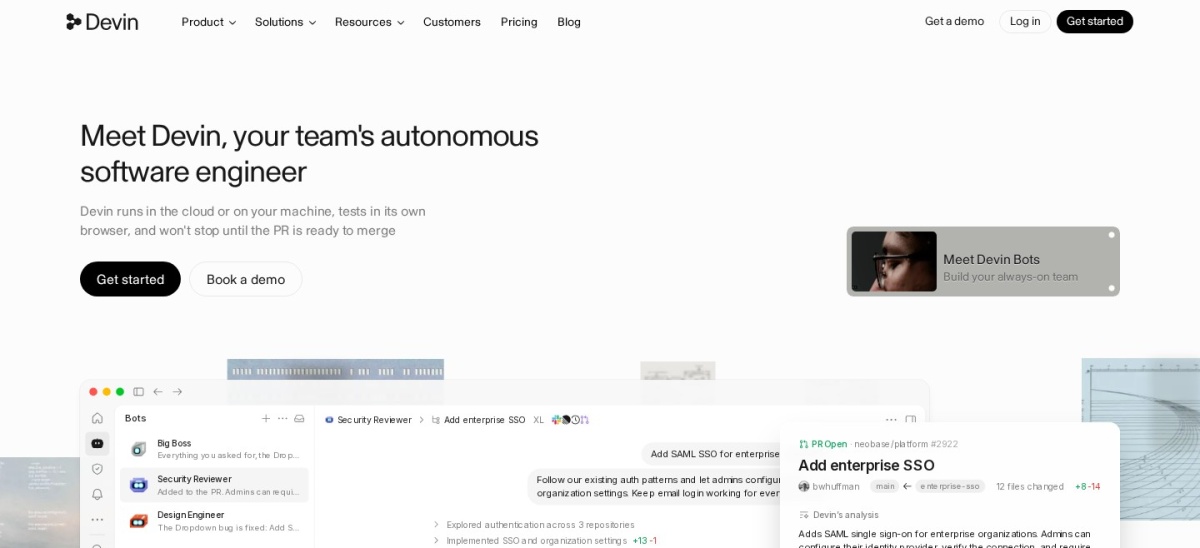
Devin Desktop is the AI code editor formerly sold as Windsurf, renamed by Cognition on 2 June 2026. The free plan gives a light agent quota with unlimited tab completions, and Pro at $20 a month adds larger quotas, frontier models from OpenAI, Anthropic and Google, and Devin Cloud agents. It is rated 4.2 out of 5 on G2 from 56 reviews.
The trade off is billing. Allowances refresh daily and weekly instead of monthly, Cognition does not publish quota sizes, and extra use is billed at API prices, so heavy months are hard to predict. It suits developers who want local and cloud agents in one editor.
What we like
Frontier models included in the $20 Pro plan
Local and cloud agents in one editor
Unlimited tab completions on the free plan
Watch out for
Daily and weekly quotas, not monthly credits
Quota sizes are not published
Renamed in June 2026, so older Windsurf guides may not match
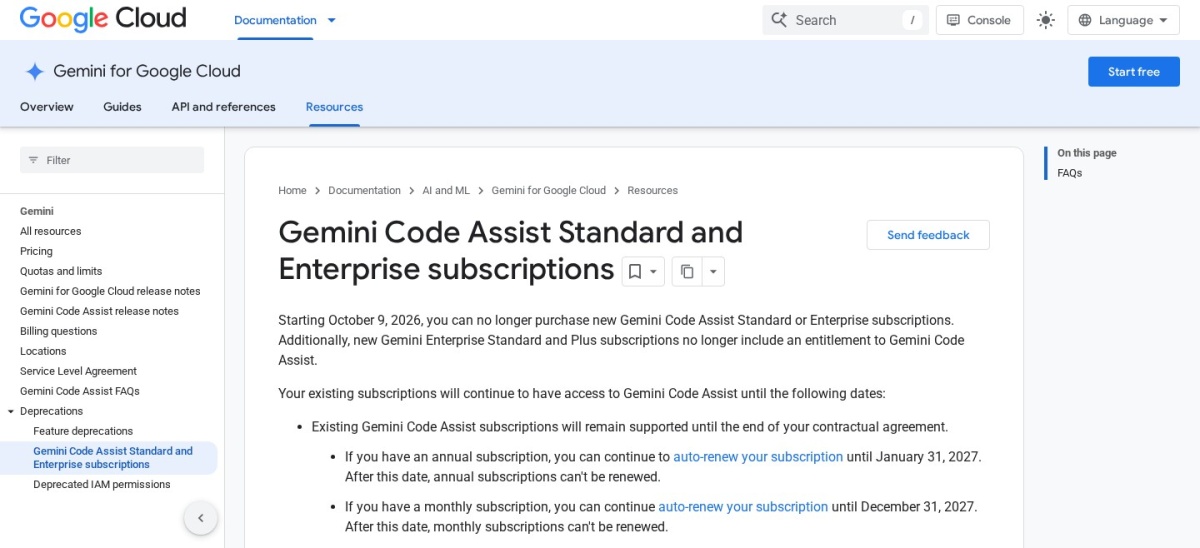
Gemini Code Assist is Google's AI coding assistant for VS Code and JetBrains IDEs, with completion, chat and an agent mode that edits several files. Standard costs $19 per user a month with an annual commitment, or $22.80 month to month, and adds admin controls and usage analytics. It is rated 4.4 out of 5 on G2 from 72 reviews.
The trade off is the free tier. Google stopped serving the free individuals tier on 18 June 2026 and points those users to another product, so individuals now start on Standard. It suits teams already on Google Cloud who want Gemini models inside the IDE.
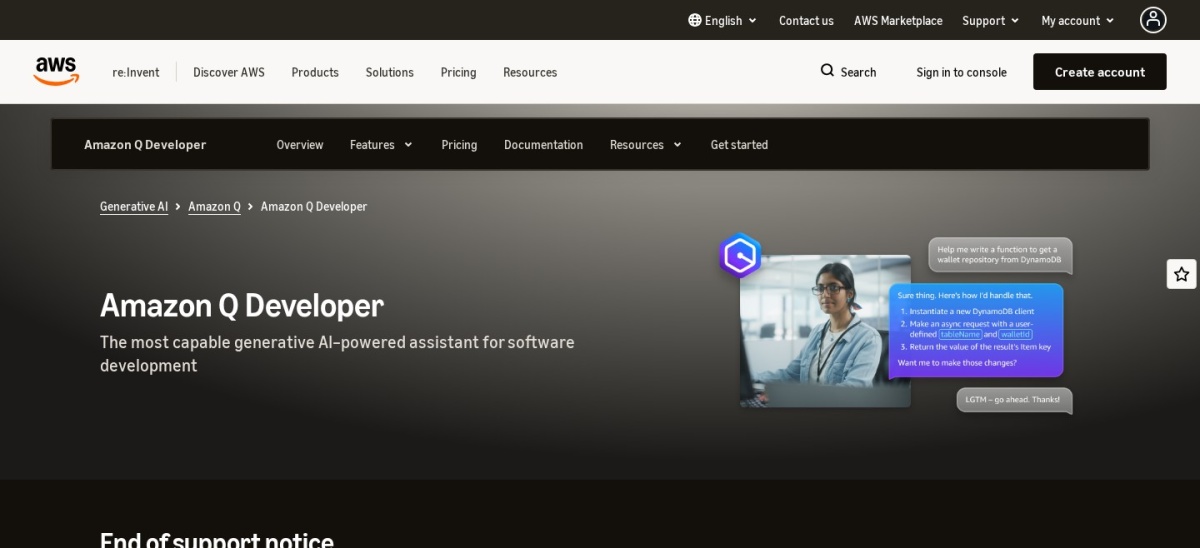
Amazon Q Developer is AWS's AI assistant for writing code, answering AWS questions and upgrading Java and .NET code. The free tier gives 50 agentic requests a month, and Pro at $19 per user a month adds higher limits, 4,000 transformation lines a month pooled per account, an admin dashboard and IP indemnity. It is rated 4.6 out of 5 on G2 from 51 reviews.
The trade off is its future. AWS closed new sign-ups in May 2026 and ends support for the IDE plugins on 30 April 2027, pointing users to Kiro instead. It suits AWS teams with a defined modernisation backlog to clear before that date.
Tabnine is an AI code assistant built for teams that need control over where code goes, with SaaS, VPC, on-premises and air-gapped deployment. Code Assistant costs $39 per user a month billed annually and covers completions and chat across VS Code, JetBrains and other IDEs. It is rated 4.2 out of 5 on G2 from 72 reviews.
The trade off is price and access. Tricentis acquired Tabnine in July 2026, the free and individual plans are gone, and the entry plan is $39 per user a month. It suits regulated teams in finance, defence and healthcare that need air-gapped deployment.
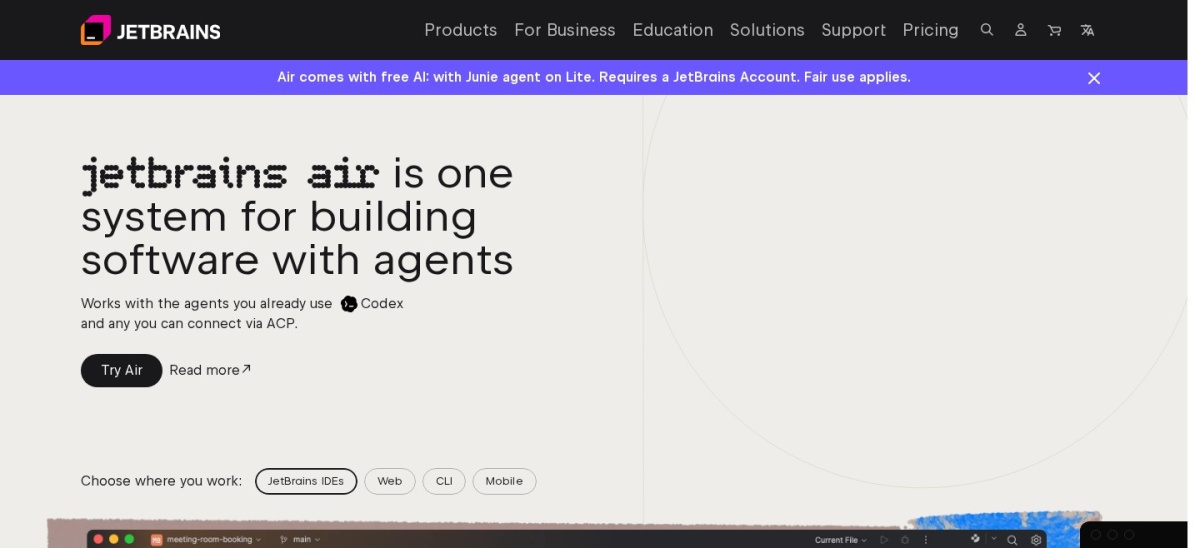
JetBrains AI is the first-party AI layer for IntelliJ IDEA, PyCharm, WebStorm and the rest of the JetBrains family. The free plan gives 3 AI credits per 30 days, and AI Pro at $10 a month adds 10 credits, with the Junie agent working inside the IDE. It is rated 3.2 out of 5 on G2 from 99 reviews.
The trade off is the credit meter. Each credit maps to about $1 of model use, unused credits do not roll over, and heavy days can push users to the $30 tier. It suits developers who already live in a JetBrains IDE every day.
Augment Code is an AI coding agent built for large repositories, with a Context Engine that indexes the whole codebase and pulls in the files a task touches. Standard costs $20 a month flat for up to 50 seats, with $20 of usage included, and the team joined Harness in October 2026. It is rated 4.0 out of 5 on G2 from 36 reviews.
The trade off is metering. Model use is billed at the provider's list price plus a 40% service fee, so the $20 plan covers only about $20 of usage and heavy agent days need top-ups. It suits teams with many occasional users sharing one flat bill.
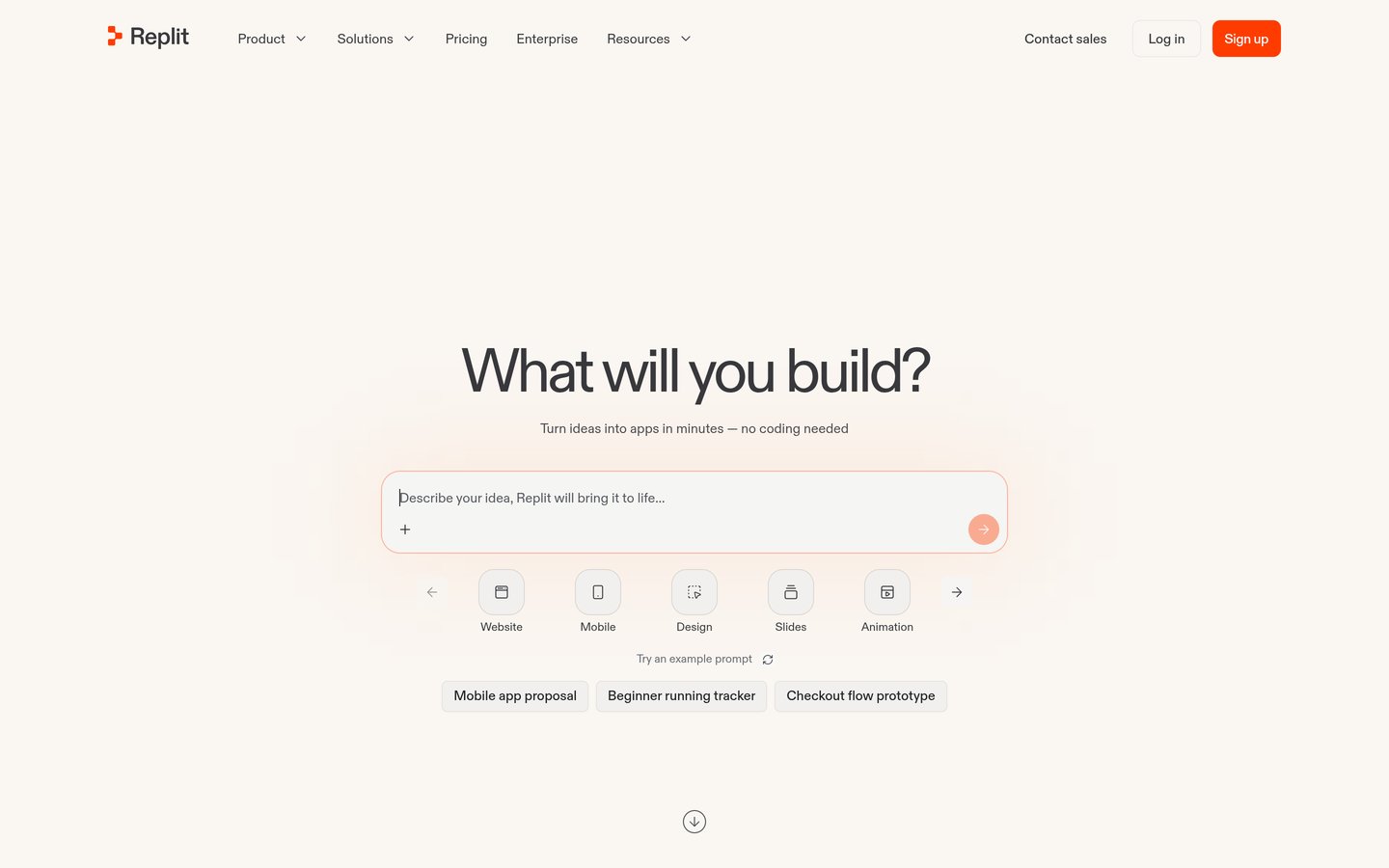
Replit is a browser-based development environment with an AI agent that builds, edits and deploys apps from plain-language prompts. The free Starter plan gives a daily agent allowance, and Core at $20 a month adds about $20 in monthly model credits and more compute. It is rated 4.4 out of 5 on G2 from 421 reviews.
The trade off is scope. Replit is built for turning ideas into working apps in the browser, not for editing an existing local codebase, and agent credits burn fast on big projects. It suits beginners and small teams who want to prototype and ship without local setup.
Windsurf is now Devin Desktop. Cognition renamed the editor on 2 June 2026, and windsurf.com now redirects to devin.ai, so older Windsurf guides and prices may not match.
Tabnine is enterprise-only. Tricentis acquired Tabnine in July 2026, the free and $9-$12 individual plans are gone, and entry is now $39 per user a month billed annually.
Amazon Q Developer is winding down. AWS closed new sign-ups in May 2026 and ends IDE plugin support on 30 April 2027, pointing users to Kiro instead.
How we chose
We started from the established AI coding assistants that work as a direct replacement for GitHub Copilot, then kept those with a published price and a public rating on G2.
Prices come from each vendor's pricing page, checked on 29 November 2026, with annual prices shown at the monthly rate. Ratings and review counts come from G2 on the same day. Where a vendor shows a sale, the list shows the regular price.
We left out Sourcegraph Cody, which is enterprise-only with custom pricing and no per-seat price, and CodeRabbit, which reviews pull requests rather than writing code. No vendor paid for a place, and we do not claim to have used these tools ourselves.
How to choose a GitHub Copilot alternative
Start with the editor you already live in, then match the billing model to how often you use the agent.
Check whether you want a new editor or a plugin. Cursor and Devin Desktop replace your editor, while Claude Code, Tabnine, Gemini Code Assist and JetBrains AI plug into the one you have. Switching editors costs a week of habit.
Match the plan to your model needs. Cursor Plus at $8 covers Grok models only, so Claude or GPT users pay $30 for Premium, while Devin Pro includes frontier models at $20.
Read the quota rules before you buy. Daily and weekly quotas, rolling limits and credit pools all make the headline price a floor. Ask the vendor what a heavy week costs before rolling a tool out to a team.
Try the free plan on real work first. Five tools here have a free plan or free tier. Run one real task through it before paying, and check every change before it ships.
FAQ
What is the best alternative to GitHub Copilot in 2026?
Cursor is the best GitHub Copilot alternative for most developers. Its AI-native editor starts at $8 a month, includes a free Hobby plan, and is rated 4.6 out of 5 on G2 from 333 reviews. Claude Code is the stronger pick for terminal-first work.
How much do GitHub Copilot alternatives cost?
Paid plans in this list run from $8 to $39 a month. Cursor Plus is cheapest at $8, JetBrains AI Pro is $10, and most others sit at $19 or $20. Tabnine is the most expensive at $39 per user a month, and agent use beyond plan limits usually costs extra.
Is there a free alternative to GitHub Copilot?
Yes. Cursor, Devin Desktop, Amazon Q Developer, JetBrains AI and Replit all have a free plan or free tier, though each one caps agent use. Claude Code, Tabnine and Augment Code have no free plan, so they need a paid subscription from day one.
Which GitHub Copilot alternative is best for beginners?
Replit is the easiest starting point, because it runs in the browser with nothing to install and an agent that builds apps from plain prompts. Cursor is the better next step once you want a full editor, and its free Hobby plan covers light use.
Cursor vs Claude Code: which is better?
Cursor is better if you want an AI-native editor with panels, chat and multi-file edits in one place. Claude Code is better if you live in the terminal and want a stronger agent for multi-step tasks. Cursor has a free plan; Claude Code starts at $20 a month.
Is Amazon Q Developer still a good Copilot alternative?
Not for new buyers. AWS closed new sign-ups in May 2026 and ends IDE plugin support on 30 April 2027, pointing users to Kiro. Existing AWS teams can still use it to clear a modernisation backlog, but new teams should pick another tool here.
What happened to Windsurf?
Windsurf became Devin Desktop. Cognition renamed the editor on 2 June 2026, and windsurf.com now redirects to devin.ai. The editor, extensions and settings carried over, and Pro still costs $20 a month with frontier models included.
SaaS SEO and WordPress specialist with about 8 years of experience. Rakib compares WordPress plugins, themes, hosting and software using public pricing, documentation and user reviews. See how we rank.