HubSpot leads our email crm integrations list for most teams, with free Gmail and Outlook sync, a free plan for two users and more than fifteen hundred connected apps. Salesforce suits large teams that need the deepest app marketplace, while Zoho CRM is the cheapest full CRM at fourteen dollars a user a month.
How we make this list: we compare pricing pages, product documentation and public user reviews, then re-check every price before each update. No product paid for a place. Disclosure.
HubSpot is the only pick here with a free CRM, free Gmail and Outlook sync, and 1,500+ integrations.
Salesforce has the largest app marketplace, but Starter costs $25 a user a month and Pro jumps to $100.
Freshsales is the cheapest paid CRM here at $9 a user a month, with a free plan for three users.
ActiveCampaign has the deepest email automation, but its Starter plan leaves out the CRM pipeline.
Keap costs $249 a month, the highest entry price here, and adds a mandatory onboarding fee from $499.
How do you choose the best email CRM integrations?
Email sync is the feature that decides whether a CRM gets used. If replies, opens and meetings do not land on the contact record automatically, reps stop logging them and the CRM goes stale.
Count the integrations you will actually use, not the total on the marketplace page. A CRM with 1,500 apps still fails if your email tool, form builder or billing system is not among them, so check the three tools you already pay for first.
Free plans differ more than prices do. HubSpot gives two users a free CRM with email tracking, Zoho gives three users a free CRM with workflows, and Freshsales gives three users a free plan with one pipeline, while Pipedrive and ActiveCampaign offer trials only. Our guide to email automation tools compares the automation side of these tools.
Per-user pricing punishes large teams fast. A $14 plan costs $140 a month for ten users, while a $25 plan costs $250 for the same seats, so multiply the headline price by your headcount before you shortlist.
Migration is the hidden cost. Moving contacts, deals and email history from an old CRM takes days, and some vendors charge for onboarding, so ask what import help is included before you sign.
HubSpot is a free CRM with built-in Gmail and Outlook sync, email tracking, meeting scheduling and deal pipelines. The free plan covers two users and 1,000 contacts, and the platform connects to more than 1,500 apps through its marketplace, including Slack, Zoom and Stripe. Email templates, sequences and live chat come with the paid Starter plan.
The trade off is the price ladder. Starter costs $20 a user a month, but Professional jumps to $50 and the full sales seat costs $100, so a growing team pays much more for automation and forecasting. It suits small teams that want a free CRM now and a wide integration library later.
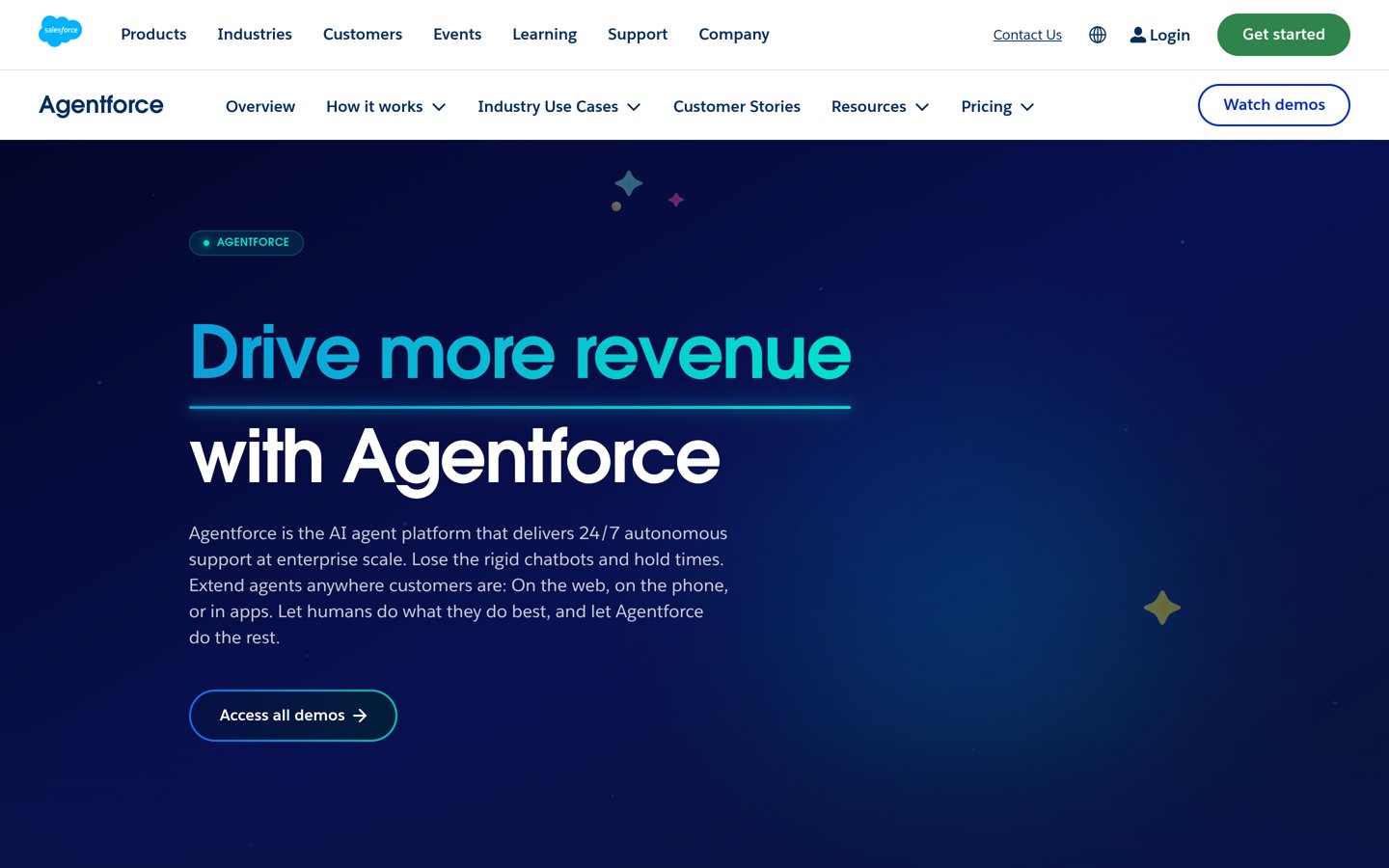
Salesforce is the largest CRM platform in this list, with email sync for Gmail and Outlook, opportunity tracking, forecasting and the AgentExchange marketplace. The free Suite covers two users, and the platform connects to thousands of apps, including Slack, Tableau and MuleSoft. It is the default choice for enterprises that need deep customization.
The trade off is cost and complexity. Starter costs $25 a user a month, Pro Suite costs $100, and AI features, premium support and API access all cost extra. It suits large sales teams with an admin to run it, not small teams that want a CRM running in a day.
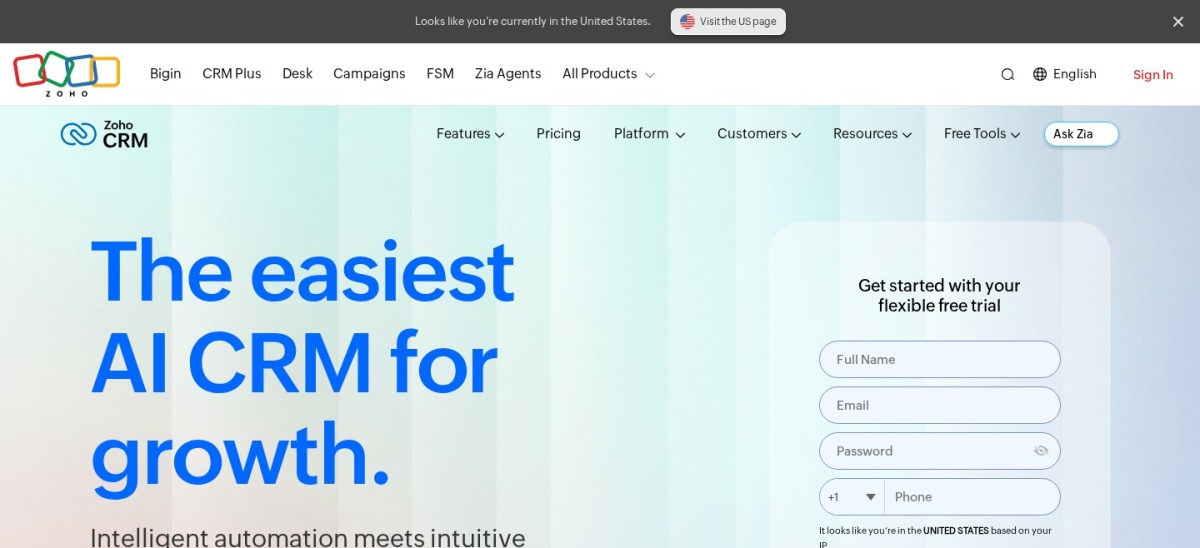
Zoho CRM is a full sales CRM with Gmail and Outlook sync, workflows, sales forecasting and a marketplace of hundreds of apps. The free plan covers three users and 5,000 records, and Standard costs $14 a user a month billed yearly. It connects to the wider Zoho suite, including Books, Desk and Campaigns, under one login.
The trade off is the learning curve. G2 reviewers rate ease of use lower than Pipedrive or Freshsales, and the interface takes time to set up well. It suits small teams that want a low price and a wide app suite, and can spend a week learning the settings.
What we like
Free plan for three users
Lowest full-CRM price here
Hundreds of marketplace apps
Watch out for
Harder to learn than Pipedrive
Setup takes time to get right
Professional adds more workflows and automationVisit zoho.com
04
Freshsales
4.5/5on G2 (1,244 reviews, checked Nov 2026)
Paid from$9/mo
Best for small teams on a budget
Email syncGmail and Outlook
Free planYes, 3 users
Built-in phoneYes, on Growth
Paid planGrowth, $9/user/mo
freshworks.com
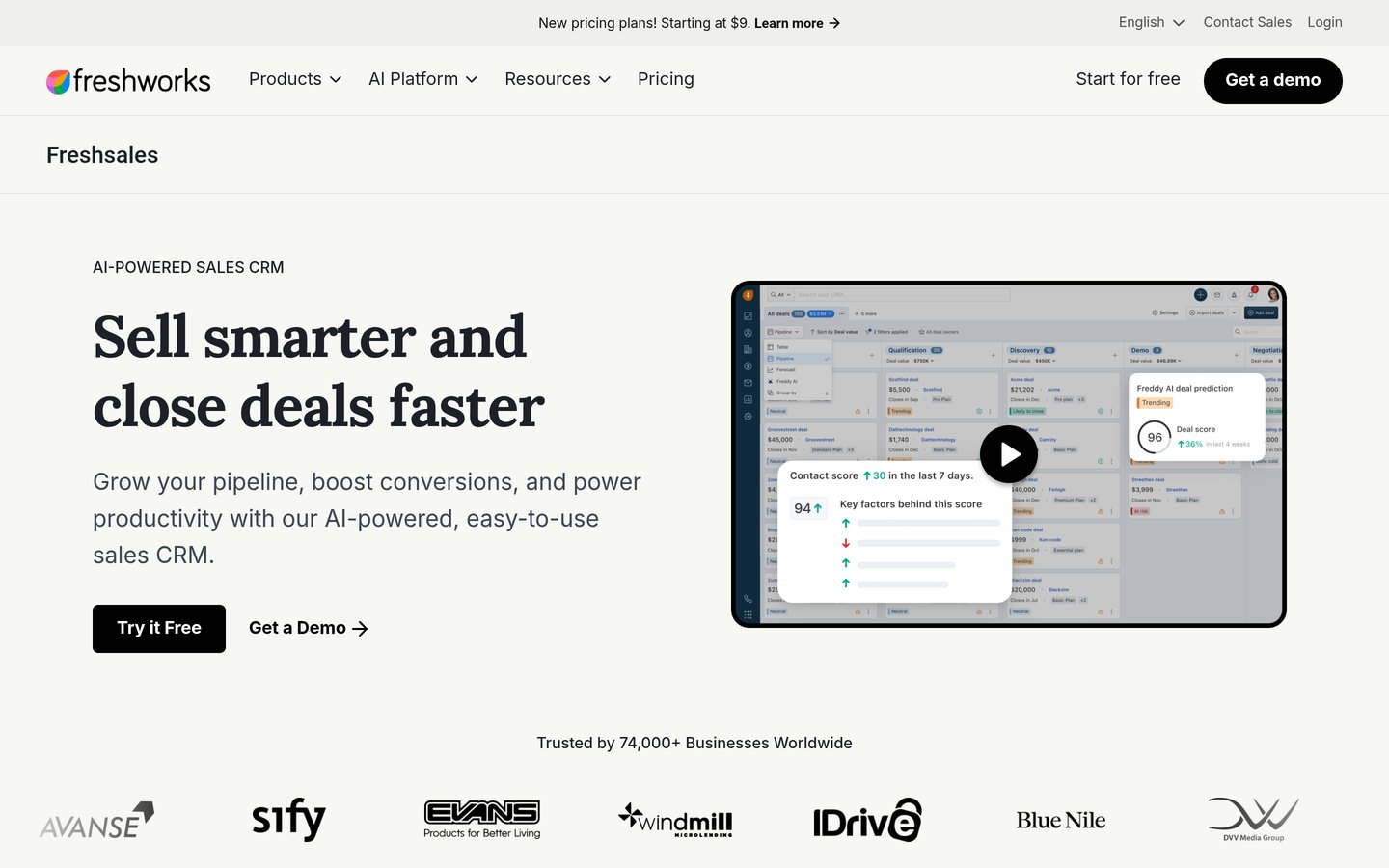
Freshsales homepage, captured Nov 2026.
Freshsales is the sales CRM from Freshworks, with Gmail and Outlook sync, a built-in phone, chat and email, and kanban pipelines. The free plan covers three users with one pipeline, and Growth costs $9 a user a month billed yearly. It is the cheapest paid CRM in this list and the easiest to set up.
The trade off is depth. Growth has only basic workflows and one pipeline, and sales sequences, AI scoring and multiple pipelines need Pro at $39 a user a month. It suits small teams that want a simple CRM with email and calling built in, without paying for features they will not use.
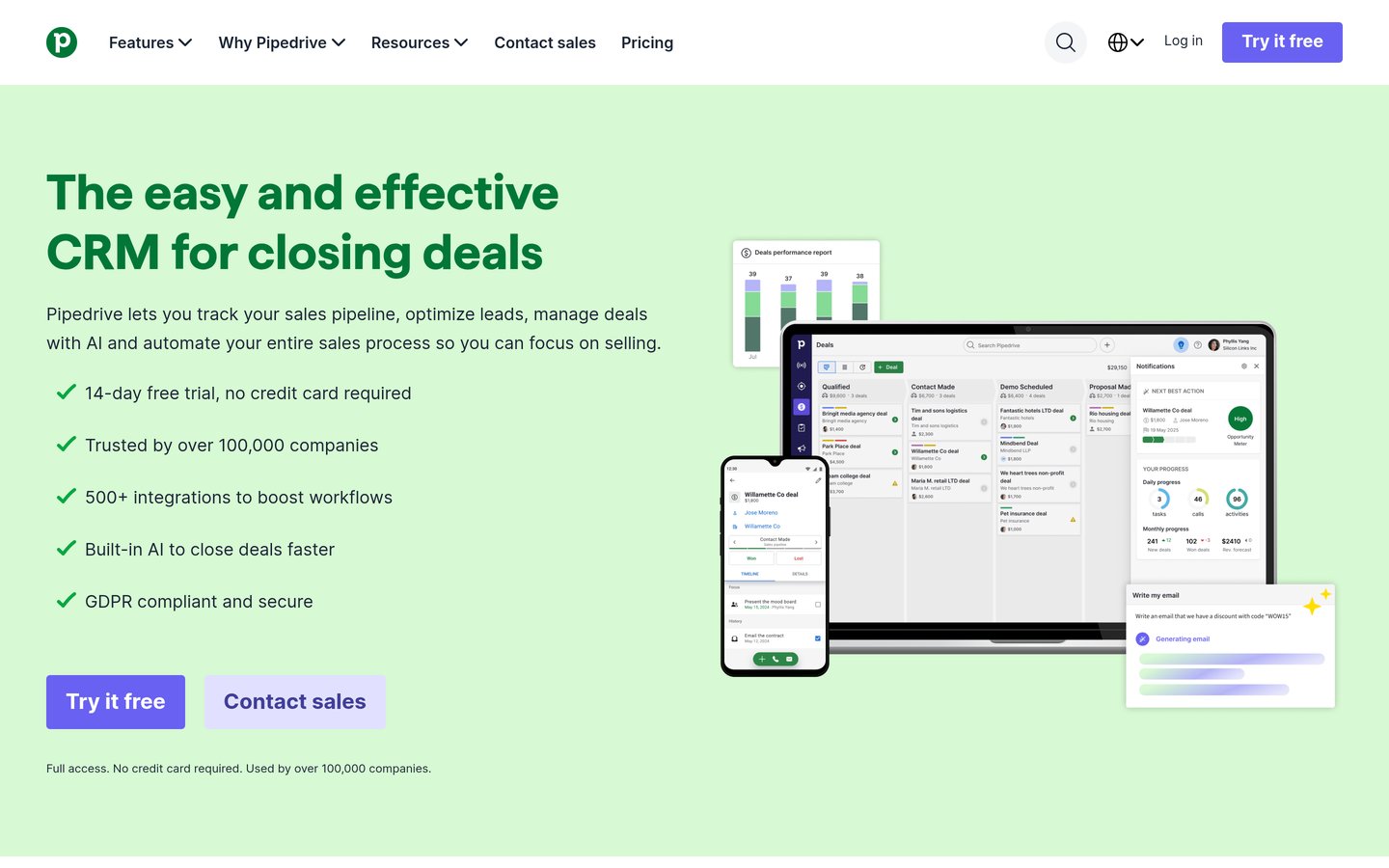
Pipedrive is a visual sales CRM built around a drag-and-drop pipeline, with Gmail and Outlook sync, email tracking and activity reminders. Essential costs $14 a user a month billed yearly and covers 3,000 open deals. Its marketplace lists hundreds of integrations, including Slack, Zoom and QuickBooks.
The trade off is the missing free plan and the thin Essential tier. There is no free plan, only a 14-day trial, and Essential has no automation at all, so growing teams move to Advanced at $34 a user a month. It suits deal-focused reps who live in the pipeline all day.
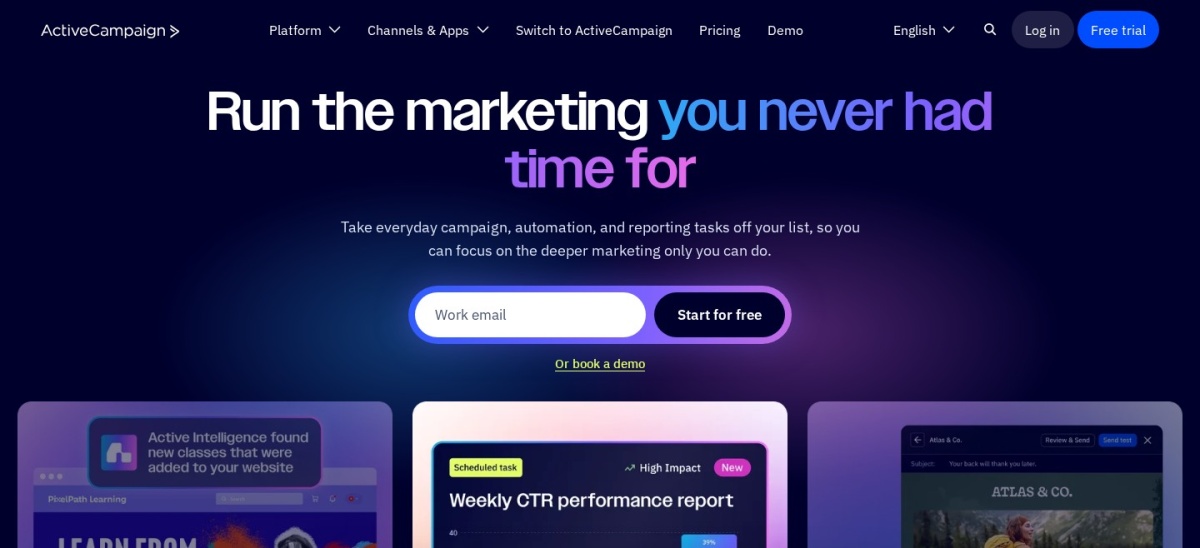
ActiveCampaign is a marketing automation platform with a built-in CRM, visual automation builder, lead scoring and site tracking. Starter costs $15 a month billed yearly for 1,000 contacts and one user, with email automation and conditional branching. It connects to hundreds of apps, including Shopify, Salesforce and Zapier.
The trade off is that Starter leaves out the CRM pipeline and lead scoring, so the plan most buyers need is Plus at $49 a month. Prices also rise with contact count, so a growing list costs more every year. It suits marketers whose revenue comes from email automation, not from a sales pipeline.
Mailchimp is the best-known email marketing tool in this list, with a drag-and-drop builder, templates, audience segmentation and a CRM that syncs contacts from email campaigns. The free plan covers 500 contacts and 1,000 sends a month, and Essentials starts at $13 a month for 500 contacts. It connects to Shopify, WooCommerce and hundreds of other apps.
The trade off is price at scale. Costs rise with every contact stored, including unsubscribed ones, and multi-step automation needs Standard at $20 a month for 500 contacts. It suits beginners and small lists that want the easiest builder and the widest name recognition.
4.1/5on Capterra (1,298 reviews, checked Nov 2026)
Starts at$249/mo
Best all-in-one for service businesses
All-in-oneCRM plus payments
Free planNo, 14-day trial
Contacts1,500 on Pro
Paid planPro, $249/mo
keap.com
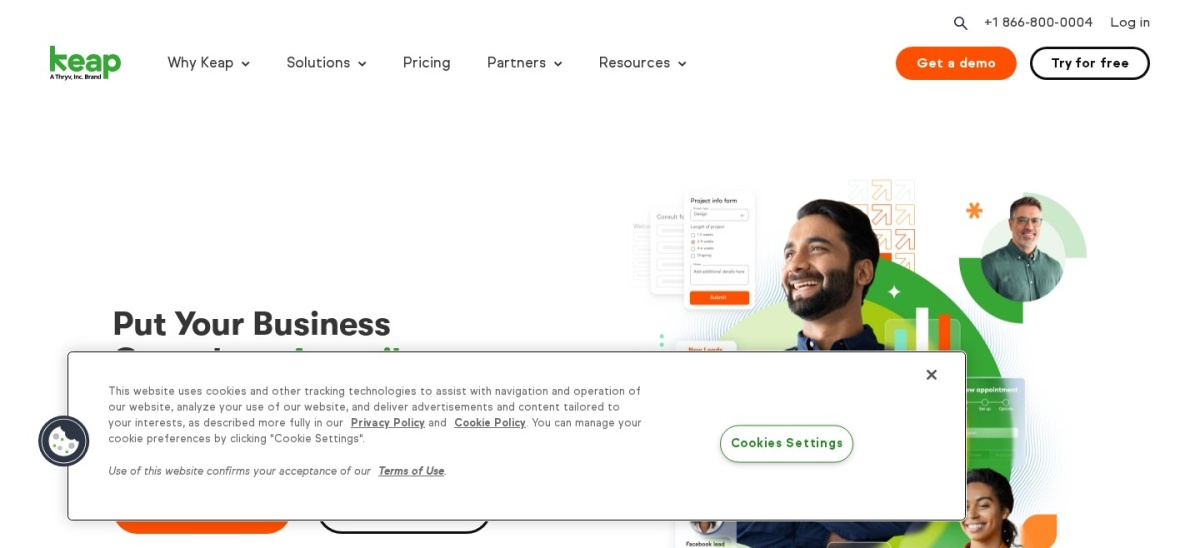
Keap homepage, captured Nov 2026.
Keap is an all-in-one CRM for small service businesses, combining contact management, email and text automation, pipelines, landing pages, payments and appointments. Pro costs $249 a month billed yearly for 1,500 contacts and two users, with every feature included at every level. It holds 4.1 out of 5 on Capterra from 1,298 reviews.
The trade off is price. It is the most expensive entry plan in this list, and new accounts also pay a mandatory onboarding fee from $499. It suits established service businesses that want CRM, email, payments and booking in one login, and can afford the flat rate.
Free plans cover the basics well. HubSpot, Zoho CRM and Freshsales all give small teams a usable CRM with email sync, and Mailchimp gives 500 contacts with 1,000 sends a month.
Paid plans mostly add automation and limits. Sequences, workflows, more pipelines and higher contact caps sit behind the first paid tier, which runs from $9 to $25 a user a month here.
Keap is the exception. It has no free plan and no cheap tier, so the $249 a month Pro plan is the only way in, plus a mandatory onboarding fee from $499.
How we chose
We started from the CRM tools that appear most often in email integration roundups and on G2, then kept the eight with a public G2 or Capterra rating, a published price and a real email sync for Gmail or Outlook.
Prices come from each vendor's pricing page, checked on 29 November 2026, and show the cheapest paid plan at its regular price. Ratings and review counts come from G2 and Capterra on the same day, and install figures come from the vendors or are marked as not published.
We left out tools with no verifiable rating and tools that sync email only through a third-party connector. No vendor paid for a place, and we do not claim hands-on testing for this list.
How to choose an email CRM integration
Start with the inbox your team already lives in, then check the apps around it.
Check Gmail or Outlook sync first. The CRM must log emails, opens and meetings automatically, or reps will stop using it within a week.
List the three apps you already pay for. Check each one against the CRM marketplace before you shortlist, because a missing integration costs more than a missing feature.
Multiply the price by your headcount. A $14 plan costs $140 a month for ten users, while a $25 plan costs $250, so the cheapest headline is not always the cheapest bill.
Try the free plan or trial with real data. Import a small set of contacts, send a test campaign and check that replies land on the right record before you commit.
FAQ
What are the best email CRM integrations in 2026?
HubSpot is the best pick for most teams, with free Gmail and Outlook sync, a free plan for two users and more than 1,500 integrations. Salesforce suits large teams, and Zoho CRM is the cheapest full CRM in this list.
How much does an email CRM cost?
Paid plans in this list run from $9 a user a month for Freshsales Growth to $249 a month for Keap Pro. HubSpot, Salesforce, Zoho CRM, Freshsales and Mailchimp all offer a free plan, so small teams can start without paying.
Which email CRM is best for small teams?
Freshsales is the cheapest paid pick at $9 a user a month, with a free plan for three users and phone, chat and email built in. Zoho CRM is the best value full CRM, with a free plan for three users and Standard at $14 a month.
Does HubSpot sync with Gmail and Outlook?
Yes. HubSpot syncs Gmail and Outlook inboxes, logs emails and meetings on the contact record, and tracks opens and clicks. The free plan includes email tracking, while sequences and templates need the Starter plan at $20 a user a month.
HubSpot vs Salesforce: which is better for email?
HubSpot is better for small teams that want a free CRM with email sync and an easy setup. Salesforce is better for large teams that need the deepest app marketplace, forecasting and customization, and can pay $25 to $100 a user a month.
Is there a free email CRM?
Yes. HubSpot is free for two users, Zoho CRM and Freshsales are free for three users, and Mailchimp is free for 500 contacts. Pipedrive, ActiveCampaign and Keap offer a 14-day trial instead of a free plan.
SaaS SEO and WordPress specialist with about 8 years of experience. Rakib compares WordPress plugins, themes, hosting and software using public pricing, documentation and user reviews. See how we rank.