RapidMiner leads for enterprise data science teams that need text mining inside a full analytics platform, while Chattermill is the best pick for customer feedback analysis. KNIME is the best free starting point, and Google Cloud Natural Language is the cheapest way to add sentiment and entity analysis to an app.
How we make this list: we compare pricing pages, product documentation and public user reviews, then re-check every price before each update. No product paid for a place. Disclosure.
RapidMiner leads on rating at 4.6 from 505 G2 reviews, but it is quote-only and built for data science teams.
Chattermill is the best feedback platform, with aspect-level sentiment across surveys, tickets, calls and social.
KNIME is free and open source, the best starting point for analysts who want serious text mining without a licence.
Google Cloud Natural Language is the cheapest paid API route, from 1 dollar per 1,000 units after a free tier.
Dovetail changed its pricing in 2026: Bronze is now 4,800 dollars a year, and the old 29 dollar per user plan is gone.
What text analysis software should cover
Text analysis software turns unstructured words into structured data: sentiment scores, themes, entities and topics. It reads surveys, support tickets, reviews, interviews and documents at a scale no human team can match.
The tools split three ways. Cloud APIs like Google and Azure charge per unit of text and suit developers building analysis into an app. Feedback platforms like Chattermill and Dovetail analyse customer words for CX and research teams. Workbenches like KNIME, RapidMiner and NVivo give analysts full control over the analysis.
Pricing is uneven. KNIME is free, the cloud APIs cost fractions of a cent per unit, and the enterprise platforms are quote-only with no published price. This list shows the cheapest paid plan at its regular price, and flags where a price rests on a second-hand source.
This list ranks eight tools by G2 rating, then by review count. Two tools that look obvious were left out: IBM Watson Natural Language Understanding was deprecated in July 2026 with end of life in January 2028, and MonkeyLearn's G2 profile now holds only a handful of reviews.
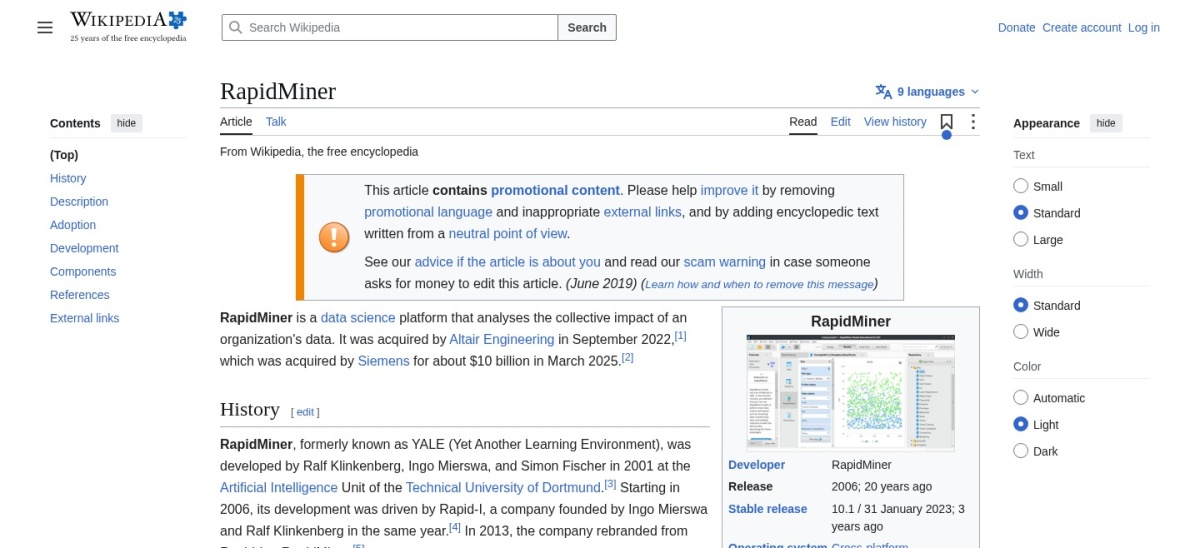
RapidMiner is a data science and machine learning platform from Altair, now part of Siemens, with text processing built into its visual workflow designer. It covers text mining, sentiment analysis, topic modelling and document classification alongside predictive modelling and deployment. Teams build pipelines by dragging operators onto a canvas, with Python and R available when code is needed.
The trade off is price and weight. RapidMiner is an enterprise platform with quote-only pricing and no published rate card, and it is far heavier than a feedback tool for a team that only needs sentiment scores. It suits data science teams that want text mining inside a full analytics platform.
Chattermill is an AI-native customer experience platform that reads feedback from surveys, support tickets, reviews, social media and calls in one place. Its Lyra model scores sentiment at the aspect level, so a single comment can be positive about delivery and negative about price. Themes link back to NPS, CSAT and CES scores.
The trade off is enterprise pricing. Chattermill is quote-only with no public pricing page and no free tier, only a demo, so small teams cannot self-serve. It suits CX and insights teams at large consumer brands that need deep feedback analysis at scale.
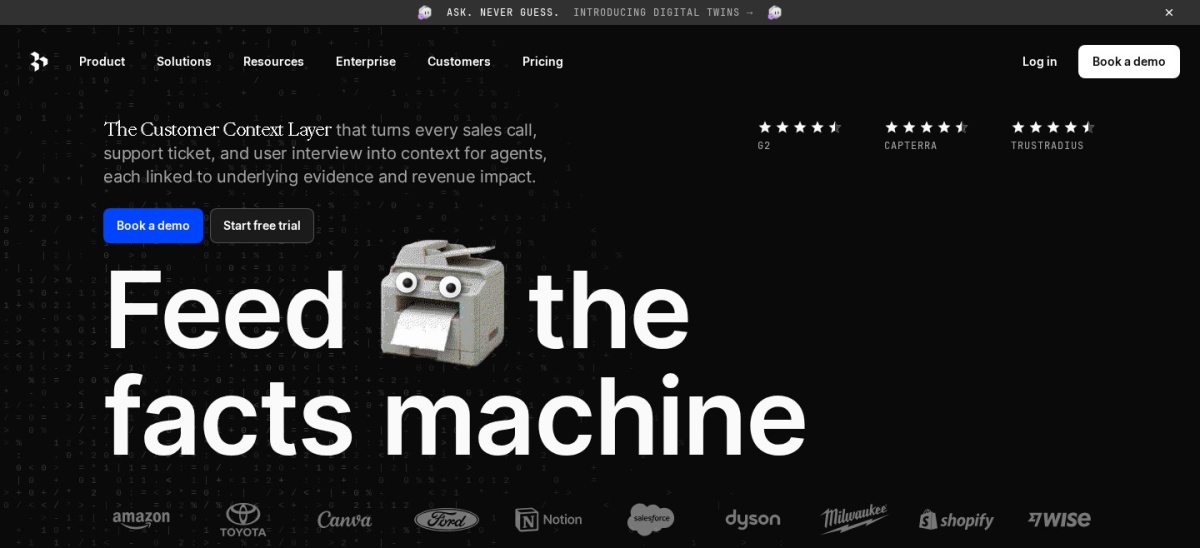
Dovetail is a customer insights platform that turns interviews, calls, tickets and surveys into a searchable evidence base. Its AI transcribes, tags and summarises research, and Chat answers questions across the whole workspace with citations back to the source. Channels group large volumes of feedback into themes ranked by impact.
The trade off is the new pricing model. Dovetail One Bronze costs 4,800 dollars a year for the platform and five users, with AI credits at 15 cents each, and the old 29 dollar per user plan is gone. It suits research and product teams that want one shared customer context layer.
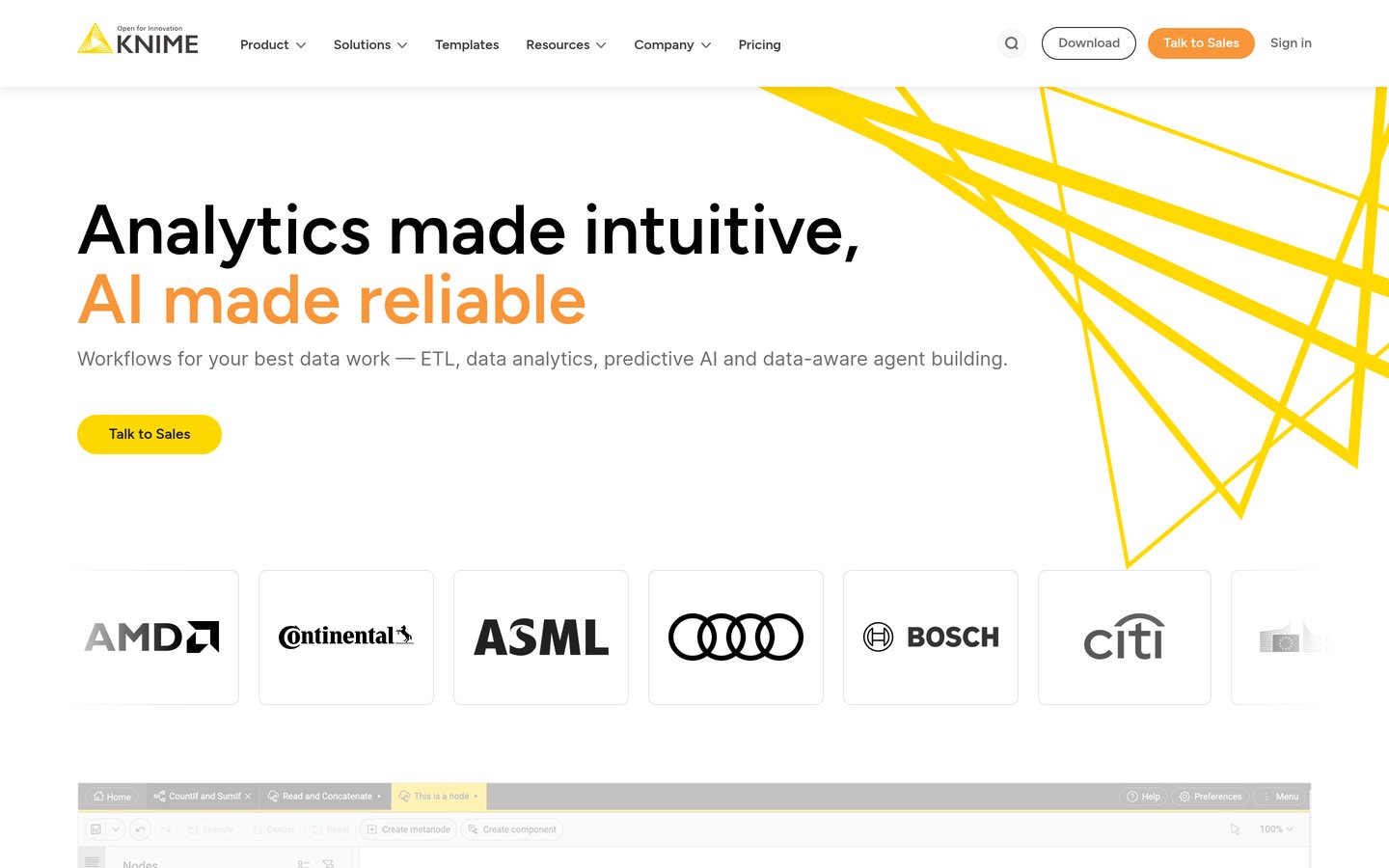
KNIME is a free, open-source analytics platform with a visual drag-and-drop designer for data preparation, machine learning and reporting. Its text processing extension covers tokenisation, entity recognition, sentiment analysis and topic detection, with nodes for Python, R and large language models. Workflows run on the desktop at no cost.
The trade off is polish and scale. KNIME can lag on large datasets, and team sharing needs the paid Community Hub Team plan at 99 euros a month. It suits analysts and researchers who want serious text mining without a licence fee.
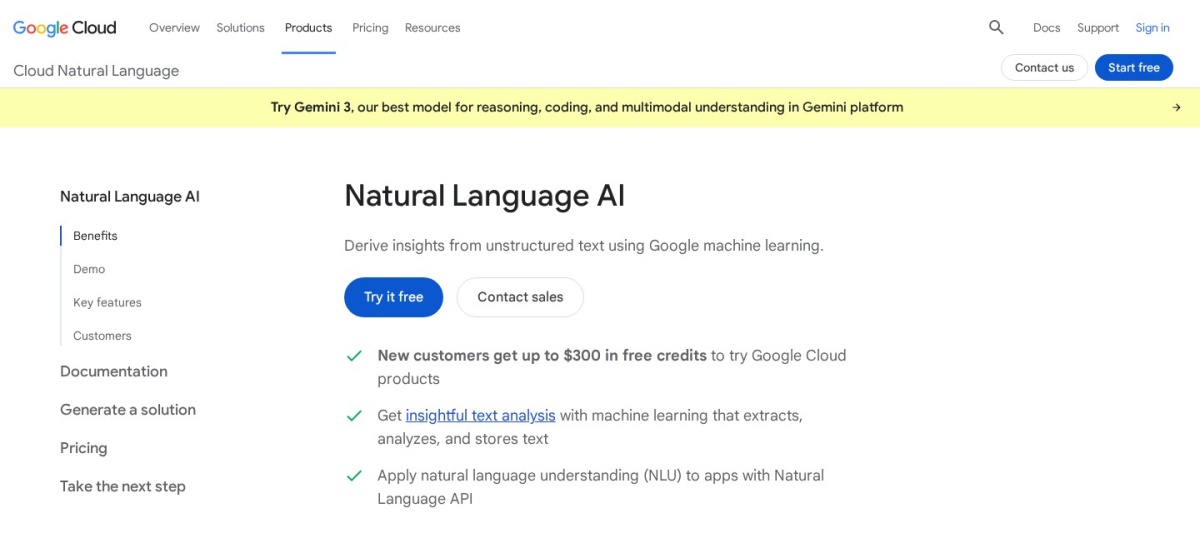
Google Cloud Natural Language API homepage, captured Nov 2026.
Google Cloud Natural Language API is a managed service that extracts entities, sentiment, syntax and content categories from text through a single REST API. No model training is needed, and entity results link to the Knowledge Graph with Wikipedia metadata. The first 5,000 units a month are free, then entity and sentiment analysis cost 1 dollar per 1,000 units.
The trade off is customisation. There is no built-in dashboard or business-user interface, and custom model training needs separate machine learning work. It suits developers on Google Cloud who need pre-trained text analysis inside an app or pipeline.
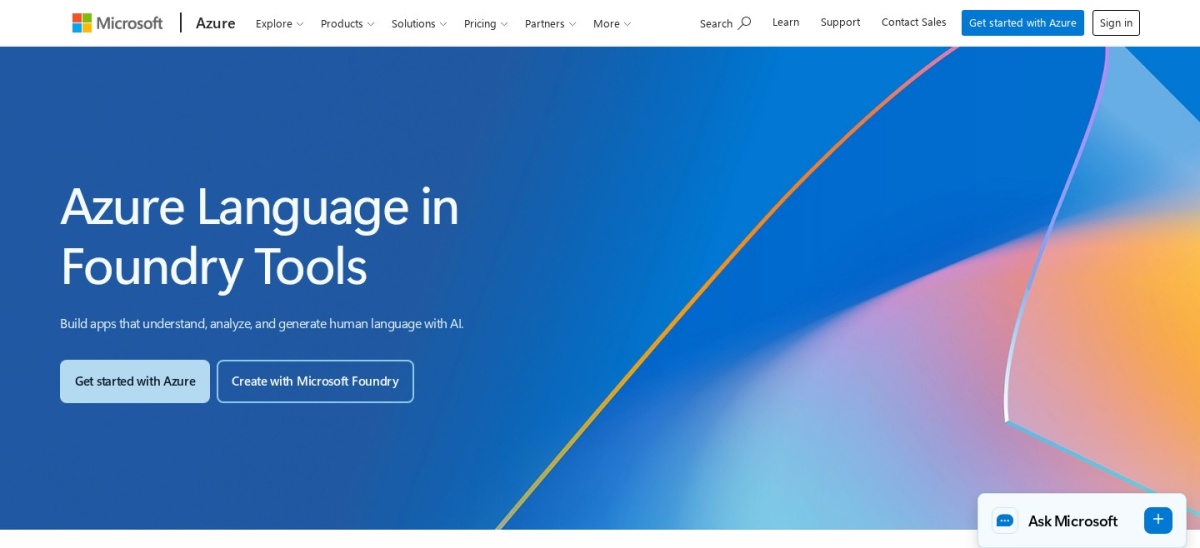
Azure AI Language is a managed service from Microsoft that adds sentiment analysis, key phrase extraction, entity recognition, PII detection and summarisation to apps through one API. It includes a no-code Language Studio for building custom classification and entity models without machine learning expertise. The free tier covers 5,000 text records a month.
The trade off is pricing clarity. Standard is pay-per-use per 1,000 text records, and the official pricing page rendered no dollar figures when checked, so costs need the Azure calculator. It suits teams already on Azure who want language analysis beside their other cloud services.
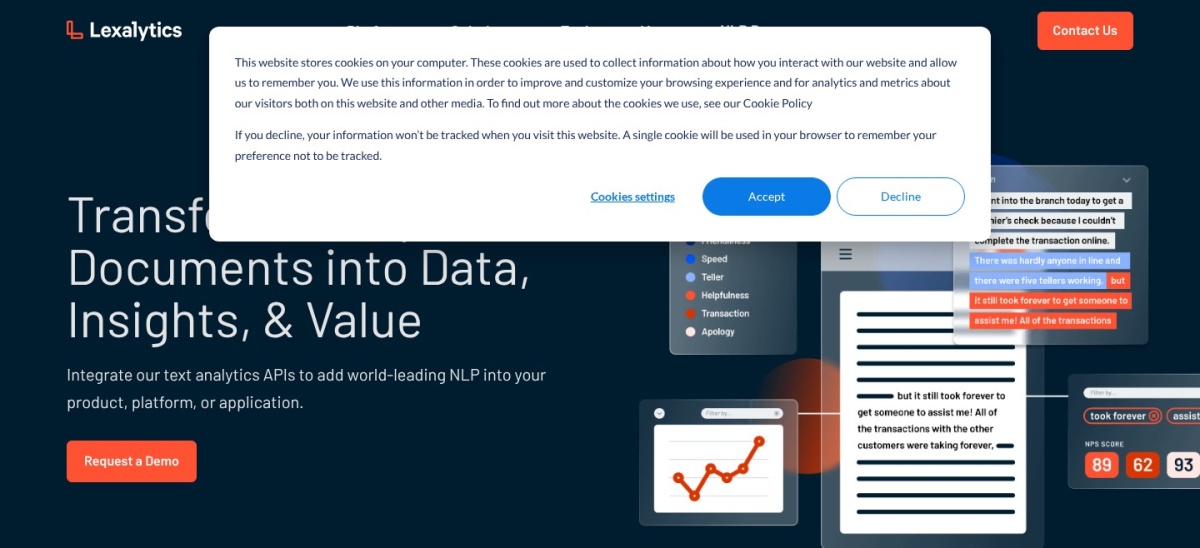
Lexalytics is an enterprise text analytics platform, now part of InMoment, built for deep linguistic analysis of large document volumes. Its Salience engine covers sentiment, entity recognition, theme extraction, summarisation and intent detection in over 30 languages, with industry models for finance and healthcare. It runs in the cloud or on-premise.
The trade off is access. Lexalytics is quote-only with no published price and a steep learning curve for customisation, and its G2 base is only 31 reviews. It suits regulated enterprises that need on-premise deployment and domain-tuned models.
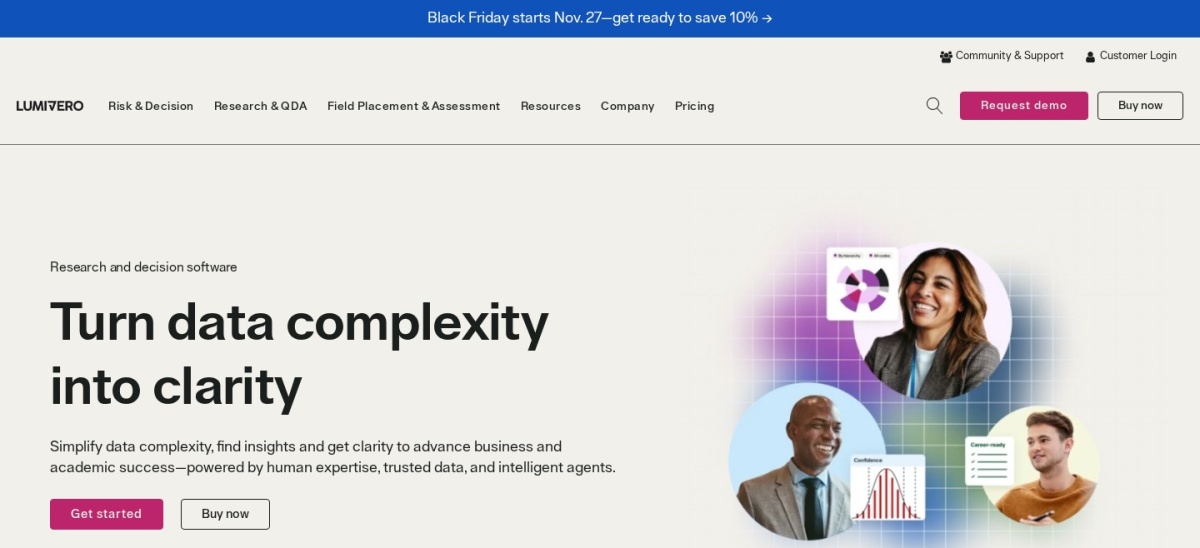
NVivo is the long-standing standard for qualitative research, used to code and query interview transcripts, documents, audio, video and social media. It supports matrix coding, framework analysis and visualisations, and version 15 adds a Lumivero AI Assistant for faster exploration. Universities teach it widely, so graduates already know it.
The trade off is cost and complexity. The subscription lists at 130 dollars a year for students and individuals, while standard commercial licences run far higher, and the interface overwhelms newcomers. It suits academic researchers who need rigorous, methodical qualitative coding.
We started from the text analysis tools shortlisted in 2026 roundups, then kept those with a verifiable rating on G2 and a published price or a clear quote-based model. IBM Watson Natural Language Understanding was excluded because IBM deprecated it on 31 July 2026 with end of life on 31 January 2028. MonkeyLearn was excluded because its G2 profile now covers only a G Suite add-on with one review.
Prices come from each vendor's pricing page as reported in comparisons checked in November 2026, with Dovetail checked against its vendor pricing page on 26 November 2026. Ratings and review counts come from G2 on the same day. Where a vendor shows no price, the list shows Custom and says so.
No vendor paid for a place, and we do not claim hands-on testing for this list. Tools are ordered by rating first, then by review count, so a 4.6 with 505 reviews leads a 4.5 with 237.
How to choose text analysis software
Start with the text you will analyse, then decide who will use the output.
Name the text you will analyse. Surveys, tickets, interviews and documents need different tools. A feedback platform fits surveys and tickets; a workbench fits interview transcripts.
Decide who will use the output. Developers should pick a cloud API; CX and research teams should pick a platform with dashboards; analysts should pick a workbench they can control.
Test on your own text first. Run a sample of your real feedback through the free tier or trial. Check that sentiment and themes match what your team already knows is true.
Price the volume, not the licence. Cloud APIs charge per unit and enterprise platforms charge by volume, so model your monthly text volume before you compare sticker prices.
FAQ
What is the best text analysis software?
RapidMiner leads on G2 rating at 4.6 from 505 reviews, but it is an enterprise data science platform with quote-only pricing. For customer feedback, Chattermill is the best pick, and for a free start, KNIME is the best choice.
Is there free text analysis software?
Yes. KNIME is free and open source with a text processing extension for sentiment, entities and topics. Google Cloud Natural Language gives 5,000 units a month free, and Azure AI Language gives 5,000 text records a month free.
How much does text analysis software cost?
Cloud APIs cost about 1 dollar per 1,000 units of text after a free tier. Workbenches range from free for KNIME to 130 dollars a year for NVivo. Enterprise platforms like Chattermill and RapidMiner are quote-only, and Dovetail Bronze costs 4,800 dollars a year.
What is the difference between sentiment analysis and text analysis?
Sentiment analysis scores whether text is positive, negative or neutral. Text analysis is broader: it also extracts entities, topics, themes, keywords and intent, and it can classify documents and summarise long passages.
Can text analysis software read interviews and survey answers?
Yes. Dovetail and NVivo are built for interview transcripts and open-ended survey answers, with coding, tagging and theme extraction. Chattermill reads surveys, tickets, reviews and calls together, and links the themes to satisfaction scores.
Should I use a cloud API or a platform?
Use a cloud API like Google or Azure when developers need text analysis inside an app or pipeline. Use a platform like Chattermill or Dovetail when CX or research teams need dashboards, themes and reports without writing code.
SaaS SEO and WordPress specialist with about 8 years of experience. Rakib compares WordPress plugins, themes, hosting and software using public pricing, documentation and user reviews. See how we rank.