Snyk is the best software supply chain security tool for most development teams, with dependency scanning and paid plans starting at $25 per month. Choose Semgrep for reachability-based vulnerability prioritization or Aikido Security for consolidated application, dependency and cloud security management.
How we make this list: we compare pricing pages, product documentation and public user reviews, then re-check every price before each update. No product paid for a place. Disclosure.
Snyk starts at $25 per month and holds a 4.5/5 G2 rating from 136 reviews.
Semgrep Supply Chain costs $30 per contributor per month and supports reachability analysis.
Aikido Security offers a free plan covering 2 users and 10 repositories.
JFrog provides centralized artifact management and has 186 G2 reviews.
Mend.io has a 4.3/5 G2 rating from 123 reviews and supports automated dependency remediation.
Checkmarx offers custom supply chain security packages and holds a 4.3/5 G2 rating.
What software supply chain security tools should cover
Modern applications depend on open source packages, container images, external libraries and automated build systems. Each dependency introduces potential security and compliance risks.
Start with software composition analysis (SCA) to identify vulnerable dependencies, including indirect packages introduced through other libraries.
Look for malicious package detection and reachability analysis. These features help distinguish exploitable vulnerabilities from issues that may have little impact on your application.
Software bills of materials, artifact scanning and automated security policies help organizations maintain visibility throughout the development lifecycle.
Compare pricing units carefully. Vendors may charge per contributing developer, repository, subscription or artifact consumption.
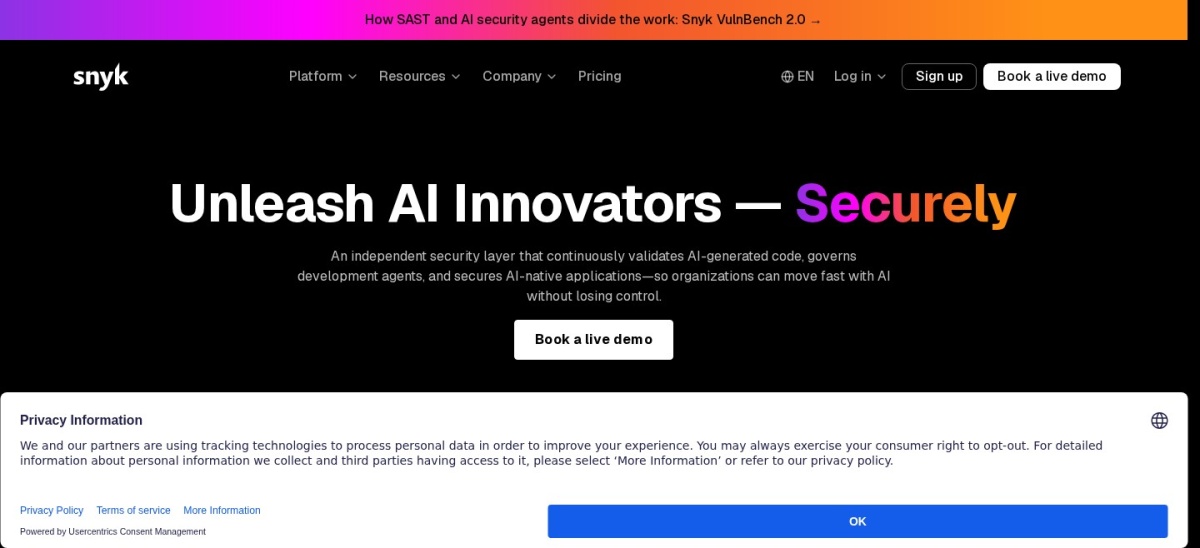
Snyk is a developer-focused security platform covering open source dependencies, application code, containers and infrastructure configurations. Its free plan supports 5 projects and integrates with development environments, source code repositories and command-line workflows.
The trade off is that scanning limits and developer-based licensing can increase costs as teams grow. Team starts at $25 per month, while enterprise governance requires a separate subscription. It suits engineering teams that want security checks integrated into daily development.
What we like
Free dependency and container scanning
Integrations with developer workflows
Vulnerability remediation guidance
Centralized dependency visibility
Watch out for
Free project limits
Costs increase with team size
Advanced governance requires enterprise licensing
Team adds higher project and scanning limits, Jira integration and support.Visit snyk.io
02
Semgrep
4.6/5on G2 (56 reviews, checked Nov 2026)
Paid from$30/mo
Best for reachability-based vulnerability detection
Dependency scanningSemgrep Supply Chain
Reachability analysisYes
Malicious dependency detectionYes
Paid planSupply Chain, $30/contributor/mo
semgrep.dev
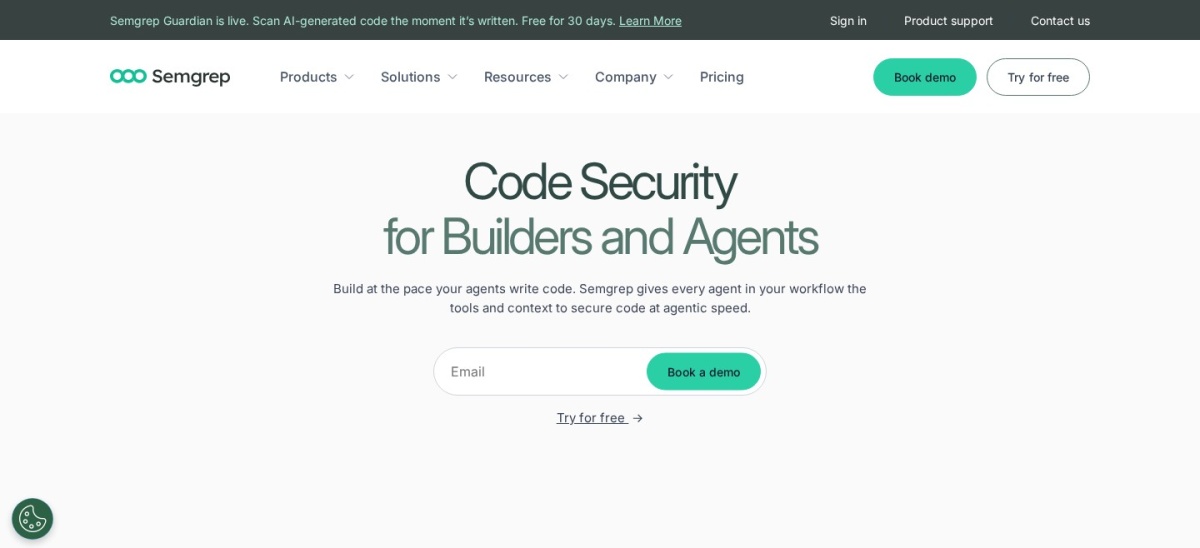
Semgrep homepage, captured Nov 2026.
Semgrep is an application security platform combining dependency analysis, static code scanning and secrets detection. Its Supply Chain product uses reachability information to help developers prioritize vulnerabilities, and the platform supports more than 35 programming languages for code analysis.
The trade off is modular pricing, with Supply Chain costing $30 per contributor per month and other security modules priced separately. It suits development teams that want actionable dependency findings without treating every vulnerability as equally urgent.
What we like
Reachability-based prioritization
Malicious dependency detection
Customizable security rules
CI/CD workflow integration
Watch out for
Separate charges for additional modules
Custom rules require technical knowledge
Contributor-based costs can accumulate
Teams adds expanded analysis capabilities, support and single sign-on.Visit semgrep.dev
03
Aikido Security
4.5/5on G2 (273 reviews, checked Nov 2026)
Paid from$300/mo
Best for consolidated security management
Free users2
Free repositories10
License scanningYes
Paid planBasic, from $300/mo
aikido.dev
Aikido Security homepage, captured Nov 2026.
Aikido Security is an application and cloud security platform that combines dependency scanning, license checks, secrets detection and container analysis. Its free Developer plan covers 2 users, 10 repositories and 2 container images.
The trade off is the jump from the free plan to Basic at $300 per month, although the paid package covers 10 users. It suits growing software businesses that want to consolidate security monitoring rather than manage separate scanners.
What we like
Multiple security scanners in one platform
Free plan with repository coverage
Dependency remediation assistance
Cloud and container security integration
Watch out for
Higher entry cost than individual scanners
Free plan limits user access
Larger deployments require expanded licensing
Basic expands developer coverage and monitored resources.Visit aikido.dev
04
JFrog
4.2/5on G2 (186 reviews, checked Nov 2026)
PricingCustom pricing
Best for artifact and build security
Artifact managementJFrog Artifactory
Vulnerability scanningJFrog Security
DeploymentCloud and self-hosted
Security pricingCustom configuration
jfrog.com
JFrog homepage, captured Nov 2026.
JFrog is a software supply chain platform for managing artifacts, packages, container images and security policies. Its artifact management platform supports more than 60 technologies, helping organizations centralize software distribution and track components throughout development.
The trade off is that dedicated security capabilities require additional licensing beyond the basic artifact management subscription. Advanced security configurations use custom pricing. It suits enterprises that want security controls embedded directly into their artifact and release infrastructure.
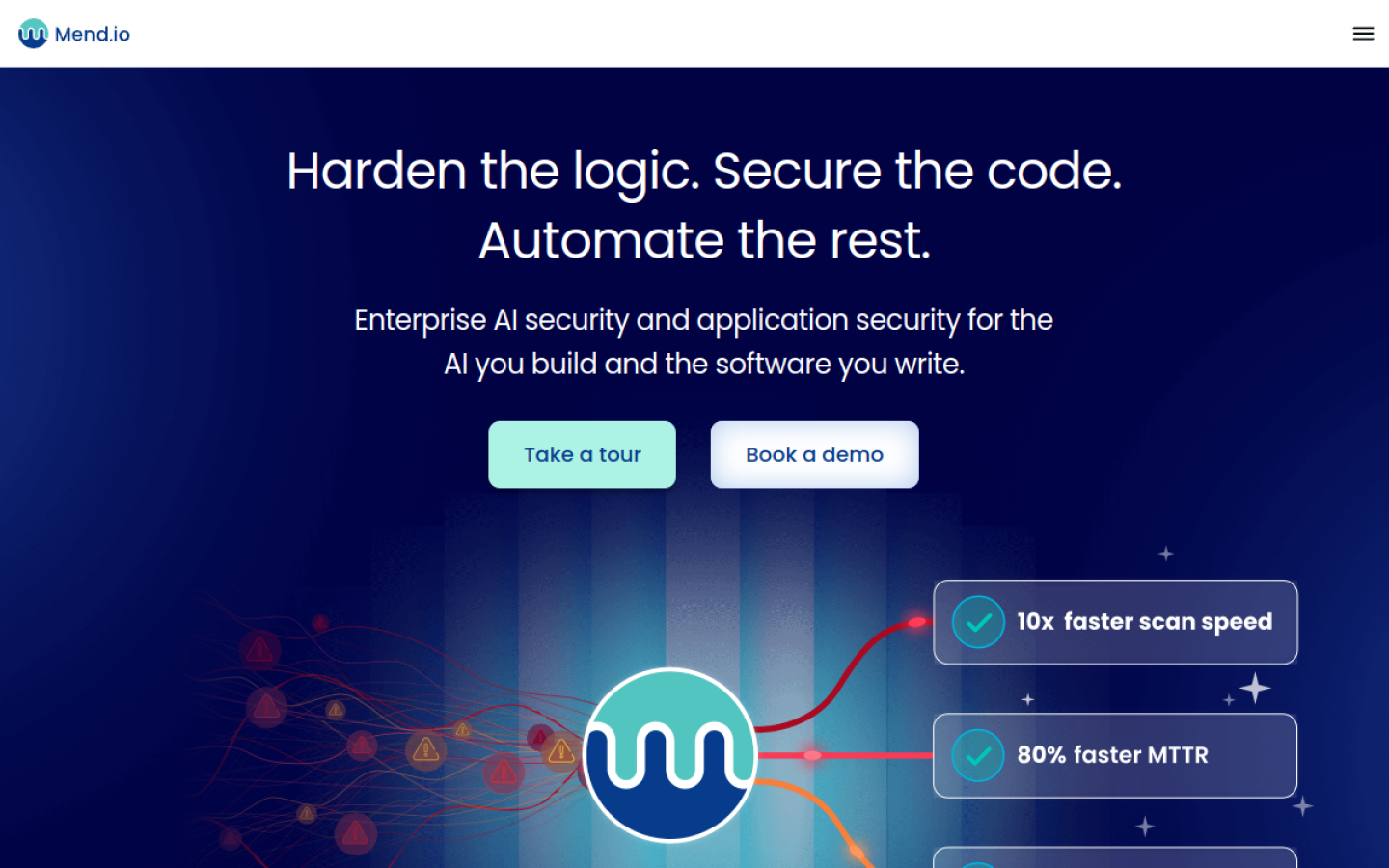
Mend.io is an application security platform that identifies risks across dependencies, containers and source code. Its dependency management capabilities include automated updates through Mend Renovate, and the vendor publishes an AppSec pricing ceiling of $1,000 per developer annually.
The trade off is that actual AppSec subscription costs depend on the selected configuration and developer coverage. Its pricing is less straightforward than a fixed entry subscription. It suits organizations managing dependency updates across large software portfolios.
What we like
Automated dependency update workflows
Open source vulnerability detection
Reachability-based prioritization
Repository integrations
Watch out for
Configuration can require technical expertise
Subscription costs depend on deployment
Separate product packages complicate budgeting
Paid AppSec subscriptions provide centralized vulnerability and dependency management.Visit mend.io
06
Checkmarx
4.3/5on G2 (52 reviews, checked Nov 2026)
PricingCustom pricing
Best for enterprise application security governance
Software composition analysisYes
Malicious package protectionAvailable
Container securityAvailable
Paid planCustom supply chain package
checkmarx.com
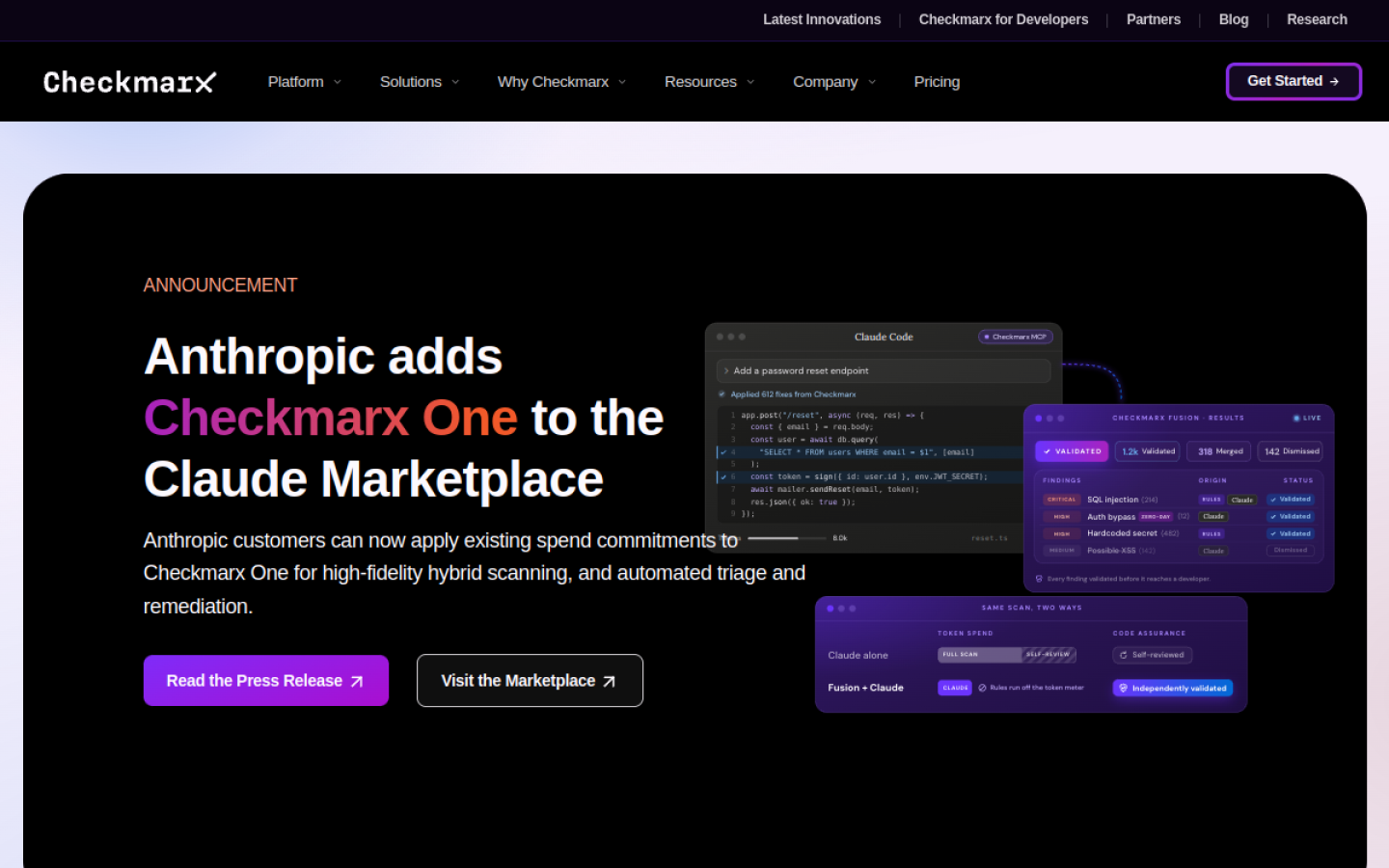
Checkmarx homepage, captured Nov 2026.
Checkmarx is an enterprise application security platform with dedicated software supply chain protection. Organizations can select a supply chain-focused package covering dependency risks, with 52 G2 reviews supporting its established market presence.
The trade off is custom pricing based on selected modules, deployment requirements and developer coverage. Additional protection features may require expanded packages. It suits enterprise security teams that need centralized policies and application security oversight.
What we like
Dedicated supply chain security packages
Centralized application security management
Malicious package detection options
Enterprise deployment flexibility
Watch out for
No fixed public subscription price
Enterprise onboarding requirements
Additional modules may increase costs
Expanded packages add application security engines and governance capabilities.Visit checkmarx.com
07
Black Duck Polaris
4.2/5on G2 (104 reviews, checked Nov 2026)
PricingCustom pricing
Best for open source license compliance
Dependency analysisBlack Duck SCA
License complianceYes
Security reportingAvailable
Paid planCustom enterprise subscription
blackduck.com
Black Duck Polaris homepage, captured Nov 2026.
Black Duck Polaris is an application security platform that brings together software composition analysis and application risk management. Its G2 profile has 104 reviews, and its component analysis capabilities help organizations identify open source security and licensing risks.
The trade off is enterprise-oriented purchasing through custom pricing rather than a fixed entry subscription. Implementation also requires established security processes. It suits organizations with formal open source governance, software compliance and component inventory requirements.
What we like
Open source license risk analysis
Software component visibility
Enterprise security reporting
Application security integration
Watch out for
Custom subscription pricing
Implementation can require specialist resources
Less suitable for individual developers
Enterprise subscriptions provide application and open source risk management capabilities.Visit blackduck.com
Software composition analysis vs. supply chain security
Software composition analysis identifies third-party components and their associated vulnerabilities and license obligations. It is an important part of software supply chain security, but it does not cover every risk.
Broader supply chain protection includes malicious package detection, artifact integrity, build environment security, provenance and dependency update policies.
Development teams can begin with dependency scanning and expand into artifact governance as their infrastructure and compliance requirements become more complex.
How we chose
We selected established application security, dependency analysis and artifact management platforms using vendor documentation and public G2 reviews.
Pricing and ratings were checked on 25 Nov 2026. Annual figures represent the published starting subscription cost for the relevant security product or plan, before additional seats, consumption charges and optional modules. Custom subscriptions require individual quotations.
We excluded generic endpoint protection software, unrelated cybersecurity products and tools without an established review presence. No vendor paid for a place, and we do not claim testing for this list.
How to choose a software supply chain security tool
Compare your dependency risks, development environment and security requirements before selecting a subscription.
Identify your main security risks. Decide whether vulnerable dependencies, malicious packages, container images, artifact integrity or license compliance represent your greatest exposure.
Check development workflow integrations. Confirm support for your programming languages, package managers, source code repositories and CI/CD infrastructure.
Evaluate vulnerability prioritization. Look for reachability information, dependency paths, exploitability context and remediation guidance to reduce unnecessary security alerts.
Calculate the complete subscription cost. Compare developer seats, repository allowances, artifact consumption, additional modules and support requirements before purchasing.
FAQ
What is the best software supply chain security tool?
Snyk is our top pick for development teams that need dependency scanning and developer workflow integration. Semgrep is particularly useful for vulnerability prioritization, while Aikido Security combines application and cloud security monitoring.
Are there free software supply chain security tools?
Yes. Snyk, Semgrep and Aikido Security offer free options. These are suitable for smaller projects and initial dependency scanning, although organizations may need paid subscriptions for broader coverage, higher limits and centralized governance.
What is software composition analysis?
Software composition analysis identifies third-party components used by applications and checks them for vulnerabilities and licensing risks. It helps developers understand dependency exposure and determine which packages require updates or additional security controls.
How much does software supply chain security software cost?
Snyk starts at $25 per month, while Semgrep Supply Chain costs $30 per contributor per month. Enterprise platforms commonly use custom pricing based on developer coverage, security modules, deployment requirements and consumption.
What is an SBOM in software supply chain security?
A software bill of materials is an inventory of components included in an application or software artifact. It helps security teams identify affected dependencies, investigate vulnerability disclosures and maintain documentation for compliance requirements.
Can supply chain security tools detect malicious packages?
Some platforms detect suspicious package behavior or identify known malicious dependencies. These capabilities complement conventional vulnerability scanning because newly compromised packages may not yet have a published vulnerability identifier.
SaaS SEO and WordPress specialist with about 8 years of experience. Rakib compares WordPress plugins, themes, hosting and software using public pricing, documentation and user reviews. See how we rank.