Best SaaS Project Management Software in 2026: 9 Tools Compared
WLWPLegible EditorsLast verified 23 Nov 2026How we rank13 min read
★ Short answer
monday.com is the best SaaS project management software for most teams, rated 4.7 out of 5 on G2 from more than 15,000 reviews, with paid plans from $9 a seat a month. Pick ClickUp for the lowest entry price or Notion if you want docs, wiki and tasks in one workspace.
How we make this list: we compare pricing pages, product documentation and public user reviews, then re-check every price before each update. No product paid for a place. Disclosure.
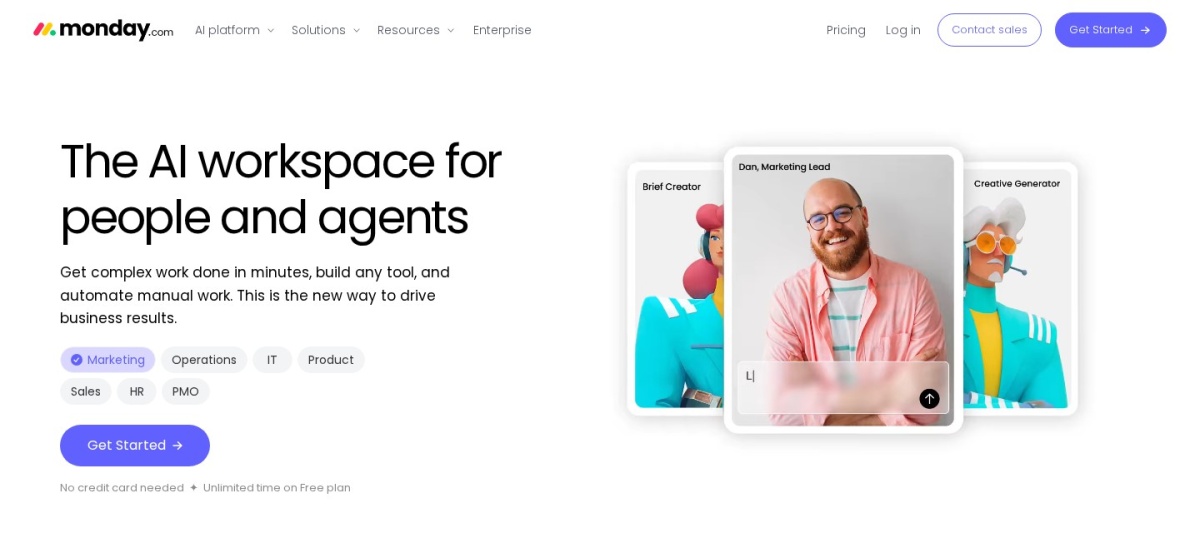
monday.com leads this list at 4.7 out of 5 on G2, with board-based workflows and paid plans from $9 a seat a month.
ClickUp changed its plans in 2026: the old $7 Unlimited plan is now Core, with a regular price of $12 a user a month.
Trello is the cheapest paid plan here at $5 a user a month, and the simplest tool for visual boards.
Jira is the pick for software teams running agile, with scrum boards, sprints and deep workflow control.
Basecamp charges a flat $299 a month for unlimited users on Pro, which beats per-user pricing for large teams.
What good project management software should cover
Most teams need three things: a clear list of who is doing what, a way to see deadlines, and one place for the files and comments tied to each task.
Views matter. Lists work for checklists, boards work for pipelines, and Gantt or timeline views work for projects with dates that depend on each other.
Automations save the most time. Rules that move a card when a status changes, or remind an owner before a due date, remove the daily chasing.
Price is per user on almost every tool here, so a $5 difference per seat becomes hundreds of dollars a year once a team passes 10 people.
monday.com is a visual work platform where teams build boards with status columns, owners, dates and files, then track projects, pipelines and intake queues in one place. Paid plans start at $9 a seat a month for Basic, with timeline and Gantt views from Standard at $12.
The trade off is the seat rules. Paid plans start from 3 seats, quote-only pricing kicks in above 40 users, and Standard caps automations and integrations at 250 actions each a month. It suits non-technical teams that want to design their own workflows without code.
What we like
Highest G2 rating in this list at 4.7 out of 5
Board-and-column model fits pipelines and trackers
ClickUp is an all-in-one work platform that bundles tasks, docs, whiteboards, chat, goals and time tracking into one workspace. The free plan allows unlimited tasks and unlimited members, which almost nothing else in this list matches.
The trade off is the price change. ClickUp replaced its $7 Unlimited plan with Core, which lists at $12 a user a month billed yearly as the regular price, with $9 shown as a sale. Business is $25 regular. It suits small teams that want the most features for the lowest entry price.
What we like
Most generous free plan in this list
Unlimited storage and Gantt on Core
Native time tracking and goals included
No seat minimum
Watch out for
Unlimited plan renamed Core with a higher regular price
Notion is an all-in-one workspace for notes, wikis, tasks and databases that teams shape to fit their own process. The free plan already includes databases with subtasks and dependencies, and Plus adds custom forms, charts and 30 days of page history.
The trade off is discipline. Notion gives you a blank workspace, so messy teams end up with messy pages, and big databases can get slow. Plus costs $10 a member a month billed yearly, with full AI on Business at $20. It suits teams that want docs, wiki and light projects in one place.
Smartsheet is a spreadsheet-style work platform for plans, schedules and reports, built for teams that live in rows and columns. Pro costs $9 a user a month and covers sheets, Gantt charts, dashboards and automations, with Business at $19 adding proofing and more controls.
The trade off is depth. Smartsheet is easy to start but its strongest features, such as resource management and portfolio views, sit on higher tiers or add-ons. It suits operations and project teams that want Excel-like control with shared schedules and approvals.
What we like
Largest review base in this list at 23,251 G2 reviews
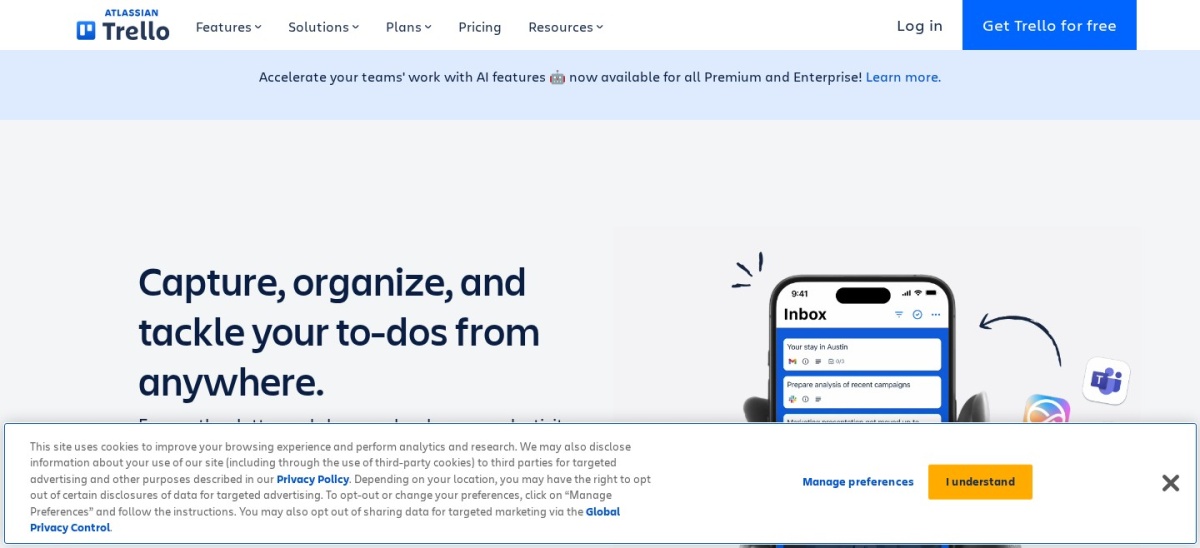
Trello is a visual board tool from Atlassian where cards move across lists, so a team can see every task at a glance. The free plan covers unlimited cards and up to 10 boards per workspace, and Standard at $5 a user a month adds unlimited boards, custom fields and checklists.
The trade off is scale. Trello stays simple on purpose, so big projects with dependencies, workloads and reporting outgrow it fast. Premium at $10 a user a month adds timeline, calendar and dashboard views. It suits small teams that want the simplest visual tracker.
Best structured projects for cross-functional teams
Free planYes, up to 2 users
Paid planStarter, $131.88/user/yr
ViewsList, board, timeline, Gantt
Advanced$24.99/user/mo
asana.com
Asana homepage, captured Nov 2026.
Asana is a work management platform where teams plan projects, assign tasks with owners and due dates, and track progress in list, board, calendar and timeline views. Starter costs $10.99 a user a month billed yearly and adds Timeline, Gantt, custom fields and unlimited automations.
The trade off is the tier jump. Portfolios, goals, workload planning and time tracking wait for Advanced at $24.99 a user a month, more than twice the Starter price. It suits cross-functional teams that need structured projects with clear owners and dates.
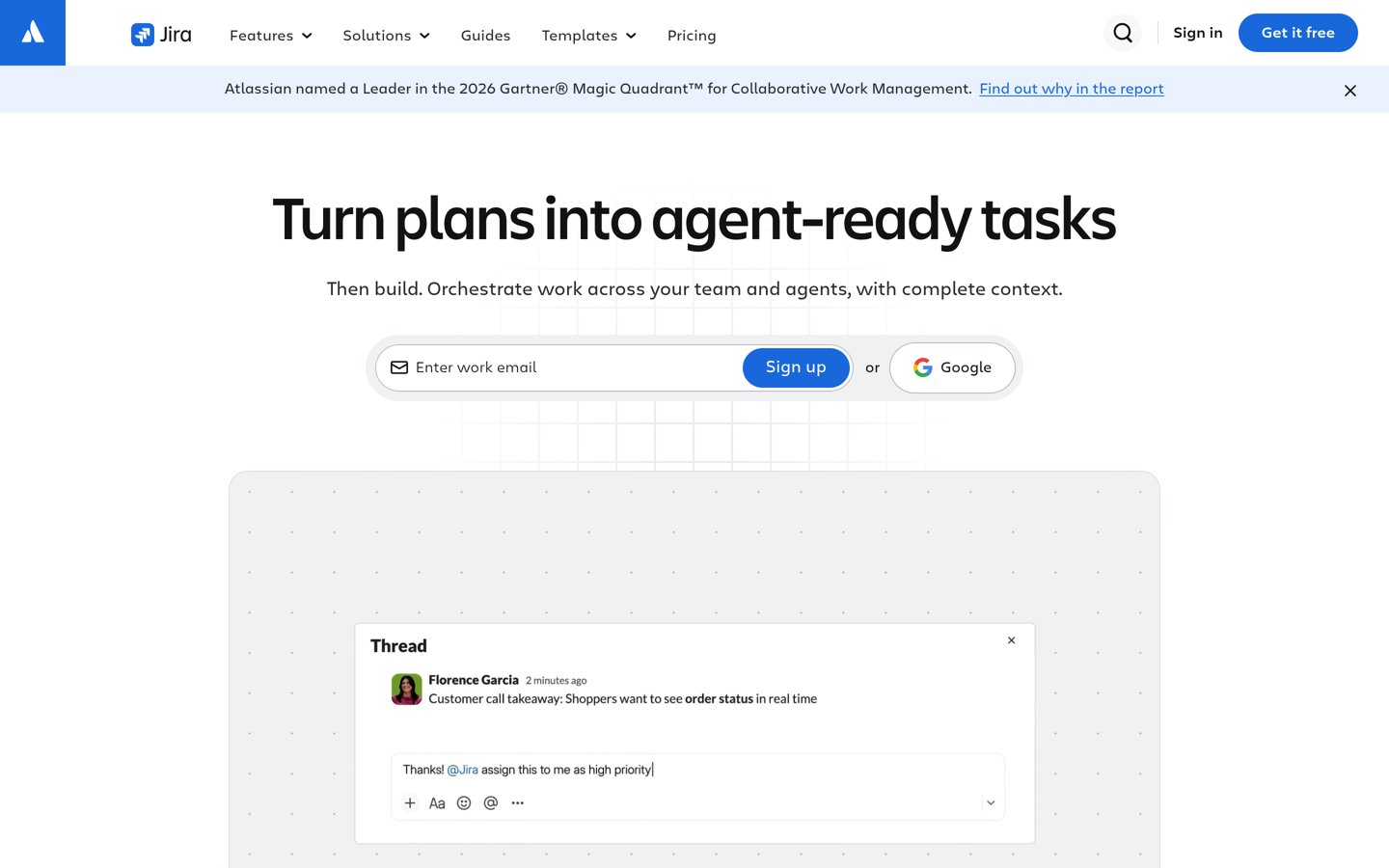
Jira is Atlassian's issue and project tracker, and the default choice for software teams running agile. It covers scrum and kanban boards, sprints, backlogs, roadmaps and bug tracking, with deep workflow rules and links to code, docs and releases.
The trade off is the learning curve. Jira is powerful but heavy to set up, and the best features, such as advanced roadmaps and sandbox environments, need Premium at $15.25 a user a month. Standard costs $7.75 billed yearly. It suits software teams that need full agile control.
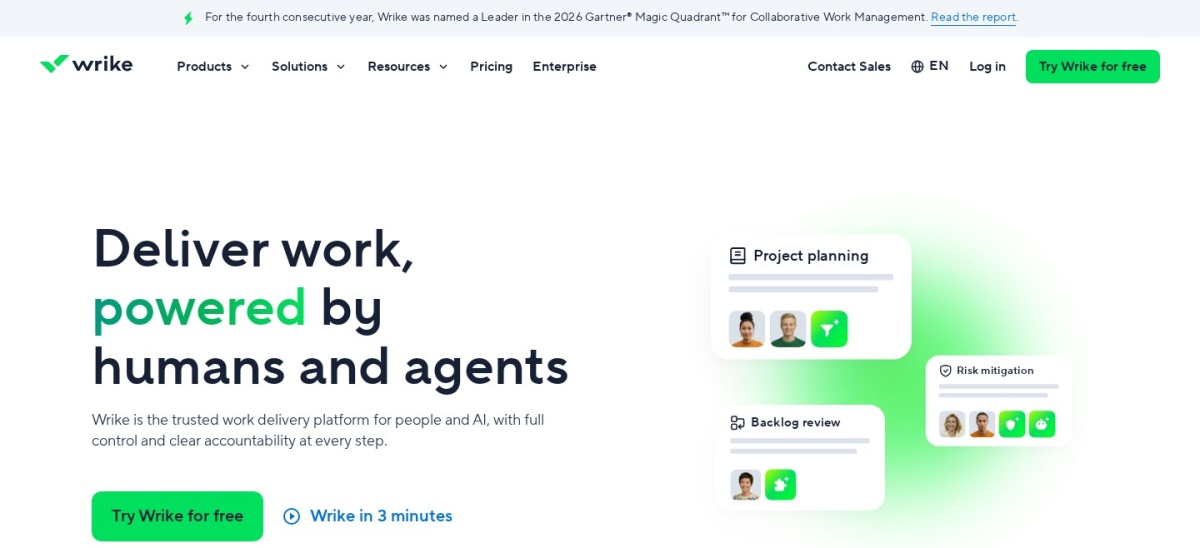
Wrike is a work management platform for teams that need deep customization, resource planning and proofing in one place. Team costs $9.80 a user a month billed yearly and covers Gantt charts, dashboards, automations and time tracking for 2 to 25 users.
The trade off is the upgrade. Custom fields, request forms and project blueprints wait for Business at $24.80 a user a month, more than double the Team price. It suits mid-size teams that need resource booking, approvals and proofing across departments.
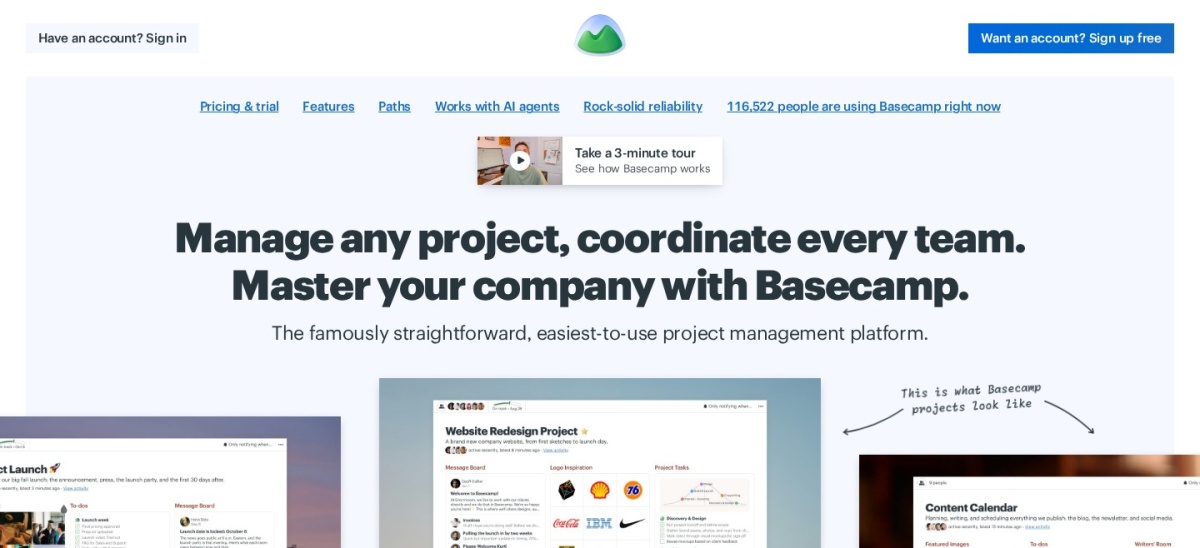
Basecamp is a simple all-in-one project hub that bundles to-dos, message boards, schedules, docs and group chat into one page per project. Plus costs $15 a user a month with unlimited projects, 500 GB of storage and 24/7 support, while Pro Unlimited is a flat $299 a month.
The trade off is structure. Basecamp has no Gantt charts, dependencies or workload views, so date-driven projects fit it poorly. Its flat pricing is the win for big teams, since Pro costs the same for 5 users or 50. It suits small firms and client teams that want one calm hub.
Every tool here except Basecamp charges per user per month, so the headline price is only part of the bill. Ten seats of Trello Standard cost $600 a year, while ten seats of Basecamp Plus cost $1,800.
Watch the minimums. monday.com paid plans start from 3 seats, Asana Starter has a 2-seat minimum, and Wrike Team needs at least 2 users.
Basecamp flips the model. Plus costs $15 a user a month, but Pro Unlimited is a flat $299 a month for any number of users, so a 30-person team pays the same as a 5-person team.
Free plans are real on most of these tools. ClickUp, Trello, Asana, Notion and Jira all let small teams run real projects without paying.
How we chose
We started from the SaaS project management tools with the most public reviews on G2, then kept the nine with a clear project view, a usable free plan or trial, and a published price.
Prices come from each vendor's pricing page or vendor-supplied listings, checked on 23 November 2026. Ratings and review counts come from G2 on the same day. Where a vendor shows a sale price, the list shows the regular price.
This list is based on pricing, docs and reviews, not on using the tools ourselves. No vendor paid for a place in it.
How to choose SaaS project management software
Start with how your team already works, then match the tool to that shape.
Map your work shape first. Software teams running sprints need Jira or ClickUp; pipeline and tracker work fits monday.com or Smartsheet.
Count the seats and the minimums. Per-user pricing adds up fast, and some tools make you buy 2 or 3 seats before you start.
Check the views you need. Timeline and Gantt views often sit on paid plans, so confirm they are included before you commit.
Try the free plan with a real project. A week of real tasks shows the learning curve faster than any feature list.
FAQ
What is the best SaaS project management software?
monday.com is the best pick for most teams. It is rated 4.7 out of 5 on G2 from more than 15,000 reviews, and paid plans start at $9 a seat a month billed yearly.
What is the cheapest project management software?
Trello is the cheapest paid plan here at $5 a user a month for Standard, and its free plan covers small teams. ClickUp's free plan is the most generous, with unlimited tasks and members.
Is Asana or monday.com better?
monday.com suits pipeline and tracker work with its board-and-column model, while Asana suits structured projects with tasks, dependencies and portfolios. monday.com starts cheaper at $9 a seat a month against Asana Starter at $10.99.
Does ClickUp still cost $7 a month?
No. ClickUp replaced its $7 Unlimited plan with Core, which lists at $12 a user a month billed yearly as the regular price. The $9 price shown on its site is a sale price.
Is Jira only for software teams?
Jira is built for software teams running agile, with scrum boards, sprints and bug tracking, but its boards and workflows also run general work. Non-technical teams usually find Trello or monday.com easier.
Can I use project management software for free?
Yes. ClickUp, Trello, Asana, Notion, Jira, Wrike and Basecamp all have free plans, though most limit views, storage or automations until you pay.