Manatal is the best recruitment automation for most teams, with AI candidate scoring and workflow automations from fifteen dollars per user a month. JazzHR is the best flat-rate pick at one thousand dollars a year, while Breezy HR is best for growing teams that need AI screening on every applicant.
How we make this list: we compare pricing pages, product documentation and public user reviews, then re-check every price before each update. No product paid for a place. Disclosure.
Manatal is the cheapest AI screening here at $15 per user a month, and holds the highest G2 rating at 4.8 out of 5.
JazzHR costs $1,000 a year on its Hero plan, confirmed on its own pricing page, with unlimited users.
Breezy HR no longer offers a free plan, but its AI scores every applicant from $157 a month.
Workable is the only mid-market tool here with fully published pricing, from $299 a month.
Greenhouse, Lever and Recruitee publish no prices, so budget for a quote and implementation time.
What recruitment automation really covers
Recruitment automation covers the repetitive work between posting a job and making an offer: resume parsing, screening questions, follow-up emails, interview scheduling and candidate scoring. The tools here automate those steps inside an applicant tracking system.
The cheapest tools are not always the cheapest to run. Per-user pricing such as Manatal scales with your recruiting team, while flat plans such as JazzHR and Breezy HR stay the same as headcount grows. Our guide on AI recruitment platforms compares the same tools on their AI features.
Quote-only tools are the norm at the top end. Greenhouse, Lever and Recruitee publish no prices, so budget for a sales conversation and implementation time before you compare them on cost.
Free plans are disappearing. Breezy HR no longer offers a free plan, and the tools with the strongest automation mostly offer a trial or a demo only, so plan for a paid start.
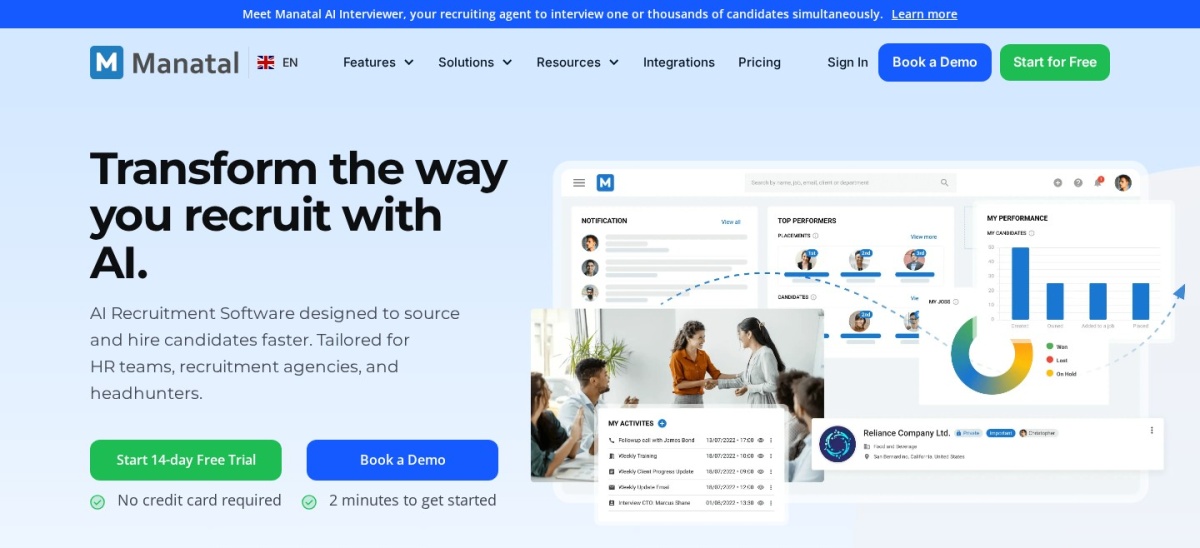
Manatal is a cloud ATS and recruitment CRM for small teams and agencies, with AI candidate scoring, resume parsing and workflow automations on every plan. Professional costs $15 per user a month on annual billing and covers up to 15 jobs, 10,000 candidates and unlimited hiring managers.
The trade off is the job cap. The entry plan stops at 15 open jobs, and the AI video interviewer costs extra, so high-volume teams need the $35 per user Enterprise plan. It suits lean teams that want AI screening at the lowest per-seat price here.
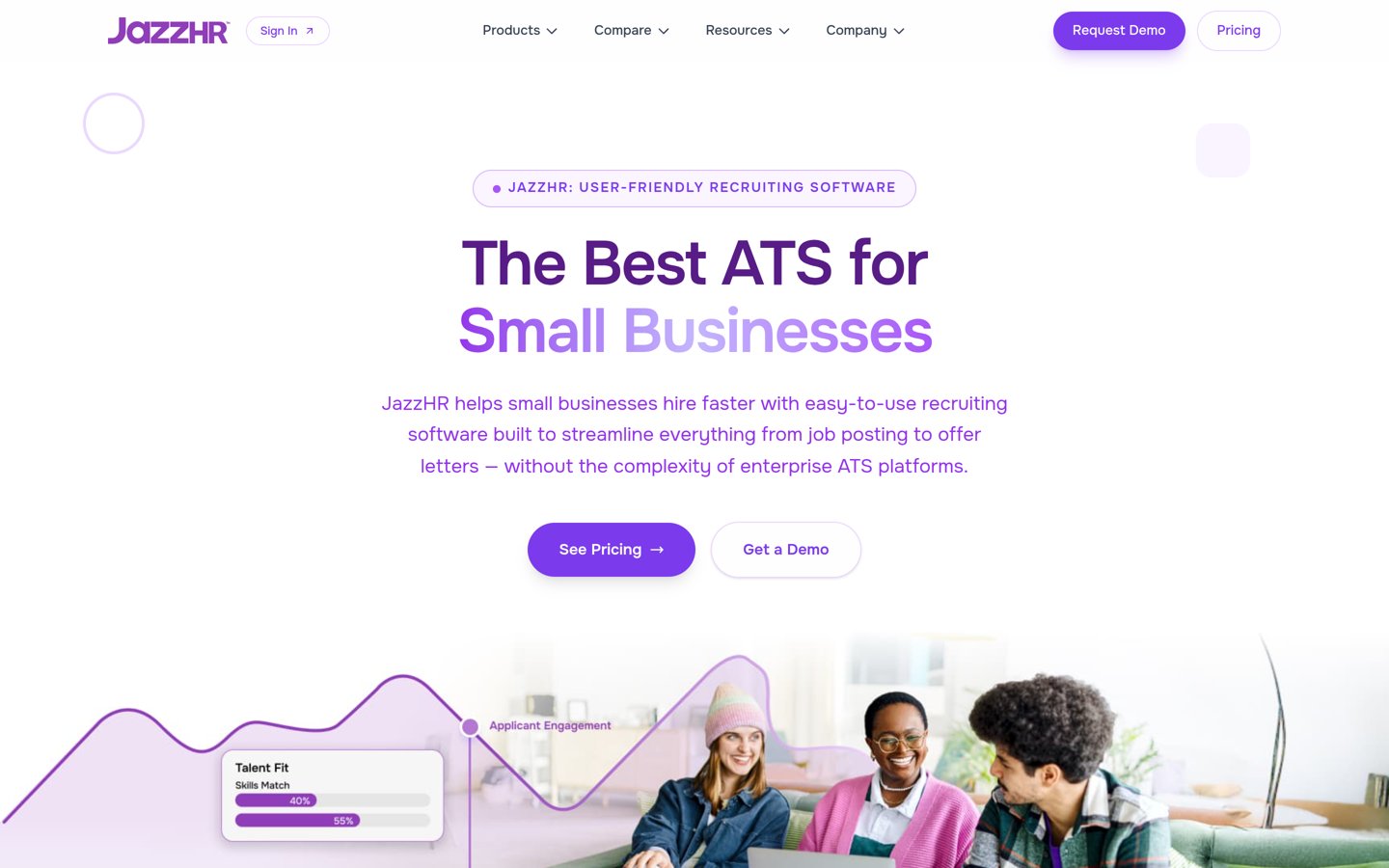
JazzHR is an applicant tracking system for small and midsize businesses that automates follow-ups, email templates, resume parsing and bulk candidate actions. The Hero plan costs $1,000 a year billed annually and includes unlimited users, LinkedIn Recruiter integration and premium job listings.
The trade off is the job limit. Hero starts at 3 job postings a month, so steady hiring needs Plus at $3,480 a year or Pro at $5,508. It suits small teams that want flat pricing by job count, not headcount.
AI screeningBreezy Intelligence scores every applicant
UsersUnlimited on every plan
Free trial14 days, no card
breezy.hr
Breezy HR homepage, captured Nov 2026.
Breezy HR is an applicant tracking system with flat monthly plans and Breezy Intelligence, an AI layer that scores every applicant, flags suspicious resumes and summarises candidate history. Startup costs $157 a month billed annually and covers posting to more than 50 job boards, a branded careers site and interview self-scheduling.
The trade off is the free tier is gone. Breezy no longer offers a free plan, only a 14-day trial, and AI scoring runs on credits from $30 per 100,000. It suits growing teams that get more applicants than they can review by hand.
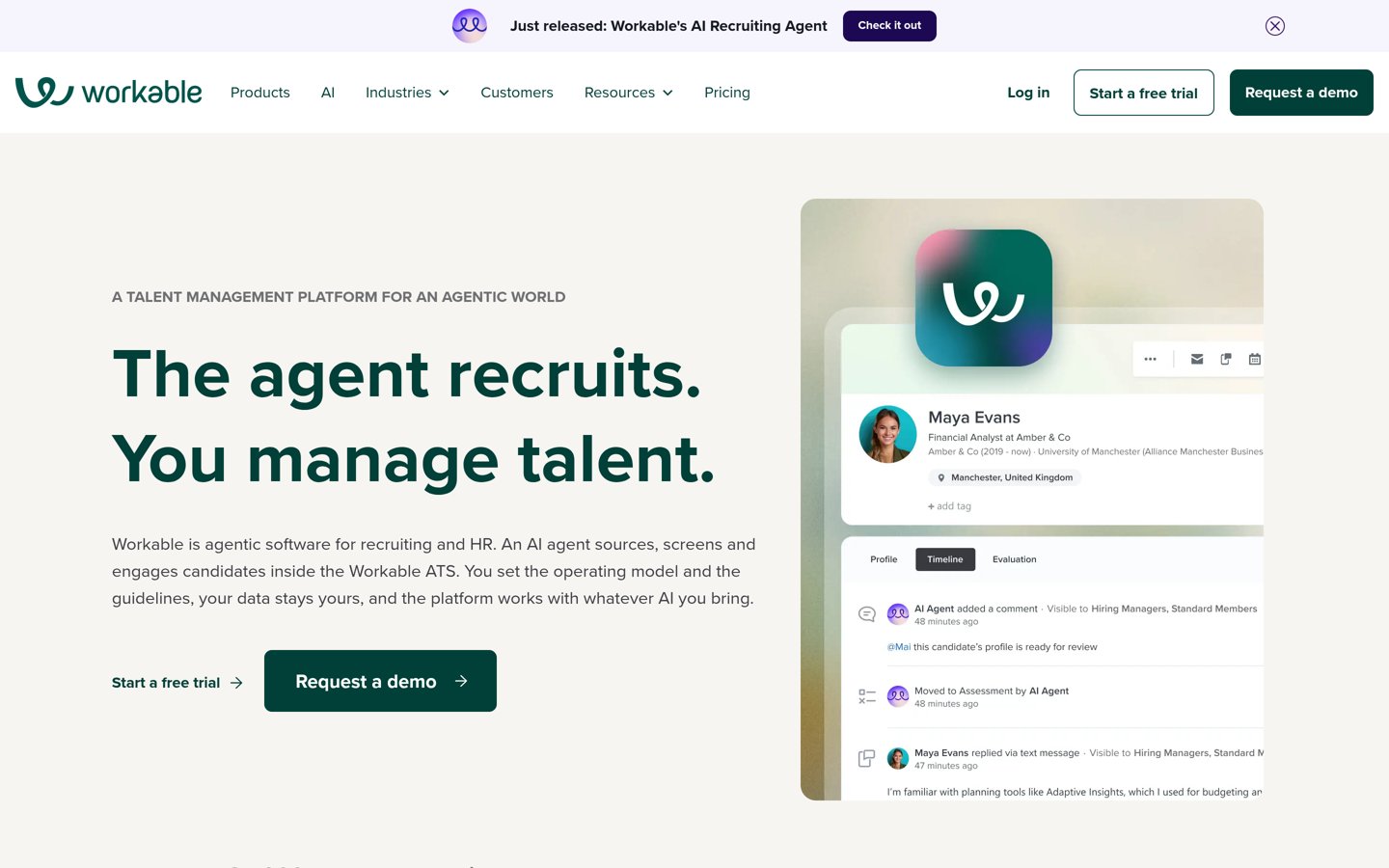
Workable is an applicant tracking system and HR platform that automates sourcing, screening and scheduling, then keeps onboarding, time off and employee records in the same place. Standard costs $299 a month for companies with up to 20 employees and includes unlimited active jobs and posting to more than 200 job boards.
The trade off is the add-ons. Video interviews cost $109 a month and assessments $59 on Standard, and the price rises with headcount. It suits teams that want one self-serve tool for the whole hiring process.
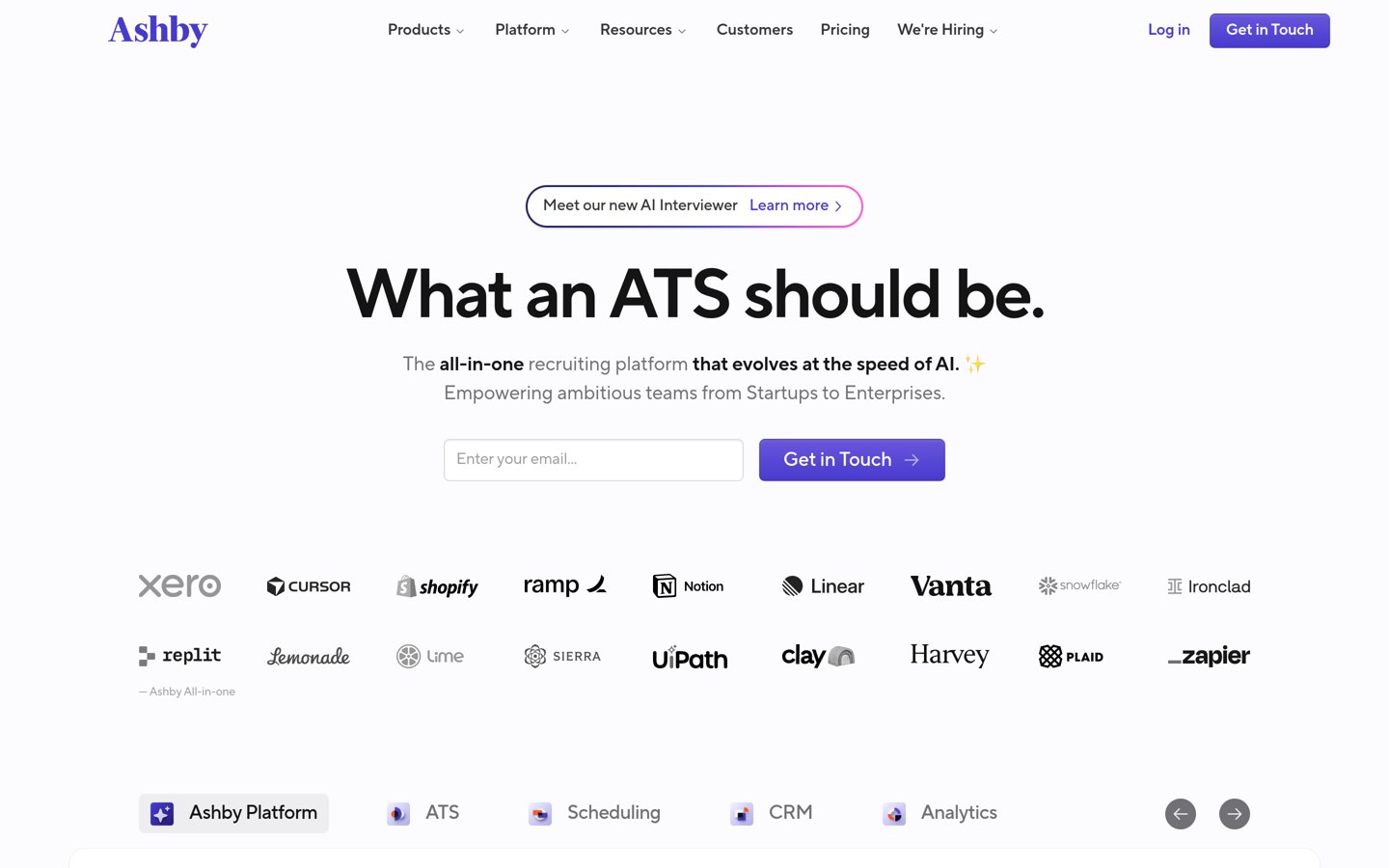
Ashby is an all-in-one recruiting platform that combines an ATS, sourcing CRM, scheduling and analytics, with automation across sourcing, screening and interview scheduling. Foundations starts from $300 a month for up to 10 employees and includes 1,500 AI credits a month, 200 sourcing email lookups and structured interviews with scorecards.
The trade off is the price ladder. Foundations rises with headcount, reaching $900 a month at 76 to 100 employees, and there is no free plan. It suits funded startups that treat hiring as a data operation.
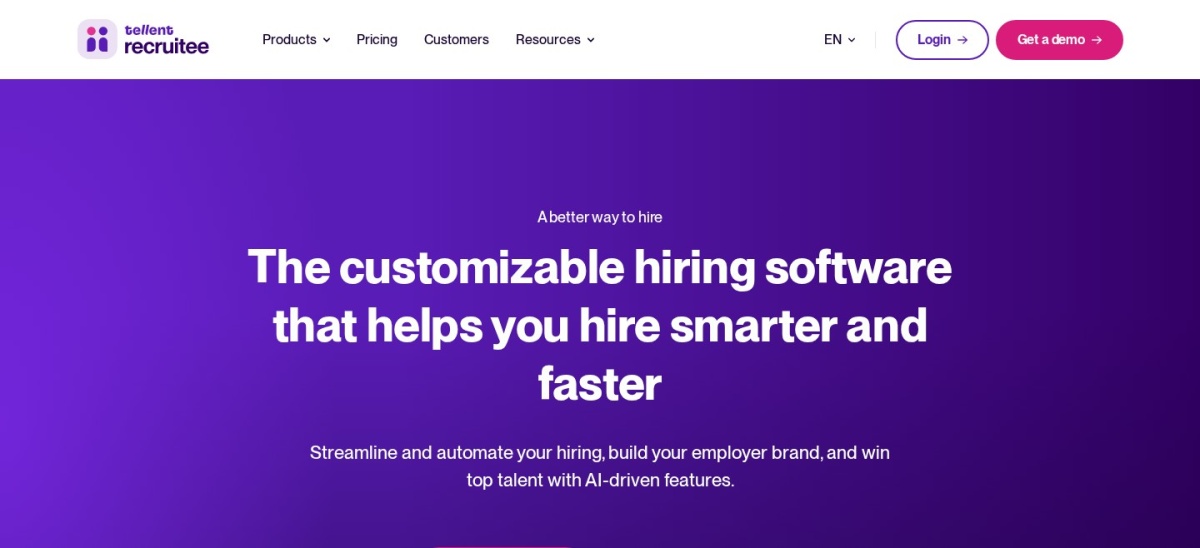
Recruitee is a collaborative applicant tracking system from Tellent for teams that hire together, with kanban pipelines, automated workflows and a no-code career site builder. Start caps hiring at 5 active job slots, while Advance removes the cap and adds the AI Screening Assistant.
The trade off is pricing. Recruitee publishes no prices, so every plan needs a sales conversation, and buyer-reported entry figures sit near $199 a month. It suits fast-growing startups that hire across locations as a team.
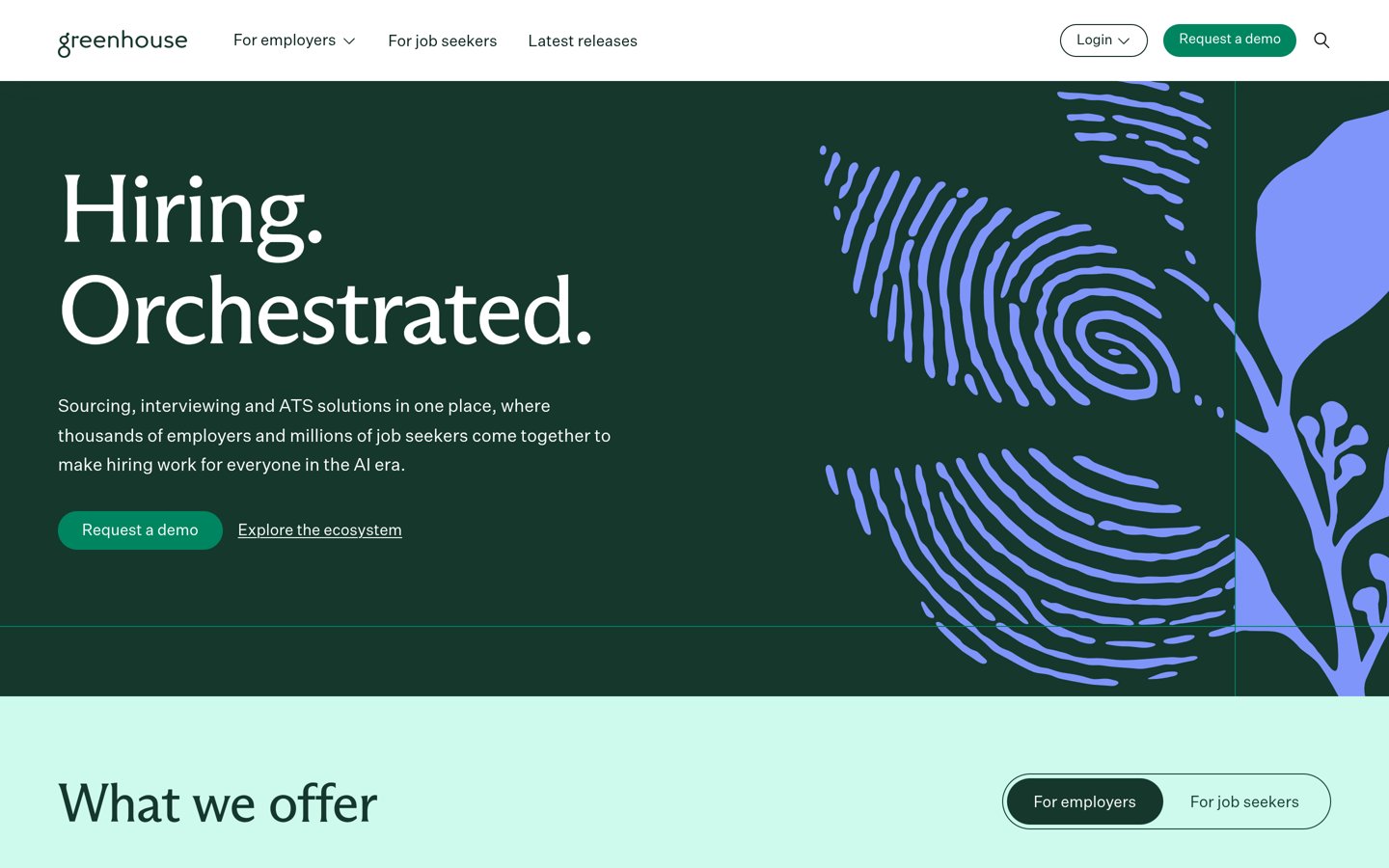
Greenhouse is the structured-hiring standard for mid-market and enterprise teams, built around interview plans, kits and scorecards so every candidate is judged the same way. Its marketplace lists more than 450 integrations, and Core now includes sourcing, a CRM layer and scheduling.
The trade off is price. Greenhouse publishes no prices, and buyer data puts the median contract near $26,570 a year, with implementation fees on top. It suits companies that need defensible, consistent hiring decisions at scale.
What we like
Structured hiring standard for mid-market and enterprise
Lever is an applicant tracking system paired with a talent CRM, sold as LeverTRM, so recruiters can source and nurture passive candidates in the same place. Its AI includes an Interview Companion and Talent Fit scoring, and reviewers praise its fast setup and interview scheduling.
The trade off is transparency. Lever publishes no prices at all, so every deal needs a sales conversation, and reviewers report renewal price rises after its merger. It suits teams that source candidates rather than waiting for applications.
Greenhouse, Lever and Recruitee publish no prices, so every plan needs a sales conversation. Buyer-reported entry figures sit near $6,000 a year for Greenhouse and $3,500 a year for Lever, but these are reported deals, not list prices.
Ask for implementation fees and renewal terms in writing. Greenhouse contracts cluster near a $26,570 yearly median in buyer data, and reviewers report renewal price rises at Lever after its merger.
How we chose
We started from the most established recruitment automation tools with a verifiable rating on G2, then kept those with published pricing or a clear quote-only model. Every tool here automates screening, scheduling or follow-ups, not just tracking.
Prices come from each vendor pricing page checked on 26 November 2026, or from a November 2026 pricing check of that page where the vendor publishes no figure. Ratings and review counts come from G2 on the same day. Where a vendor shows a sale price, the list shows the regular price.
We left out tools with no verifiable G2 rating and pure sourcing databases that do not run a hiring pipeline. No vendor paid for a place, and we do not claim hands-on testing for this list.
How to choose a recruitment automation tool
Start with your open roles and the automations you need, then check which tier each automation sits on.
Count your open roles first. Per-user plans suit small teams, while flat plans suit steady hiring. Quote-only tools suit larger companies with a budget for implementation.
List the automations you need. Resume parsing, screening questions, scheduling and AI scoring matter most. Check which tier each automation sits on before you compare prices.
Check the price model. Manatal charges per user, JazzHR and Breezy charge flat, and Greenhouse, Lever and Recruitee quote per company. Confirm the entry plan really includes your automations.
Run the trial on a live role. Most tools offer 14 to 21 days free. Test screening and scheduling on a real vacancy before you pay.
FAQ
What is the best recruitment automation software?
Manatal is the best pick for most teams, with AI candidate scoring, resume parsing and workflow automations from $15 per user a month. JazzHR is the best flat-rate pick at $1,000 a year, and Breezy HR is best for growing teams that need AI screening on every applicant.
How much does recruitment automation cost?
Entry prices run from $15 per user a month for Manatal to $300 a month for Ashby, with JazzHR at $1,000 a year and Breezy HR at $157 a month. Greenhouse, Lever and Recruitee are quote only, so budget for a sales conversation before you compare them on cost.
Does Breezy HR still have a free plan?
No. Breezy HR no longer offers a free plan, according to its own pricing page checked in November 2026. You can try every feature free for 14 days with no credit card, and paid plans start at $157 a month billed annually.
Which recruitment tool has the highest G2 rating?
Manatal holds the highest G2 rating here at 4.8 out of 5 from 147 reviews, ahead of Ashby at 4.7 from 267 reviews. Recruitee follows at 4.5, while Greenhouse, Workable, JazzHR and Breezy HR all sit at 4.4.
Is JazzHR really $1,000 a year?
Yes. JazzHR lists its Hero plan at $1,000 a year billed annually on its own pricing page, checked in November 2026. Older guides quote $75 a month, but the current page prices Hero by the year, with Plus at $3,480 and Pro at $5,508.
What should I check before buying a quote-only tool?
Ask for the entry price, implementation fees and renewal terms in writing before you sign. Greenhouse, Lever and Recruitee all sell by quote, and buyer data puts Greenhouse contracts near a median of $26,570 a year, with implementation on top.
SaaS SEO and WordPress specialist with about 8 years of experience. Rakib compares WordPress plugins, themes, hosting and software using public pricing, documentation and user reviews. See how we rank.