Buildium is the best property management software for most managers because it pairs full accounting with leasing, maintenance and owner portals. Pick Innago when you want it free and RentRedi for one flat price at any unit count.
How we make this list: we compare pricing pages, product documentation and public user reviews, then re-check every price before each update. No product paid for a place. Disclosure.
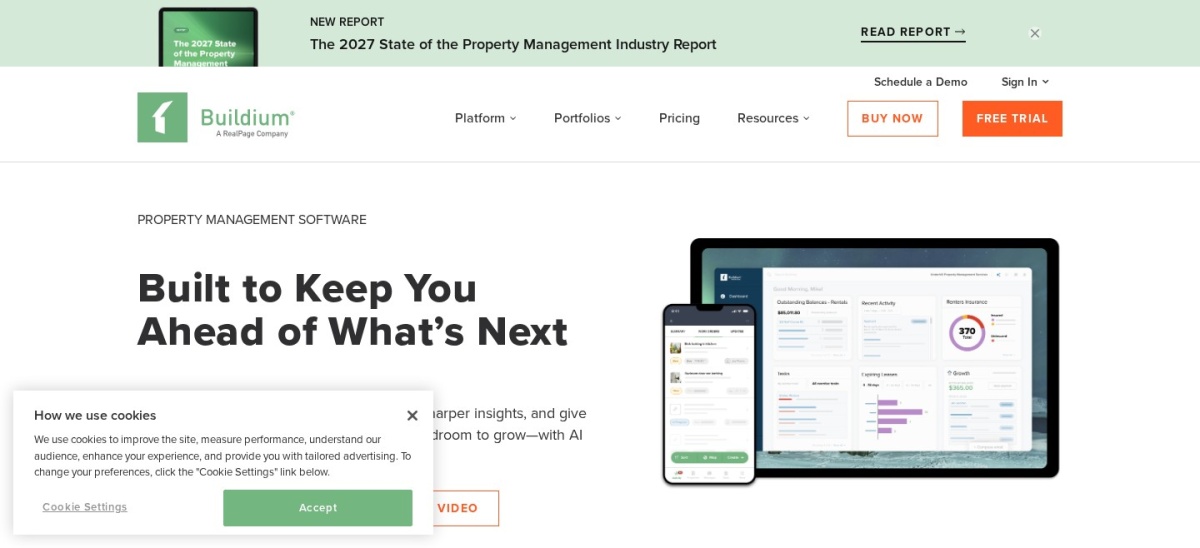
Buildium at $65 a month is the mid-market default, with a real general ledger, bank reconciliation and owner statements.
Innago is free with no subscription or setup fees, and holds a 4.8 out of 5 rating on G2 from 719 reviews.
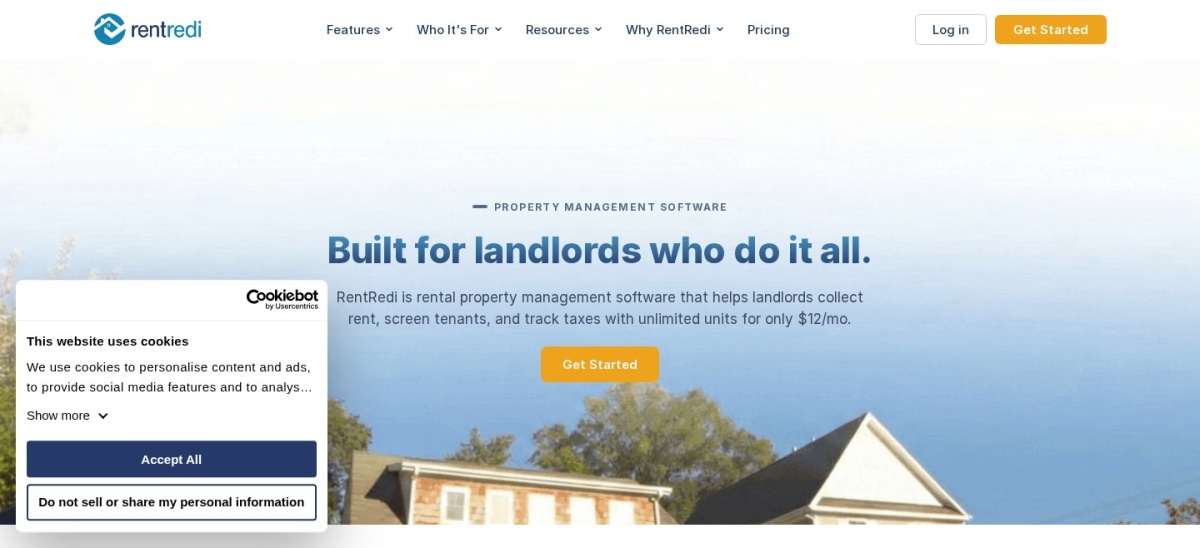
RentRedi at $12 a month billed annually is one flat price for unlimited units, with no per-unit maths.
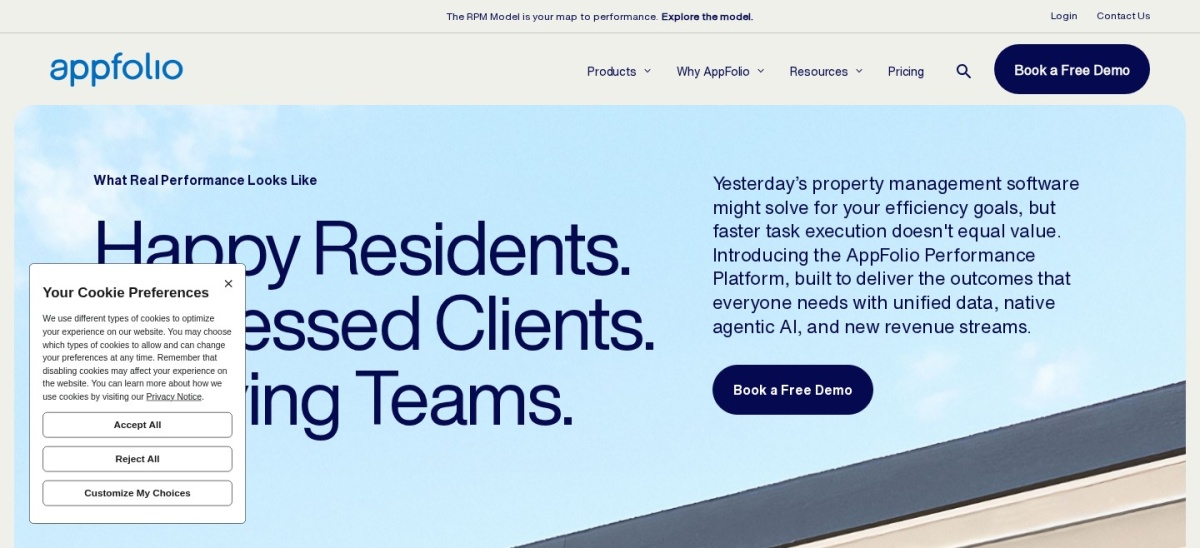
AppFolio at $1.49 per unit a month suits portfolios of 50 or more units, with a 50-unit minimum.
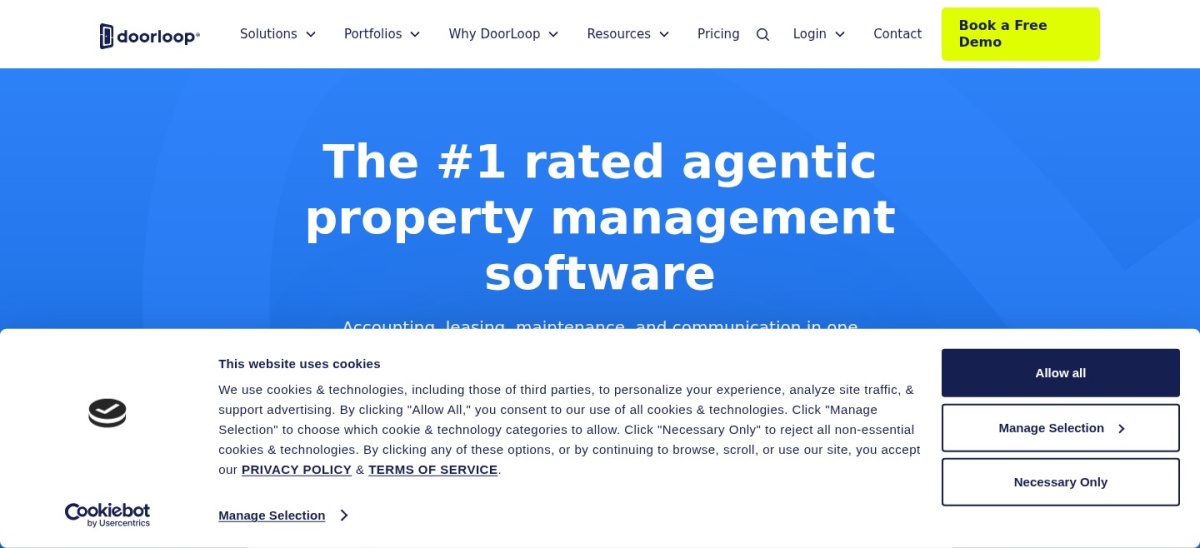
DoorLoop at $2.50 per unit a month has a $199 monthly minimum, so small owners pay the floor price.
How to compare property management software
Property management pricing splits two ways: per-unit pricing suits large portfolios, while flat-rate tools protect small landlords from runaway costs. Compare the maths for your own unit count, not the sticker price.
Accounting is the real test. A general ledger, bank reconciliation, owner statements and trust accounting separate a management platform from a rent-collection app. See our cloud based accounting software guide for the wider accounting market.
Minimums hide in the fine print. AppFolio needs 50 units, DoorLoop has a $199 monthly minimum, and Yardi Breeze has a $100 monthly minimum on an annual agreement.
Free tools are real here. Innago and TurboTenant both offer a free core, so a small landlord can run rent collection and maintenance without a monthly bill.
Buildium is a property management platform built around property accounting, leasing, maintenance tracking and resident portals. Its Essential plan starts at $65 a month, while Growth starts at $202 a month and Premium starts at $420 a month.
The trade off is the unit cap. Essential covers up to 40 units, and larger portfolios move to Growth or Premium. It suits growing residential portfolios that need structure and owner-client reporting.
Innago is a free property management platform that charges $0 a month with no subscription or setup fees, and holds a 4.8 out of 5 rating across 719 G2 reviews. It covers listings, applications, leases, rent collection, maintenance and accounting for independent landlords.
The trade off is depth. It suits independent landlords well, but larger management companies need the reporting and owner portals of Buildium or AppFolio. It suits small landlords who want a complete free platform.
RentRedi is landlord-tenant software offering listing syndication, online rent collection, tenant screening, lease e-signatures, maintenance tracking and rental accounting. Its plan starts at $12 a month when billed annually, with flat-rate pricing across unlimited units.
The trade off is the billing term. The $12 price needs annual billing, while monthly billing costs $29.95 a month. It suits self-managing landlords who want one flat price whatever the unit count.
DoorLoop is the modern challenger, with a clean interface, unlimited users and document storage on all plans, full API access and an AI assistant that drafts tenant messages. DoorLoop One costs $2.50 per unit a month billed annually.
The trade off is the minimum. The $199 monthly minimum means a 20-unit portfolio pays the floor, or nearly $10 a unit, and the trial lasts only 24 hours. It suits portfolios from roughly 80 units up.
AppFolio is the premium pick for professional managers, combining property operations with real accounting, including a general ledger, owner statements and trust accounting, plus listings, screening, rent collection and maintenance. Core costs $1.49 per unit a month.
The trade off is the entry bar. There is a 50-unit minimum and a minimum monthly spend that AppFolio shares only in a quote. It suits management companies past 50 units with leasing volume that justifies a sales call.
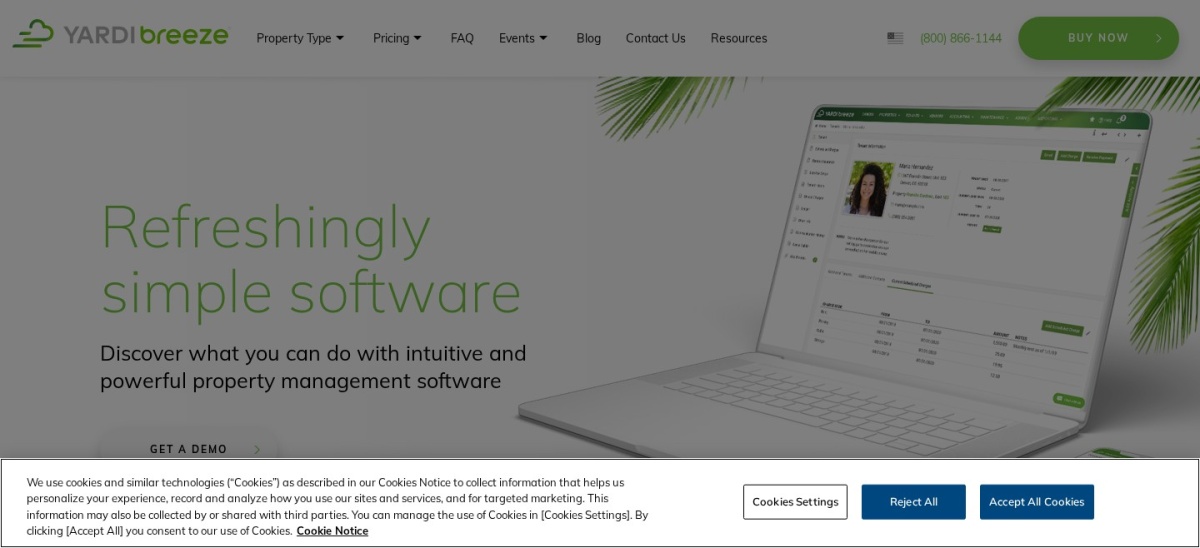
Yardi Breeze is a small-portfolio platform for owners that want the Yardi name without Yardi complexity, at $1 per unit a month for residential with a $100 monthly minimum on an annual agreement. It covers accounting, leasing, maintenance and reporting.
The trade off is the minimum and the rating. The $100 monthly minimum means a small portfolio pays the floor, and its 4.1 rating is the lowest here. It suits small portfolios that value Yardi-backed accounting.
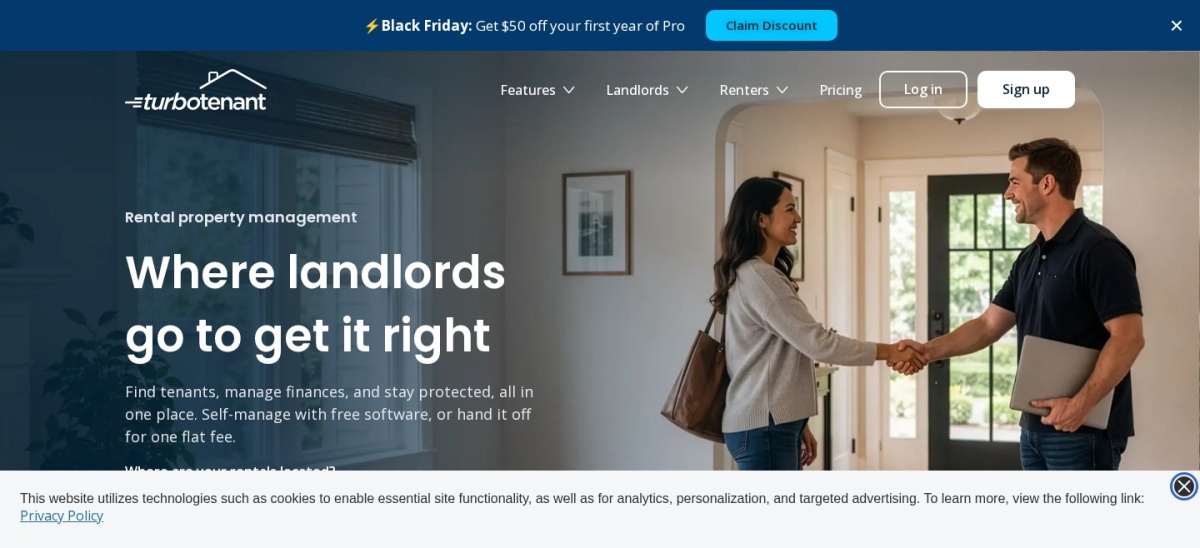
TurboTenant is an all-in-one platform for independent landlords, covering rental listings, applications, screening, leases, rent collection and maintenance. Its core is free, with optional Pro add-ons at $9.92 a month and full-service management through Autopilot.
The trade off is reporting depth. Users praise the streamlined experience, but note it lacks the in-depth reporting and customisation that property managers need. It suits DIY landlords managing a few rentals.
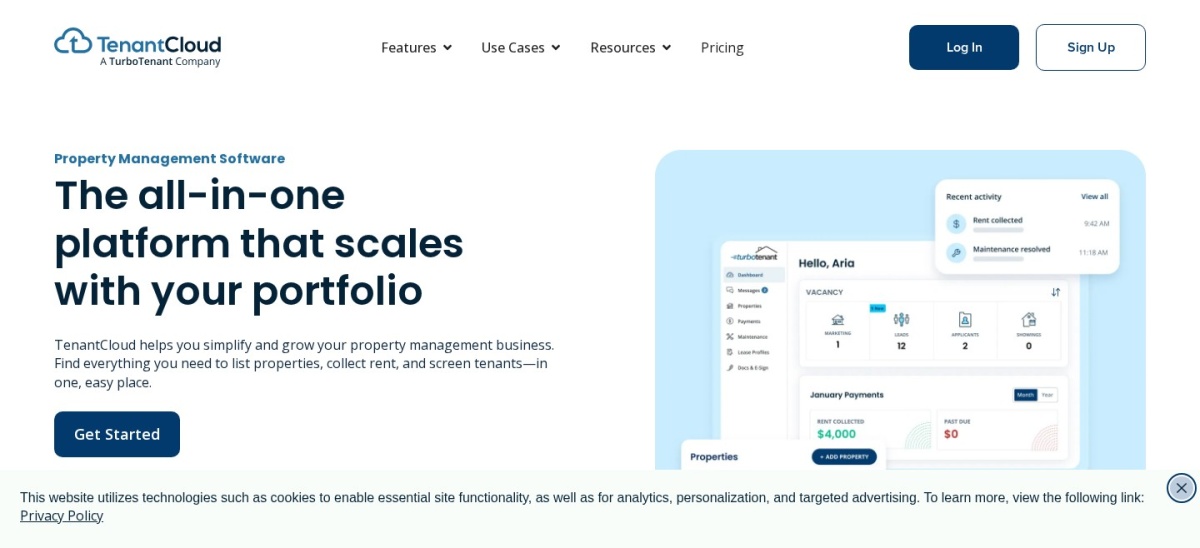
TenantCloud is a practical option for landlords who need basic property management tools without paying monthly fees. It covers rent collection, maintenance requests, accounting and leases, and stores everything in the cloud so landlords can access data from anywhere.
The trade off is the lease caps. Paid plans limit leases per plan, and bank reconciliation sits on Pro. It suits owners with small portfolios who need accounting and cloud-based data storage.
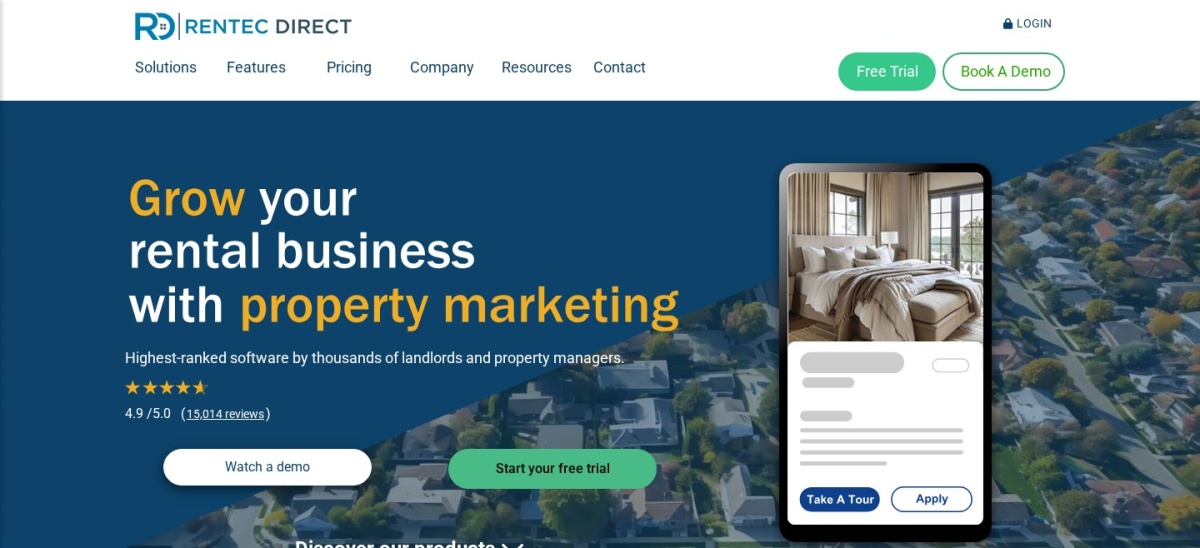
Rentec Direct is a cloud-based property management and payment platform for landlords and property managers, covering 1 to 2,500 units. It keeps trust accounting in its PM edition, which many small-landlord tools lack, and starts at $50 a month.
The trade off is price and the review base. At $50 a month it is dearer than RentRedi or TenantCloud, and the Capterra base is small at 179 reviews. It suits landlords who need real trust accounting at a small-landlord price.
We started from the established tools in this category, then kept those with a verifiable rating on G2, Capterra or Trustpilot and a published price or fee schedule.
Prices and fees come from each vendor pricing page or fee schedule, checked on 26 November 2026. Ratings and review counts come from G2, Capterra or Trustpilot on the same day. Where a vendor shows a sale, the list shows the regular price.
We left out tools with no verifiable rating and tools whose pricing is hidden behind a sales call with no published figure. No vendor paid for a place, and we do not claim hands-on testing for this list.
How to choose property management software
Start with your unit count, then compare the maths for your portfolio before you compare features.
Count your units honestly. Per-unit tools suit large portfolios, while flat-rate tools protect small landlords.
Check the minimums. AppFolio needs 50 units, DoorLoop has a $199 floor and Yardi Breeze a $100 floor.
Test the accounting first. Run a month of rent, expenses and owner statements before you commit to a platform.
Start free if you are small. Innago and TurboTenant both offer a free core, so a small landlord can start at $0.
FAQ
What is the best property management software?
Buildium is the best pick for most managers, with full accounting, leasing, maintenance and owner portals from $65 a month. Innago is the best free option for independent landlords.
Is there free property management software?
Yes. Innago is free with no subscription or setup fees, and TurboTenant and TenantCloud both offer a free core for small landlords at no monthly cost.
How much does property management software cost?
Prices here run from free for Innago to $1 per unit a month for Yardi Breeze, $12 a month flat for RentRedi, and $65 a month for Buildium Essential.
What is the cheapest property management software for a small landlord?
Innago is free, RentRedi costs $12 a month billed annually for unlimited units, and TurboTenant has a free core with Pro at $9.92 a month.
Which property management software is best for large portfolios?
AppFolio is the best pick for portfolios of 50 or more units, at $1.49 per unit a month for Core with real accounting and an AI assistant.
Do I need per-unit or flat-rate pricing?
Flat-rate pricing suits small landlords because the bill does not grow with units. Per-unit pricing suits large portfolios where the cost per door falls as the portfolio grows.
SaaS SEO and WordPress specialist with about 8 years of experience. Rakib compares WordPress plugins, themes, hosting and software using public pricing, documentation and user reviews. See how we rank.