Monday is the best project management tool for event planning because its visual boards make run-of-show timelines easy to read at a glance. Pick Asana for clear task ownership across vendors and ClickUp for the most features per dollar.
How we make this list: we compare pricing pages, product documentation and public user reviews, then re-check every price before each update. No product paid for a place. Disclosure.
Monday at $9 a seat a month is the most visual pick, with colour-coded boards that show the whole event at a glance.
Asana at $10.99 a user a month is the easiest for teams and vendors to adopt, with one assignee per task.
ClickUp at $9 a user a month packs the most features per dollar, including Gantt charts and native time tracking.
Smartsheet at $9 a member a month suits planners who already think in spreadsheets and want grid-based tracking.
Trello at $5 a user a month is the cheapest paid plan here and the simplest board for small events.
What event planners need from project software
Event planning is project management with a hard deadline that cannot move. The tool has to hold the run sheet, the vendor list, the budget and the guest list in one place, and show what is late before the day arrives.
Visual timelines matter most. A board that shows setup, rehearsal and showtime at a glance beats a long task list when the venue manager asks what happens next. See our project management software guide for the wider market.
Vendor coordination is the second test. The tool should give caterers, AV crews and venues a clear task with one owner, a due date and the files attached, without a separate email thread.
Budgets decide the shortlist. Paid plans here run from $5 to $20 a user a month, but seat minimums change the real bill: Monday needs three seats, and Wrike sells in blocks of five.
The 9 best project management tools for event planning
01
monday.com
4.7/5on G2 (17,182 reviews, checked Nov 2026)
Paid from$9/user/mo
Best for visual event boards
Free planUp to 2 seats
Basic$9 a seat a month
ViewsBoard, timeline, Gantt
Seat minimum3 seats on paid plans
monday.com
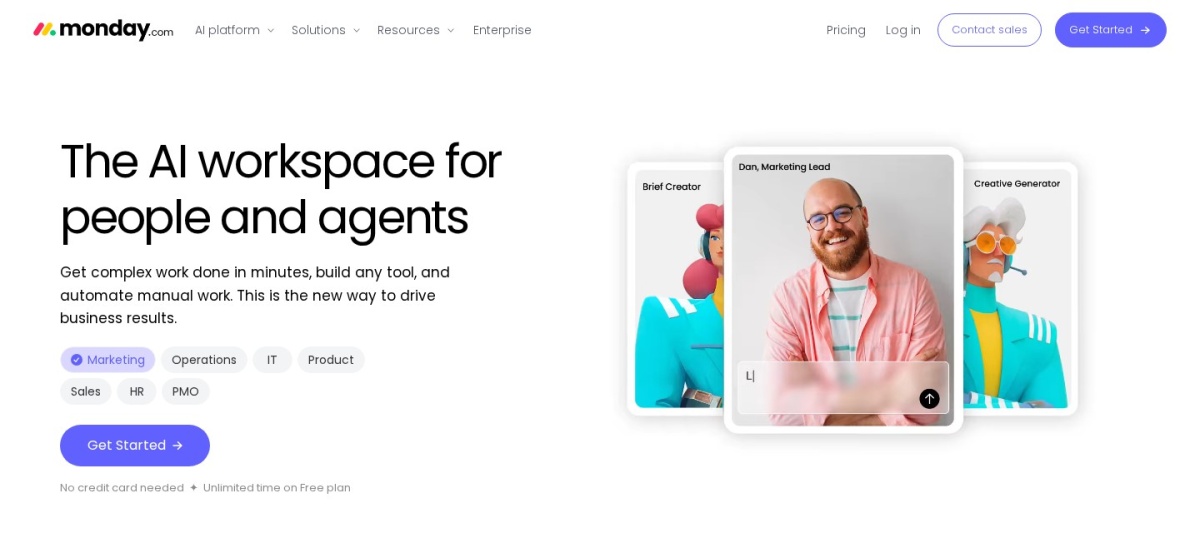
monday.com homepage, captured Nov 2026.
monday.com is the most visual of the big project tools, with colour-coded statuses, drag-and-drop boards and timeline views from one dataset. Basic costs $9 a seat a month billed annually, with Standard at $12 and Pro at $19 adding timelines and more automation.
The trade off is the seat rule. Paid plans start at three seats, so a two-person planning team pays for a third seat, and the free plan covers only two users. It suits event teams that think in boards and want the run sheet visible at a glance.
Asana is the tool teams actually open: the interface needs no training, one assignee per task makes ownership unambiguous, and timelines, forms and automation rules cover most event workflows without configuration.
The trade off is price. Starter costs $10.99 a user a month billed annually, or $13.49 billed monthly, and Advanced at $24.99 adds portfolios, goals and workload. It suits event teams that coordinate many vendors and need clear ownership.
What we like
Easiest interface for teams and vendors to adopt
One assignee per task keeps ownership clear
Timelines, forms and automation included
Watch out for
Portfolios and workload need the $24.99 plan
Free plan stops at two users
Starter adds timelines and dashboards at $10.99 a user a monthVisit asana.com
03
ClickUp
4.6/5on G2 (14,878 reviews, checked Nov 2026)
Paid from$9/user/mo
Best value for event teams
Free planFree Forever, unlimited members
Core$9 a user a month
Views15+ views including Gantt
Time trackingNative, included
clickup.com
ClickUp homepage, captured Nov 2026.
ClickUp is an all-in-one workspace that packs tasks, docs, whiteboards, goals, Gantt charts and native time tracking into one place. Core costs $9 a user a month billed annually, and Business at $17 adds dashboards, workload and more automations.
The trade off is setup time. The depth that makes it good value also takes longer to learn than simpler rivals, and some teams never use half the features. It suits event teams that want one workspace to replace several subscriptions.
What we like
Most features per dollar in this list
Free plan covers unlimited members
Gantt charts and time tracking included
Watch out for
Takes longer to set up than simpler tools
Depth can overwhelm small teams
Business adds dashboards and workload at $17 a user a monthVisit clickup.com
04
Smartsheet
4.4/5on G2 (22,707 reviews, checked Nov 2026)
Starts at$9/user/mo
Best for spreadsheet-style planning
Free planNo, 30-day trial
Pro$9 a member a month
ViewsGrid, Gantt, card, calendar
Pro limitUp to 10 members
smartsheet.com
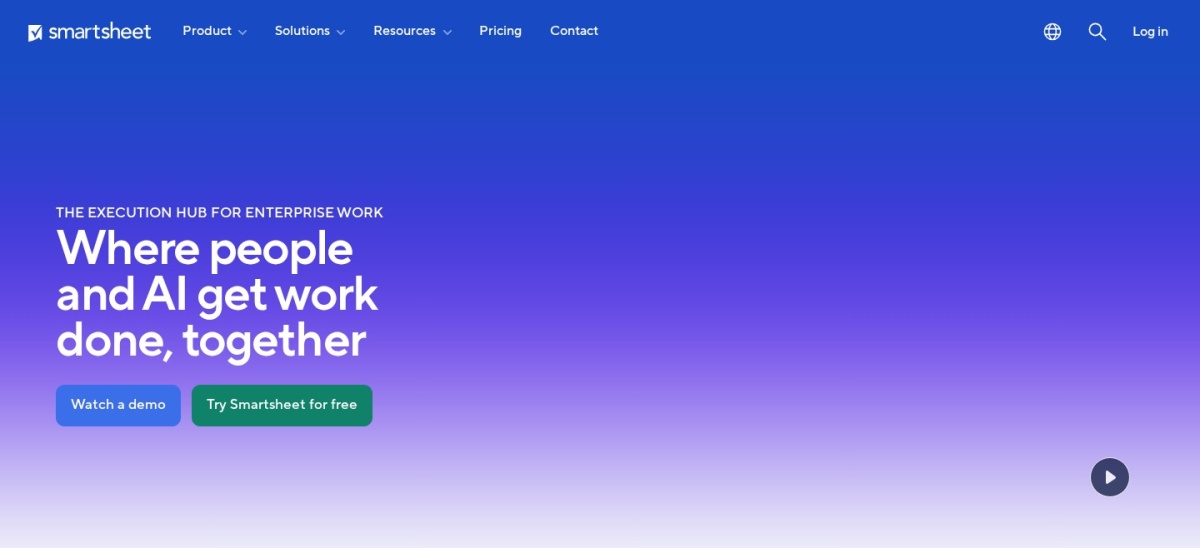
Smartsheet homepage, captured Nov 2026.
Smartsheet is a spreadsheet-style project tool that acts like a planner for teams who already run events in rows and columns. Pro costs $9 a member a month billed annually and covers up to ten members, with unlimited sheets and automation.
The trade off is the lack of a free plan. There is only a 30-day trial, and Pro stops at ten members, so larger teams move to Business at $19. It suits operations teams that plan in spreadsheets and want a gentle step up.
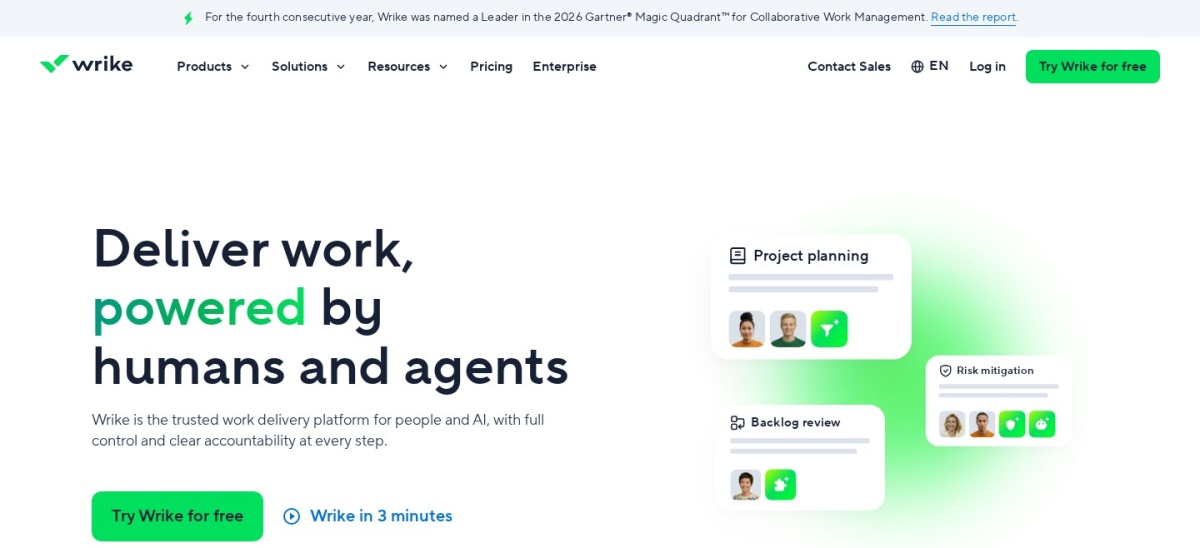
Wrike is a structured project tool that gives event programs table, board, Gantt and calendar views, plus dashboards a manager can share with the wider team. Team costs $10 a user a month on annual billing and covers 2 to 15 users, with custom fields, workflows and automation actions.
The trade off is the seat bands. Wrike sells in blocks of five, so six people pay for ten seats, and there is no monthly-billed price for Team. It suits mid-size teams running structured events with approvals and reporting.
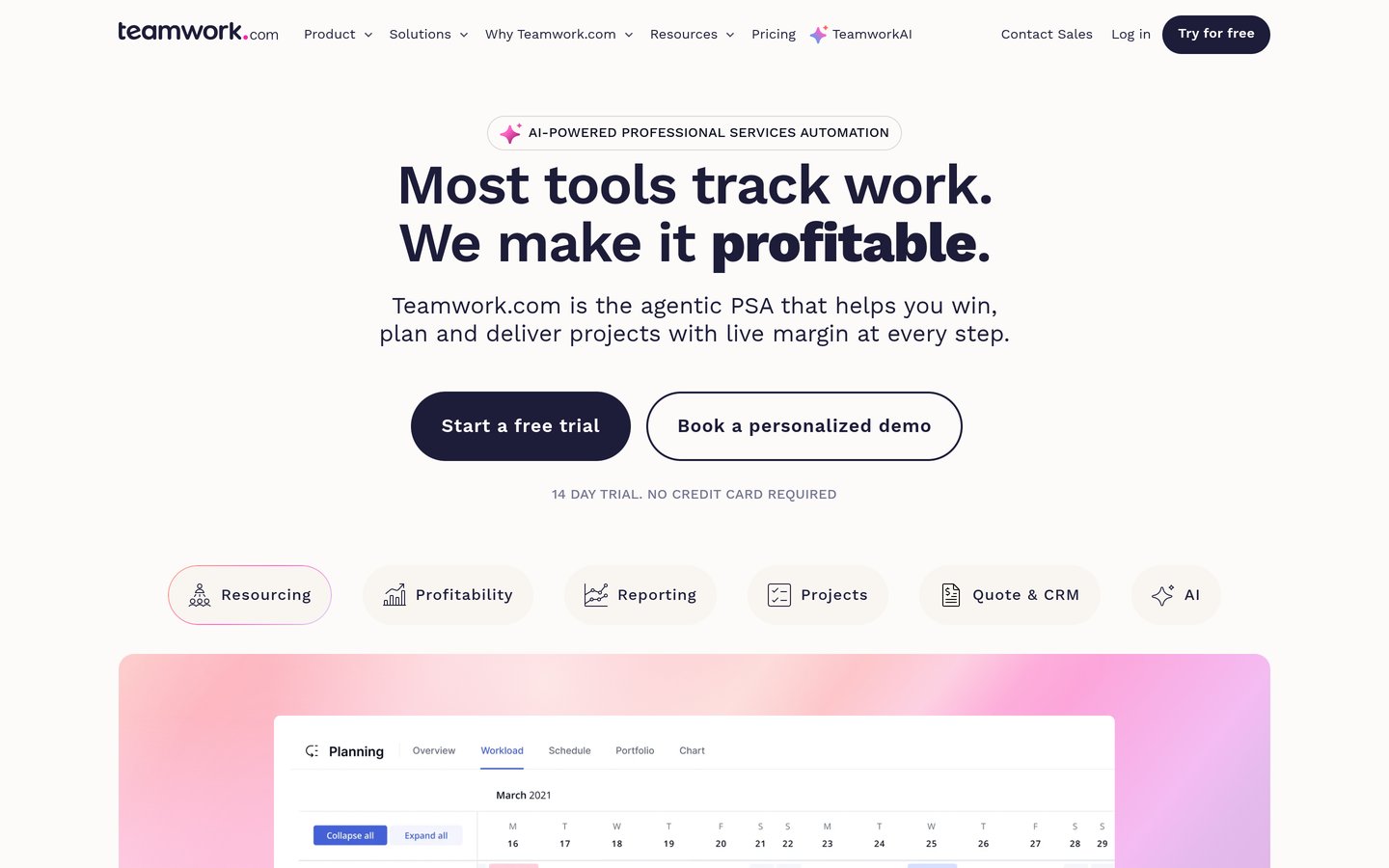
Teamwork is built for client-service teams, with time tracking, invoicing and client portals beside tasks and Gantt charts. Deliver costs $10.99 a user a month billed annually, or $13.99 billed monthly, and Grow at $19.99 adds more capacity and reporting.
The trade off is price history. Older roundups still list a retired $9.99 figure, so confirm the current price on the vendor page. It suits agencies and event firms that bill clients by the hour and track profitability per event.
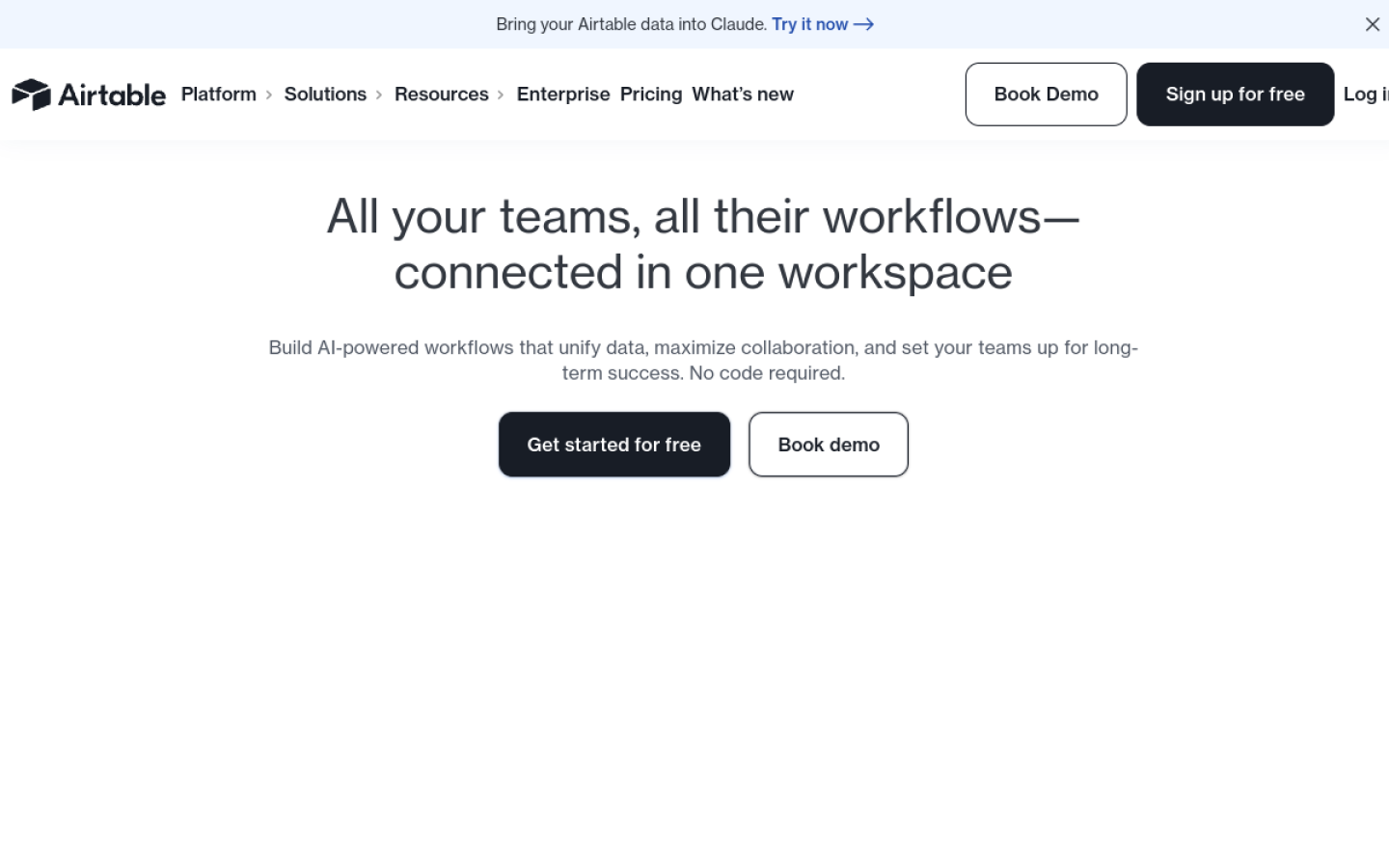
Airtable is a flexible database that tracks projects, guest lists, vendor records and inventory the way your event needs. Team costs $20 a user a month billed annually, with linked records, rollups, formulas and Gantt charts with dependencies on every paid plan.
The trade off is price. At $20 a user a month it is the most expensive entry plan here, and building the right base takes setup time. It suits teams whose event is really a custom record system rather than a simple task list.
Notion is a workspace that combines docs, wikis and tasks in one place, so the run sheet, vendor notes and task board live together. Plus costs $10 a member a month billed annually and adds unlimited file uploads, longer page history and more automation.
The trade off is structure. Notion is flexible enough to become messy, and its project views are lighter than dedicated tools. It suits small event teams that want docs and tasks together without a second subscription.
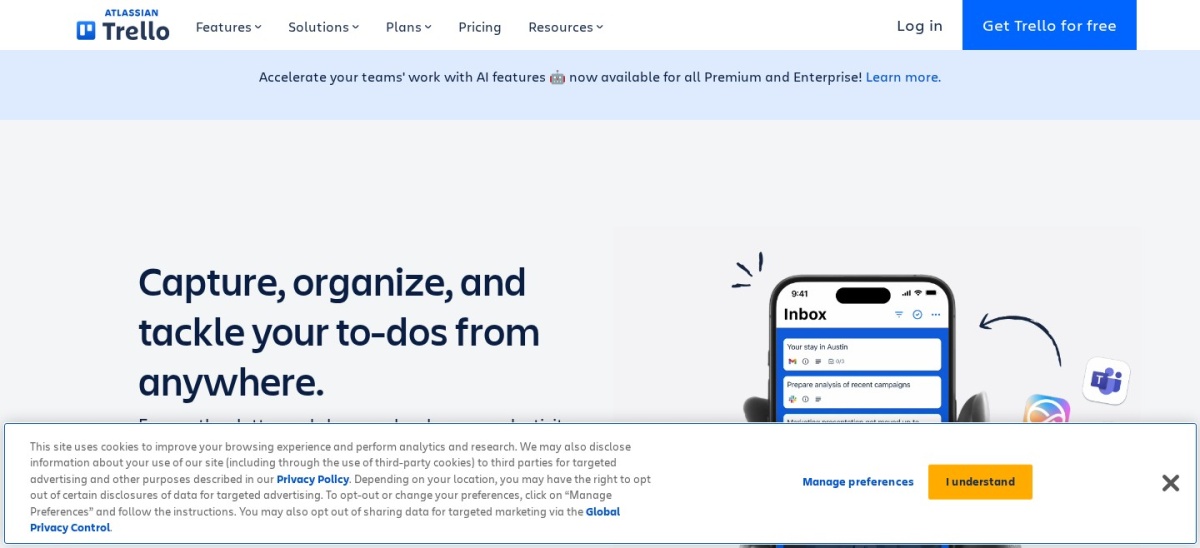
Trello is the simplest board in this list: cards move across lists, checklists hold the details, and everyone sees the state of the event at a glance. Standard costs $5 a user a month billed annually and adds unlimited Power-Ups, custom fields and advanced checklists.
The trade off is depth. There is no native time tracking or workload view, and large events outgrow boards quickly. It suits small events and volunteer teams that need a shared board in minutes, not a setup project.
What we like
Cheapest paid plan in this list at $5
Simplest board to learn and share
Free plan covers ten collaborators
Watch out for
No native time tracking or workload
Large events outgrow boards quickly
Premium adds timeline and dashboards at $10 a user a monthVisit trello.com
How we chose
We started from the established tools in this category, then kept those with a verifiable rating on G2, Capterra or Trustpilot and a published price or fee schedule.
Prices and fees come from each vendor pricing page or fee schedule, checked on 26 November 2026. Ratings and review counts come from G2, Capterra or Trustpilot on the same day. Where a vendor shows a sale, the list shows the regular price.
We left out tools with no verifiable rating and tools whose pricing is hidden behind a sales call with no published figure. No vendor paid for a place, and we do not claim hands-on testing for this list.
How to choose project management software for event planning
Start with the size of the event, then match the tool to the work your team does most.
Map the event timeline first. List setup, rehearsal, showtime and teardown, then check the tool shows them on one timeline.
Count the vendors and volunteers. A tool with a free plan or cheap seats keeps caterers and crew in the loop without a big bill.
Check the seat rules. Monday needs three seats and Wrike sells in blocks of five, so price your real team before comparing.
Test the board with one real event. Run a small event end to end before the big one, and keep the run sheet in the same tool.
FAQ
What is the best project management software for event planning?
Monday is the best pick for most event teams. Its visual boards and timeline views make the run sheet easy to read, and it is rated 4.7 out of 5 on G2 from more than 17,000 reviews.
Is there a free project management tool for event planning?
Yes. Trello, ClickUp, Asana, Wrike, Teamwork, Airtable and Notion all have free plans. Trello is the simplest free board, while ClickUp gives the most free features.
How much does event planning software cost?
Paid plans here run from $5 a user a month for Trello to $20 for Airtable. Most teams pay $9 to $11 a user a month, but seat minimums change the real bill.
Which tool is best for coordinating vendors?
Asana is the easiest for vendor coordination, because one assignee per task makes ownership clear. Teamwork adds client portals and billing for agencies that charge clients.
Can I plan an event in a spreadsheet tool?
Yes. Smartsheet suits planners who already think in rows and columns, and Airtable suits teams that need guest lists and vendor records as a real database.
What is the cheapest good option for a small event?
Trello Standard at $5 a user a month is the cheapest paid plan here. Its free plan already covers ten collaborators, which is enough for many small events.
SaaS SEO and WordPress specialist with about 8 years of experience. Rakib compares WordPress plugins, themes, hosting and software using public pricing, documentation and user reviews. See how we rank.