The Trade Desk is the best programmatic platform for large advertisers, with the deepest open-internet reach. StackAdapt is the best self-serve pick for mid-market teams, while DV360 is the only way to buy YouTube programmatically.
How we make this list: we compare pricing pages, product documentation and public user reviews, then re-check every price before each update. No product paid for a place. Disclosure.
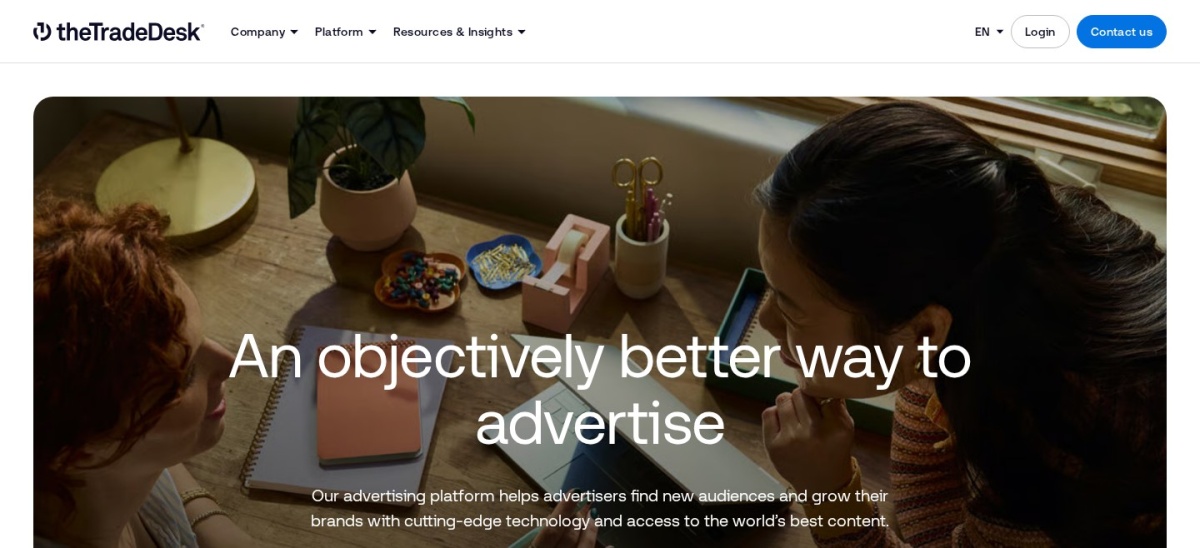
The Trade Desk leads on reach, buying display, video, connected TV, audio and out-of-home from one platform.
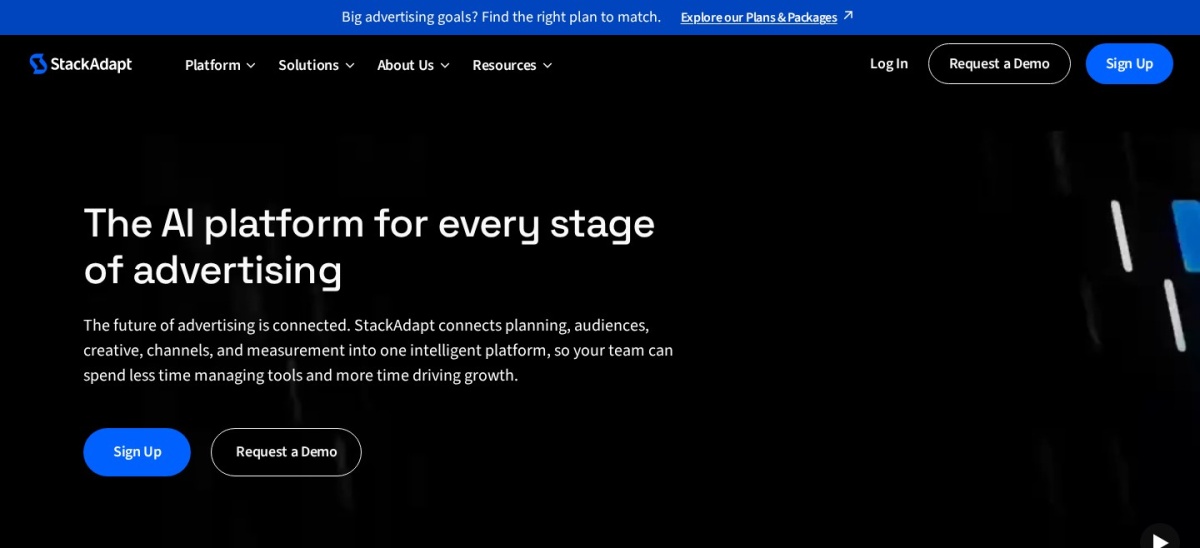
StackAdapt is the highest-rated DSP here at 4.7 from 905 G2 reviews, with no minimum spend.
DV360 is the only way to buy YouTube programmatically, including YouTube Select.
Most DSPs charge a percentage of media spend, not a subscription, so budget decides the platform.
Choozle is the only platform here with a published dollar price, from $99 a month.
How programmatic platforms charge
Programmatic platforms, also called demand-side platforms, buy ad impressions in real-time auctions. A team plans one campaign and the platform bids across display, video, connected TV, audio and digital out-of-home.
Most DSPs charge a percentage of media spend, not a subscription. The Trade Desk reports fees around 12 to 15 percent of spend, and data, verification and agency fees stack on top, so the headline rate is never the whole cost.
Access is the real dividing line. Enterprise DSPs need five-figure monthly budgets or an agency seat, while StackAdapt and Choozle let mid-market teams start small. Our guide on omnichannel advertising tools covers the same platforms from the channel angle.
Inventory decides the pick. DV360 owns YouTube, Amazon DSP owns Amazon purchase signals, and The Trade Desk owns the open internet.
The Trade Desk is the independent demand-side platform other DSPs are measured against, buying display, video, connected TV, audio and digital out-of-home across the open internet from one campaign. Its Kokai AI optimisation and UID2 identity framework help advertisers reach audiences without third-party cookies.
The trade off is access. Pricing is quote-based at a reported 12 to 15 percent of media spend, with minimum spends and a sales-led contract. It suits agencies and brands buying open-internet programmatic at scale.
StackAdapt is the self-serve advertising platform most mid-market teams actually start with. It buys native, display, video, connected TV, audio and digital out-of-home from one interface, with no published minimum spend and a $0 platform fee.
The trade off is that media still costs money, and most teams hit their stride around $5,000 a month in spend. It suits mid-market teams and agencies that want self-serve programmatic without a contract.
4.1/5on G2 (Not published reviews, checked Nov 2026)
PricingCustom/yr
Best for YouTube and Google reach
Free planNo
PricingQuote, percentage of spend
ChannelsYouTube, display, video, audio
EcosystemGoogle Marketing Platform
marketingplatform.google.com
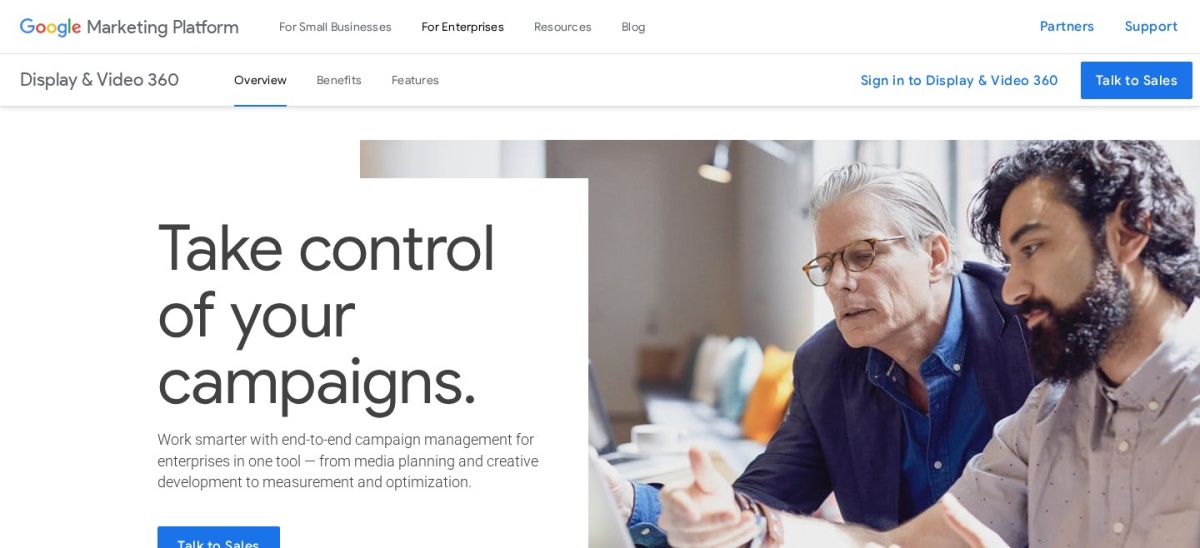
Google Display & Video 360 homepage, captured Nov 2026.
Google Display & Video 360 is Google's enterprise DSP, and its decisive advantage is inventory no other DSP can sell: YouTube, bought programmatically, next to dozens of open-web exchanges. It pairs that with Google audience data and measurement in one seat.
The trade off is contractual. Google publishes no DV360 price, and the platform fee is a percentage of media spend set in your contract. It suits large teams already inside Google Marketing Platform that want YouTube and open-web buying together.
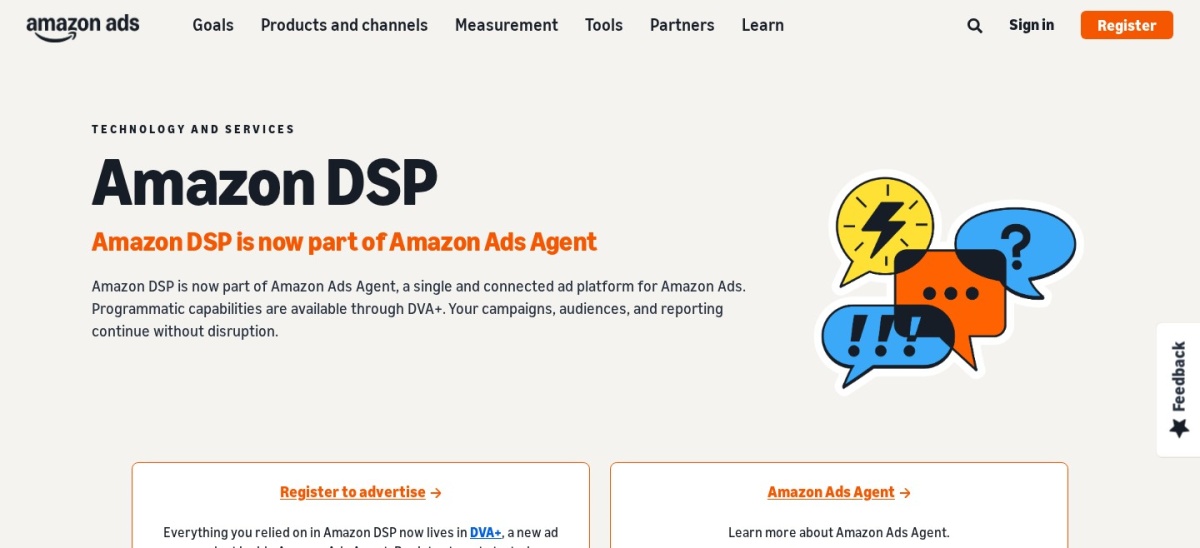
Amazon DSP is an ad platform, now part of Amazon Ads Agent, that lets brands target shoppers with Amazon purchase signals. Self-service lists no Amazon-imposed minimum spend, while managed service typically requires larger budgets, and programmatic buying now runs through advanced settings in the platform.
The trade off is access and change. Most teams enter through an agency seat, and the product is mid-rebrand, so buyers should check the current product name before signing. It suits Amazon sellers and ecommerce brands.
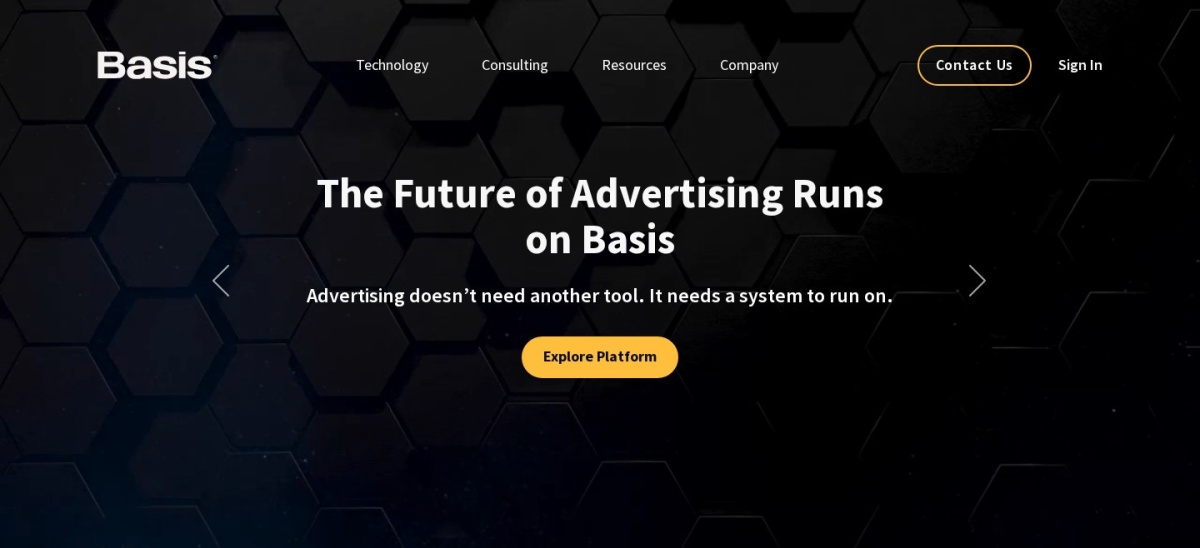
Basis Technologies is the omnichannel platform for agencies, pairing programmatic, search, social and direct buying with workflow automation. Trafficking, approvals and automated billing reconciliation live in the same system, which is the differentiator for teams drowning in manual media operations.
The trade off is price. Basis publishes no prices, so every deal is quoted, and it suits agencies rather than in-house teams. It suits agencies that want planning, buying, billing and reporting in one system.
Simpli.fi is an omnichannel programmatic platform built for agencies and local media companies managing many small client accounts at once. Its hyperlocal and geo-fencing targeting suits multi-location brands, with granular bidding and client reporting in one system.
The trade off is price transparency. Simpli.fi publishes no prices, so buyers must ask for a quote. It suits agencies running local campaigns for many clients.
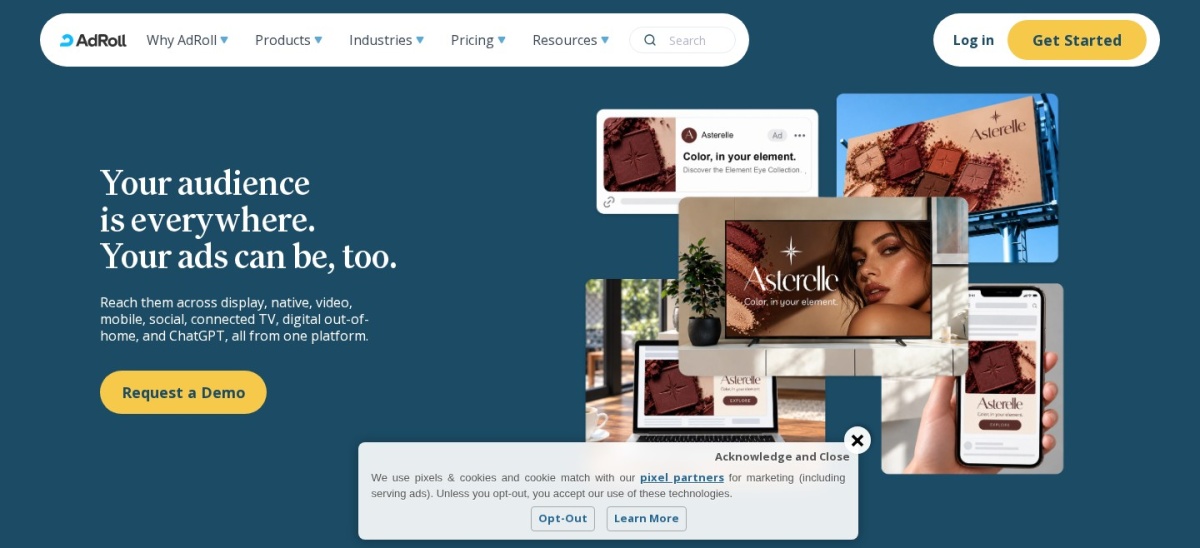
AdRoll is an ecommerce growth platform that makes display, social and email advertising work together, with retargeting as its core strength. The platform itself is free to use, so small ecommerce brands pay only for the media they buy.
The trade off is depth. AdRoll is a retargeting specialist, not a full enterprise DSP, and its G2 score of 4.1 trails the leaders. It suits ecommerce brands that want retargeting without a platform fee.
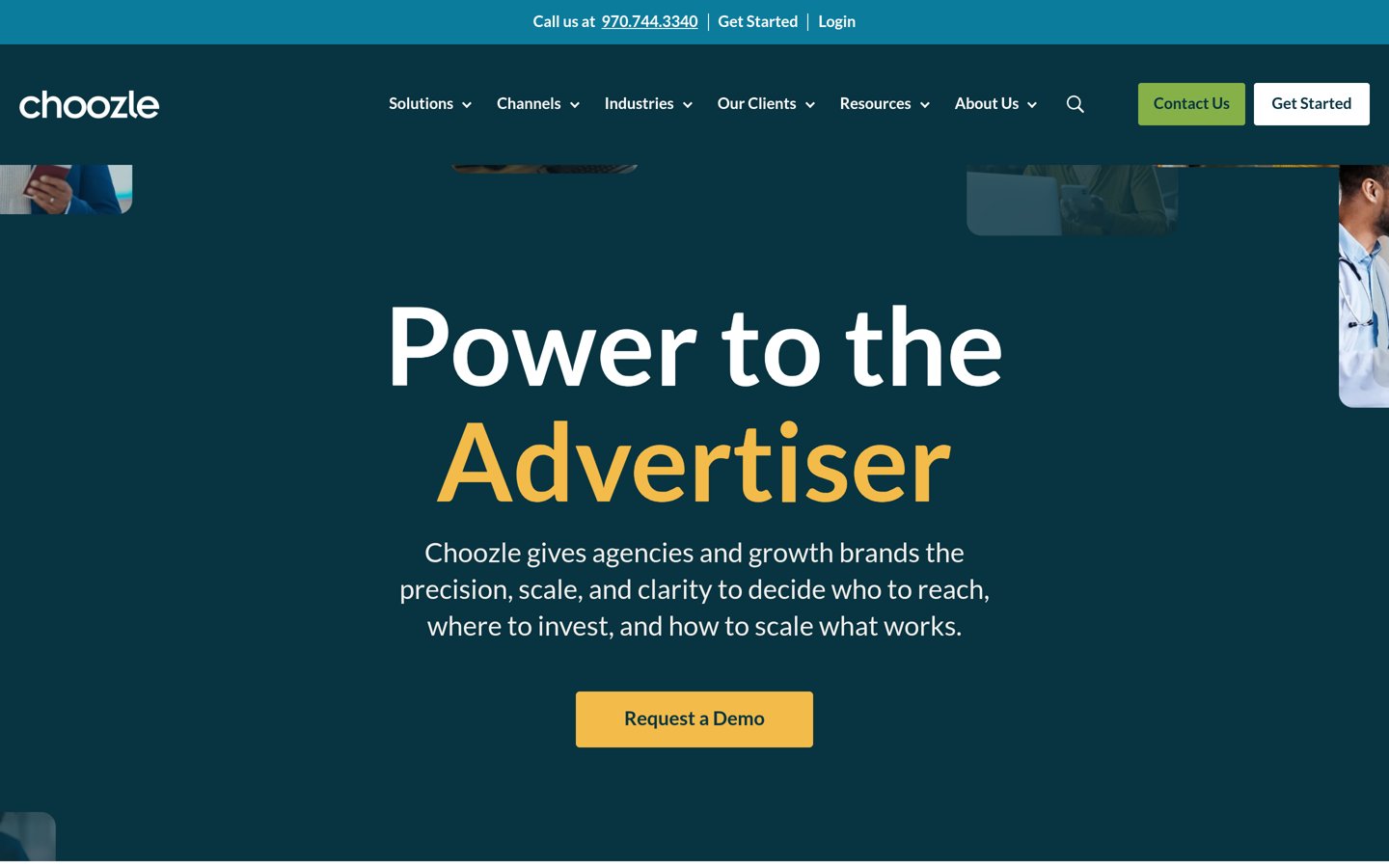
Choozle is a digital advertising platform for small agencies and in-house teams starting programmatic on a modest budget. It covers display, video, mobile and social from one interface, with published pricing from $99 a month and responsive support.
The trade off is scale. Choozle suits smaller budgets, and large advertisers will outgrow it toward The Trade Desk or StackAdapt. It suits small agencies that want a published price and an easy start.
Viant is a people-based advertising platform that connects brands to consumers at the household level without third-party cookies. Its Adelphic DSP powers programmatic campaigns across connected TV, linear TV, mobile, desktop, audio and gaming.
The trade off is access. Viant publishes no prices, so every deal is quoted, and it suits larger advertisers. It suits brands that want people-based targeting across connected TV and open-web channels.
We started from the best-known demand-side platforms, then kept those with a verifiable G2 rating and a published or quoted price.
Prices come from each vendor's site, checked on 26 November 2026. Most DSPs charge a percentage of media spend, so the list says where no dollar price exists. Ratings and review counts come from G2 on the same day.
We left out platforms with no verifiable G2 rating. No vendor paid for a place, and we do not claim hands-on testing for this list.
How to choose a programmatic platform
Start with your monthly media budget, then match inventory to your audience.
Set your monthly media budget first. Budgets under $5,000 a month point to StackAdapt or Choozle, not The Trade Desk.
Match inventory to your audience. YouTube needs DV360, Amazon shoppers need Amazon DSP, and open-web reach needs The Trade Desk.
Ask for the full fee breakdown. Get platform, data, verification and managed-service fees in writing before you sign.
Check the minimum spend in writing. Many DSPs quote minimums only in the contract, so confirm before you commit.
FAQ
What is the best programmatic advertising platform?
The Trade Desk is the best programmatic platform for large advertisers, with the deepest open-internet reach. StackAdapt is the best self-serve pick for mid-market teams at 4.7 out of 5 on G2, while DV360 is the only way to buy YouTube programmatically.
How much does programmatic advertising cost?
Most DSPs charge a percentage of media spend, with The Trade Desk reported at 12 to 15 percent, plus data and verification fees. Choozle is the only platform here with a published dollar price, from $99 a month, while StackAdapt charges no platform fee.
What is a DSP in advertising?
A demand-side platform buys ad impressions in real-time auctions on behalf of advertisers. A team plans one campaign and the DSP bids across display, video, connected TV, audio and other channels from one seat.
Is StackAdapt free?
StackAdapt charges no platform fee and publishes no minimum spend, so teams pay only for the media they buy. Most teams hit their stride around $5,000 a month in media spend, though smaller budgets can start.
Can small businesses use programmatic advertising?
Yes. StackAdapt and Choozle let small teams start with modest budgets, and AdRoll offers a free platform for ecommerce retargeting. Enterprise DSPs such as The Trade Desk and DV360 need larger budgets or an agency seat.
What is the difference between The Trade Desk and DV360?
The Trade Desk is an independent DSP that buys across the open internet and owns no media, so its auctions are neutral. DV360 is Google's DSP and owns the only programmatic route to YouTube, but it sells Google inventory too.
SaaS SEO and WordPress specialist with about 8 years of experience. Rakib compares WordPress plugins, themes, hosting and software using public pricing, documentation and user reviews. See how we rank.