Best Omnichannel Advertising Tools in 2026: 9 Tools Compared
WLWPLegible EditorsLast verified 23 Nov 2026How we rank12 min read
★ Short answer
The Trade Desk is the best omnichannel advertising tool for most teams, buying display, video, connected TV, audio and out-of-home from one platform at a reported 12 to 15 percent of media spend. StackAdapt is the best self-serve alternative with no minimum spend, and Quantcast is the audience-insight pick, rated 4.2 on G2.
How we make this list: we compare pricing pages, product documentation and public user reviews, then re-check every price before each update. No product paid for a place. Disclosure.
#2 Best self-serve
StackAdapt
A self-serve DSP with no minimum spend and top-rated support.
The Trade Desk leads on reach: every major channel from one platform, at 12 to 15 percent of media spend.
StackAdapt is the highest-rated DSP here at 4.7 from 898 G2 reviews, with no minimum spend.
Basis is the best agency pick, with planning, buying, billing and reporting in one system.
DV360 is the only way to buy YouTube programmatically, including YouTube Select.
Quantcast is the audience-insight pick, with real-time audience data and AI audience building, rated 4.2 on G2.
Most DSPs charge a percentage of media spend, not a subscription, so budget decides the platform.
What to look for in omnichannel advertising tools
Omnichannel advertising means running one campaign across many channels: display, video, connected TV, audio, social and digital out-of-home. The tools in this list are demand-side platforms and ad managers that buy those channels from one place, instead of logging into a separate tool for each one.
Budget decides the platform more than features do. Under $2,000 a month, AdRoll's free start is the realistic choice, while Quantcast offers audience insights with a free trial and no big minimum. Above $10,000 a month, The Trade Desk, DV360 and Viant open up with deeper inventory and data.
The walled gardens matter too: DV360 is the only way to buy YouTube programmatically, and Meta Ads Manager is the only way to reach Facebook and Instagram at scale. For display and video buying, see our Best Display Advertising Software list.
This list is based on pricing, docs and reviews, not on using the tools ourselves. Every rating comes from G2 pages opened on 23 November 2026, and every price is the regular list price or published fee checked in November 2026. For connected TV specifically, our Best CTV Advertising Platforms comparison covers that channel in depth.
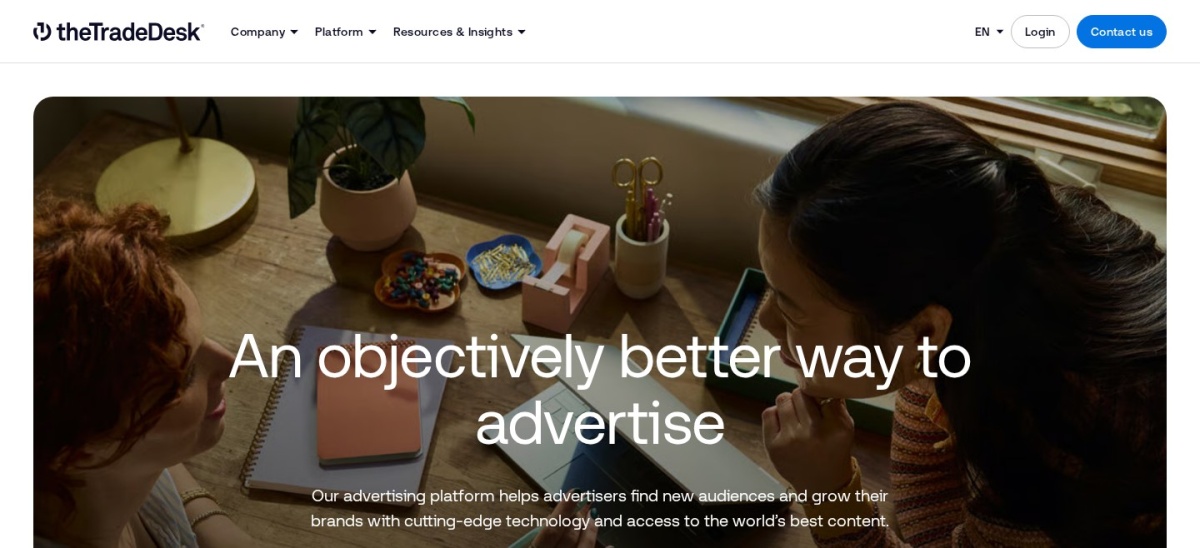
The Trade Desk is the independent demand-side platform other DSPs are measured against, buying display, video, connected TV, audio and digital out-of-home across the open internet from one campaign. Its Kokai AI optimization and UID2 identity framework help advertisers reach audiences without third-party cookies.
The trade off is access: pricing is quote-based at a reported 12 to 15 percent of media spend, with minimum spends and a sales-led contract. Small teams will find StackAdapt far easier to start with.
What we like
Buys every major channel from one place
UID2 identity works without third-party cookies
Kokai AI optimization built in
Transparent reporting and full-funnel attribution
Watch out for
Quote-based pricing with minimum spends
Steep learning curve for new users
Expensive for smaller advertisers
Custom quote; platform fees run about 12 to 15 percent of media spend.Visit thetradedesk.com
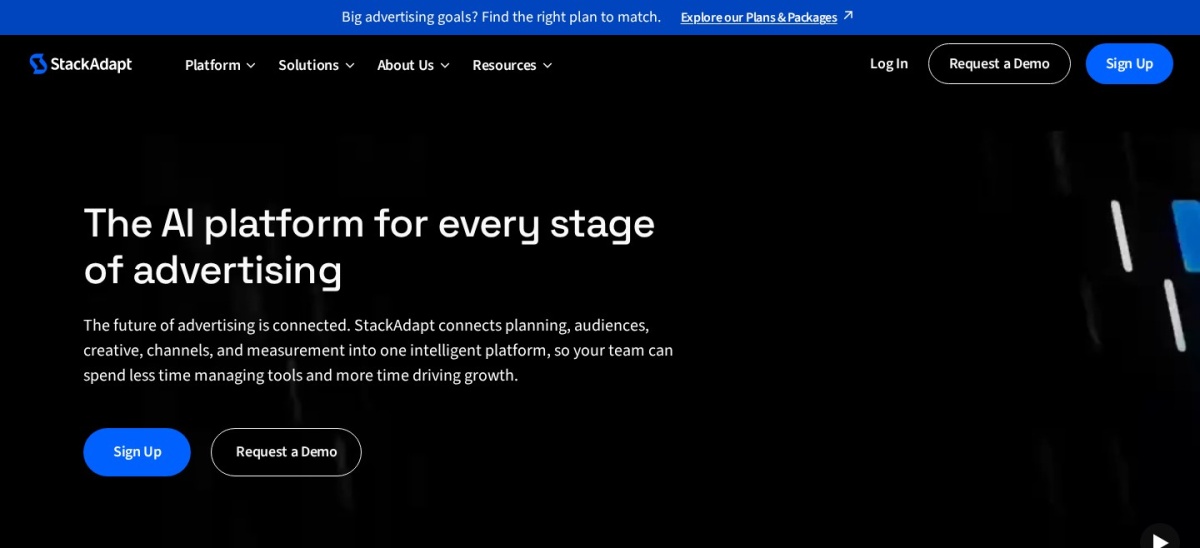
StackAdapt is the self-serve advertising platform most mid-market teams actually start with: it buys native, display, video, connected TV, audio and digital out-of-home from one interface, with no published minimum spend and a $0 platform fee. Reviewers rate its ease of use and support higher than any other DSP here.
The trade off is scale: it does not match The Trade Desk for enterprise inventory depth or advanced bid controls. Teams spending over $10,000 a month may outgrow it, but for most buyers it is the easiest way into omnichannel advertising.
What we like
No minimum spend and $0 platform fee
Highest-rated support of any DSP here
Easy setup, live in under a month
Strong contextual targeting without cookies
Watch out for
Less enterprise inventory depth than The Trade Desk
Fewer advanced bid controls
Budget management can be tricky at scale
$0 platform fee; you pay for media only, with typical starting budgets around $5,000 a month.Visit stackadapt.com
03
Basis
4.5/5on G2 (287 reviews, checked Nov 2026)
PricingCustom/mo
Best omnichannel platform for agencies
ChannelsProgrammatic, search, social, CTV, audio
WorkflowPlanning, buying, billing and reporting
AIWorkflow automation and optimization
SupportRated 9.5 out of 10 on G2
basis.net
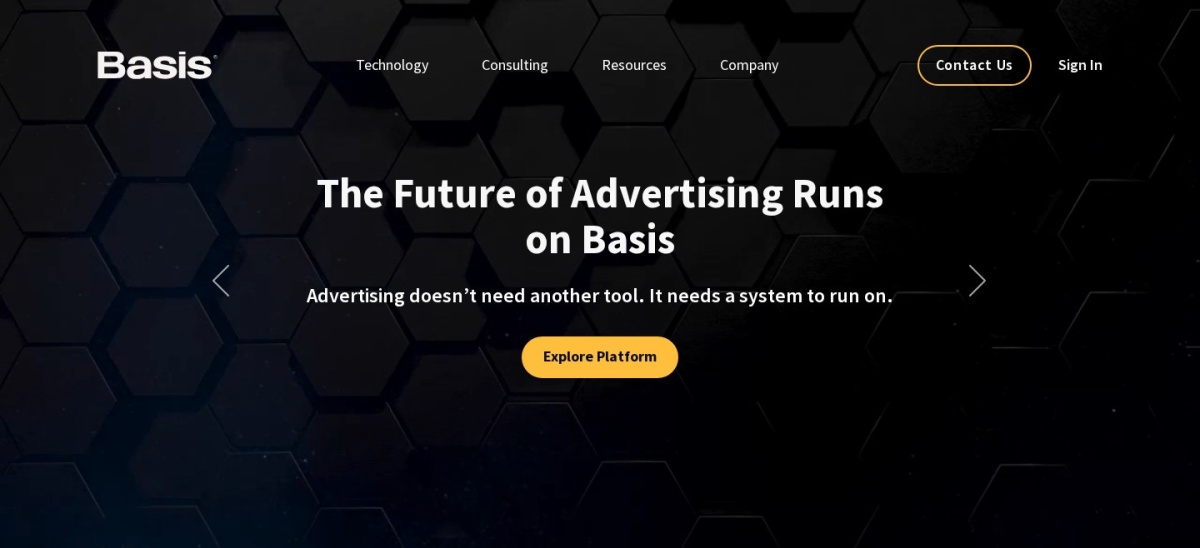
Basis homepage, captured Nov 2026.
Basis is the omnichannel platform built for agencies, consolidating media planning, buying, billing and reporting into one system of record. It covers programmatic, search, social, connected TV and audio, and reviewers praise its support and affordable campaign minimums.
The trade off is complexity: the interface can feel dense, and reporting and navigation take time to learn. It suits agencies running many campaigns for many clients, not a single in-house team with one budget.
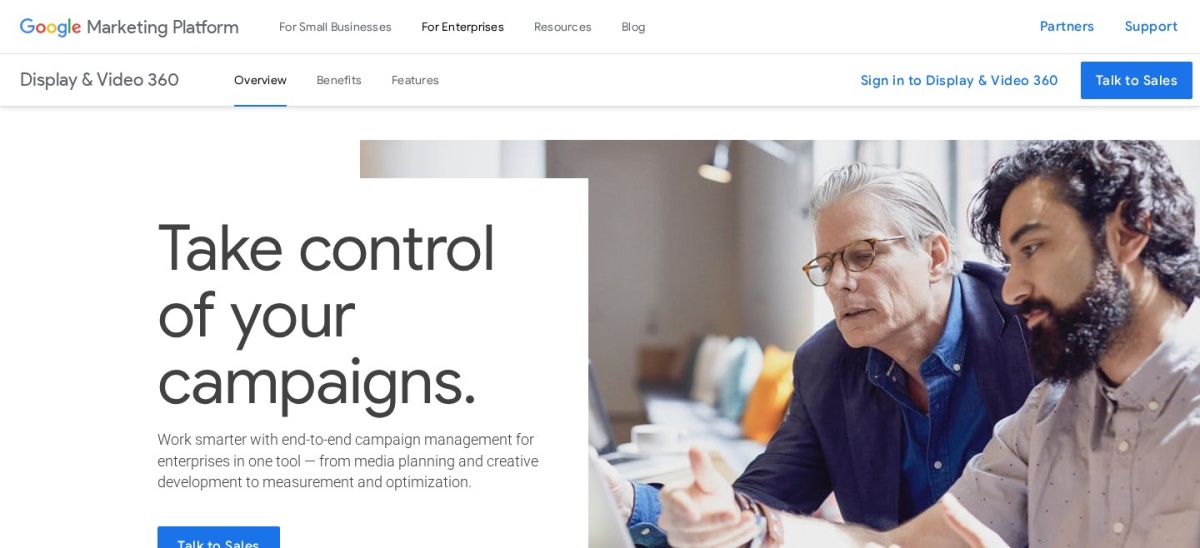
Google Display & Video 360 homepage, captured Nov 2026.
Google Display & Video 360 is Google's enterprise buying platform, and it earns its place on one fact alone: it is the only platform that buys YouTube programmatically, including premium YouTube Select inventory. It sits inside Google Marketing Platform alongside Campaign Manager and Analytics.
The trade off is the walled garden: it works best inside Google's world, and enterprise pricing and contracts put it out of reach for smaller teams. If YouTube is not central to your plan, an independent DSP buys the open web for less.
What we like
Only programmatic access to YouTube
Deep Google audience data
Tight Analytics and Campaign Manager links
Enterprise-grade measurement
Watch out for
Quote-based enterprise pricing
Works best inside Google's ecosystem
Slow support, per reviewers
Custom quote; rated 4.1 on G2 as Google Marketing Platform.Visit google.com
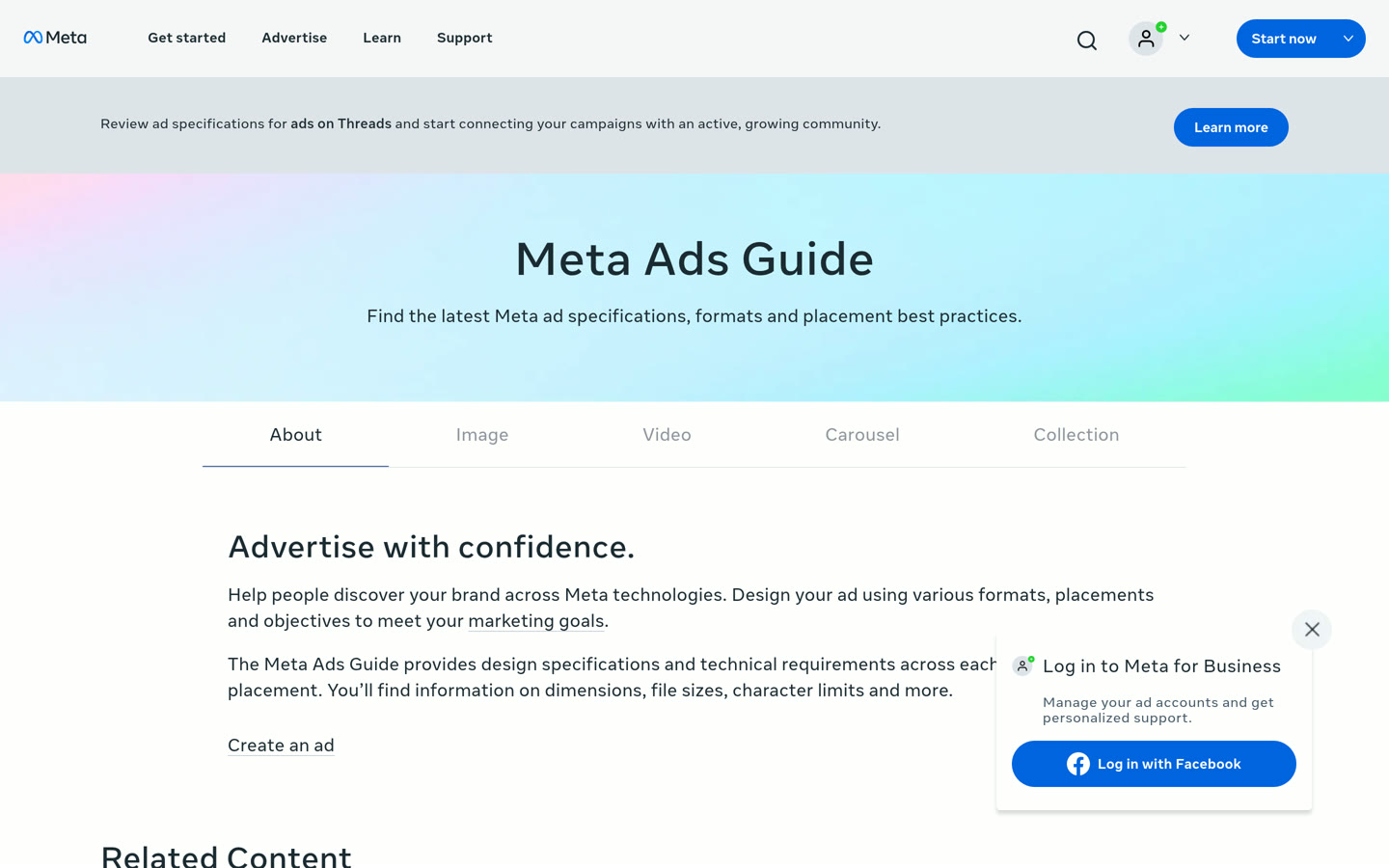
Meta Ads Manager is the way to buy ads across Facebook, Instagram, Messenger and Audience Network from one place, with no minimum spend and targeting built on Meta's interest and behavior data. It is free to use; you pay only for the ads you run.
The trade off is control: accounts can be restricted without clear explanation, and support is hard to reach when problems arise. It also reaches only Meta's own inventory, so it works best paired with an open-web DSP.
What we like
No minimum spend
Largest social audience in the world
Strong interest and custom-audience targeting
Free to use, pay only for ads
Watch out for
Meta-only inventory
Accounts can be restricted without warning
Support is hard to reach
Free to use; you pay only for the ads you run. Rated on G2 as Facebook for Business.Visit facebook.com
06
AdRoll
4.1/5on G2 (787 reviews, checked Nov 2026)
PriceFree
Best omnichannel tool for ecommerce retargeting
ChannelsDisplay, social, email, web
FocusRetargeting and prospecting
Minimum spendNone
IntegrationsShopify, Google Ads, Funnel
adroll.com
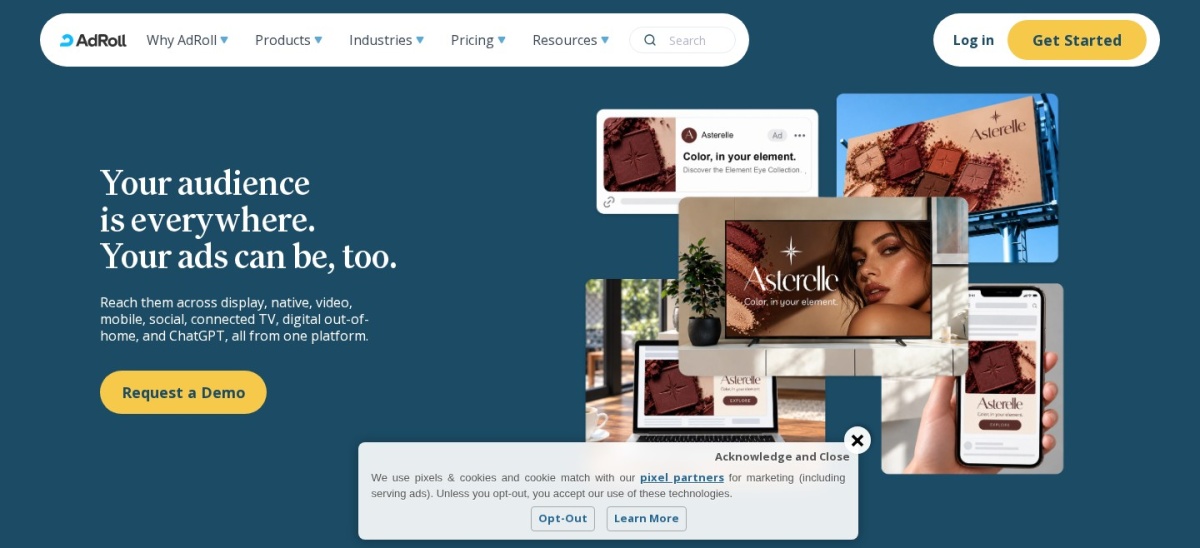
AdRoll homepage, captured Nov 2026.
AdRoll is the simplest on-ramp to omnichannel advertising for an ecommerce brand: it retargets store visitors across display and social, adds AI prospecting to find new shoppers, and starts free with no fixed minimum or contract.
The trade off is depth: it is a retargeting platform with programmatic buying underneath, not a full DSP for finding new customers at scale. Reviewers also note limited reporting and pricing tiers that could flex more.
What we like
Free to start, no minimum spend
Built for ecommerce retargeting
Easy setup for small teams
Shopify and Google Ads integrations
Watch out for
Not a full DSP for prospecting at scale
Reporting can feel limited
Pricing tiers could be more flexible
Free to start; you pay for ad spend only. G2 lists a $1 Basic plan, but the vendor offers a free start.Visit adroll.com
07
Simpli.fi
4.5/5on G2 (154 reviews, checked Nov 2026)
PricingCustom/mo
Best omnichannel tool for local advertisers
ChannelsCTV, native, mobile, display, social
TargetingLocation down to the street level
FitMulti-location brands and franchises
ReportingFoot-traffic and visit attribution
simpli.fi
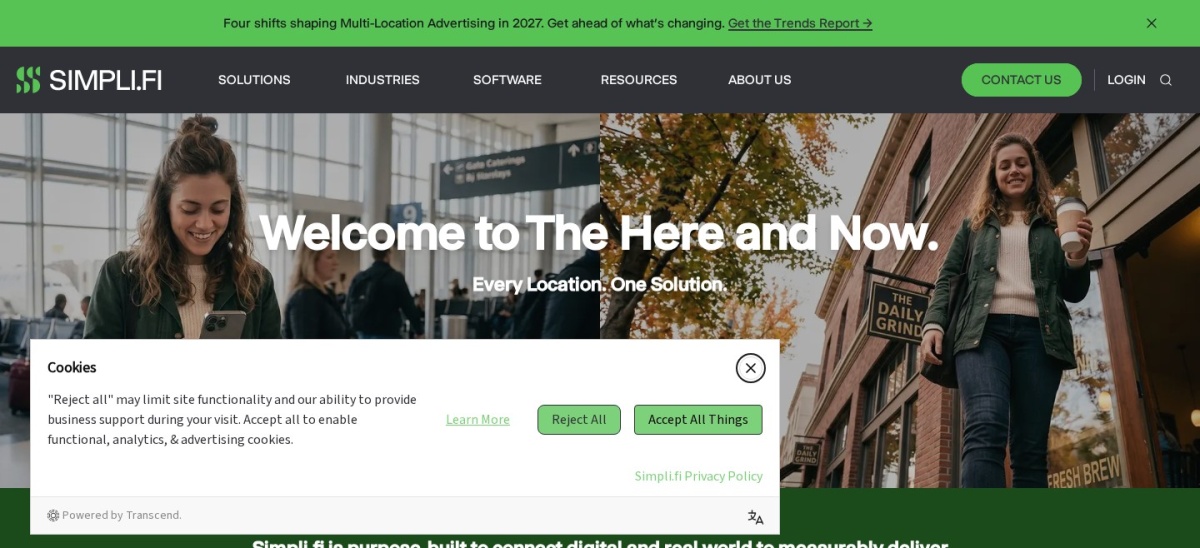
Simpli.fi homepage, captured Nov 2026.
Simpli.fi is the omnichannel platform for advertisers with many locations, combining CTV, native, mobile, display and social with location-based targeting down to the street level. Franchises and local brands use it to run one campaign across dozens of markets.
The trade off is polish: reviewers ask for clearer reporting and simpler workflows, and pricing is spend-based and quote-only. It is a specialist tool, not the first DSP a generalist team should pick.
Quantcast Platform is the audience-insight pick: it pairs a demand-side platform with real-time audience data, so buyers build audiences with AI, forecast reach and run display, video, connected TV and native from one place. Reviewers praise the easy-to-use interface and the insights lab most.
The trade off is opacity: reviewers say budget decisions can feel hard to follow, viewability targeting can limit delivery, and the platform has changed little in five years. It is the right pick for audience-led buying, and the wrong pick when every dollar of spend needs a clear explanation.
Viant is an omnichannel DSP known for household-level targeting and strong connected TV buying, letting advertisers reach whole households across streaming TV, display, video and audio. Reviewers rate it highly for customer support and easy setup.
The trade off is enterprise pricing: it is quote-based and aimed at mid-market and enterprise teams. Smaller buyers get a similar CTV reach from StackAdapt for far less.
Most platforms in this list do not charge a subscription. They take a percentage of the media spend that runs through them: The Trade Desk is reported at 12 to 15 percent, and other DSPs price in a similar range, with data, verification and agency fees on top.
That makes the real cost hard to compare from a price page. A $5,000 monthly budget on a 15 percent fee costs $750 in platform fees, while the same budget on StackAdapt's $0 platform fee costs nothing beyond the media itself.
Self-serve tools publish their entry prices: AdRoll free to start, and StackAdapt with no platform fee. Enterprise DSPs quote per contract, so ask for the fee percentage, the minimum spend and the contract length before you sign.
How we chose
We started from the DSPs and ad managers most often recommended for omnichannel buying in 2026, then kept the ones with a live product, a clear quote model and a review base on G2. Amazon DSP was left out: its G2 rating rests on 18 reviews. Criteo was left out too: it is rated 3.8 on G2. Choozle was swapped for Quantcast after its screenshot failed five times.
Prices come from vendor pricing pages and pricing checks dated November 2026, and ratings come from G2 pages opened on 23 November 2026. Most DSPs price as a percentage of media spend with no public list price, so the list shows Custom where no list price exists. Where sources disagreed, the list shows the current figure: StackAdapt charges a $0 platform fee.
AdRoll's price needs a note: its site offers a free start, while G2's vendor-provided listing shows a $1 a month Basic plan. This list is based on pricing, docs and reviews, not on using the tools ourselves.
How to choose an omnichannel advertising tool
Start with your monthly budget, then match the platform to the channels you need.
Set your monthly budget first. Under $2,000 a month, AdRoll is the realistic choice. From $5,000, StackAdapt opens up. Above $10,000, The Trade Desk, Basis and Viant become viable.
List the channels you must reach. If YouTube is central, you need DV360. For Facebook and Instagram, you need Meta Ads Manager. For the open web, any DSP here buys display, video, CTV and audio.
Ask for the fee percentage, not just the price. Most DSPs take 12 to 15 percent of media spend on top of the media itself. Ask for the fee, the minimum spend and the contract length before you compare two platforms.
Run a small campaign before you commit. Start with one channel and one audience on the free or low-cost plan, then compare cost per result against your current tool. A two-week test beats a sales demo.
FAQ
What is the best omnichannel advertising tool?
The Trade Desk is the best pick for most teams. It buys display, video, connected TV, audio and out-of-home from one platform and is rated 4.4 out of 5 on G2 from 184 reviews. StackAdapt is the best self-serve alternative at 4.7 from 898 reviews.
What is omnichannel advertising?
Omnichannel advertising runs one campaign across many channels, such as display, video, connected TV, audio, social and digital out-of-home, from a single platform. It keeps targeting, budget and measurement consistent instead of splitting them across a tool per channel.
How much does omnichannel advertising cost?
Most DSPs charge a percentage of media spend, reported at 12 to 15 percent for The Trade Desk, on top of the media itself. Self-serve entry points are cheaper: AdRoll starts free, and StackAdapt charges no platform fee.
Is there a free omnichannel advertising tool?
AdRoll starts free for ecommerce retargeting, and Meta Ads Manager is free to use, with no minimum spend. You still pay for the ads themselves. StackAdapt charges no platform fee, but you pay for media.
What is the difference between a DSP and an ad network?
A DSP buys ad space across many publishers and exchanges through real-time auctions, while an ad network sells inventory from its own set of sites. DSPs give you more control over targeting, bidding and measurement across channels.
Can small businesses use omnichannel advertising?
Yes. AdRoll's free start and StackAdapt's no-minimum model are built for small budgets, and Quantcast offers a free trial with no big minimum. The enterprise DSPs, such as The Trade Desk and DV360, need larger budgets and sales-led contracts.