Ketch is the best preference management software for most teams, with a free plan for up to 5,000 monthly visitors, a Starter plan at $150 a month, and a no-code preference center beside its consent banners. Usercentrics is the best budget pick at 7 euros a month.
How we make this list: we compare pricing pages, product documentation and public user reviews, then re-check every price before each update. No product paid for a place. Disclosure.
Ketch is the best all-round pick, with a free plan for up to 5,000 monthly visitors and a no-code preference center.
Usercentrics is the cheapest paid start at 7 euros a month, built for European privacy rules.
Osano pairs a free Solo plan with a no-fines guarantee of up to $500,000 on paid tiers.
Five of the eight tools publish no prices, so expect a sales call for OneTrust, Didomi, TrustArc, Transcend and PossibleNOW.
Preference centers work best beside consent banners, not instead of them, so pick a tool that does both.
What preference management software should cover
Preference management is how you let customers choose what they hear from you. A preference center is the page where they pick email topics, text messages and call times instead of unsubscribing from everything.
Consent banners and preference centers do different jobs. The banner asks for permission under laws such as GDPR, while the preference center records the detail of what each person wants. The best tools keep both in one record.
Price shapes this list more than features do. Three tools publish prices from 7 euros to $199 a month, while the other five sell by quote, which usually means enterprise budgets and longer sales cycles.
Ratings come from G2, checked in November 2026. Two listings rest on thin bases, with 11 and 17 reviews, so treat those scores as a weak signal beside the larger samples in this list.
List prices in each vendor's currency, checked Nov 2026
PossibleNOWCustom
TranscendCustom
DidomiCustom
TrustArcCustom
OneTrustCustom
UsercentricsFREE€84
KetchFREE$1,800
OsanoFREE$2,388
The 8 best preference management software tools
01
Ketch
4.6/5on G2 (175 reviews, checked Nov 2026)
Paid from$150/mo
Best preference management overall
Free planYes, up to 5,000 visitors
Starting price$150/mo Starter
Preference centerYes, no-code
G2 rating4.6 from 175 reviews
ketch.com
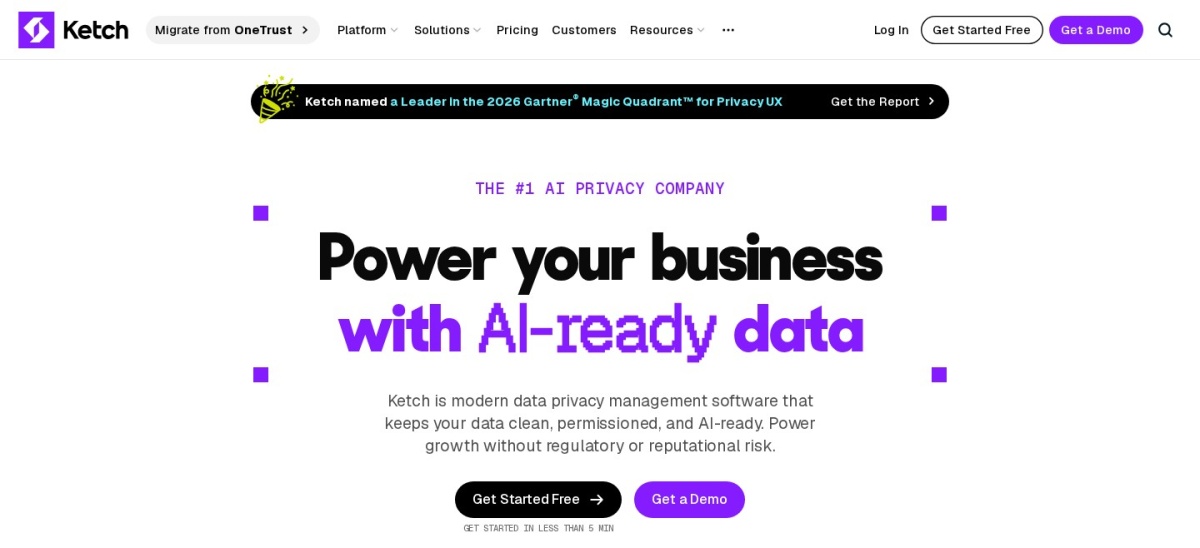
Ketch homepage, captured Nov 2026.
Ketch is the preference management platform built for teams that want consent and preferences in one place. Its no-code preference center lets visitors choose which emails, texts and calls they receive, while consent banners cover web, mobile and connected TV. Ketch says more than 3,500 consumer brands use the platform, and reviewers rate it 4.6 out of 5 on G2.
The trade off is price. The free plan covers up to 5,000 unique monthly visitors, but growing teams move to Starter at $150 a month, and Plus starts at $499 a month billed annually. It suits mid-size consumer brands that want one vendor for consent, preferences and privacy requests.
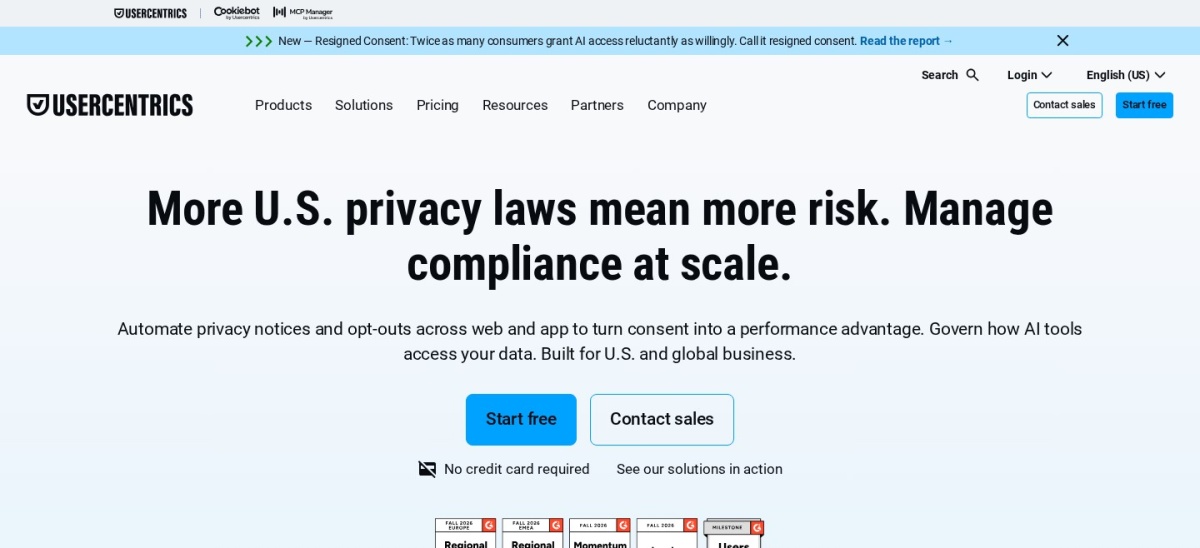
Usercentrics is a consent and preference management tool built for European privacy rules. Its banners and preference center support the IAB Transparency and Consent Framework and Google Consent Mode, with templates in dozens of languages. The Essential plan starts at 7 euros a month, and reviewers rate it 4.4 out of 5 on G2.
The trade off is the entry tier. Essential covers one domain and up to 1,500 sessions a month, so multi-site teams pay more, and the preference center is strongest beside the consent banner rather than alone. It suits European teams that need GDPR and ePrivacy coverage at a low monthly price.
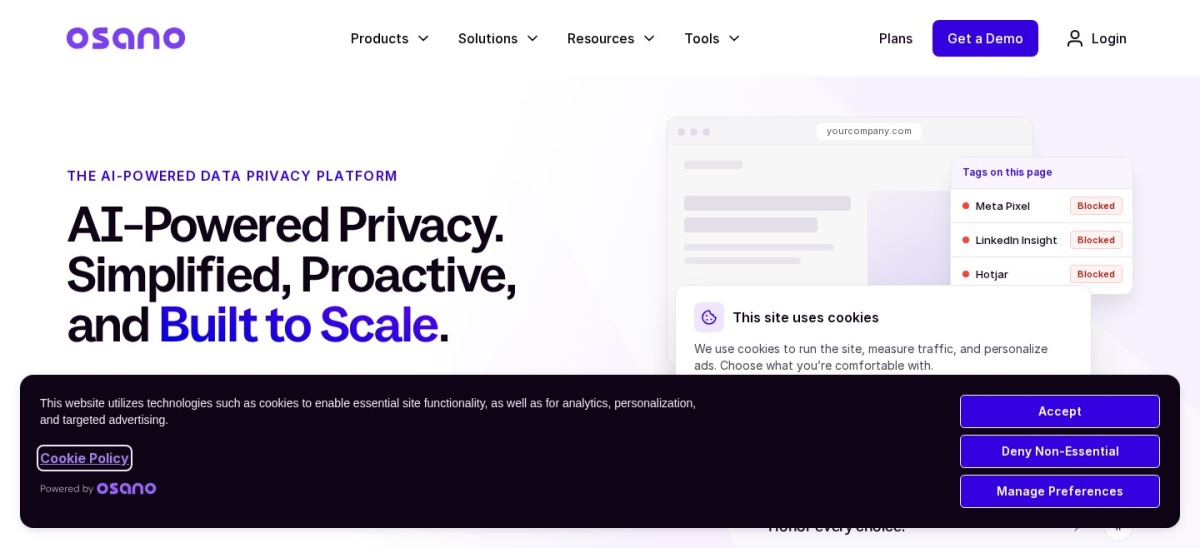
Osano is a consent and preference platform aimed at small businesses that want a free start. Its Solo plan is free for one domain and up to 5,000 monthly visitors, and paid plans add a no-fines guarantee of up to $500,000. Reviewers rate Osano 4.5 out of 5 on G2.
The trade off is the jump to paid. The small business plan costs $199 a month for three domains and 30,000 visitors, which is steep for a site that only needs a banner and a preference page. It suits small teams that value the fines guarantee and simple setup.
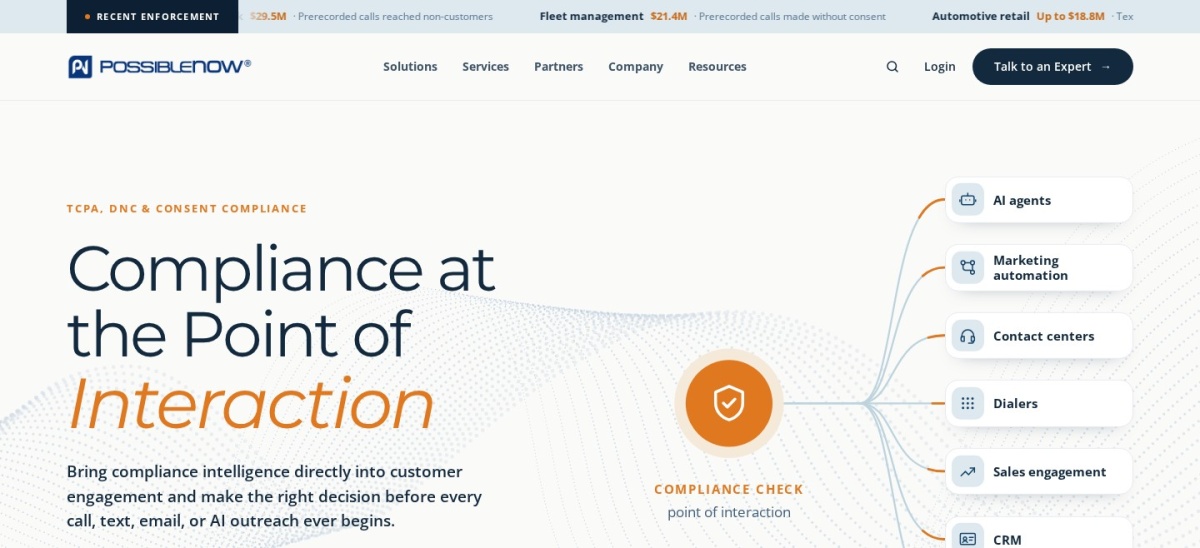
PossibleNOW is a preference management specialist built around do-not-contact compliance. Its MyPreferences center lets customers set channel and topic choices, while the platform checks those choices against do-not-call and do-not-email lists. Reviewers rate it 4.7 out of 5 on G2.
The trade off is scale and price. Pricing is by quote, implementation averages around seven months on G2, and the review base is only 11 reviews. It suits large regulated teams that need strict do-not-contact enforcement more than a quick self-serve setup.
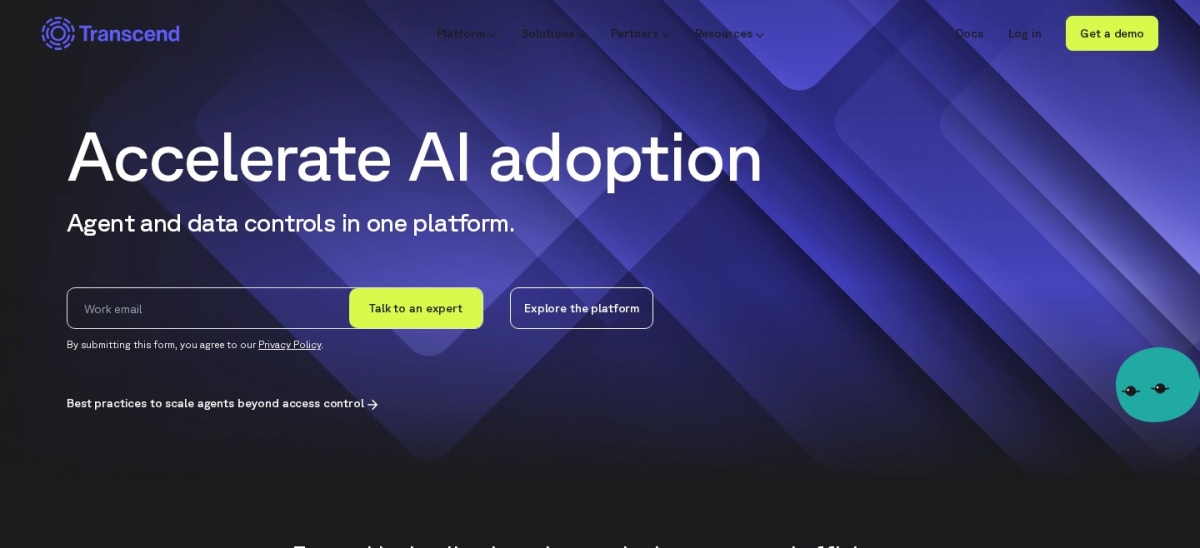
Transcend is a privacy platform that pairs consent and preference management with automated data rights requests. Its preference center sits beside tools for access, deletion and data mapping, so one system covers consent and the requests that follow it. Reviewers rate Transcend 4.6 out of 5 on G2.
The trade off is that pricing is by quote, and the platform is built for teams with real privacy operations rather than a single website. Smaller teams may find the scope wider than they need. It suits companies that already handle data requests at volume and want preferences in the same system.
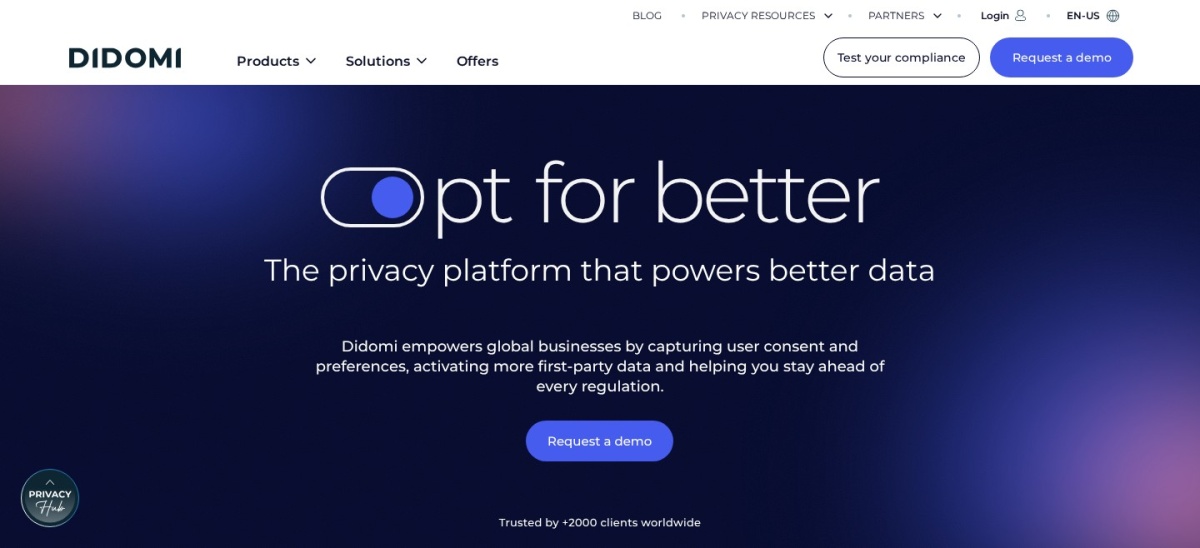
Didomi is a consent and preference platform built for publishers and brands with international audiences. Its preference center and consent banners work in more than 45 languages and support the IAB Transparency and Consent Framework 2.3. Reviewers rate Didomi 4.5 out of 5 on G2.
The trade off is that pricing is by quote, and preference management sits only in the Premium tier, so smaller publishers pay for features they may not use. It suits large publishers and brands that need consent in many languages and markets.
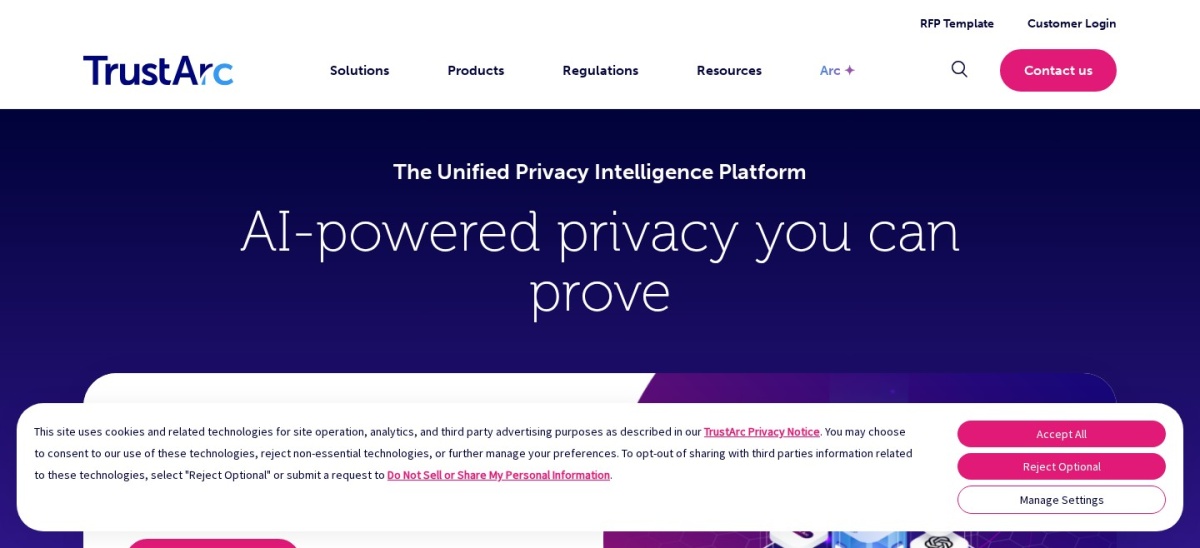
TrustArc is an enterprise privacy platform with consent and preference management inside a wider suite. It offers more than 300 no-code connectors, flat-rate pricing and tools for cookie consent, data inventory and assessments. Reviewers rate TrustArc 4.2 out of 5 on G2.
The trade off is that no prices are published, so buyers must talk to sales, and the platform is built for large privacy programs rather than a single site. It suits enterprises that want one vendor for consent, assessments and data mapping.
OneTrust is the largest privacy platform in this list, with consent and preferences as one module inside a suite that covers governance, risk and data mapping. Its preference center connects to the same consent records used across web and mobile. Reviewers rate OneTrust Consent and Preferences 3.6 out of 5 on G2.
The trade off is the thin review base and the quote-only pricing. Only 17 G2 reviews cover this listing, and buyers must contact sales for any figure. It suits large teams that already run OneTrust for privacy and want preferences inside the same platform.
We started from every preference management tool with a G2 listing, then kept the eight with a real preference center rather than a banner-only tool. Consent-only products and privacy suites without a preference center were left out.
Prices come from each vendor's pricing page, opened on 26 November 2026. Ketch, Usercentrics and Osano publish prices; the other five sell by quote, so this list shows Custom for them and flags it in the notes.
Ratings and review counts come from G2, checked in November 2026. No vendor paid for a place, and we do not claim hands-on testing for this list.
How to choose preference management software
Start with the channels you already use, then check the free limits before you pay.
List the channels you use. Email, text, push and calls each need a preference, so write them down before you compare tools.
Check the free plan limits. Visitor and domain caps decide whether a free plan lasts a month or a year for your traffic.
Ask for a quote early. Five tools in this list sell by quote, so start the sales conversation before you shortlist.
Test the preference center yourself. Sign up as a customer and change a preference, then check that the change reaches your email tool.
FAQ
What is the best preference management software?
Ketch is the best preference management software for most teams. Its free plan covers up to 5,000 monthly visitors, the Starter plan costs $150 a month, and the no-code preference center sits beside consent banners for web, mobile and connected TV.
What is a preference center?
A preference center is a page where customers choose which messages they receive and how often. They can pick email topics, turn off texts, or pause calls without unsubscribing from everything, which keeps more subscribers on your list.
How much does preference management software cost?
Published prices in this list run from 7 euros a month for Usercentrics Essential to $199 a month for Osano, with Ketch at $150 a month in between. Five tools sell by quote only, so budget for an enterprise conversation if you pick one of those.
Is Ketch or Usercentrics better for small teams?
Ketch is better if you want a free plan and a no-code preference center in one platform, while Usercentrics is better if you need European privacy rules and the lowest monthly price. Both cover consent banners, so the choice comes down to budget and region.
Do I need consent and preference management together?
Yes, for most teams the two work as one system. Consent banners collect the legal permission, while the preference center records the detail of what each person wants. Keeping both in one record stops a customer from opting out of everything when they only want fewer emails.
Can I try preference management software for free?
Yes. Ketch, Usercentrics and Osano all offer a free plan, and Ketch covers up to 5,000 monthly visitors before you pay. The other five tools in this list offer trials or demos instead, so ask for one before you commit to a quote.
SaaS SEO and WordPress specialist with about 8 years of experience. Rakib compares WordPress plugins, themes, hosting and software using public pricing, documentation and user reviews. See how we rank.