InTime is the best police scheduling software for most departments, with rule-based overtime and court and subpoena tracking built in. Aladtec suits round-the-clock rotations and audit readiness, while Connecteam is the best free start for teams under ten users.
How we make this list: we compare pricing pages, product documentation and public user reviews, then re-check every price before each update. No product paid for a place. Disclosure.
InTime leads for large agencies, with rule-based overtime, court and subpoena tracking, and 4.5 out of 5 from 20 G2 reviews.
Aladtec is the audit-ready pick for 24/7 rotations, with the largest police-specific review base here at 4.5 out of 5 from 116 G2 reviews.
Most police schedulers sell by quote: InTime, Aladtec and VCS POSS publish no prices, so expect a demo before you see a number.
When I Work is the cheapest paid start at $2.50 per user per month, and Connecteam is free for teams under 10 users.
ScheduleAnywhere charges a flat $25 a month with no per-user billing, the simplest pricing in this list.
What to look for in police scheduling software
Police scheduling is a different job from ordinary shift planning. Rotating shifts, minimum staffing rules, FLSA 7(k) overtime, union seniority and court appearances all sit in the same roster, and a generic scheduler handles none of them out of the box.
Most police-specific vendors sell by quote and publish no prices. InTime, Aladtec and VCS POSS all need a demo before you see a number, so the only published figures here are the generic tools: When I Work from $2.50 per user a month, Deputy from $5, Connecteam from $29 a month and ScheduleAnywhere at a flat $25. Our guide to employee scheduling software compares the generic options in more depth.
Judge a shortlist on the overtime math first. Ask each vendor to run your actual rotation and union rules, check whether court appearances and subpoenas live in the roster, and confirm the mobile app lets officers bid on overtime and request time off without calling the station.
Trials are thin in this category. Connecteam is free for teams under 10 users, and When I Work, Deputy and ScheduleAnywhere offer 14 to 31 day trials, but the police specialists offer demos only. Our guide to shift scheduling software covers the trial options across the wider category.
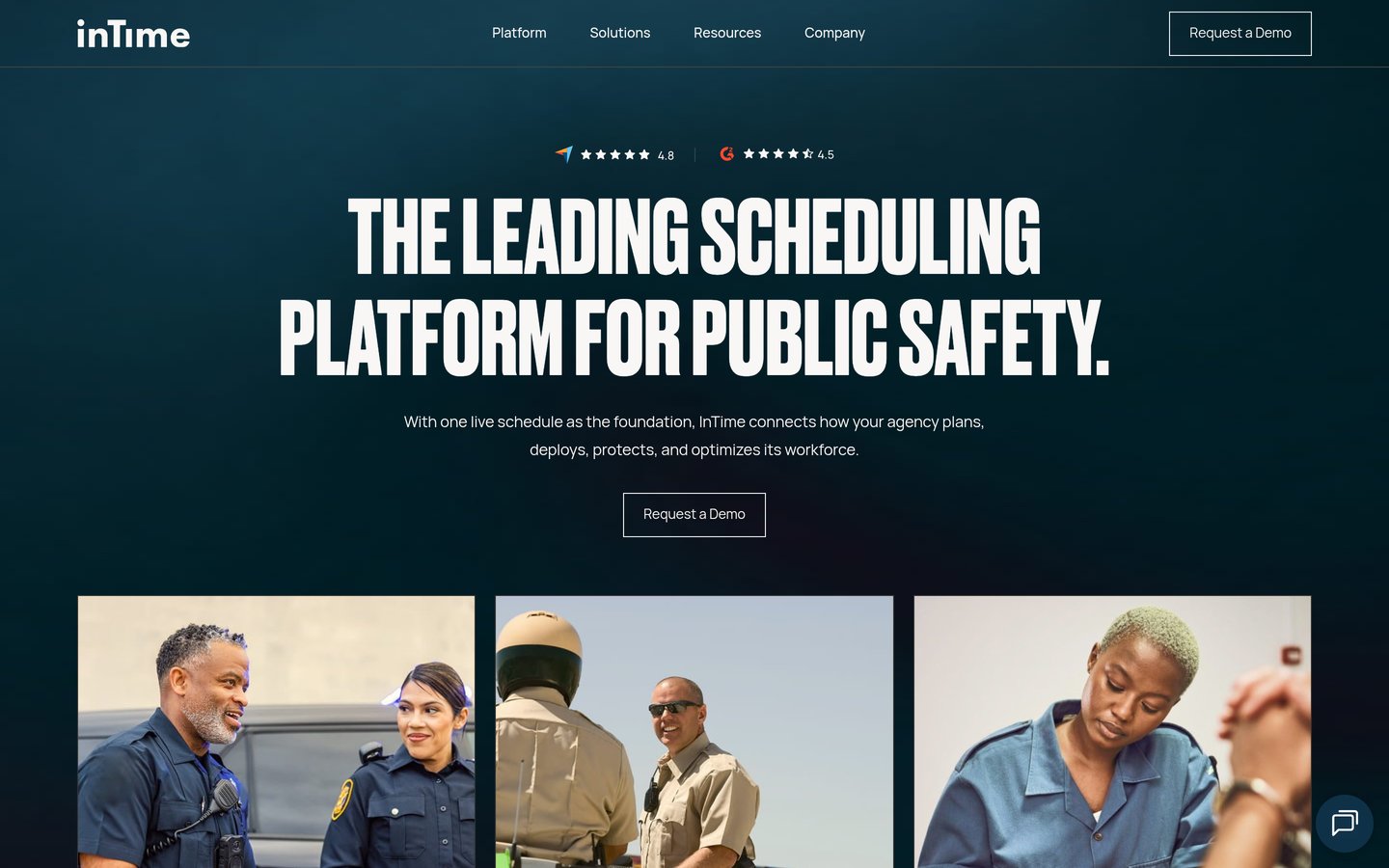
InTime is scheduling software built only for police, sheriff, fire, corrections and dispatch, with more than 25 years in public safety. Its scheduling core automates shift assignments and coverage tracking, while the overtime module applies an agency's actual rules instead of a flat time-and-a-half rate.
The trade off is the price and the rollout. InTime sells by quote, with G2 listing a Basic plan at $2,000 a year, and G2 reviewers report about four months to implement. It suits departments of several hundred officers with complicated overtime, not a 20-officer agency.
What we like
Built only for public safety agencies
Rule-based overtime engine
Court and subpoena module
Wellness dashboards flag fatigue risk
Watch out for
Pricing is quote-only
About four months to implement
Depth needs real planning
Court and subpoena tracking included in the scheduleVisit intime.com
02
Aladtec
4.5/5on G2 (116 reviews, checked Nov 2026)
PricingCustom/yr
Best for 24/7 rotations and audits
Free planNo free plan
Cheapest planCustom quote
Rotations8, 10 and 12 hour patterns
FormsVehicle and equipment checks
aladtec.com
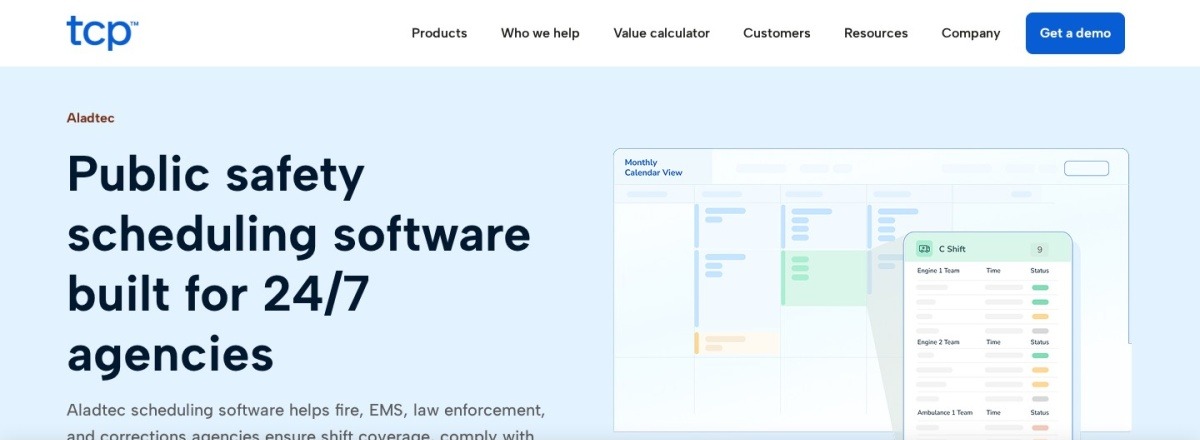
Aladtec homepage, captured Nov 2026.
Aladtec is a scheduling platform for fire, EMS, law enforcement and corrections agencies that run around the clock. Rotation patterns are encoded directly, so 8, 10 or 12 hour shifts build around the pattern, with minimum staffing monitoring, shift trades and overtime sign-ups in the same system.
The trade off is pricing and packaging. Aladtec publishes no prices and sells by quote through TCP Software, which acquired it in 2021, and there is no free trial or free tier. It suits departments whose top worry is audit readiness and continuous coverage.
What we like
Rotational scheduling built for continuous operations
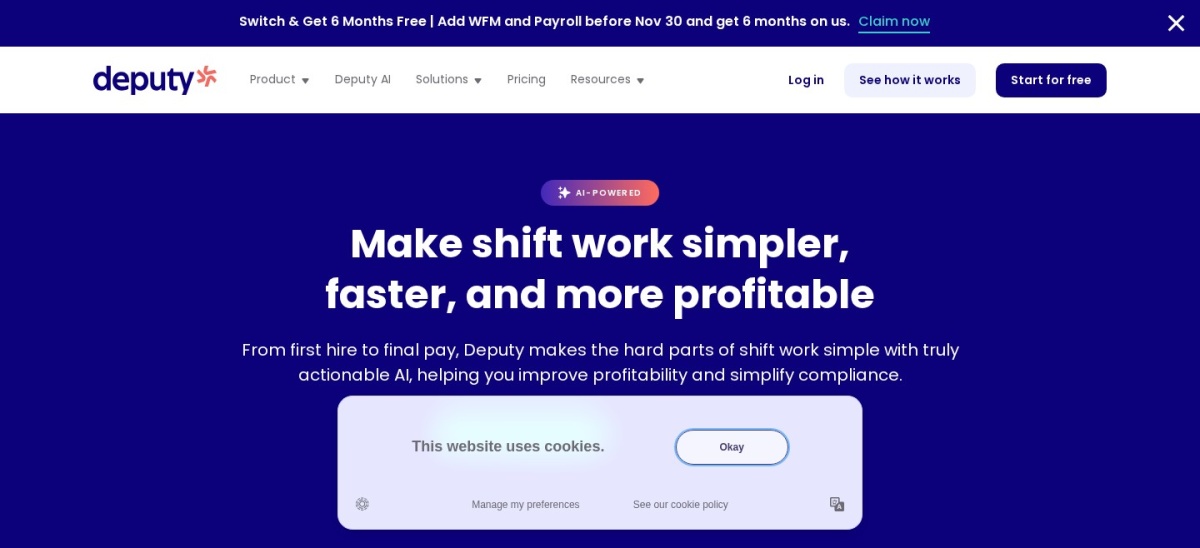
Deputy is a workforce platform with scheduling, time and attendance, HR and payroll, built around compliance rules. Overtime, break laws and timesheet attestations are built into the scheduling logic, and demand-based auto-scheduling builds rosters against labour budgets.
The trade off is that it is a general tool, not a police specialist. There is no court subpoena module and no FLSA 7(k) work-period engine, and monthly plans carry a $30 minimum spend. It suits departments that want strong compliance and payroll depth in one system.
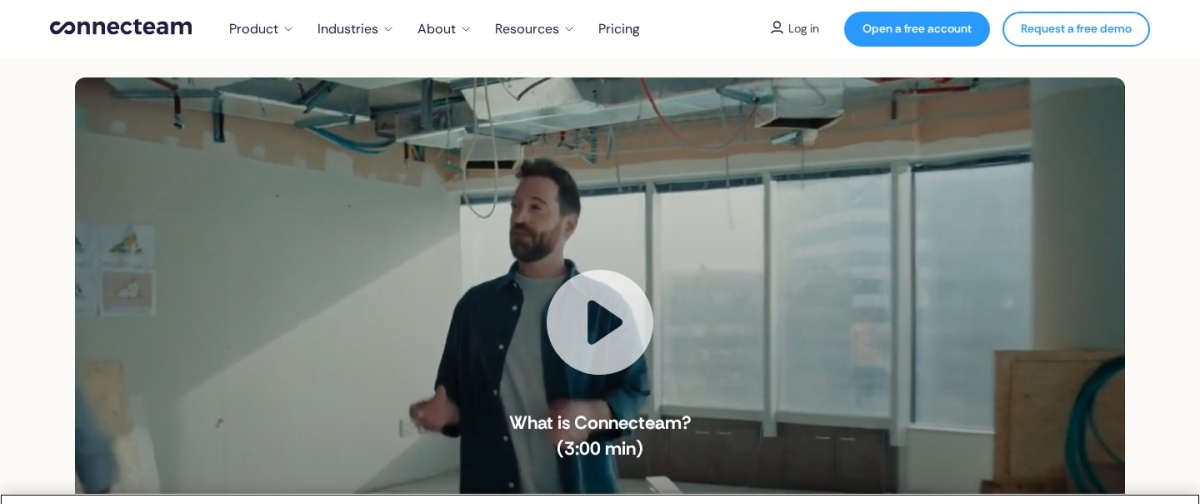
Connecteam is an all-in-one app for deskless teams that puts scheduling beside a time clock, team chat, training courses and digital forms. The free plan covers up to 10 users with all hubs included, which makes it the only free start in this list.
The trade off is the hub pricing once a team grows. Each hub prices separately above the free tier, so the bill climbs fast once scheduling, chat and HR are all needed. It suits small departments that want messaging and training in the same app as the roster.
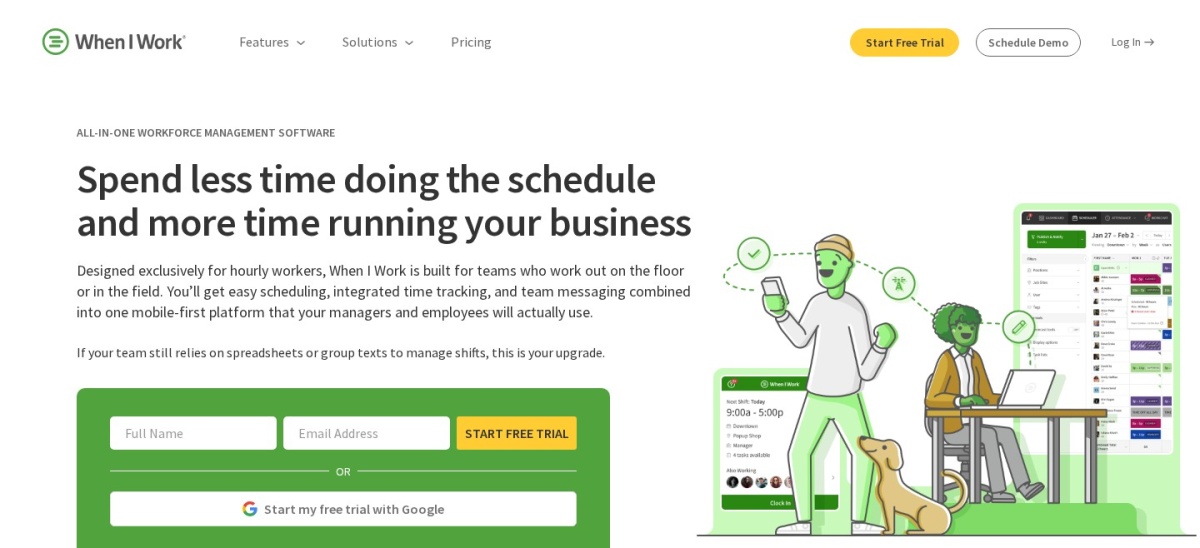
When I Work is a scheduling app for hourly teams that managers can run in minutes, with OpenShifts, shift swaps and team chat in the same plan. Officers claim open shifts from their phones, and GPS-verified clock-ins feed payroll through integrations with Gusto, ADP and QuickBooks.
The trade off is depth. It has no court module and no FLSA 7(k) work-period logic, and time tracking is a separate toggle that raises Essentials to $4 per user a month. It suits small departments moving off spreadsheets that want the cheapest paid start.
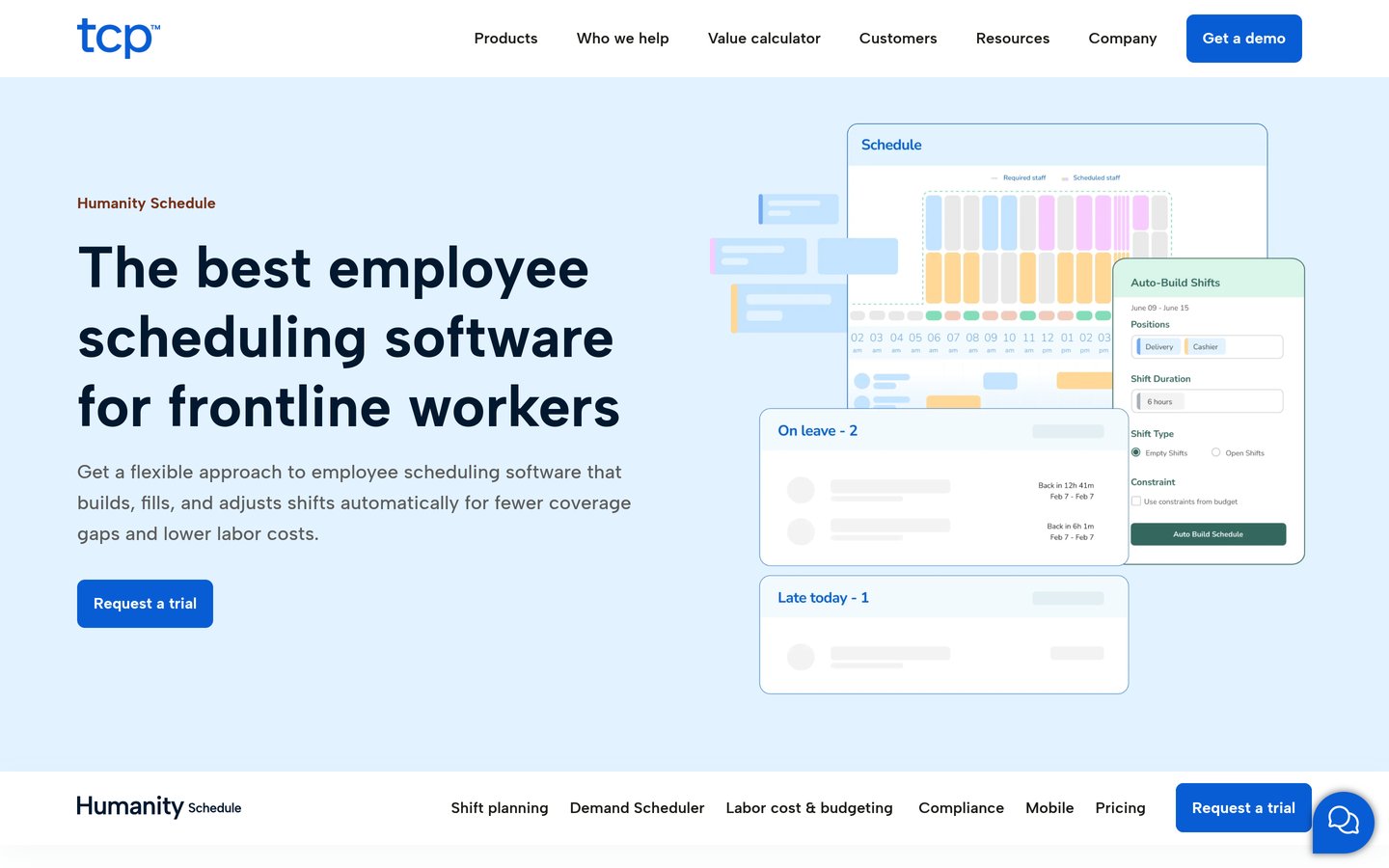
ScheduleAnywhere is a scheduling tool from TCP Software for 24-hour operations that charges one flat monthly price instead of billing per user. Managers build schedules, handle time-off requests and notify staff of changes, and officers see their shifts, on-call status and cancellations in the app.
The trade off is an older interface and a thin review base. G2 reviewers call the desktop layout dated and the setup complex, and the product now sits inside TCP's Humanity Schedule branding. It suits departments that want predictable flat billing without counting seats.
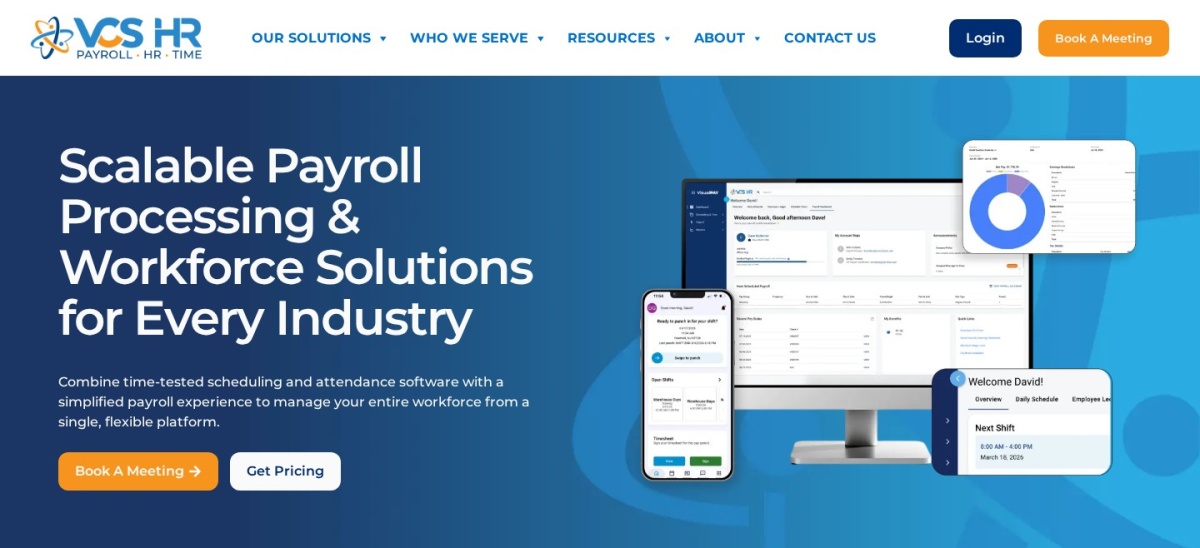
VCS POSS is police scheduling software from VCS Software that sits inside a full payroll, HR and time suite. Departments get scheduling, time tracking, overtime and PTO management beside payroll, so the roster and the pay run share one set of records.
The trade off is that scheduling is one module in a large suite, and pricing is quote-only with a demo first. The Capterra review base is also small at 12 reviews. It suits departments already buying VCS payroll and HR that want scheduling in the same system.
Only four tools in this list publish a price. When I Work lists Essentials at $2.50 per user a month, Deputy lists Lite at $5, Connecteam lists its Small Business hub at $29 a month billed yearly, and ScheduleAnywhere charges a flat $25 a month.
The police specialists sell by quote because the price depends on headcount, modules and implementation. InTime's only public figure is a $2,000 a year Basic plan listed on G2, and Aladtec and VCS POSS publish nothing at all.
Budget for implementation as well as the licence. G2 reviewers report about four months to implement InTime, and the quote-only vendors run guided onboarding rather than self-serve signup.
How we chose
We compared vendor sites, pricing pages and product documentation, then cross-checked features and prices against public reviews on G2 and Capterra, law enforcement trade press and community discussion. Every rating here comes from G2 or Capterra and was checked in November 2026.
We ranked police-specific tools first, because rotating shifts, minimum staffing, FLSA 7(k) overtime and court appearances are the job. Generic schedulers earned places where their ratings and prices are strong, but we marked the police features they lack.
No vendor paid for a place, and we do not claim hands-on testing for this list. Prices for the quote-only vendors are shown as Custom, and the InTime figure comes from G2 rather than the vendor's own pricing page, so confirm every price with a demo.
How to choose police scheduling software
Start with your rotation pattern, then check the overtime math before you look at price.
Map your rotation first. Write down your shift patterns, minimum staffing levels and seniority rules, then check each vendor runs them without custom work.
Check the overtime math. Ask the vendor to run your union rules and FLSA 7(k) work period on a real roster, since generic tools calculate overtime by the week.
Ask about court scheduling. Subpoenas and court appearances should live in the roster, not in a separate spreadsheet, or missed court dates become overtime.
Trial it with a real roster. Use the free plan or trial with one unit's actual schedule before rolling out, and confirm the mobile app covers shift bids and time off.
FAQ
What is the best police scheduling software?
InTime is the best pick for most departments. It is built only for public safety, applies an agency's actual overtime rules, folds court appearances and subpoenas into the roster, and holds 4.5 out of 5 from 20 G2 reviews.
How much does police scheduling software cost?
Most police-specific vendors sell by quote and publish no prices. The published figures here are When I Work from $2.50 per user a month, Deputy from $5, Connecteam from $29 a month and ScheduleAnywhere at a flat $25 a month.
What is FLSA 7(k) overtime?
FLSA 7(k) is the federal rule that lets law enforcement agencies calculate overtime over a work period of 7 to 28 days instead of a 7 day week. Police schedulers with a 7(k) engine apply it automatically; generic tools need manual workarounds.
Is there free police scheduling software?
No police-specific tool in this list has a free plan. Connecteam is free for teams under 10 users and is the closest free start, while When I Work, Deputy and ScheduleAnywhere offer free trials of 14 to 31 days.
Do generic schedulers work for police departments?
They work for basic shift planning but miss the police-specific parts. When I Work, Deputy and Connecteam handle rosters, swaps and time clocks well, but none has a court subpoena module or an FLSA 7(k) overtime engine.
What is the difference between InTime and Aladtec?
InTime leads on overtime rules, court tracking and wellness dashboards for large agencies, while Aladtec leads on rotational coverage and audit reporting for departments running 8, 10 or 12 hour shifts around the clock.
SaaS SEO and WordPress specialist with about 8 years of experience. Rakib compares WordPress plugins, themes, hosting and software using public pricing, documentation and user reviews. See how we rank.