Best Newspaper Platforms in 2026: 7 Tools Compared
WLWPLegible EditorsLast verified 22 Nov 2026How we rank12 min read
★ Short answer
WordPress.com is the best newspaper platform overall, with unlimited posts, pages and users on its $4 monthly Personal plan billed annually. Ghost is better for independent publications building paid memberships, while beehiiv suits newspaper publishers that rely primarily on email newsletters and reader subscriptions.
How we make this list: we compare pricing pages, product documentation and public user reviews, then re-check every price before each update. No product paid for a place. Disclosure.
WordPress.com scores 4.4/5 from 2,724 G2 reviews and offers unlimited posts and users on its $4/mo Personal plan billed annually.
Ghost scores 4.0/5 from 40 G2 reviews, with managed hosting starting at $18/mo and support for 1,000 members.
beehiiv scores 4.5/5 from 40 G2 reviews and offers a free newsletter plan, while Lite costs $49/mo billed annually.
Wix scores 4.2/5 from 1,943 G2 reviews and offers a free website builder, with Light priced at $17.77/mo on annual billing.
Squarespace scores 4.4/5 from 1,138 G2 reviews and starts at $19/mo billed annually, including hosting and SEO tools.
Webflow scores 4.4/5 from 998 G2 reviews, with Basic at $15/mo and its content-focused Premium plan at $25/mo billed annually.
What makes a good newspaper publishing platform?
A newspaper platform needs more than a basic blog editor. Digital publishers need reliable article management, clear navigation, category archives, search visibility and tools for distributing stories to readers.
Start with the content management system. Look for article scheduling, author management, editorial permissions, featured images, categories and reusable layouts. Publications with several contributors should check how permissions and approval workflows operate.
Reader revenue is another important consideration. Some platforms support subscriptions and newsletters natively, while others require plugins, integrations or separate payment services. Built-in membership features can simplify operations for independent publishers.
Design flexibility affects how a newspaper presents breaking news, featured reporting and topic collections. A good platform should support prominent headlines, organized article archives and responsive reading experiences without making routine updates difficult.
Finally, consider ownership and growth. Check whether articles, subscribers and media can be exported, what happens when traffic increases and whether the platform can support additional contributors or publications.
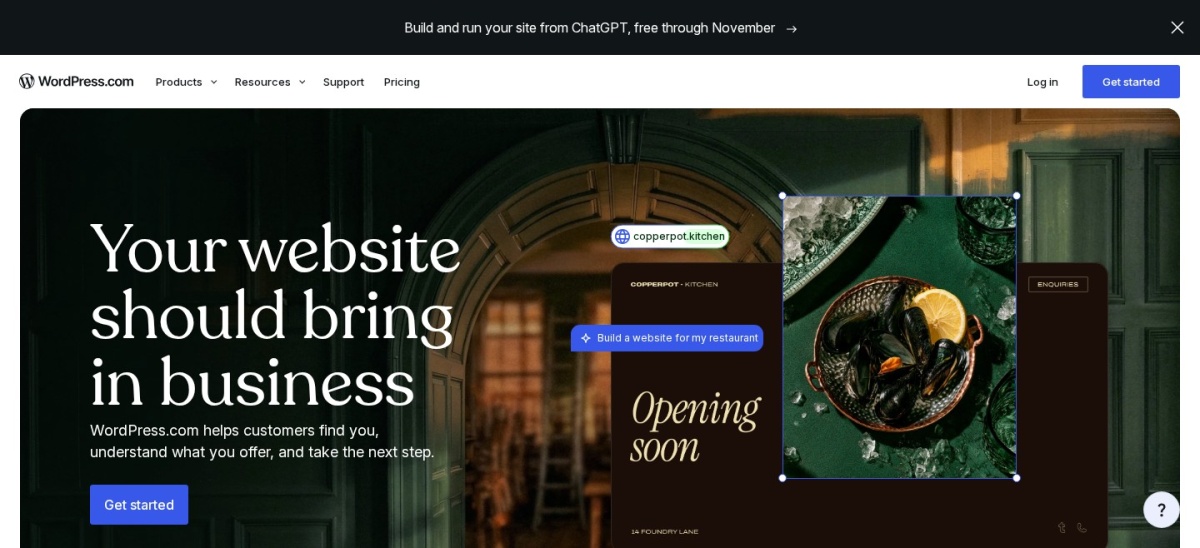
WordPress.com is a hosted content management platform for publishing articles, news websites and online magazines. Its Personal plan includes unlimited posts, pages, users and visitors, 6 GB storage, premium themes and access to a large plugin ecosystem. A free plan is available for initial publishing.
The trade off is that specialized newspaper layouts, membership systems and newsroom workflows may require additional plugins or subscriptions. Personal costs $4 per month billed annually, while Premium costs $8 monthly on annual billing. It suits publishers wanting flexible article management and room to expand their websites.
What we like
Unlimited posts, pages and users on Personal
Large selection of themes and plugins
Suitable for categorized news archives
Supports multiple contributors
Hosted maintenance and security
Watch out for
Advanced publication features may require plugins
Plugin subscriptions can increase total costs
Complex newsroom workflows require configuration
Free websites display platform advertising
Personal adds a custom domain, removes visitor ads and provides premium themes and plugin access.Visit wordpress.com
02
Ghost
4/5on G2 (40 reviews, checked Nov 2026)
Starts at$18/mo
Best for independent newspapers and paid memberships
Managed entry planStarter
Included members1,000
Newsletter emailsUnlimited sends
Paid planStarter, $18/mo annually
ghost.org
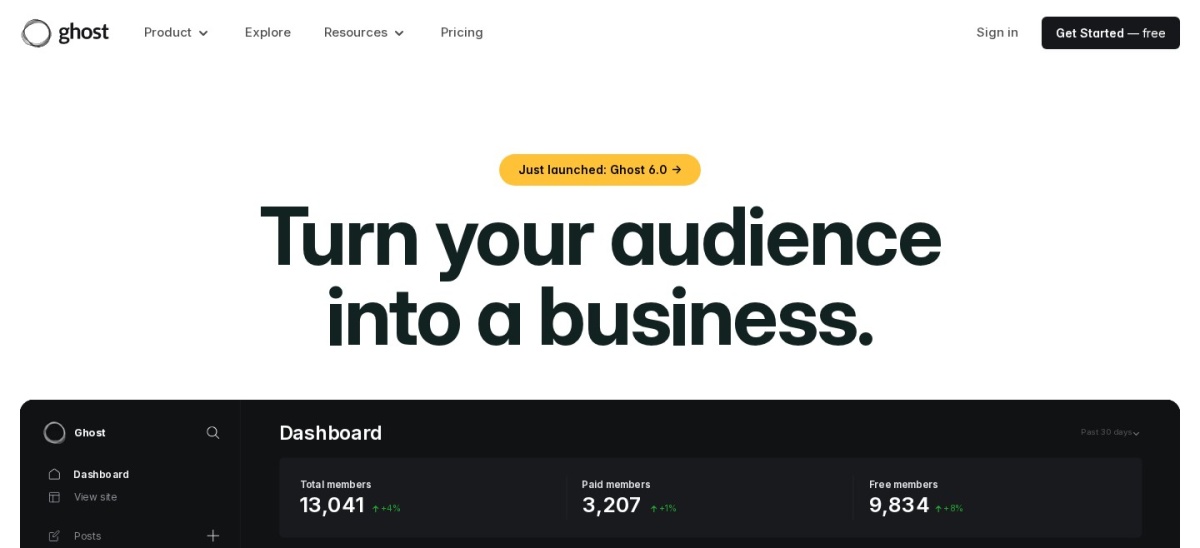
Ghost homepage, captured Nov 2026.
Ghost is an open-source publishing platform built for journalists, independent newsrooms and membership-supported publications. Its managed Starter plan includes a website, email newsletter, built-in SEO features and 1,000 members. Publishers can also self-host the open-source software.
The trade off is that paid subscriptions, custom themes and expanded editorial capabilities require the Publisher plan at $29 monthly billed annually. Managed Starter costs $18 monthly on annual billing and does not include paid memberships. It suits publications prioritizing reader relationships, recurring revenue and focused editorial workflows.
What we like
Designed for independent publishing
Built-in newsletters and member management
Native SEO and RSS features
Open-source software available for self-hosting
No Ghost platform fee on paid subscriptions
Watch out for
Starter does not support paid subscriptions
Custom themes require Publisher
Fewer extension choices than WordPress
Advanced newsroom management may need integrations
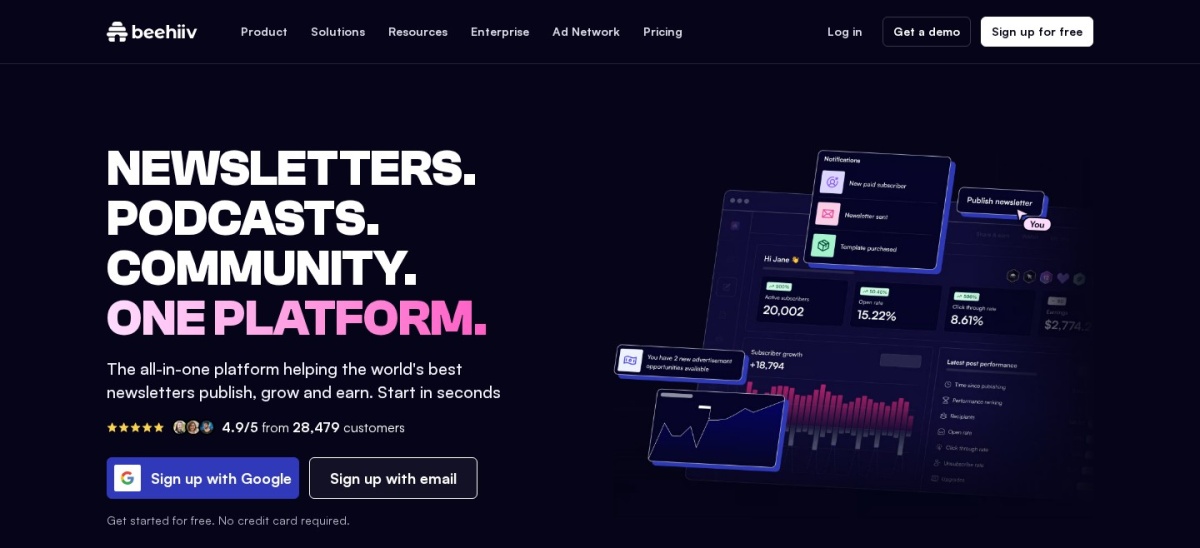
beehiiv is a publishing platform combining email newsletters, websites, audience management and monetization tools. Its free plan includes unlimited email sends, newsletter templates, landing pages, a recommendation network and integrations. Publishers can maintain an online presence while distributing stories directly to subscribers.
The trade off is that the free plan excludes paid subscriptions, advertising monetization and advanced automation. Lite costs $49 monthly billed annually and introduces those features with a 0% platform take rate on paid subscriptions. It suits digital newspapers where email distribution is more important than elaborate website layouts.
What we like
Free newsletter and website publishing
Unlimited email sends on the free plan
Audience recommendation network
Paid subscriptions and advertising tools
Built-in analytics and audience growth features
Watch out for
Advanced monetization requires Lite
Less control over complex newspaper layouts
Not a complete traditional newsroom CMS
Paid subscription scales with publishing requirements
Lite adds paid subscriptions, advertising monetization, automations, polls and A/B testing.Visit beehiiv.com
04
Wix
4.2/5on G2 (1,943 reviews, checked Nov 2026)
Paid from$17.77/mo
Best for simple local news websites
Free website builderAvailable
Light storage2 GB
Light collaborators2
Paid planLight, $17.77/mo annually
wix.com
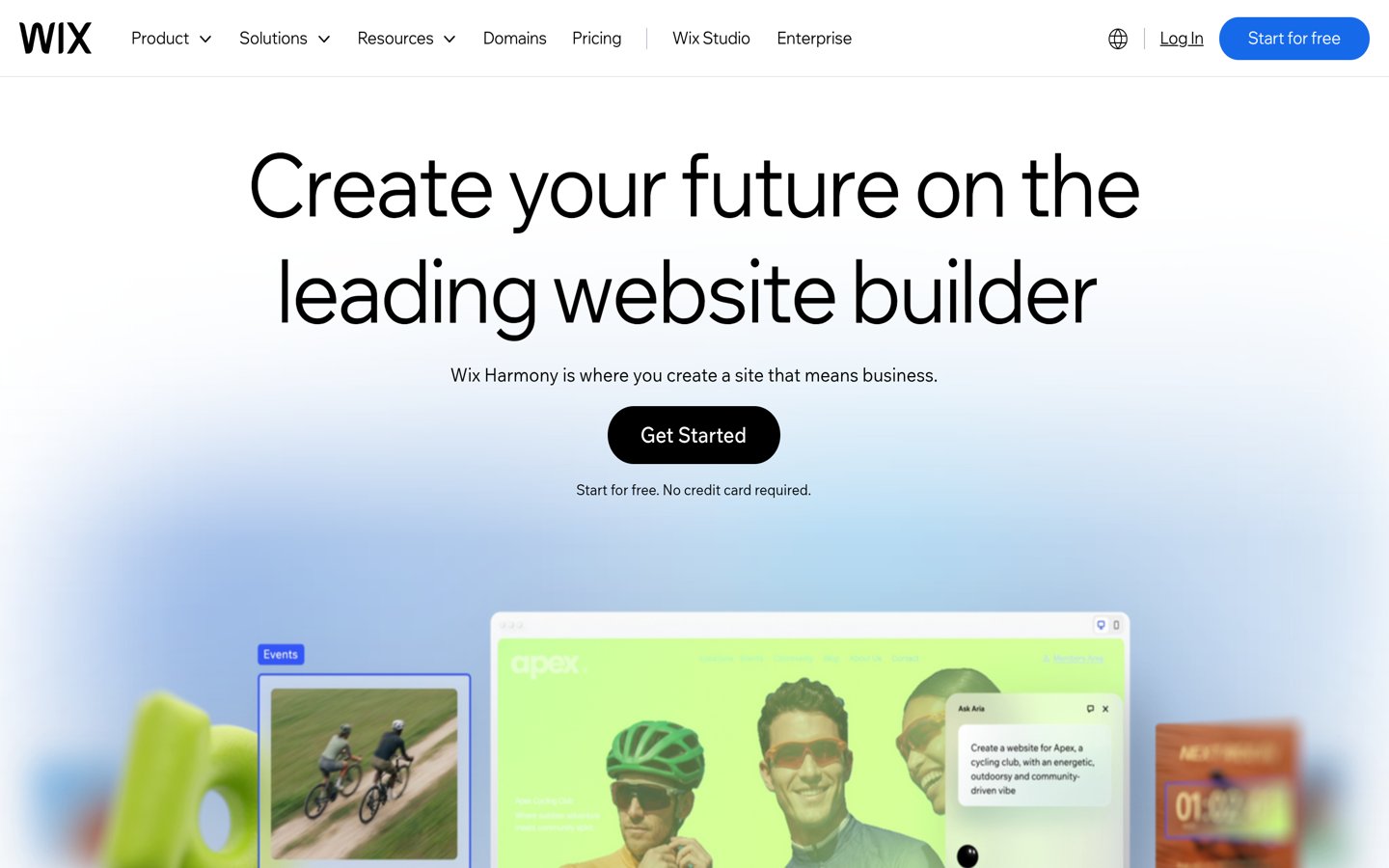
Wix homepage, captured Nov 2026.
Wix is a hosted website builder with blogging tools, customizable templates and a visual editor for creating newspaper-style websites. Its free plan includes hosting and website design tools, while Light adds a custom domain, 2 GB storage, 2 collaborators and marketing features.
The trade off is that Wix focuses on general website creation rather than advanced newsroom operations. Light is displayed at $17.77 monthly on annual billing, with final pricing depending on checkout conditions, and larger publishers may need more storage or business features. It suits community publications with straightforward publishing needs.
What we like
Free website builder available
Visual design without coding
Built-in blog and SEO features
Managed hosting and website security
Suitable for basic news and announcement websites
Watch out for
No specialized newsroom workflow by default
Light has limited storage
Complex editorial structures are harder to manage
Pricing can vary at checkout
Light adds a custom domain, additional storage, collaborator access and a marketing suite.Visit wix.com
05
Squarespace
4.4/5on G2 (1,138 reviews, checked Nov 2026)
Starts at$19/mo
Best for visually focused news publications
Entry planBasic
Contributors2
BandwidthUnlimited
Paid planBasic, $19/mo annually
squarespace.com
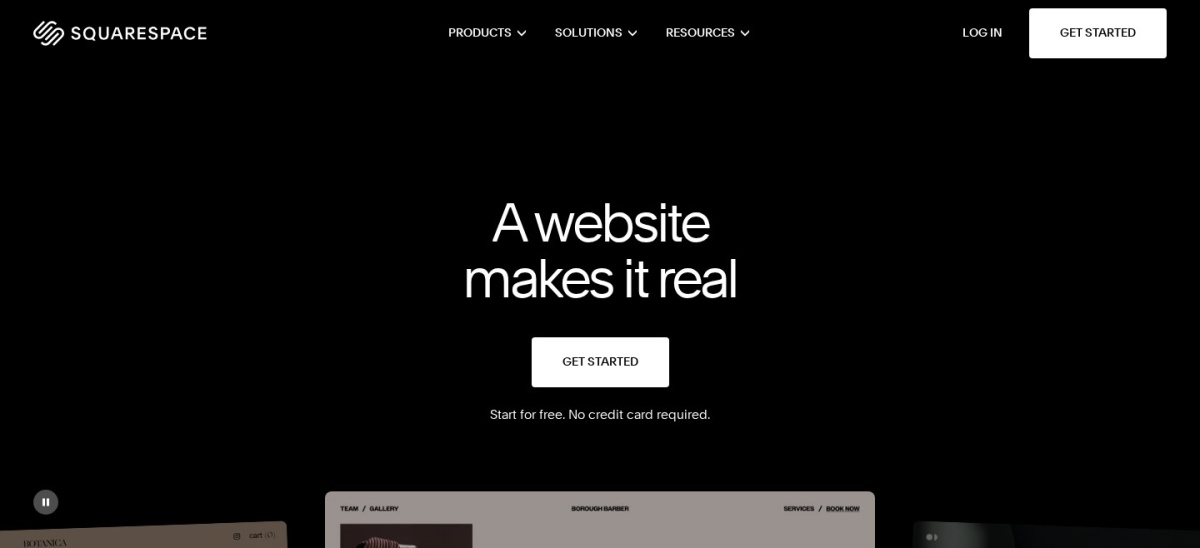
Squarespace homepage, captured Nov 2026.
Squarespace is a hosted website platform with visual templates, blogging features, SEO tools and integrated analytics. Its Basic plan includes secure hosting, unlimited bandwidth, mobile-friendly designs and 2 contributors, making it suitable for a small editorial website or online magazine.
The trade off is limited contributor capacity and fewer specialized newsroom tools than dedicated publishing systems. Basic costs $19 monthly billed annually, or $25 on monthly billing, while Core costs $29 monthly on annual billing. It suits publishers emphasizing visual storytelling and straightforward article management.
What we like
Visually polished website templates
Integrated blogging and SEO features
Managed hosting with unlimited bandwidth
Mobile-friendly publication layouts
Built-in analytics
Watch out for
Basic limits contributor access
No dedicated newspaper editorial workflow
Advanced membership requirements may need additional setup
Less flexibility than extensible CMS platforms
Core adds unlimited contributors and expanded website management and marketing features.Visit squarespace.com
06
Webflow
4.4/5on G2 (998 reviews, checked Nov 2026)
Paid from$15/mo
Best for custom-designed digital newspapers
Free planStarter
Basic bandwidth10 GB
CMS publishing planPremium, $25/mo annually
Cheapest paid planBasic, $15/mo annually
webflow.com
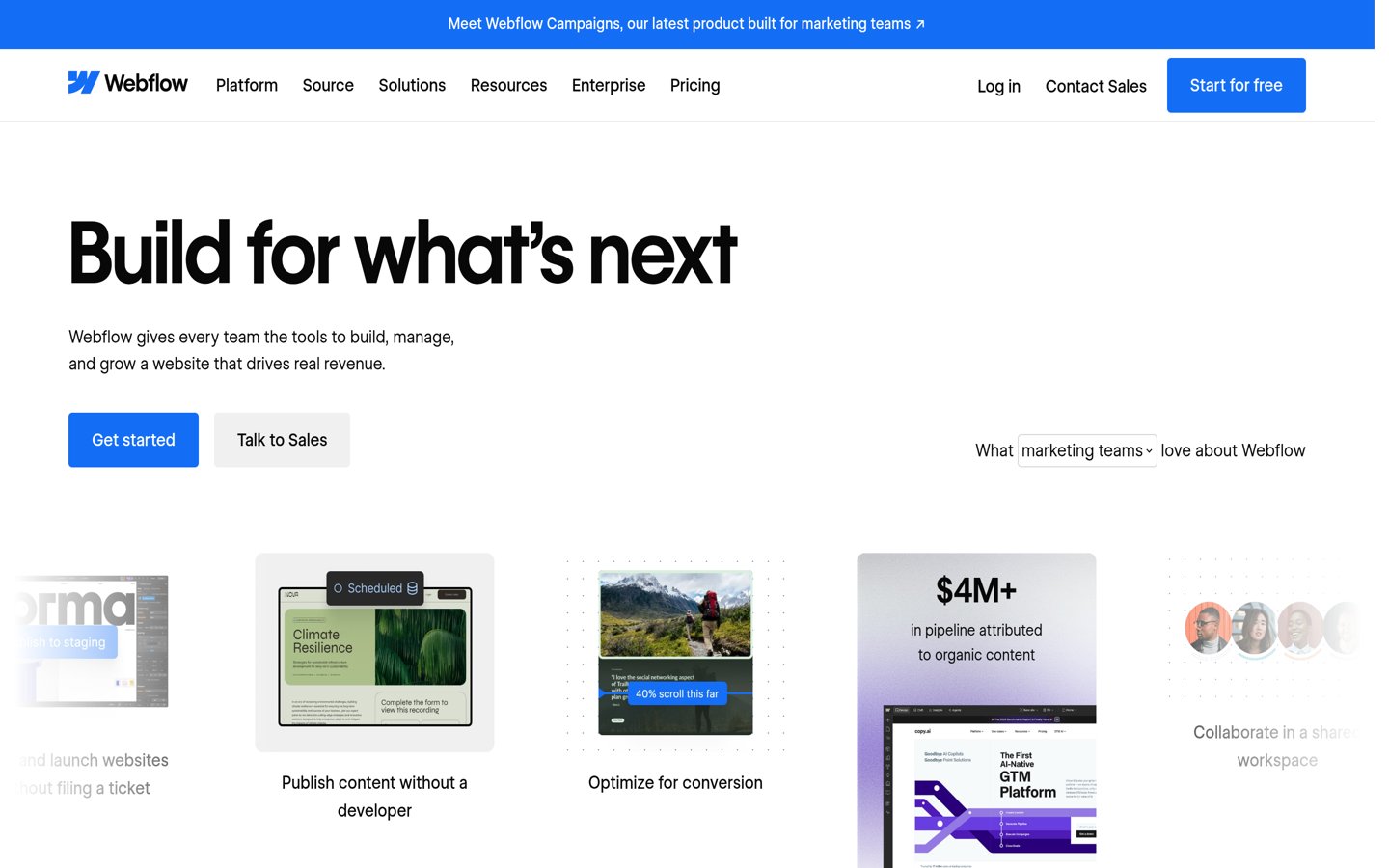
Webflow homepage, captured Nov 2026.
Webflow is a visual website development platform with a content management system for structured articles, topic collections and custom publication layouts. Its free Starter plan supports limited CMS exploration, while the $15 monthly Basic plan adds a custom domain and 10 GB bandwidth but does not include full CMS publishing.
The trade off is that a practical newspaper site needs Premium at $25 monthly billed annually to access the full CMS. Advanced editorial workflows and governance may require significantly more expensive plans. It suits design-focused publishers willing to invest in custom layouts and structured content.
What we like
Extensive visual design control
Structured CMS for article collections
Custom templates for news categories
Built-in hosting and SEO controls
Free environment for initial development
Watch out for
Cheapest paid plan lacks full CMS functionality
Editorial workflows can require higher tiers
Learning curve for complex publication designs
Membership monetization needs additional services
Premium adds full CMS functionality, site search and additional content-focused site features.Visit webflow.com
07
Duda
4.6/5on G2 (797 reviews, checked Nov 2026)
Starts at$19/mo
Best for agencies building newspaper websites
Entry planBasic
Included projects1 Core project
Monthly AI credits150
Paid planBasic, $19/mo annually
duda.co
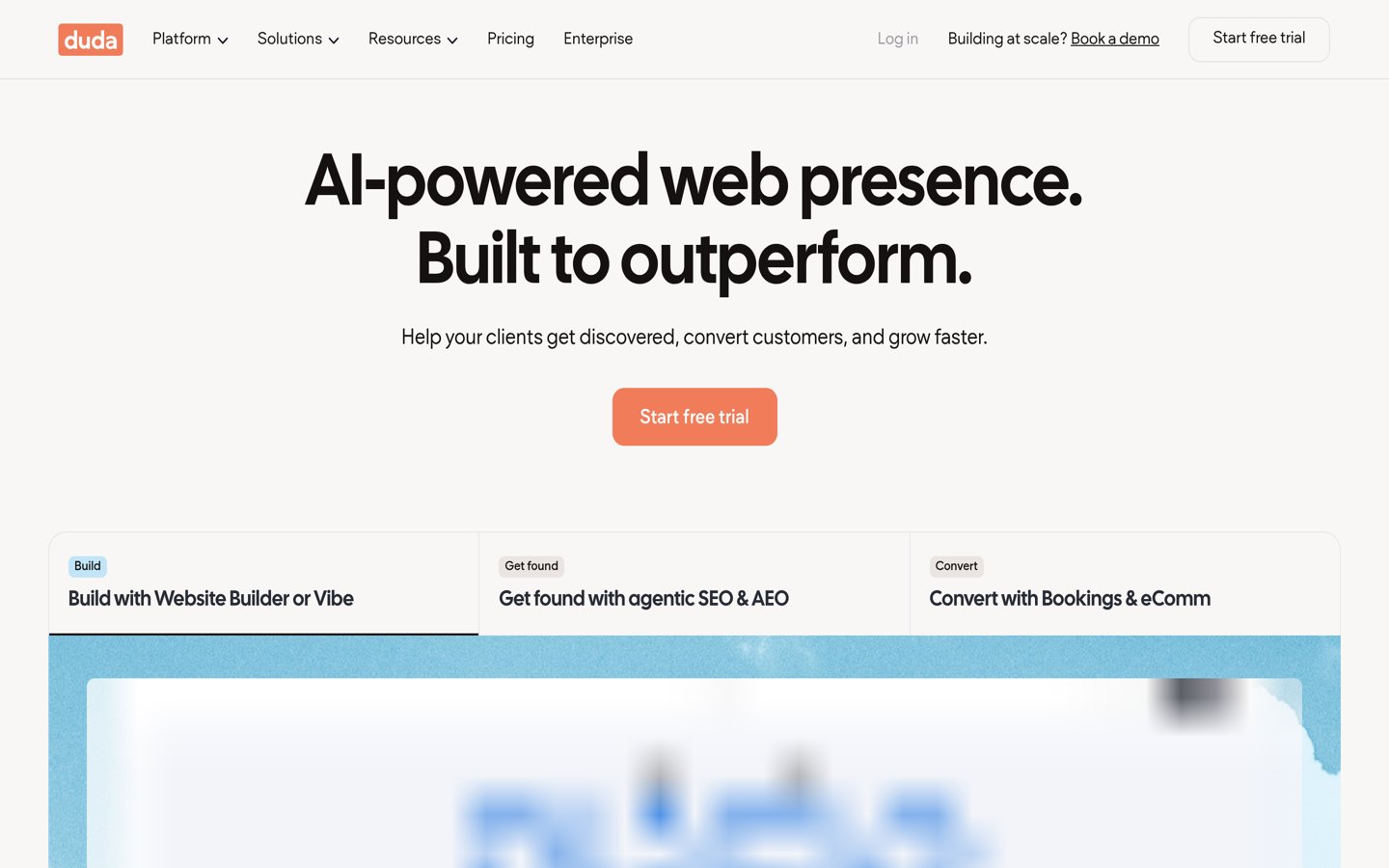
Duda homepage, captured Nov 2026.
Duda is a website development and management platform for agencies and professional website builders. Its Basic plan includes a Core website project, visual site editing, hosting, SEO features, email support and 150 monthly AI credits. Publishers can use its content management capabilities to maintain smaller news websites.
The trade off is that Duda primarily targets agencies rather than newspaper editorial teams. Basic costs $19 monthly billed annually, while Team costs $29 monthly on annual billing and adds collaborative team access. It suits agencies creating and maintaining local publication websites for clients.
What we like
Designed for professional website management
Visual website and content editing
Built-in hosting and SEO capabilities
Reusable site components
Agency collaboration and client tools
Watch out for
Not a dedicated newspaper CMS
Basic plan lacks collaborative team workspace features
Advanced editorial needs may require custom development
Additional site capacity increases costs
Team adds collaborative workspace features, team seats and expanded client management.Visit duda.co
Traditional newspaper CMS vs newsletter publishing platforms
A newspaper CMS organizes content around articles, authors, categories and archives. This approach works well for publications where readers frequently visit the website to browse current stories and older reporting.
WordPress.com and Ghost are the strongest publishing-oriented choices in this comparison. WordPress offers extensibility through themes and plugins, while Ghost combines editorial publishing with newsletters and membership management.
beehiiv approaches publishing from the opposite direction. Email newsletters and subscriber relationships are central, while the website supports distribution and content discovery.
Wix, Squarespace, Webflow and Duda are broader website platforms. They can host news content, but their standard subscriptions do not replace specialized newsroom systems with assignment desks, syndication tools and advanced editorial approval workflows.
What does it cost to run an online newspaper?
The subscription price is only part of a publication's budget. Newspaper websites may also require domain registration, premium designs, storage, payment processing, email distribution and additional editorial tools.
WordPress.com Personal costs $4 monthly billed annually, while Ghost Starter costs $18 monthly on annual billing. Ghost Publisher costs $29 monthly when paid annually and is the relevant upgrade for paid memberships.
Wix Light is displayed at $17.77 monthly on annual billing, Squarespace Basic at $19 and Duda Basic at $19. Webflow Basic costs $15 monthly, but its CMS-enabled Premium plan costs $25 monthly on annual billing.
Newsletter-focused publishers can begin with beehiiv Free and move to Lite at $49 monthly billed annually. Compare the total cost of website publishing, email distribution and subscription management before selecting a platform.
How we chose
We compared established hosted CMS products, website builders and newsletter publishing platforms relevant to digital newspapers. The shortlist emphasizes article management, content organization, publishing flexibility, reader distribution and revenue options, with independently reviewed products prioritized.
Official pricing pages and G2 review listings were checked on 23 Nov 2026 for this comparison dated 22 Nov 2026. We recorded published regular plan prices and annual-billing conditions, distinguishing entry subscriptions from the higher plans required for CMS publishing or paid memberships.
We excluded enterprise newspaper systems requiring custom pricing, platforms without sufficient public review data and tools without a verifiable paid entry plan. General website builders are identified separately from dedicated publication software. No vendor paid for a place, and we do not claim testing for this list.
How to choose a newspaper publishing platform
Define your publication's editorial workflow and revenue model before comparing website builders, content management systems and newsletter services.
Identify your main publishing format. Choose an article-focused CMS for a newspaper with topic sections, author pages and searchable archives. Consider a newsletter-first platform when email distribution and subscriber relationships drive most of your readership.
Check editorial management capabilities. Review contributor permissions, post scheduling, article organization and publishing workflows. Newsrooms with multiple editors should verify approval and collaboration features rather than relying on a basic blogging interface.
Plan your reader revenue strategy. Decide whether you need advertising, paid memberships, donations or email subscriptions. Compare native monetization features against paid extensions, payment processing charges and additional integrations.
Evaluate growth and content portability. Confirm how articles, media and subscriber records can be exported. Check storage allowances, content limits, hosting performance, integrations and the cost of adding contributors as your publication expands.
FAQ
What is the best newspaper platform in 2026?
WordPress.com is our overall pick because it offers flexible article publishing, unlimited posts and users on its Personal plan, and a large plugin ecosystem. Ghost is particularly suitable for independent subscription publications, while beehiiv is a better fit when newsletters are the main distribution channel.
Can I create an online newspaper for free?
Yes. WordPress.com and Wix offer free website plans, while beehiiv provides free newsletter and website publishing. These plans have restrictions on branding, customization or monetization. For a custom publication website with advanced features, a paid subscription is generally more practical.
Which newspaper platform is best for paid subscriptions?
Ghost is a strong option for paid reader memberships because it includes publishing, newsletters and subscription management in the same system. Paid memberships require its Publisher plan, priced at $29 monthly billed annually. beehiiv Lite also supports paid subscriptions and newsletter monetization.
Is WordPress better than Ghost for newspaper websites?
WordPress.com provides more flexibility through its themes and plugin ecosystem, making it suitable for publications with complicated page structures and changing requirements. Ghost provides a more focused publishing environment with integrated newsletters and memberships. The better choice depends on customization needs and editorial workflows.
What is the cheapest paid newspaper platform?
WordPress.com Personal is the lowest-priced paid entry plan in this comparison at $4 monthly billed annually. However, specialized features can require additional subscriptions. For managed newsletter and membership publishing, Ghost Starter begins at $18 monthly, with paid memberships available on Publisher.
Can I monetize a newspaper website with advertising?
Yes. Publishers can use advertising networks, sponsorships and direct advertising placements, although implementation varies by platform. WordPress supports advertising extensions, while beehiiv Lite provides newsletter advertising monetization. Check advertising policies, available integrations and any revenue-sharing or transaction charges.
Which newspaper platform is easiest for beginners?
Wix and Squarespace are approachable options because they combine visual website editing with managed hosting. Wix also offers a free plan for learning the system. WordPress.com provides greater long-term flexibility, but specialized publication features can require more setup and ongoing configuration.
Do newspaper platforms support multiple journalists?
Many do, but contributor allowances and permissions differ. WordPress.com Personal includes unlimited users, Ghost Publisher includes 3 staff users, and Squarespace Basic supports 2 contributors. Larger newsrooms should examine role permissions, editorial approvals and collaboration workflows before selecting a subscription.
Can I move my newspaper to another platform later?
Usually, at least some content can be migrated, but the process depends on the platforms involved. Articles, images, categories, subscriber information and custom designs may need separate migration steps. Review export options before launch and maintain independent backups of important editorial assets.