Best HVAC Scheduling Software in 2026: 8 Tools Compared
WLWPLegible EditorsLast verified 23 Nov 2026How we rank12 min read
★ Short answer
Jobber is the best HVAC scheduling software for most small shops, with a clean dispatch calendar from $29 a month, rated 4.6/5 on G2. Housecall Pro suits growing residential companies at $59 a month, while ServiceTitan is the heavyweight for companies past fifteen trucks.
How we make this list: we compare pricing pages, product documentation and public user reviews, then re-check every price before each update. No product paid for a place. Disclosure.
#2 Runner-up
Jobber
Tidy scheduling and invoicing for small HVAC shops
Jobber is the best starting point for small HVAC shops: a clean dispatch calendar from $29 a month, rated 4.6/5 on G2.
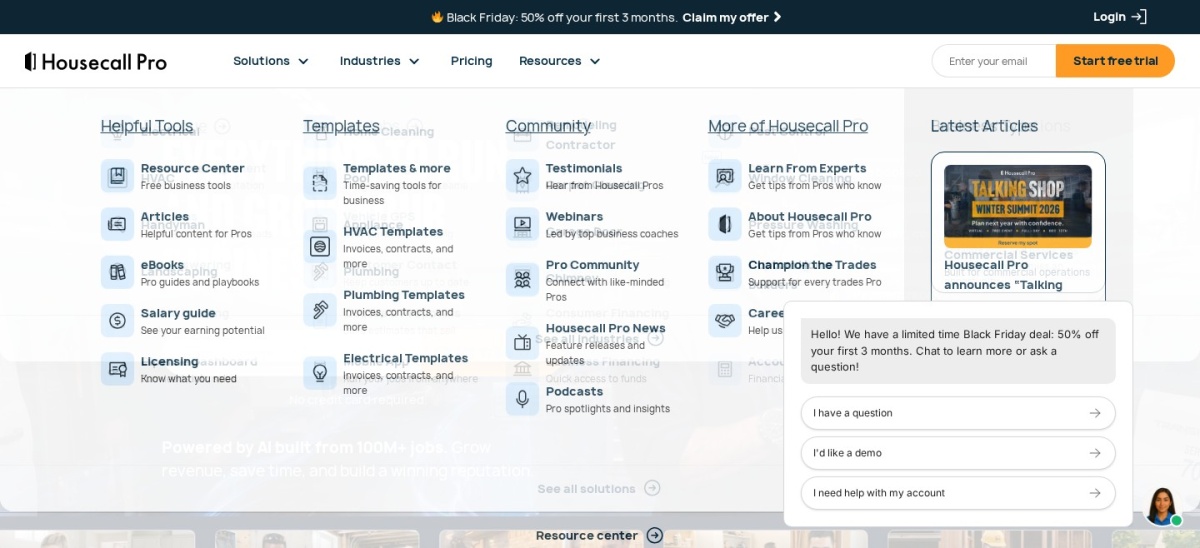
Housecall Pro suits growing residential companies, with online booking and a strong tech app from $59 a month.
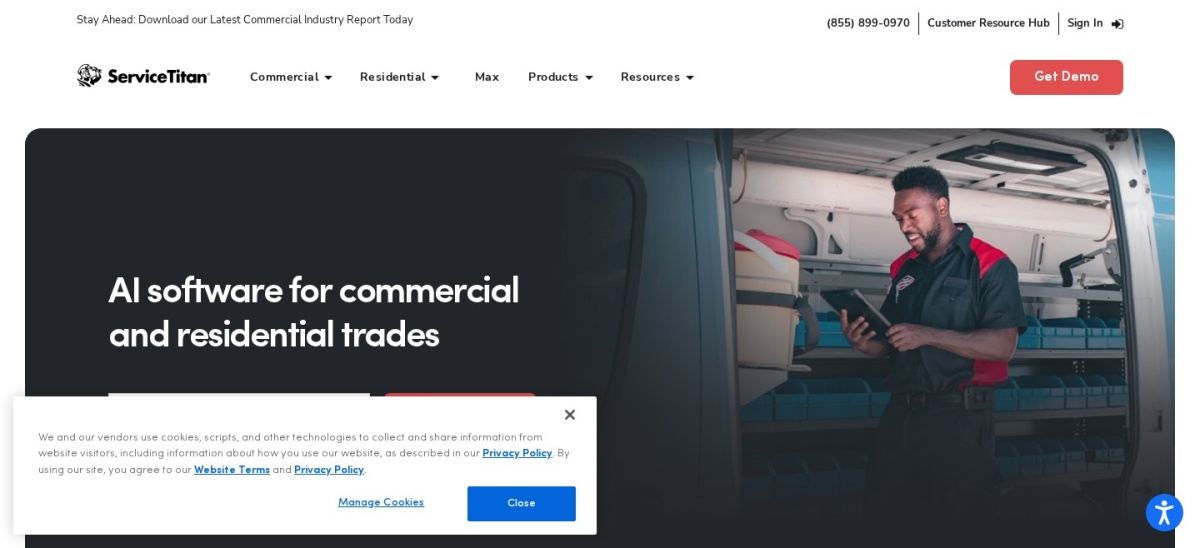
ServiceTitan is the heavyweight for companies past fifteen trucks, but it is quote-only with a months-long rollout.
Service Autopilot is the pick for maintenance-agreement businesses, with automations that generate visits and chase renewals from $49 a month.
FieldPulse holds the highest G2 rating on this list at 4.7/5, but it publishes no prices, so get a quote in writing.
What HVAC scheduling software should cover
An HVAC shop lives or dies on the dispatch board: jobs booked into slots, the right tech assigned, and the day reshuffled when a job runs long or an emergency lands.
Good HVAC scheduling software treats dispatch as a working board, not a static calendar. It matches tech skills and zones to jobs, sends automated reminders that cut no-shows, and runs quotes to invoices to payments without retyping.
Pricing is the trap. Per-user pricing and add-ons for marketing or pricebook tools change the real bill fast, so price the whole office at your planned headcount, not the headline rate.
This list covers the field service platforms HVAC companies actually run, from the one-truck end to the enterprise end, with published prices and review ratings verified on 23 November 2026.
ServiceTitan is the platform the biggest residential HVAC companies run on, and scheduling is its centre: a dispatch board that weighs technician skills, location and job priority, fed by call booking tools that score how the phones are handled. Maintenance plans, pricebooks and marketing attribution sit in the same system.
The trade off is power against cost and commitment. Pricing is quoted per company and lands far above the small-shop tools, and rollout takes months of data work. ServiceTitan fits HVAC companies past roughly fifteen trucks that need dispatch discipline and sales reporting across a real operation.
What we like
Dispatch board matched to skills, zones and job value
Call recording and booking tools lift conversion
Pricebook and sales tools built for replacement quotes
Jobber is the scheduling tool small HVAC shops adopt when the whiteboard and group chat stop working. The calendar is the product: schedule the job, assign the tech, send the on-my-way text and invoice from the same record. Core pricing is published from $29 a month for a single user on annual billing.
The trade off is simplicity against ceiling. A company growing into multiple branches or heavy commercial service will feel the walls. Jobber fits owner-operated and small residential shops that want professional scheduling and billing without an implementation project.
What we like
Drag-and-drop calendar and dispatch anyone can run
Housecall Pro targets the residential growth stage: online booking feeds the schedule, customers get reminders and tech tracking, and techs run the job from a well-liked mobile app. Pricing is published from $59 a month on the basic tier billed annually, with Essentials and MAX tiers adding automation and scale.
The trade off is growth tooling against add-on creep. Price the tier with the features you will actually switch on. Housecall Pro fits residential HVAC companies from a few trucks to a few dozen that book a lot of work online and live on maintenance and repair calls.
What we like
Scheduling, dispatch and a strong tech mobile app
Online booking that pulls jobs straight onto the board
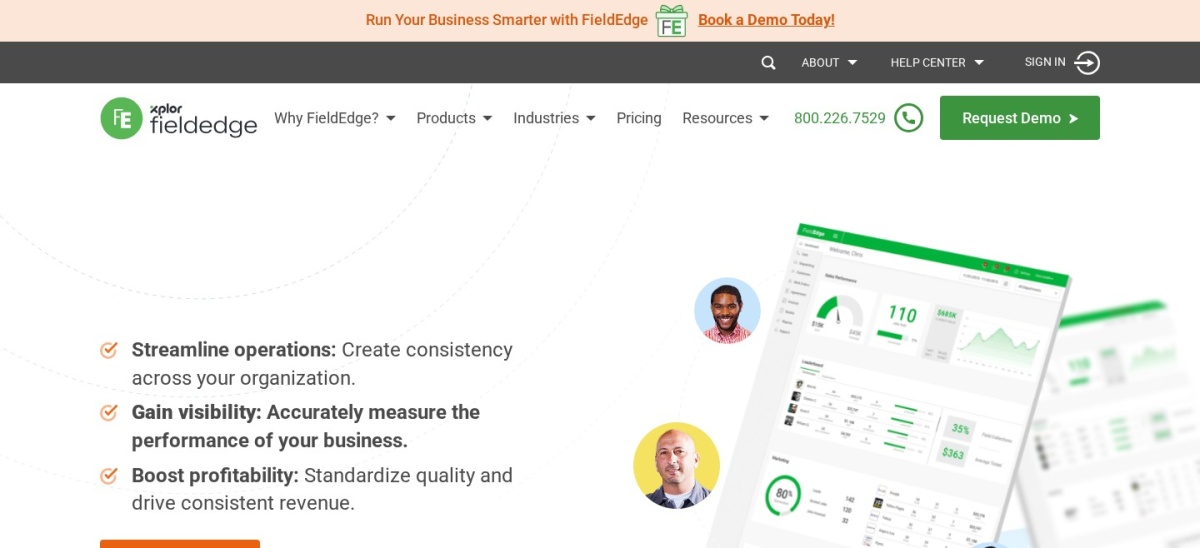
FieldEdge grew inside HVAC and plumbing shops and shows it: service agreement management, equipment history on each customer, and a dispatch board that displays each tech's numbers. Its QuickBooks sync is the reason many firms pick it, keeping the office books and the field in step without double entry.
The trade off is specialisation against modern feel and transparent price. FieldEdge publishes no prices, so every deal is a quote, and the interface feels more traditional than newer rivals. It fits established HVAC firms that run on QuickBooks and value agreement renewals and equipment records.
What we like
Built for HVAC workflows including service agreements
Dispatch board with tech performance stats
Deep QuickBooks integration is its calling card
Watch out for
Quote-based pricing
Interface feels more traditional than newer rivals
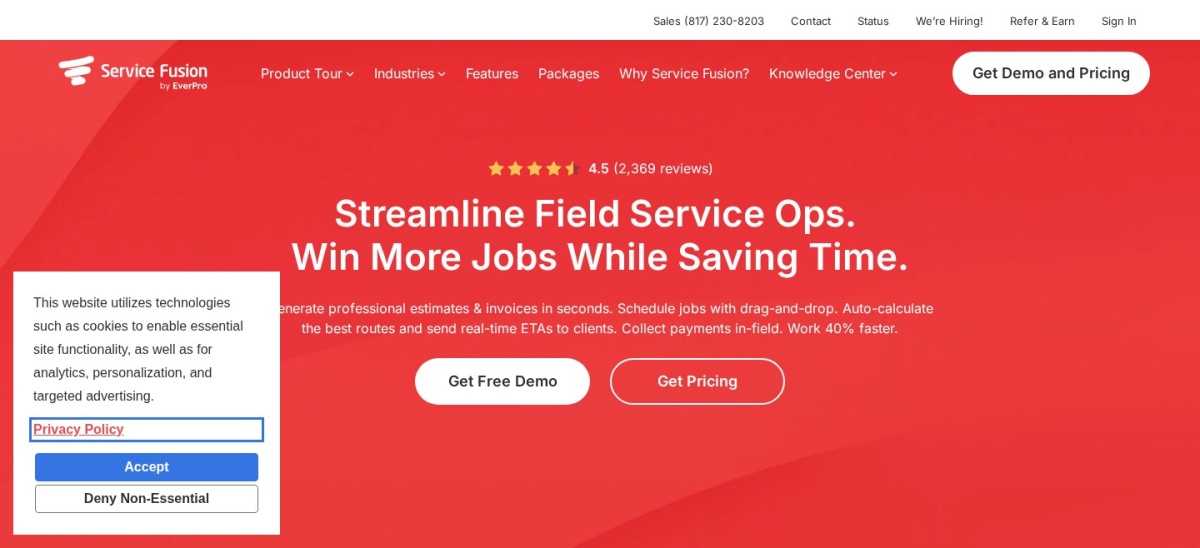
Service Fusion built its following on a simple promise to mid-size shops: the full field service suite without a per-user bill that punishes hiring. Scheduling, dispatch, estimates, invoicing and fleet GPS sit in one system aimed at companies from five to fifty techs.
The trade off is value against polish and certainty: its pricing approach has shifted over the years, so get the current model in writing. Service Fusion fits mid-size HVAC companies whose headcount grows seasonally and who resent per-seat maths.
What we like
Historically priced without per-user fees, which suits growing crews
Scheduling, dispatch, GPS fleet tracking and invoicing included
No long contract tradition
Watch out for
Pricing model and tiers have changed, so confirm the current quote
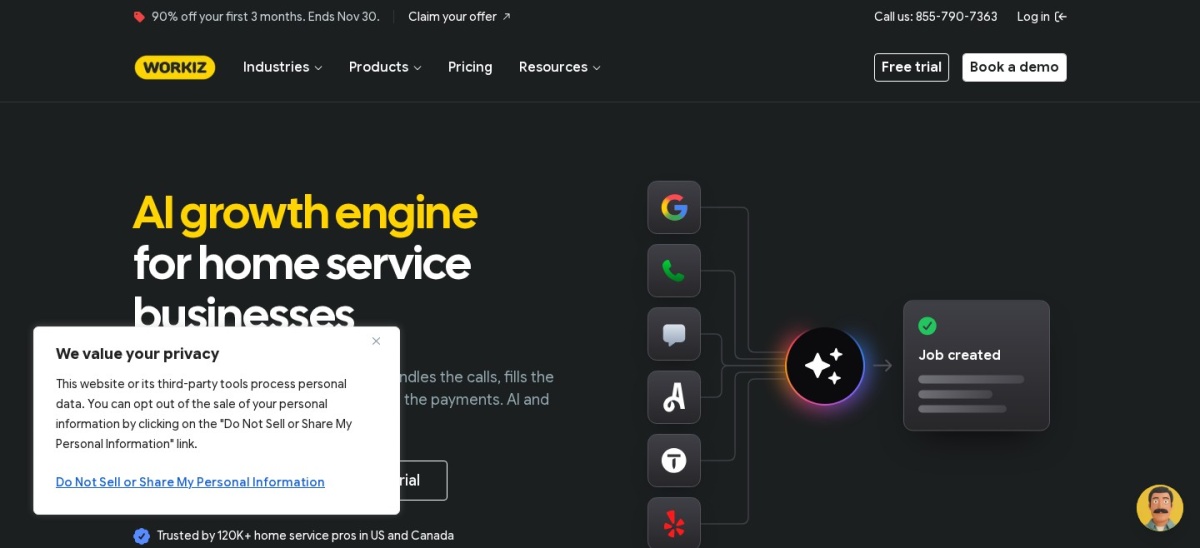
Workiz treats the phone call as the start of every job: calls are tracked, recorded and turned into scheduled work with the source attached, so owners see which ads and areas actually fill the board. Scheduling, dispatch, invoicing and communication tools follow from that centre.
The trade off is phone strength against platform depth. Large commercial operations will want more, and pricing has moved upmarket and is tiered, so confirm current figures. Workiz fits residential service companies whose growth engine is inbound calls and who want scheduling and marketing attribution in one place.
What we like
Call tracking and recording tied to jobs and scheduling
Strong for service businesses that book by phone
Automation for reminders and follow-ups
Ad tracking shows which campaigns produce jobs
Watch out for
Pricing moved upmarket and is tiered, confirm current figures
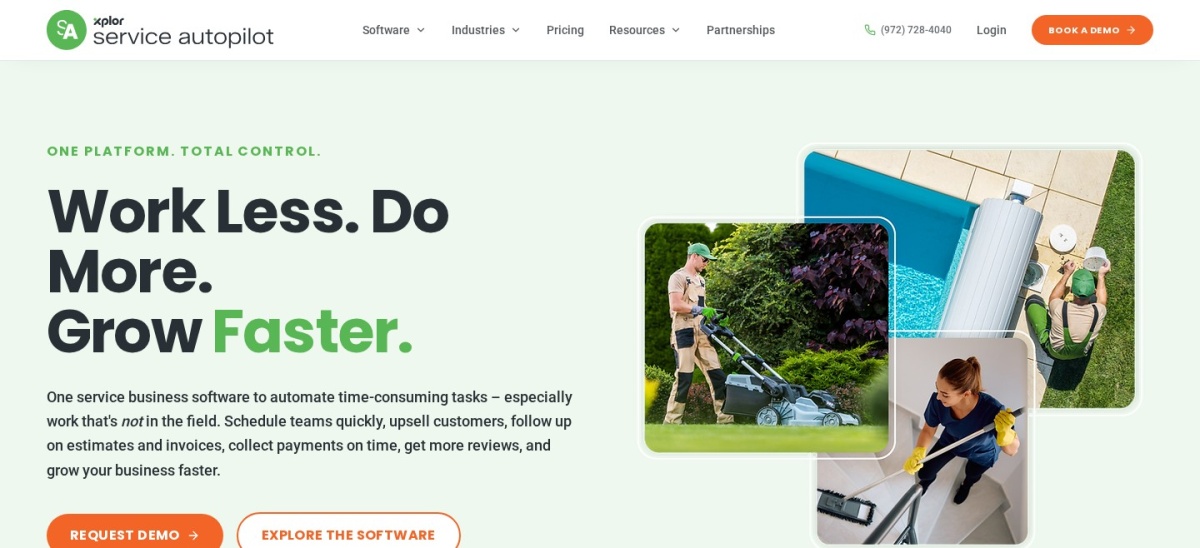
Service Autopilot comes from recurring route work and it shows in the best way for maintenance-driven HVAC: agreements generate their visits on schedule, routes are planned by area, and automations chase renewals before agreements lapse. Pricing starts at $49 a month for the Startup plan, billed annually.
The trade off is recurring strength against HVAC specialisation. Replacement sales tooling is thinner than ServiceTitan's, and the interface takes learning. Service Autopilot fits companies whose revenue base is maintenance agreements and seasonal tune-ups that must never be forgotten.
What we like
Recurring scheduling and route planning are its origin and strength
Automations handle renewals, reminders and follow-ups
FieldPulse is a field service platform built for growing HVAC teams that need scheduling plus inventory. It covers dispatch, quoting, invoicing and customer records, with truck-stock tracking that keeps techs from leaving a job half done for a missing part. Reviewers rate it 4.7 out of 5 on G2, the highest score on this list.
The trade off is price transparency. FieldPulse publishes no prices, so every deal is a quote, and third-party reports put the entry point near $89 a month. It fits growing HVAC teams that need inventory control beside scheduling and are ready to talk to sales for a number.
Per-user tools (Jobber, Housecall Pro) charge by the seat, so the bill grows every time you hire a tech. That is predictable, but seasonal hiring makes the cost jump.
Flat-priced tools (Service Fusion historically, Service Autopilot's tiered plans) charge by the plan, so adding techs costs little. Confirm the current model in writing, because flat pricing has shifted over the years.
Quote-only platforms (ServiceTitan, FieldEdge, Workiz, FieldPulse) price by company size and modules. Get the full year-one cost, including implementation and add-ons, before you compare.
How we chose
We compared the field service platforms HVAC companies actually run, from the enterprise end to the one-truck end, and weighted scheduling and dispatch quality first: board design, skill and zone matching, reminders, and the tech mobile app.
Prices come from vendor pricing pages and published plan lists, checked on 23 November 2026. Jobber, Housecall Pro and Service Autopilot publish prices; ServiceTitan, FieldEdge, Service Fusion, Workiz and FieldPulse are quote-only, so this list shows Quote rather than third-party estimates.
Ratings come from G2 or Capterra pages opened on 23 November 2026, with the review count shown beside each score. This list is based on pricing, docs and reviews, not on using the tools ourselves.
How to choose HVAC scheduling software
Size the company honestly first, then test the board with your worst real day.
Count your trucks. Under ten trucks, Jobber, Housecall Pro or Service Autopilot will cover you at a published price. Past fifteen, ServiceTitan's dispatch and reporting earn their quote.
Test the board with a bad day. A heat-wave Monday with two sick techs and a priority customer down. Watch how each tool reschedules and what the customer is told automatically.
Check the agreement workflow. Maintenance visits are the schedule's backbone. The software should generate them, remind customers, and report which agreements never booked.
Confirm the money path. Quote to job to invoice to payment to QuickBooks, without retyping. Then price three years at your planned headcount, including add-ons.
FAQ
What does HVAC scheduling software cost?
Small-shop tools publish prices: Jobber from $29 a month, Housecall Pro from $59, and Service Autopilot from $49, all rising by users and tiers. ServiceTitan and FieldEdge quote per company, and larger operations should expect a figure in the hundreds to thousands a month.
What is the difference between scheduling and dispatch?
Scheduling books the job into a slot. Dispatch is the live work of assigning the right tech, sequencing the day, and reshuffling when jobs run long or emergencies land. Good HVAC software treats dispatch as a working board, not a static calendar.
Can the software handle maintenance agreements?
Yes, that is core work for FieldEdge, Service Autopilot, and ServiceTitan: agreements generate visits on their cycle, reminders go out automatically, and dashboards show unbooked agreements before they lapse.
Will it integrate with QuickBooks?
Jobber, FieldEdge, and Service Fusion all sync invoices and payments with QuickBooks, FieldEdge most deeply. Confirm whether the sync is two-way and how it handles deposits and tax rates before you migrate.
What is the best HVAC scheduling software for a small shop?
Jobber is the best pick for most small shops, with a clean dispatch calendar from $29 a month and a 4.6 out of 5 rating on G2. Housecall Pro is the better fit if you book a lot of work online and want a strong tech mobile app.
Does HVAC scheduling software include invoicing?
Most tools on this list do: Jobber, Housecall Pro, FieldEdge, Service Fusion, Workiz, Service Autopilot and FieldPulse all cover quotes, invoices and payments in the same app, so you do not retype job details into a separate billing tool.