Molecule is the best ETRM software for most energy trading teams, with a cloud-native platform, near real-time position and profit reporting, and strong G2 reviews. ION OpenLink Endur is the pick for the largest multi-commodity books, while Enverus suits teams that want market intelligence inside the trading workflow.
How we make this list: we compare pricing pages, product documentation and public user reviews, then re-check every price before each update. No product paid for a place. Disclosure.
Molecule is the best ETRM software overall, with a cloud-native platform and a 4.2 out of 5 G2 rating.
ION OpenLink Endur is the benchmark for the largest multi-commodity books, with the deepest risk engine here.
Enverus has the largest review base at 4.4 out of 5 on G2 from 286 reviews, leading with energy data and intelligence.
No vendor publishes a price, so every shortlist needs quotes on identical scope plus an implementation budget.
IGNITE CTRM is the budget-friendly SaaS option, with a 4.7 out of 5 Capterra rating and packaged tiers.
What ETRM software should do
ETRM software runs the trading desk: deal capture, position and profit reporting, risk measurement, scheduling, logistics and settlement for power, gas, oil and renewables.
No vendor in this category publishes a price list. Every tool here is sold by quote, so a shortlist needs a sales conversation and an implementation quote before any budget is final. Our guide to ERP software compares the wider enterprise market.
The market is consolidating. ION now owns Openlink, Allegro, Triple Point, Aspect and Brady, so half the historic names in this category share one owner, while cloud-native challengers such as Molecule, Quoreka and IGNITE win the faster implementations.
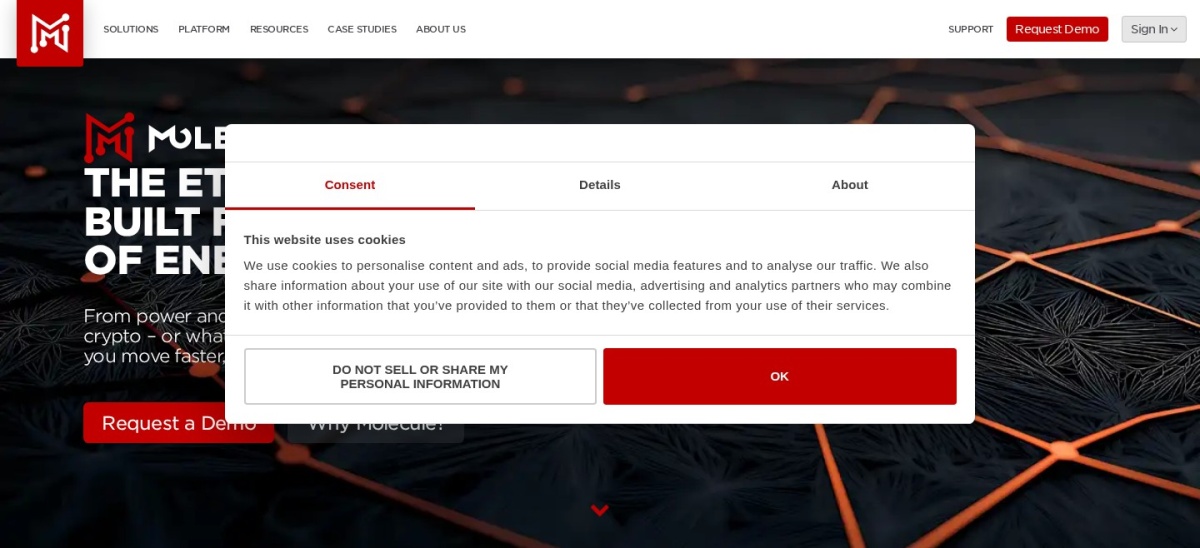
Molecule is a cloud-native, multi-tenant ETRM platform built for the way energy trades now, with automated deal capture from exchanges, spreadsheets and APIs, near real-time position, exposure and profit reporting, and support for more than 50 commodities from power and renewables to crude and crypto.
The trade off is derivatives depth. Molecule is not yet the choice for the most exotic derivatives books, and its vendor is younger than the enterprise incumbents. It suits power, gas, renewables and mid-size commodity portfolios that want to go live fast without a dedicated IT team.
What we like
Multi-tenant cloud with near real-time profit and risk
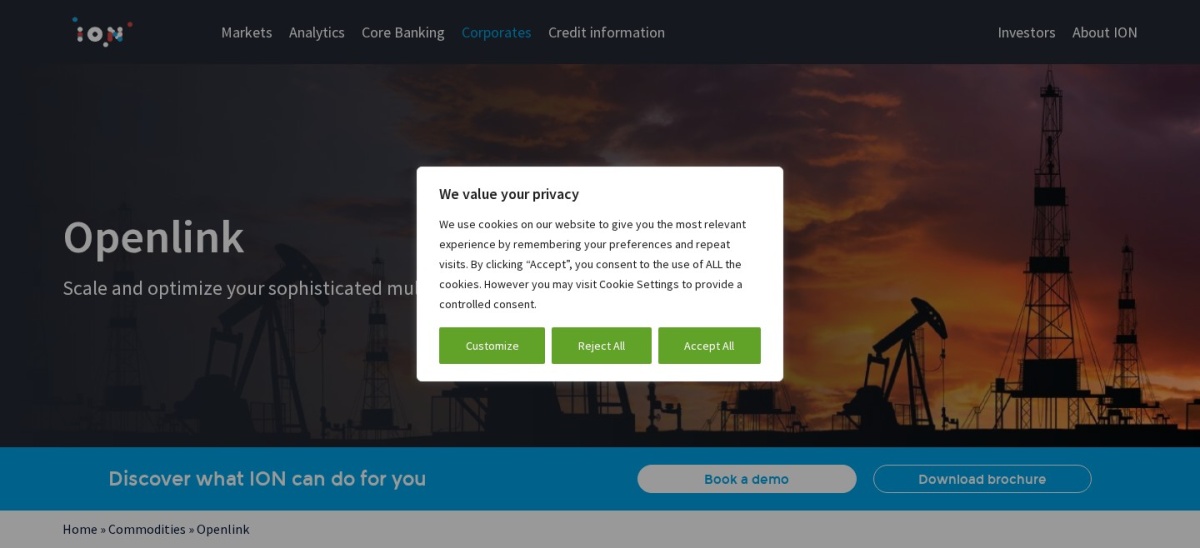
ION OpenLink is the enterprise benchmark for energy trading and risk management, the default choice for large energy companies with complicated books: power and gas utilities, oil majors and financial institutions trading across physical and financial instruments.
The trade off is scale economics. OpenLink implementations are major programs, and its 3.8 out of 5 G2 rating is the lowest here, reflecting the weight of the platform. It suits the largest trading houses and utilities with complex multi-commodity portfolios.
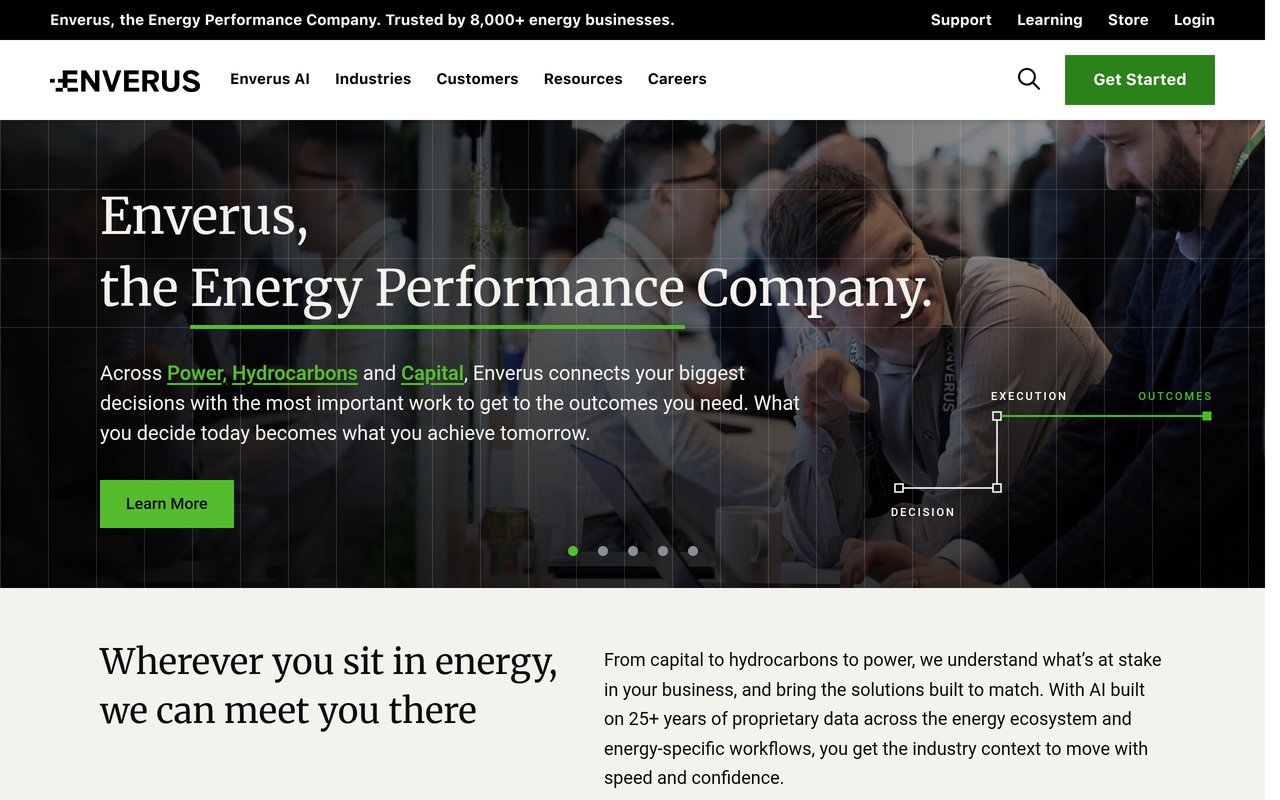
Enverus is the energy industry's dedicated software and data platform, with more than 25 years of vetted data and research, analytics, and a unified trading workflow platform that connects insight to action. Its PRISM platform and Instant Analyst AI put market intelligence inside the trading workflow rather than beside it.
The trade off is focus. Enverus leads with data and intelligence, with trading workflow as the connective tissue, rather than as a classic deal-capture-to-settlement ETRM. It suits traders whose edge is fundamental insight, and it holds the largest review base here.
FIS Aligne is the bank-grade ETRM platform from FIS, bringing trade capture, risk and settlement for energy and commodity markets, backed by one of the world's largest financial technology companies.
The trade off is breadth. FIS is vast and energy is one division, so pure-play ETRM vendors live and breathe this market more deeply. It suits energy desks inside banks and large corporates with existing FIS relationships.
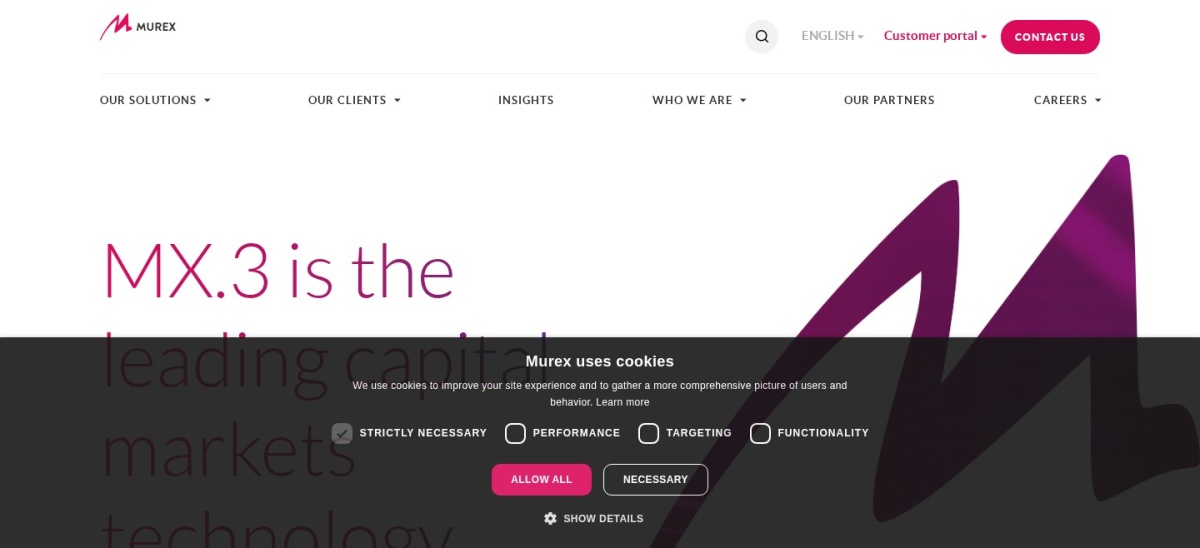
Murex is the cross-asset capital markets platform that banks and energy majors run their trading, treasury, risk and post-trade operations on. Its MX.3 platform handles complex derivatives, structured products and regulatory demands, with energy and commodities sitting alongside rates, credit and foreign exchange in one risk framework.
The trade off is fit. Murex is a capital markets platform that covers energy, not an energy platform that covers capital markets, so pure physical traders will find it heavy and expensive. It suits institutions that trade energy alongside financial instruments with serious derivatives books.
What we like
MX.3 is the leading cross-asset capital markets platform
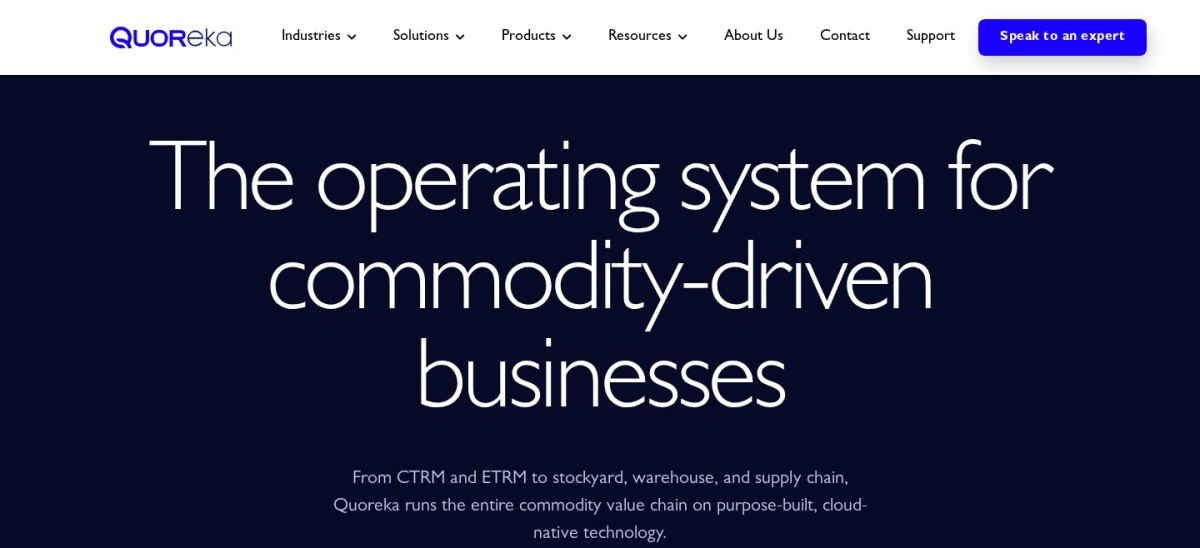
Quoreka is the cloud-native operating system for commodity-driven businesses, formerly Eka Software, covering CTRM and ETRM together with stockyard, warehouse and supply chain management on a single platform. Trading houses, producers and processors get deal capture through physical settlement without stitching systems together.
The trade off is analyst footprint. Quoreka is smaller than ION and its 4.2 out of 5 G2 rating rests on 3 reviews, so peer validation is thin. It suits companies with mines, terminals or warehouses as well as trading desks.
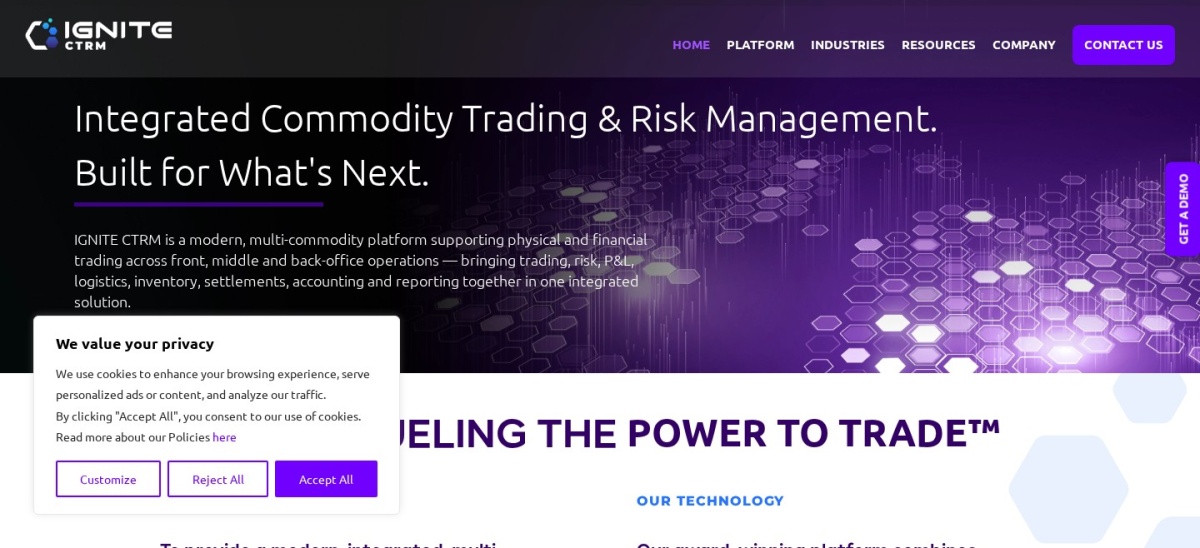
IGNITE CTRM is a cloud-delivered ETRM and CTRM platform for companies trading oil, refined products, petrochemicals, natural gas and NGLs, combining deal capture, logistics, invoicing, position tracking, credit and risk management in one system. It sells packaged SaaS tiers, from P and L Starter through Pro and Enterprise, plus a Flex custom option.
The trade off is review depth. Its 4.7 out of 5 Capterra rating rests on 3 reviews, and no list prices are published, so budgeting still needs a quote. It suits mid-size physical traders that want a faster, cheaper go-live than the enterprise suites.
CTRM, commodity trading and risk management, covers every physical commodity: energy, metals, agriculture and softs. ETRM is the energy-market subset, focused on power, gas and related instruments with features such as curve management and grid scheduling.
The tools overlap heavily. OpenLink, Molecule and Quoreka sell as both ETRM and CTRM, and the same deal lifecycle, from capture through scheduling, risk and settlement, sits underneath both labels.
Buy on the book you actually trade. A power and gas desk needs curve and scheduling depth, while a crude and products desk needs logistics, blending and refinery integration. The label matters less than the commodity fit.
Why one vendor owns half this list
ION has absorbed Openlink, Allegro, Triple Point, Aspect and Brady, building the largest ETRM portfolio in the industry. For a large trading house that means one vendor relationship can cover every desk.
Consolidation is both the strength and the question. Customers inherit breadth but should ask which product line fits their book and what the roadmap means for their deployment.
Meanwhile the cloud-native challengers win where speed matters. Molecule, Quoreka and IGNITE go live in weeks rather than quarters, with no upgrade projects, which is why smaller and mid-size trading firms increasingly shortlist them first.
How we chose
We started from the ETRM and CTRM platforms that appear most often in 2026 comparisons, then kept only those with a verifiable rating on G2 or Capterra.
Prices come from each vendor's pricing page, checked on 25 November 2026. No vendor publishes a price list, so every tool is listed as quote-only, which the vendors themselves confirm. Ratings and review counts come from G2 and Capterra on the same day.
We left out tools with no verifiable rating on G2, Capterra or Trustpilot, including RightAngle, Gen10, Inatech, Trayport, Amphora and SAP Commodity Management. No vendor paid for a place, and we do not claim hands-on testing for this list.
How to choose ETRM software
Start with your book, not the feature list, and let the commodities you trade decide the shortlist.
Map your book first. List the commodities, instruments and markets you trade, then check each tool's coverage for those before shortlisting. A missing instrument costs more than any licence saving.
Decide cloud or enterprise. Cloud-native tools such as Molecule, Quoreka and IGNITE go live in weeks with no upgrade projects. Enterprise suites such as OpenLink and FIS suit the largest books but need major implementations.
Get quotes on identical scope. Send every vendor the same desk count, commodity list and module scope, and ask for subscription, implementation and annual support split out.
Pilot with a real book. Load real trades into a trial or sandbox and produce a risk report live. The difference between a slick demo and a working system shows up in the first hour.
FAQ
What is the best ETRM software?
Molecule is the best ETRM software for most teams, with a modern cloud platform, near real-time position reporting and a 4.2 out of 5 G2 rating from 18 reviews. ION OpenLink Endur is the stronger pick for the largest multi-commodity books.
How much does ETRM software cost?
No ETRM vendor publishes a price list, so every tool here is sold by quote. Expect enterprise pricing plus a substantial implementation bill, and ask each vendor to split subscription, implementation and support.
What is the difference between ETRM and CTRM software?
ETRM is the energy-market subset of CTRM. CTRM covers all physical commodities, while ETRM focuses on power, gas and related instruments with features such as curve management and scheduling.
Is there a free ETRM tool?
No. None of the seven tools here offers a free plan, and all are sold through enterprise sales. Molecule and IGNITE are the lowest-friction options, with cloud delivery and faster go-lives.
Which ETRM software is best for small trading firms?
Molecule is the best pick for smaller firms that want modern SaaS ETRM without a dedicated IT team, and IGNITE CTRM is the budget-friendly SaaS alternative with packaged tiers. Large books still belong on OpenLink or FIS.
SaaS SEO and WordPress specialist with about 8 years of experience. Rakib compares WordPress plugins, themes, hosting and software using public pricing, documentation and user reviews. See how we rank.