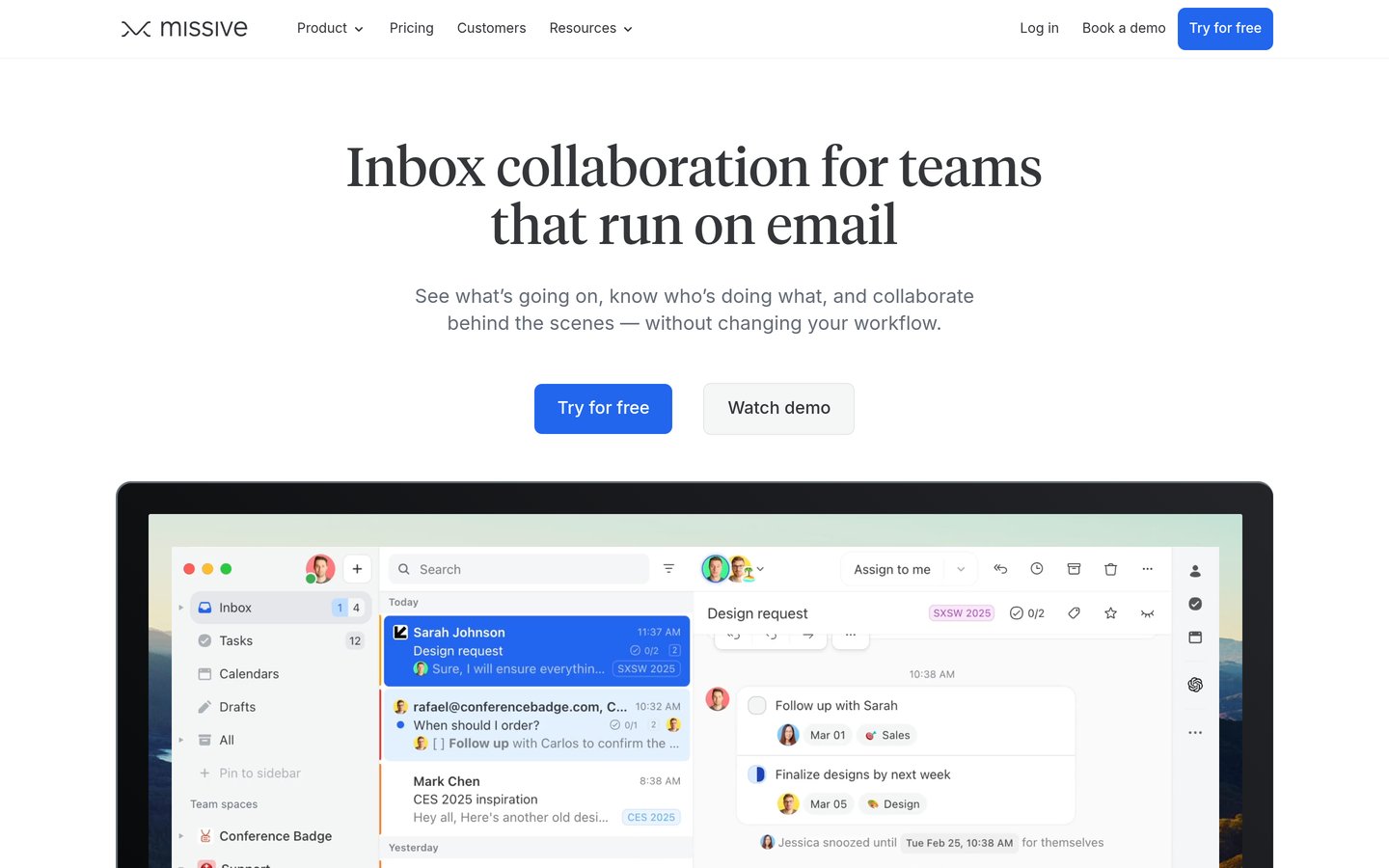
Missive is the best Superhuman alternative for teams, with shared inboxes, assignments and the highest rating in this list. Spark is the closest match for individuals at a third of the price, while Spike suits chat-style teams.
How we make this list: we compare pricing pages, product documentation and public user reviews, then re-check every price before each update. No product paid for a place. Disclosure.
Missive leads with a 4.7 out of 5 G2 rating from more than 800 reviews, and Starter costs $14 a user a month.
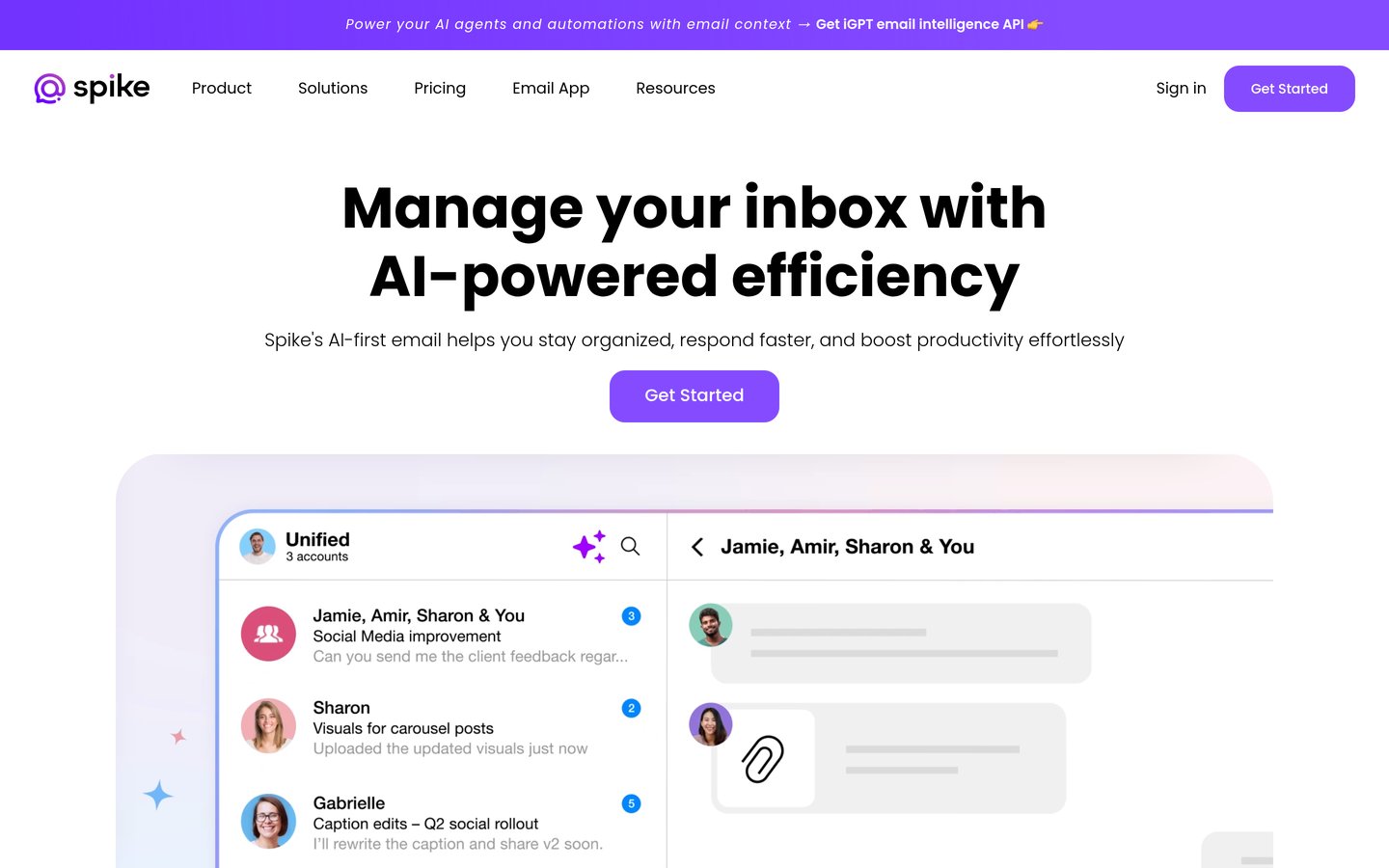
Spike costs $4 a member a month billed yearly, the cheapest paid plan in this list.
Spark Plus costs $8.25 a user a month billed yearly, a third of Superhuman's $25.
Shortwave now starts at $30 a seat a month, up from $18 in early November reads.
Thunderbird is free and open source, while HEY costs a flat $99 a year.
What makes a good Superhuman alternative
Superhuman costs $25 a user a month billed yearly, which is hard to justify when most of its speed tricks now exist elsewhere. The apps in this list cover the same ground: keyboard shortcuts, AI drafting, snooze and send later.
The right alternative depends on who you are. Individuals should start with Spark or Shortwave, teams with Missive or Spike, and privacy-minded users with Proton Mail or Canary Mail.
Check the provider lock-in before you switch. Shortwave works with Gmail only, while Spark, Missive and Spike work with Gmail, Outlook and IMAP. A tool that cannot read your mailbox is useless, however fast it is.
Most tools here have a free plan, and paid plans run from $3 to $30 a user a month. Our best live chat software guide covers the team messaging side of the same workflow.
Missive is a team inbox where shared email, SMS and social accounts live in one place with assignments, private comments and live co-drafting. Starter at $14 a user a month covers up to five users with shared inboxes and tasks, and more than 9,300 companies use it.
The trade off is the AI and automation ladder. Rules, integrations, the API and the AI assistant start on Productive at $24 a user a month. It suits small teams that answer mail together and need to know who is handling what.
Spike is a chat-style email app that turns email into threads with groups, voice messages and video calls built in. The free plan covers the basics, while Pro at $4 a member a month billed yearly adds unlimited search history, 100 GB of storage and a shared inbox.
The trade off is depth. Spike is lighter on automation and rules than Missive or Spark, and its AI features sit on higher tiers. It suits teams that want email to feel like chat and hate formal threads.
What we like
Cheapest paid plan in this list
Chat-style threads with groups built in
Voice and video calls included
Watch out for
Lighter on automation and rules
AI features need higher tiers
Business at $8 a member a month adds more storage and supportVisit spikenow.com
03
Spark
4.5/5on G2 (61 reviews, checked Nov 2026)
Paid from$8.25/mo
Best Superhuman alternative for individuals
Free planYes, unlimited accounts
Cheapest paidPlus, $8.25/user/mo
G2 rating4.5 out of 5
PlatformsMac, Windows, iOS, Android
sparkmailapp.com
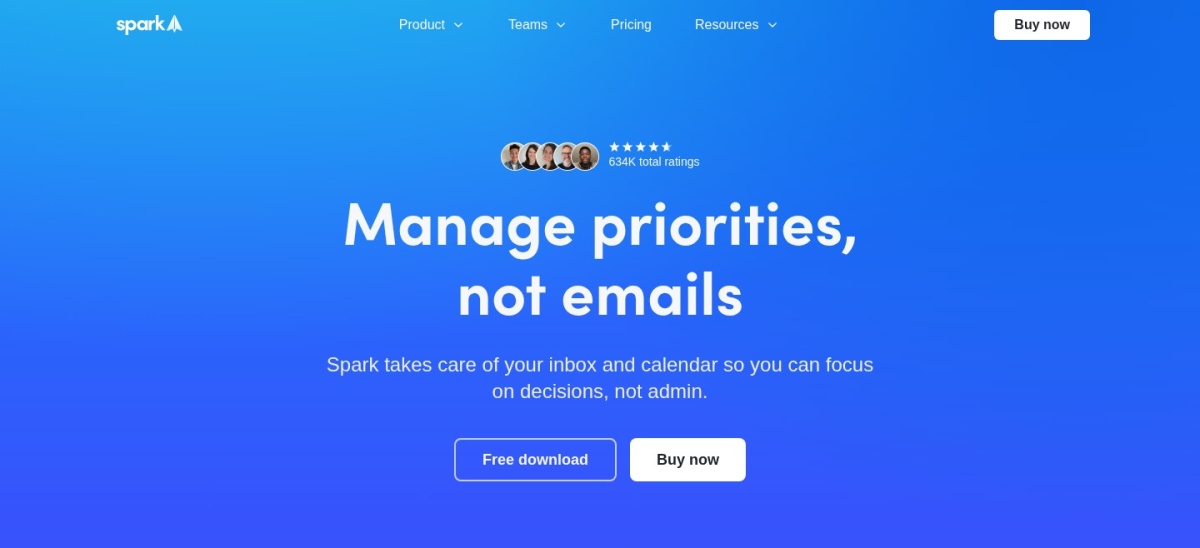
Spark homepage, captured Nov 2026.
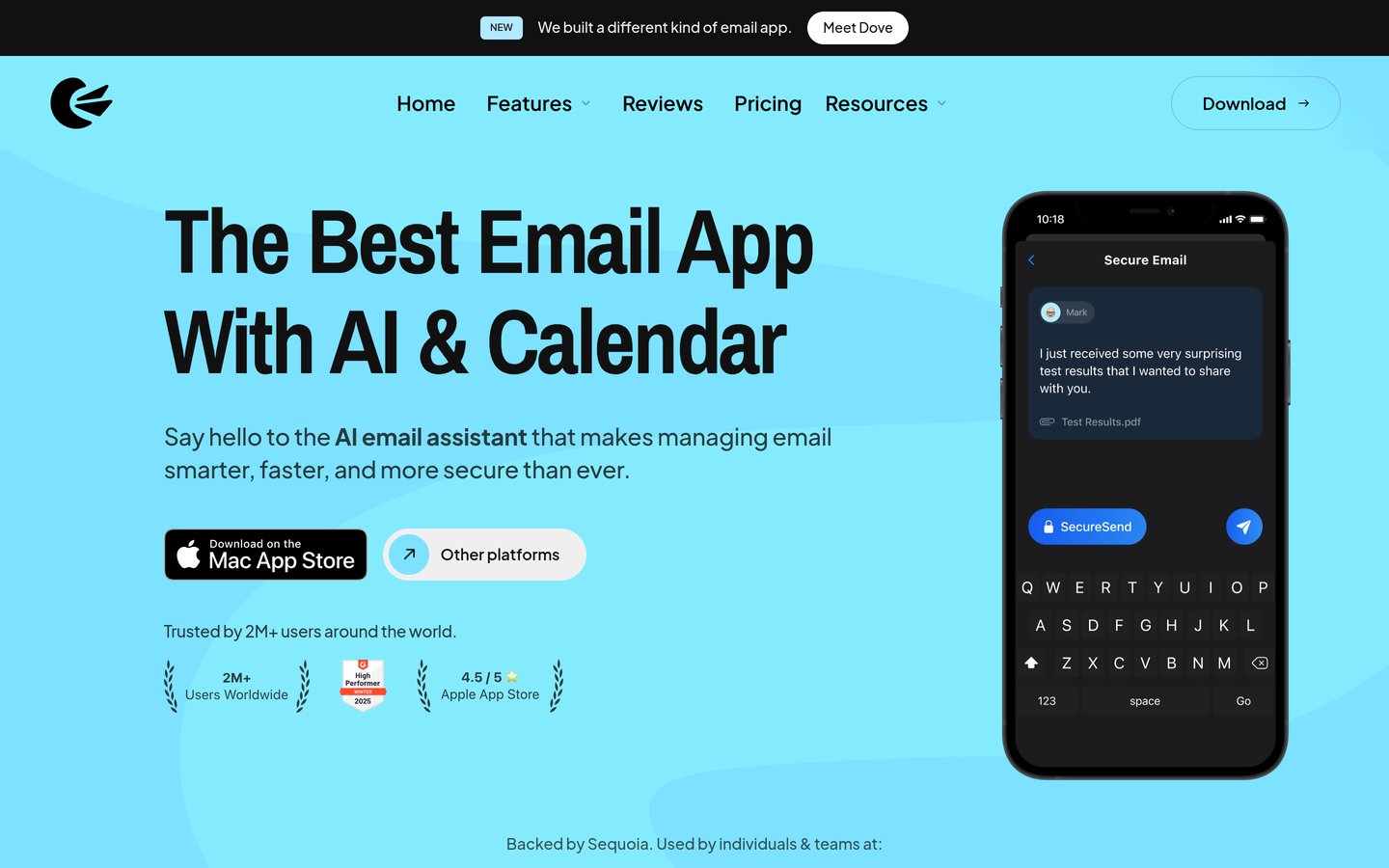
Spark is a keyboard-first mail app with a Smart Inbox that sorts mail into Personal, Notifications and Newsletters, plus snooze, send later and templates. Plus at $8.25 a user a month billed yearly adds the full AI assistant, summaries and team comments.
The trade off is trust. The version 3 redesign drew complaints about speed from long-time users, and the free plan's AI is only a limited preview. It suits Gmail or Outlook users who want Superhuman speed at a third of the price.
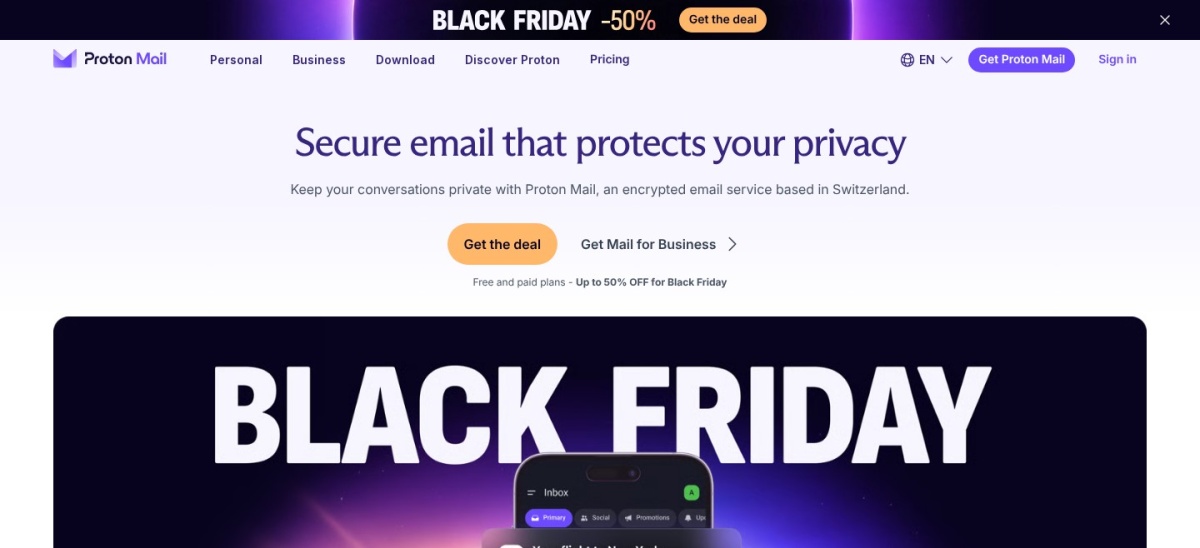
Proton Mail is an encrypted email service from Switzerland with end-to-end encryption and zero-access storage. The free plan includes 1 GB of storage, while Mail Plus renews at $47.88 a year with 15 GB, custom domains and priority support.
The trade off is the ecosystem. Proton Mail is a mailbox, not a full client, so it lacks the keyboard-first speed of Superhuman and the team inbox of Missive. It suits people who want privacy first and a mailbox that no one else can read.
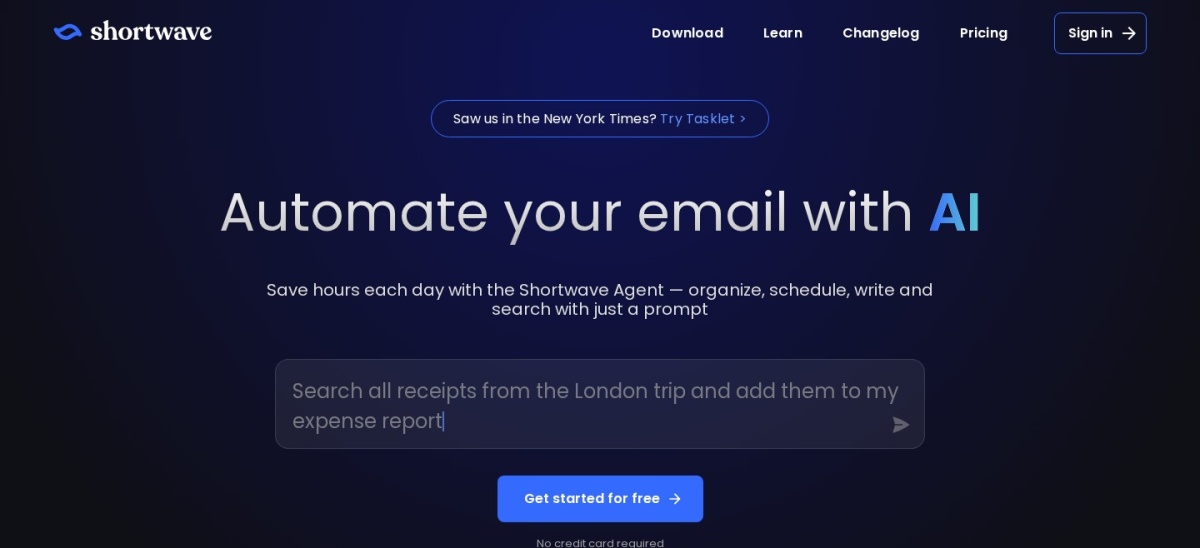
Shortwave is the most AI-first inbox in this list, built around an assistant that searches years of mail in plain language, summarizes long threads and drafts replies in your voice. Bundles group newsletters out of the way, and splits divide the inbox into focused tabs.
The trade off is price and reach. Individual now costs $30 a seat a month with no annual discount, up from $18 in early November, and it works with Gmail only. It suits Gmail power users who want AI triage more than anything else.
Canary Mail is a secure email client with an AI Copilot that drafts replies, summarizes threads and manages the inbox. The free plan covers the basics, while Pro at $3 a month adds the full AI assistant, encryption and multi-account workflows.
The trade off is the small review base. Canary holds 4.5 out of 5 on G2 from only 53 reviews, and its $3 price rests on a secondary read since the vendor pricing page did not load today. It suits privacy-minded users who want AI help.
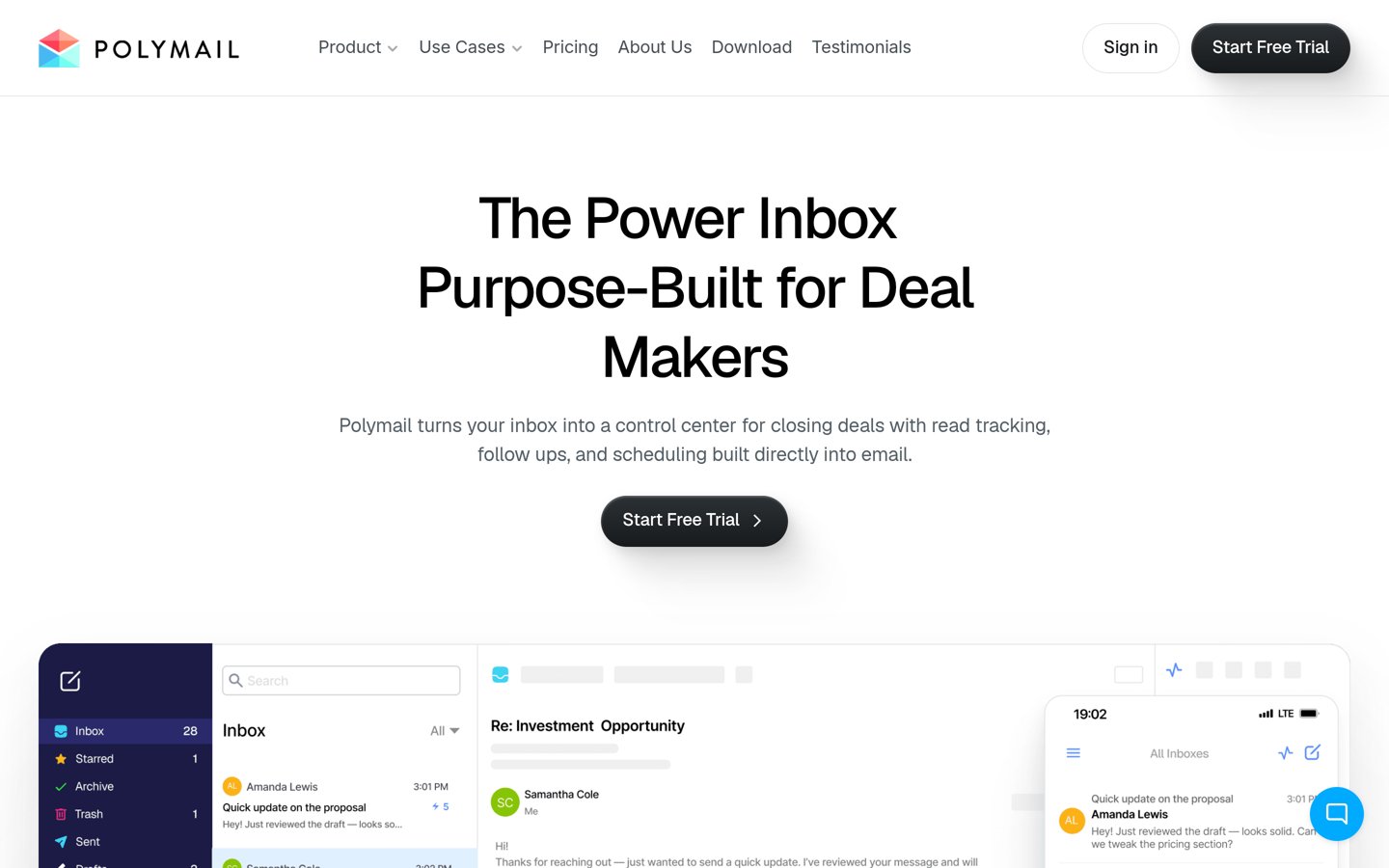
Polymail is an inbox built for deal makers, with read tracking, follow-up nudges, sequences and scheduling built directly into email. Plans start from $10 a month, and it turns the inbox into a control center for closing deals.
The trade off is focus. Polymail is built for sales outreach, so it is overkill for personal mail and lacks the team inbox of Missive. It suits founders and salespeople who live in their inbox and track every open.
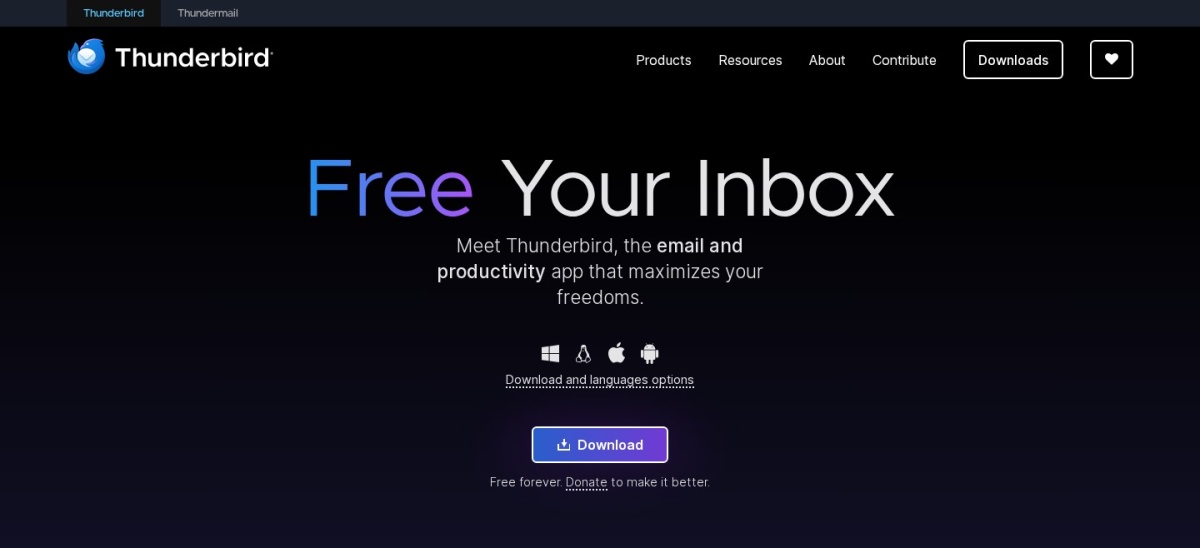
Thunderbird is a free, open-source email app from Mozilla with tabs, search, filters and hundreds of add-ons. It costs nothing, runs on Windows, Mac and Linux, and handles multiple accounts with local folders and encryption.
The trade off is polish. Thunderbird looks dated beside Spark or Shortwave, and it has no built-in AI assistant. It suits users who want a free, private inbox they fully control.
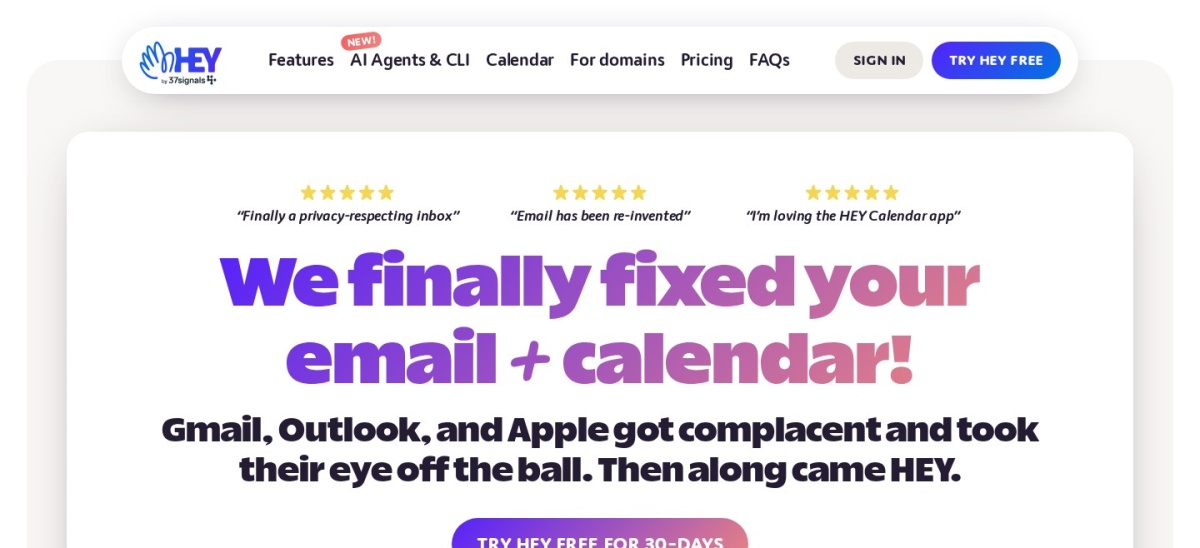
HEY is an email service from 37signals that rethinks the inbox: senders are screened before they can reach you, mail is batched, and every address gets a personal blog. HEY for You costs $99 a year with a 30-day free trial.
The trade off is the learning curve. HEY demands new habits and has the lowest G2 rating in this list at 3.9 out of 5 from 27 reviews. It suits people who want less email, not faster email.
Free plans cover the basics well. Spark, Spike, Proton Mail and Thunderbird all offer a usable free inbox with no card required.
Paid plans mostly add AI and team features. Spark Plus adds the full AI assistant, Missive Starter adds shared inboxes, and Canary Pro adds the AI Copilot.
Thunderbird is the exception: it is fully free with no paid tier at all. If you want a private inbox and do not need AI, it costs nothing.
How we chose
We started from the email apps buyers compare with Superhuman most, then kept the nine with a public G2 rating and a published price. Superhuman itself is the benchmark, not a pick, so it does not appear in the list.
Prices come from each vendor's pricing page, checked on 25 November 2026, and ratings come from G2 on the same day. Canary Mail's $3 price rests on a secondary read, since the vendor pricing page did not load today. Shortwave's price rose to $30 a seat a month since early November reads.
We left out apps with no public rating and apps that are only a mailbox add-on. No vendor paid for a place, and we do not claim hands-on testing for this list.
How to choose an email app instead of Superhuman
Start with your mailbox provider, then pick the speed and AI features you will actually use.
Check your mailbox provider first. Shortwave is Gmail only. If your team uses Outlook or IMAP, start with Spark, Missive, Spike or Proton Mail instead.
Decide what Superhuman feature you miss most. Keyboard speed points to Spark, AI drafting to Shortwave, shared inboxes to Missive, and chat-style mail to Spike.
Try the free plan for a week. Run your real inbox through it, not a demo account. Speed and AI quality only show up on your own mail.
Price the plan you will actually use. The cheapest tier often drops the AI or team features you switched for. Check what the next tier costs before you commit.
FAQ
What is the best alternative to Superhuman?
Missive is the best alternative for teams, with shared inboxes and a 4.7 out of 5 G2 rating. Spark is the closest match for individuals at $8.25 a user a month billed yearly, against Superhuman's $25. Shortwave is the closest AI-first match for Gmail users.
Is there a free alternative to Superhuman?
Yes. Spark, Spike, Proton Mail, Shortwave, Canary Mail and Thunderbird all offer free plans. Thunderbird is fully free with no paid tier, while Spark's free plan covers unlimited accounts. Paid plans in this list start at $3 a month for Canary Mail Pro.
How much does Superhuman cost?
Superhuman costs $25 a user a month billed yearly on Starter, or $30 billed monthly. Business costs $33 a user a month. Every tool in this list undercuts it, with Spike at $4 and Spark at $8.25 a user a month billed yearly.
Which email app is best for teams?
Missive is the best pick for teams, with shared inboxes, assignments, private comments and live co-drafting. Spike suits chat-style teams, and HEY for Domains covers small teams that want screening. Superhuman itself is built for individuals, not shared inboxes.
Which email app has the best AI?
Shortwave has the strongest AI assistant, with plain-language search, summaries and drafting in your voice. Spark Plus adds AI writing and summaries, and Canary Mail's Copilot drafts and summarizes. All three cost less than Superhuman's $25 a user a month.
Does Shortwave work with Outlook?
No. Shortwave works with Gmail and Google Workspace only, so an Outlook team cannot use it at all. Spark, Missive, Spike and Proton Mail all work with Gmail, Outlook and IMAP, so a mixed-provider team should start there.
SaaS SEO and WordPress specialist with about 8 years of experience. Rakib compares WordPress plugins, themes, hosting and software using public pricing, documentation and user reviews. See how we rank.