Best Ecommerce Platform for Wholesale in 2026: 7 Tools Compared
WLWPLegible EditorsLast verified 23 Nov 2026How we rank7 min read
★ Short answer
BigCommerce is the best ecommerce platform for wholesale pick for most buyers, rated 4.2/5 on G2 from 581 reviews, with paid plans from $29/mo. Pick Shopify Plus for a cheaper start and Adobe Commerce for the most control.
How we make this list: we compare pricing pages, product documentation and public user reviews, then re-check every price before each update. No product paid for a place. Disclosure.
BigCommerce leads for wholesale: Core from $29 a month, with B2B quoting and price lists on higher plans.
Shopify Plus adds a wholesale channel, but starts from $2,300 a month on a 3-year term.
Adobe Commerce and Salesforce are custom-quote only, with no public list price to budget against.
WooCommerce and PrestaShop are free at the core, but wholesale extensions and development cost extra.
Wholesale needs quoting, price lists and net terms built in, not bolted on with apps.
What to look for in ecommerce platform for wholesale
Wholesale selling is B2B selling. Buyers expect customer-specific pricing, quotes, purchase orders and net terms, and they order in bulk, not one item at a time.
A good wholesale platform handles those workflows natively. If quoting or price lists need a paid app, the total cost and the failure points both grow. Our guide on best B2B ecommerce platforms covers the B2B shortlist in more depth.
Catalog and pricing complexity matter too. Tiered pricing, minimum order quantities and buyer-specific catalogs need a system built for trade.
Budget for implementation as well as licences. Enterprise wholesale platforms are quoted, and the build often costs more than the first year of licences.
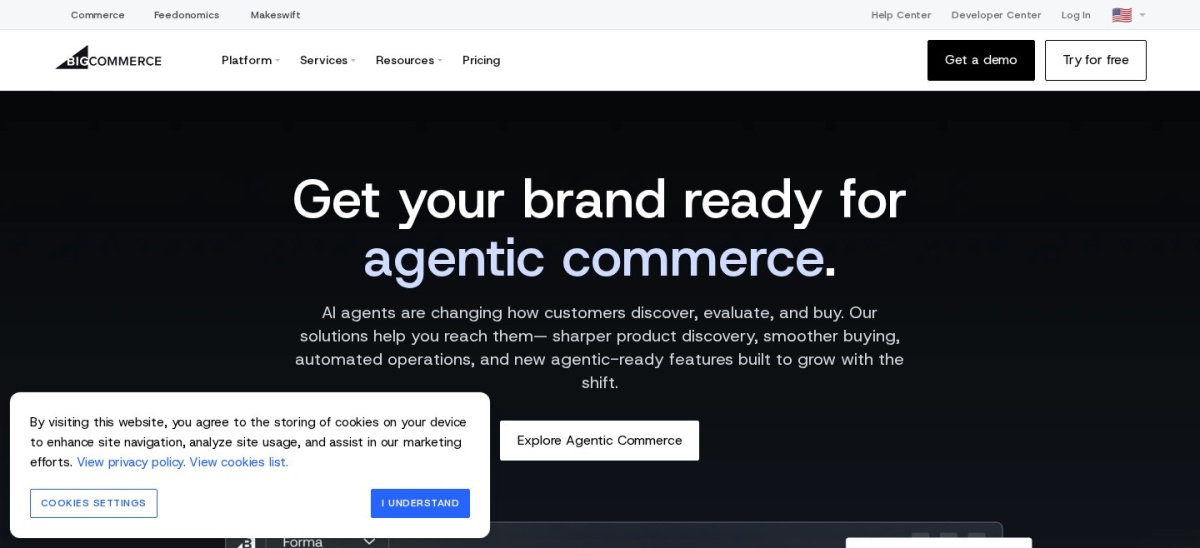
BigCommerce is a hosted platform built for larger catalogs and B2B selling, with no platform transaction fee on its embedded payment providers. The Core plan costs $29 a month billed yearly and includes unlimited products, unlimited staff accounts and multi-currency selling. For wholesale, its B2B Edition adds quoting, price lists, net terms and buyer portals.
The trade off is the sales cap. Core covers up to $30,000 in trailing 12-month sales, then the store moves up a tier. It suits sellers who outgrow simple builders and need B2B tools without replatforming.
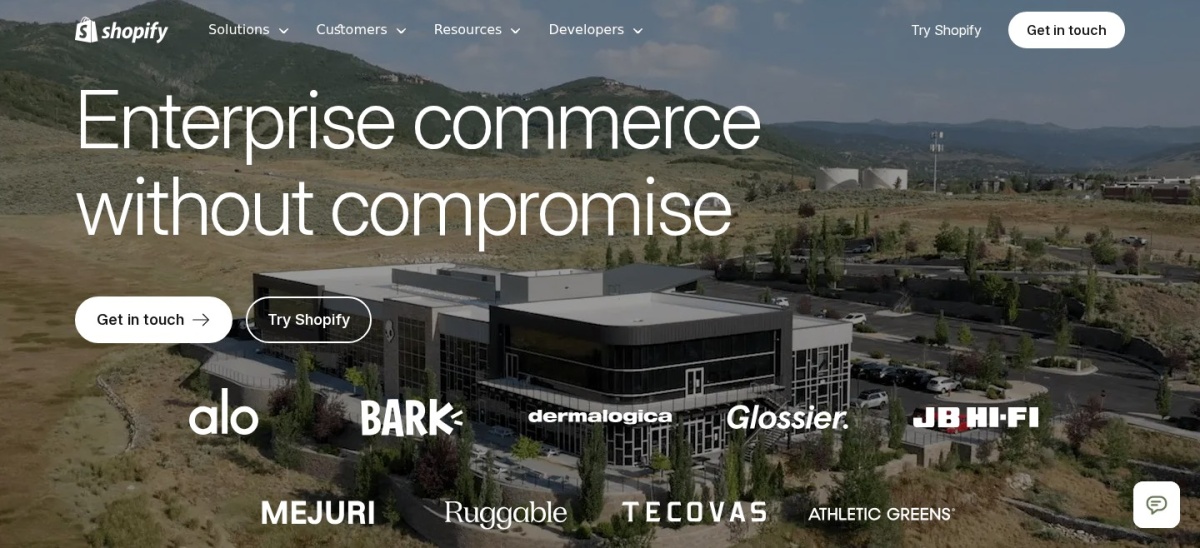
Shopify Plus is the enterprise tier of Shopify, for high-volume and B2B sellers. It starts from $2,300 a month on a 3-year term and adds a wholesale channel, higher API limits and dedicated launch support. For wholesale, the wholesale channel lets trade buyers order at contract prices inside Shopify.
The trade off is the price jump from standard Shopify plans and the long contract term. It suits brands that have outgrown Basic or Advanced and want to stay on Shopify.
Adobe Commerce is the enterprise version of Magento, built for large catalogs, multiple brands and complex B2B sales. Magento Open Source is free to download, while Adobe Commerce itself is priced by custom quote. For wholesale, it handles large catalogs, configurable products and multi-brand trade stores.
The trade off is cost and complexity. It needs developers and a large budget, with industry estimates from about $22,000 a year. It suits enterprises that need deep customization no hosted platform offers.
What we like
Deepest customization in this list
Native B2B workflows
Multi-brand and multi-store support
Watch out for
Needs developers and a large budget
No public list price
Cloud hosting and Adobe Experience Cloud integration cost extraVisit adobe.com
04
Salesforce Commerce Cloud
4.3/5on G2 (594 reviews, checked Nov 2026)
PricingCustom/yr
Best for wholesale on Salesforce
PricingCustom, about 1–2% of GMV
CRMNative Salesforce CRM
AIEinstein AI built in
B2BB2B and B2C in one platform
salesforce.com
Salesforce Commerce Cloud homepage, captured Nov 2026.
Salesforce Commerce Cloud runs B2B and B2C stores on the same data model as Salesforce CRM. Pricing is custom, often quoted as 1 to 2 percent of annual sales, and it includes Einstein AI for search and recommendations. For wholesale, orders flow into the same CRM the sales team already uses for accounts.
The trade off is lock-in and cost. It fits best inside a Salesforce estate and needs a large budget and implementation team. It suits enterprises already running Salesforce CRM.
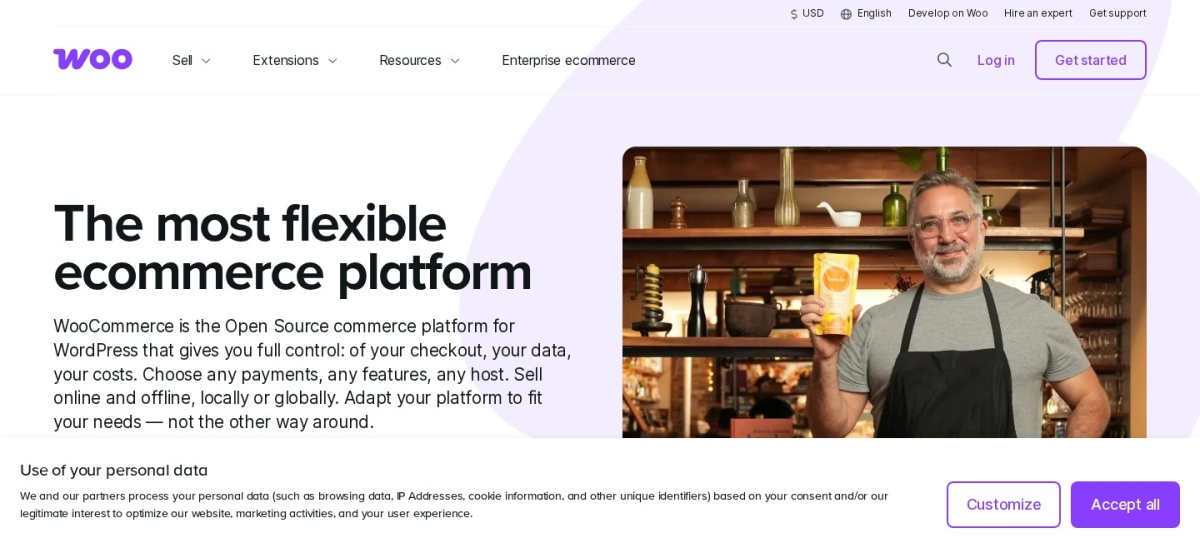
WooCommerce is a free, open-source plugin that turns a WordPress site into a store. The core software costs nothing and adds unlimited products, coupons, tax settings and payment options, while hosting, a domain and extensions are paid separately. For wholesale, extensions add quoting, wholesale pricing and buyer roles on WordPress.
The trade off is upkeep. Updates, backups, security and speed are the store owner's job, and paid extensions add up. It suits sellers who already run WordPress and want full control of their data and checkout.
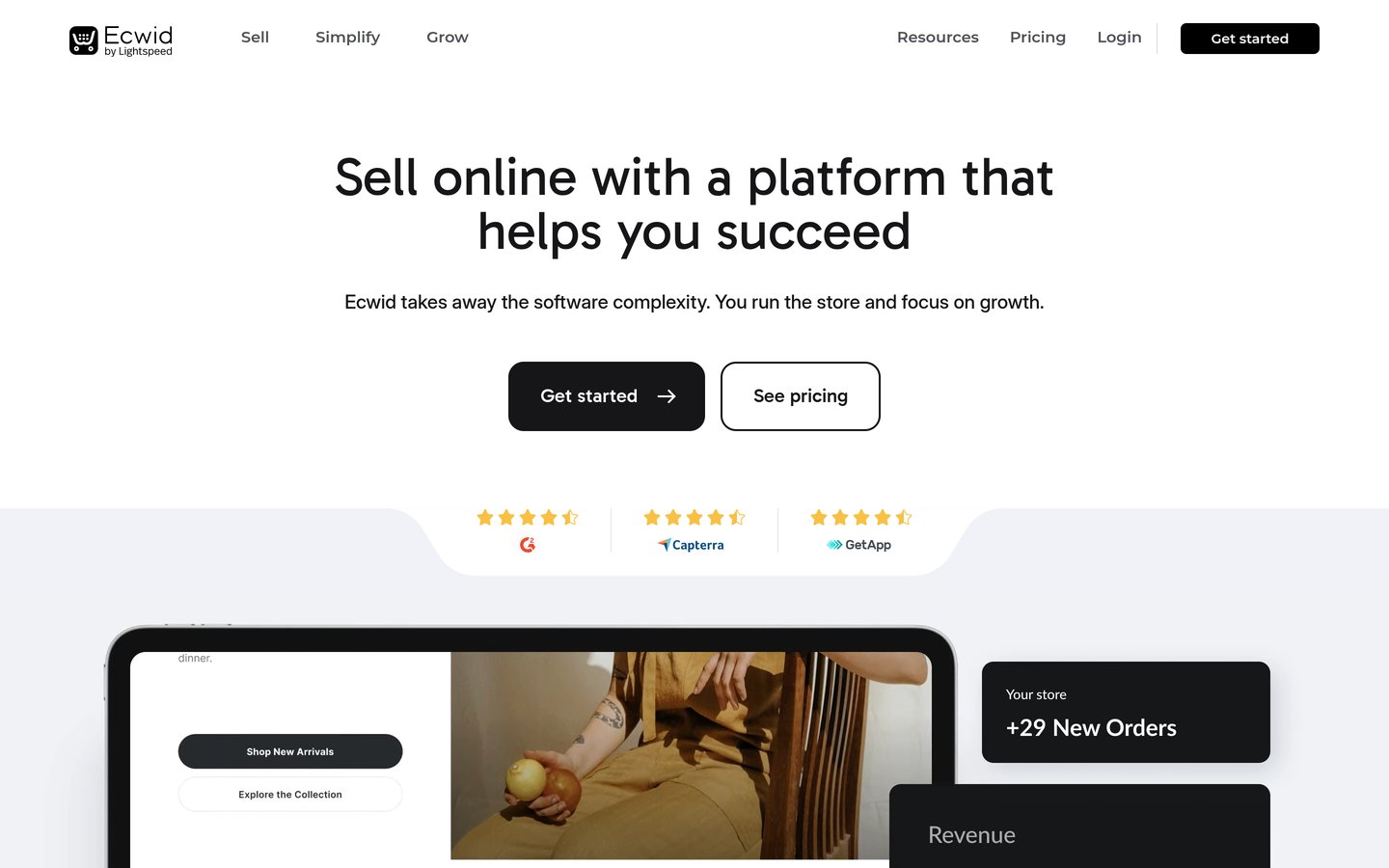
Ecwid by Lightspeed adds a store to an existing website or social page instead of replacing it. The free plan covers 5 products, and the Venture plan costs $25 a month with 100 products and no platform transaction fee. For wholesale, it adds a store to an existing site with no platform transaction fee.
The trade off is that it is an add-on, not a full website builder. Sellers who need a standalone site must pair it with one. It suits sellers with a site already who want to start selling fast.
PrestaShop is a free, open-source ecommerce system with its own storefront, admin and order tools. The Classic download costs nothing, and a hosted plan starts at 24 euros a month excluding VAT billed yearly. For wholesale, it gives a dedicated store system with strong product and order tools.
The trade off is that hosting, themes and paid modules are separate costs, and the hosted price is in euros, not dollars. It suits sellers who want to own their code and run a dedicated store system.
Check that customer-specific pricing and quoting are native, not paid add-ons.
Confirm minimum order quantities and tiered pricing work the way your buyers expect.
Ask how the platform handles purchase orders, approvals and net terms.
Check ERP sync for stock and pricing, since wholesale orders must not oversell.
How we chose
We started from the established ecommerce platforms and shipping tools with a verifiable G2 rating and a published price, then kept those that fit best ecommerce platform for wholesale.
Prices come from each vendor's pricing page, checked on 23 November 2026. Ratings and review counts come from G2 on the same day. Where a vendor shows a sale, the list shows the regular price.
We left out tools with no verifiable rating or no published price. No vendor paid for a place, and we do not claim hands-on testing for this list.
How to choose ecommerce platform for wholesale
Start with what you sell and how much you ship, then match the tool to that shape.
List your wholesale workflows. Quoting, price lists, net terms and purchase orders decide the shortlist.
Check buyer-specific pricing. Each trade buyer should see their own prices, not the retail price.
Get a full quote. Ask for implementation, connectors and first-year totals, since enterprise prices are custom.
Pilot with one buyer group. Launch for a small set of trade buyers first, then roll out once orders flow cleanly.
FAQ
What is the best ecommerce platform for wholesale?
BigCommerce is the strongest pick for most wholesalers. Core starts at $29 a month billed yearly, and its B2B Edition adds quoting, price lists and net terms for trade buyers.
Is Shopify good for wholesale?
Shopify Plus works for wholesale, with a dedicated wholesale channel for trade buyers. It starts from $2,300 a month on a 3-year term, so it fits established wholesalers better than new ones.
Which platform is best for B2B wholesale?
Adobe Commerce is built for complex B2B wholesale, but BigCommerce covers most wholesale needs at a published price. Choose Adobe Commerce only with developers and a large budget.
Can WooCommerce handle wholesale?
Yes. WooCommerce is free at the core, and extensions add wholesale pricing, quoting and buyer roles on WordPress. You pay separately for hosting, extensions and development.
How much does a wholesale ecommerce platform cost?
BigCommerce Core starts at $29 a month billed yearly. Shopify Plus starts from $2,300 a month, while Adobe Commerce and Salesforce are custom-quote only, with no public list price.
Do wholesalers need ERP integration?
Most do. Stock and pricing should sync with the ERP, or the store creates manual work and overselling risk. Check whether the ERP connector is native or a paid add-on.