Best Ecommerce Platform for Developers in 2026: 9 Tools Compared
WLWPLegible EditorsLast verified 23 Nov 2026How we rank12 min read
★ Short answer
Shopify with Hydrogen is the best ecommerce platform for developers who want a custom frontend without running an engine. BigCommerce with Catalyst is the closest hosted rival from $39 a month.
How we make this list: we compare pricing pages, product documentation and public user reviews, then re-check every price before each update. No product paid for a place. Disclosure.
Shopify with Hydrogen is the best pick for most teams: the library is free and hosting is included.
BigCommerce with Catalyst is the closest hosted rival, from $39 a month with an open-source Next.js storefront.
Vendure is the highest rated here at 4.9/5 on G2, with a free framework and a €199 a month Starter plan.
commercetools and Elastic Path are the enterprise picks, with Elastic Path publishing a $49,500 a year entry.
Medusa and Saleor are not in this list: neither has a verifiable G2, Capterra or Trustpilot rating.
Hosted or self-hosted first
Developer platforms split on one question: who runs the engine. Shopify and BigCommerce run it for you, with a monthly fee and a hosted checkout. Vendure, WooCommerce, PrestaShop and Magento let you self-host for free, and you own the code, the data and the servers.
Price by total cost, not by entry price. A $29 a month hosted plan can cost less than a free self-hosted engine once servers, updates and developer time are counted. A free engine wins when the team already runs infrastructure.
Check the license before you build. Medusa is MIT-licensed, Saleor is BSD-licensed and Vendure is GPLv3, which shapes what you can do with the code. Our CRM software guide covers the customer systems these platforms usually connect.
Start with a sandbox. Saleor, Vendure and WooCommerce all offer free ways to build before paying, and Shopify and BigCommerce offer trials. Prototype the checkout flow first, since that is the hardest part to change later.
List prices in each vendor's currency, checked Nov 2026
c-toolsQuote-based
VendureFREE€199
WooCommercFree
AdobeFREEQuote-based
PrestaShopFREE$288
Swell$348
Shopify$468
BigCommerc$468
ElasticPath$49,500
The 9 best ecommerce platform for developers
01
Shopify Hydrogen
4.5/5on G2 (992 reviews, checked Nov 2026)
Starts at$39/mo
Best for brands that want no engine to run
Cheapest planBasic, $39/mo billed monthly
Free trial3 days
HydrogenFree library, Oxygen hosting included
CheckoutShopify runs it
shopify.com
Shopify Hydrogen homepage, captured Nov 2026.
Shopify Hydrogen is the headless route for stores that already run on Shopify and want a custom front end without leaving Shopify checkout, products and apps behind. The Hydrogen library is free, Oxygen hosting is included on a subscription plan, and Basic costs $39 a month billed monthly.
The trade off is lock-in. Shopify runs checkout and the admin, so a team that wants to own the whole stack should look at open source instead. It suits brands that want a custom frontend without rebuilding checkout.
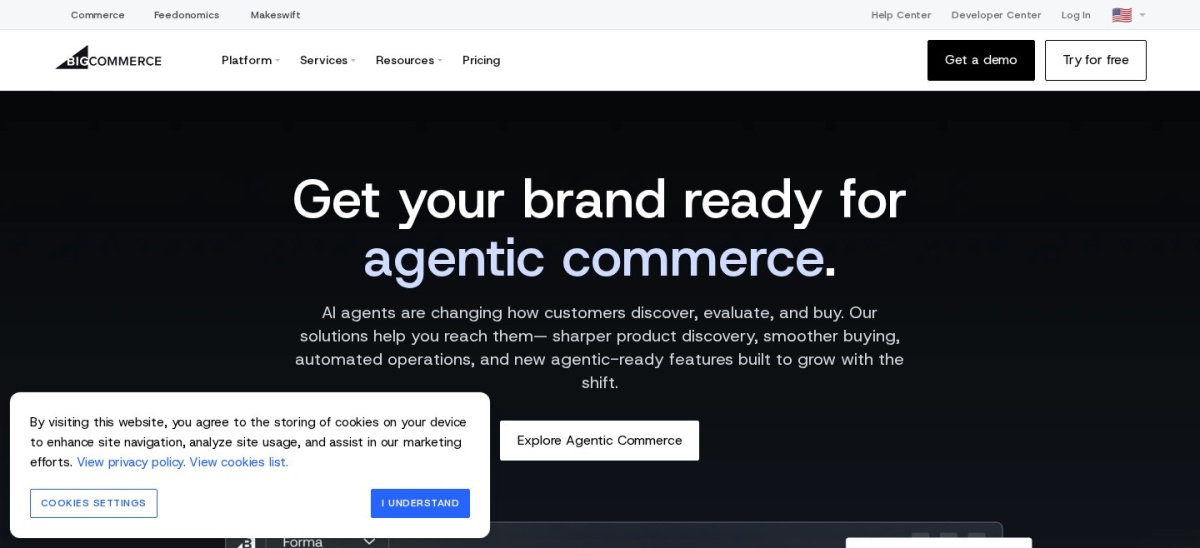
BigCommerce Catalyst is a hosted headless option for brands that want listed monthly prices and a Next.js storefront. Core costs $39 a month billed monthly, Catalyst is an MIT-licensed starter you can fork, and there is no platform fee on built-in payments.
The trade off is GMV caps. Core limits annual sales, and Scale adds a 0.9% overage above $33,333 a month. It suits teams that want SaaS with an open-source frontend.
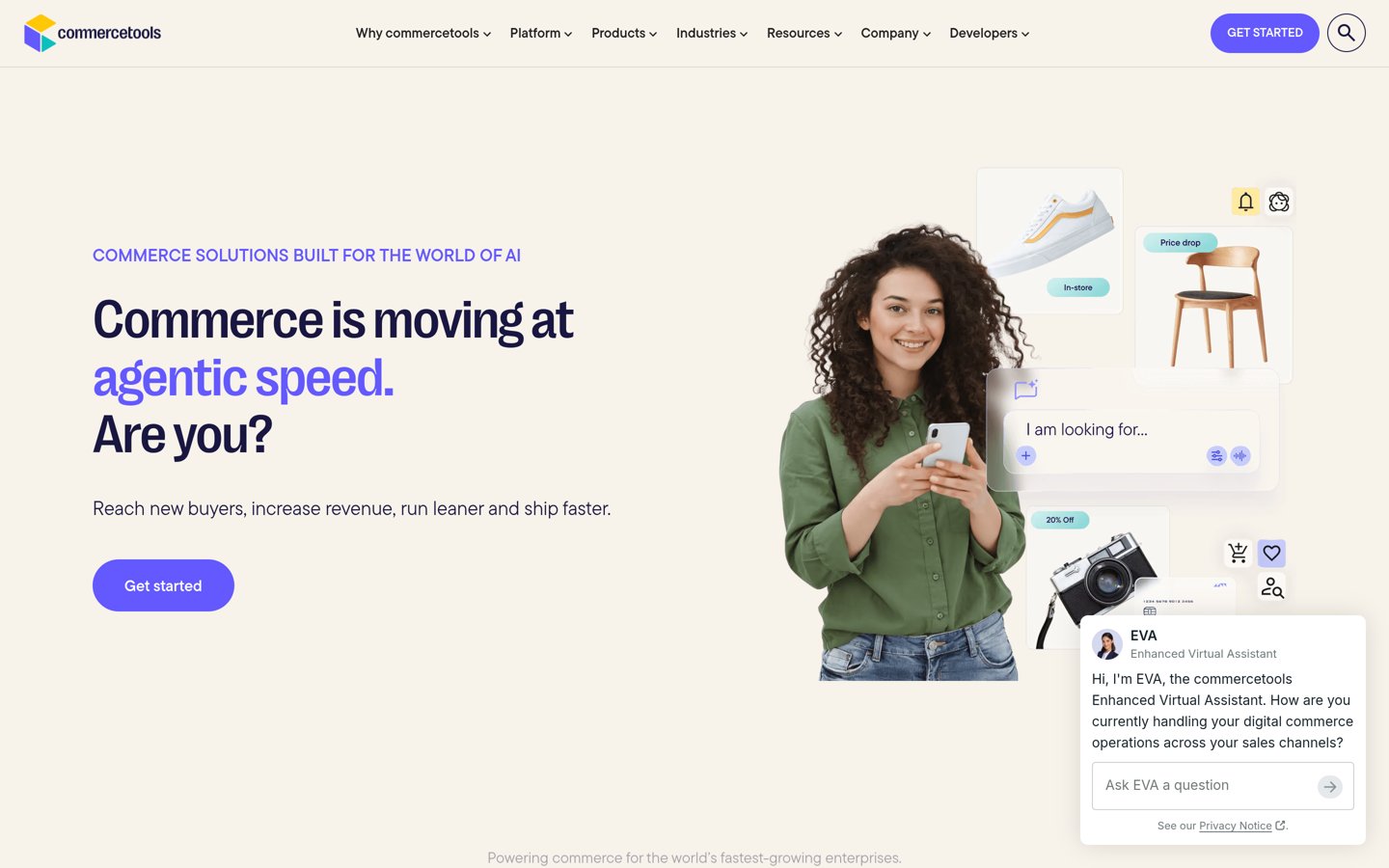
commercetools is an API-first commerce platform for enterprises composing a custom stack from APIs. It is billed per order rather than as a share of sales, and it suits teams with an in-house engineering group and a build partner.
The trade off is cost and staffing. There is no public list price, and the platform needs developers to run. It suits fully composable enterprise builds.
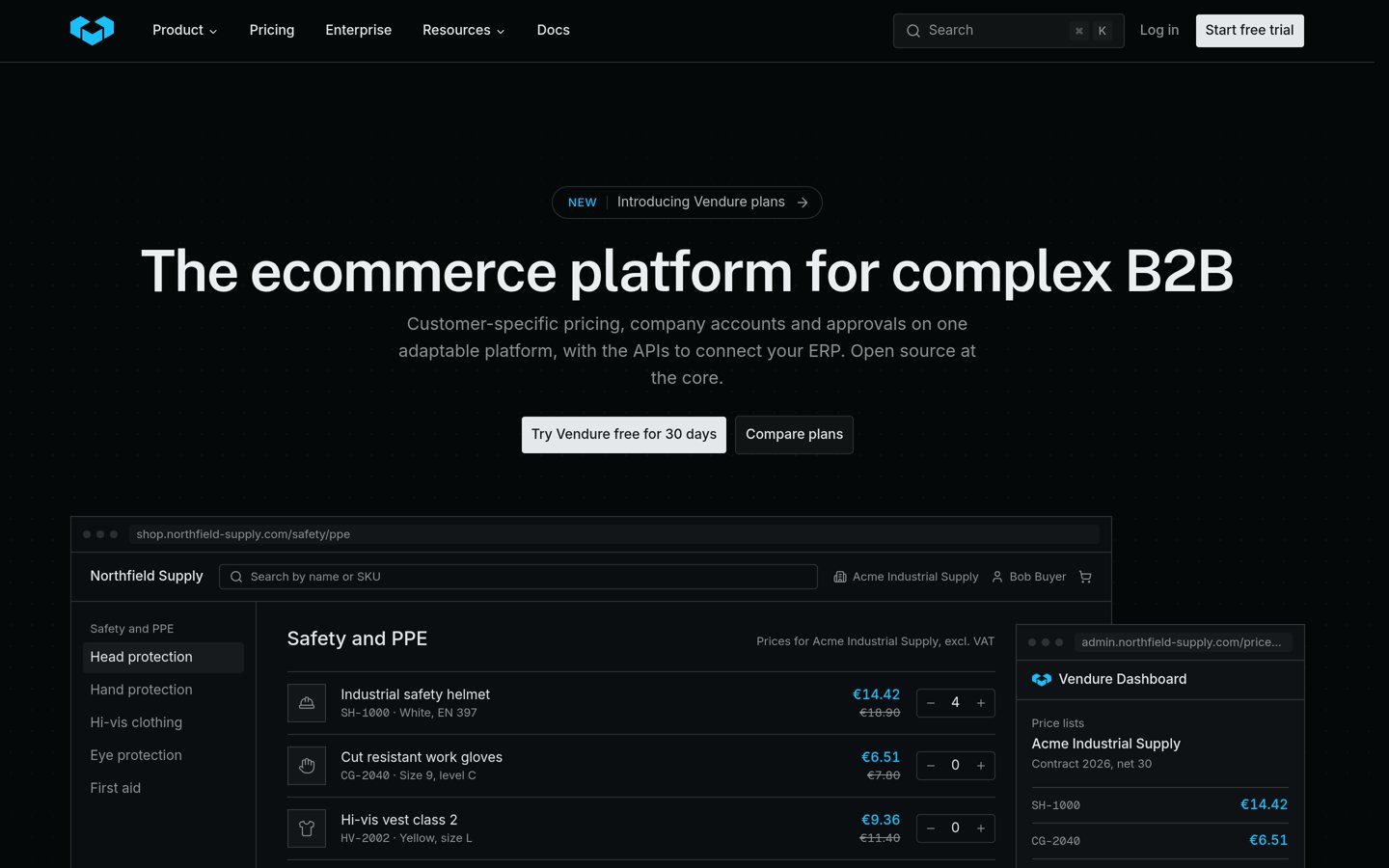
Vendure is a TypeScript-first, GraphQL headless commerce framework for teams that want a typed GraphQL server and will host it. The framework is free under GPLv3, and the Starter plan costs €199 a month on a 12-month term.
The trade off is that Vendure Cloud is still in closed beta for paid subscribers, so most teams self-host. It suits engineering teams handling complex B2B logic.
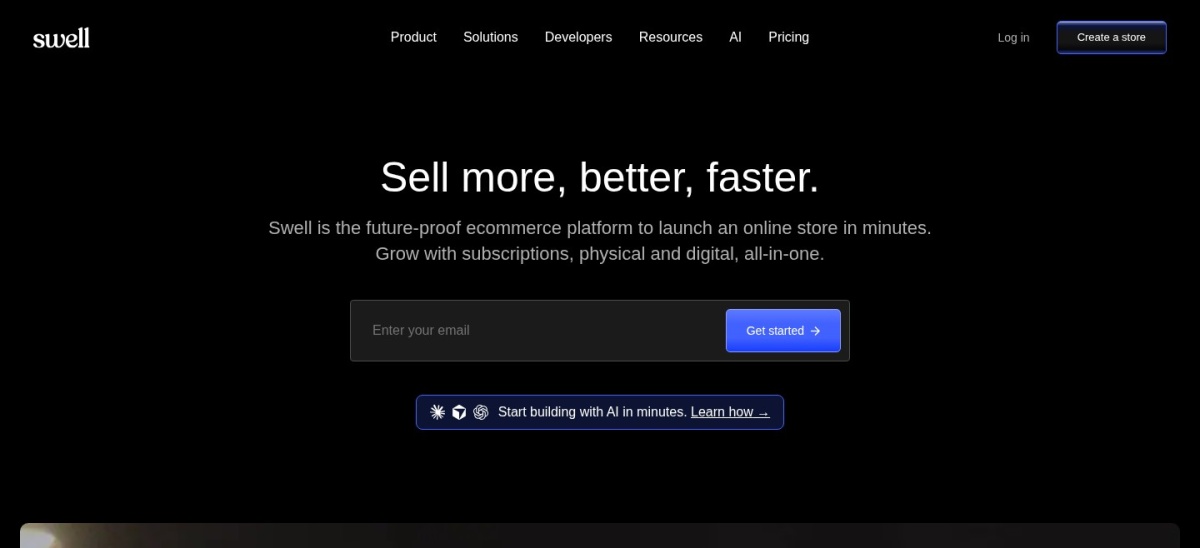
Swell is a headless commerce platform for smaller merchants and subscription brands that want headless APIs without an enterprise price tag. Paid plans start at $29 a month, and the platform covers subscriptions and wholesale beside standard selling.
The trade off is ecosystem size. Swell is smaller than Shopify or BigCommerce, so fewer apps and agencies support it. It suits subscription and smaller headless builds.
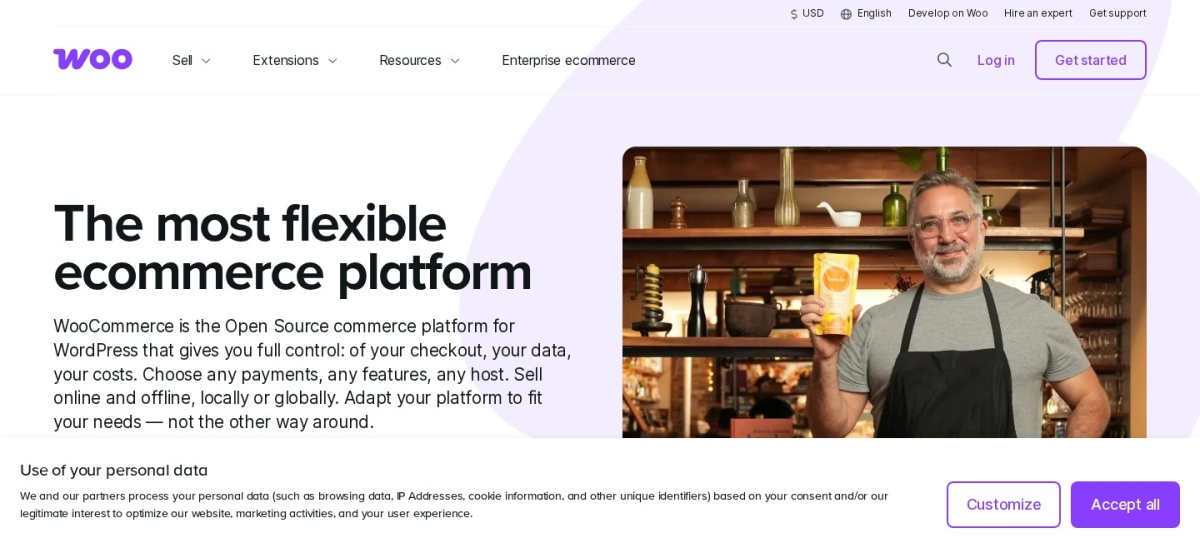
WooCommerce is the open-source ecommerce plugin that turns any WordPress site into a full online store. The core plugin is free, the code is GPL-licensed, and the REST API lets developers build custom storefronts on top.
The trade off is that hosting, extensions and upkeep add real cost, and the owner handles updates and security. It suits developers who already run WordPress and want commerce beside content.
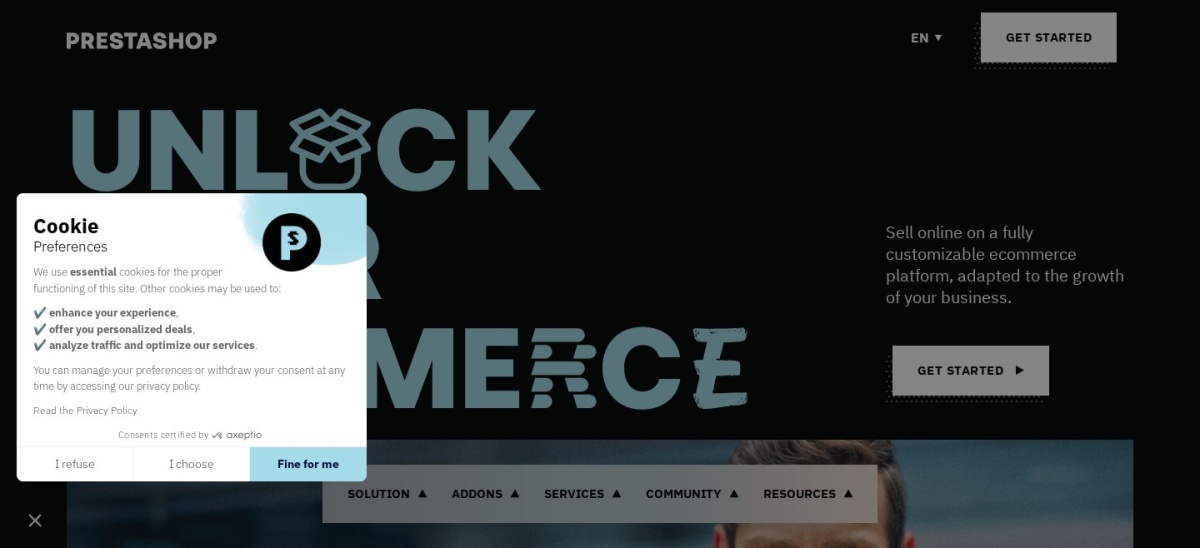
PrestaShop is an open-source ecommerce platform for merchants who want a ready-to-run store, not just an API, without paying an ongoing platform fee. The core is free, and hosted or supported plans start at $24 a month.
The trade off is upkeep. Modules and themes add cost, and the owner handles hosting and updates. It suits merchants who want open source with a finished storefront.
Elastic Path is a composable commerce platform for engineering-led teams that want full architecture control but need one real number to start a budget conversation. Entry starts at $49,500 a year, which is the most expensive published entry here.
The trade off is price. At $49,500 a year it is an enterprise buy, and it needs developers to run. It suits large teams building a composable stack.
Adobe Commerce is an enterprise ecommerce platform, formerly Magento Commerce, for large catalogs and complex B2B or B2C stores. The open-source Magento edition is free, and the commerce edition is quoted on scope.
The trade off is cost and complexity. Adobe Commerce needs developers and hosting, and the commerce edition is an enterprise contract. It suits larger teams that need extensibility.
Headless splits the storefront from the commerce backend, so the team builds the front end in code while the platform handles products, carts and checkout through an API.
Hosted headless keeps the backend managed: Shopify Hydrogen and BigCommerce Catalyst both give you a custom frontend on a managed engine.
Self-hosted headless gives you the engine too. Vendure, WooCommerce and PrestaShop run on your servers, which is freedom and responsibility at once.
How we chose
We started from the established ecommerce platform for developers vendors most often shortlisted for online stores, then kept those with a verifiable rating on G2, Capterra or Trustpilot and a published pricing page or a clear quote-based model.
Prices come from each vendor's pricing page or, where the vendor publishes no price, from the vendor's own statement that pricing is by quote. Ratings and review counts come from G2, Capterra or Trustpilot, checked on 23 November 2026. Where a vendor shows a sale, the list shows the regular price.
We left out tools with no verifiable public rating. No vendor paid for a place, and we do not claim hands-on testing for this list.
How to choose ecommerce platform for developers
Start with the size of your store and the problem that costs the most, then match the tool to that problem.
List the problem that costs you most. Fraud losses, manual work, stockouts and slow replies each point at a different tool. Pick the one problem first and judge every vendor on it.
Check the real price at your volume. Most of these tools bill by orders, seats or usage, so the entry price is not the price at your volume. Model a busy month before you sign.
Confirm the integrations you already use. A tool that lacks your store platform, payment provider or warehouse system will cost more in workarounds than it saves. Check the connector list first.
Run a short trial on real orders. A trial with live traffic shows whether the tool fits your workflow. Keep your old process running beside it until the trial proves itself.
FAQ
What is the best ecommerce platform for developers?
Shopify with Hydrogen is the best pick for most teams, because the Hydrogen library is free, Oxygen hosting is included, and Shopify runs checkout. BigCommerce with Catalyst is the closest hosted rival from $39 a month.
How much does a developer ecommerce platform cost?
It ranges from free for self-hosted Vendure, WooCommerce and PrestaShop to $29 a month for Swell, $39 a month for Shopify and BigCommerce, and $49,500 a year for Elastic Path. commercetools and Adobe Commerce are quote-only.
What is headless commerce?
Headless commerce splits the storefront from the commerce backend. The team builds a custom front end in code while the platform handles products, carts, orders and checkout through an API.
Is Medusa a good ecommerce platform for developers?
Medusa is a strong open-source choice for TypeScript teams, with an MIT license and managed Cloud from $29 a month. It is not in this list because no verifiable G2, Capterra or Trustpilot rating was found for it.
What is the difference between Shopify Hydrogen and BigCommerce Catalyst?
Both are hosted headless routes. Hydrogen is a free library on Shopify with Oxygen hosting included, while Catalyst is an MIT-licensed Next.js starter on BigCommerce. Both start at $39 a month on their base plans.
Do I need to self-host an open-source platform?
No. Vendure, WooCommerce and PrestaShop can all be self-hosted for free, but managed options exist: Medusa Cloud from $29 a month and PrestaShop hosted plans from $24 a month.