Best Ecommerce Management Software in 2026: 9 Tools Compared
WLWPLegible EditorsLast verified 23 Nov 2026How we rank12 min read
★ Short answer
Shopify is the best ecommerce management software for most online stores. Basic costs $29 a month billed annually with unlimited products, and Shopify hosts over 2 million stores. BigCommerce matches it on price.
How we make this list: we compare pricing pages, product documentation and public user reviews, then re-check every price before each update. No product paid for a place. Disclosure.
Shopify is the best pick for most stores: Basic costs $29 a month billed annually with unlimited products.
BigCommerce matches Shopify at $29 a month and builds more into the base plan.
WooCommerce is free as a plugin, but hosting, extensions and upkeep add real cost.
Squarespace is the design pick at $19 a month, with a 2% transaction fee on Basic.
Ecwid is the cheapest paid entry at $5 a month, for adding a small store to an existing site.
Storefront and operations are two jobs
Ecommerce management covers two jobs that are often sold as one. The storefront takes the order, and the operations system manages stock, orders and shipping behind it. Shopify, BigCommerce, WooCommerce, Squarespace, Wix, Ecwid and Square Online are storefronts, while Zoho Inventory and Cin7 Core are the operations systems behind them.
Compare the full monthly cost, not the headline price. Shopify Basic is $29 a month plus 2.9% plus 30 cents per card sale, Squarespace Basic adds a 2% transaction fee, and WooCommerce is free but needs hosting and paid extensions.
Catalog size decides fast. A brand with thousands of variants needs Shopify with its 2,048-variant ceiling or BigCommerce with native wholesale, while a small capsule collection fits Squarespace. Our live chat software guide covers the support side of the same store.
Free plans are real starting points. WooCommerce is free, Ecwid gives 5 products free, and Square Online and Zoho Inventory both have free tiers. Start free, then pay when the store earns.
Shopify is the default ecommerce management system: products, inventory, checkout, orders, discounts and customers live in one hosted admin, and the app store adds almost any missing feature. Basic costs $29 a month billed annually and includes unlimited products, hosting and SSL.
The trade off is fees and add-ons. The card rate is 2.9% plus 30 cents on Basic, and many features need paid apps. It suits most online stores that want one hosted admin.
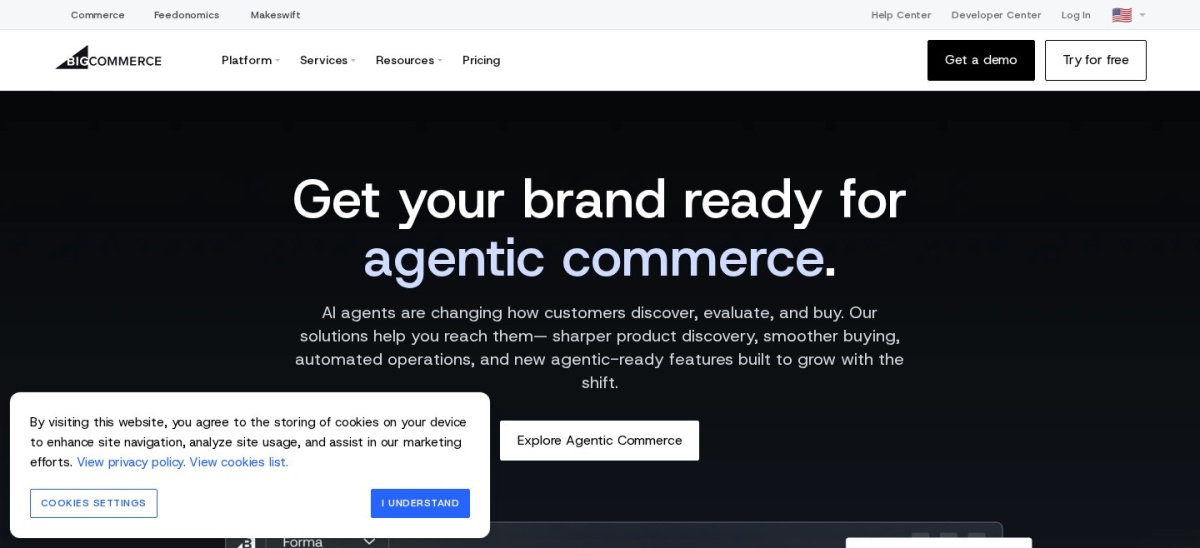
BigCommerce is a hosted platform that manages more in the base plan than most rivals. Core costs $29 a month billed annually and includes unlimited products, staff accounts and storage, multi-currency selling, gift cards, product filtering and real-time shipping quotes.
The trade off is sales limits. Core caps annual sales at $30,000 of gross merchandise value, and Scale adds a 0.9% overage above $33,333 a month. It suits growing stores with large catalogs.
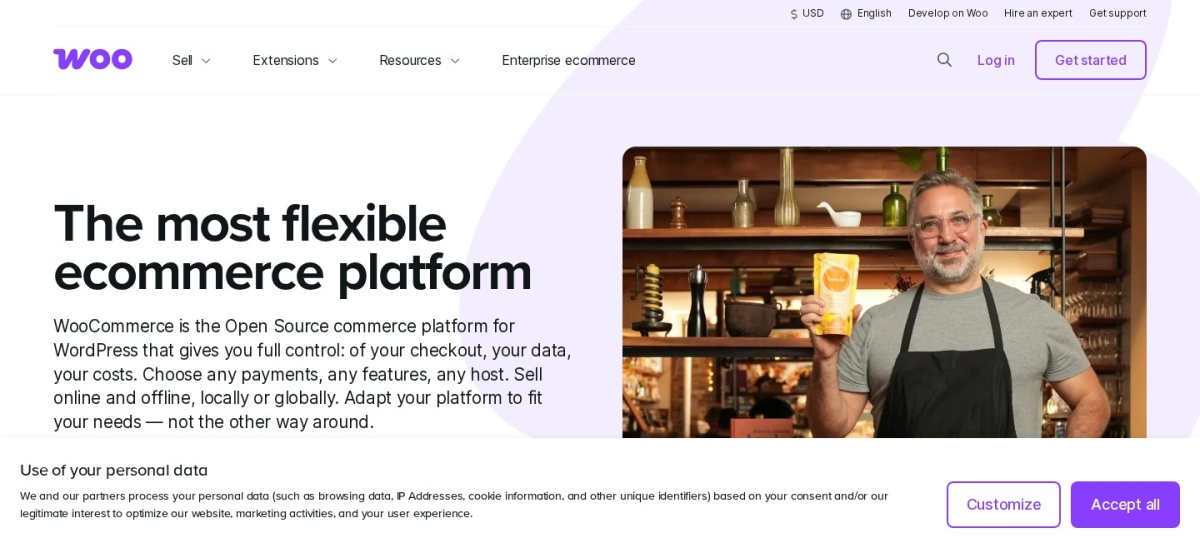
WooCommerce is a free WordPress plugin that turns a site into a store managed from the same dashboard as the blog and pages. There is no platform fee, the code is open source, and the store data belongs to the owner.
The trade off is that hosting, extensions, themes and upkeep add real cost, and the owner handles updates and security. It suits WordPress sites that want full control.
Squarespace is a website builder with a store built in, and it suits a brand that cares how the site looks. Basic costs $19 a month billed annually and includes unlimited products, a polished template and automated post-purchase emails.
The trade off is the store fee. Basic adds a 2% transaction fee on top of card fees, and the commerce features are lighter than Shopify or BigCommerce. It suits design-led brands with small catalogs.
Wix is a website builder that manages the store, bookings, a blog and marketing tools from one dashboard, which suits a business that sells products and services together. Selling starts on Core at $29 a month billed annually, with no platform fee through Wix Payments.
The trade off is scale. Wix is easy for a small catalog but lighter on commerce depth than Shopify or BigCommerce. It suits small businesses that manage a store beside other services.
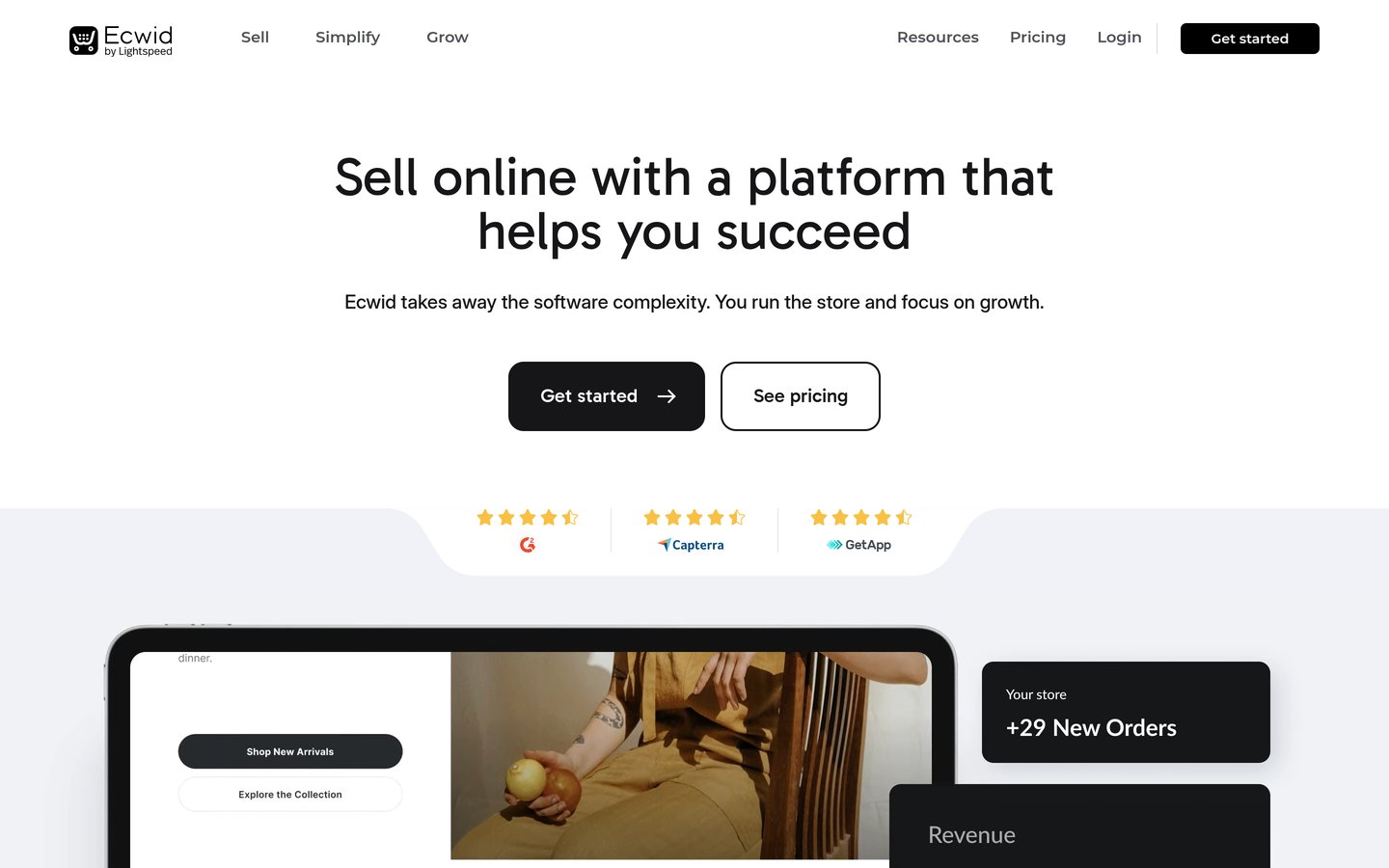
Ecwid is a store widget that adds ecommerce to an existing website, blog or social page without rebuilding the site. The free plan covers 5 products, and the Venture plan costs $5 a month, with selling on websites, social channels and marketplaces.
The trade off is depth. Ecwid is light beside a full platform, and the cheapest paid plan covers few products. It suits businesses that want a small store inside an existing site.
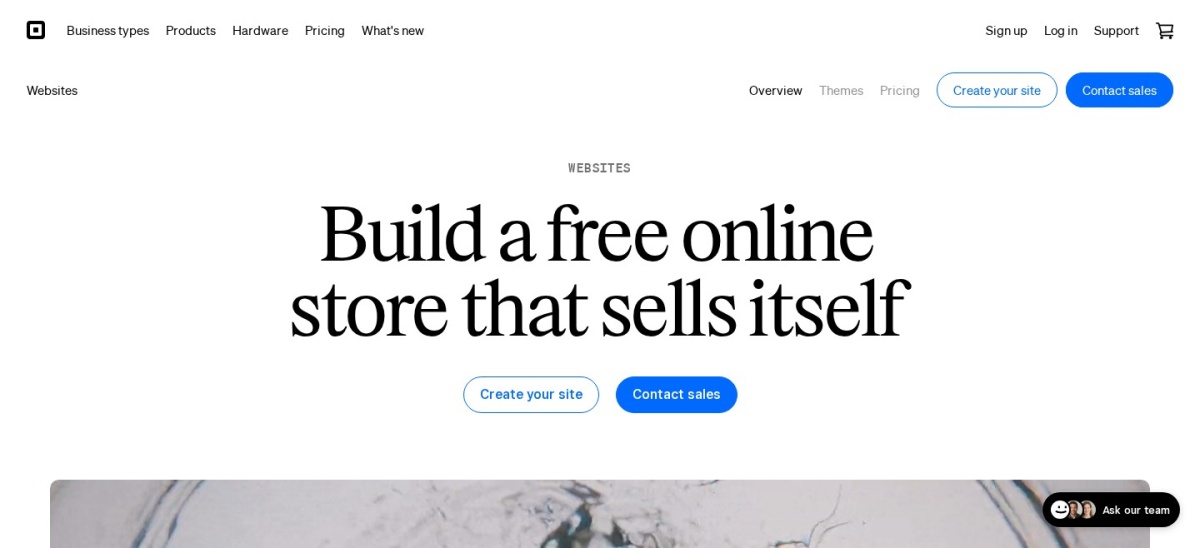
Square Online is the ecommerce builder for sellers who already use Square POS. The free plan covers a basic store with card fees, and Plus costs $29 a month billed annually, adding a custom domain, no Square branding and more features.
The trade off is that the free plan carries Square branding and fewer features, and the platform is lighter than Shopify for large catalogs. It suits small sellers adding simple online orders.
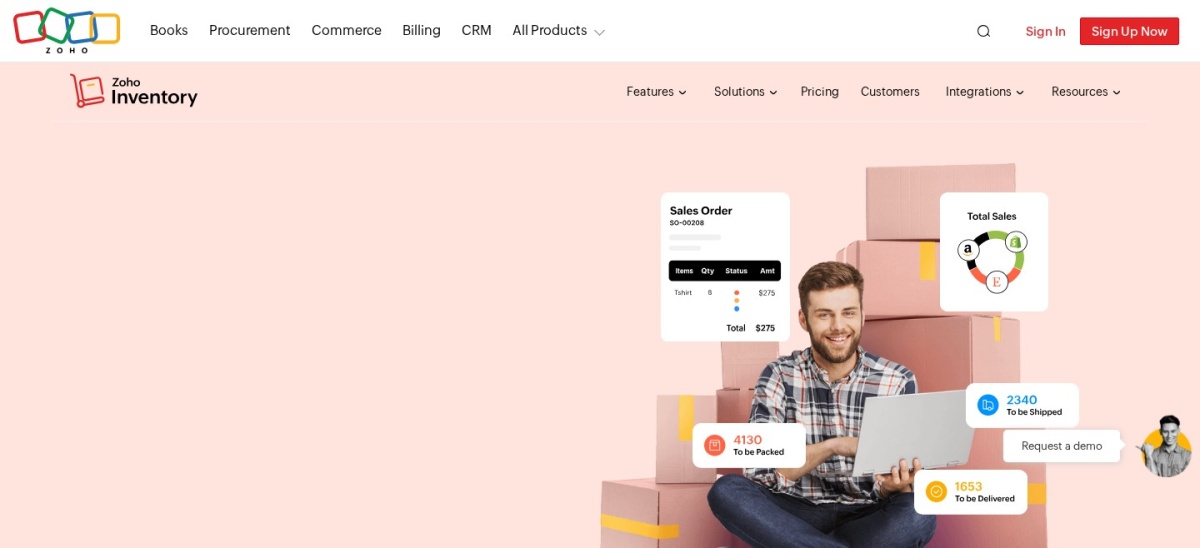
Zoho Inventory is the operations side of ecommerce management: sales orders from connected channels, stock allocation, packages, shipments and dropshipping in one low-cost system. Standard costs $29 a month billed annually for 500 orders, 3 users and 2 locations.
The trade off is that it is not a storefront. Zoho manages orders and stock behind a store built elsewhere. It suits small sellers that need orders and stock managed across channels.
Cin7 Core is an operations platform that manages the work behind several storefronts. Orders from Shopify, Amazon and wholesale draw on one stock pool with unlimited inventory locations, and Pro adds manufacturing and more integrations at $599 a month.
The trade off is price and setup. At $349 a month it is the most expensive tool here, and onboarding is a project. It suits multichannel brands that need one system for orders and stock.
A storefront-only setup works until orders come from more than one channel. Then stock splits across systems and overselling starts.
That is when an operations tool earns its price. Zoho Inventory at $29 a month or Cin7 Core at $349 a month keeps one stock pool behind any storefront.
Small sellers can start with the storefront alone and add the operations tool when the second channel opens.
How we chose
We started from the established ecommerce management software vendors most often shortlisted for online stores, then kept those with a verifiable rating on G2, Capterra or Trustpilot and a published pricing page or a clear quote-based model.
Prices come from each vendor's pricing page or, where the vendor publishes no price, from the vendor's own statement that pricing is by quote. Ratings and review counts come from G2, Capterra or Trustpilot, checked on 23 November 2026. Where a vendor shows a sale, the list shows the regular price.
We left out tools with no verifiable public rating. No vendor paid for a place, and we do not claim hands-on testing for this list.
How to choose ecommerce management software
Start with the size of your store and the problem that costs the most, then match the tool to that problem.
List the problem that costs you most. Fraud losses, manual work, stockouts and slow replies each point at a different tool. Pick the one problem first and judge every vendor on it.
Check the real price at your volume. Most of these tools bill by orders, seats or usage, so the entry price is not the price at your volume. Model a busy month before you sign.
Confirm the integrations you already use. A tool that lacks your store platform, payment provider or warehouse system will cost more in workarounds than it saves. Check the connector list first.
Run a short trial on real orders. A trial with live traffic shows whether the tool fits your workflow. Keep your old process running beside it until the trial proves itself.
FAQ
What is the best ecommerce management software?
Shopify is the best pick for most online stores, with products, inventory, checkout, orders and customers in one hosted admin. Basic costs $29 a month billed annually, and Shopify hosts more than 2 million stores.
How much does ecommerce management software cost?
It ranges from free for WooCommerce to $5 a month for Ecwid, $19 a month for Squarespace, $29 a month for Shopify, BigCommerce, Wix and Square Online, and $349 a month for Cin7 Core.
Is Shopify better than WooCommerce?
Shopify is easier: hosting, checkout and security are included. WooCommerce is cheaper and gives full control, but the owner pays for hosting and handles updates. Pick Shopify for speed and WooCommerce for control.
What is the difference between Shopify and BigCommerce?
Both start at $29 a month billed annually. Shopify has the larger app catalog, while BigCommerce builds more into the base plan and adds no platform fee on approved payment providers.
Can I manage an online store for free?
Yes, at the start. WooCommerce is free, Ecwid gives 5 products free, and Square Online and Zoho Inventory have free plans. Card fees still apply on every sale.
Do I need separate inventory software?
Only when you sell on more than one channel. A single Shopify or WooCommerce store tracks its own stock, but Zoho Inventory or Cin7 Core keeps one stock pool across Shopify, Amazon and wholesale.