StackAdapt is the best DSP platform for most mid-market teams, with self-serve buying across display, video, CTV and audio, no minimum spend and the highest G2 score in this list. Pick The Trade Desk for enterprise scale and Choozle when a $99 flat monthly fee matters most.
How we make this list: we compare pricing pages, product documentation and public user reviews, then re-check every price before each update. No product paid for a place. Disclosure.
StackAdapt is the highest-rated DSP here at 4.7 out of 5 on G2, with self-serve buying and no minimum spend.
Eight of the nine DSPs publish no list price and charge a percentage of media spend, typically 10 to 20 percent.
Choozle is the only DSP here with a flat list price, at $99 a month, and the lowest entry point in the list.
The Trade Desk is the enterprise default for independent omnichannel buying, but expect spend commitments far above mid-market budgets.
DV360 is not in this list because it has no G2 profile of its own; the 4.1 figure quoted elsewhere covers Google Marketing Platform.
What a DSP does and what it costs
A demand-side platform, or DSP, buys ad impressions in real-time auctions across many publishers from one interface. You set the audience, budget and bid, and the platform buys display, video, audio, connected TV and digital out-of-home inventory for you.
DSP pricing is almost never a list price. Most platforms charge a percentage of media spend, typically 10 to 20 percent, plus data and verification fees that stack on top. Only Choozle in this list shows a flat monthly fee.
Minimum spends are the real gate. Enterprise DSPs expect tens of thousands a month, while self-serve platforms such as StackAdapt and Choozle let smaller teams start without a contract.
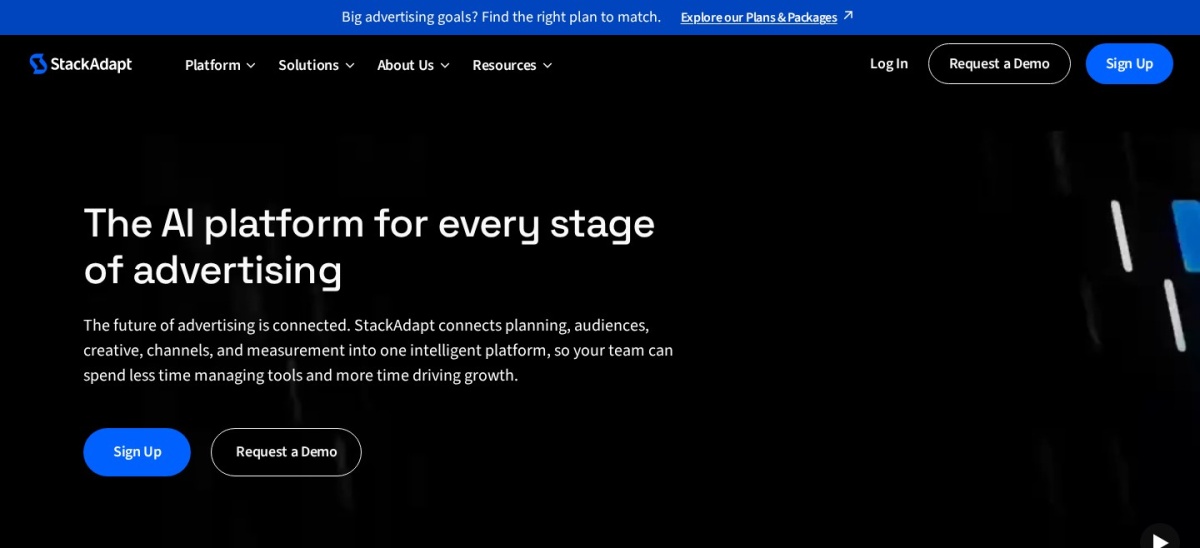
StackAdapt is a self-serve DSP for mid-market teams and agencies, buying native, display, video, connected TV, audio, digital out-of-home and in-game inventory from one interface. It is rated 4.7 out of 5 on G2 from 898 reviews, the highest score in this list.
The trade off is transparency. StackAdapt publishes no rate card and fees are built into the CPM, so you cannot benchmark your CPMs against a list price, and self-serve accounts go through an application. It suits teams that want a real DSP without an enterprise contract.
Basis is a DSP plus planning, billing and reporting in one system, built for agencies that run programmatic across many clients. It is rated 4.5 out of 5 on G2 from 287 reviews, and reviewers praise how fast its support team responds.
The trade off is surface area. Basis consolidates the whole agency workflow, which is a lot to take on for a brand-new team, and pricing is custom-quoted with no published rate card. It suits agencies that want one system for planning, buying, billing and reporting.
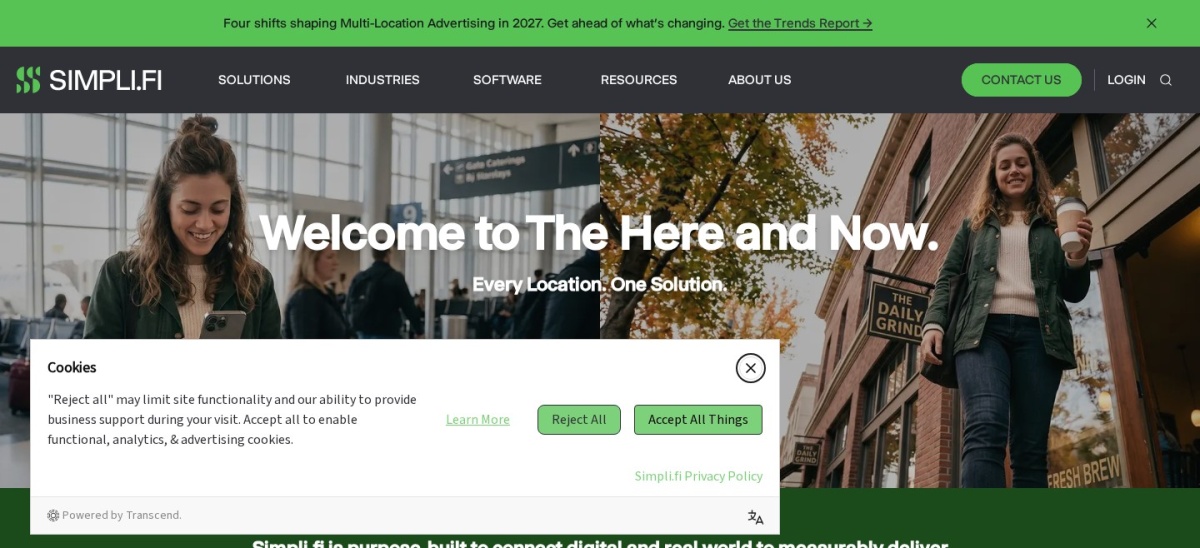
Simpli.fi is an omnichannel programmatic platform with a strong local and geo-targeting lane, covering mobile, video, display, native, OTT and CTV, plus social. It is rated 4.5 out of 5 on G2 from 154 reviews, with customer support its most-cited strength.
The trade off is transparency and fit. Reviewers note extra fees and a lack of pricing transparency, and its managed-service lane suits geo-heavy campaigns more than national brand work. It suits local advertisers and agencies that want the vendor doing the flying at the start.
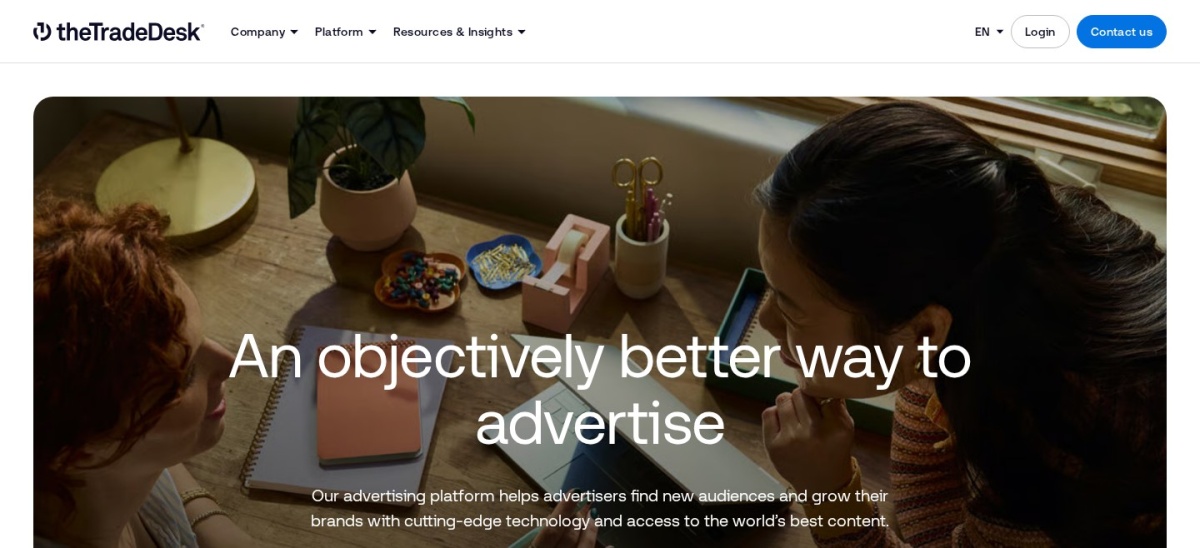
The Trade Desk is the largest independent demand-side platform, buying display, video, audio, connected TV and digital out-of-home from one seat with Kokai AI optimization and UID2 identity tools. It is rated 4.4 out of 5 on G2 from 186 reviews.
The trade off is access and cost. It publishes no price and no minimum spend, terms are negotiated per account, and third-party guides report spend commitments of $100,000 to $150,000 a month for agency accounts. It suits enterprise brands and large agencies buying the open internet at scale.
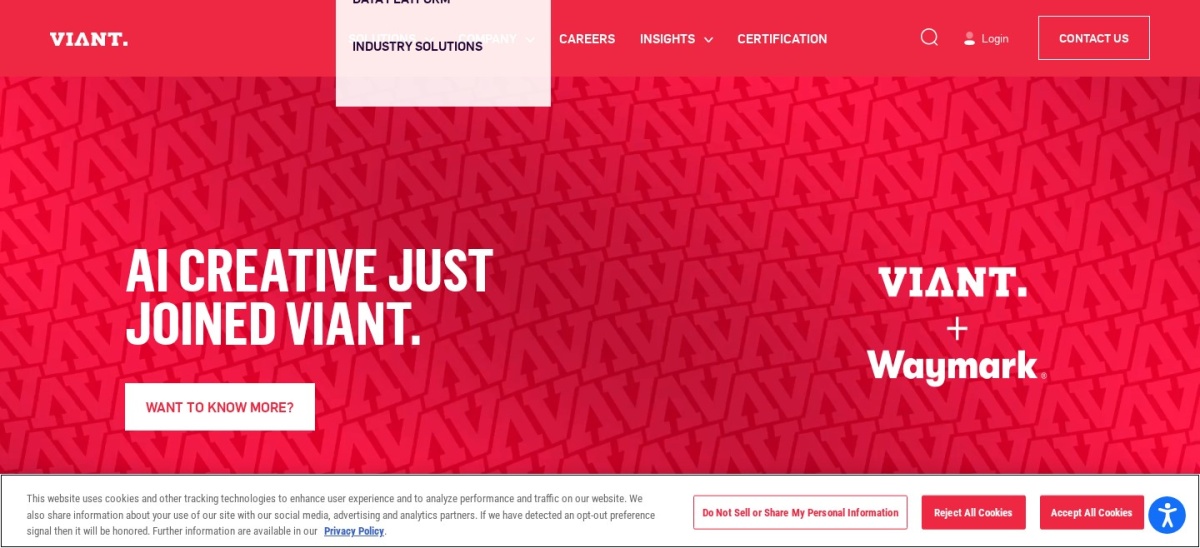
Viant is an omnichannel DSP built around connected TV, household-level identity and outcome measurement, with its Adelphic platform and ViantAI for planning and optimization. It is rated 4.2 out of 5 on G2 from 311 reviews.
The trade off is pricing and interface. Viant is custom-quoted on campaign volume and channel mix, and reviewers say the interface can be complex for newcomers. It suits brands and agencies that want CTV-first buying with household identity and strong outcome measurement.
Quantcast is a DSP built on AI audience insights, with cookieless targeting, look-alike audiences and a creative rating tool that scores ads before they run. It is rated 4.2 out of 5 on G2 from 193 reviews, and a free trial is available.
The trade off is differentiation. Reviewers praise the AI and audience insights but note it lacks a single standout advantage such as YouTube access or closed-loop retail measurement. It suits mid-market teams that want AI-driven audience targeting without an enterprise contract.
Amazon DSP is a DSP that turns shopping behaviour into targeting, building audiences from what people browse, buy and stream on Amazon, then activating display, video, streaming TV and audio ads on Amazon properties and across the open web. It is rated 4.2 out of 5 on G2 from 18 reviews.
The trade off is the thin rating base and the walled garden. Only 18 G2 reviews support the score, and its strongest data and measurement stay inside Amazon. Managed service typically needs $50,000 a month, though self-serve has no Amazon-imposed minimum. It suits Amazon sellers and ecommerce brands that want purchase signals behind prospecting.
AdRoll is an ecommerce growth platform that runs display, social and email advertising together, with retargeting as its core strength. It is rated 4.1 out of 5 on G2 from 787 reviews, the second-largest review base in this list.
The trade off is scope. AdRoll is pay-as-you-go with no fixed minimum, but it is a retargeting and ecommerce platform rather than a full omnichannel DSP, so it will not cover CTV or audio buying the way StackAdapt or The Trade Desk do. It suits ecommerce brands that want retargeting without a contract.
Choozle is a self-serve DSP for small agencies and in-house teams, running display, video and mobile campaigns from one interface with a flat $99 a month platform fee. It is rated 4.1 out of 5 on G2 from 210 reviews.
The trade off is reach. Choozle connects to premium DSPs such as The Trade Desk and Amazon Ads behind the scenes, so it is a simpler front end rather than a full buying platform, and media costs sit on top of the $99 fee. It suits small teams starting programmatic on a modest budget.
The platform fee is only the first layer. Data, identity and verification fees stack on top of media spend, and third-party research puts the total ad-tech take at 30 to 46 percent of the ad dollar in practice.
Ask any DSP for the full fee stack in writing before signing: platform take rate, data fees, verification fees and any managed-service charge.
Self-serve platforms that build fees into the CPM look cheaper on paper, but you cannot benchmark their CPMs against a list price.
How we chose
We started from the established demand-side platforms with a verifiable rating on G2, Capterra or Trustpilot, then kept the nine with the clearest DSP capability and pricing.
Prices come from vendor pricing pages and G2 vendor-supplied pricing, checked on 25 November 2026. Eight of the nine publish no list price and charge a percentage of media spend, so those tools show Custom and the notes record the reported minimums. Ratings and review counts come from G2 on the same day.
Google Display & Video 360 was left out: it has no G2 profile of its own, and the 4.1 figure quoted elsewhere covers Google Marketing Platform, not DV360 itself. Yahoo DSP was also left out at 3.6 on G2, below every tool listed. No vendor paid for a place, and we do not claim hands-on testing for this list.
How to choose a DSP platform
Start with your monthly media budget, then pick the platform that reaches your audience at that spend.
Set your monthly media budget. Enterprise DSPs need tens of thousands a month; self-serve tools start with no minimum.
List the channels you must buy. YouTube needs DV360, retail data needs Amazon DSP, and CTV-heavy plans suit The Trade Desk or StackAdapt.
Ask for the full fee stack in writing. Platform, data and verification fees add up, so get the total before signing.
Trial the self-serve tools first. Run one real campaign on StackAdapt or Choozle and compare delivery and reporting against your current buying.
FAQ
What is the best DSP platform?
StackAdapt is the best pick for most mid-market teams. It is rated 4.7 out of 5 on G2 from 898 reviews, offers self-serve buying with no minimum spend, and covers display, video, CTV, audio and digital out-of-home.
How much does a DSP cost?
Most DSPs charge a percentage of media spend, typically 10 to 20 percent, plus data and verification fees. Choozle is the only tool here with a flat list price, at $99 a month.
What is the minimum spend for a DSP?
Enterprise DSPs expect $25,000 to $150,000 a month. StackAdapt has no published minimum and says most teams hit their stride around $5,000 a month in media.
What is the difference between a DSP and Google Ads?
Google Ads buys mostly Google-owned inventory such as Search and YouTube. A DSP buys across many publishers and exchanges from one seat, including connected TV and digital out-of-home inventory that Google Ads cannot reach.
Do I need a DSP for a small budget?
Probably not at enterprise minimums. Start with StackAdapt or Choozle, which have no minimum spend and a $99 flat fee respectively, or buy directly through a platform such as Google Ads.
Why is DV360 not in this list?
Google Display & Video 360 has no G2 profile of its own. The 4.1 G2 figure quoted elsewhere covers Google Marketing Platform as a whole, not DV360 itself, so it was left out rather than given a borrowed rating.
SaaS SEO and WordPress specialist with about 8 years of experience. Rakib compares WordPress plugins, themes, hosting and software using public pricing, documentation and user reviews. See how we rank.