HubSpot is the best digital marketing automation platform for teams that want CRM and marketing in one system, with a free CRM and Starter at $15 per seat a month. ActiveCampaign is the best value for deep automation at $15 a month, while Brevo is the budget pick at $9 a month.
How we make this list: we compare pricing pages, product documentation and public user reviews, then re-check every price before each update. No product paid for a place. Disclosure.
HubSpot pairs marketing automation with a real CRM, but Professional jumps to $800 a month with a $3,000 onboarding fee.
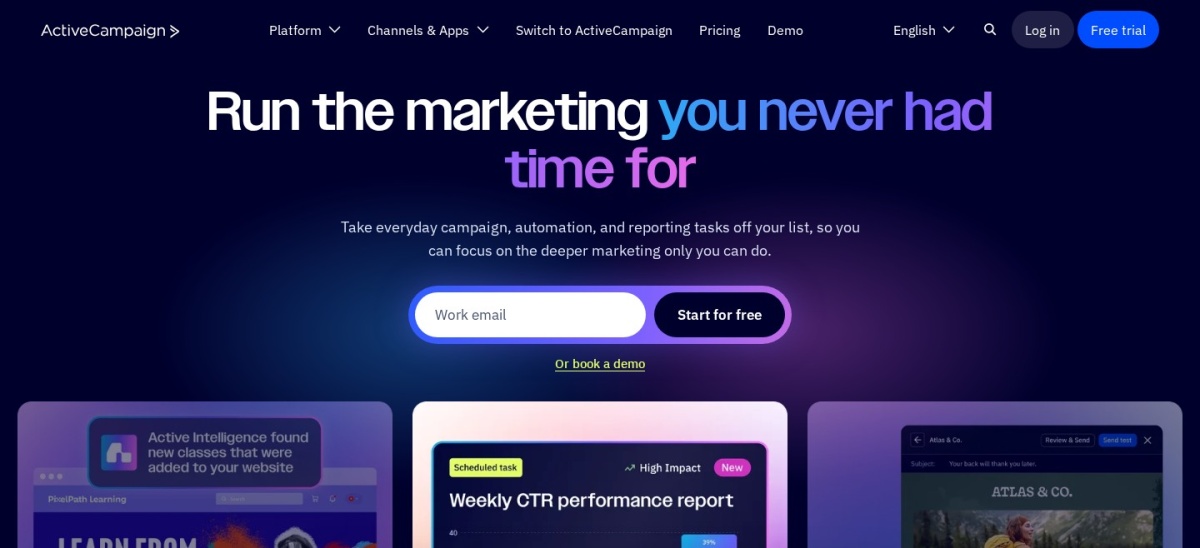
ActiveCampaign has the deepest automation builder here, starting at $15 a month for 1,000 contacts.
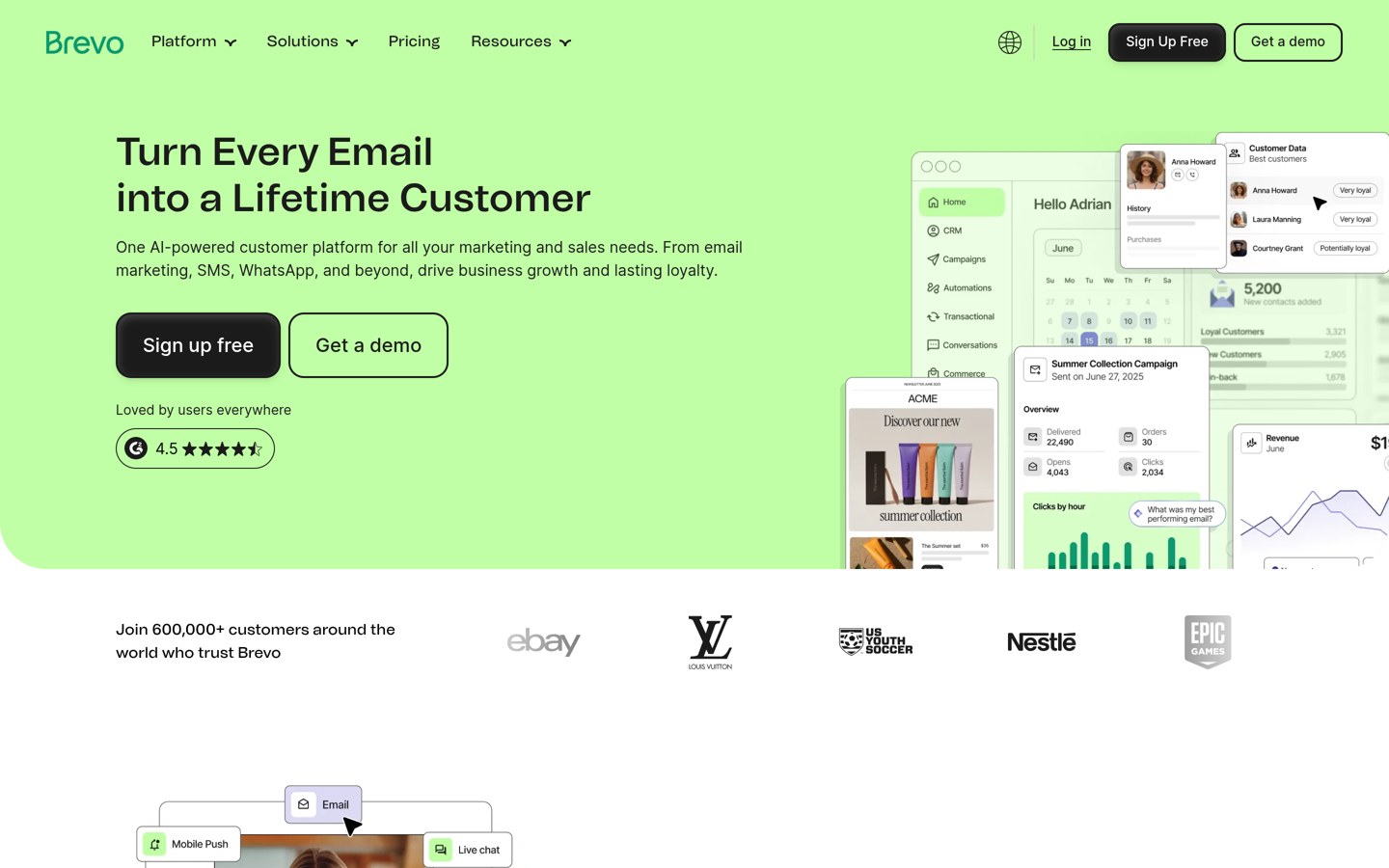
Brevo is the cheapest paid start at $9 a month, priced on sends rather than contacts.
Klaviyo suits ecommerce brands, with predictive analytics from $20 a month for 250 contacts.
Mailchimp is still the easiest start, with a free plan and Essentials at $13 a month.
What marketing automation should do for you
Marketing automation earns its keep when a welcome email, an abandoned cart reminder and a lead score all run without anyone remembering to send them. The builder, not the feature list, decides whether that happens.
Pricing models differ more than features do. Some tools charge per contact, some per send, and HubSpot charges per seat, so the cheapest headline price is rarely the cheapest at your list size.
A free plan is worth more than a free trial when you are starting out. HubSpot, Mailchimp, Brevo, Klaviyo, MailerLite and Kit all let you start free and pay only once the list earns its keep.
Our CRM software guide covers the sales side of the same stack, which matters once automation starts handing leads to a team.
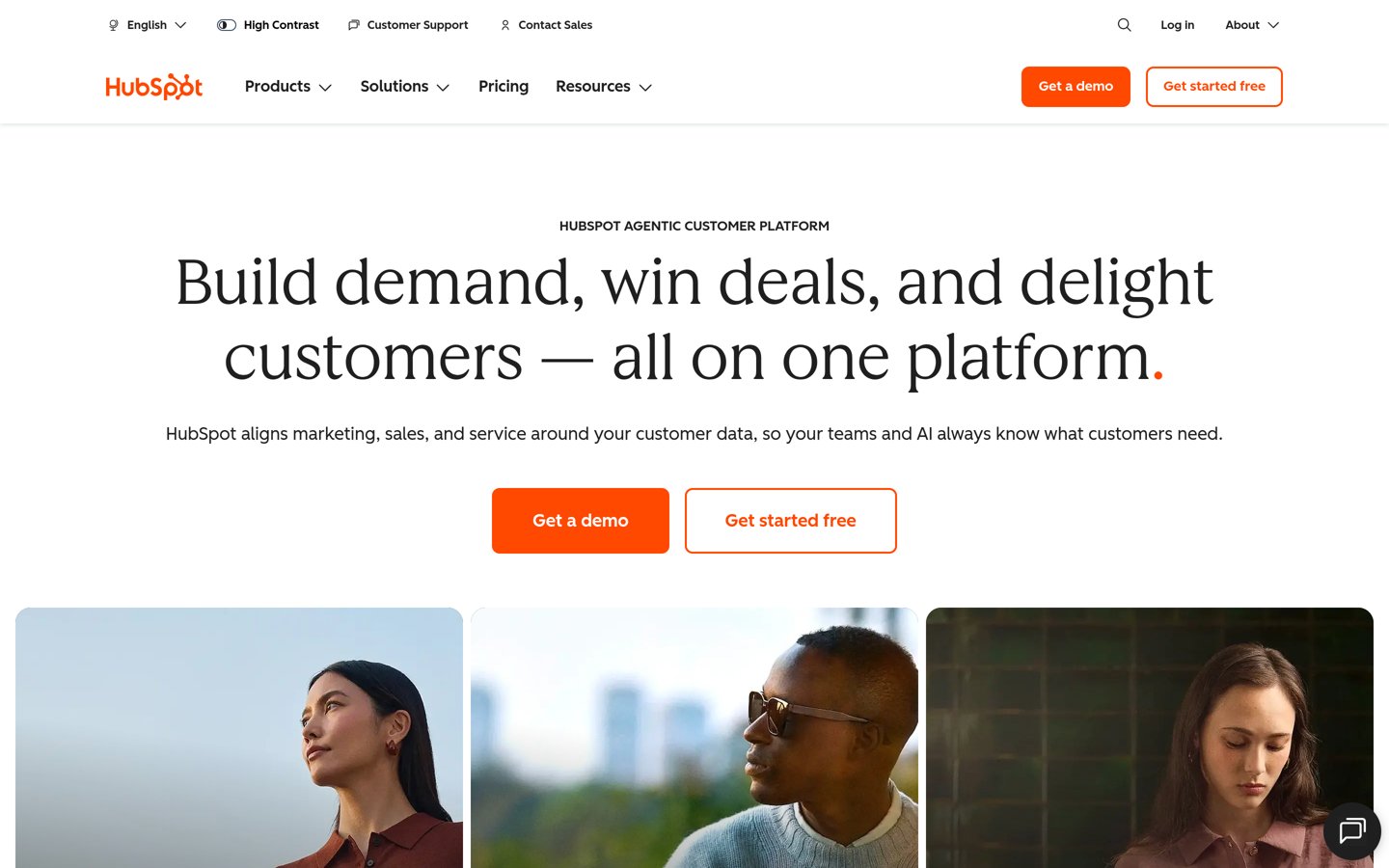
HubSpot is the default pick when marketing automation should sit on top of a real CRM instead of beside one. The free CRM covers unlimited contacts with deal pipelines, and Marketing Hub Starter at $15 per seat a month billed annually adds email automation, landing pages and lead scoring.
The trade off is the jump. Professional costs $800 a month with a $3,000 onboarding fee, and there is no middle tier. It suits teams that want marketing, sales and service data in one system and can live with Starter for a while.
ActiveCampaign is built around the automation builder first and everything else second. Small teams can chain triggers, conditions, waits and goals into long nurture paths, and the builder stays readable even with many branches. Starter costs $15 a month billed annually for 1,000 contacts.
The trade off is the cap. Starter limits each automation to five actions, so most teams need the Plus plan once their journeys grow. It suits small businesses that want the deepest automation without enterprise software.
Brevo is the budget pick for large lists, because its pricing scales on sends rather than contacts. The free plan covers 300 emails a day, and Starter at $9 a month adds 5,000 emails a month with no daily limit, plus SMS, WhatsApp and a built-in CRM.
The trade off is depth. Automation is solid but simpler than ActiveCampaign or HubSpot, and the cheapest plans carry Brevo branding. It suits businesses with large lists and small budgets that email a few times a month.
What we like
Cheapest paid start in this list
Free plan with 300 emails a day
Email, SMS and WhatsApp in one tool
Price does not rise with list size
Watch out for
Automation is simpler than ActiveCampaign
Branding on the cheapest plans
Fewer native ecommerce features than Klaviyo
Business adds automation, A/B testing and landing pagesVisit brevo.com
04
Mailchimp
4.3/5on G2 (12,984 reviews, checked Nov 2026)
Paid from$13/mo
Best for beginners and newsletters
Essentials$13/mo for 500 contacts
Free planYes, 500 contacts
Standard$20/mo, multi-step journeys
EcommerceShopify and WooCommerce
mailchimp.com
Mailchimp homepage, captured Nov 2026.
Mailchimp is the easiest way into email marketing. The editor is friendly, templates look good out of the box, and the free plan covers 500 contacts. Essentials costs $13 a month, and Standard at $20 a month adds multi-step customer journeys and predictive segmentation.
The trade off is billing. Mailchimp charges for every contact in the audience, including unsubscribed contacts, and the free plan is now small. It suits beginners, creators and small stores that mainly need newsletters and simple flows.
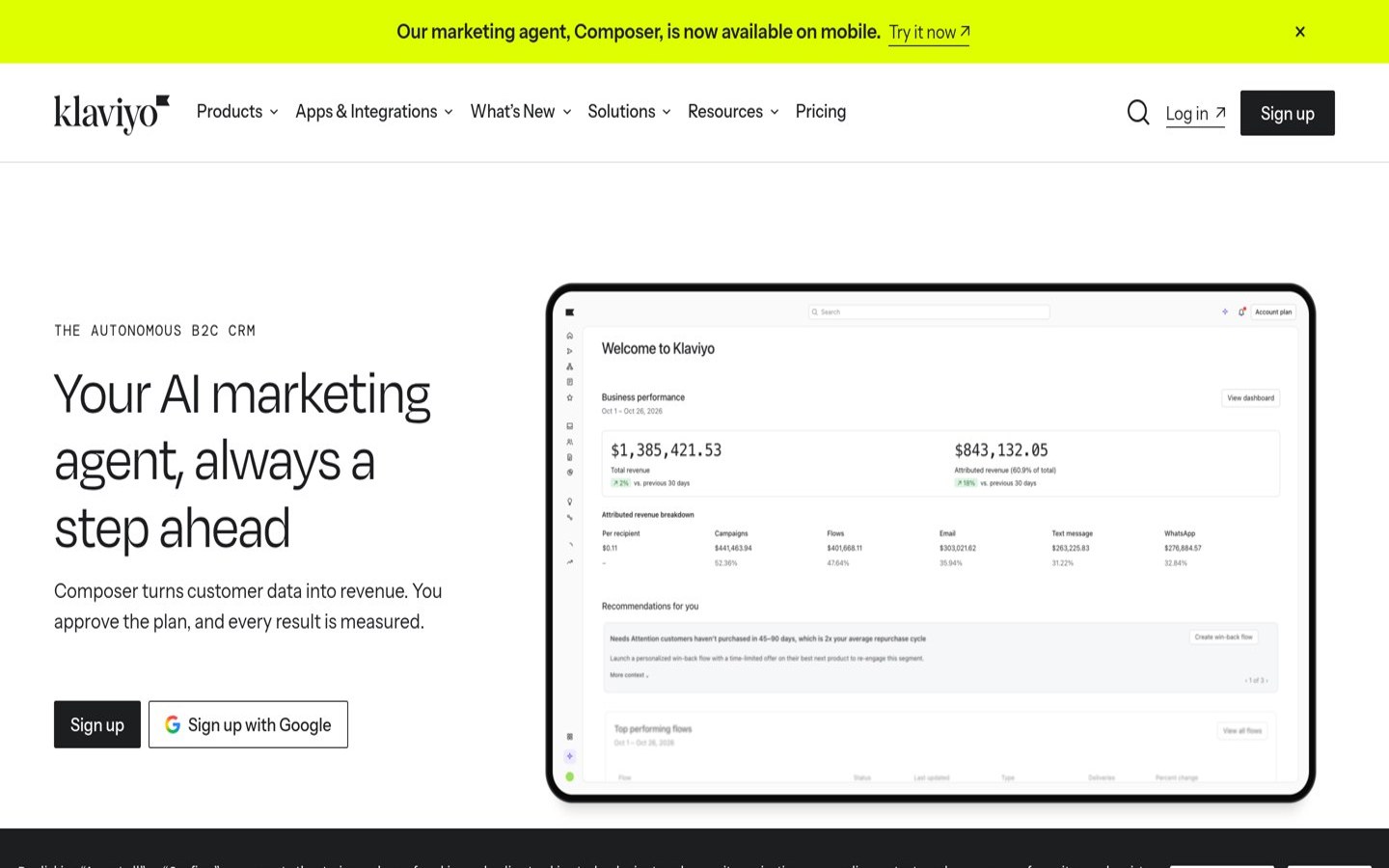
Klaviyo is the ecommerce pick, with predictive analytics, product recommendations and deep Shopify integration that turn purchase data into revenue. The free plan covers 250 contacts, and the paid email plan starts at $20 a month, with SMS available as an add-on.
The trade off is price growth. Costs rise steeply as the contact list grows, and SMS is charged separately. It suits ecommerce brands that live on email and SMS revenue and can measure the return directly.
What we like
Best Shopify integration in this list
Predictive analytics and segments
Email and SMS in one platform
Free plan for 250 contacts
Watch out for
Price climbs fast with list size
SMS costs extra
Overkill for non-ecommerce teams
Higher tiers add advanced reporting and dedicated supportVisit klaviyo.com
06
MailerLite
4.6/5on G2 (1,113 reviews, checked Nov 2026)
Paid from$10/mo
Best simple automation on a budget
Growing Business$10/mo
Free planYes, 1,000 subscribers
AutomationsVisual builder included
Landing pagesIncluded
mailerlite.com
MailerLite homepage, captured Nov 2026.
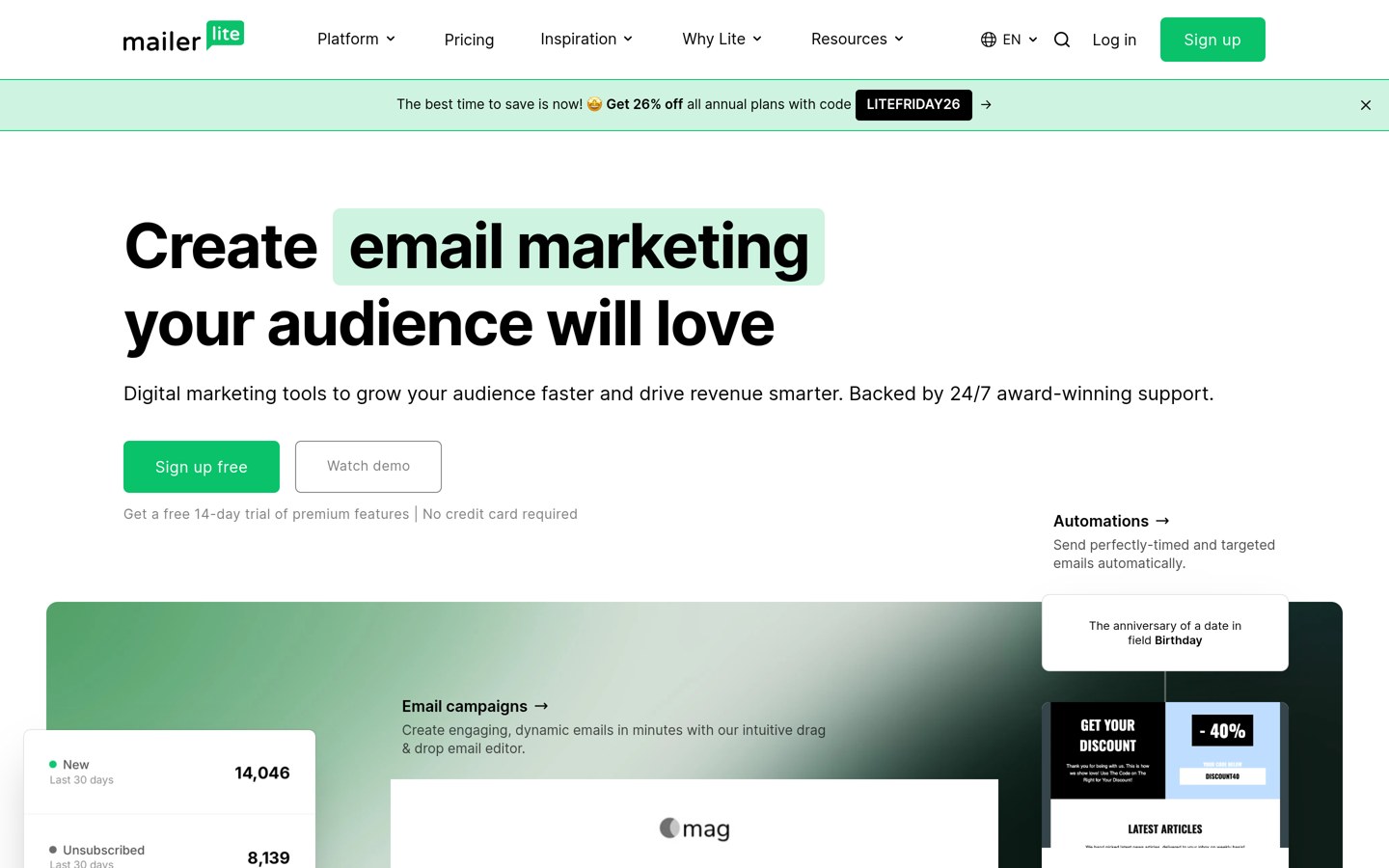
MailerLite is the simple pick for beginners who want real automation without a learning curve. The free plan covers 1,000 subscribers, and Growing Business at $10 a month adds unlimited emails, the visual automation builder, landing pages and the ability to sell digital products.
The trade off is power. Automation and segmentation are lighter than ActiveCampaign or Klaviyo, and approval for new accounts can take a day. It suits bloggers, creators and small businesses that want clean emails and simple flows.
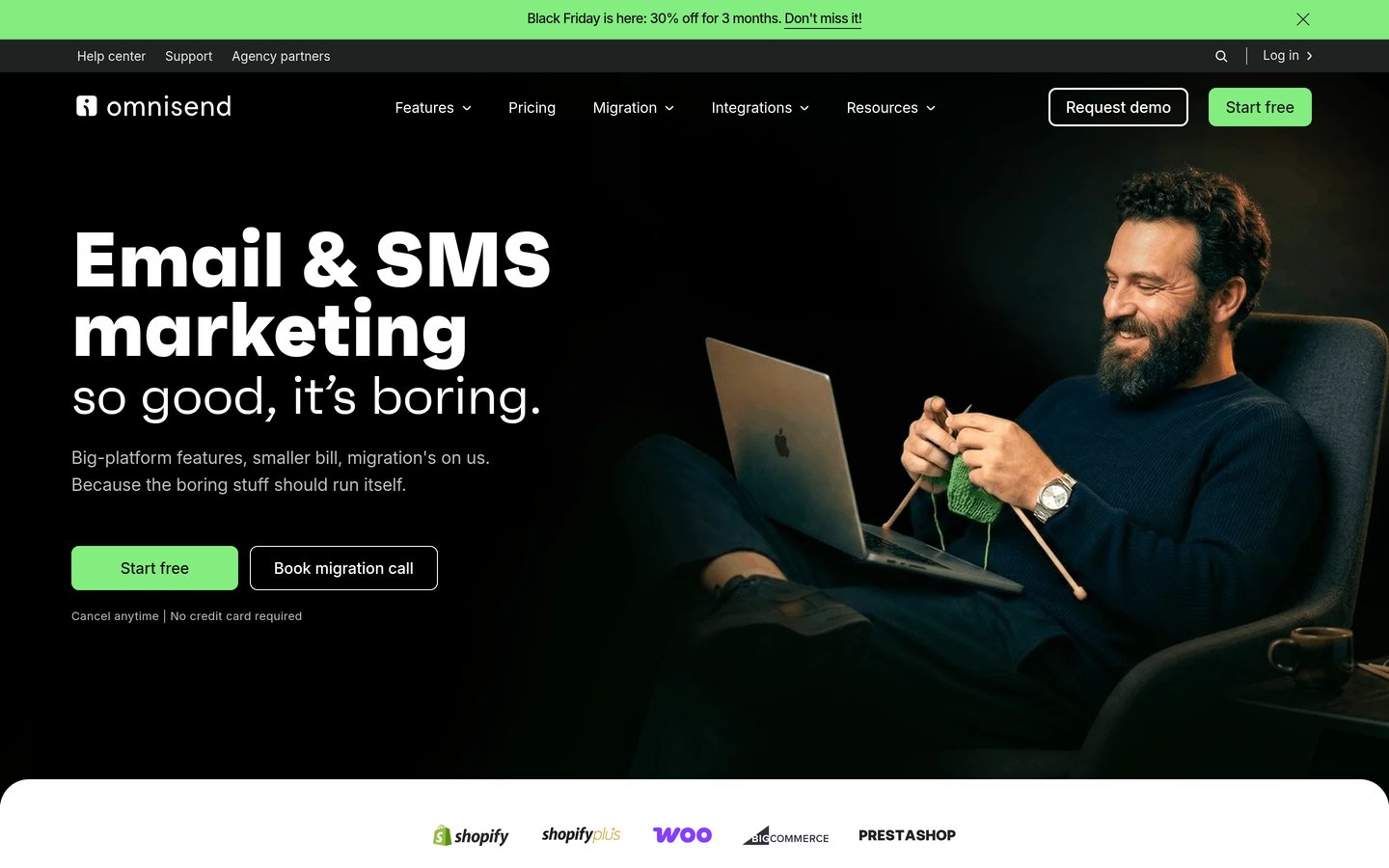
Omnisend is the ecommerce alternative to Klaviyo, covering email, SMS and web push in one affordable plan. The free plan covers 250 contacts and 500 emails a month, and Standard at $16 a month adds 6,000 emails, SMS credits and pre-built automation workflows for carts and welcome series.
The trade off is scale. It is built for stores, so non-ecommerce teams get little from its templates and workflows. It suits Shopify and WooCommerce stores that want omnichannel marketing without Klaviyo prices.
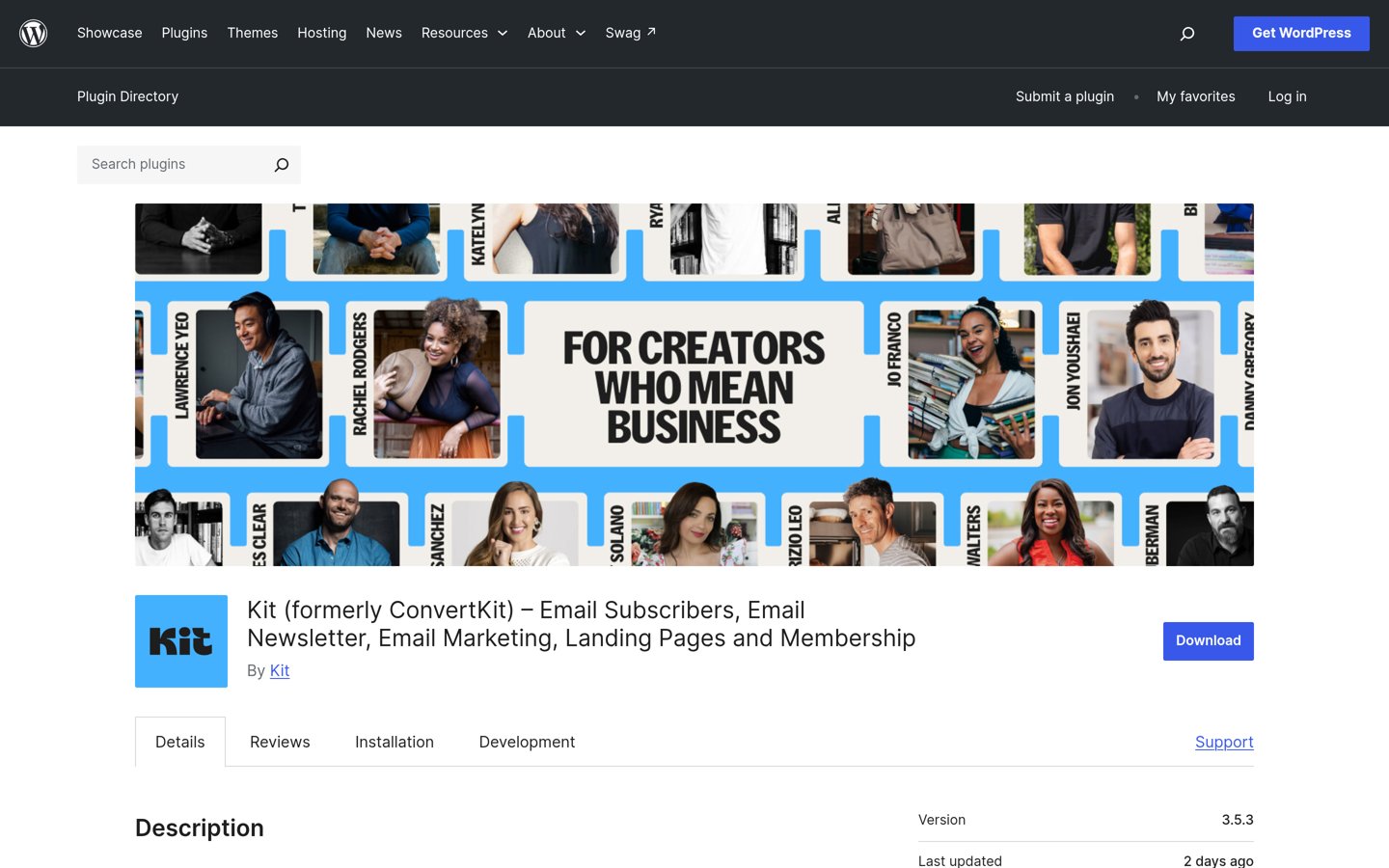
Kit is built for creators who monetize an audience. The free plan covers 10,000 subscribers, and Creator at $25 a month for 1,000 subscribers adds visual automations, A/B testing, free migration and the tools to sell paid newsletters and digital products.
The trade off is price growth. Costs rise quickly as the list grows, and the email editor is plainer than Mailchimp. It suits bloggers, podcasters and course creators who sell to their list.
What we like
Free plan for 10,000 subscribers
Paid newsletters and tip jars built in
Visual automations for creators
Free migration from other tools
Watch out for
Price rises fast with list size
Plainer templates than Mailchimp
Less suited to ecommerce or B2B teams
Creator Pro adds subscriber scoring and deliverability reportsVisit kit.com
09
Drip
4.4/5on G2 (400+ reviews, checked Nov 2026)
Starts at$39/mo
Best for behavior-based ecommerce email
Price$39/mo for 2,500 contacts
Free planNo, 14-day trial
FocusEcommerce behavior triggers
CRMBuilt in
drip.com
Drip homepage, captured Nov 2026.
Drip is built for ecommerce brands that want email driven by what shoppers actually do. Behaviour-based segmentation, on-site tracking and deep store integrations turn browsing and purchase history into personalised journeys, starting at $39 a month for 2,500 contacts.
The trade off is entry price. There is no free plan, and $39 a month is the highest starting price in this list. It suits mid-size stores that already earn from email and want deeper behaviour triggers than Klaviyo or Omnisend offer.
What we like
Behaviour-based segmentation
Deep ecommerce integrations
Built-in CRM for stores
Detailed revenue reporting
Watch out for
No free plan, only a 14-day trial
Highest starting price here
Overkill for small lists
Higher tiers add more contacts and dedicated supportVisit drip.com
Per contact, per send or per seat: read the model
Per-contact pricing, used by ActiveCampaign, Klaviyo and Mailchimp, rises as your list grows, even if half the list never opens an email.
Per-send pricing, used by Brevo, stays cheap for large lists that email rarely, but punishes frequent senders.
Per-seat pricing, used by HubSpot Starter, stays flat as contacts grow but climbs with every team member who needs access.
Work out your cost at twice your current list size before choosing. The tool that is cheapest today can be the most expensive in a year.
How we chose
We started from the marketing automation tools with the largest G2 review bases, then kept those with a published starting price and a usable free plan or trial.
Prices come from each vendor's pricing page, checked on 25 November 2026, and show the cheapest paid plan on annual billing. Ratings and review counts come from G2 on the same day. Where a vendor shows a sale, the list shows the regular price.
We left out enterprise-only platforms that publish no price. No vendor paid for a place, and we do not claim hands-on testing for this list.
How to choose a marketing automation tool
Start with your list size and your channels, then test the builder before you pay.
Count contacts, sends and seats. Per-contact tools suit small lists, per-send tools suit large quiet lists, and per-seat tools suit teams with many contacts and few users.
Test the automation builder on a real journey. Build a welcome flow with a branch and a goal. If it takes an afternoon to learn, it will cost you every campaign.
Check the CRM question. HubSpot and ActiveCampaign include a CRM, while Mailchimp, Brevo and Klaviyo expect you to bring one or buy an add-on.
Start free and upgrade on revenue. Use the free plan until the list earns its keep, then move to the cheapest paid tier that unlocks the automation you actually use.
FAQ
What is the best marketing automation software?
HubSpot is the best all-in-one choice, with a free CRM and Marketing Hub Starter at $15 per seat a month billed annually. ActiveCampaign is the best value for deep automation at $15 a month, and Brevo is the budget pick at $9 a month.
Is HubSpot Marketing Hub free?
HubSpot offers free marketing tools, including a free CRM, forms and 2,000 email sends a month. Paid automation starts with Marketing Hub Starter at $15 per seat a month billed annually, while Professional jumps to $800 a month.
How much does ActiveCampaign cost?
ActiveCampaign Starter costs $15 a month billed annually for 1,000 contacts, with a 14-day free trial and no permanent free plan. The Starter plan caps each automation at five actions, so many teams need the Plus plan.
What is the cheapest marketing automation tool?
Brevo is the cheapest paid start here at $9 a month for the Starter plan, with a free plan below it. MailerLite starts at $10 a month and Mailchimp Essentials at $13 a month, both with free plans.
Which marketing automation tool is best for ecommerce?
Klaviyo is the best pick for ecommerce brands, with predictive analytics and deep Shopify and WooCommerce integrations from $20 a month. Omnisend is the cheaper ecommerce alternative at $16 a month, adding SMS and push notifications.
Do I need a CRM with marketing automation?
Not always. HubSpot and ActiveCampaign include a CRM, so leads and campaigns live together. Mailchimp, Brevo, Klaviyo and MailerLite work well alone for email-first teams and connect to a separate CRM when needed.
SaaS SEO and WordPress specialist with about 8 years of experience. Rakib compares WordPress plugins, themes, hosting and software using public pricing, documentation and user reviews. See how we rank.