Snyk is the best dependency management tool for most teams, because it pairs a free tier with a clear Team price and covers code, containers and open source in one place. Start free with Mend Renovate for automated updates, or pick Socket to catch malicious packages.
How we make this list: we compare pricing pages, product documentation and public user reviews, then re-check every price before each update. No product paid for a place. Disclosure.
Snyk is the best all-round pick, with a free tier and a Team plan at 25 dollars per developer per month.
Mend Renovate is the best update bot, grouping dependency updates across more than 90 ecosystems.
Socket is the specialist for malicious packages, with behavioural analysis other scanners miss.
FOSSA is the cheapest licence compliance route, at 20 dollars per project per month.
Black Duck and Sonatype sell by quote and suit regulated enterprises, not small teams.
What dependency management software does
Every modern app is mostly other people's code. A typical project pulls in hundreds of direct and transitive dependencies, and each one can carry a known vulnerability, a hostile licence or a malicious update.
Dependency management tools do three jobs: they scan what you already use, they open pull requests to update it, and they block risky packages before they enter the build. No single tool does all three equally well.
The free floor is real. GitHub Dependabot costs nothing for GitHub teams, and the Renovate bot is free to self-host, so many teams start there and add a scanner such as Snyk for deeper checks.
Prices are mostly per developer or per project, so the bill scales with team size. The enterprise tools in this list sell by quote and typically run into five figures a year, so get a written quote before budgeting.
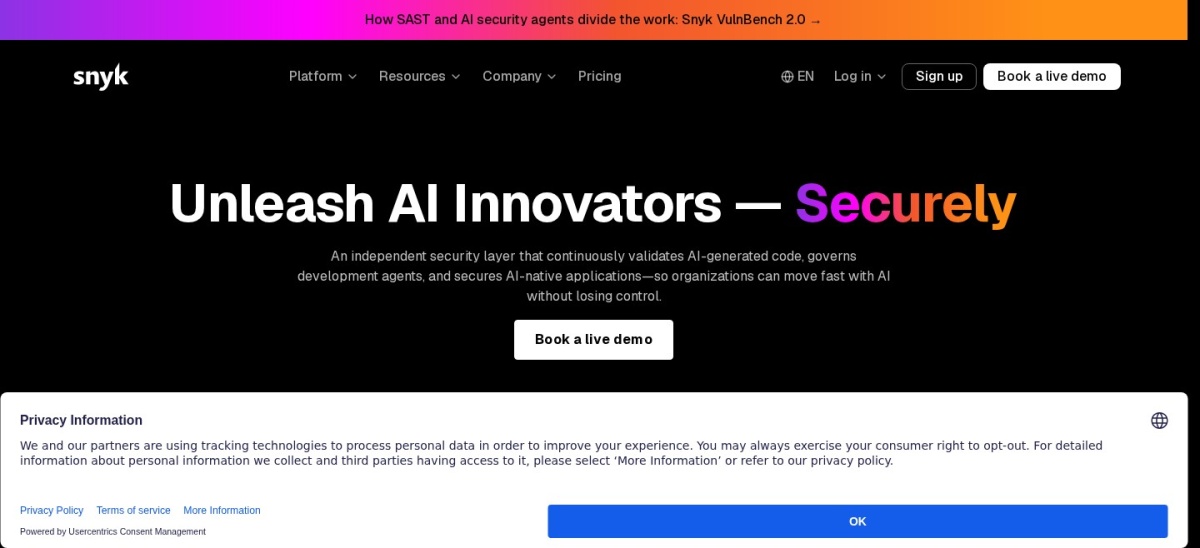
Snyk is a developer-first security platform that finds and fixes vulnerabilities in code, open-source dependencies, container images and infrastructure code. It integrates into IDEs, Git repositories and CI/CD pipelines, and its automated fix pull requests cut remediation time by up to 75 percent, according to the vendor.
The trade off is scale. The Team plan costs $25 per contributing developer per month, needs at least 5 developers and caps at 10, so larger teams move to credit-based Enterprise pricing. It suits small to mid-size teams that want one platform for code, dependencies and containers.
What we like
Rated 4.5 out of 5 on G2 from 136 reviews
Free tier with IDE and CI integration
Automated fix pull requests included
Watch out for
Team plan caps at 10 developers
Free tier test limits burn through quickly in CI
Enterprise adds credit-based pricing and AI featuresVisit snyk.io
02
Mend Renovate
4.3/5on G2 (112 reviews, checked Nov 2026)
Paid from$250/dev/yr
Best for automated dependency updates
Ecosystems90+ package managers
HostsGitHub, GitLab, Bitbucket
Free botYes, self-hosted
EnterpriseUp to $250/dev/yr
mend.io
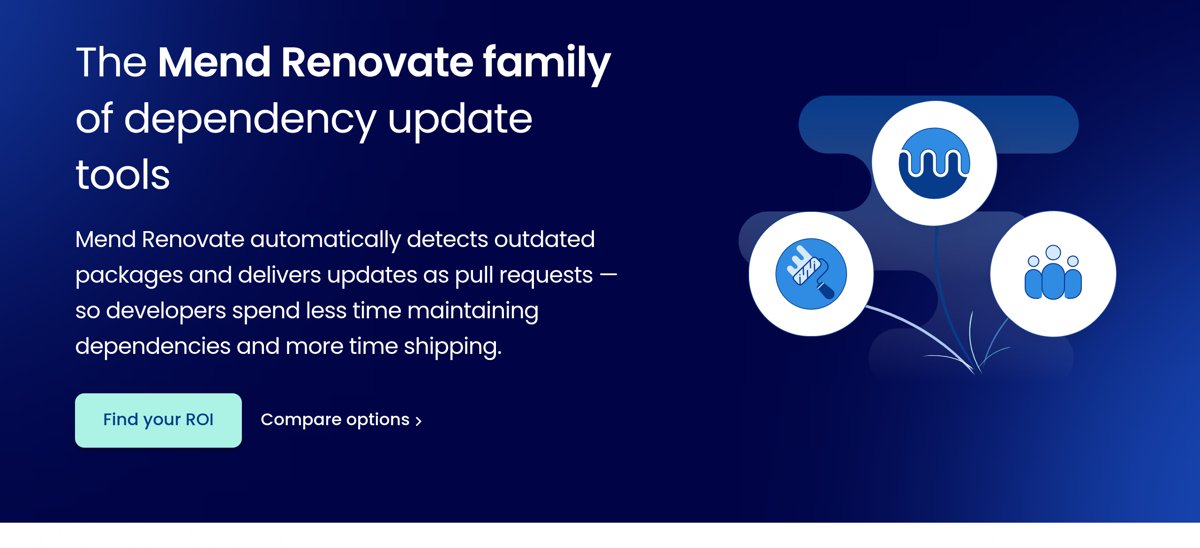
Mend Renovate homepage, captured Nov 2026.
Mend Renovate is an update bot that automates dependency updates across many repositories and package ecosystems, grouping related updates into single pull requests so teams stay current without drowning in noise. It supports more than 90 ecosystems and works across GitHub, GitLab, Bitbucket and Azure DevOps, which makes it the standard choice for monorepos.
The trade off is that the free Renovate bot is self-hosted and needs setup, while the managed Enterprise edition costs up to $250 per contributing developer per year by quote. It suits large engineering teams with many repositories and several source platforms.
What we like
Grouped update pull requests across 90+ ecosystems
Free open-source bot to self-host
Rated 4.3 out of 5 on G2 from 112 reviews
Watch out for
Managed edition is quote-based
Self-hosted bot needs setup and care
Mend SCA adds vulnerability and licence scanningVisit mend.io
03
Socket
4.7/5on G2 (10 reviews, checked Nov 2026)
Paid from$25/seat/mo
Best for catching malicious packages
DetectionBehavioural, not just CVE
Free planYes, 1,000 scans/mo
Team plan$25/seat/mo
BlockingYes, at install time
socket.dev
Socket homepage, captured Nov 2026.
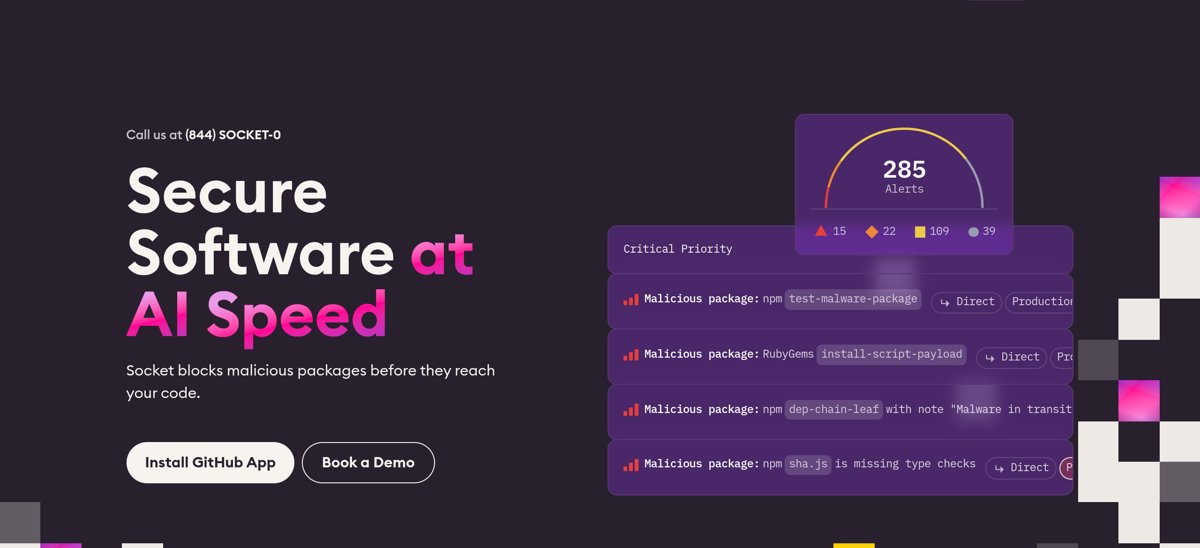
Socket is a supply-chain security tool that analyses the behaviour of packages, not just their known vulnerabilities, so it catches malicious code that CVE scanners miss. It watches for suspicious install scripts, typosquatting and exfiltration behaviour, and it blocks risky packages before they reach production.
The trade off is a thin review base and scan limits. Socket is rated 4.7 out of 5 on G2 but from only 10 reviews, and the free plan caps at 1,000 scans a month, which a busy repo can burn through. It suits teams that install many new packages and worry about supply-chain attacks.
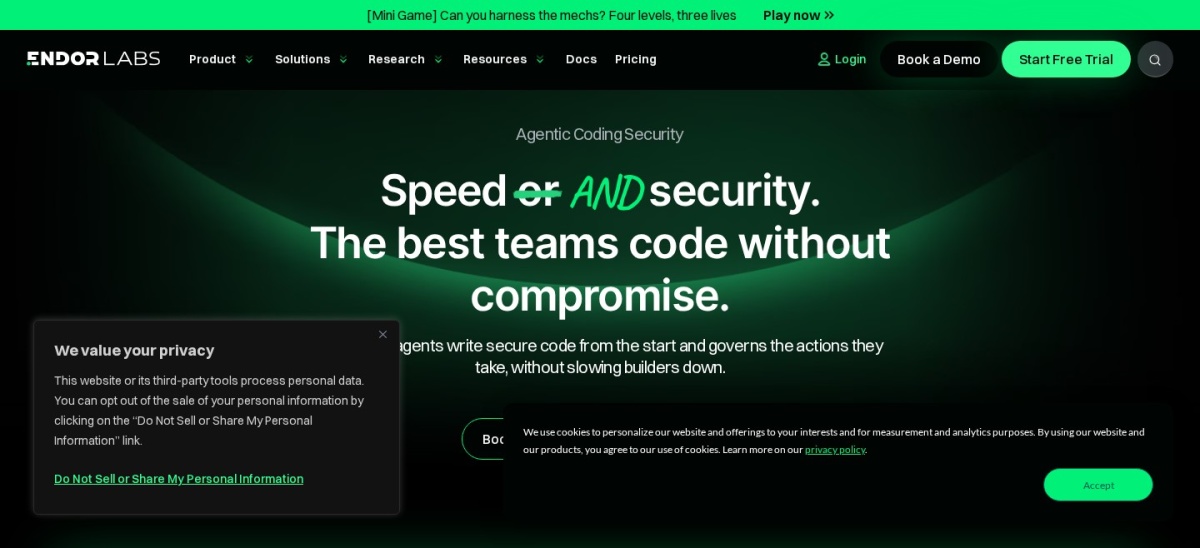
Endor Labs is a software composition analysis platform that uses reachability analysis to tell teams which vulnerabilities actually matter. Instead of listing every CVE in every dependency, it checks whether the vulnerable code can run in your application, so teams fix the real risks first.
The trade off is price and review depth. Endor Labs is rated 4.6 out of 5 on G2 from 56 reviews, and published prices conflict, with one guide listing $15 a month and another listing custom pricing only. It suits teams drowning in scanner noise that want to prioritise by reachability.
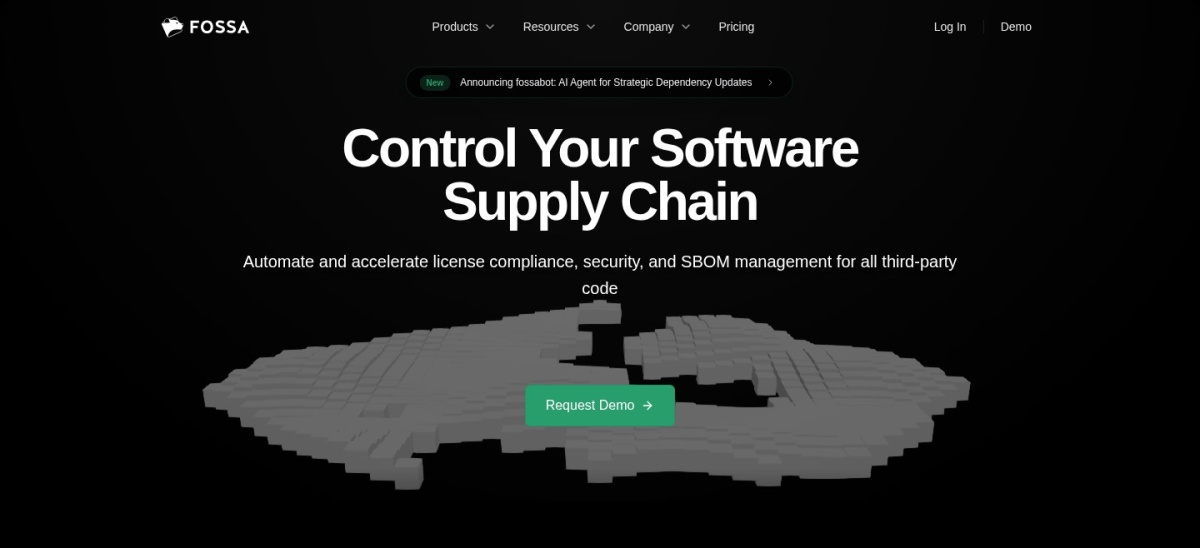
FOSSA is a software supply chain platform built around automatic SBOM generation, software composition analysis and licence compliance. It scans dependencies at any depth, records the licence of each component, flags licences that conflict with company policy, and produces the attribution notices and SBOM files that customers and auditors ask for.
The trade off is scope. FOSSA is not a full application security testing suite, so teams that want SAST, DAST and runtime protection need to pair it with another tool, and the per-project price grows with large portfolios. It suits teams whose main risk is licence compliance and customer SBOM requests.
4.6/5on G2 (Not published reviews, checked Nov 2026)
Paid from$20/user/mo
Best developer-friendly code and dependency scans
Free planYes
Team plan$20/user/mo reported
RulesCustomisable, readable
CoverageCode and dependencies
semgrep.dev
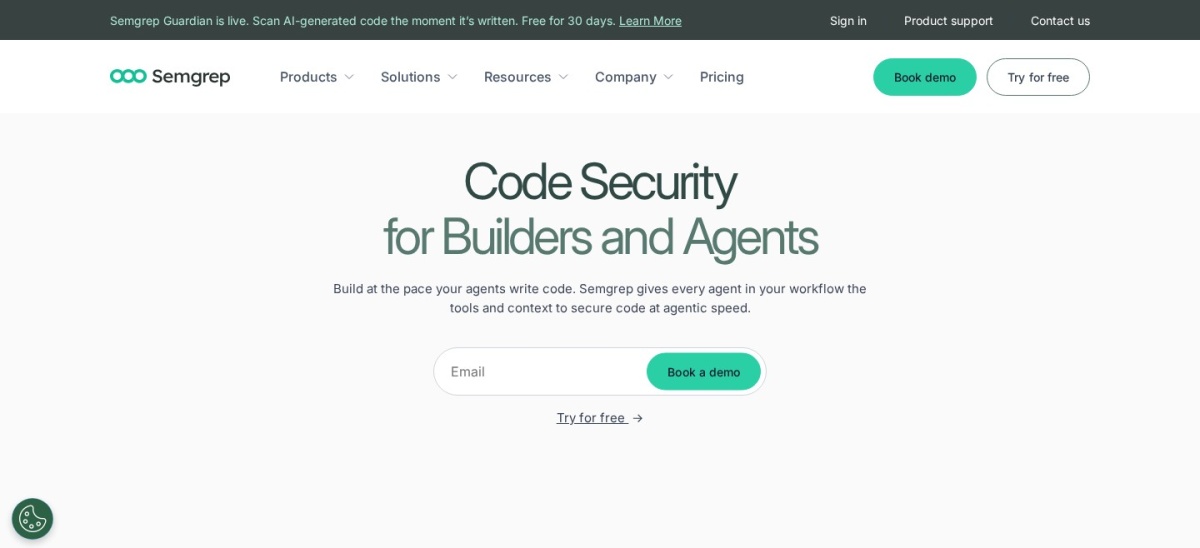
Semgrep homepage, captured Nov 2026.
Semgrep is a developer-focused code security tool that scans first-party code and dependencies with fast, readable rules. Its free tier covers small teams, and its rules are easy to customise, which makes it popular with engineers who want security checks that read like code review rather than audit reports.
The trade off is verification. Semgrep is rated 4.6 out of 5 on G2, but no review count could be verified, and its Team price of $20 per user per month comes from secondary guides rather than a confirmed vendor page read. It suits developer-led teams that want fast, customisable scans.
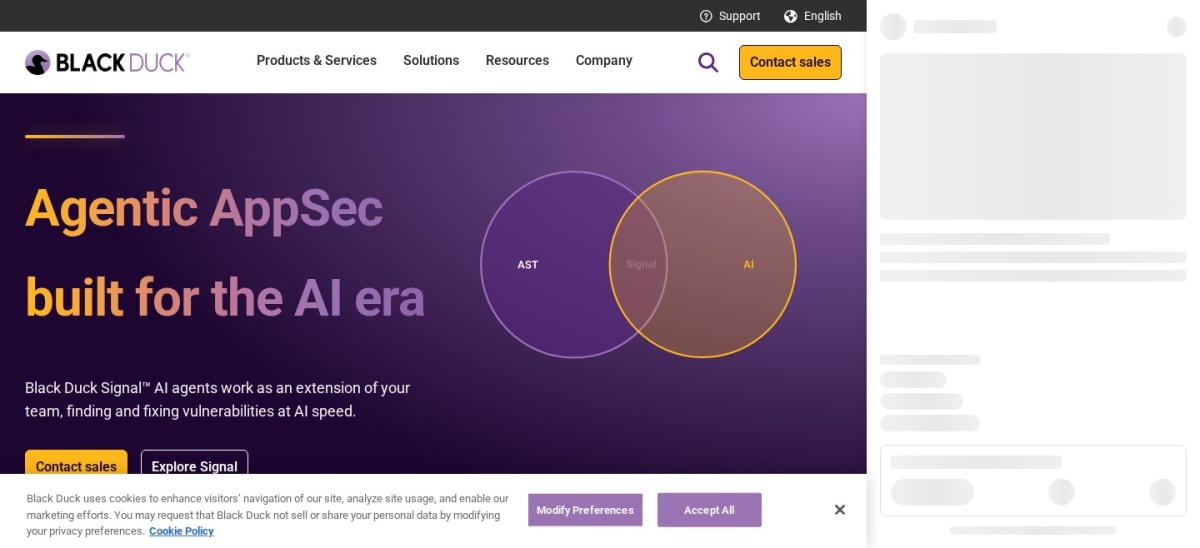
Black Duck is the enterprise standard for open-source governance, with the deepest component identification in this list. Its KnowledgeBase catalogues open-source components, snippets and licences, and its policy engine gives legal and security teams one auditable view of what is in the software.
The trade off is cost and weight. Black Duck is sold by quote only, runs into five figures a year, and its on-premise deployments are resource-heavy with slower scans on some setups. It suits large enterprises with formal open-source governance and audit needs.
Scanners such as Snyk and Endor Labs find known vulnerabilities and tell you which ones are actually reachable in your code.
Update bots such as Mend Renovate open grouped pull requests that keep dependencies current without drowning the team in noise.
Blockers such as Socket and Sonatype stop malicious or non-compliant packages at install time, before they reach production.
Most teams need two lanes: a free update bot plus one scanner. Add a blocker only when supply-chain attacks are a real risk for your stack.
How we chose
We started from the dependency management tools that 2026 SCA and dependency guides recommend most, covering scanners, update bots and licence compliance, and kept those with an active vendor site and a verifiable G2 rating.
Prices come from each vendor's pricing page or published price list, checked on 25 November 2026. Where a vendor publishes no price, the list shows Custom and the notes say so. Ratings come from G2 on the same day.
We left out JFrog Xray and Sonatype Lifecycle because no G2 rating could be verified for either, and GitHub Dependabot because it has no standalone G2 listing. No vendor paid for a place, and we do not claim hands-on testing for this list.
How to choose dependency management software
Start with the risk that worries you most, then match the tool to your stack.
List your ecosystems and hosts. A GitHub-only team can start free with Dependabot, while multi-host monorepos need Renovate or Mend.
Decide what you need to catch. Pick a scanner for known vulnerabilities, an update bot for freshness, or Socket for malicious packages.
Trial the free tier on one repo. Run the scanner on your busiest repository and check the false-positive rate before paying.
Check the price per developer. Per-developer pricing adds up fast, so model the cost for your whole team, not just five seats.
FAQ
What is the best dependency management software?
Snyk is the best dependency management tool for most teams, because it pairs a free tier with a clear Team price and covers code, containers and open source in one place. Mend Renovate is best for automated updates, and Socket is best for malicious packages.
Is there a free dependency management tool?
Yes. GitHub Dependabot is free for teams on GitHub, and the Renovate bot is free to self-host. Snyk, Socket, FOSSA and Semgrep also offer free tiers, though each caps tests, scans or projects.
What is the difference between Snyk and Dependabot?
Dependabot opens automated pull requests to update dependencies and is free on GitHub. Snyk adds deeper vulnerability scanning, fix guidance, container and code checks, and a paid Team plan at 25 dollars per developer per month.
What is Renovate used for?
Renovate automates dependency updates across many repositories and package ecosystems. It groups related updates into single pull requests, supports more than 90 ecosystems, and is free as an open-source bot.
How much does dependency management software cost?
Published prices in this list run from free to 25 dollars per developer per month for Snyk and Socket. Mend Renovate Enterprise costs up to 250 dollars per developer per year, while Black Duck and Sonatype sell by quote.
Do I need a dependency management tool if I use Dependabot?
Dependabot covers basic updates well, but it does not check whether a vulnerability is reachable, block malicious packages, or manage licences in depth. Teams with compliance needs usually add Snyk, FOSSA or Black Duck.
SaaS SEO and WordPress specialist with about 8 years of experience. Rakib compares WordPress plugins, themes, hosting and software using public pricing, documentation and user reviews. See how we rank.