Salesforce Revenue Cloud is the best CPQ software for teams already on Salesforce, with quoting, pricing and billing on one data model. DealHub suits mid-market teams that want faster setup, while PandaDoc is the cheapest way in for small teams.
How we make this list: we compare pricing pages, product documentation and public user reviews, then re-check every price before each update. No product paid for a place. Disclosure.
Salesforce Revenue Cloud Growth lists at $150 a user a month billed yearly, with Advanced at $200.
DealHub holds a 4.7 out of 5 G2 rating from more than 800 reviews, but publishes no price.
PandaDoc Starter starts at $19 a user a month and covers unlimited documents and e-signatures.
Five of the nine tools sell on quote only, so budget for a sales call and an implementation project.
QuoteWerks starts near $46 a concurrent user a month and suits IT resellers best.
What CPQ software does for quote-to-cash
CPQ stands for configure, price, quote. It replaces the spreadsheet where reps build quotes, apply discount rules and wait for approvals, and it feeds the order and billing steps that follow.
The tools split into two groups. CRM-native CPQ lives inside Salesforce or HubSpot, while standalone CPQ plugs into any CRM. The right group depends on where your customer data already sits.
Price transparency is rare here. Only Salesforce and PandaDoc publish per-user rates in this list, while five tools sell by quote only. Budget for a sales call and an implementation project, not just the licence line.
Small teams should start with the cheapest published plan. Our best CRM software guide covers the CRM side of the same buying decision.
The 9 best CPQ software for streamlining quote to cash
01
Salesforce Revenue Cloud
4.2/5on G2 (1,513 reviews, checked Nov 2026)
Starts at$150/mo
Best CPQ for Salesforce teams
Free planNo
Cheapest paidGrowth, $150/user/mo
G2 rating4.2 out of 5
CRMSalesforce native
salesforce.com
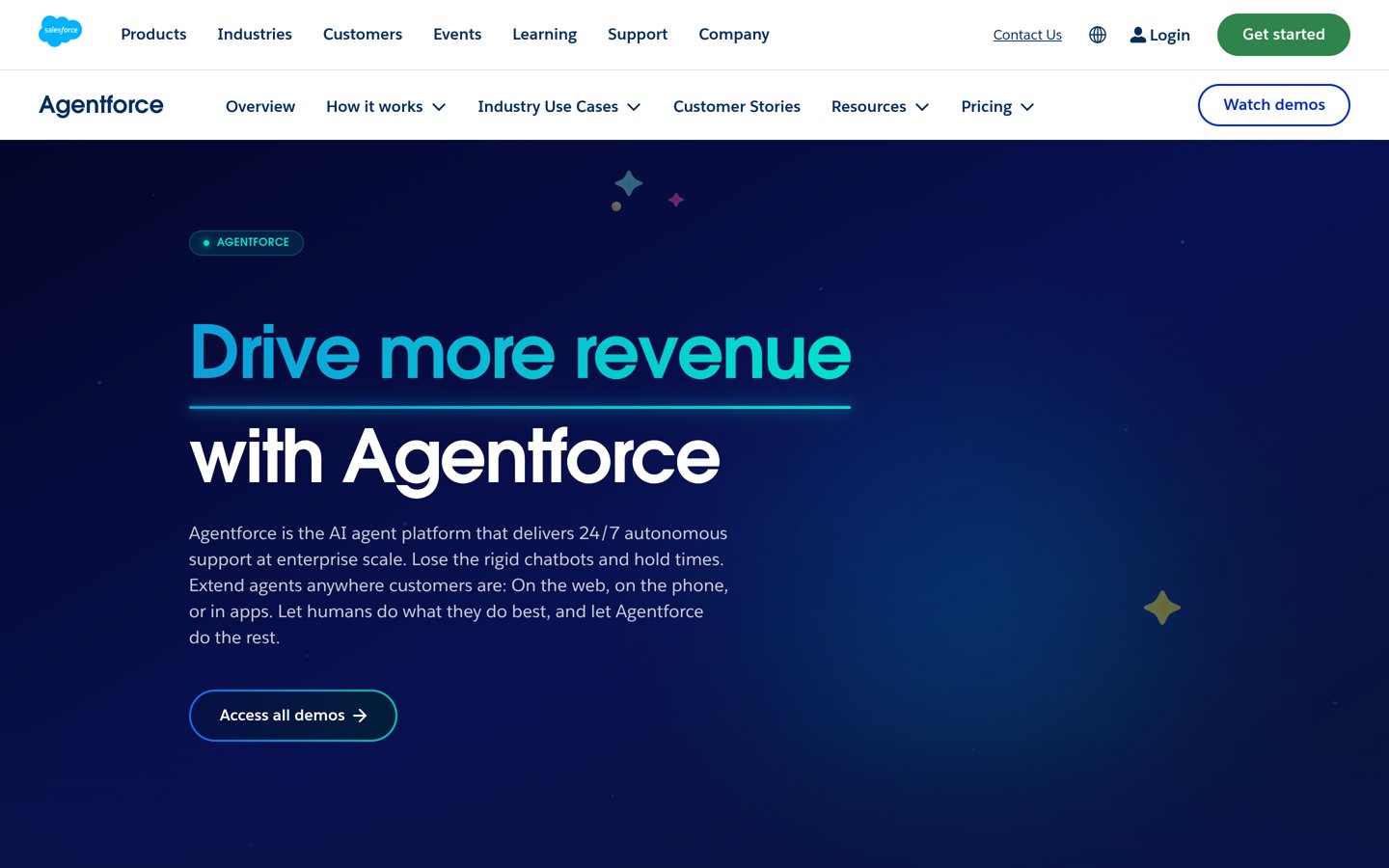
Salesforce Revenue Cloud homepage, captured Nov 2026.
Salesforce Revenue Cloud is the current name for Salesforce CPQ, now part of Agentforce Revenue Management. Growth at $150 a user a month covers quoting, the configurator, order capture and subscriptions on the same data model as your CRM.
The trade off is cost and effort. Growth sits on top of a Sales Cloud licence, and Advanced at $200 a user a month adds contracts and billing. It suits Salesforce teams that want quoting, approvals and billing in one place.
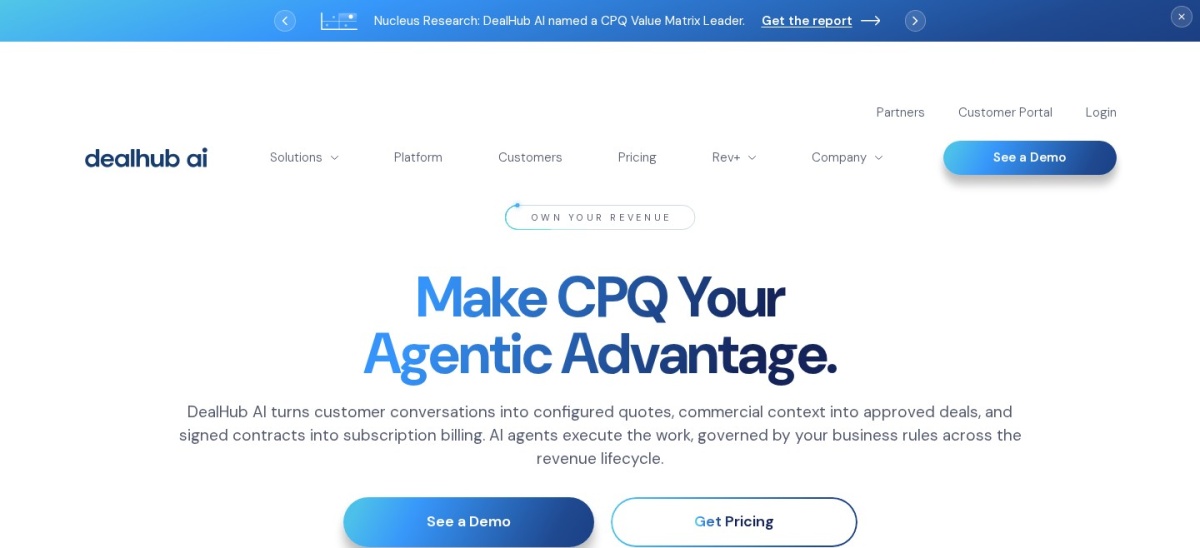
DealHub is a quote-to-revenue platform that walks reps through configuration, pricing and approvals with no code. Guided selling, a DealRoom for buyer engagement and e-signatures come built in, and it runs native inside Salesforce and Dynamics.
The trade off is price transparency. DealHub publishes no rates, so you cannot model the cost before a sales call, and implementation still needs weeks. It suits mid-market teams that want RevOps to own pricing logic without developers.
What we like
Highest-rated mid-market CPQ here
Guided selling needs no code
DealRoom tracks buyer engagement
Watch out for
No published price
Smaller ecosystem than Salesforce
Pricing is by quote, based on users and workflow depthVisit dealhub.io
03
PandaDoc
4.7/5on G2 (3,621 reviews, checked Nov 2026)
Paid from$19/mo
Best CPQ for small teams
Free planYes, free eSign
Cheapest paidStarter, $19/user/mo
G2 rating4.7 out of 5
CRMSalesforce, HubSpot, Pipedrive
pandadoc.com
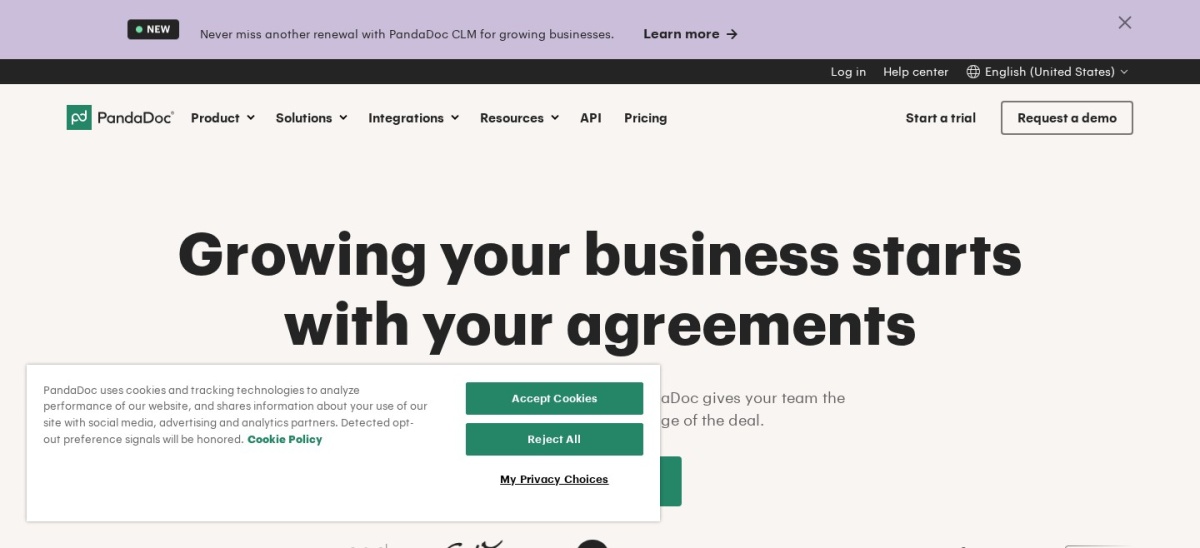
PandaDoc homepage, captured Nov 2026.
PandaDoc is a document platform that stretches into CPQ, with quotes, proposals, pricing tables and e-signatures in one editor. Starter at $19 a user a month covers unlimited documents and e-signatures, and setup takes days rather than months.
The trade off is depth. Starter caps at two seats and has no CRM integrations, so a team of three or more needs Business at $49 a user a month. It suits small teams that need quotes and signatures fast.
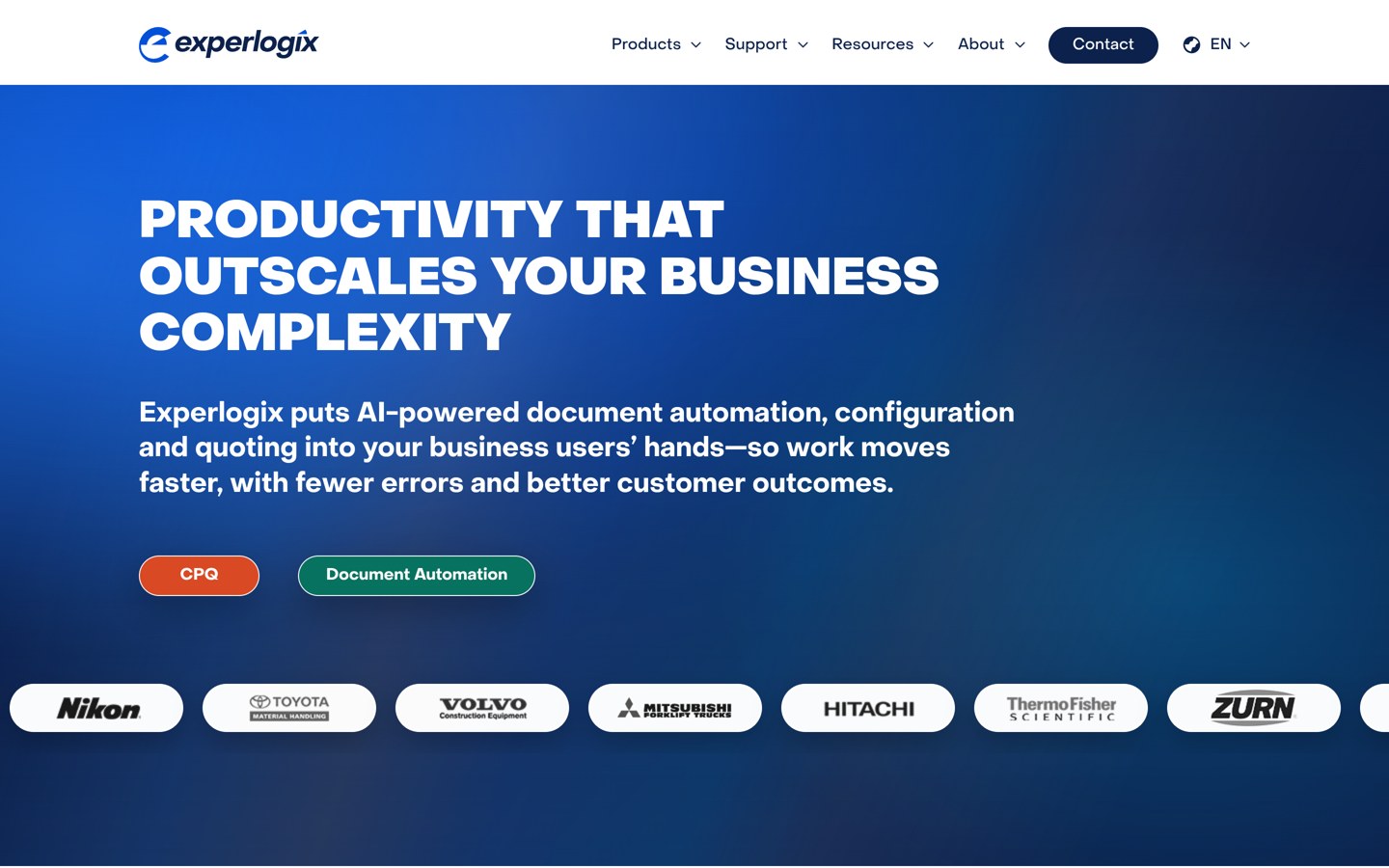
Experlogix is a CPQ platform built for manufacturers and distributors with complex, configurable products. It handles deep configuration rules, guided selling and multi-model sales across subscriptions, services and one-time purchases.
The trade off is price and pace. Experlogix sells by quote and needs implementation time, so it is overkill for simple catalogs. It suits manufacturers whose products need rules, not just price lists.
Everstage is a platform that combines CPQ with sales commissions and planning in one place. Quotes, approvals and commission plans share the same data, so reps see what a deal pays them while they build it.
The trade off is scope. Everstage sells by quote and its commission tools matter most to teams that pay variable comp. It suits B2B teams that want quoting and commissions together instead of two tools.
HubSpot Revenue Hub is HubSpot's CPQ, billing and payments layer inside the CRM. Quotes, contracts, billing and payments share one record, and the new CPQ tools make quoting and closing faster for sales teams.
The trade off is the seat. CPQ needs a full Revenue Hub seat, which reviewers call heavy for small teams, and the $85 figure is a secondary read of HubSpot pricing. It suits HubSpot teams that want revenue on one platform.
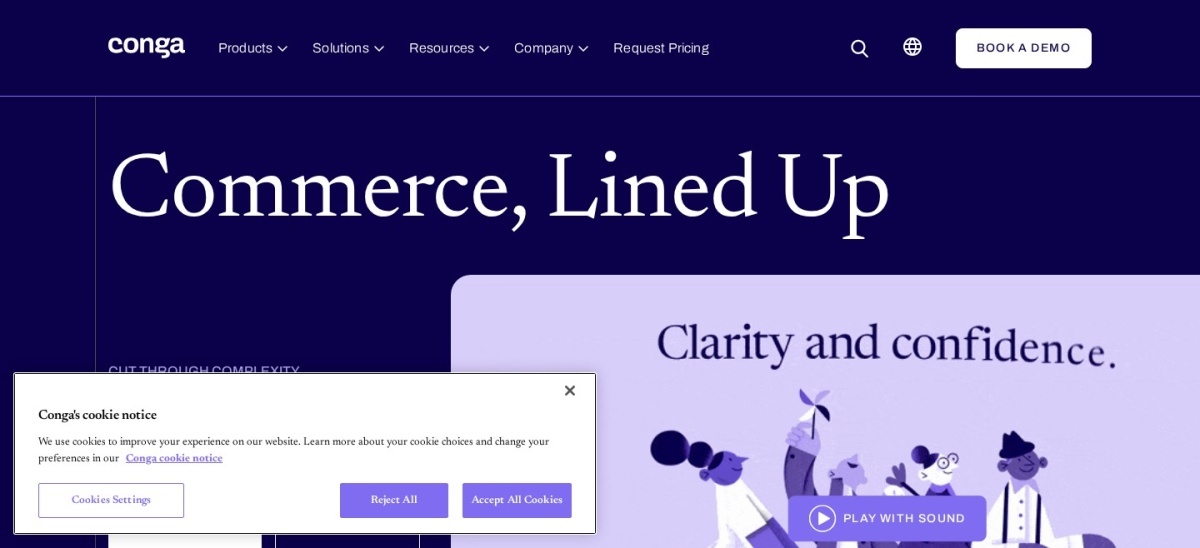
Conga CPQ is a CPQ platform, formerly Apttus, that handles the catalogs that break lighter tools: thousands of SKUs, deep configuration rules and bill-of-materials structures. It pairs with Conga's contract lifecycle and document tools for the full revenue cycle.
The trade off is implementation. Conga suits enterprises with complex catalogs, but expect a long rollout and developer help for custom rules. It suits Salesforce enterprises that also need contracts and documents.
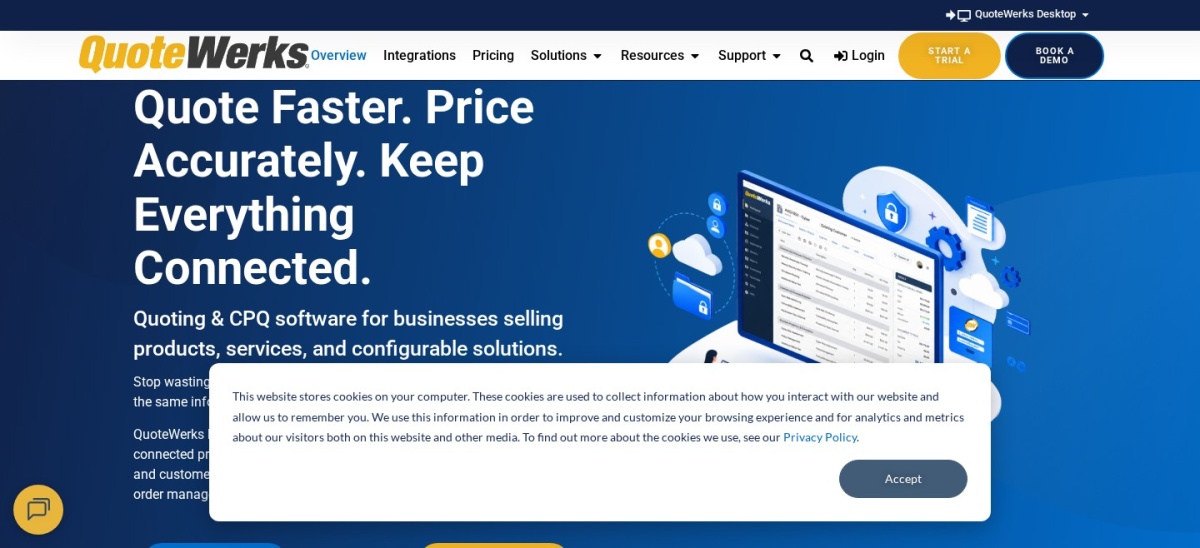
QuoteWerks is a quoting tool built for IT resellers, MSPs and integrators who quote hardware, services and contracts from suppliers. It cuts quoting time from hours to minutes and integrates with ConnectWise, Autotask and major CRMs.
The trade off is the licence model. QuoteWerks prices per concurrent user, so the per-seat cost depends on how many people quote at once. It suits resellers who quote supplier catalogs every day.
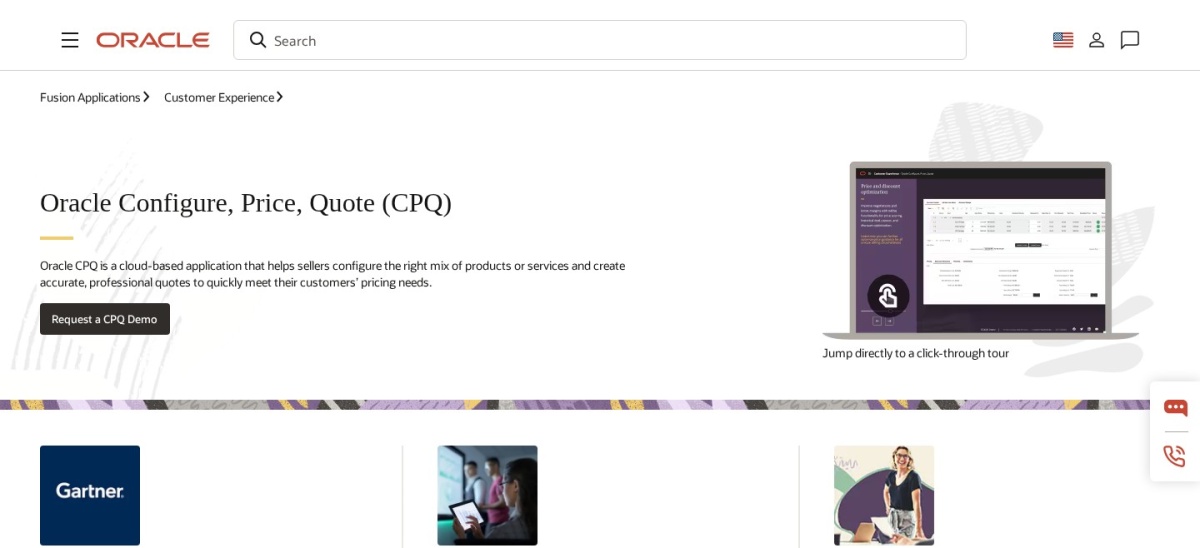
Oracle CPQ is a cloud application that helps sellers configure the right mix of products and services and create accurate quotes. It scales to large enterprises and lines up with Oracle ERP for manufacturing and distribution.
The trade off is access. Oracle CPQ sells by quote with enterprise implementation, so smaller teams cannot just sign up. It suits large enterprises already running Oracle Sales or ERP.
Five of the nine tools sell by quote only. The vendor prices on users, workflow depth, catalog size and implementation, so two buyers rarely pay the same figure.
Ask for the renewal uplift in writing. Several vendors discount the first year and raise the price at renewal, and implementation is usually a separate line.
If you need a number before a sales call, start with the two published prices here: PandaDoc from $19 a user a month and Salesforce Revenue Cloud from $150.
How we chose
We started from the CPQ tools buyers mention most, then kept the nine with a public G2 rating and a published price or a clear quote-based model. PROS Smart CPQ was left out because it is now sold as Conga Smart CPQ, so listing both would double-count one product.
Prices come from each vendor's pricing page, checked on 25 November 2026, and ratings come from G2 on the same day. PandaDoc's $19 rests on G2's vendor-supplied pricing data and multiple reads of the vendor page, since the page itself hit a bot checkpoint today. Conga, HubSpot and QuoteWerks prices rest on secondaries.
Five tools publish no price at all, which the list states plainly. No vendor paid for a place, and we do not claim hands-on testing for this list.
How to choose CPQ software
Start with your CRM and catalog, then shortlist the tools that fit both.
List your CRM first. Salesforce teams should start with Revenue Cloud, HubSpot teams with Revenue Hub. A native tool beats an integration you must maintain.
Count your SKUs and rules. Simple catalogs work in PandaDoc or QuoteWerks. Thousands of SKUs with configuration rules need Conga, Oracle or Experlogix.
Ask for a published price. If a vendor will not publish a rate, get the first-year price and the renewal uplift in writing before you sign.
Trial the quoting flow with real products. Build a quote for your hardest product on the trial. If the configurator cannot handle it, no feature list will fix that.
FAQ
What is the best CPQ software for quote-to-cash?
Salesforce Revenue Cloud is the best pick for Salesforce teams, with quoting, pricing, orders and billing on one data model. Growth lists at $150 a user a month billed yearly. DealHub suits mid-market teams, and PandaDoc is the cheapest way in for small teams.
How much does CPQ software cost?
Published prices run from $19 a user a month for PandaDoc Starter to $200 for Salesforce Revenue Cloud Advanced. Five of the nine tools sell by quote only, so expect a sales call. Implementation often costs more than the first year of licences.
What does CPQ stand for?
CPQ stands for configure, price, quote. It helps sales teams configure the right product mix, apply pricing and discount rules, and produce an accurate quote. Most tools also route approvals and feed orders and billing, which is the quote-to-cash flow.
Is there a free CPQ tool?
Not really. PandaDoc has a free eSign plan, and HubSpot includes basic quoting free, but full CPQ is paid everywhere in this list. Most vendors offer a free trial or demo instead. PandaDoc Starter at $19 a user a month is the cheapest paid entry.
Do I need CPQ if I already use a CRM?
It depends on your catalog. Simple price lists work fine in a CRM, but CPQ pays off when products need configuration rules, discount approvals or bundle pricing. If reps still build quotes in spreadsheets, CPQ will save hours each week.
Which CPQ is best for small businesses?
PandaDoc is the best pick for small teams, with Starter at $19 a user a month and setup in days. QuoteWerks suits IT resellers, and HubSpot Revenue Hub suits small teams already on HubSpot. Enterprise CPQ tools are too heavy and too costly for small teams.
SaaS SEO and WordPress specialist with about 8 years of experience. Rakib compares WordPress plugins, themes, hosting and software using public pricing, documentation and user reviews. See how we rank.