Best Conversational AI Platforms in 2026: 8 Tools Compared
WLWPLegible EditorsLast verified 24 Nov 2026How we rank10 min read
★ Short answer
Dialogflow CX is the best conversational AI platform for most teams, running on Google Cloud with pay-per-request pricing and no seat licence. Pick Kore for enterprise scale and Cognigy for regulated voice contact centres.
How we make this list: we compare pricing pages, product documentation and public user reviews, then re-check every price before each update. No product paid for a place. Disclosure.
Dialogflow CX charges $0.007 per chat request, so small teams pay for what they use instead of a seat licence.
Kore.ai is the enterprise heavyweight at 4.6 on G2 from 507 reviews, but pricing is custom and typical deals run large.
Cognigy pilots start around $2,500 a month and suit regulated contact centres running voice at scale.
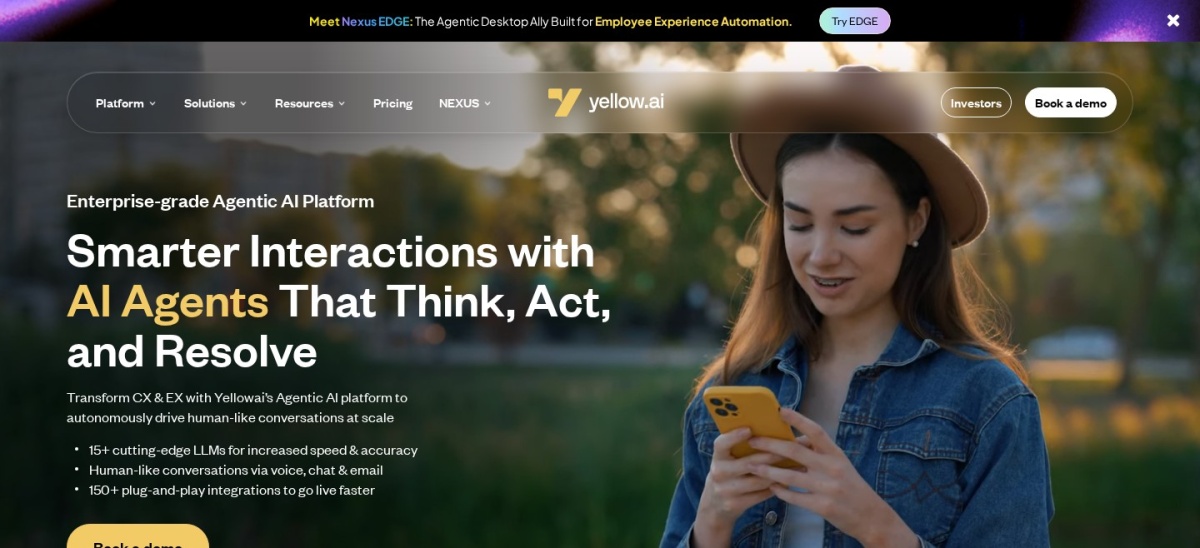
Yellow.ai has a free plan and charges $0.99 per resolution, which suits support teams that want outcome-based pricing.
Rasa is free to self-host, the only open option here, and suits engineering teams that need full control.
What a conversational AI platform should do
A conversational AI platform builds chatbots and voice agents that hold real conversations across chat, voice, email and messaging apps. It combines intent recognition, dialogue flows, large language models and integrations with helpdesks and CRMs.
Pricing follows three models. Usage-based tools such as Dialogflow CX and Amazon Lex charge per request, outcome-based tools such as Yellow.ai charge per resolution, and enterprise platforms such as Kore.ai and Cognigy sell by quote.
Deployment matters for regulated teams. Rasa self-hosts on your own servers, Cognigy runs on-premise for contact centres, and the cloud tools keep data in the vendor's cloud. Our guide to the best AI tools for business covers the wider AI market these platforms fit into.
Voice is the hardest channel. If your agents handle phone calls, shortlist Cognigy and Kore.ai first, since both treat voice as a first-class channel rather than an add-on.
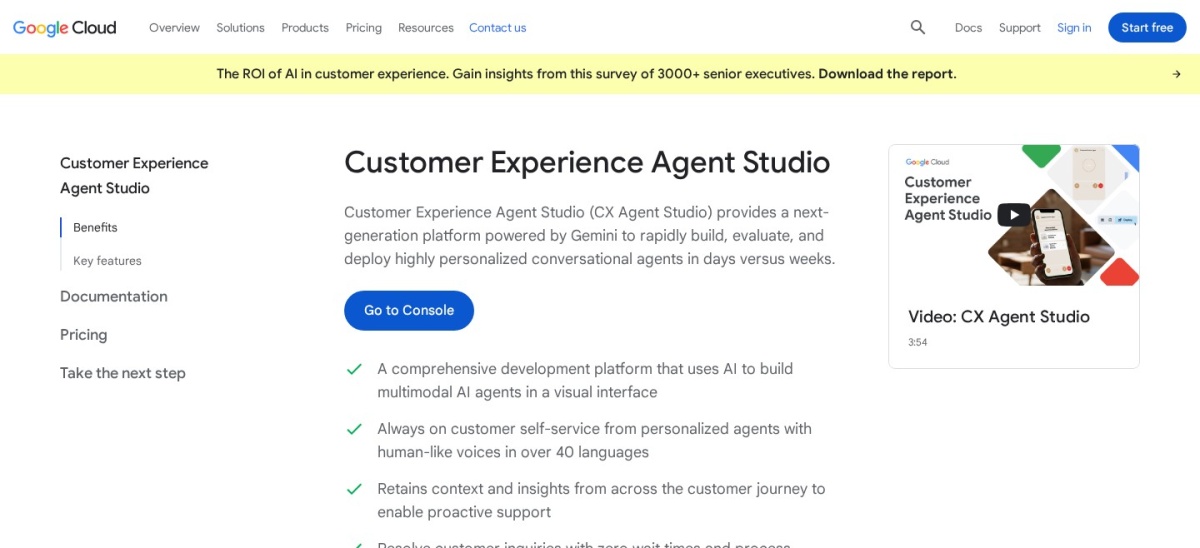
Dialogflow CX is Google's conversational AI platform, now sold under its Conversational Agents branding. The Flows model gives deterministic control over complex conversations, while Playbooks add generative behaviour grounded in your own data.
The trade off is usage billing. Flows cost $0.007 per chat request and Playbooks $0.012, with voice billed per second, so a busy bot needs cost monitoring. It suits teams already building on Google Cloud.
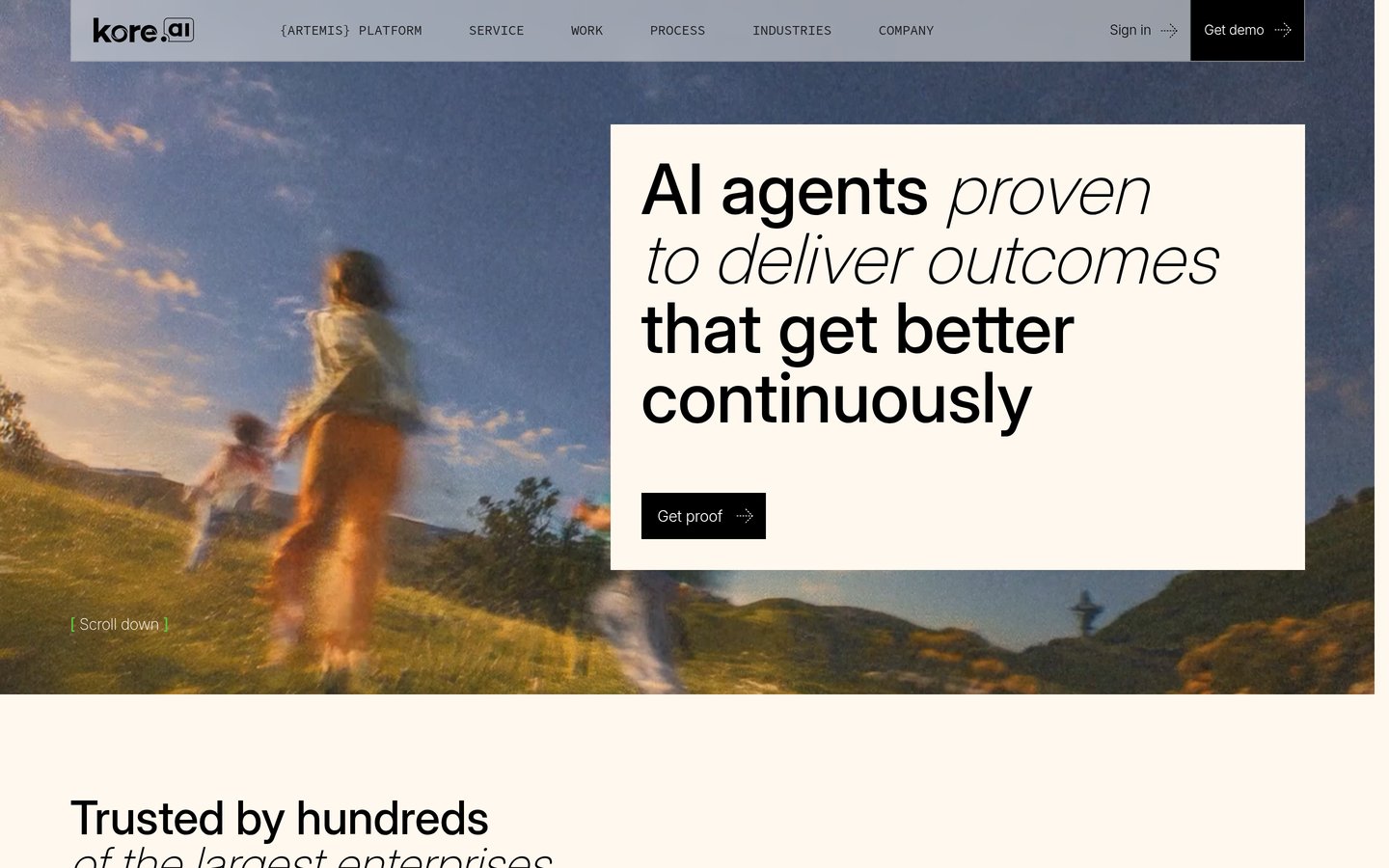
Kore.ai is the enterprise heavyweight in conversational AI, with a full agent platform, prebuilt solutions for banking, healthcare, retail and HR, voice and digital channels, agent-assist tools and on-premise deployment.
The trade off is cost. Kore.ai sells by quote with typical deployments reported at $300,000 or more a year, so it is built for Fortune-scale operations. It suits large contact centres running serious volume.
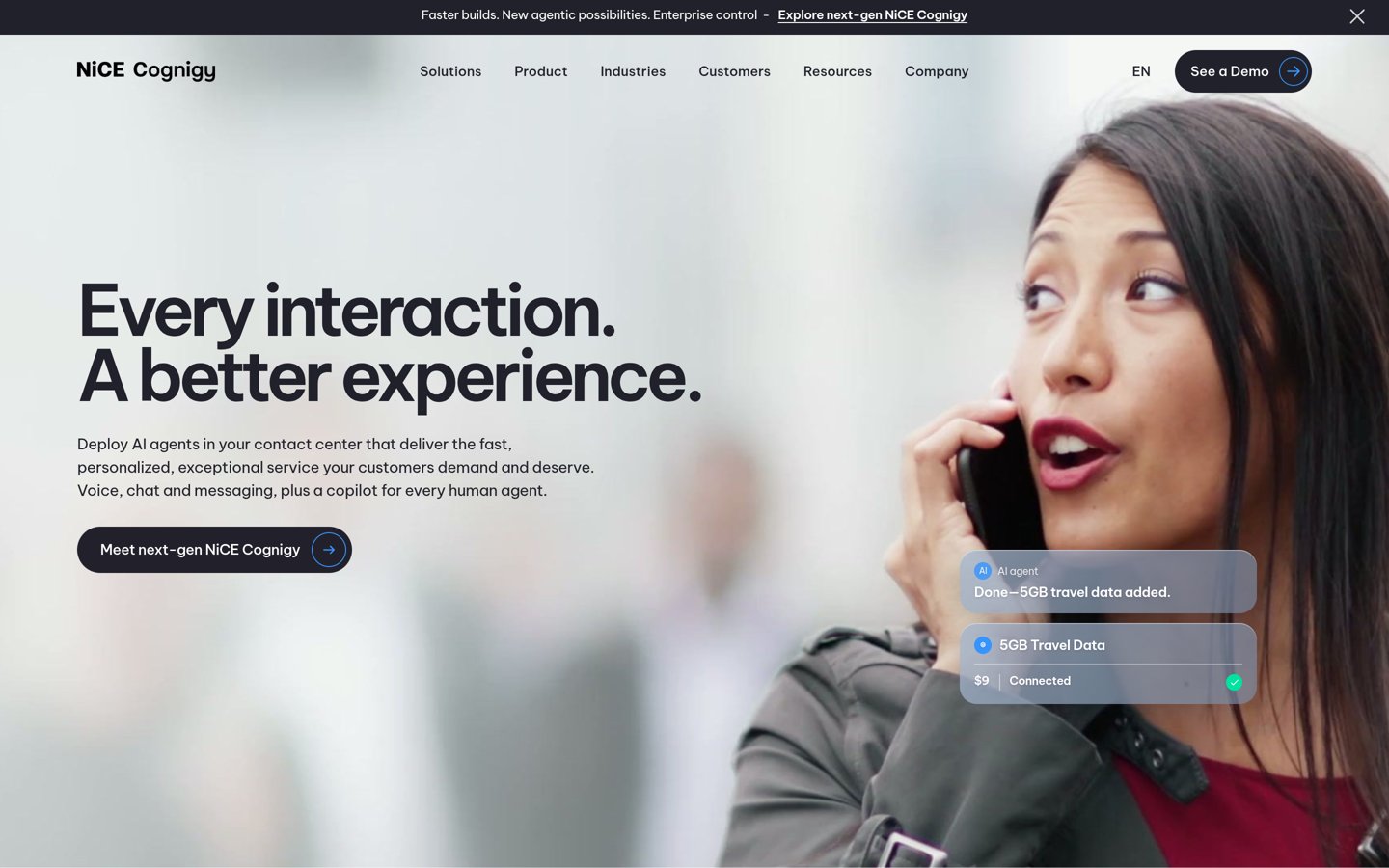
Cognigy is a voice-first conversational AI platform for enterprise contact centres, now part of NiCE. It builds AI agents for voice, chat and messaging, adds a copilot for human agents, and reports billions of interactions processed each year.
The trade off is scale and review depth. Pilots start around $2,500 a month, enterprise deals run far higher, and the G2 review base is only 13 reviews. It suits regulated contact centres running voice and digital at scale.
Yellow.ai is an agentic AI platform for customer and employee experience, with agents that hold human-like conversations across voice, chat and email. Its multi-LLM design lets teams pick different models instead of being tied to one vendor.
The trade off is enterprise pricing beyond the free plan. The free plan covers 500 sessions, then pricing is per resolution or by annual contract, with no published list price for larger deals. It suits support teams that want to pay per resolved conversation.
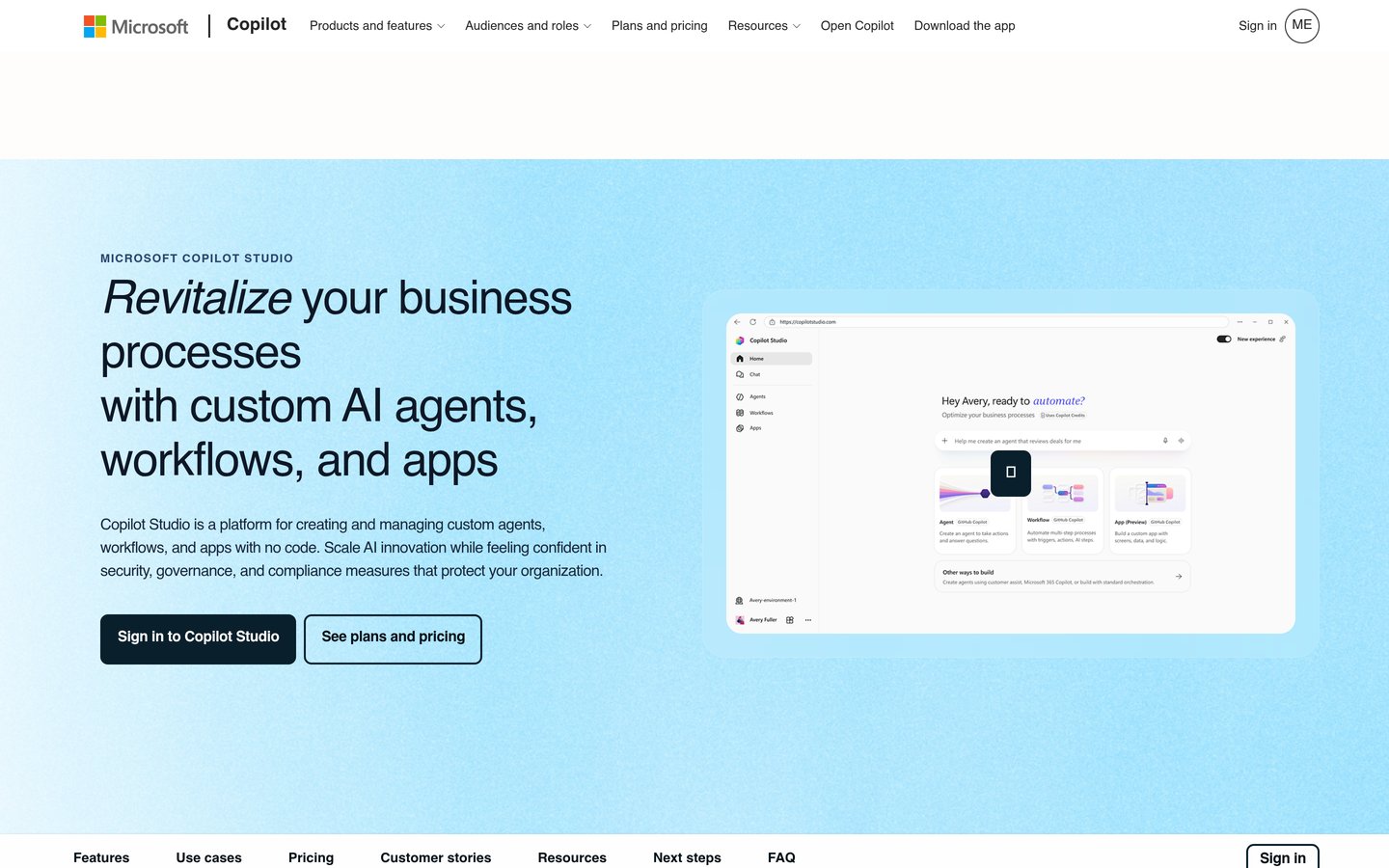
Microsoft Copilot Studio homepage, captured Nov 2026.
Microsoft Copilot Studio is the agent builder inside Microsoft 365, letting teams build AI agents that work in Teams, Outlook and SharePoint. It costs $200 a month per tenant for 25,000 messages, with no per-user seat price.
The trade off is the Microsoft tie-in. Copilot Studio is at its best inside Microsoft 365, and extra messages cost more, so teams outside Microsoft get less value. It suits enterprises standardised on Microsoft 365.
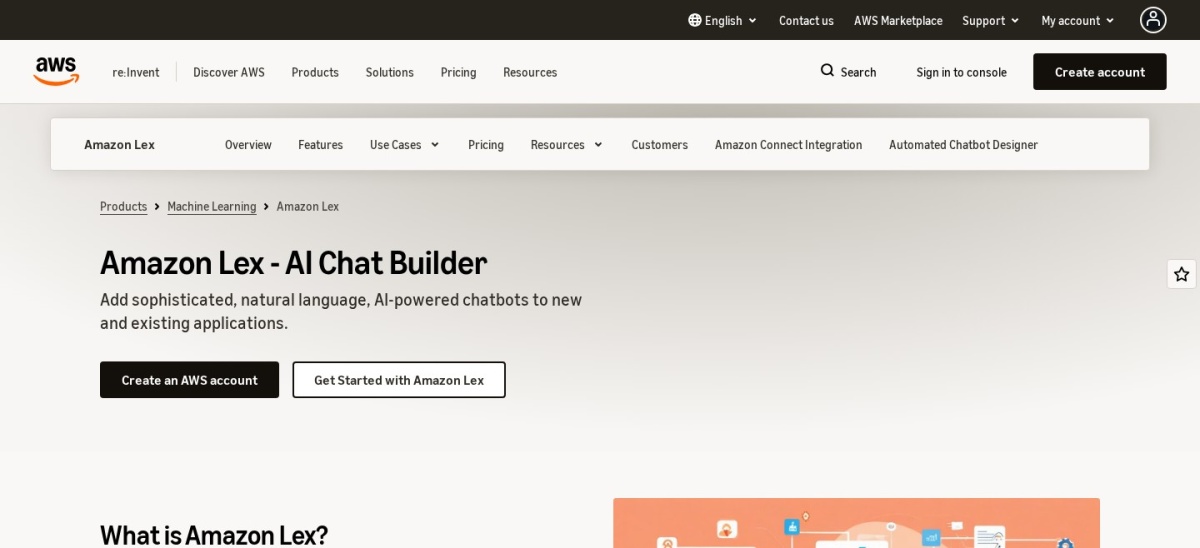
Amazon Lex is AWS's service for building chatbots and voice bots with the same technology behind Alexa. Text requests cost $0.00075 each, and the free tier includes 10,000 text and 5,000 speech requests a month for the first year.
The trade off is the AWS learning curve. Lex is a building block rather than a finished platform, so teams need AWS skills to connect it to channels and data. It suits AWS-native teams building voice and chat bots.
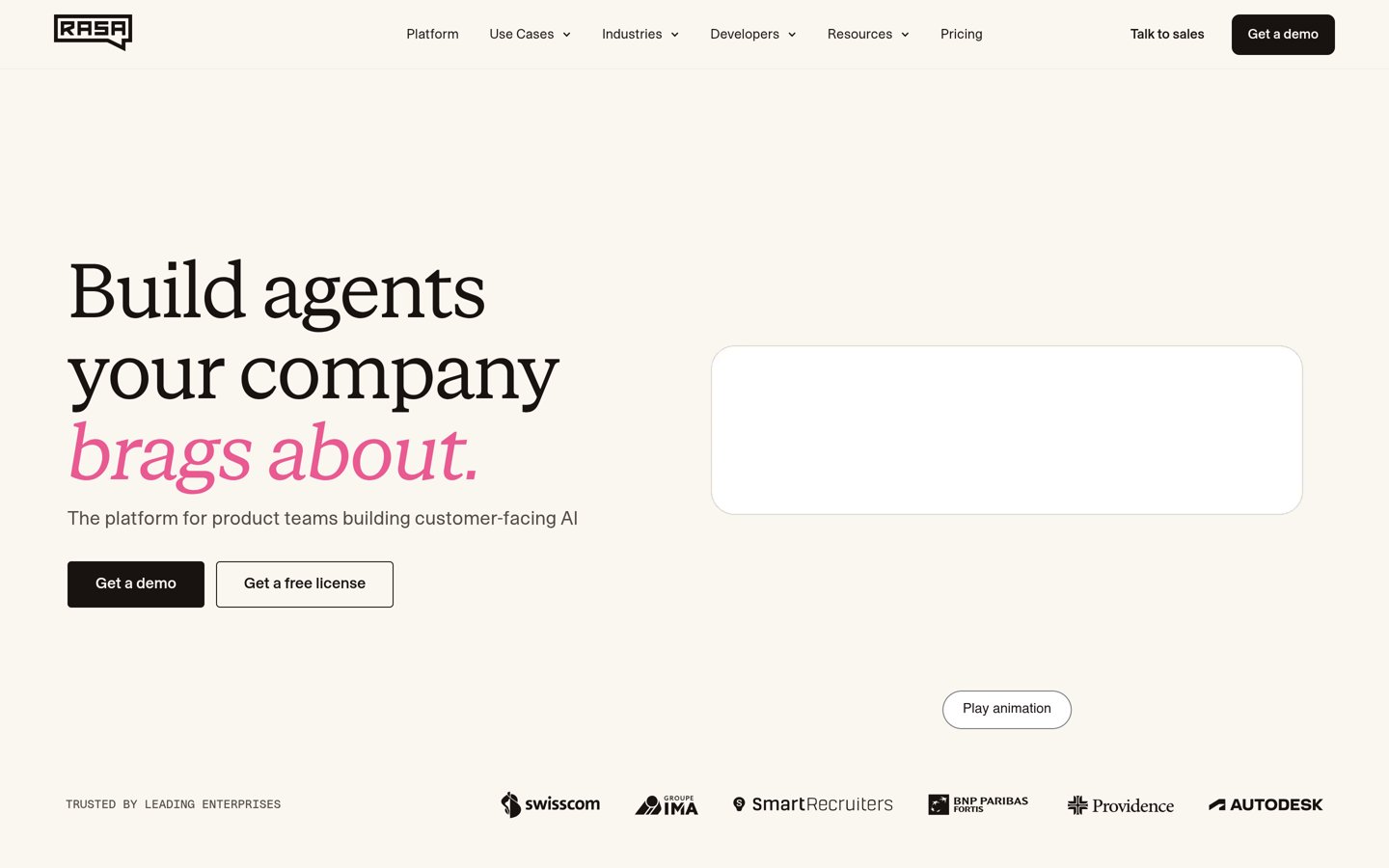
Rasa is an open conversational AI platform that engineering teams self-host on their own servers or private cloud. The free Developer Edition covers 1,000 conversations a month, and Enterprise adds orchestration, native voice and governance.
The trade off is engineering effort. Rasa gives full control and data residency, but your team builds, deploys and maintains the agents. It suits regulated enterprises that need self-hosting and cannot send data to a vendor cloud.
4.4/5on G2 (Not published reviews, checked Nov 2026)
Starts at$140/mo
Best for enterprise NLP and security
Plus planFrom $140/mo
SecurityEnterprise-grade
ChannelsChat, voice, messaging
Paid planPlus, from $140/mo
ibm.com
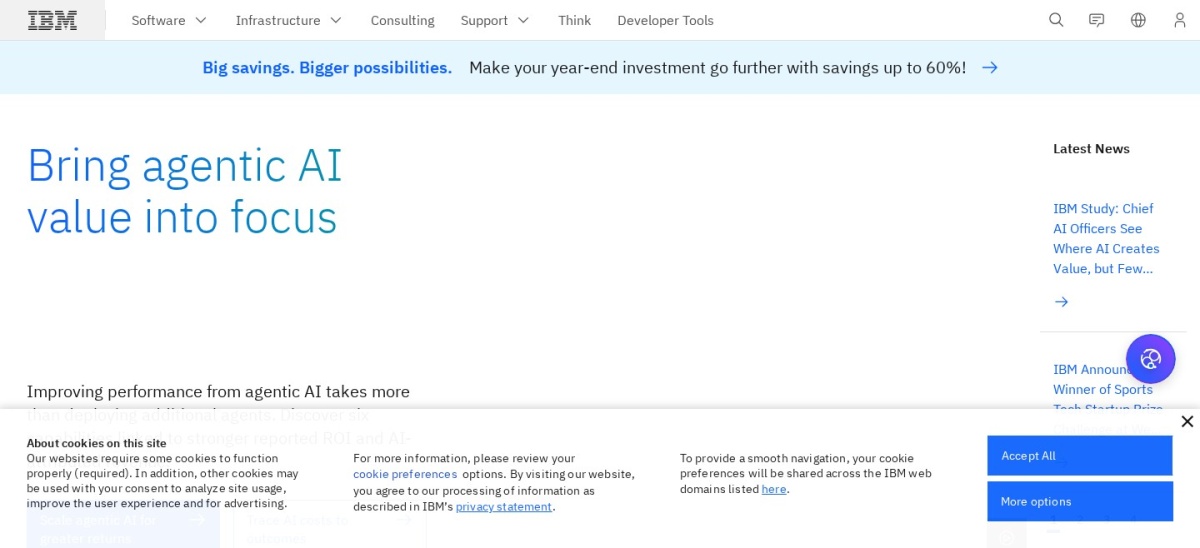
IBM watsonx Assistant homepage, captured Nov 2026.
IBM watsonx Assistant is an enterprise conversational AI platform with strong natural language processing and security. The Plus plan starts at $140 a month, and it suits large organisations that already run IBM software and need governed AI.
The trade off is the review base and the IBM ecosystem. Its G2 review count could not be verified, and it fits best inside IBM shops. It suits enterprises that need security, compliance and IBM integrations.
Per request, per resolution or per seat: which model fits?
Per-request pricing from Dialogflow CX and Amazon Lex suits teams with spiky volume, since quiet months cost almost nothing. The risk is a viral month producing a surprise bill.
Per-resolution pricing from Yellow.ai suits support teams, since you pay when the bot actually resolves a conversation. The catch is defining what counts as a resolution in the contract.
Seat and tenant pricing from Copilot Studio and Kore.ai suits steady enterprise volume, since the bill is predictable. The risk is paying for capacity you do not use.
How we chose
We started from the conversational AI platforms most often shortlisted by enterprises and support teams, then kept the eight with a real platform and a verifiable G2 rating.
Prices come from each vendor's pricing page or published plan, checked on 24 November 2026. Ratings and review counts come from G2, as reported in October and November 2026 comparisons. Where a vendor sells by quote, the list says so instead of guessing a number.
We left out single-channel chatbot builders and platforms without a verifiable rating. No vendor paid for a place, and we do not claim hands-on testing for this list.
How to choose a conversational AI platform
Start with your channels and your data rules, then match the pricing model.
List the channels that matter. Chat-only teams can pick almost any tool here, while voice-heavy teams should shortlist Cognigy and Kore.ai first.
Check the data residency rules. Regulated teams need self-hosting from Rasa or on-premise deployment from Cognigy, not a vendor cloud.
Match the pricing model to your volume. Spiky volume fits per-request pricing, steady support volume fits per-resolution, and enterprise scale fits a tenant or quoted plan.
Run a pilot on real conversations. Build one real use case, such as order tracking, and measure resolution rate and cost per conversation before signing.
FAQ
What is the best conversational AI platform?
Dialogflow CX is the best pick for most teams, with pay-per-request pricing from $0.007 a chat request on Google Cloud. Kore.ai suits enterprise scale, Cognigy suits regulated voice contact centres, and Rasa suits teams that need to self-host.
How much does conversational AI cost?
Usage-based tools start near zero: Dialogflow CX charges $0.007 per chat request and Amazon Lex $0.00075 per text request. Copilot Studio costs $200 a month per tenant, watsonx Assistant Plus starts at $140 a month, and Kore.ai and Cognigy sell by quote.
What is the difference between Dialogflow CX and Amazon Lex?
Both charge per request, but Dialogflow CX gives deterministic Flows plus generative Playbooks on Google Cloud, while Lex is an AWS building block with the speech technology behind Alexa. Pick the one that matches your cloud.
Can conversational AI handle phone calls?
Yes, on the right platform. Cognigy and Kore.ai treat voice as a first-class channel with voice gateways and agent assist, while Dialogflow CX and Lex also support voice with per-second or per-request billing.
Is Rasa really free?
The Developer Edition is free and covers 1,000 conversations a month, self-hosted on your own servers. Enterprise plans with orchestration, native voice and governance are quoted, and your team pays in engineering time to run it.
Do I need a conversational AI platform or just a chatbot?
A simple chatbot suits FAQs on one channel. A conversational AI platform adds multi-channel support, integrations, analytics and governance, which matter once bots handle real transactions across chat, voice and email.