Duolingo is the best app to learn Hebrew for most people, with a full free course in Hebrew script and a daily habit that sticks. Pimsleur is the best pick for speaking, while Rosetta Stone suits learners who want structured immersion without English.
How we make this list: we compare pricing pages, product documentation and public user reviews, then re-check every price before each update. No product paid for a place. Disclosure.
Duolingo is the top pick: a full Hebrew course free, with Super at $12.99 a month for ad-free practice.
Pimsleur is the best pick for speaking: 90 audio lessons of 30 minutes, from $14.95 a month.
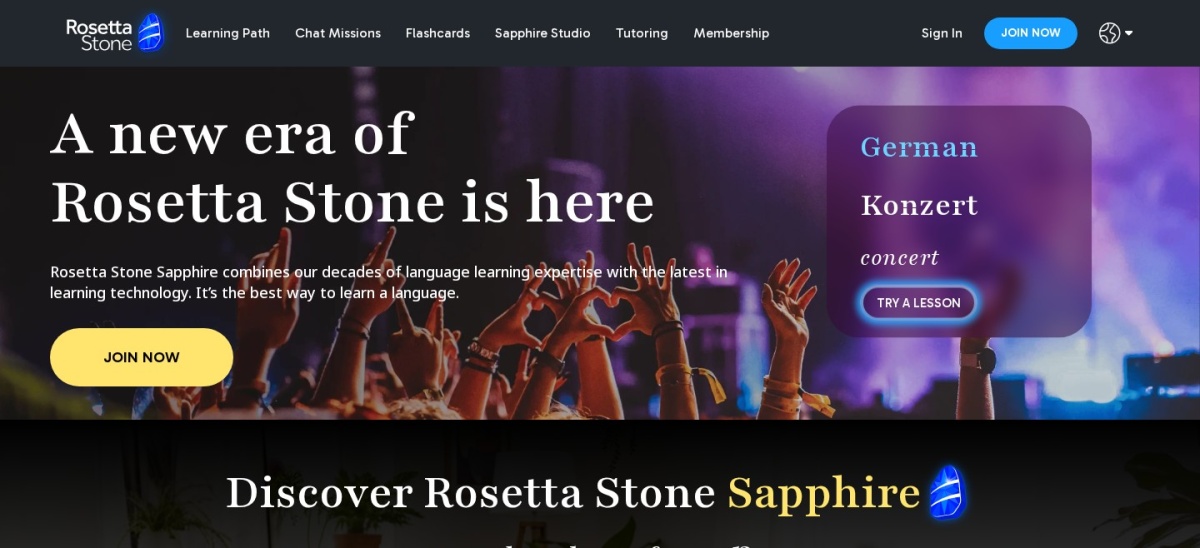
Rosetta Stone is the most structured immersion course at $19.99 a month, but holds only 2.0 out of 5 on Trustpilot from nearly 7,000 reviews.
Anki is completely free on desktop and Android, and the best way to drill Hebrew vocabulary with spaced repetition.
italki is the only way here to get live conversation, with tutors from $7.50 a lesson.
How apps teach Hebrew
Hebrew is a different challenge from French or Spanish: a new alphabet, right-to-left reading, and text written without vowel marks once you pass beginner level. The best app for you depends on whether you want to speak, read, pray, travel, or connect with family.
Most big language apps teach Hebrew, but not all of them. Babbel and Busuu do not offer Hebrew at all, so this list only includes tools with a real Hebrew course, checked in November 2026.
A single app rarely takes you to fluency. The combination that works for most learners is a free daily app for habit, a speaking tool or tutor for conversation, and a reading tool once the alphabet feels natural.
Prices below are the cheapest paid plan in US dollars, checked in November 2026. Several vendors run sales, so confirm the total at checkout before you pay.
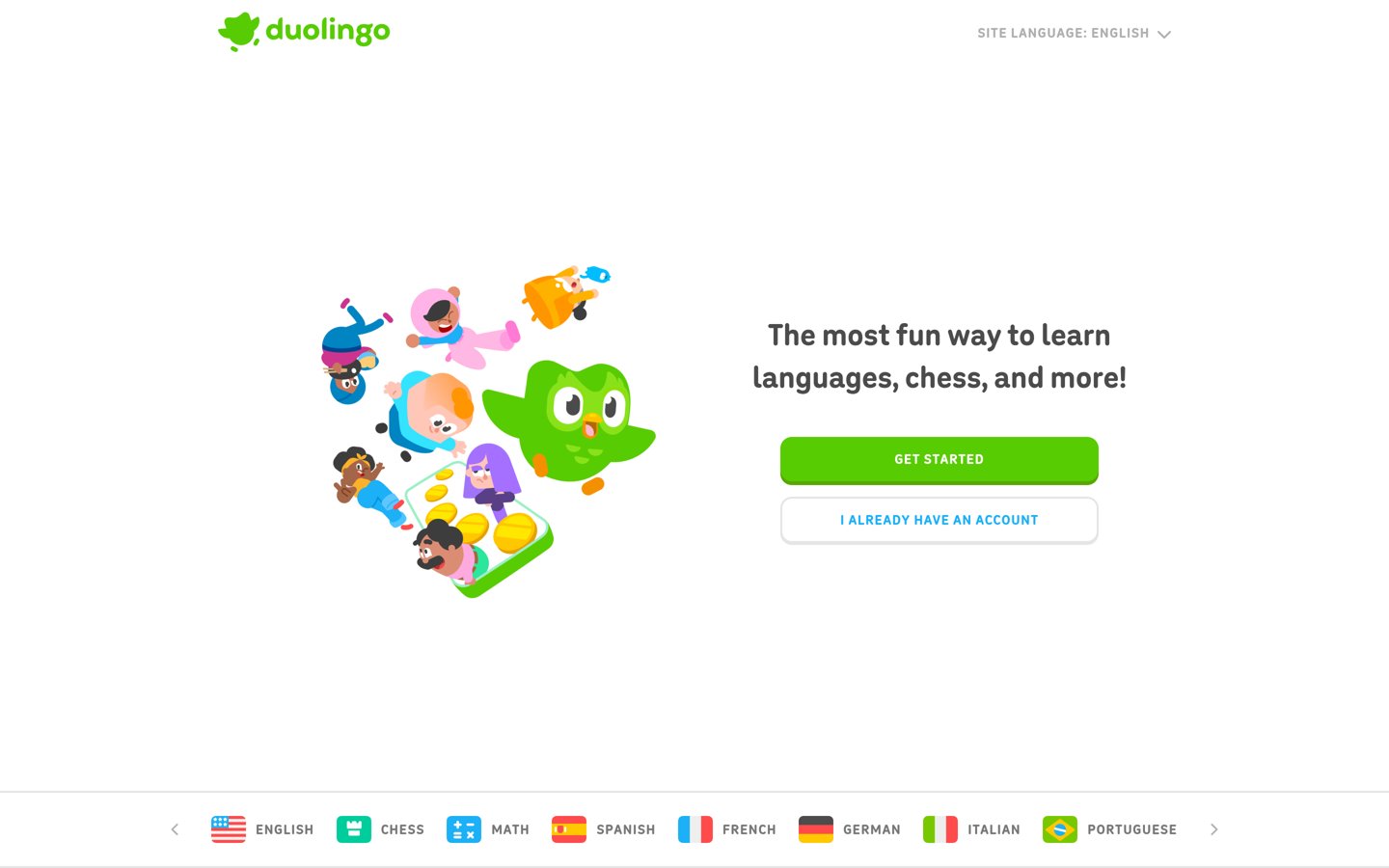
Duolingo is a free language app with a full Hebrew course for English speakers, teaching the aleph-bet from day one and short lessons in Hebrew script, read right to left. The free plan covers the whole course with ads and an energy limit, while Super costs $12.99 a month or $83.99 a year and removes ads, the energy cap and adds offline lessons. Streaks and leagues keep daily practice going.
The trade off is depth: grammar such as verb patterns and gendered forms is taught mostly by example, and Super prices vary by account, from $9.99 to $12.99 a month on app stores. It suits beginners who want a free daily habit and a full course before paying anything.
4.3/5on Trustpilot (254 reviews, checked Nov 2026)
Starts at$19.95/mo
Best app to learn Hebrew speaking
Hebrew levels3 levels, 90 lessons
Lesson lengthAbout 30 minutes
Voice CoachPremium only
Paid planPremium, $19.95 a month
pimsleur.com
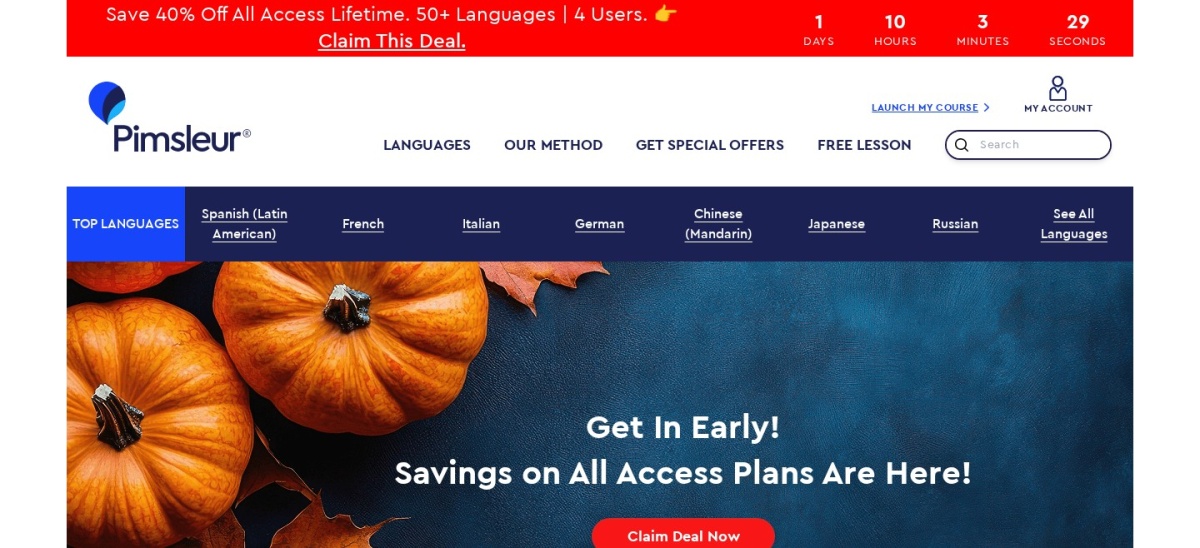
Pimsleur homepage, captured Nov 2026.
Pimsleur is an audio-first Hebrew course built for complete beginners, with three levels and 90 lessons of about 30 minutes each. Every lesson has you listen, recall and answer out loud, which builds pronunciation and listening before reading catches up. Audio-Only costs $14.95 a month, Premium at $19.95 adds Voice Coach and flashcards, and All Access at $20.95 a month covers every language.
The trade off is the price and the format: there is no free plan, only a 7-day trial that takes payment details first, and reading practice needs a second tool. It suits commuters and anyone who wants to speak Hebrew before they read it.
2/5on Trustpilot (6,977 reviews, checked Nov 2026)
Starts at$19.99/mo
Best structured Hebrew immersion
Languages included25
TruAccent speech scoringYes
Trial7 days
Paid planSapphire, $19.99 a month
rosettastone.com
Rosetta Stone homepage, captured Nov 2026.
Rosetta Stone is an immersion course that lists Hebrew among its 25 languages and teaches through pictures, audio and Hebrew-only text from the first lesson. TruAccent speech recognition scores every spoken phrase, and one subscription covers every language. Sapphire costs $19.99 a month billed monthly or $159 a year billed annually, with a 7-day free trial and tutoring at extra cost.
The trade off is the lack of English grammar explanations, which makes Hebrew's root-and-pattern system slower to grasp than with a teacher. It suits visual learners who want the most structured Hebrew course among the big apps.
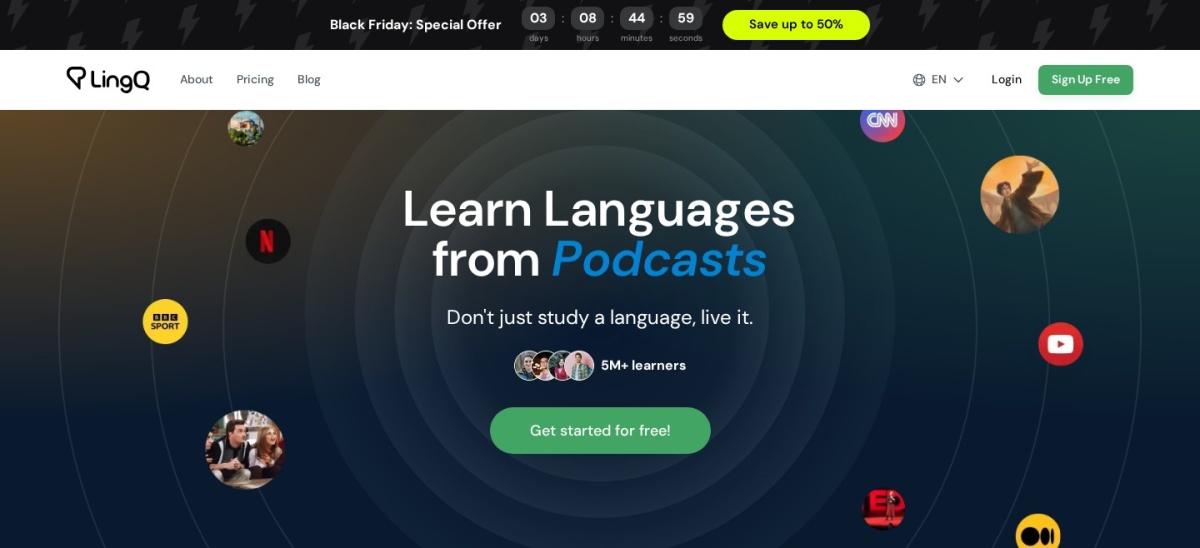
LingQ is a reading tool that supports Hebrew as a full language, not a beta, and lets you import news articles, stories or video transcripts as lessons. Every unknown word is one tap from a definition and saved for spaced review, which matters because most real Hebrew is written without vowel marks. Premium costs $14.99 a month or $119.99 a year.
The trade off is the free plan, which caps saved words at 20, so plan on paying, and AI features need Premium Plus at $29.99 a month. It suits intermediate learners who want to read real Hebrew content.
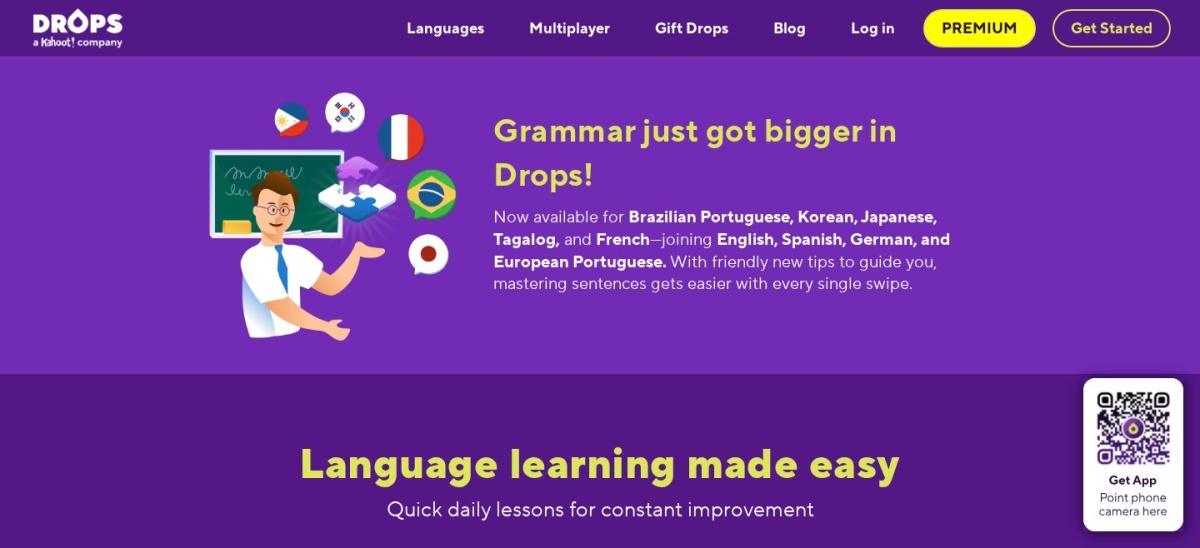
Drops is a vocabulary app that offers Hebrew among its 55-plus languages, with each word shown in Hebrew script with an illustration and audio. The free plan gives five minutes of learning a day, forever, which helps you recognise letters quickly while building a word bank. Premium removes the time limit for $12.99 a month or $69.99 a year, and a lifetime plan costs $159.99 once.
The trade off is scope: Drops teaches vocabulary only, with no grammar, sentences or conversation, so it works as a companion to Duolingo or Pimsleur. It suits busy learners who want five free minutes of illustrated Hebrew a day.
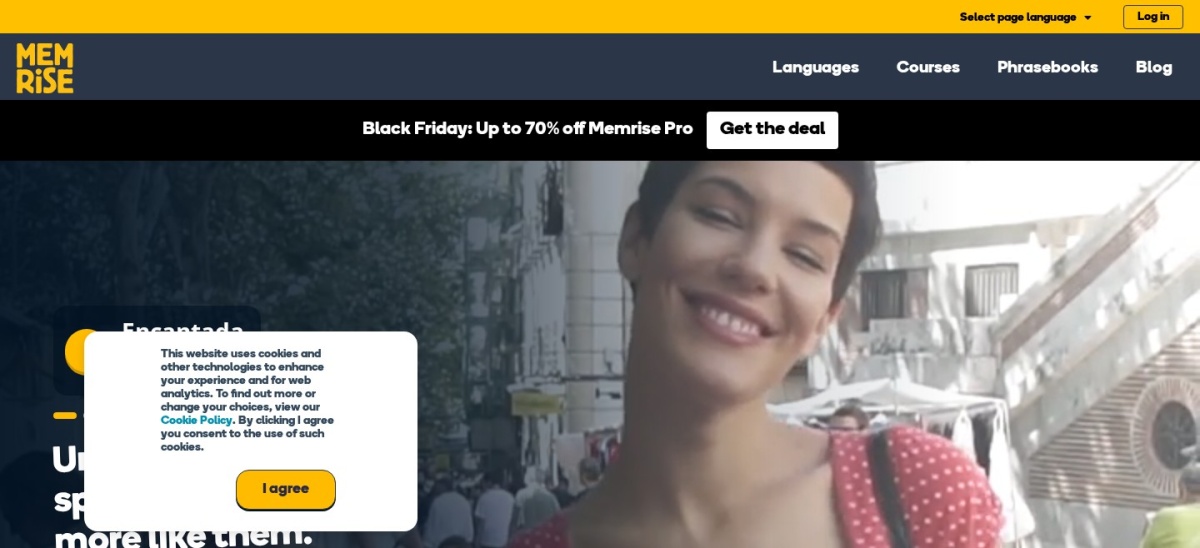
Memrise is a vocabulary app that pairs spaced repetition with short video clips of native speakers using phrases in real situations. The free tier covers core vocabulary, while Pro adds AI conversation practice, offline downloads and advanced review tools. Pro costs $24.99 a month billed monthly or $61.99 a year, and a lifetime plan costs $329.99 once.
The trade off is price confusion: older roundups still quote $8.99 a month or $59.99 a year, so check the total at checkout, and community courses were removed from the app in 2024. It suits learners who remember words best from real native-speaker video.
2.5/5on Trustpilot (782 reviews, checked Nov 2026)
Paid from$15.90/mo
Best daily Hebrew lessons
Languages41
AI chatbot practiceYes
Free planOne lesson a day
Paid planPremium, $15.90 a month
mondly.com
Mondly homepage, captured Nov 2026.
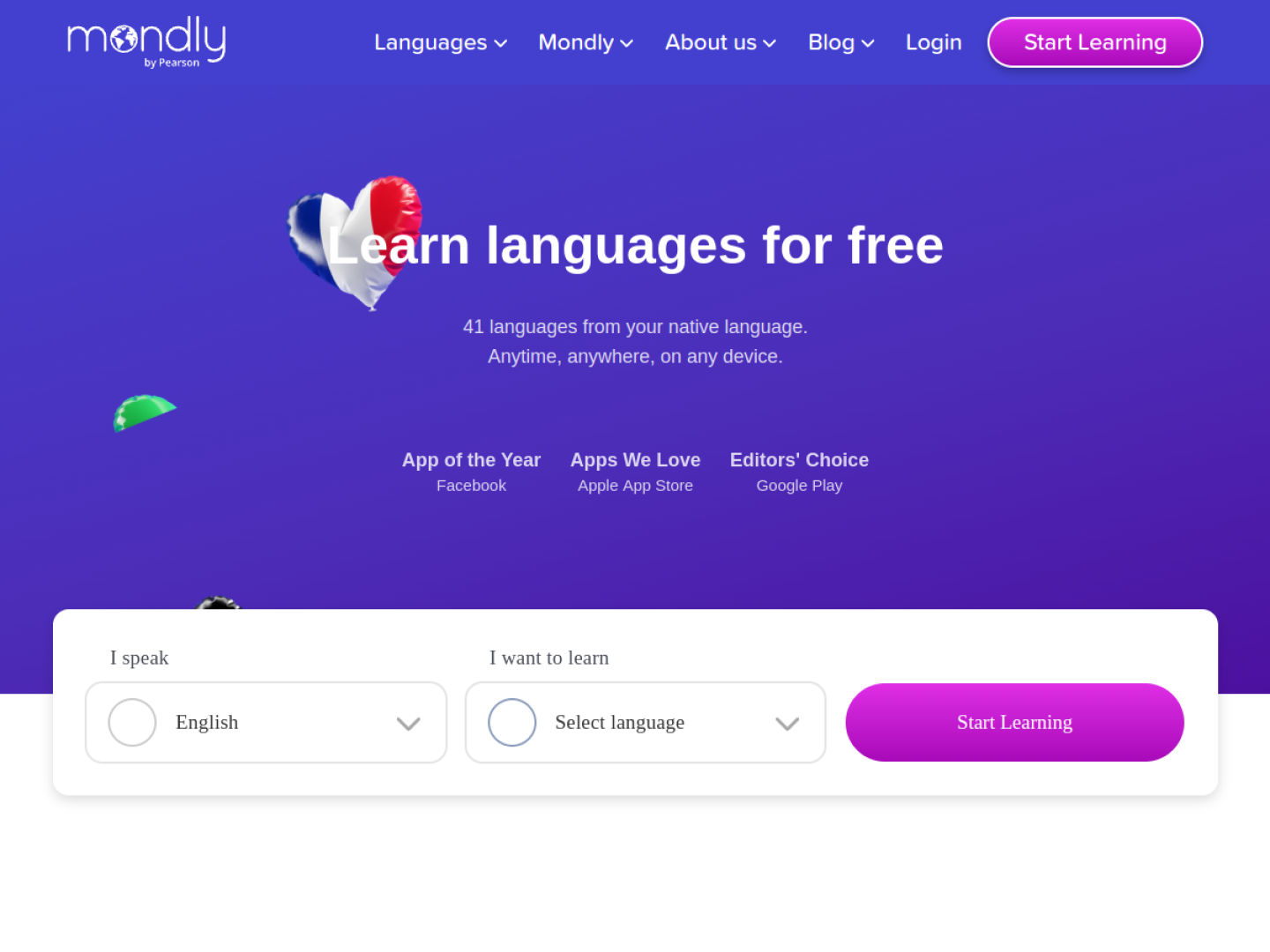
Mondly is a daily-lesson app that teaches Hebrew with short lessons mixing listening, speaking, reading and a little writing, plus AI chatbots for low-pressure conversation practice. Every day starts with a quick lesson on topics such as transport, weather and restaurants. Premium costs $15.90 a month or $74.90 a year on the US App Store, with one free lesson a day.
The trade off is depth and billing: lessons stay at beginner level, and Trustpilot reviewers report charges after the 7-day trial, so note any trial end date. It suits beginners who want lively daily lessons and chat practice.
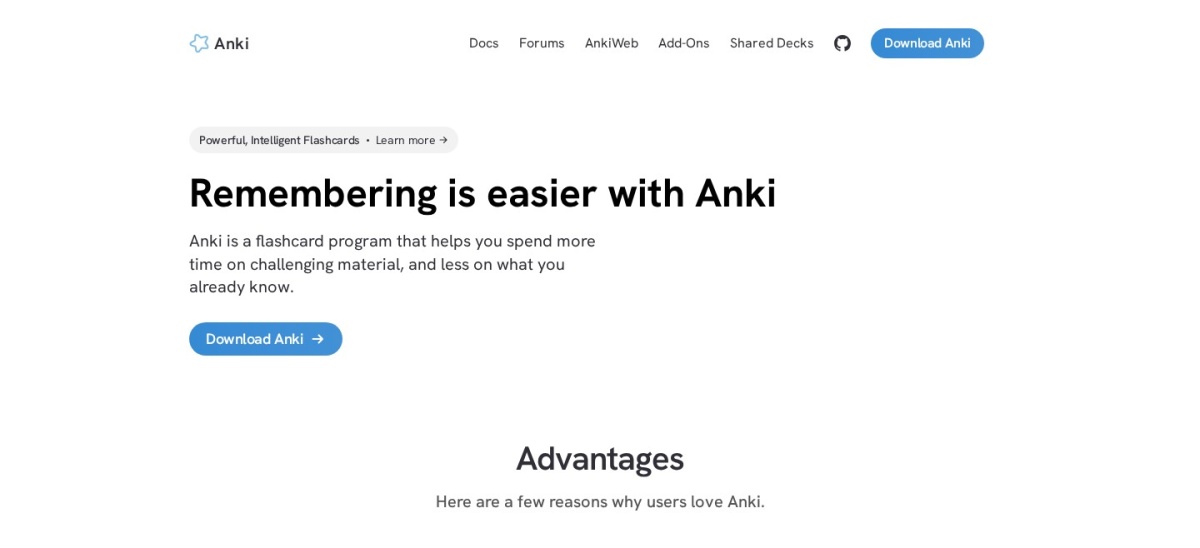
Anki is a free, open-source flashcard app for Windows, Mac, Linux, Android and the web, with no limits on cards and free AnkiWeb sync. For Hebrew it drills vocabulary with and without vowel marks and groups words by shared root, with a shared-deck library to start from. AnkiMobile for iPhone and iPad costs $24.99 once, the only paid part.
The trade off is setup: there is no ready-made course, the settings take time to learn, and you build or find your own decks. It suits self-directed learners who want unlimited free flashcards for Hebrew words and roots.
4.4/5on Trustpilot (15,125 reviews, checked Nov 2026)
PricingFrom $7.50/lesson
Best Hebrew tutor marketplace
TutorsThousands worldwide
Lesson length30 or 45 minutes
Free community toolsYes
Paid planFrom $7.50 per lesson
italki.com
italki homepage, captured Nov 2026.
italki is a marketplace of independent tutors that supplies what apps cannot: live conversation and someone to explain why a verb took the form it did. You book 30 or 45 minute lessons and pay as you go, with no subscription, and tutors set their own prices. Featured tutors on the italki homepage started between $7.50 and $20 a lesson when we checked.
The trade off is variability: lesson quality depends on the tutor you pick, so try two or three with short lessons first, and costs add up fast at several lessons a week. It suits learners who want one-to-one Hebrew conversation with a real teacher.
A year of daily study on annual billing costs $61.99 for Memrise, $69.99 for Drops, $74.90 for Mondly, $83.99 for Duolingo Super, $119.99 for LingQ Premium and $159 for Rosetta Stone. Pimsleur is monthly: Premium at $19.95 comes to about $150 over a year.
Anki costs nothing on desktop and Android, and Duolingo's free plan covers the full Hebrew course, so a year of Hebrew can cost zero. The paid plans mainly buy ad-free practice, offline lessons and no time limits.
A practical plan is Duolingo free plus Anki free every day, with one italki lesson a week. At $15 a lesson, inside the $7.50 to $20 starting range of featured tutors, that adds about $60 a month.
Watch trial end dates. Pimsleur, Rosetta Stone and Mondly all take payment details for a free trial, and Trustpilot reviewers for several tools here report charges after trials ended.
How we chose
We started from the most widely used language apps that offer a real Hebrew course, then kept nine with a published price and a verifiable rating on G2, Capterra or Trustpilot.
Prices come from vendor pricing pages and app store listings checked in November 2026. Duolingo, Pimsleur and Rosetta Stone show prices in scripts or behind checkout, so their figures rest on several independent November 2026 reads of the vendor pages and are flagged in our notes.
Ratings come from the review platform named for each tool, checked in November 2026. Trustpilot scores for language apps skew toward billing complaints, so we name the platform and the review count beside every score.
How to choose an app to learn Hebrew
Start with your goal: free habit, speaking, reading, or live conversation. Then check the free tier before you pay.
Confirm the app teaches Hebrew. Babbel and Busuu do not; every tool here has a real Hebrew course.
Learn the alphabet with vowel marks first. Beginner materials add the marks; plan to wean yourself off them later.
Try the free tier for a week. Duolingo, Drops, LingQ, Memrise, Mondly and Anki all cost nothing to start.
Add speaking practice early. Pimsleur drills speaking from day one, and a weekly italki lesson gives you real conversation.
FAQ
What is the best app to learn Hebrew?
Duolingo is the best app to learn Hebrew for most people. Its free plan covers the full Hebrew course, including the alphabet and right-to-left reading, and Super costs $12.99 a month for ad-free practice with no energy limit.
Can I learn Hebrew for free?
Yes. Duolingo's free plan covers the full Hebrew course, Anki is free on desktop and Android, and Drops gives five free minutes a day. A free daily habit plus one weekly italki lesson is the cheapest path to speaking.
Which app is best for speaking Hebrew?
Pimsleur is the best app for speaking Hebrew. Its 90 audio lessons of 30 minutes have you answering out loud from day one, and Premium costs $19.95 a month. For live conversation, book a tutor on italki from $7.50 a lesson.
Does Rosetta Stone teach Hebrew?
Yes, Rosetta Stone lists Hebrew among its 25 languages and teaches it through pictures, audio and Hebrew-only text, with TruAccent scoring your pronunciation. It costs $19.99 a month or $159 a year, with a 7-day free trial.
Is Hebrew hard to learn with an app?
The alphabet and right-to-left reading feel strange for a week or two, then become natural with daily practice. The harder part is text without vowel marks and verb patterns, which is why a reading tool such as LingQ and a tutor help after the basics.
Do any of these apps teach Biblical Hebrew?
These apps teach modern Hebrew for conversation, travel and daily life. Biblical Hebrew needs a dedicated course or tutor, so ask an italki tutor who teaches Torah or prayer reading before you book.
SaaS SEO and WordPress specialist with about 8 years of experience. Rakib compares WordPress plugins, themes, hosting and software using public pricing, documentation and user reviews. See how we rank.