ChatGPT is the best-known AI company product for most people, with a free plan and a paid tier from eight dollars a month. Pick Claude for long documents and coding, Gemini for Google Workspace work, and Perplexity when every answer needs cited sources.
How we make this list: we compare pricing pages, product documentation and public user reviews, then re-check every price before each update. No product paid for a place. Disclosure.
ChatGPT leads for most people: free to start, paid Go from $8 a month, rated 4.6 out of 5 on G2.
Claude has the highest rating here at 4.7 out of 5, and Pro adds Claude Code for developers.
Gemini is the cheapest paid start at $4.99 a month, and Pro at $19.99 adds 5 TB of storage.
Perplexity is the pick for research, since answers link to the sources they came from.
Midjourney is the only tool here with no free plan: Basic costs $10 a month.
What to look for in an AI company
AI companies now sell subscriptions, not just models. The best-known names, OpenAI, Anthropic, Google and Microsoft, each pair a free chatbot with a paid tier that adds stronger models, more usage and extra tools.
Ratings come from G2, checked on 25 November 2026. ChatGPT and Claude sit at the top of the ratings, while Gemini and Microsoft Copilot score 4.4 out of 5. Review counts range from 33 for Cohere to more than 14,000 for Grammarly.
Prices are the cheapest paid plan in US dollars, read from each vendor's pricing page on 25 November 2026. Where a vendor shows a cheaper annual rate, the list shows the monthly price and notes the annual figure in the text.
Our guide to the best AI writing tools covers the writing-focused side of this market in more detail.
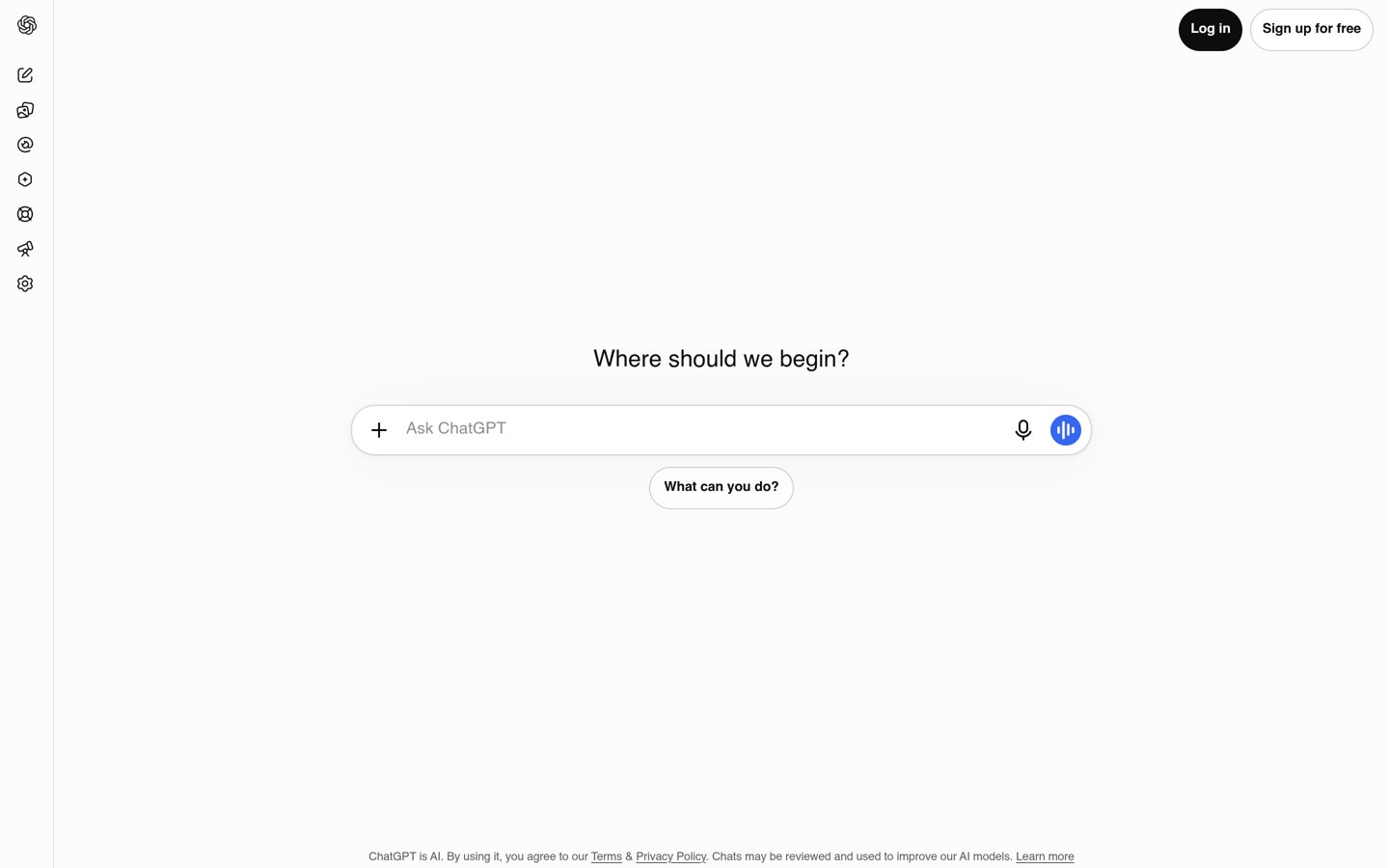
ChatGPT is OpenAI's chatbot and the most widely used AI assistant in this list, with a free plan that covers everyday text chat. The paid Go plan costs $8 a month and adds more messages, uploads, image creation and voice chats, while Plus at $20 a month adds advanced reasoning models, deep research and custom GPTs.
The trade off is that the cheapest paid plan may show ads, and the most capable models stay behind the $20 Plus tier. It suits most people who want one assistant for writing, research and everyday questions, and it is the default pick when no single need dominates.
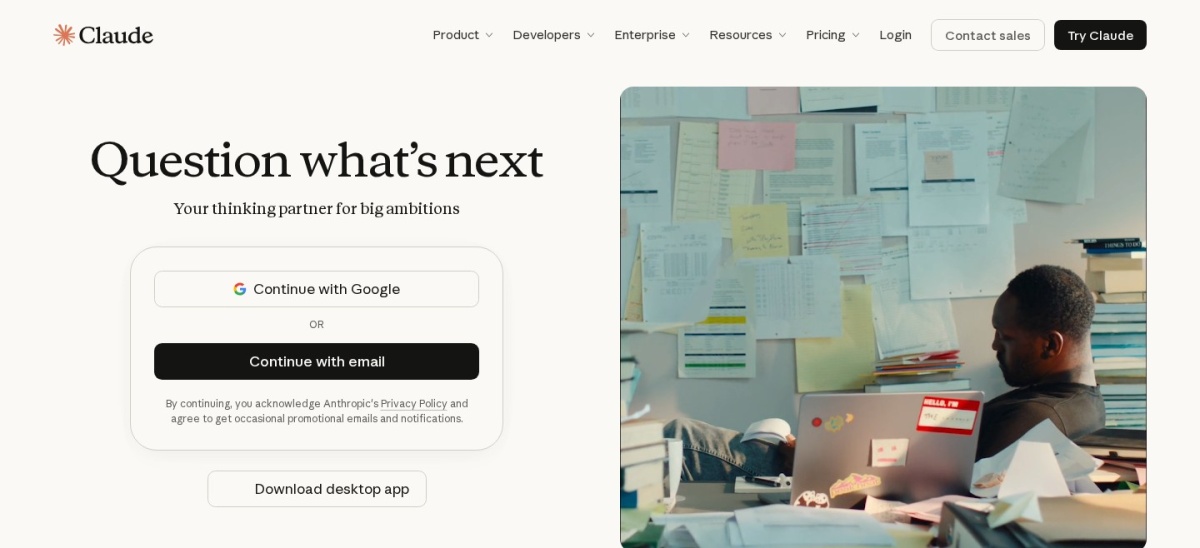
Claude is Anthropic's AI assistant, rated 4.7 out of 5 on G2 from 1,990 reviews, the highest score in this list. The free plan covers chat, web search, files and Artifacts, while Pro at $20 a month, or $17 a month billed yearly, adds more usage, Claude Code, Projects and access to more models.
The trade off is price over a year: monthly billing costs $240 a year against $200 on the annual plan, and heavy use still hits weekly limits. It suits writers and developers who work with long documents and code and want careful, structured answers.
Gemini is Google's AI assistant, built into Gmail, Docs and Drive, and rated 4.4 out of 5 on G2. The free plan covers everyday help with 15 GB of storage, while Google AI Plus costs $4.99 a month and doubles usage limits, and Pro at $19.99 a month adds 5 TB of storage and the strongest models.
The trade off is that the cheapest paid tier still limits access to the top models, which sit behind Pro at four times the price. It suits people who already live in Google Workspace and want an assistant inside the apps they use every day.
Microsoft Copilot is Microsoft's AI assistant, rated 4.4 out of 5 on G2 from 350 reviews, and it works inside Word, Excel, Outlook and Teams. The free version covers chat on the web, while Copilot Pro costs $20 a month and adds faster responses, priority access and Copilot inside Microsoft 365 apps.
The trade off is that the paid plan only pays off inside a Microsoft 365 subscription, which costs extra, and the free version is thin next to ChatGPT and Gemini. It suits workplaces that already run on Microsoft 365 and want AI inside Office apps.
Perplexity is an AI answer engine that searches the web and cites its sources, rated 4.4 out of 5 on G2 from 377 reviews. The free plan covers quick searches with citations, while Pro at $20 a month adds unlimited quick searches, deep research, file uploads and access to more models.
The trade off is that it is a research tool first, not a general writer or coder, and long answers can still lean on weak sources. It suits researchers, students and anyone who wants to check where an answer came from before trusting it.
Midjourney is an independent AI company known for image generation, rated 4.2 out of 5 on G2 from 306 reviews. There is no free plan: Basic costs $10 a month and includes 3.3 hours of fast GPU time a month, with Standard at $30 a month adding unlimited slow generations.
The trade off is that you pay before you generate a single image, and the Basic plan has no Relax mode, so unused minutes do not roll over. It suits artists and designers who want a distinctive visual style and are happy to pay for it.
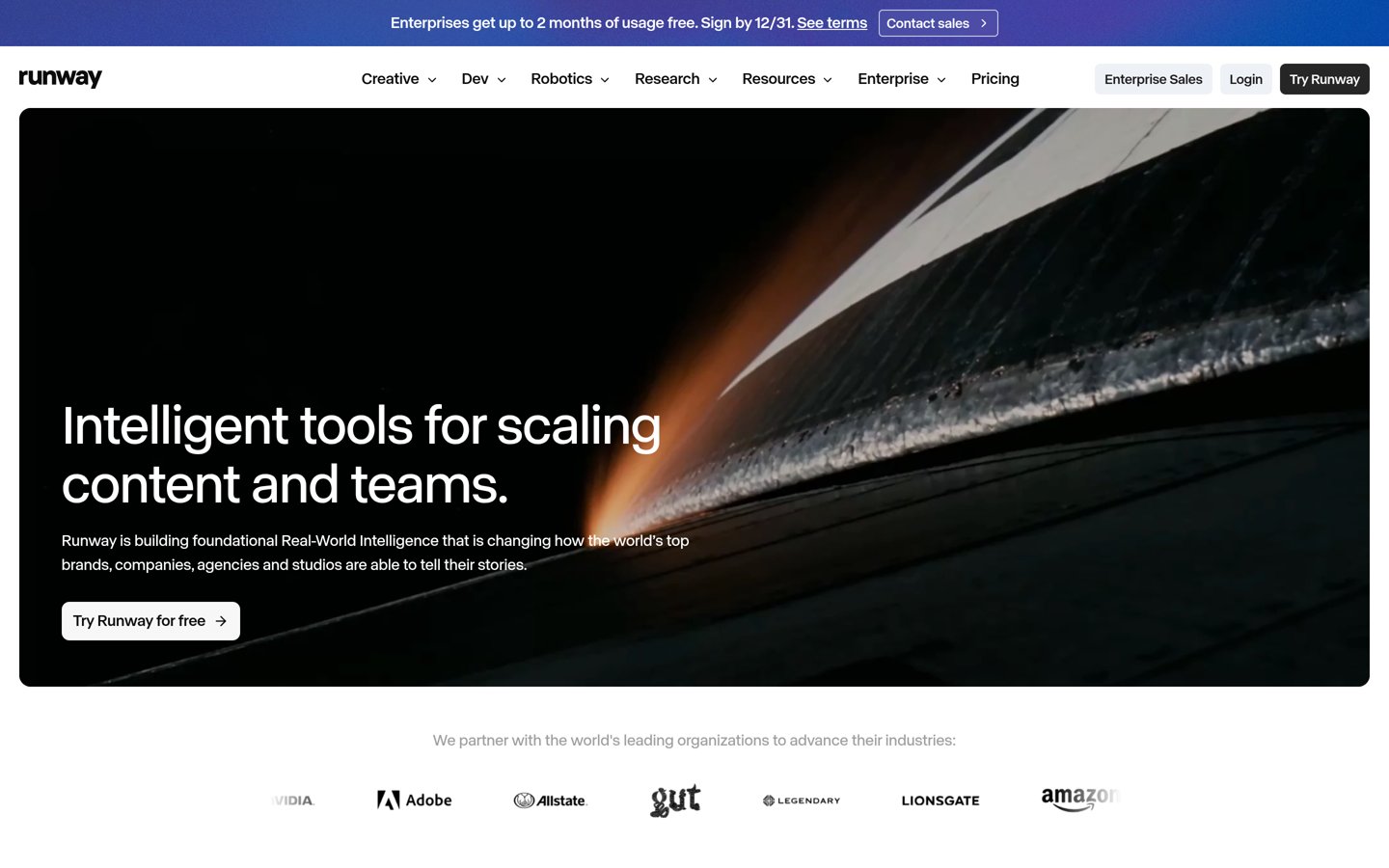
Runway is an AI video company whose Gen-4 models turn text and images into video, rated 4.1 out of 5 on G2 from 120 reviews. The free plan includes 125 credits, while Standard costs $12 a month billed yearly and adds 625 credits a month plus higher resolution output.
The trade off is credits: every generation spends them, so heavy experiments run out fast and failed renders still cost credits. It suits marketers and filmmakers who want short AI video clips and can plan their credit budget.
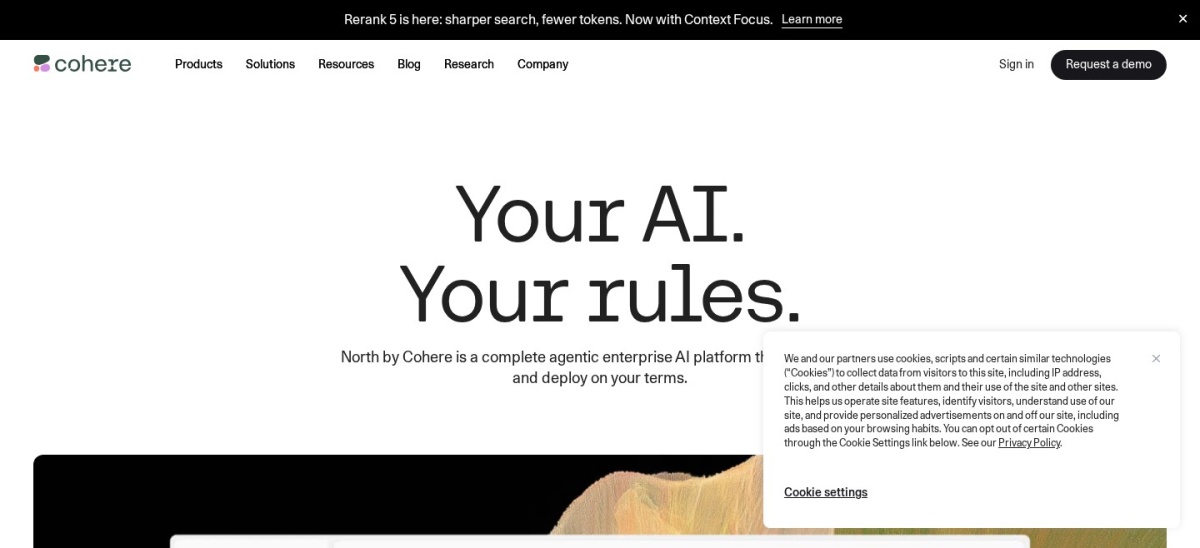
Cohere is an enterprise AI company that builds language models for search, chat and retrieval, rated 4.3 out of 5 on G2 from 33 reviews. There is no consumer subscription: teams pay per token through the API, and the North platform adds agents, search and document tools for business use.
The trade off is that there is no simple monthly price, so small teams must estimate token use before they know the bill. It suits developers building search or chat into a product who need private deployment and strong retrieval.
Grammarly is an AI writing company whose assistant checks grammar, tone and clarity everywhere you type, rated 4.7 out of 5 on G2 from 14,109 reviews. The free plan covers basic corrections and 100 AI prompts a month, while Pro costs $12 a month billed yearly and adds rewrites, plagiarism checks and 2,000 prompts.
The trade off is that monthly billing costs $30 a month, two and a half times the annual rate, and Trustpilot reviewers complain about billing and cancellation. It suits anyone who writes in English all day and wants a final check inside every app.
Free plans cover everyday chat well. Most include the core models, web search and file uploads, with limits on messages and features.
Paid plans mostly add usage and models. You get more messages, stronger models, priority access and tools such as deep research or code agents.
The cheapest paid tier is not always the best value. ChatGPT Go at $8 a month may show ads, while Plus at $20 a month removes them and adds the full model lineup.
How we chose
We started from the best-known AI companies and their flagship products, then kept the nine with a verifiable rating on G2 and a published price. Companies without a G2 listing, such as Hugging Face, DeepSeek and xAI, were left out because their ratings could not be verified on a single review site.
Prices come from each vendor's pricing page, checked on 25 November 2026. Ratings and review counts come from G2 on the same day. Where a vendor shows a sale or a cheaper annual rate, the list shows the regular monthly price.
We left out companies that sell only through custom quotes with no public price. No vendor paid for a place, and we do not claim hands-on testing for this list.
How to choose an AI company product
Start with the job you do most, then match the product to it.
Pick the assistant you will use daily. ChatGPT, Claude, Gemini and Copilot all have free plans. Try the free tier for a week before paying for any of them.
Check the price on annual billing. Claude Pro drops to $200 a year on annual billing, while Grammarly Pro costs $144 a year against $360 monthly.
Match the tool to the task. Use Perplexity for research with sources, Midjourney for images, Runway for video and Grammarly for writing checks.
Watch the usage limits. Free and cheap plans cap messages, models and credits. Read the limits on the pricing page before you commit to a year.
FAQ
Which AI company is the best overall?
ChatGPT is the best-known AI product for most people, with a free plan and paid tiers from $8 a month. It covers writing, research, coding help and image creation in one place, and its 4.6 out of 5 G2 rating rests on nearly 3,000 reviews.
Is ChatGPT or Claude better?
Claude leads on ratings at 4.7 out of 5, and it is the stronger pick for long documents, careful writing and code. ChatGPT is the broader tool, with image creation, voice and custom GPTs that Claude does not match. Try both free plans and keep the one that fits your daily work.
What is the cheapest AI subscription?
Gemini is the cheapest paid start in this list at $4.99 a month for Google AI Plus, which doubles the free usage limits. ChatGPT Go costs $8 a month, and Midjourney Basic costs $10 a month. All three have free plans, except Midjourney, which is paid only.
Do any AI companies offer a free plan?
Yes. ChatGPT, Claude, Gemini, Microsoft Copilot, Perplexity, Runway and Grammarly all have free plans. Midjourney is the exception with no free tier at all, and Cohere sells only pay-per-token API access for developers and businesses.
Which AI company is best for research?
Perplexity is the best pick for research because every answer links to the sources it used, so you can check the facts yourself. Its Pro plan costs $20 a month and adds deep research, file uploads and access to more models for longer investigations.
Are these AI tools safe to use for work?
Each vendor publishes its own privacy terms, and business plans add controls such as no training on your data. Read the privacy page before pasting sensitive material into any chatbot, and keep client or patient details out of free consumer plans.
SaaS SEO and WordPress specialist with about 8 years of experience. Rakib compares WordPress plugins, themes, hosting and software using public pricing, documentation and user reviews. See how we rank.