ShopMy is the best starting point for ways creators can use UGC in Amazon storefront work: it is free to join, creators keep 82% of commissions, and payouts arrive weekly from $11. LTK suits creators who want a large shopping audience, while Modash fits brands finding creators to feature.
How we make this list: we compare pricing pages, product documentation and public user reviews, then re-check every price before each update. No product paid for a place. Disclosure.
ShopMy is free for creators, keeps 82% of commissions with them, and pays weekly once $11 is owed.
LTK Connect Launch costs $99 a month for brands, while creators join LTK free and sell to its shopping audience.
Modash searches 380 million-plus creator profiles and is rated 4.9 out of 5 on G2 from 21 reviews.
#paid is the highest-rated marketplace here at 4.7 out of 5 from 431 G2 reviews, but Basic starts at $449 a month.
Collabstr is the cheapest way to hire one creator, with a free plan and a 10% hiring fee on orders.
Paid plans in this list run from $99 a month to $460 a month, plus Aspire on a custom quote.
How do creators use UGC in an Amazon storefront?
An Amazon storefront is a creator's own shoppable page on Amazon, and UGC is the video and photo content that sends shoppers to it. The storefront itself comes from the Amazon Influencer Program, while the tools below supply the content, the links and the tracking.
The most direct way is to post short review and demo videos, then link the featured products to the storefront. A creator can film one product video and reuse it across TikTok, Instagram and the storefront page itself.
A second way is to build a storefront-style page on another platform, such as ShopMy or LTK, and use it to warm up an audience before sending shoppers to Amazon. That keeps the creator earning even when a shopper buys elsewhere.
A third way is for brands to pay creators for UGC, then run the best clips as ads that point at the storefront. Our guide on how to start affiliate marketing with WordPress explains the disclosure rules that apply to every paid link.
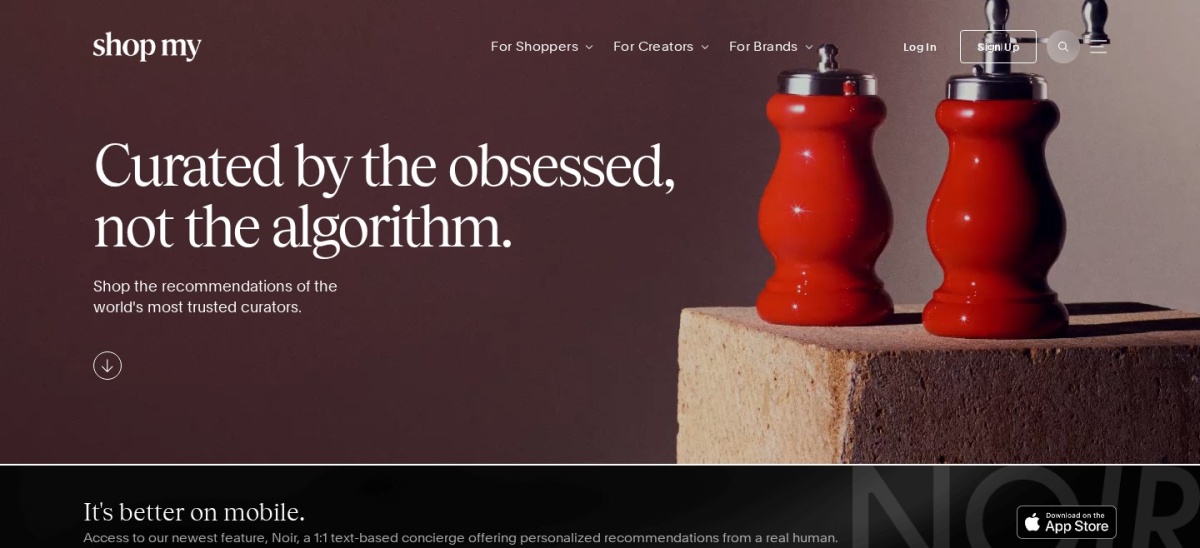
ShopMy is a creator commerce platform where creators build shoppable digital storefronts and earn commission on the products they recommend. It covers more than 50,000 retailer partners, and creators keep 82% of commissions, with payouts each Friday once earnings reach $11.
The trade off is the rating. G2 rates it 5.0 out of 5, but from only 2 reviews, so that score says little. The $399 a month Affiliate package is a brand-side price; creators join free. It suits fashion, beauty and lifestyle creators who want a free storefront beside Amazon.
What we like
Free for creators to join
Weekly payouts with a low $11 minimum
Commissions typically run 10 to 30 percent
Watch out for
G2 rating rests on only 2 reviews
Brand pricing is not published on its own page
Strongest for fashion and beauty creators
Brands pay $399 a month for the Affiliate package plus feesVisit shopmy.us
02
LTK
4/5on G2 (94 reviews, checked Nov 2026)
Paid from$99/mo
Best for a large shopping audience
Creator storefrontYes, in the LTK app
Brand planConnect Launch, $99/mo
Creators per month10 on Launch
Paid planConnect Launch, $99/mo
shopltk.com
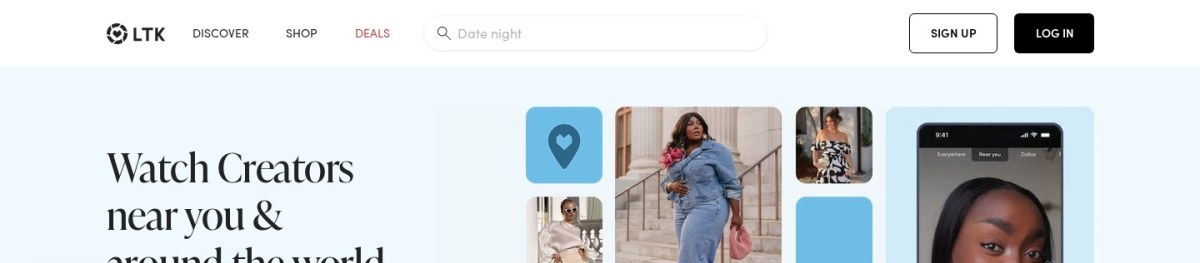
LTK homepage, captured Nov 2026.
LTK is a creator commerce platform built around shoppable creator content and affiliate sales. Creators join free, post outfit and product content, and earn commission when followers buy through their links, while brands use LTK Connect to run campaigns with them.
The trade off is price on the brand side. Connect Launch costs $99 a month for 10 creators a month, and Pro jumps to $999 a month. It suits creators in fashion, beauty and home who want the largest ready-made shopping audience next to Amazon.
What we like
Large shopping audience in the LTK app
Free for creators to join
Self-serve brand plan from $99 a month
Watch out for
Pro plan jumps to $999 a month
G2 rating covers LTK as a whole, not Connect alone
Pro annual spend cap is shown inconsistently on its own page
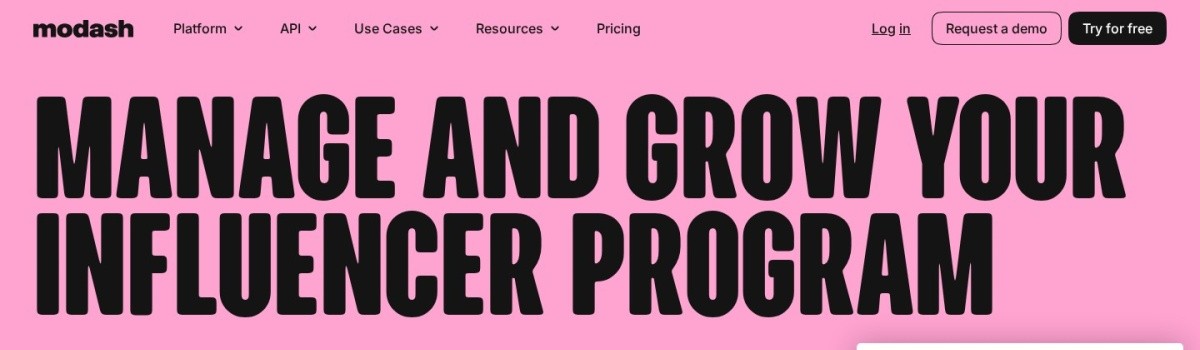
Modash is an influencer discovery and marketing platform covering more than 380 million social profiles across Instagram, TikTok and YouTube. Its Essentials plan provides 300 opened profiles and 2 team seats, alongside audience analysis, creator organisation and campaign workflows.
The trade off is the entry price and the caps. Essentials costs $199 a month billed annually, and profile openings and email unlocks are metered. It suits brands that want to find and vet the creators whose UGC will fill an Amazon storefront.
What we like
Highest G2 rating in this list at 4.9 out of 5
Audience and fake-follower checks before outreach
Discovery, outreach and tracking in one place
Watch out for
No free plan, only a 14-day trial
Profile opens and email unlocks are capped
Some reports put Essentials higher, at $299 a month
Performance at $499 a month adds payments and affiliate trackingVisit modash.io
04
#paid
4.7/5on G2 (431 reviews, checked Nov 2026)
Starts at$449/mo
Best for matched paid UGC briefs
Creator marketplaceCurated, pitch-based
ChannelsInstagram, TikTok, YouTube
G2 rating4.7/5, 431 reviews
Paid planBasic, $449/mo
hashtagpaid.com
#paid homepage, captured Nov 2026.
#paid is a curated creator marketplace where brands post a brief and pre-vetted creators who are fans of the brand pitch ideas. It covers Instagram, TikTok, YouTube and Facebook, with campaign management and creator payments built in.
The trade off is cost. Basic starts at $449 a month, which is a lot for a creator testing one storefront push. It suits brands that want a steady flow of on-brief UGC without running open casting calls.
What we like
Highest review count in this list at 431 G2 reviews
Creator.co is an influencer marketing platform that combines creator discovery with self-serve and managed campaigns. Its Self-Serve plan gives access to a large creator database, campaign tools and affiliate tracking that can point shoppers toward a storefront.
The trade off is the fee stack. Self-Serve costs $460 a month, and a 5% transaction fee applies to both the brand and the creator. It suits small brands that want campaign support without hiring an agency.
What we like
Rated 4.6 out of 5 from 124 G2 reviews
Self-serve and managed options in one platform
Strong support scores from reviewers
Watch out for
No free plan
5% fee on both sides of a payment
Older listings show Self-Serve at $199 or $299 a month
Insense is a creator marketplace and campaign platform built for brands that turn creator videos into paid social ads. It lists 100,000-plus vetted creators across 35-plus countries, and the Brand plan at $400 a month covers briefs, content rights and whitelisting.
The trade off is the monthly commitment. At $400 a month it is a poor fit for a single video, and a 10% card top-up fee is reported by reviewers. It suits brands running regular UGC briefs for a storefront and its ads.
4.5/5on Trustpilot (514 reviews, checked Nov 2026)
Paid from$249/mo
Best for hiring one creator at a time
Creator marketplace1.4M+ creators
Hiring fee10% per order
PaymentEscrow until approved
Paid planPro, $249/mo
collabstr.com
Collabstr homepage, captured Nov 2026.
Collabstr is a self-serve creator marketplace where brands search more than 1.4 million vetted Instagram, TikTok and YouTube creators, see prices upfront and hire directly. Payment sits in escrow until the work is approved, and the free plan supports direct hiring.
The trade off is fees. Free hiring carries a 10% hiring fee on every order, and creators pay a separate 15% fee on payouts. Pro costs $249 a month billed annually. It suits small brands buying one UGC video at a time.
Aspire is a creator platform for ecommerce brands running ambassador, UGC, affiliate and gifting programs. Its 1M-plus opted-in creator marketplace lets creators apply to brand campaigns, and it tracks sales, gifting and payouts in one place.
The trade off is price. Aspire publishes no prices and sells on a custom quote, with third-party estimates around $2,000 a month or more. It suits established brands building a long-term creator program around a storefront.
What we like
Creators apply inbound, so outreach is lighter
Gifting, sales and payouts in one place
Rated 4.6 out of 5 from 146 G2 reviews
Watch out for
No published price and no free plan
Annual contracts reported by reviewers
Some creators take gifted product and never post
Expect a demo and a custom quote before any priceVisit aspire.io
09
GRIN
4.5/5on G2 (483 reviews, checked Nov 2026)
Paid from$200/mo
Best for affiliate tracking at scale
Creator managementCRM, outreach, payouts
Affiliate trackingYes, with codes and links
G2 rating4.5/5, 483 reviews
Paid plan$200/mo
grin.co
GRIN homepage, captured Nov 2026.
GRIN is a creator management platform that covers discovery, outreach, gifting, affiliate tracking and creator payments. Brands can run a creator program, track which creators drive sales, and pay them through the same tool.
The trade off is scope. GRIN is built for brands running ongoing creator programs, not for a creator working alone, and some sibling lists price it far higher on other plans. It suits brands scaling UGC and affiliate sales beside an Amazon storefront.
What we like
Largest G2 review base here at 483 reviews
Affiliate tracking tied to each creator
Discovery through to payouts in one platform
Watch out for
Built for brands, not solo creators
Higher-tier pricing is not published
Wallet fees of 5% to 20% apply to creator payments
Higher plans add more creators and managed featuresVisit grin.co
Ways to use UGC in an Amazon storefront
Post review videos first. Film short demos of the products on the storefront, link each one, and let the video do the selling before a shopper ever reads a description.
Repurpose one video everywhere. A single UGC clip can run on TikTok, Instagram and the storefront, so one brief from Insense or Collabstr can feed three channels.
Use a second storefront as a warm-up. ShopMy or LTK pages can carry the same products, earn commission elsewhere, and send warm traffic on to Amazon.
Turn winning UGC into ads. The best-performing clips can run as paid social ads with whitelisting through Insense, pointing shoppers back to the storefront.
Ask creators to apply, not just to post. Marketplaces such as Aspire and #paid let creators pitch ideas, which usually produces more natural videos than a cold brief.
Amazon rules to respect when using UGC
Disclose every paid link. Any commission link, gifted product or paid video needs a clear disclosure, and our affiliate disclosure guide shows the wording that works.
Do not buy reviews. UGC can show a product honestly, but paying for Amazon reviews or faking ratings breaks Amazon's rules and can close a storefront.
Keep claims checkable. A video can say what a product did for the creator, but it should not promise results the product cannot deliver.
Track links separately. Use each platform's own affiliate links and tracking, as our affiliate link tracking guide explains, so one bad link does not hide which creator drove the sale.
How we chose
We started from the UGC and creator tools already listed in sibling WPLegible lists, then kept the nine that fit a creator building or filling an Amazon storefront: free storefronts, UGC marketplaces, discovery tools and affiliate tracking.
Prices come from each vendor's pricing page and G2 pricing listings, checked on 29 November 2026. Ratings and review counts come from G2 and Trustpilot on the same day. Where a vendor shows a sale, the list shows the regular price.
We left out the Amazon Influencer Program itself because it carries no public review-site rating, and we left out tools with no numeric rating anywhere. No vendor paid for a place, and we do not claim to have used these tools ourselves.
How to choose a tool for UGC in an Amazon storefront
Start with whether you are the creator or the brand, then pick the tool that matches that side.
Decide which side you are on. Creators should start with a free storefront such as ShopMy or LTK. Brands buying UGC should start with a marketplace such as Collabstr or Insense.
Match the tool to the content you need. One-off videos suit Collabstr, steady video briefs suit Insense, and matched campaign ideas suit #paid.
Check the real monthly cost. Add hiring fees, transaction fees and payout fees to the subscription. A $249 plan with a 10% hiring fee costs more than its headline price.
Plan the disclosure before you post. Every paid link and gifted product needs a disclosure. Read our affiliate disclosure guide before the first video goes live.
FAQ
What are the best ways creators can use UGC in an Amazon storefront?
ShopMy is the best starting point: it is free for creators, keeps 82% of commissions with them, and pays weekly from $11. Post review videos, link them to the storefront, and reuse the same clips on TikTok and Instagram.
How much does it cost to use UGC tools for an Amazon storefront?
Creators can start free with ShopMy, LTK or Collabstr. Brands pay from $99 a month for LTK Connect Launch to $460 a month for Creator.co Self-Serve, plus hiring and transaction fees on most marketplaces.
Is there a free way to use UGC in an Amazon storefront?
Yes. ShopMy and LTK are free for creators, and Collabstr lets brands hire with no subscription, paying only a 10% hiring fee per order. The Amazon storefront itself comes from the free Amazon Influencer Program.
Which tool is best for beginners using UGC in an Amazon storefront?
ShopMy is the easiest start for creators, because it is free, takes minutes to set up, and pays weekly from $11. Brands new to UGC should start with Collabstr, where one video can be bought without a monthly plan.
ShopMy vs LTK: which is better for an Amazon storefront?
ShopMy is better for a free, flexible storefront with weekly payouts from $11 and an 82% commission share. LTK is better for reach, with a large shopping audience in its app, but its brand plans start at $99 a month.
Do creators need the Amazon Influencer Program to use these tools?
Yes, for the Amazon storefront itself. The Amazon Influencer Program provides the storefront page and its commissions. The tools in this list supply the UGC, the extra storefronts and the tracking around it.
SaaS SEO and WordPress specialist with about 8 years of experience. Rakib compares WordPress plugins, themes, hosting and software using public pricing, documentation and user reviews. See how we rank.