Claude is the top AI model for software architecture, leading on agentic coding and long-document reasoning for complex designs. ChatGPT suits general design work with the broadest tooling, while Gemini is the cheapest route to long context.
How we make this list: we compare pricing pages, product documentation and public user reviews, then re-check every price before each update. No product paid for a place. Disclosure.
Claude leads on agentic coding, with the top scores on Terminal-Bench and SWE-Bench for complex codebases.
ChatGPT has the broadest ecosystem, with Codex, custom GPTs and the most integrations.
Gemini is the cheapest paid route, from $4.99 a month, with the longest standard context window.
DeepSeek and Llama cost nothing for chat, and Llama can be self-hosted on your own servers.
Perplexity is the only pick built around cited answers, with a model picker across several labs on Pro.
How do you pick the top AI model for software architecture?
Architecture work rewards models that hold a whole system in mind. The best models keep long context, reason step by step and produce code that fits the design, not just a snippet.
Start with the job, not the leaderboard. A model that wins a coding benchmark may still lose context on a multi-service design, so rank candidates by the work you will give them.
Price spreads are wide. The cheapest paid plans run from $4.99 a month to $30, and API pricing per million tokens can differ fiftyfold between models.
Check the ecosystem before you commit. The model your team already uses, with its coding agent and integrations, often beats a slightly stronger model with no tooling.
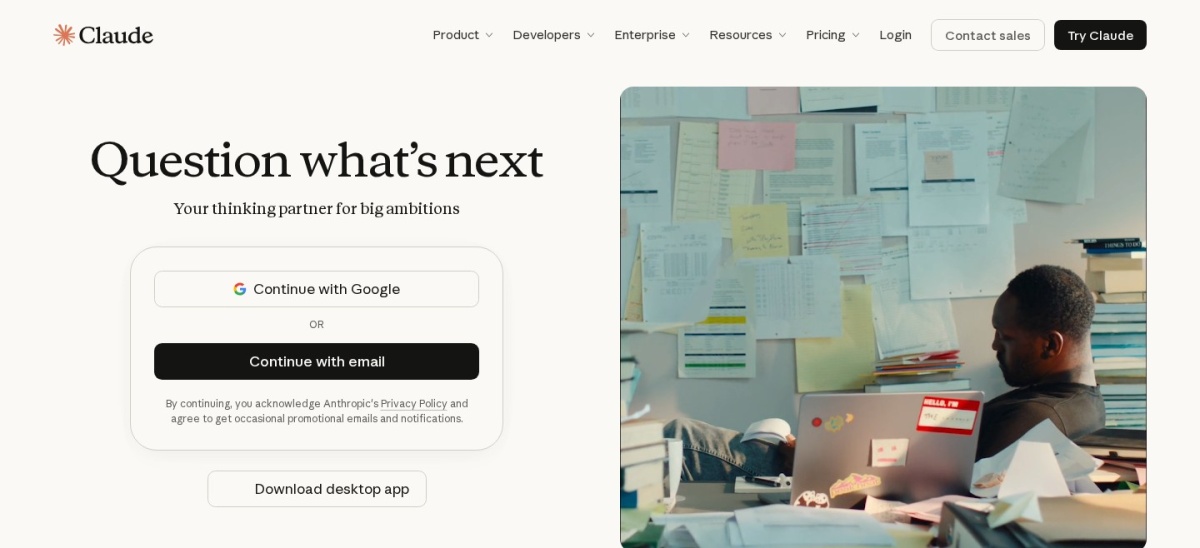
Claude is Anthropic's AI assistant, and its flagship Opus model leads on agentic coding, with the top score on Terminal-Bench and strong results on SWE-Bench for complex codebases. The free plan covers chat with usage limits, and Pro at $20 a month adds Claude Code and higher limits.
The trade off is usage caps. Even Pro users can hit the message limit during long coding sessions, and the next step up is Max at $100 a month. It suits architects who want careful, well-structured designs and can live with a pause when the limit hits.
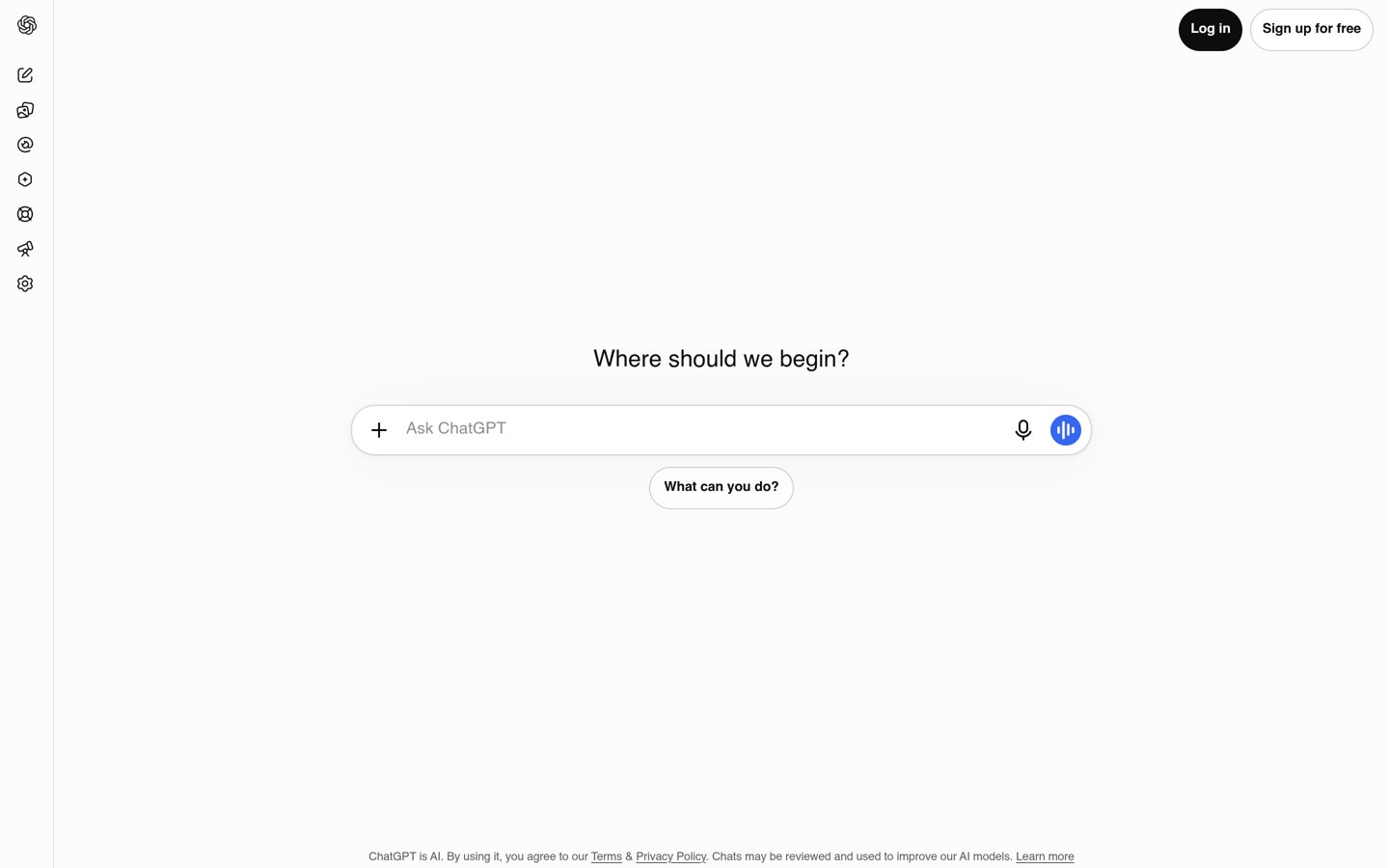
ChatGPT is OpenAI's chatbot and the most widely used tool in this list, with 5,522 G2 reviews behind it. The GPT-5.5 family powers chat, reasoning, image creation and voice in one app, and paid plans add projects, scheduled tasks and custom GPTs.
The trade off is the ladder. Go at $8 a month is the cheapest paid plan but may show ads and leaves out the advanced reasoning models, which start with Plus at $20 a month. It suits teams that want one assistant for design, writing and research in a single app.
Gemini is Google's AI assistant, built into Gmail, Docs, Drive and Search for anyone with a Google account. The free plan covers chat, image work and document summaries, and paid plans raise usage limits and add 5 TB of storage on AI Pro.
The trade off is depth outside Google. Integrations with tools beyond Google apps are limited, and reviewers report lost context on long, multi-step tasks. It suits teams whose files, mail and calendar already live in Google Workspace.
DeepSeek is a free AI assistant with open-weight models, and its chat on the web and in its apps costs nothing, with no paid plan to upsell you to. The chat includes a reasoning mode, file uploads and web search, and developers can call the same models through a pay-as-you-go API.
The trade off is a thin review record and weaker support. Only 19 G2 reviews back the 4.4 rating, and reviewers report wrong answers and lost context on complex prompts. It suits budget-minded teams who want capable free chat and do not need a polished support desk.
Perplexity is an answer engine that searches the live web and cites a source for every claim, instead of answering from training data alone. The free plan covers web answers with citations, and Pro adds a model picker across several labs, Deep Research and 400 plus connectors.
The trade off is depth. Citations can point to weak sources, and reviewers note that long threads sometimes lose context and that deep questions can get shallow answers. It suits architects who need a sourced first draft they can check, not a final answer they can trust blindly.
Microsoft Copilot is the AI assistant built into Microsoft 365, working inside Word, Excel, PowerPoint, Outlook and Teams. The free Copilot Chat answers questions and drafts text, and the paid add-on reads your files and meetings to summarise, draft and prepare across those apps.
The trade off is price and the base plan. The $30 a month add-on sits on top of a Microsoft 365 plan you must already pay for, and reviewers say answers are not always accurate or consistent. It suits teams that already live in Microsoft 365 and want AI where the work already happens.
Llama is Meta's family of open-weight large language models, free to download, fine-tune and run on your own servers. The Meta AI assistant built on Llama is free in WhatsApp, Instagram, Messenger and the standalone app, and Llama 4 Scout handles up to 10 million tokens of context.
The trade off is that you are on your own. There is no polished paid plan with support, and reviewers report slow performance and generic replies compared with the closed leaders. It suits developers and teams with the skill to host and tune a model themselves.
Grok is xAI's assistant, built to answer with live information from X alongside the web, with voice, image generation and a coding agent. The free tier covers chat with limits, and paid plans share one weekly usage pool across chat, voice, image and coding work.
The trade off is a thin review base and a rebuilt price list. Only 60 G2 reviews back the 4.2 rating, and xAI folded SuperGrok into The X Subscription in November 2026, so old plan names still appear in guides. It suits heavy X users who want live posts in their answers.
Mistral Le Chat is the chat assistant from Mistral AI, built on the company's own model family, with European hosting and open-weight models behind it. The free plan covers chat with limits, and Pro at $14.99 a month raises usage and adds more features.
The trade off is a smaller ecosystem. Only 57 G2 reviews back its 4.2 rating, and integrations are thinner than ChatGPT or Gemini. It suits European teams that want data residency and open weights without a US cloud.
Benchmarks rank models on fixed tasks, and the leaders change with the test. Claude leads Terminal-Bench, GPT leads on factual accuracy, and Gemini leads on graduate-level science in some snapshots.
Real architecture work is messier. It needs long context, consistent naming, trade-off reasoning and code that fits an existing codebase, none of which a single score captures.
Pilot with your own design task. Give each shortlisted model the same architecture problem and compare the outputs, not the leaderboard.
Most teams end up using two models. One for deep design work and one for quick drafts, search or long documents is a common split.
How we chose
We started from the AI model families with a G2 listing and a current pricing page, then kept nine that cover coding, long context, research, self-hosting and real-time answers.
Prices come from each vendor's pricing page, checked on 29 November 2026, using the cheapest paid plan of each product. Ratings and review counts come from G2 on the same day, where reviewers score the product rather than the model alone.
We left out models with no verifiable G2 rating. No vendor paid for a place, and we do not claim hands-on testing for this list.
How to choose an AI model for software architecture
Start with the design work you actually do, then test the shortlist on a real task.
Name the architecture job. System design needs long context, API design needs precision, and code review needs a strong coding model.
Check the context window. A model that forgets the first service cannot design the tenth, so compare the token limits before the price.
Test with your own codebase. Give each shortlisted model the same design problem and compare the outputs side by side.
Price the whole team. Per-seat plans from $4.99 to $30 a month diverge fast, and API token prices differ even more.
FAQ
What is the top AI model for software architecture in 2026?
Claude is the top AI model for software architecture, leading on agentic coding and long-document reasoning for complex designs. ChatGPT suits general design work, while Gemini is the cheapest route to long context.
How much do AI models for software architecture cost?
Cheapest paid plans run from $4.99 a month for Gemini AI Plus to $30 for Microsoft 365 Copilot. Claude and Perplexity cost $20 a month, ChatGPT Go costs $8, and DeepSeek and Llama are free.
Is there a free AI model for software architecture?
Yes. DeepSeek and Llama cost nothing for chat, and every model here has a free plan. Free tiers cover casual design work, but paid plans raise usage limits and add coding agents.
Claude vs ChatGPT: which is better for architecture?
Pick Claude if you want the strongest agentic coding and careful long-document reasoning for complex designs. Pick ChatGPT if you want the broadest ecosystem, Codex and the most integrations.
Which AI model has the longest context window?
Llama 4 Scout handles up to 10 million tokens, the longest here, but you must self-host it. Gemini offers 1M to 2M tokens in a hosted app, and Claude and ChatGPT both reach about 1M tokens.
Can I use an AI model to design a whole system?
Yes, but treat its output as a first draft. The best models sketch services, data flows and trade-offs well, yet they can lose context or invent details, so review every design before you build on it.
SaaS SEO and WordPress specialist with about 8 years of experience. Rakib compares WordPress plugins, themes, hosting and software using public pricing, documentation and user reviews. See how we rank.