YNAB is the best pick among the top 10 best US budgeting influencer affiliate programs, with a clear method, a 34-day free trial and a price of 109 dollars a year that converts well. Monarch suits couples and households, while Rocket Money and EveryDollar give free plans that pull in new sign-ups.
How we make this list: we compare pricing pages, product documentation and public user reviews, then re-check every price before each update. No product paid for a place. Disclosure.
YNAB is the strongest promote: a 34-day free trial, one plan at $109 a year and sharing for up to six people.
Monarch pays for couples content: Core costs $99.99 a year and includes a partner login at no extra cost.
Rocket Money and EveryDollar have free plans, which pull in the most sign-ups from a link or video.
Empower is the only free dashboard here, with net worth and retirement planning at $0.
Paid plans run from $53.88 a year at Quicken to $119.88 at PocketSmith; Rocket Money Premium starts at $7 a month.
How do you choose the best US budgeting influencer affiliate programs?
A budgeting app only earns an influencer money if followers actually sign up. Free plans and long trials do that work, which is why the tools with a free tier sit high in this list.
Price still decides who stays. A follower who joins on a free plan and later pays $80 to $109 a year is worth more than one who bounces off a paywall on day one.
Ratings matter for trust. A 4.5 out of 5 score from 30 G2 reviews tells a follower the app is liked by real users, while a score from 2 or 3 reviews is thin evidence.
The best programs to promote match the audience. Couples content fits Monarch, debt payoff fits EveryDollar, and spreadsheet fans fit Tiller.
The 10 best US budgeting influencer affiliate programs
01
YNAB
4.5/5on G2 (30 reviews, checked Nov 2026)
Starts at$109/yr
Best budgeting affiliate program overall
MethodZero-based budgeting
Free trial34 days, no card
SharingUp to 6 people
Paid plan$109/yr, one plan
ynab.com
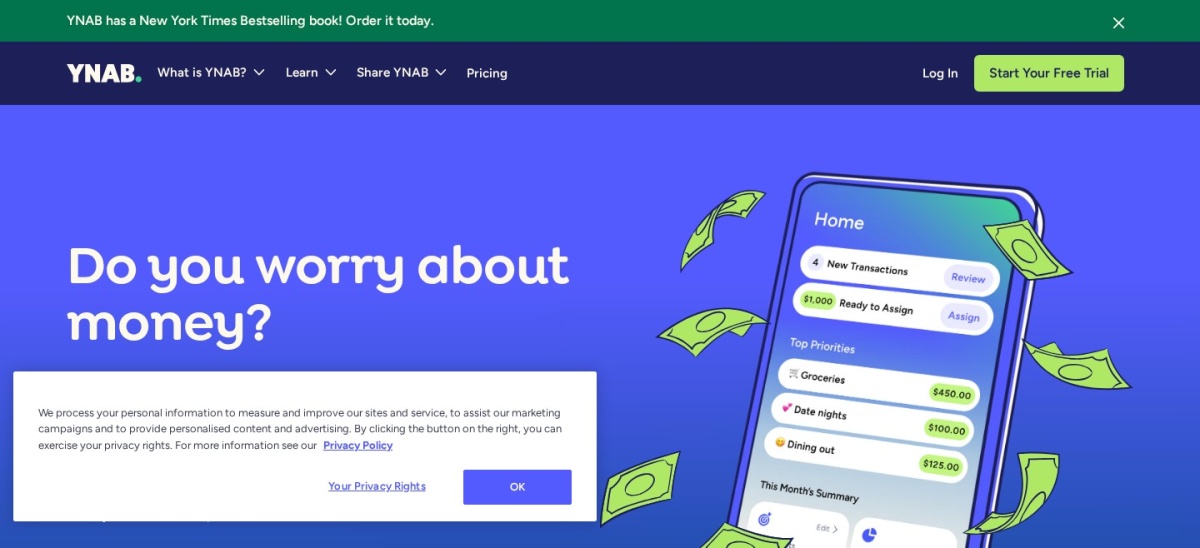
YNAB homepage, captured Nov 2026.
YNAB is a zero-based budgeting app built around one rule: give every dollar a job before you spend it. The single plan costs $109 a year after a 34-day free trial, and one subscription can be shared with up to six people. Bank sync, spending targets and loan payoff planning are included.
The trade off is the learning curve. The method asks for weekly attention, and there is no free plan after the trial, so casual trackers may find $109 a year steep. It suits creators whose audience wants to change spending habits, not just track them.
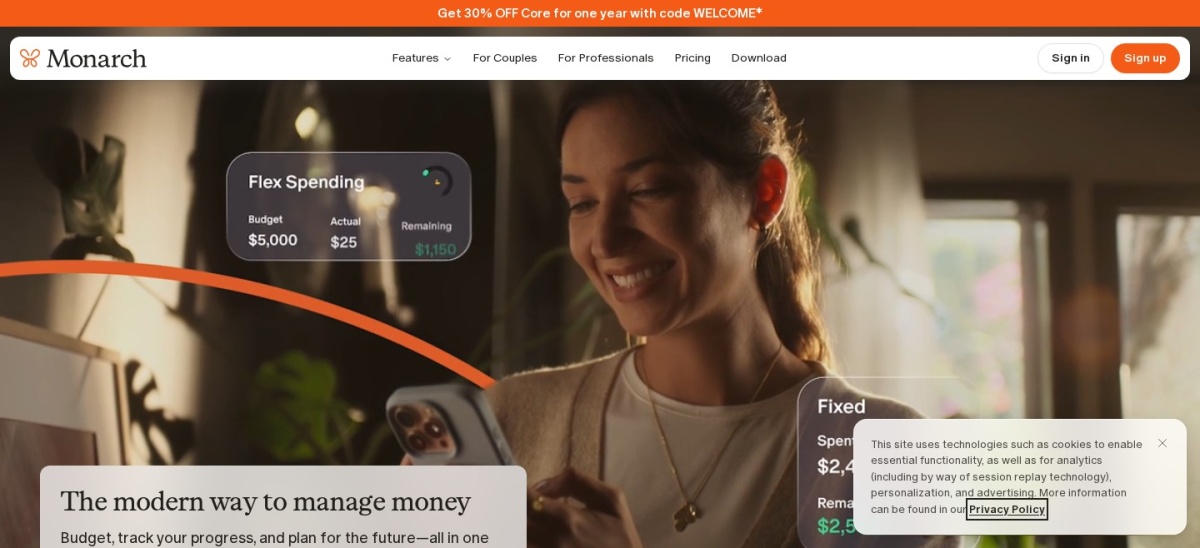
Monarch is a household dashboard that pulls checking, savings, cards, loans and investments into one view, with flexible budgets, goals and a net worth tracker on top. Core costs $99.99 a year and includes a partner login at no extra cost, after a 7-day trial.
The trade off is price and the short trial. There is no free plan, the 7-day trial needs a payment method, and the Plus tier at $199.99 a year holds the forecasting tools. It suits couples and households that want one shared view of budgets, bills and net worth.
4/5on Trustpilot (4,249 reviews, checked Nov 2026)
Paid from$7/mo
Best for forgotten subscriptions
Cheapest planPremium from $7/mo
Free planYes
Subscription cancelPremium
Bill negotiationPremium+ $15/mo
rocketmoney.com
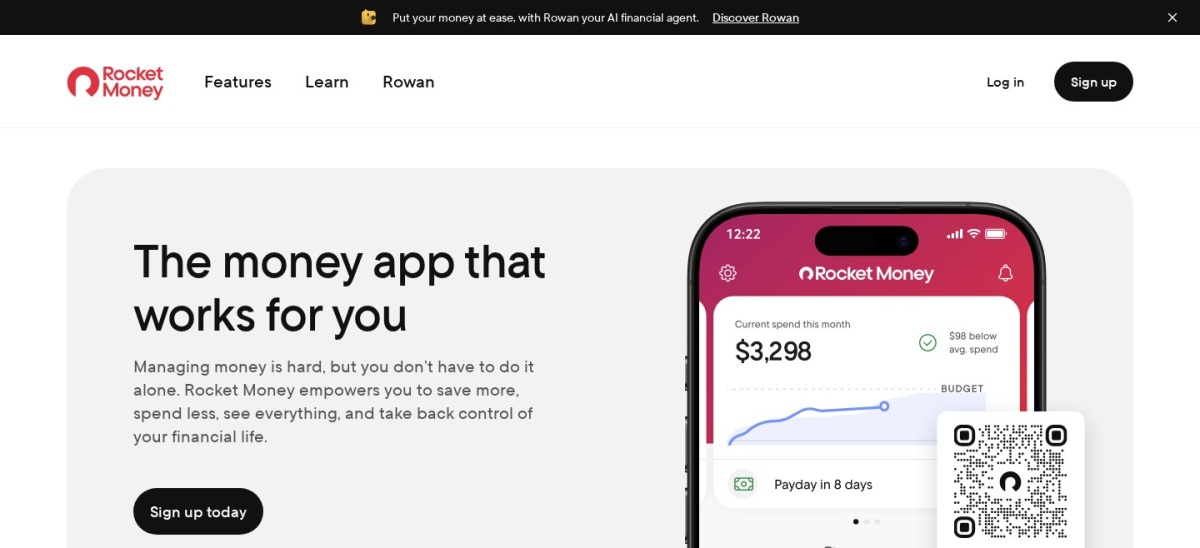
Rocket Money homepage, captured Nov 2026.
Rocket Money is a money app that links your accounts, lists every recurring bill and subscription, and cancels the ones you no longer want. The free tier tracks subscriptions and sends bill alerts, while Premium typically costs $7 to $14 a month on a sliding scale.
The trade off is the sliding price. Premium has no single list price, and bill negotiation moved to Premium+ at $15 a month on 2 November 2026, with no success fee. It suits audiences whose main leak is subscriptions they forgot they pay for.
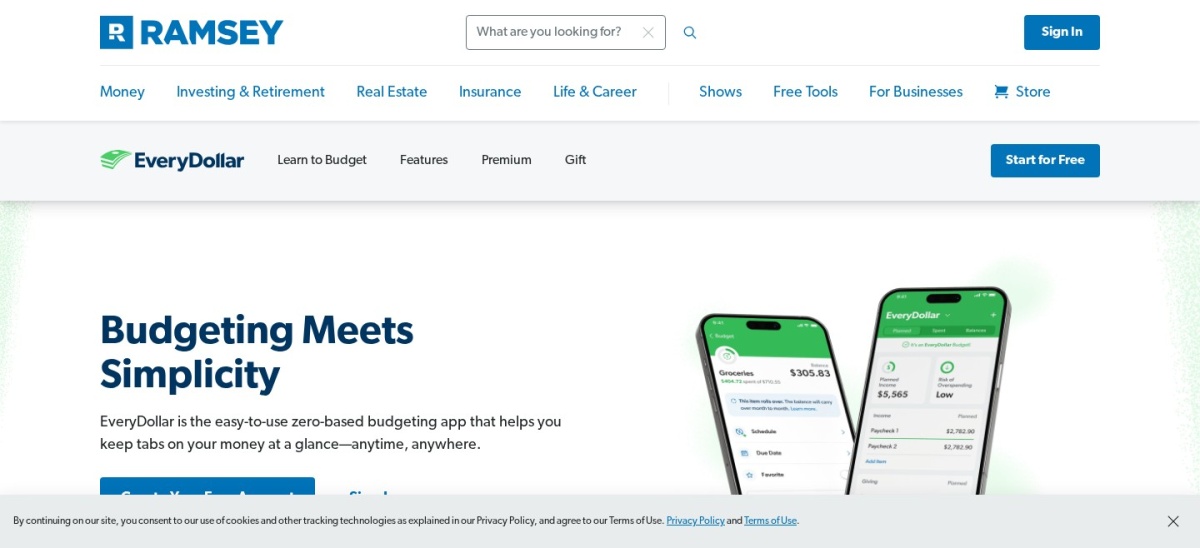
EveryDollar is a zero-based budgeting app from Ramsey Solutions, built around the Baby Steps debt plan. The free plan covers manual budgeting with unlimited categories, sinking funds and bill due dates, while Premium at $79.99 a year adds bank connections and reports.
The trade off is the free plan. Bank sync is paid, so free users enter transactions by hand, and the app follows one money philosophy throughout. It suits audiences who want a free zero-based budget and like the Ramsey method.
Empower is a free dashboard, formerly Personal Capital, that links bank, brokerage, retirement and loan accounts in one view. It tracks net worth over time and adds a retirement planner and a fee analyzer for investment accounts.
The trade off is the upsell. The dashboard is free, but Empower will offer its paid wealth service, which charges 0.89% a year with a $100,000 minimum. It suits audiences who want investment and net worth tracking without paying for a budget.
Quicken is the longest-running personal finance software in this list, a desktop program for Windows and Mac that keeps your data file on your own computer. Starter at $53.88 a year covers bank sync, budgets, bills and spending reports across more than 14,000 institutions.
The trade off is the subscription. There is no free plan, and investment tracking needs Deluxe at $83.88 a year, while Premier adds tax reports and bill pay. It suits audiences who want one program for budgets, investments and tax, and who prefer desktop software to a phone app.
Goodbudget is an envelope budgeting app that turns the old cash-envelope method into a digital budget. The free plan covers envelope budgeting, while Plus at $80 a year adds bank sync and more envelopes.
The trade off is the thin public rating. Goodbudget holds 3.2 out of 5 from only 2 G2 reviews, so the score is weak evidence, and the app is simpler than dashboard rivals. It suits audiences who like envelope budgeting and want a free plan to start with.
Tiller is a data feed, not a budgeting app in the usual sense: it writes your bank transactions and balances into a Google Sheets or Excel file every day. The $99-a-year plan includes the Foundation Template, rule-based categorizing and a daily email of new activity.
The trade off is the format. There is no phone app of its own, so you budget in a spreadsheet, and Excel needs a Microsoft 365 subscription. It suits audiences who already run their money in a sheet and want to own their data.
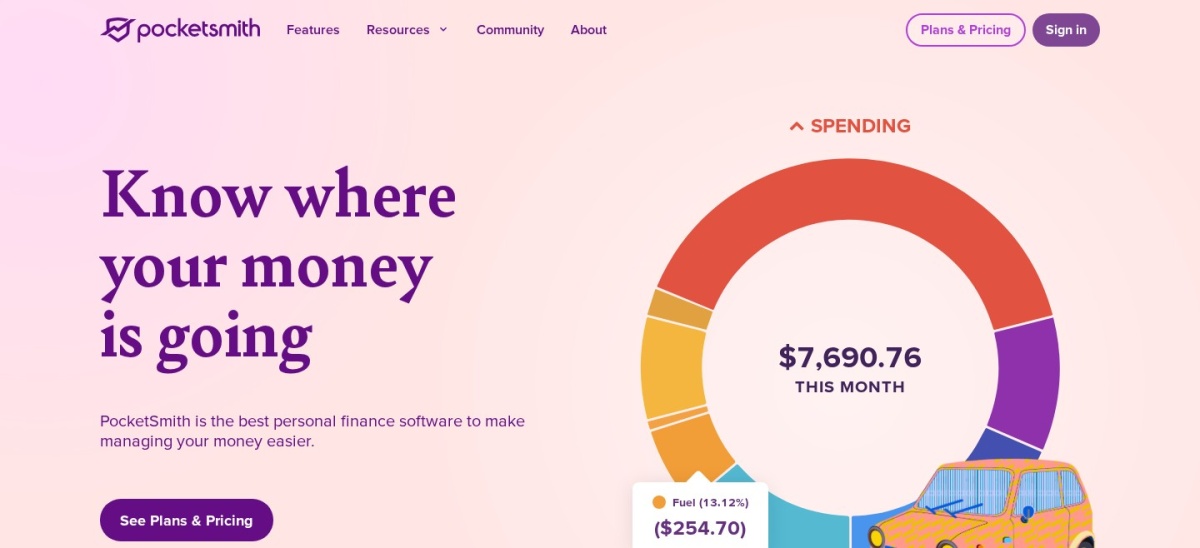
PocketSmith is a forecasting app that projects income, spending and balances years ahead. The free plan covers 2 accounts, while Foundation at $9.99 a month adds bank feeds and a 10-year forecast, and Fortune extends that to 60 years.
The trade off is the low rating and the price. PocketSmith holds 2.8 out of 5 on Trustpilot from 16 reviews, and Foundation costs $119.88 a year. It suits audiences planning long-range goals who want to see the future, not just this month.
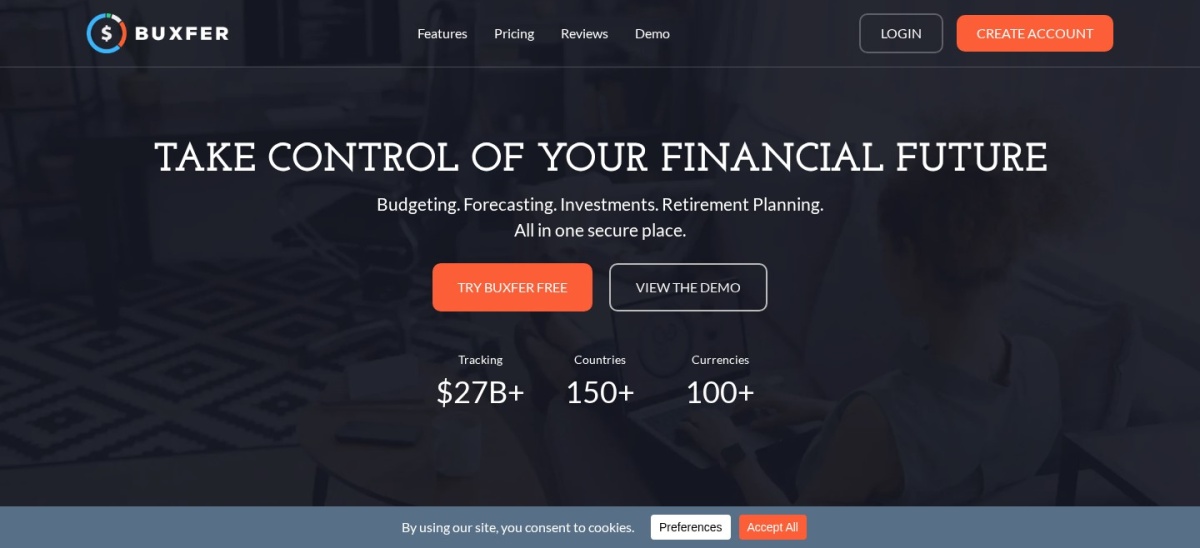
Buxfer is a web-based money manager that covers budgets, bill reminders, investments and retirement planning in one place. Plus costs $7.99 a month billed annually and adds automatic bank sync, automatic tagging and multi-currency accounts.
The trade off is the price rise. Buxfer dropped its free tier and raised Plus from $3.99 a month, so older reviews quote lower prices. It suits audiences who want forecasting and multi-currency tracking without paying over $100 a year.
Followers click a link because the first step costs nothing. A free plan or a 34-day trial lets them try the app before paying, and that first step is where most affiliate sign-ups happen.
Payouts vary by program and network, and terms change, so check the program page before you quote a rate or a cookie length to your audience.
Disclose the affiliate link every time. US rules require a clear disclosure, and followers trust a creator who says plainly that a link pays them.
How we chose
We started from the budgeting apps US finance creators promote most, then kept the ten with a verifiable rating on G2 or Trustpilot and a price we could confirm.
Prices come from vendor pricing pages and review listings checked in November 2026, with the top three confirmed on their official pages that week. Where a vendor shows a sale, the list shows the regular price.
We left out apps with no public rating and tools aimed at businesses rather than households. No vendor paid for a place, and we do not claim hands-on testing for this list.
How to choose a budgeting affiliate program to promote
Start with the audience you already have, then match the app to them.
Match the app to your audience. Couples content fits Monarch, debt payoff fits EveryDollar, and spreadsheet fans fit Tiller. A mismatch costs clicks.
Pick a free entry point. A free plan or a long trial converts far better than a paywall, so favour tools followers can try at no cost.
Check the price followers will pay. Most paid plans here cost $54 to $120 a year. Tell followers the real price before they sign up.
Read the program terms first. Check the payout, the cookie length and the allowed promotion channels on the program page before you publish a link.
FAQ
What are the best US budgeting influencer affiliate programs in 2026?
YNAB is the best overall pick, with a 34-day free trial and one plan at $109 a year. Monarch suits couples at $99.99 a year, while Rocket Money and EveryDollar add free plans that pull in the most sign-ups from a link.
Which budgeting app pays influencers the most?
Payouts vary by program and network, and no public rate card covers all ten tools here, so check each program page before you compare earnings. As a rule, higher-priced annual plans such as YNAB at $109 a year tend to pay more per sale than free apps.
Do any of these budgeting programs have a free plan?
Yes. Rocket Money, EveryDollar, Empower, Goodbudget and PocketSmith all have free plans, and Empower is free outright. Free plans convert best from a link because followers can try the app before paying anything.
What is the cheapest budgeting app to promote?
Empower is free, and Quicken Starter is the cheapest paid plan at $53.88 a year. EveryDollar Premium costs $79.99 a year, Goodbudget Plus costs $80 a year, and Rocket Money Premium starts at $7 a month.
Is YNAB or Monarch better for influencer content?
YNAB is better for method-led content, with a strict zero-based system, a 34-day trial and a 4.5 out of 5 G2 rating from 30 reviews. Monarch is better for couples and households, with a shared dashboard and a partner login included at $99.99 a year.
Can beginners promote budgeting affiliate programs?
Yes, if the program accepts new creators. Start with one app you actually use, publish honest content about it, and disclose the affiliate link. Free-plan tools such as EveryDollar are the easiest first pick because followers can join at no cost.
SaaS SEO and WordPress specialist with about 8 years of experience. Rakib compares WordPress plugins, themes, hosting and software using public pricing, documentation and user reviews. See how we rank.