Censys is the best Shodan alternative for most security teams, with internet-wide search over hosts, certificates and services, rated 4.8 out of 5 on G2, and a Starter plan at $79 a month. Pick GreyNoise to filter internet background noise from alerts, or Nmap when you want a free scanner you run yourself.
How we make this list: we compare pricing pages, product documentation and public user reviews, then re-check every price before each update. No product paid for a place. Disclosure.
Censys is the closest direct Shodan replacement, with internet-wide host, service and certificate search from $79 a month.
GreyNoise is the triage pick: 4.8 out of 5 on G2 from 128 reviews, with a free Community plan of 50 searches a week.
ZoomEye lists Personal at $708 a year, with a current $190 offer, and gives 3,000 free results a month.
Nmap costs nothing and Nessus Essentials is free for up to 16 IPs, but both scan systems you own rather than searching the internet.
Paid prices run from $0 to $5,999 a year, and GreyNoise platform pricing is quote-only, so budget for it by quote.
How do you choose among Shodan alternatives?
The first split is the job itself. Shodan searches the whole internet for exposed devices, so a direct replacement should search a live internet index, while scanners such as Nmap and Nessus only check systems you point them at.
Free tiers cover occasional lookups well. Censys gives 100 credits a month, ZoomEye gives 3,000 results a month, and GreyNoise gives 50 searches a week, so a small team can check exposure without paying.
Ratings need a second look here. Censys is rated 4.8 out of 5 on G2 from only 3 reviews and ZoomEye 5.0 from only 2, while UpGuard has 705 reviews and Intruder 223, so the thin scores carry far less weight. Our guide on running a WordPress security audit shows the same check-the-evidence thinking applied to a site.
Paid plans charge by very different units. Censys bills by credits, Criminal IP by IP lookups, Intruder by licences and UpGuard by vendor programme, so work out the bill at your real usage before comparing headline prices.
Exposure search and vulnerability scanning are different jobs. If you only need to know what is visible online, a search engine is enough; if you need to know which of those hosts is actually flawed, add a scanner such as Nessus or Intruder.
Censys is an internet-wide search engine that maps exposed hosts, services and certificates, the closest direct match to Shodan in this list. The free account gives 100 credits a month plus 5 free actions a day, and the Starter plan adds 500 credits a month for $79.
The trade off is the review base. Censys holds 4.8 out of 5 on G2, but from only 3 reviews, so the score says little about typical buyers. It suits security teams that want Shodan-style search with strong certificate and host data.
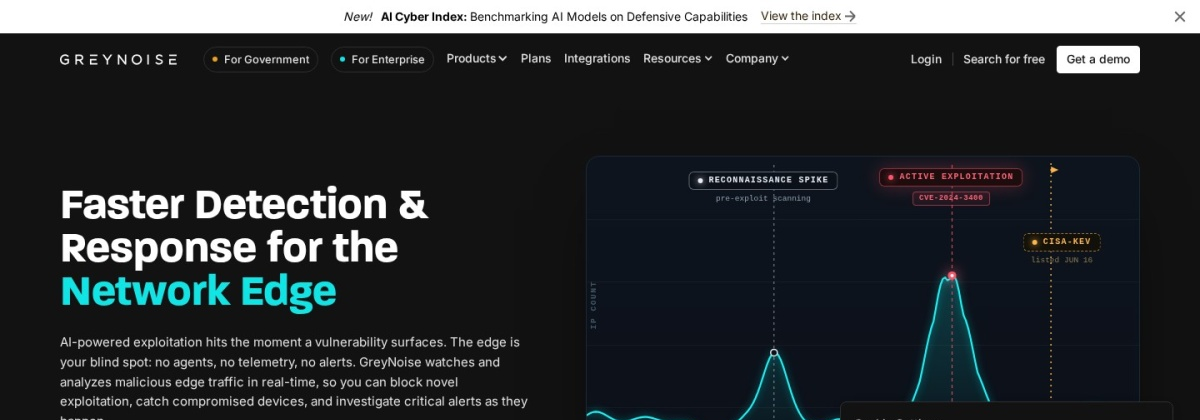
GreyNoise is an internet-noise intelligence service that labels mass scanning and bot traffic, so analysts can tell background internet noise from a targeted attack. The free Community plan gives 50 searches a week, 10-day recall, 3 alerts and 1 blocklist.
The trade off is price transparency. Paid platform tiers are quote-only on the GreyNoise plans page, so there is no published entry price to budget against. It suits SOC teams drowning in alerts from internet-wide scanners.
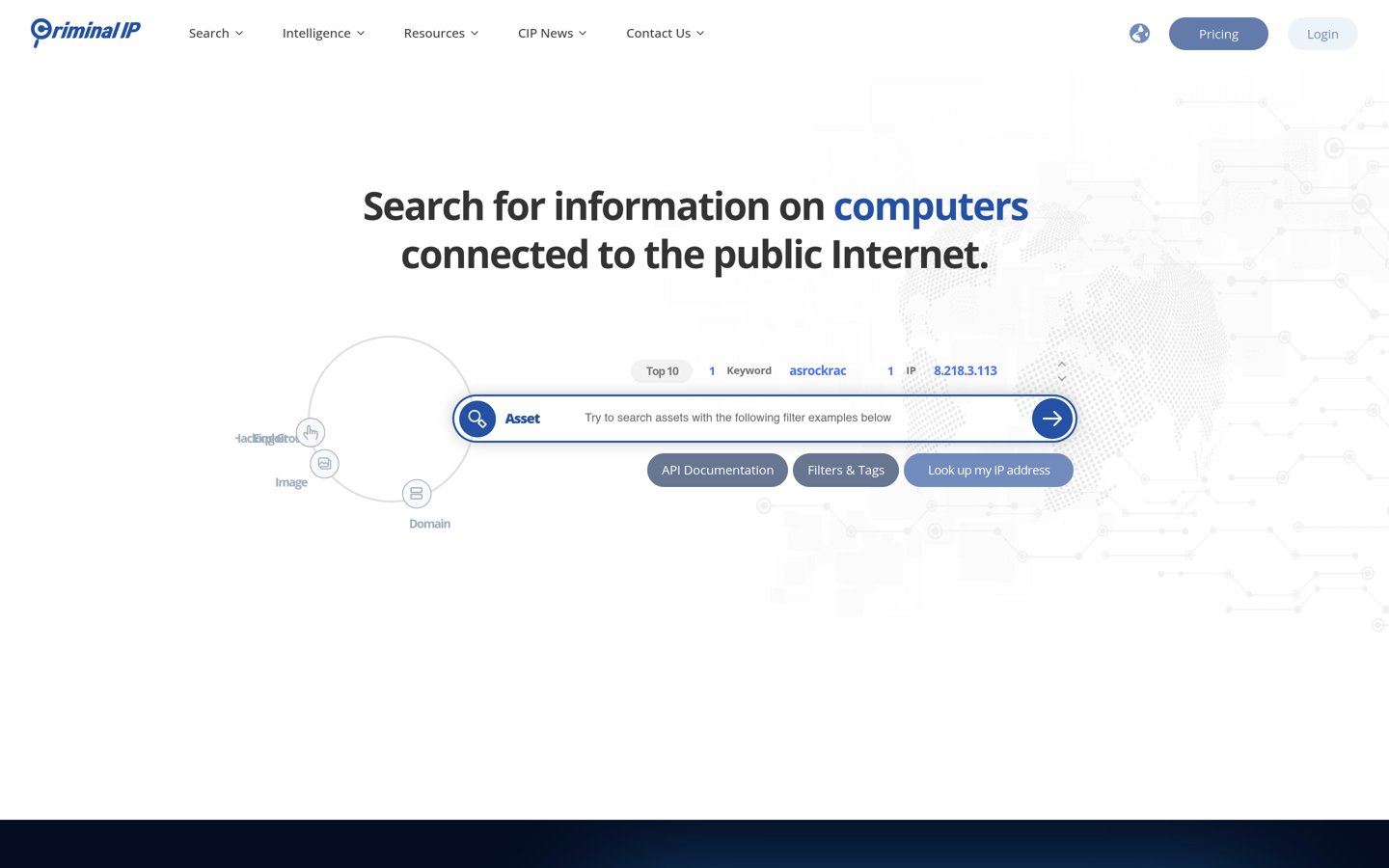
Criminal IP is an attack-surface and threat-intelligence search engine that scores IPs, domains and exposed assets for malicious history. A free membership gives a small credit allowance, and the Starter plan covers 10,000 IP lookups a month for $99.
The trade off is the thin review base. Criminal IP is rated 4.5 out of 5 on G2 from 11 reviews, so treat the score as early evidence. It suits analysts who want a quick threat score on an IP before opening a full investigation.
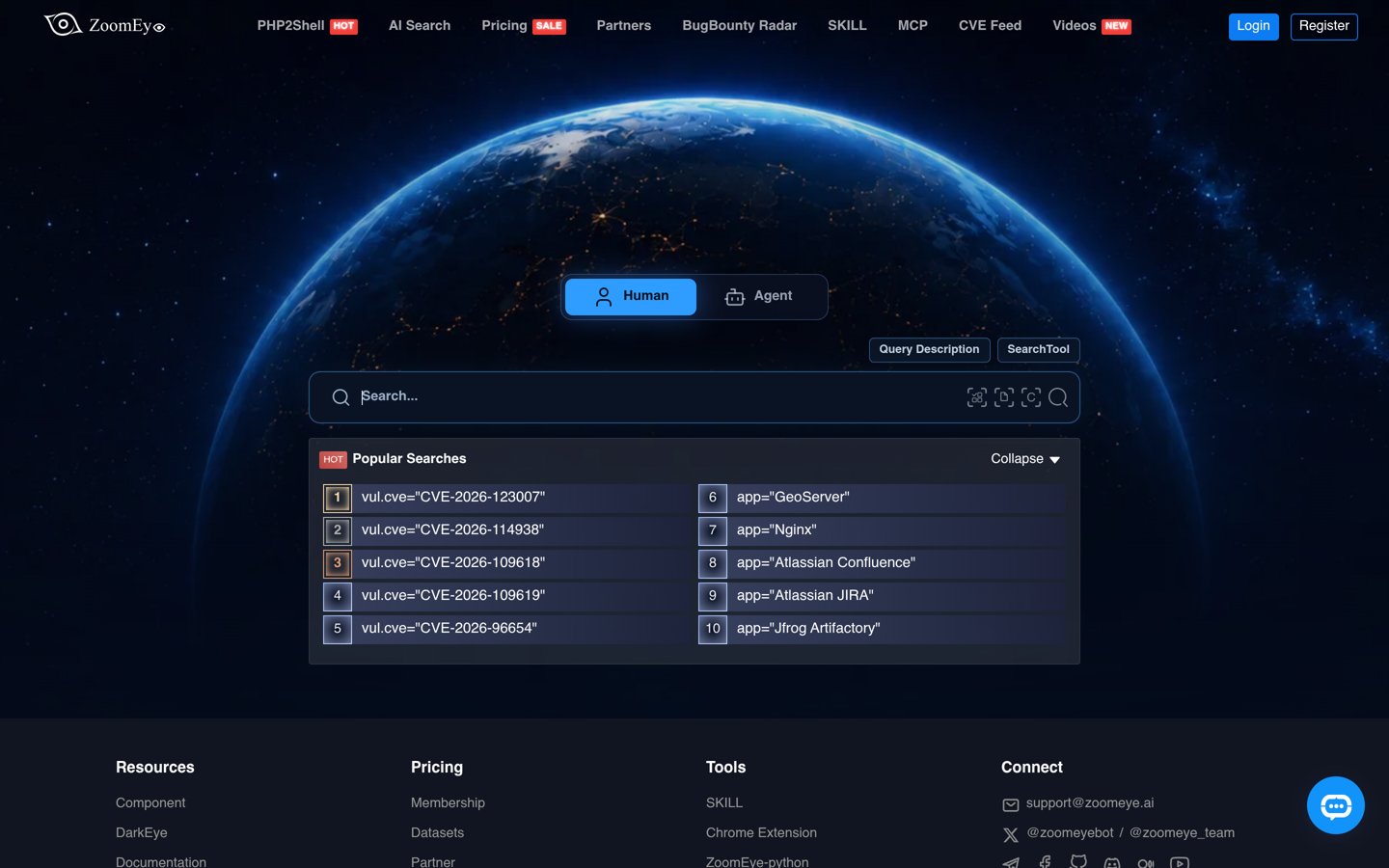
ZoomEye is a cyberspace search engine from Knownsec that indexes internet-connected devices, services and web assets, with vulnerability mapping that links detected versions to CVE records. The free plan gives 3,000 results a month across 5 pages and 46 fields.
The trade off is the review base and the sale price. ZoomEye is rated 5.0 out of 5 on G2 from only 2 reviews, and Personal lists at $708 a year with a current $190 offer. It suits researchers who want Shodan-style device search with strong Asian network coverage.
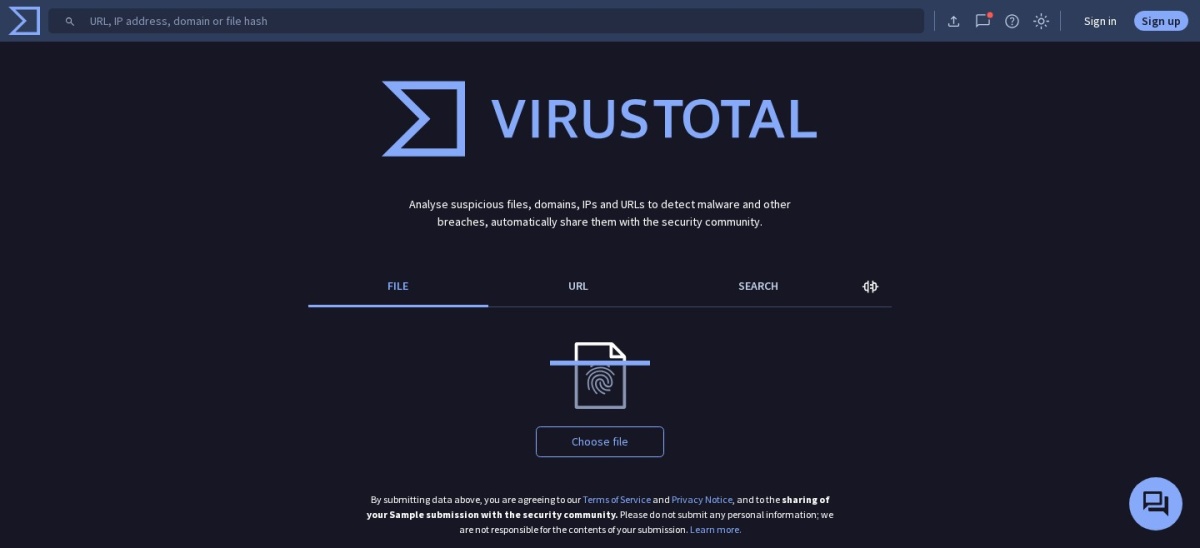
VirusTotal is a Google service that checks files, URLs, domains and IP addresses against many security vendors and shares results with the security community. The free Community plan covers casual lookups, and the Lite plan starts from $5,000 a year for non-commercial use.
The trade off is scope and price. VirusTotal checks a single item rather than searching the whole internet, and paid tiers are priced for teams, not individuals. It suits anyone who needs a fast second opinion on one suspicious file, link or address.
What we like
Rated 4.7 out of 5 on G2 from 35 reviews
Fast checks on files, URLs, IPs and domains
Free Community plan for casual lookups
Results shared with the security community
Watch out for
Not an internet-wide search engine
Lite plan is non-commercial only, from $5,000 a year
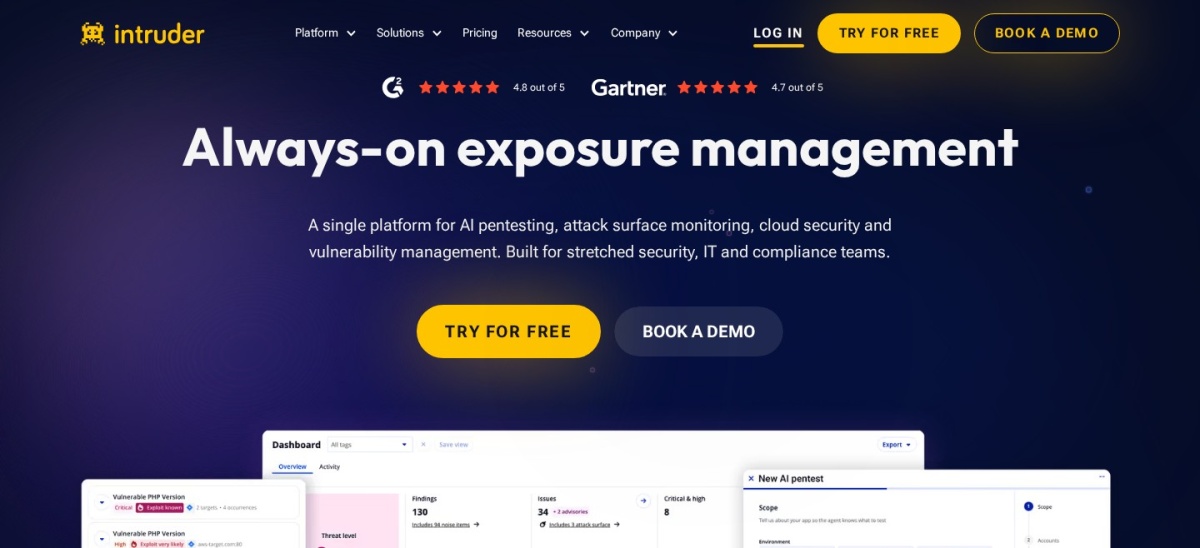
Intruder is a vulnerability scanner for your own systems rather than a search engine for the whole internet, checking servers, cloud accounts and web apps for known flaws. The free tier covers 1 cloud account, and Essential adds 5 infrastructure licences and 1 scheduled scan a month.
The trade off is the job it does. Intruder finds weaknesses in systems you own instead of showing what strangers can see about you online. It suits small teams that want scheduled scans of their own estate beside an exposure search tool.
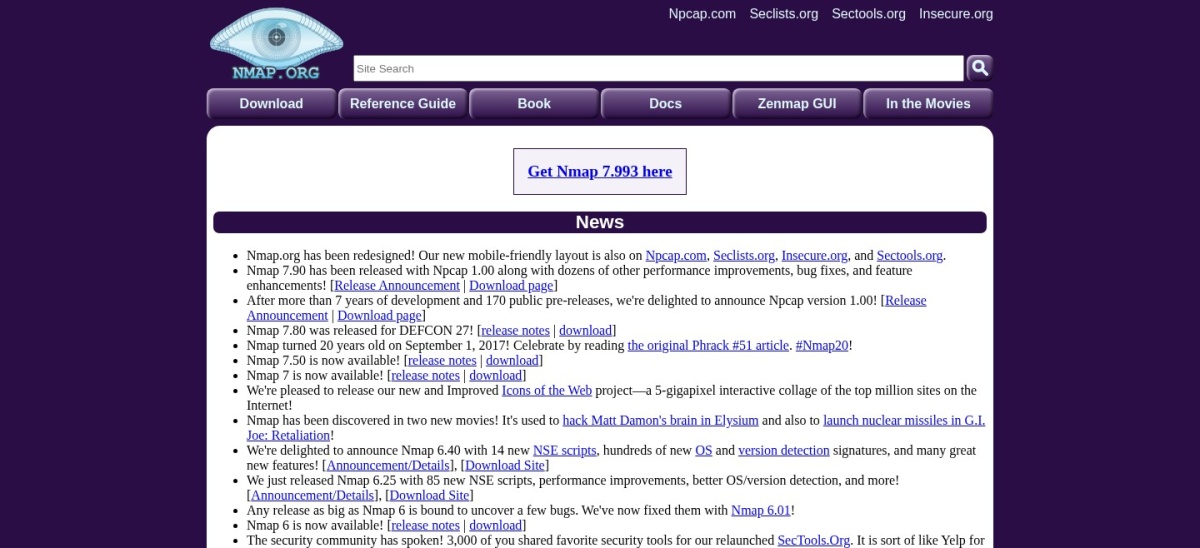
Nmap is a free, open-source network scanner that maps hosts, lists open ports and identifies services on a network you control. It costs nothing, runs on Windows, macOS and Linux, and its scripting engine extends it to service detection and vulnerability checks.
The trade off is that it is a tool, not a database. Nmap only sees the network you point it at, so it cannot show internet-wide exposure the way Shodan or Censys can. It suits admins and researchers who want a free scanner they run themselves.
What we like
Free and open source
Fast port and host discovery
Runs on Windows, macOS and Linux
Scripting engine for deeper checks
Watch out for
Only scans networks you point it at
Command line is the main interface
There is no paid plan; support comes from the communityVisit nmap.org
08
Tenable Nessus
4.5/5on G2 (321 reviews, checked Nov 2026)
Paid from$4,790/yr
Best for deep vulnerability checks
Free planEssentials, 16 IPs
Paid planProfessional, $4,790/yr
LicencePer scanner
Scan targetHosts and networks
tenable.com
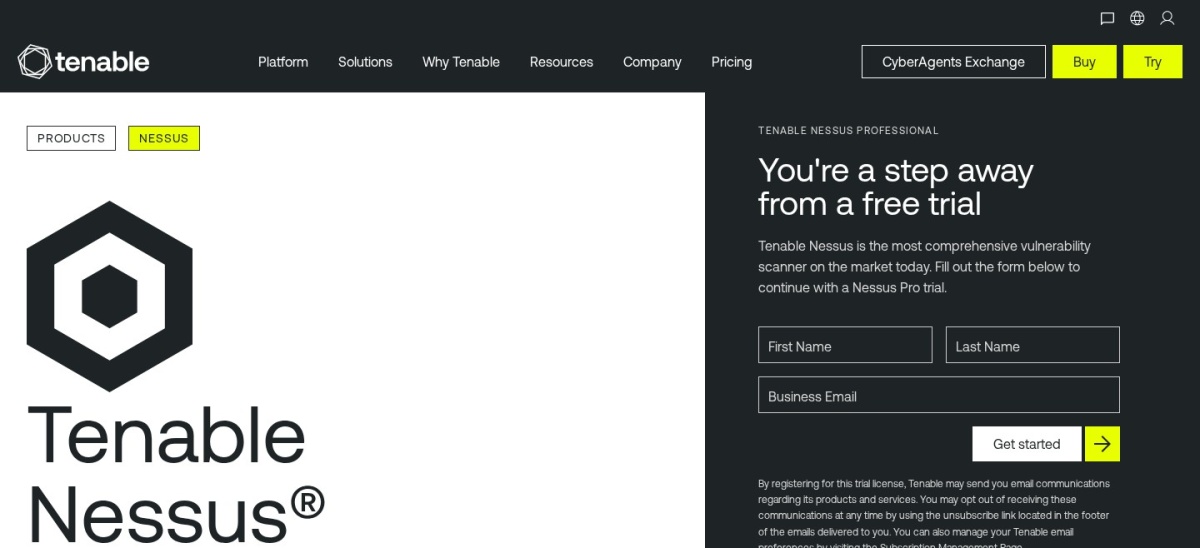
Tenable Nessus homepage, captured Nov 2026.
Tenable Nessus is a vulnerability scanner that checks hosts and networks for known flaws, misconfigurations and missing patches. Nessus Essentials is free for up to 16 IPs for non-commercial use, and Nessus Professional costs $4,790 a year.
The trade off is price and scope. Professional is the dearest single-scanner licence in this list, and Nessus scans systems you own rather than searching the internet. It suits teams that need thorough vulnerability checks after an exposure search flags a host.
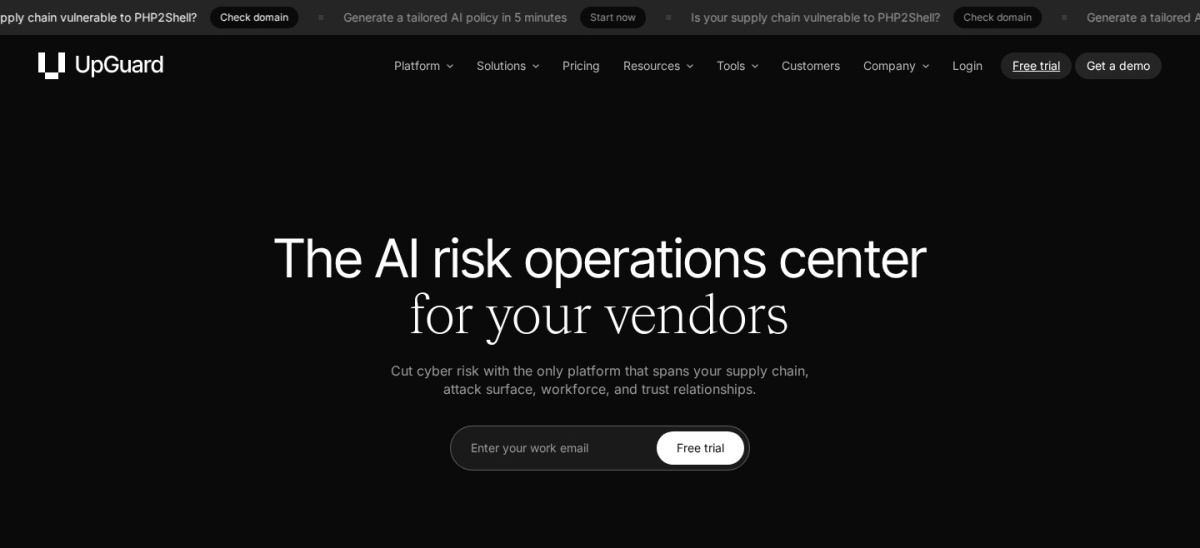
UpGuard is a third-party risk and attack-surface platform that monitors vendors and your own exposed assets continuously, rather than a one-off search engine. The Basic plan costs $5,999 a year, with higher tiers priced on request, and there is no free plan, only a trial.
The trade off is price and fit. UpGuard is built for vendor risk first, so a team that only wants Shodan-style search will pay for monitoring it may not need. It suits larger teams that want continuous exposure and vendor monitoring in one place.
Seven of the nine tools in this list cost nothing to start. Censys, GreyNoise, Criminal IP, ZoomEye, VirusTotal, Intruder and Nmap all have a free tier or a free plan, and Nessus Essentials is free for up to 16 IPs.
Free tiers cover lookups, not depth. Bulk exports, longer data recall, scheduled scans and API quotas sit on paid plans in most tools here, so a free tier works best for occasional checks.
Trials are not free plans. UpGuard has no free plan, only a trial, so budget for its $5,999 Basic plan before you rely on it.
The cheapest paid step in this list is ZoomEye Personal at $708 a year, or $190 on its current offer, and the dearest is UpGuard Basic at $5,999 a year. That gap is the cost of continuous monitoring: tools that watch exposure all the time charge for it.
How we chose
We started from the tools most often named as Shodan replacements in security round-ups, then kept those with a public numeric rating and a published price or a clear quote-only position.
Prices come from each vendor's pricing page, checked on 29 November 2026. Ratings and review counts come from G2 on the same day, except Nmap, which uses PeerSpot. Where a vendor shows a sale, the list shows the regular price.
We left out BinaryEdge, which shut down on 31 March 2025, and FOFA, Netlas, Onyphe, LeakIX and FullHunt, which have no public numeric rating. No vendor paid for a place, and we do not claim hands-on testing for this list.
How to choose a Shodan alternative
Start with what you need to find, then pick the tool that searches that way.
Decide whether you need internet search or your own scans. If you need to see what strangers can find about you, pick Censys, ZoomEye or Criminal IP. If you need to check systems you own, pick Nmap, Nessus or Intruder.
Try the free tier on a real target. Search for one of your own IPs or domains first. Censys, ZoomEye and GreyNoise all have free tiers, so you can compare coverage before paying.
Check the rating base, not just the score. A 5.0 from 2 reviews is weaker evidence than a 4.5 from 705 reviews. See how to check a plugin for vulnerabilities for the same evidence-first habit.
Work out the bill at your real usage. Credits, lookups and licences price very differently at scale. Estimate a month of searches before choosing between a $79 plan and a quote-only platform.
FAQ
What is the best Shodan alternative in 2026?
Censys is the best Shodan alternative for most security teams. It searches the internet for exposed hosts, services and certificates, is rated 4.8 out of 5 on G2, and its Starter plan costs $79 a month with 500 credits.
Is there a free Shodan alternative?
Yes. Nmap is completely free, and Censys, GreyNoise, ZoomEye, Criminal IP and VirusTotal all have free tiers. Censys gives 100 credits a month and ZoomEye gives 3,000 results a month, which covers occasional checks.
What is the cheapest Shodan alternative?
Nmap costs nothing. Among paid search engines, ZoomEye Personal is the cheapest at $708 a year on its list price, or $190 on its current offer, followed by Censys Starter at $79 a month.
Censys or ZoomEye: which is better?
Censys is the safer pick for most teams, with stronger certificate and host data and a clearer credit model. ZoomEye is worth a look for device search with CVE mapping, but its 5.0 G2 rating rests on only 2 reviews.
Can I use a Shodan alternative to scan my own network?
Yes, but use a scanner for that job. Nmap maps hosts and ports for free, and Nessus or Intruder check for known flaws. Search engines such as Censys and ZoomEye show internet exposure instead.
Do Shodan alternatives show the same data as Shodan?
Mostly, but coverage differs. Each service runs its own internet scans, so the same IP can appear in one index and not another. Check your own assets in two tools before relying on one.
SaaS SEO and WordPress specialist with about 8 years of experience. Rakib compares WordPress plugins, themes, hosting and software using public pricing, documentation and user reviews. See how we rank.