Figma is the best of the Penpot alternatives for most teams, rated 4.7/5 on G2 from 1,593 reviews, with a free Starter plan and Professional at $16 an editor a month. Lunacy and Inkscape are free for solo designers, while Framer turns designs into live sites from $5 a site a month.
How we make this list: we compare pricing pages, product documentation and public user reviews, then re-check every price before each update. No product paid for a place. Disclosure.
Figma is the best Penpot alternative for most teams: free to start, $16 an editor a month, rated 4.7/5 on G2 from 1,593 reviews.
Lunacy and Inkscape are completely free, and Framer starts at $5 a site a month, so a solo designer can switch without paying.
Sketch is Mac-only with no free plan, but a $120 one-time license suits solo designers who want to own their tool.
Affinity Designer costs $69.99 once, the only one-time purchase here, and has no monthly bill.
Paid plans in this list run from $5 a month to $16 an editor a month, against Penpot's own paid plan from $7 an editor a month.
How do you choose among Penpot alternatives?
Start with how your team works, not with the feature list. A solo designer needs a different tool than a product team that shares files every day.
Free plans are the cheapest way to compare. Figma, Framer, Lunacy, Canva, Inkscape and Marvel all have a free tier, so try the shortlist on a real project before paying.
Per-editor pricing is where the bill grows. Figma charges $16 an editor a month and Sketch $12, so count seats before you commit. Our guide on importing Figma designs into WordPress shows one way a design moves toward a live site.
Vector tools and interface tools are different jobs. Inkscape and Affinity Designer draw graphics well, but only Figma, Sketch, Framer and Lunacy cover components, prototyping and handoff in one place.
Open source is not the same as free to run. Penpot is free and open source, and Inkscape is too, but both need more setup than a hosted tool when a team grows.
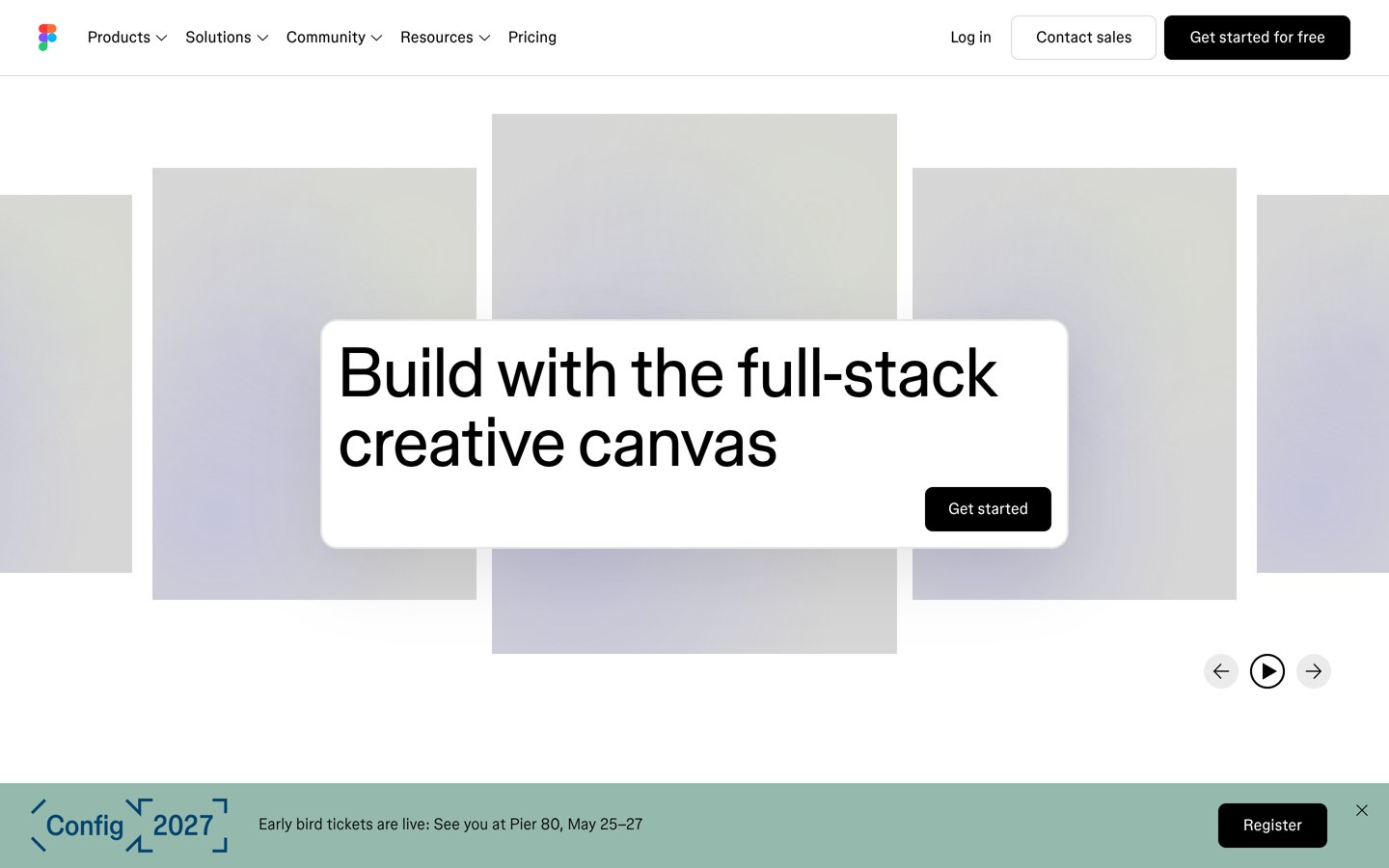
Figma is a browser-based UI design tool where teams edit the same file at the same time, with components, variables and prototyping built in. The free Starter plan covers 3 design files, and Professional costs $16 an editor a month on annual billing, with unlimited files and shared libraries.
The trade off is price at scale. Every editor needs a paid seat, so a team of five pays $960 a year, and Organization features such as SSO start at $55 a seat a month. It suits most product teams that want one shared place to design, prototype and hand off.
What we like
Free plan covers real design work
Real-time collaboration in the browser
Huge plugin and template library
Dev Mode for developer handoff
Watch out for
Per-editor pricing adds up for big teams
Needs an internet connection to work well
Professional adds unlimited files and team librariesVisit figma.com
02
Sketch
4.5/5on G2 (1,226 reviews, checked Nov 2026)
Starts at$12/editor/mo
Best for Mac-only design teams
Free planNo, 30-day trial
Paid planStandard, $12/editor/mo
PlatformmacOS only
One-time option$120 Mac license
sketch.com
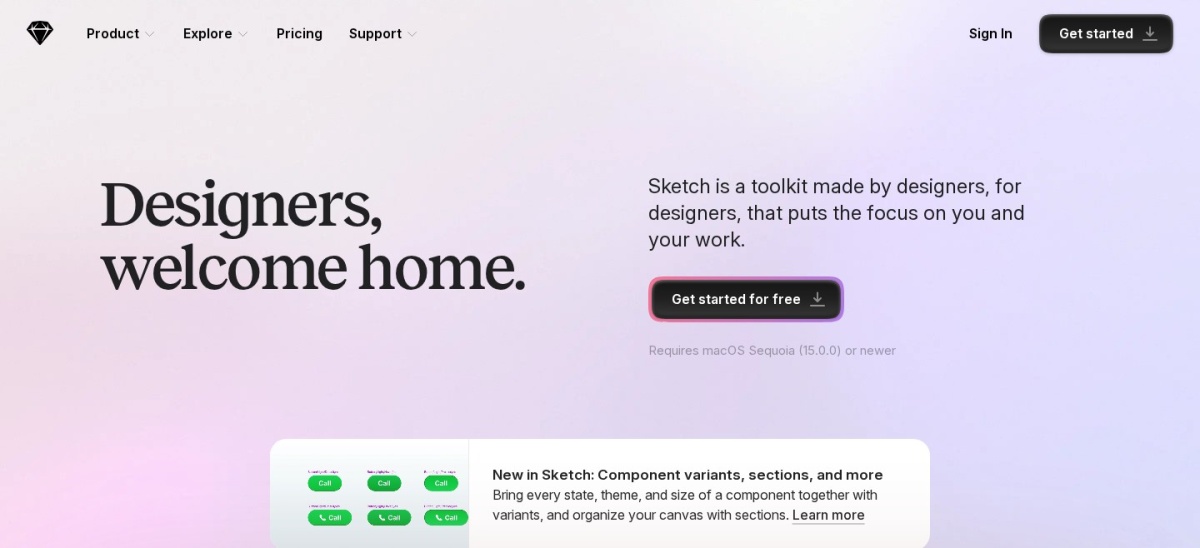
Sketch homepage, captured Nov 2026.
Sketch is a native Mac app for interface design and prototyping, with a web app for sharing and comments. Standard costs $12 an editor a month on annual billing and includes real-time collaboration, unlimited documents, version history and free developer handoff.
The trade off is the Mac requirement. There is no Windows or Linux app, and there is no free plan beyond the 30-day trial, though a one-time Mac-only license costs $120. It suits Mac-based teams that want a fast native editor with shared libraries.
What we like
Fast native Mac app, works offline
One-time $120 license for solo use
Unlimited free viewers for comments
Deep plugin ecosystem
Watch out for
Mac only, no Windows version
No free plan, only a 30-day trial
Standard adds real-time cloud collaboration and 50GB storage per editorVisit sketch.com
03
Framer
4.5/5on G2 (162 reviews, checked Nov 2026)
Paid from$5/site/mo
Best for designs that become live sites
Free planYes, framer.website subdomain
Paid planMini, $5/site/mo
PublishingOne-click live site
CMSBasic plan and up
framer.com
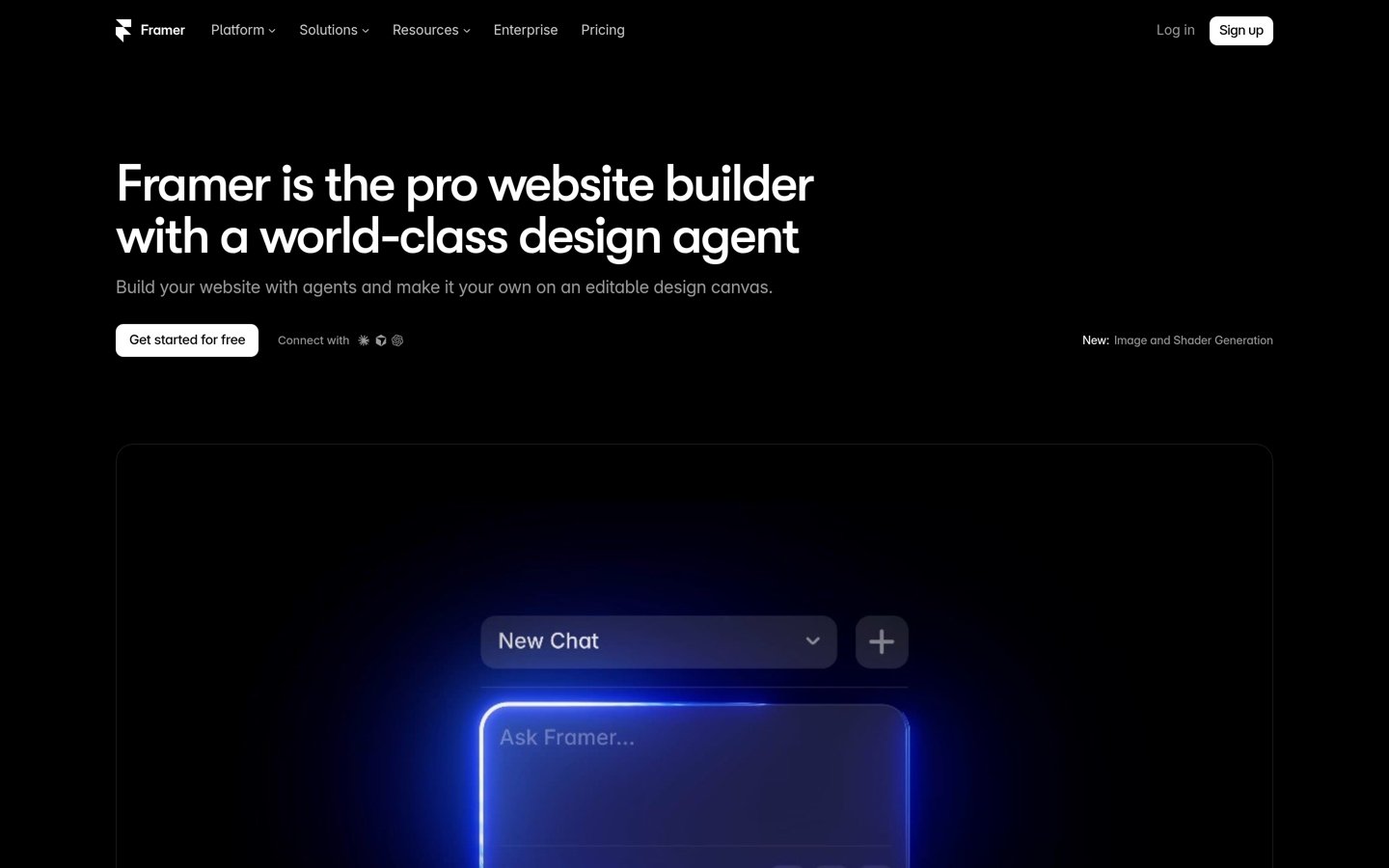
Framer homepage, captured Nov 2026.
Framer is a design tool that publishes what you build as a real website, so a design can become the finished page. The free plan covers 3 pages on a framer.website subdomain, and Mini costs $5 a site a month on annual billing with a custom domain.
The trade off is that pricing is per site, not per person. A second site needs a second subscription, and CMS collections start with Basic at $15 a site a month. It suits designers and marketers who want designs that ship as live pages.
What we like
Designs publish as real websites
Strong animation and interaction tools
Free plan for trying ideas
Cheap entry with Mini at $5 a month
Watch out for
Per-site pricing adds up for agencies
CMS needs the $15 Basic plan
Mini adds a custom domain and removes Framer brandingVisit framer.com
04
Affinity Designer
4.5/5on G2 (452 reviews, checked Nov 2026)
Paid from$69.99/one-time
Best one-time purchase, no subscription
Free planYes, free app
Paid planStandard, $69.99 one-time
PlatformWindows, macOS, iPad
CollaborationNo real-time co-editing
affinity.serif.com
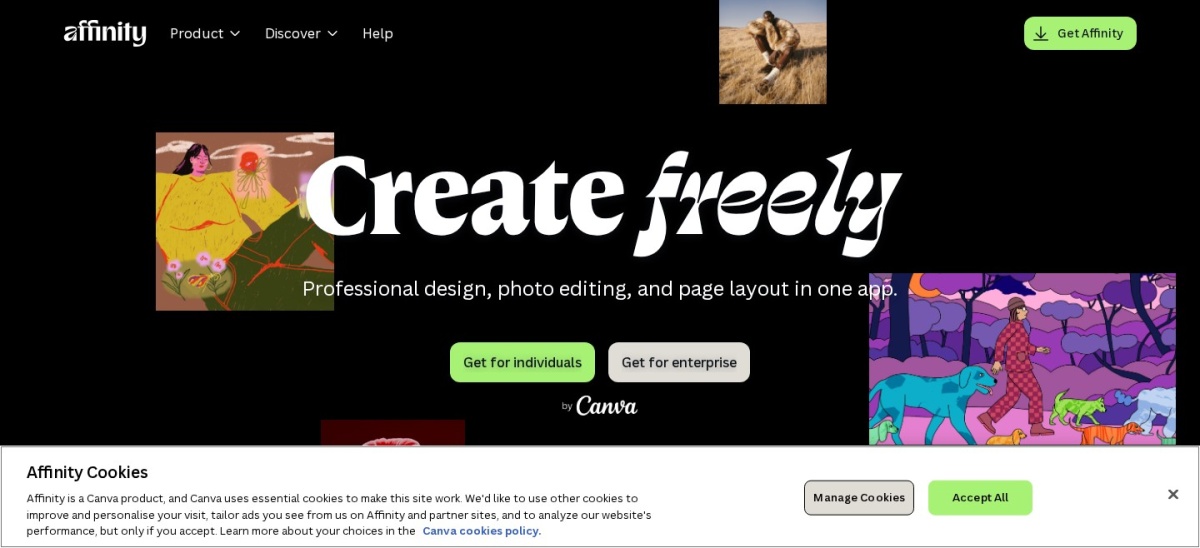
Affinity Designer homepage, captured Nov 2026.
Affinity Designer is a professional vector design app for interface work, icons and illustration, with a full set of pen, shape and artboard tools. The app is free to start, and the full version costs $69.99 as a one-time purchase with lifetime updates.
The trade off is collaboration. Affinity has no real-time co-editing or shared cloud libraries, so teams pass files back and forth instead of working in one live document. It suits solo designers who want pro vector tools without a monthly bill.
Lunacy by Icons8 is a free desktop design app for Windows, macOS and Linux that opens, edits and saves Sketch files and imports from Figma. It includes auto layout, components, real-time collaboration and prototyping, with the Icons8 library of icons, illustrations and photos built in.
The trade off is depth. Reviewers report weaker animation, prototyping depth and integrations than Figma, and occasional instability on complex files. Pro costs $11.99 a user a month billed annually. It suits freelancers and students who want a free desktop design app.
What we like
Free for personal and commercial use
Opens Sketch files and imports from Figma
Built-in icons, illustrations and stock photos
Works offline on desktop
Watch out for
Weaker animation and prototyping than Figma
Occasional instability on complex files
Pro adds editable Icons8 assets and unlimited cloud documentsVisit icons8.com
06
Canva
4.7/5on G2 (7,660 reviews, checked Nov 2026)
Paid from$120/yr
Best for template-led design work
Free planYes, 5GB storage
Paid planPro, $120/yr
Brand KitPro only
Vector toolsNo true pen tool
canva.com
Canva homepage, captured Nov 2026.
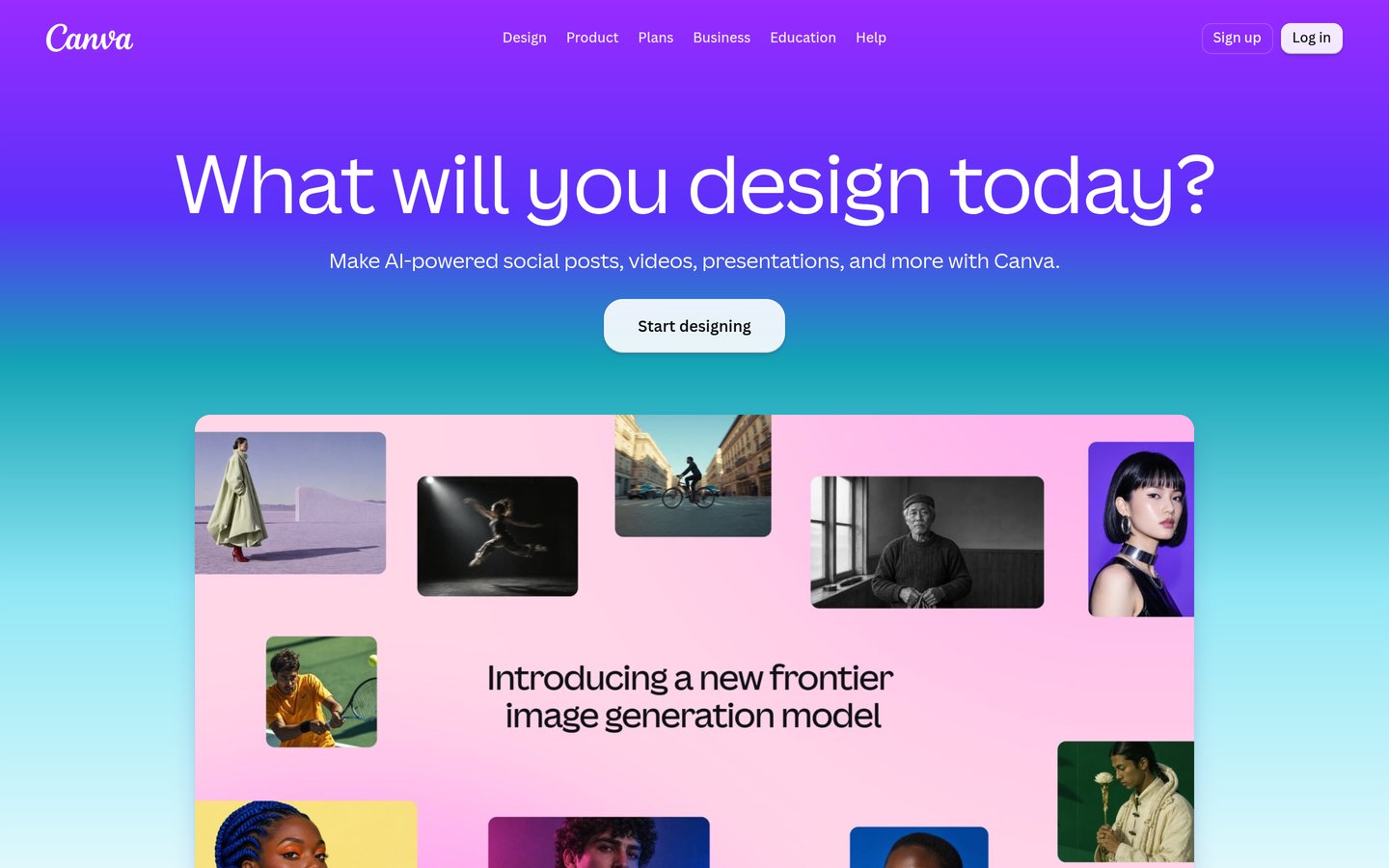
Canva is a browser-based design platform with thousands of templates for social posts, decks, logos and marketing graphics. The free plan covers the core editor and a large template library, and Pro adds a brand kit, a background remover and one-click resize at $120 a year.
The trade off is control. Canva has no true vector pen tool or component system, so interface screens built in Canva do not scale or update like ones drawn in Figma, and the best templates sit behind Pro. It suits non-designers and small teams making marketing visuals fast.
What we like
Easiest tool here for non-designers
Huge template and stock library
Brand Kit keeps visuals consistent
Free plan covers everyday design
Watch out for
No real vector pen tool or components
Weak for interface design and prototyping
Pro adds a brand kit, premium templates and 1TB storageVisit canva.com
07
Inkscape
4.4/5on G2 (416 reviews, checked Nov 2026)
PriceFree
Best free open-source vector editor
Free planYes, fully free
Paid planNone, open source
PlatformWindows, macOS, Linux
File formatSVG native
inkscape.org
Inkscape homepage, captured Nov 2026.
Inkscape is a free, open-source vector graphics editor for logos, icons, illustrations and diagrams, with strong SVG support. It runs on Windows, macOS and Linux, costs nothing, and has no paid plan, so there is no upgrade to buy.
The trade off is interface design. Inkscape has no components, auto layout, prototyping or real-time collaboration, so it cannot replace Penpot for product teams. It suits solo designers who need free vector tools for graphics rather than app screens.
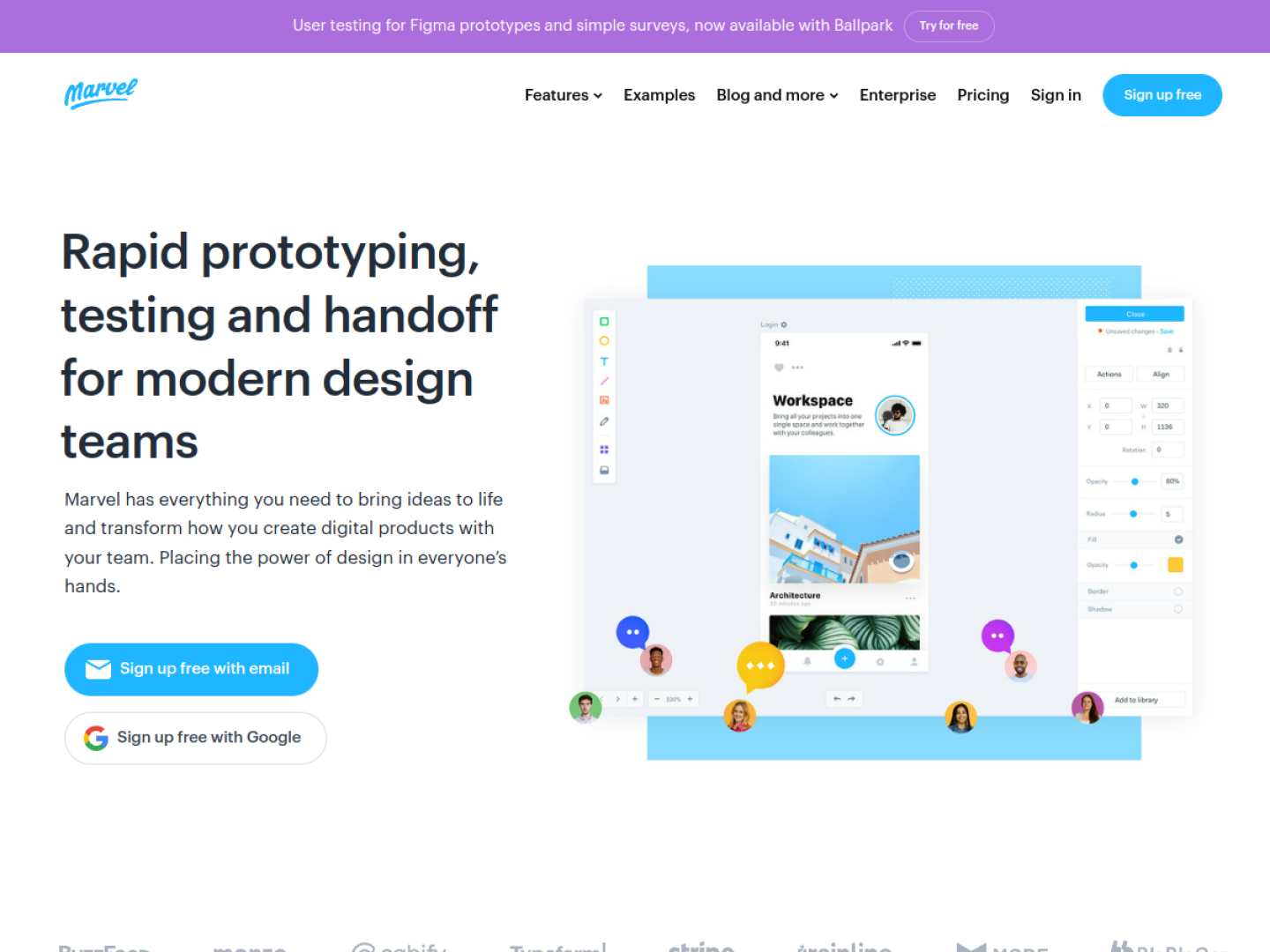
Marvel is a simple web tool for turning static screens into clickable prototypes, with commenting, user testing and developer handoff built in. The free plan covers one user, and Pro costs $12 a user a month on annual billing with unlimited projects and 3 active user tests.
The trade off is depth. Marvel has no built-in design editor to match Figma or Sketch, so you import screens made elsewhere, and advanced prototyping logic is limited. It suits teams that already design elsewhere and need fast, shareable prototypes.
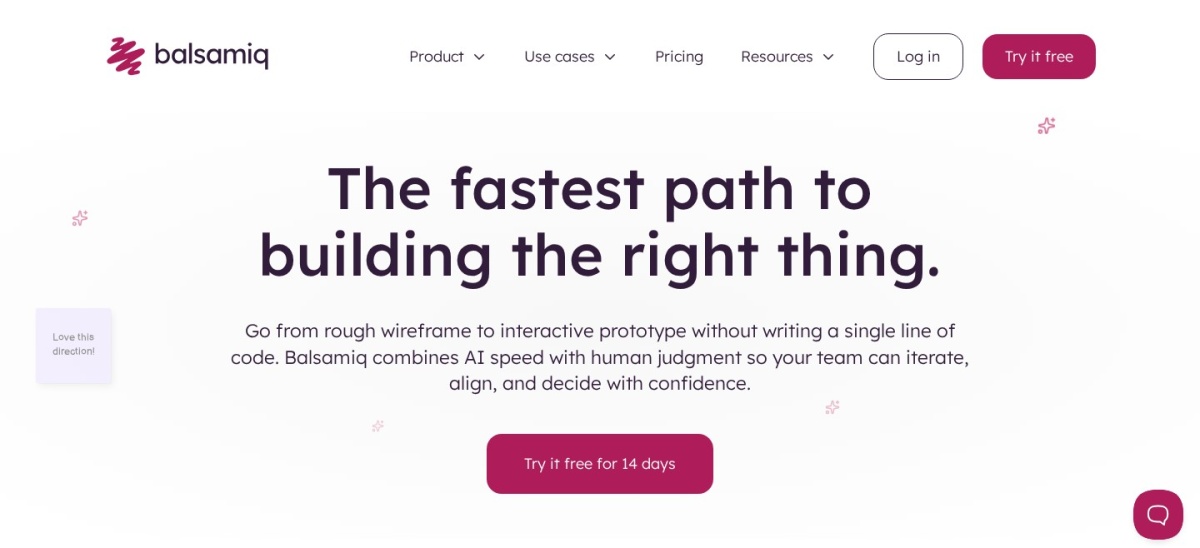
Balsamiq is a wireframing tool for sketching screens fast, with a hand-drawn style that keeps reviews focused on layout instead of colors. Starter costs $16 an editor a month billed annually, or $192 a year, for up to 10 projects with unlimited reviewers, and the trial runs 14 days.
The trade off is fidelity. Balsamiq makes rough wireframes on purpose, so it cannot produce the polished, interactive designs that Figma or Penpot can. It suits early-stage work where the team needs to agree on structure before visual design.
Free plans cover real work here. Figma, Framer, Lunacy, Canva, Inkscape and Marvel all let you design without paying.
Paid plans mostly add seats, storage and publishing. Figma's Professional removes the 3-file cap, Framer's Mini adds a custom domain, and Marvel's Pro adds user testing.
A one-time purchase is the third route. Affinity Designer costs $69.99 once and Sketch offers a $120 Mac license, so the bill stops after the first payment.
If you only need graphics, stay free. Inkscape costs nothing and covers vector work, but it cannot prototype an app screen.
How we chose
We started from the design tools teams actually name when they leave Penpot: Figma, Sketch and Framer first, then free and one-time options that cover the same interface work.
Prices come from each vendor's pricing page, checked on 29 November 2026. Ratings and review counts come from G2 on the same day. Where a vendor shows a sale, the list shows the regular price.
We left out tools with no public rating and tools that no longer sell a design product. No vendor paid for a place, and we do not claim to have used these tools ourselves.
How to choose a Penpot alternative
Start with your team size and how you publish, then test the free plan on a real project.
Count the editors first. Figma and Sketch charge per editor, so a five-person team pays five seats. Free tools like Lunacy and Inkscape remove that bill entirely.
Try the free plan on a real screen. Figma Starter, Framer, Lunacy and Marvel all have free tiers. Build one screen and share it before you pay.
Check the handoff your developers need. Figma and Sketch give developers specs and assets to inspect. Canva and Inkscape do not, so they suit graphics work instead.
Decide between subscription and one-time. Affinity Designer at $69.99 once and Sketch's $120 Mac license end the monthly bill, while Figma and Framer keep charging per seat or per site.
FAQ
What is the best Penpot alternative?
Figma is the best Penpot alternative for most teams. It has real-time collaboration, components, variables and Dev Mode handoff in one browser tool, a free Starter plan, Professional at $16 an editor a month, and a 4.7 out of 5 rating on G2 from 1,593 reviews.
What is the best free alternative to Penpot?
Lunacy is the best free alternative to Penpot for solo designers. It is a free desktop app for Windows, macOS and Linux that opens Sketch files, imports from Figma and includes prototyping. Inkscape is also free, but it is a vector editor without prototyping or collaboration.
How much do Penpot alternatives cost?
Paid plans in this list run from $5 a site a month for Framer Mini to $16 an editor a month for Figma Professional. Affinity Designer costs $69.99 once with no subscription, and Lunacy, Inkscape and Canva all have free plans that cover real work.
Is there a Penpot alternative with a one-time purchase?
Yes. Affinity Designer costs $69.99 once for the full version with lifetime updates, and Sketch sells a $120 one-time Mac-only license with a year of updates. Both suit solo designers who want to stop paying a monthly bill.
Which Penpot alternative is best for beginners?
Canva is the easiest Penpot alternative for beginners. Its template-led editor needs no design training, and the free plan covers everyday graphics with 5GB of storage. Lunacy is the better free pick for beginners who want to learn real interface design.
Figma vs Sketch: which Penpot alternative is better?
Figma is better for most teams because it runs in any browser, supports real-time collaboration and has a free plan. Sketch is better for Mac-only designers who want a fast native app that works offline, with Standard at $12 an editor a month or a $120 one-time license.
SaaS SEO and WordPress specialist with about 8 years of experience. Rakib compares WordPress plugins, themes, hosting and software using public pricing, documentation and user reviews. See how we rank.