Dgraph is the best of the Neo4j alternatives for most teams, rated 4.7 out of 5 on G2 from 22 reviews, with a free open-source edition and managed cloud from $39.99 a month. Pick ArangoDB to combine graph, document and search in one engine, or TigerGraph for deep analytics on very large graphs.
How we make this list: we compare pricing pages, product documentation and public user reviews, then re-check every price before each update. No product paid for a place. Disclosure.
Dgraph leads the list at 4.7 out of 5 on G2, and it is the only top pick with a flat $39.99 monthly cloud price.
ArangoDB has the largest review base here, 4.6 out of 5 from 115 G2 reviews, and its free Community Edition covers graph, document and search.
Every tool in this list has a free plan or free tier except Amazon Neptune, which offers a 30-day trial instead.
Flat monthly prices run from $39.99 for Dgraph to $73 for FalkorDB, while Neptune, Cosmos DB, Stardog, GraphDB and Memgraph bill by usage or quote.
Two ratings rest on very small samples: Memgraph at 5.0 from 2 G2 reviews and FalkorDB at 4.5 from 7, so treat those scores with care.
How do you choose between Neo4j alternatives?
The deciding factor is usually why you are leaving Neo4j. Cost, a missing query language, cloud lock-in and scale each point to a different replacement.
Start with the query language your team already knows. Cypher-compatible tools such as Memgraph, FalkorDB and Neptune keep existing queries and drivers working, while ArangoDB and TigerGraph ask you to learn AQL or GSQL.
Free plans are real here, but they have limits. Dgraph and ArangoDB give you a free open-source edition to run yourself, and most managed clouds add a free tier with a storage or edge cap, so check the cap before you build on it.
Prices in this list are the cheapest paid plan we could verify on 29 November 2026. Usage-based tools such as Neptune and Cosmos DB have no flat price, so a small test workload can cost far less than the monthly figure shown, and a large one far more.
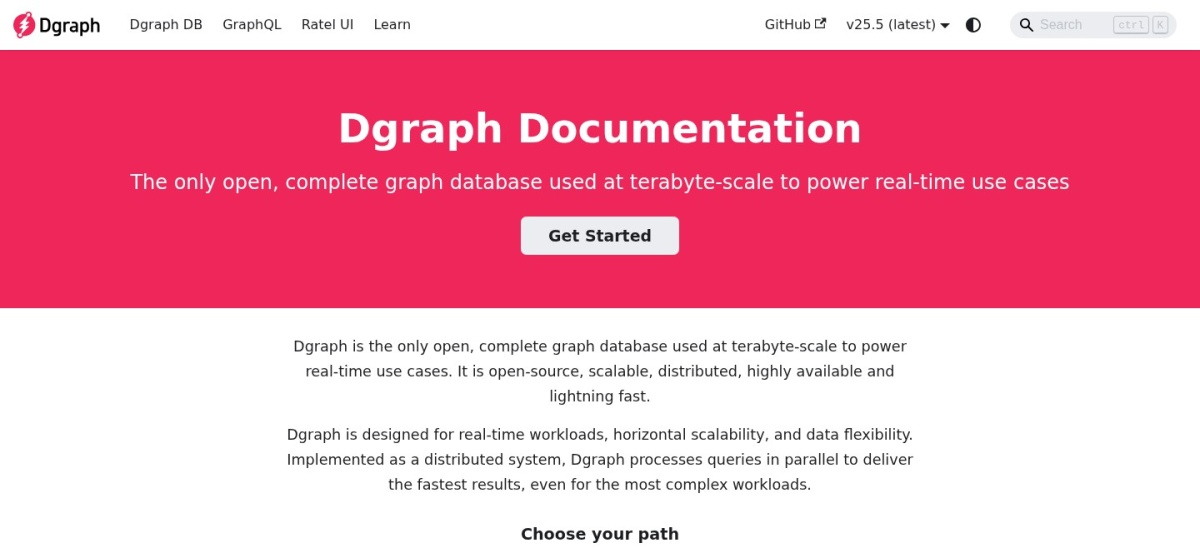
Dgraph is a distributed, open-source graph database built for real-time workloads, with native GraphQL support that turns a schema into a working API. The free open-source edition covers the full database, and Dgraph Cloud Shared Tier starts at $39.99 per backend per month, with a Dedicated Tier at $199 a month.
The trade off is the learning curve. DQL, its native query language, takes time to learn, and the ecosystem is smaller than Neo4j's, so worked examples are harder to find. It suits teams building a GraphQL API on connected data who want a flat monthly price.
What we like
Highest G2 rating in this list at 4.7 out of 5
Native GraphQL support with no extra API layer
Free open-source edition with a clear $39.99 cloud price
Watch out for
DQL takes time to learn beside GraphQL
No Cypher support, so Neo4j queries need rewriting
Smaller ecosystem than Neo4j
Dedicated Tier at $199 a month adds more capacityVisit dgraph.io
02
ArangoDB
4.6/5on G2 (115 reviews, checked Nov 2026)
PricingCustom/yr
Best for graph, document and search in one
Query languageAQL
Data modelsGraph, document, key-value, search
Free planYes, Community Edition
Paid planEnterprise, custom quote
arangodb.com
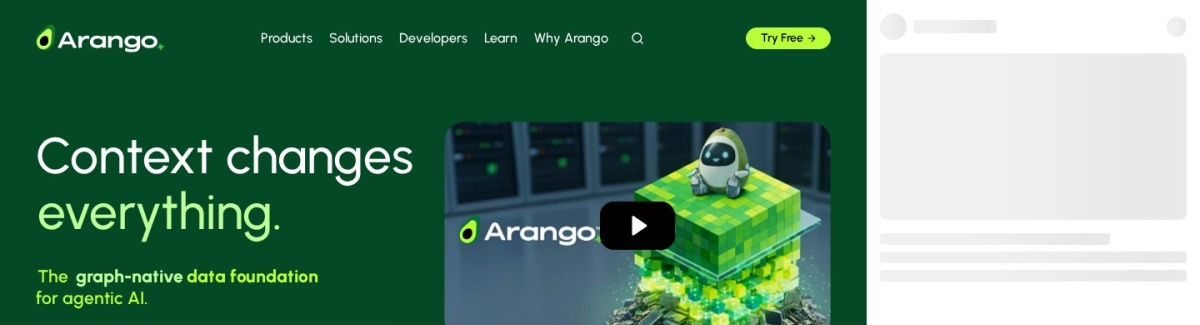
ArangoDB homepage, captured Nov 2026.
ArangoDB is a multi-model database that stores graphs, documents, key-value data and search indexes in one engine, queried with AQL. The Community Edition is free, and it carries the largest review base in this list at 4.6 out of 5 from 115 G2 reviews.
The trade off is price transparency. Enterprise and the managed ArangoGraph platform are priced by quote, so you cannot budget from a published price. It suits teams that want to replace several databases with one engine.
TigerGraph is a distributed graph database built for deep-link analytics, such as fraud rings and supply-chain risk, across billions of edges. The free Community Edition covers a single server up to 300 GB, and managed Savanna starts at $45 per GB per month.
The trade off is cost and complexity. Savanna bills per GB plus instance hours, so the $45 figure is a starting point, not a full bill, and GSQL has a steep learning curve. It suits enterprises running heavy analytics on very large graphs.
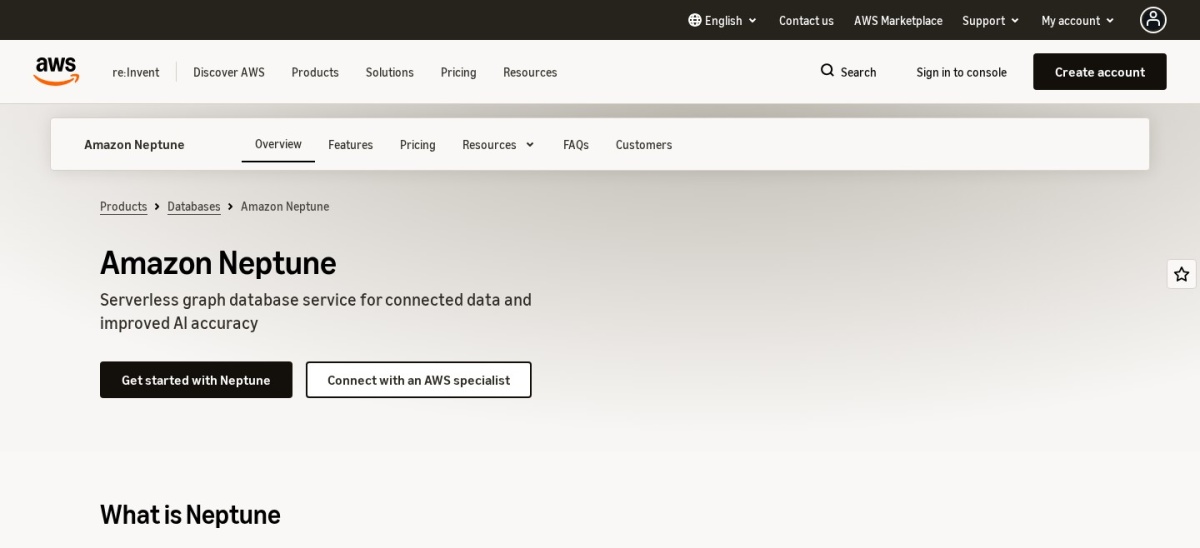
Amazon Neptune is a fully managed graph database on AWS that supports property graphs and RDF, with Gremlin, openCypher and SPARQL. The smallest on-demand instance, db.t4g.medium, costs $0.093 an hour, about $68 a month, and a 30-day trial covers 750 hours.
The trade off is that it only runs on AWS. Storage and I/O are billed on top of instance hours, so the monthly figure is a starting point. It suits AWS teams that want a graph database with no servers to run.
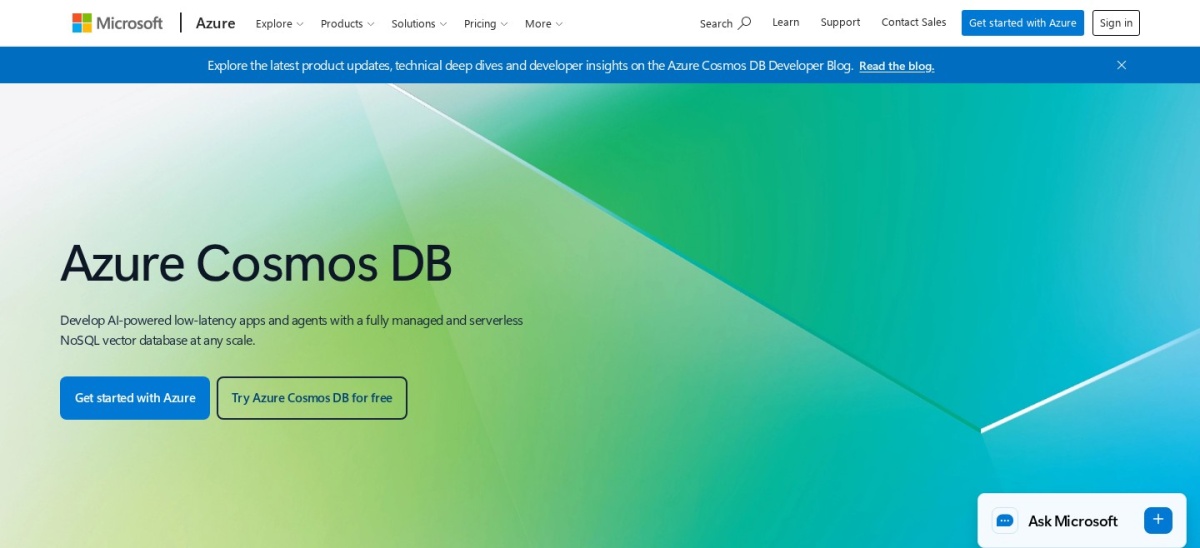
Azure Cosmos DB is a globally distributed, multi-model database with a Gremlin API for graph workloads, plus SQL, MongoDB and Cassandra APIs in the same service. The free tier covers 1,000 request units per second and 25 GB of storage.
The trade off is usage-based billing. There is no flat monthly price, and reviewers warn that costs can climb fast as traffic grows. It suits Azure teams that need a graph API beside other data models.
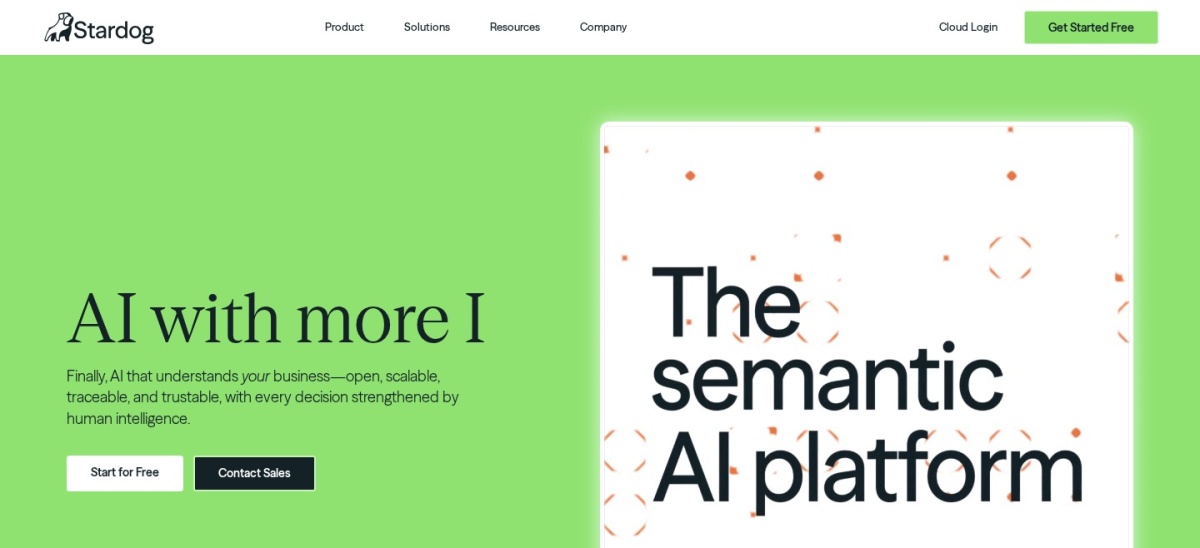
Stardog is an enterprise knowledge graph platform built on RDF and OWL, with data virtualization that queries sources where they live. Stardog Cloud Free covers up to one million edges, three databases and shared hosting.
The trade off is complexity and price. Setup takes specialist knowledge, and Enterprise pricing is by quote, so small teams cannot budget from a published price. It suits teams building governed knowledge graphs for AI.
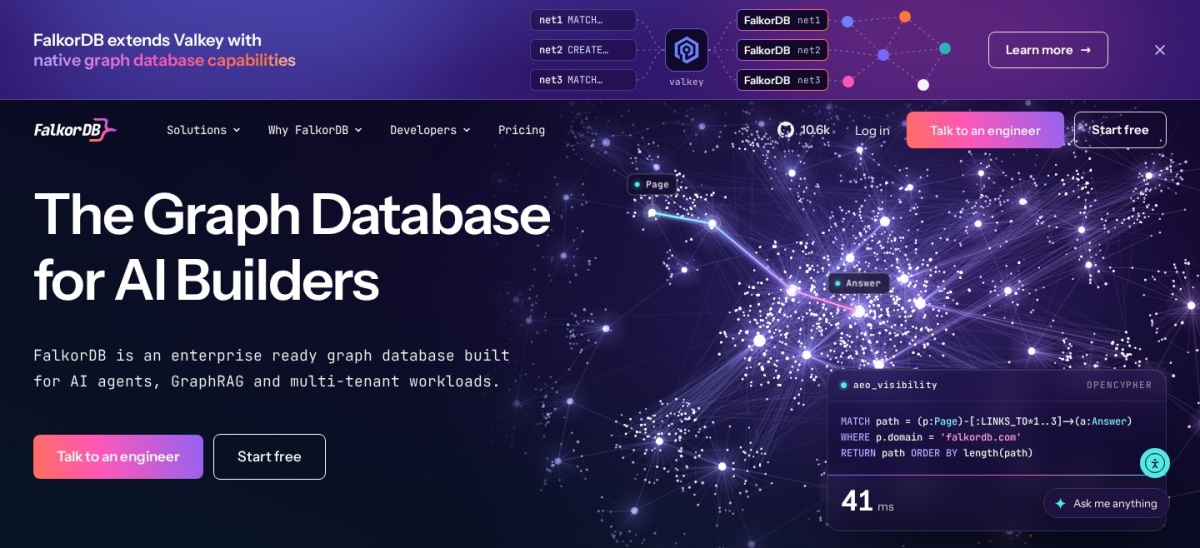
FalkorDB is an in-memory graph database built on Redis, aimed at AI agents and GraphRAG workloads that need fast multi-hop lookups. The free cloud plan covers 100 MB, and Startup starts at $73 per 1 GB per month, with Pro at $350 for 8 GB.
The trade off is capacity pricing. The bill grows with memory, and clustering and high availability start at the Pro plan. It suits small teams building agent memory or retrieval features on Cypher.
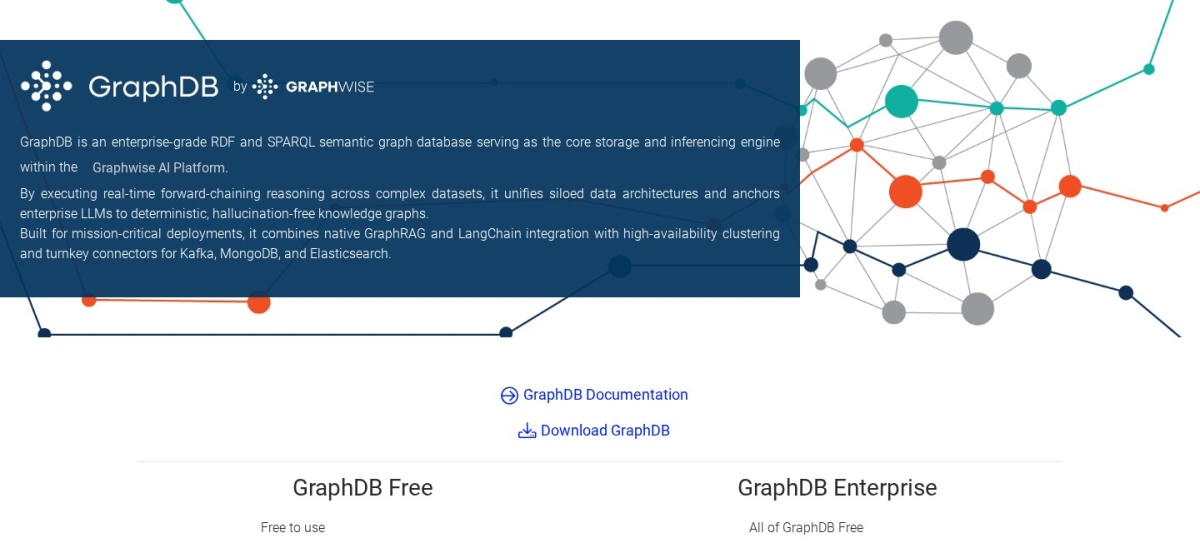
GraphDB is an RDF and SPARQL semantic graph database from Graphwise, with forward-chaining reasoning for knowledge graphs. The free edition covers five repositories with one parallel query, and Enterprise adds unlimited repositories and clustering.
The trade off is a sharp split between editions. The free edition is limited, and Enterprise is licensed per server CPU core by quote. It suits teams that need strict RDF standards and ontology reasoning.
Memgraph is a C++ in-memory graph database that speaks Cypher and the Bolt protocol, so most Neo4j clients and drivers connect with little change. The Community Edition is free, with streaming ingestion and incremental graph algorithms built in.
The trade off is memory. The graph must fit in RAM, and Enterprise features such as multi-tenancy and automatic failover are licensed by memory capacity. It suits real-time fraud detection and recommendations on streaming data.
Test your hardest queries first. A database that looks fast on a small sample can slow down on deep traversals, so run your longest paths on each shortlisted tool before you commit.
Check the licence, not just the price. Several tools here are source-available rather than open source, which can limit how you host or resell the service.
Plan the Cypher gap early. If you pick a tool without Cypher, budget time to rewrite queries in AQL, GSQL or SPARQL, and keep the old database running until the rewrite is done.
How we chose
We started from the graph databases that appear most often in Neo4j alternative lists, then kept the nine with a public numeric rating and review count on G2 or GetApp.
Prices come from each vendor's pricing page or G2 pricing data, checked on 29 November 2026. Where a vendor bills by usage or quote, the list shows Custom and explains the model in the text. Neptune's monthly figure is worked out from its $0.093 hourly rate.
We left out tools with no public rating, such as JanusGraph, Kuzu and SurrealDB. No vendor paid for a place, and we do not claim to have used these tools ourselves.
How to choose a Neo4j alternative
Match the tool to the workload first, then check the price model against your data size.
Name the reason you are switching. Cost, scale, cloud lock-in and query language each point to a different tool, so write the reason down before you compare prices.
Check query language compatibility. Memgraph, FalkorDB and Neptune support Cypher, while ArangoDB, TigerGraph, Stardog and GraphDB need a new language.
Run your hardest query on the free plan. Deep traversals and streaming writes expose limits that a feature list hides, so test with real data, not a demo set.
Price the workload, not the plan. Per-GB and usage-based tools can cost far more than their starting price once data grows, so model your size first.
FAQ
What is the best Neo4j alternative in 2026?
Dgraph is the best Neo4j alternative for most teams. It is rated 4.7 out of 5 on G2 from 22 reviews, has a free open-source edition, and its managed cloud starts at $39.99 a month with a clear flat price.
How much do Neo4j alternatives cost?
Flat monthly prices in this list run from $39.99 for Dgraph to $73 for FalkorDB, with TigerGraph at $45 per GB a month. Neptune, Cosmos DB and several others bill by usage or quote, so their cost depends on your data size and traffic.
Is there a free Neo4j alternative?
Yes. Dgraph, ArangoDB, TigerGraph, Stardog, FalkorDB, GraphDB and Memgraph all have a free edition or free tier, and Cosmos DB has a free tier too. Only Amazon Neptune has no free plan, though it offers a 30-day trial.
Which Neo4j alternative is best for beginners or small teams?
Dgraph is the easiest starting point for a small team, with native GraphQL, a free edition and a flat $39.99 cloud price. FalkorDB is also simple to start, with a free 100 MB plan and OpenCypher support.
Dgraph vs ArangoDB: which is better?
Dgraph wins on rating and price clarity, at 4.7 out of 5 on G2 with cloud from $39.99 a month, and it fits GraphQL APIs best. ArangoDB wins on breadth, combining graph, document and search in one engine, with the largest review base at 115 G2 reviews.
Can I keep using Cypher if I leave Neo4j?
Yes, with the right pick. Memgraph, FalkorDB and Amazon Neptune all support Cypher or openCypher, so most queries and drivers keep working. ArangoDB, TigerGraph, Stardog and GraphDB use different languages and need a rewrite.
Which Neo4j alternative is best for knowledge graphs?
Stardog and GraphDB are the strongest picks for knowledge graphs. Stardog adds data virtualization and RDF reasoning, while GraphDB focuses on strict RDF standards and SPARQL, and both have a free edition to start with.
SaaS SEO and WordPress specialist with about 8 years of experience. Rakib compares WordPress plugins, themes, hosting and software using public pricing, documentation and user reviews. See how we rank.