Ghost is the best of the medium alternatives for writers who want to own their site and keep every cent of membership revenue, with paid memberships built in and no platform fee. Substack is the simplest free start for a newsletter, while WordPress is the cheapest hosted route to a custom domain.
How we make this list: we compare pricing pages, product documentation and public user reviews, then re-check every price before each update. No product paid for a place. Disclosure.
Ghost is the best pick for writers who want their own site: paid memberships with a 0% fee, unlimited email sends and a free custom domain from $18 a month.
Substack is free at any list size and the fastest way to charge readers, but it keeps 10% of every paid subscription forever.
WordPress.com is the cheapest hosted route to a custom domain, with a free plan and paid plans from $4 a month.
beehiiv is the strongest choice for growing a newsletter business, with a free plan to 2,500 subscribers and a 0% cut on paid subscriptions.
Every tool here except Ghost and Squarespace has a free plan, and paid plans run from $4 to $49 a month.
How do you choose the best medium alternatives?
Ownership is the real reason to leave Medium. On Medium you rent an audience on someone else's domain, while every tool in this list gives you an address and a list you keep.
Newsletters change the maths. Substack and beehiiv put the email list first, while Ghost pairs the list with a full site, so pick the shape that matches how your readers find you.
Price is not the whole story. A free plan that takes 10% of revenue costs more than a $18-a-month plan once a paid list grows, so work out what a thousand paying readers would cost on each tool.
Design and control trade against ease. Website builders give a polished site in an afternoon, while WordPress.org gives total control at the price of running updates and hosting yourself.
Start with one tool and one audience. Moving a blog later means redirects, lost links and a rebuild, so choose the platform you can still picture using in three years.
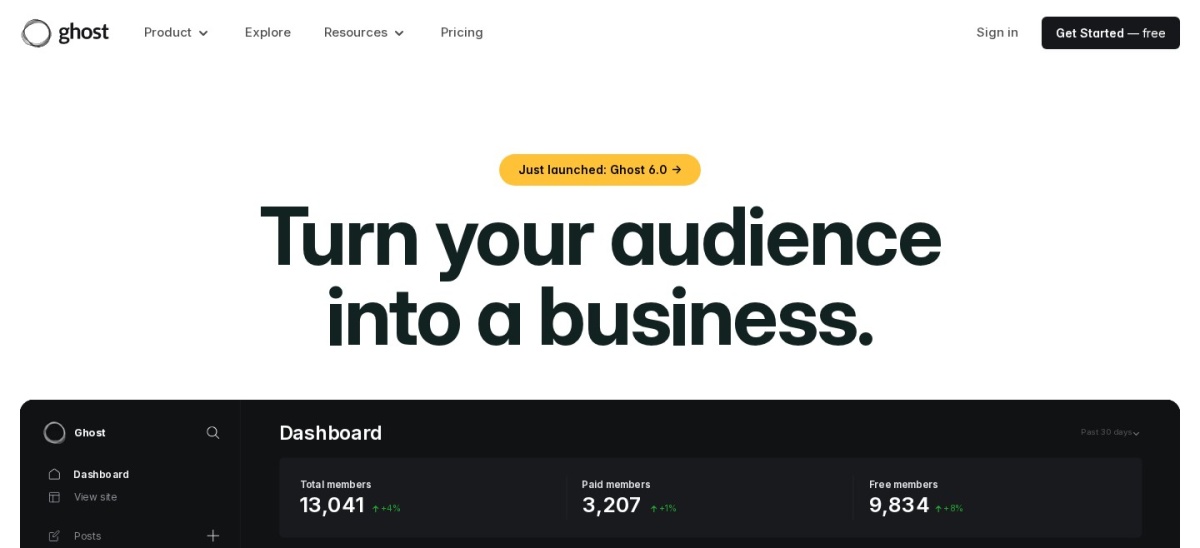
Ghost is the open-source publishing platform for writers who want a blog and a newsletter on their own domain, with paid memberships and email built in. The hosted Starter plan covers 1,000 members, unlimited email sends and a free custom domain, and Ghost takes no cut of subscription revenue.
The trade off is price and setup. Starter costs $18 a month billed yearly, there is no free hosted plan, and custom themes need the Publisher plan at $29 a month. It suits writers building a paid publication who want to keep every cent of reader revenue.
What we like
Paid memberships with a 0% platform fee
Unlimited email sends on every plan
Free custom domain on Starter
Open source, so self-hosting is free
Watch out for
No free hosted plan, only a 14-day trial
Custom themes need the $29 Publisher plan
No built-in audience like Medium or Substack
Publisher adds custom themes and advanced analyticsVisit ghost.org
02
Substack
4.3/5on G2 (17 reviews, checked Nov 2026)
Pricing10% of paid subs/yr
Best free start for a newsletter
Paid subscriptionsBuilt in, 10% fee
Custom domain$50 one time
Free subscribersUnlimited
DiscoveryRecommendations
substack.com
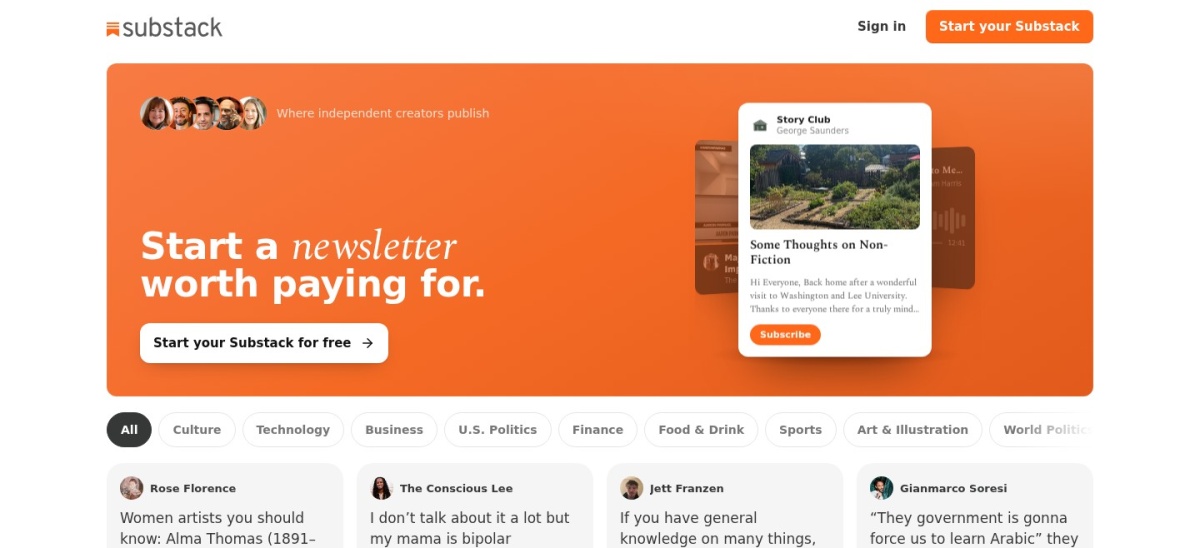
Substack homepage, captured Nov 2026.
Substack is the fastest free way to start a paid newsletter, with publishing, email and payments in one place and no monthly fee at any list size. Every post can go out as an email and a web page, the subscriber list exports as a file, and the recommendation network brings new readers.
The trade off is the 10% cut. Substack keeps 10% of every paid subscription plus Stripe processing fees, so the fee grows with revenue and never caps. It suits writers who want zero setup and a built-in audience more than full control of their site.
What we like
Free at any list size
Built-in discovery through recommendations
Subscriber list exports as a file
Watch out for
10% cut of paid subscriptions, uncapped
No real theme or design control
Custom domain costs $50 and changes only the web address
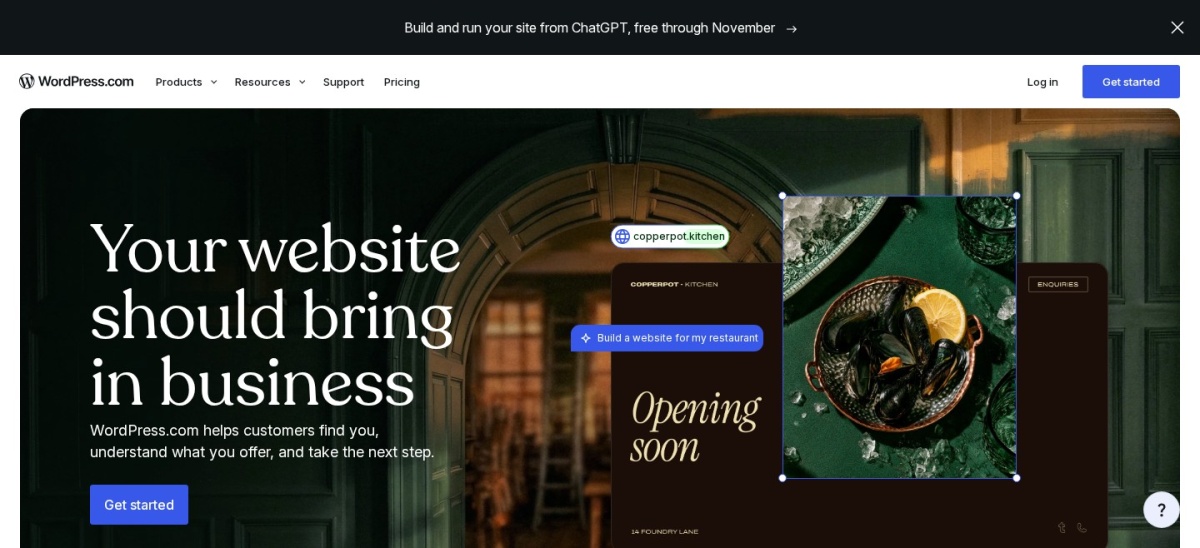
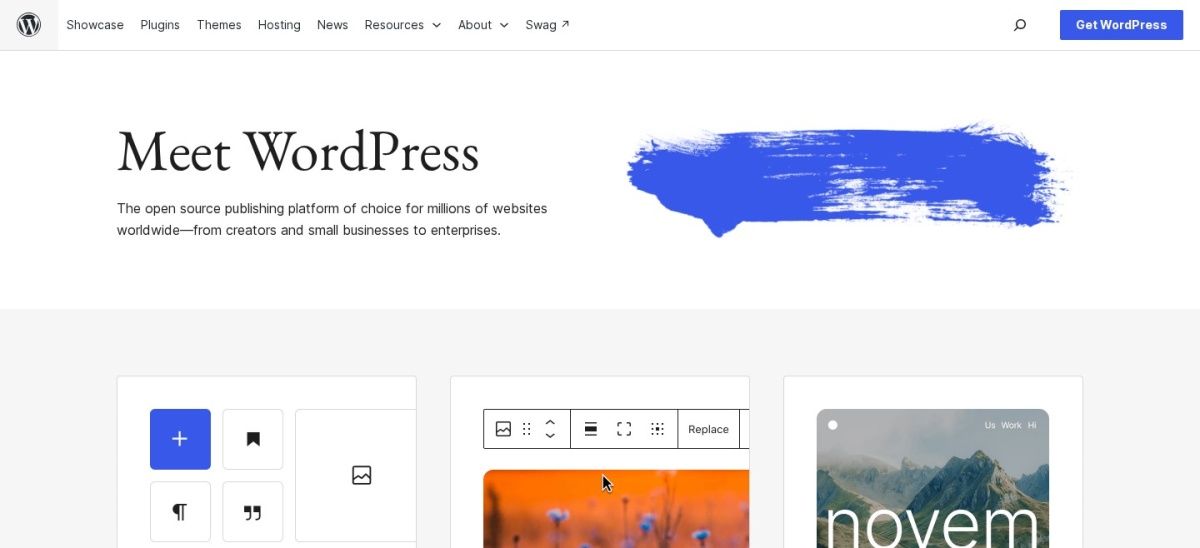
WordPress.com is the hosted version of WordPress, the software that powers 43 percent of the web, with hosting, security and backups handled for you. The free plan covers a basic blog, and paid plans add a custom domain, more storage and access to plugins.
The trade off is control on the cheap plans. WordPress.com ads appear on free sites, and installing plugins needs the Personal plan at $4 a month. It suits beginners who want WordPress without managing hosting or updates.
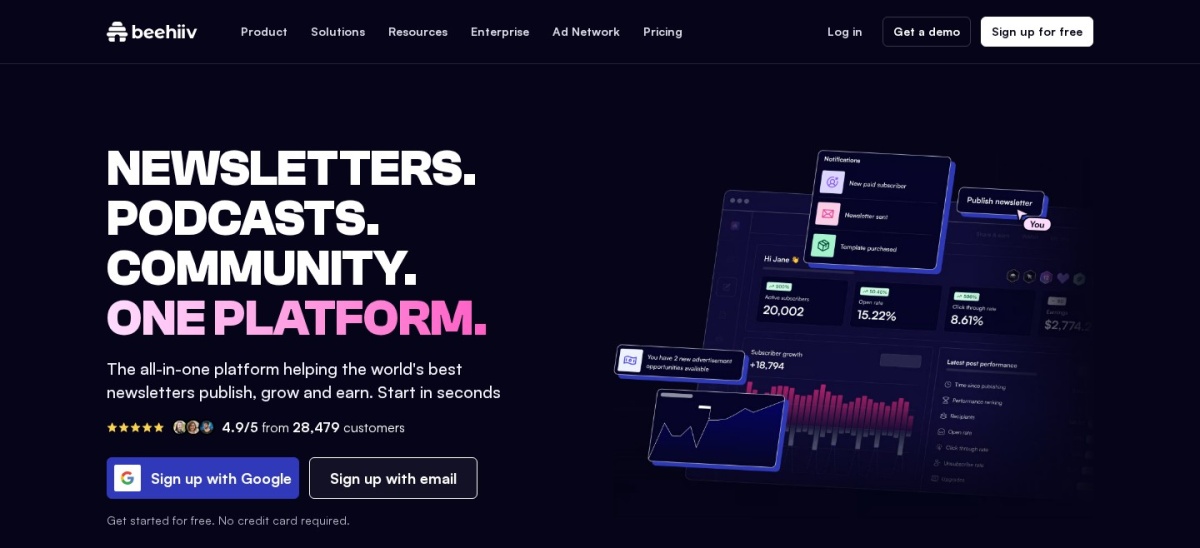
beehiiv is a newsletter platform built for creators who want to grow and monetize a list, with a website, analytics and an ad network in one place. The free plan covers up to 2,500 subscribers with unlimited sends, and paid plans take no cut of subscription revenue.
The trade off is the price jump. Lite costs $49 a month billed yearly, which is steep for a small list, and removing beehiiv branding needs the Pro plan at $95 a month. It suits creators who plan to earn from ads and paid subscriptions.
What we like
Free to 2,500 subscribers
0% cut of paid subscriptions
Ad network and referral tools built in
Watch out for
Lite at $49 a month is steep for small lists
Removing branding needs Pro at $95 a month
Design options are more limited than a site builder
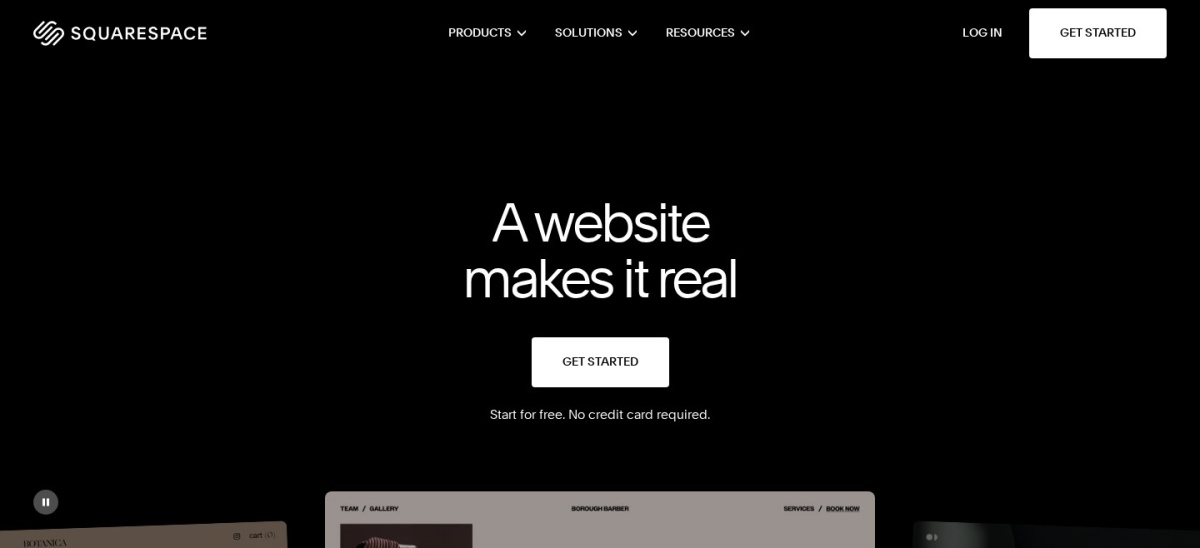
Squarespace is the website builder for design-led sites, with polished templates, built-in SEO and selling tools on every plan. A blog comes with every site, the Basic plan includes a free custom domain for the first year, and pages look finished from day one.
The trade off is the monthly cost and the trial. There is no free plan, only a 14-day trial, and Basic costs $19 a month billed annually with a 2% fee on store sales. It suits writers whose blog sits beside a portfolio or a small store.
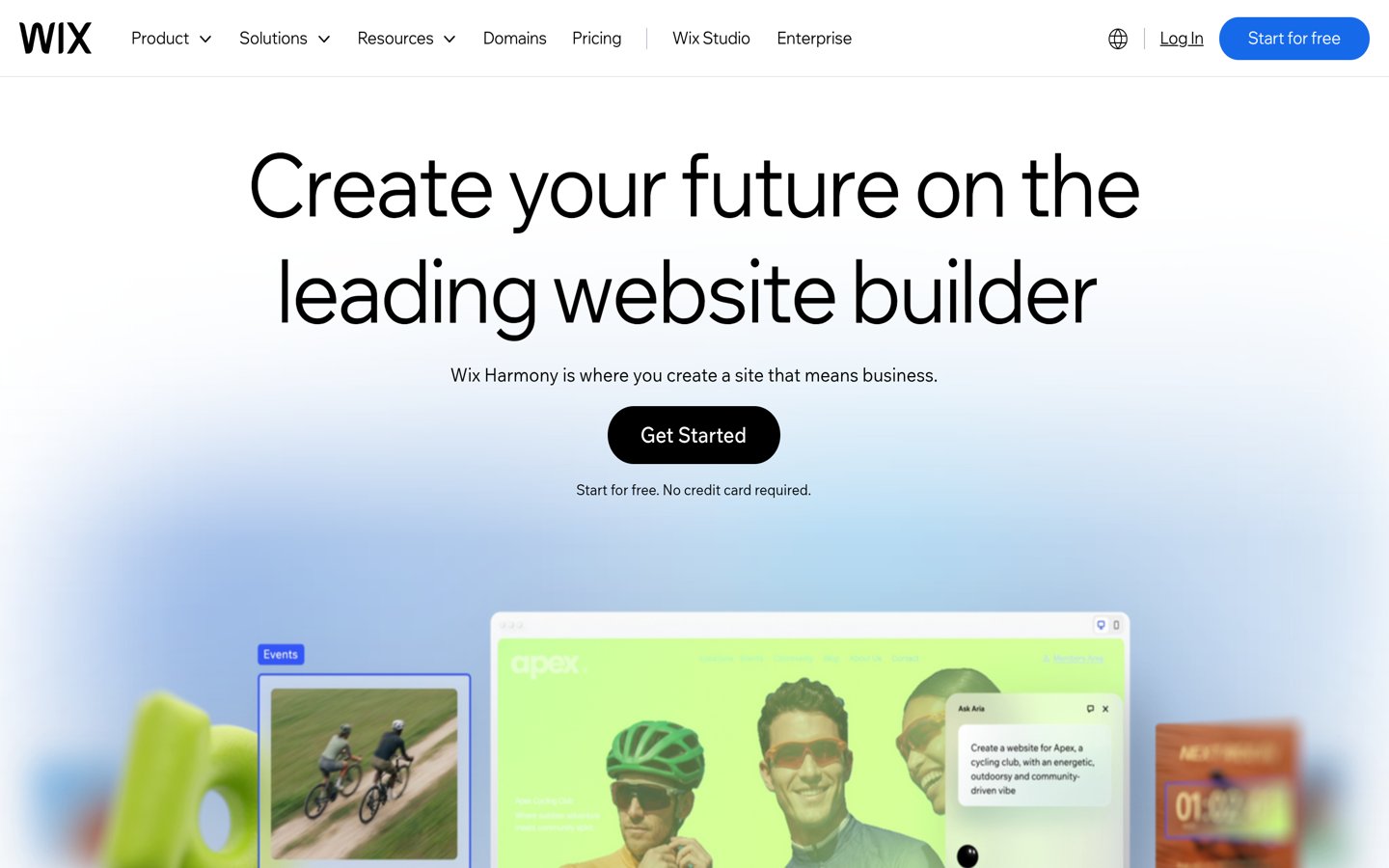
Wix is the easiest blogging platform to start on, with a drag-and-drop editor and hundreds of templates. The free plan covers a basic site, while Light at $17 a month adds a custom domain and removes Wix branding.
The trade off is that the blog is an add-on to a site builder. Serious writers get less publishing focus than on Ghost or Substack, and the cheapest plan still shows some limits on storage. It suits beginners who want a site and a blog in one place.
What we like
Free plan with hundreds of templates
Drag-and-drop editor needs no code
Custom domain from $17 a month
Watch out for
Blog is an add-on, not the focus
Storage limits on cheaper plans
Moving a site away from Wix is hard
Light adds a custom domain and removes Wix adsVisit wix.com
07
Webflow
4.4/5on G2 (995 reviews, checked Nov 2026)
Paid from$15/mo
Best for designers
Free planYes, Starter
Static pages on Starter2
Custom domainFrom Basic
CMSPremium plan
webflow.com
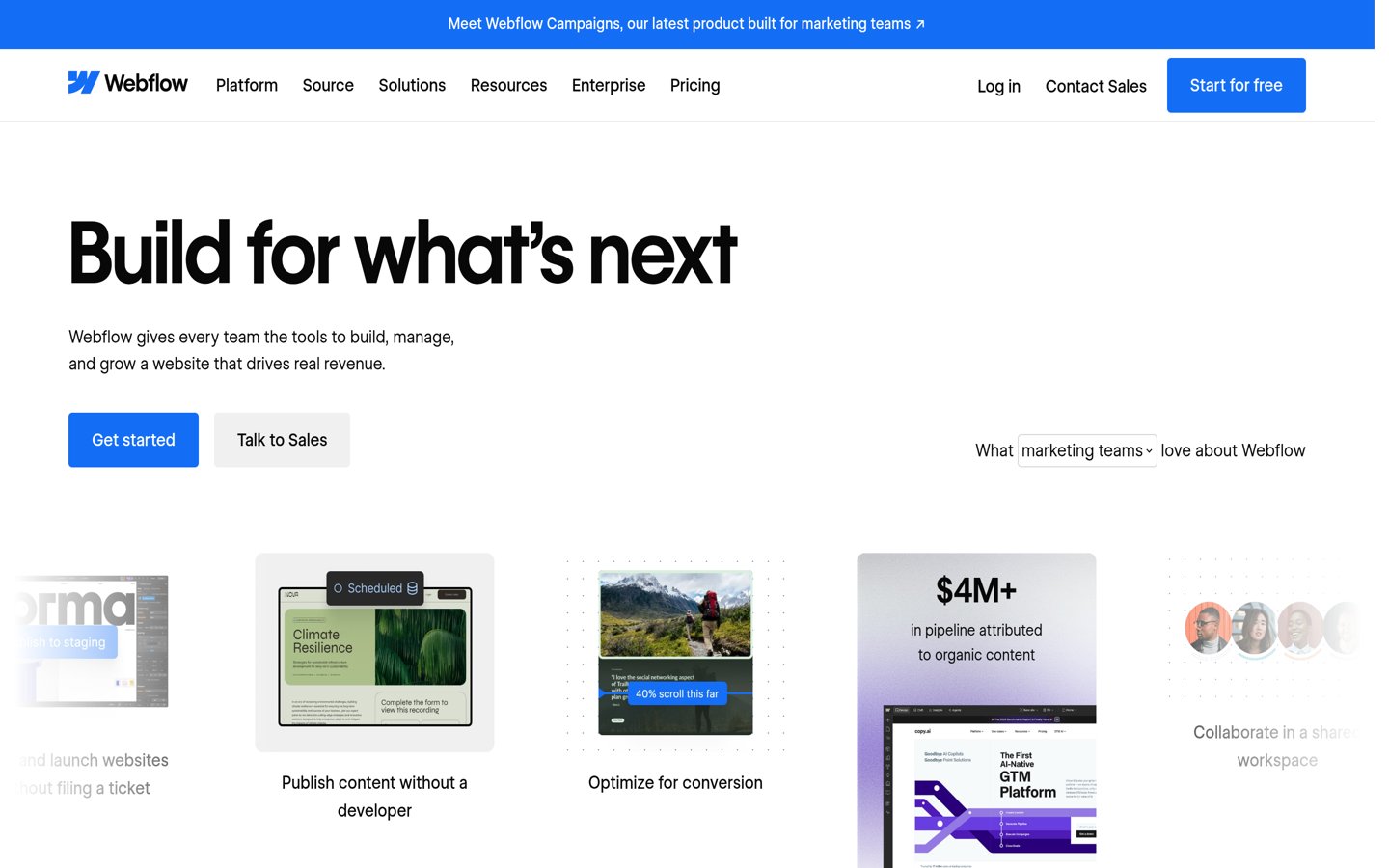
Webflow homepage, captured Nov 2026.
Webflow is a visual website builder that gives designers full control over layout without writing code, and every site includes hosting, security and a CMS on paid plans. The free Starter plan covers two static pages, and Basic at $15 a month adds a custom domain.
The trade off is the learning curve and the CMS price. The full CMS for a real blog needs the Premium plan at $25 a month billed yearly, and the editor takes time to learn. It suits designers who want a blog that looks exactly as drawn.
WordPress.org is the free, open-source software behind 43 percent of the web, and it gives a writer total control over design, SEO and monetization. You install it on your own hosting, pick from thousands of free themes and plugins, and pay no platform fee ever.
The trade off is that you run everything yourself. Hosting costs from about $3 a month, and updates, backups and security are your job unless your host handles them. It suits writers who want full ownership and room to grow without limits.
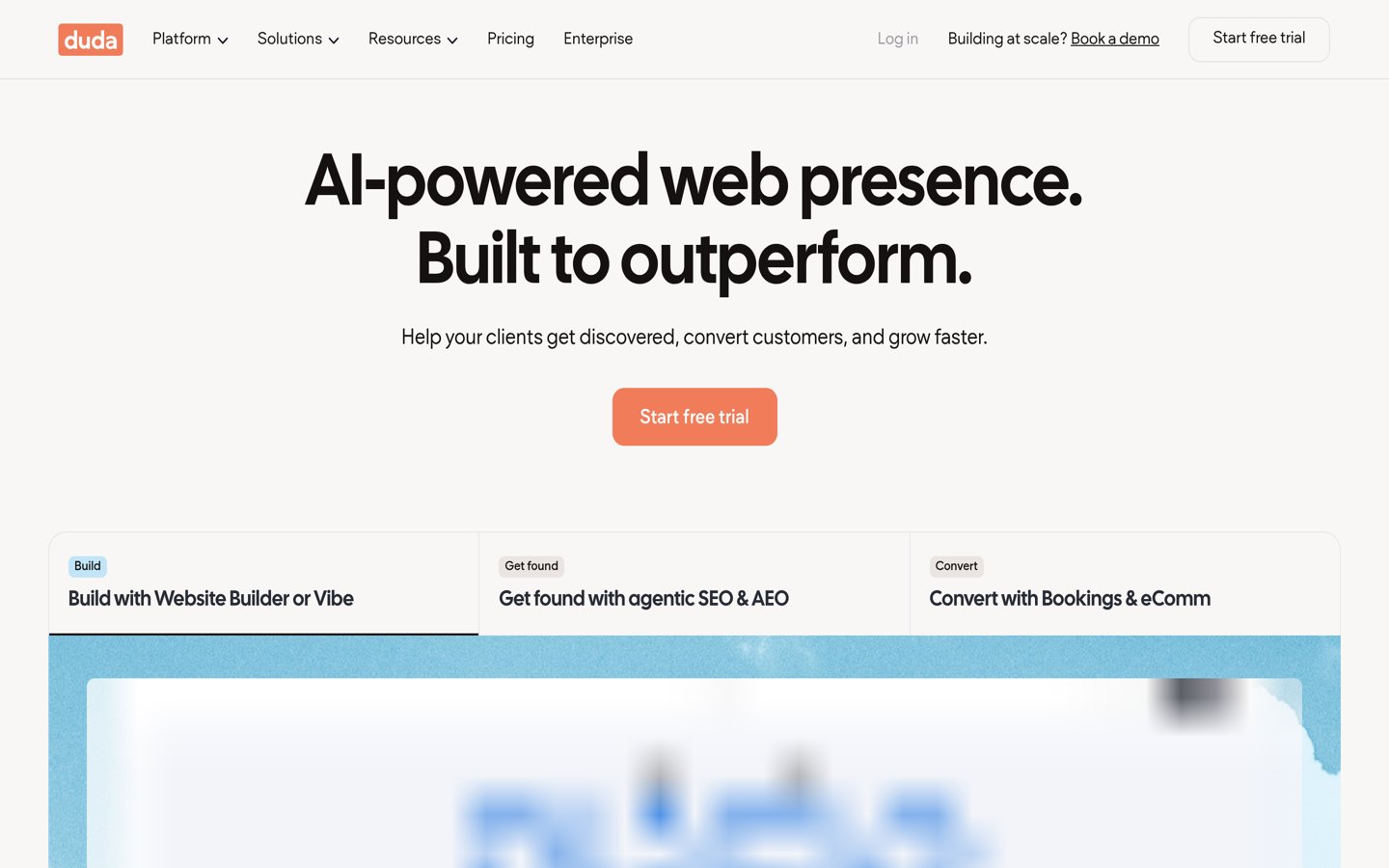
Duda is a website builder built for agencies and teams that run many client sites, with strong team tools and white-label options. Its blog tools cover posts, categories and SEO settings, and sites publish fast on its global hosting.
The trade off is that it is built for agencies first. Solo writers pay agency prices from $19 a month and get features aimed at client work they may never use. It suits small teams and agencies running blogs for several clients.
Free plans are enough to start. Substack charges nothing until readers pay, and the free plans on WordPress.com, Wix and beehiiv cover a basic blog or a small list.
Paying buys ownership and control. A custom domain, no platform branding and no revenue cut are the three things that matter most, and they start from $4 a month.
Pay when the list earns. If paid subscriptions pass a few hundred dollars a month, Ghost at $18 a month usually costs less than Substack's 10% cut.
How we chose
We started from the platforms writers name most often as Medium replacements, then kept the nine with a real publishing product, a free or low-cost start, and a verifiable rating on G2. Hashnode and Blogger were left out because neither has a verifiable rating on G2, Capterra or Trustpilot.
Prices come from each vendor's pricing page, checked on 29 November 2026. Ghost, beehiiv and Webflow prices were read on their own pricing pages today. WordPress.com, Squarespace and Wix prices were checked against their pricing pages and corroborated by two independent comparisons.
We left out tools with no verifiable rating and tools that are not publishing platforms. No vendor paid for a place, and we do not claim hands-on testing for this list.
How to choose a Medium alternative
Start with how you want readers to find you, then check what each platform takes from your revenue.
Decide whether the email list or the website comes first. Newsletter-first writers do best on Substack or beehiiv. Site-first writers do best on Ghost, WordPress.com or a builder.
Work out the real cost at your size. A 10% revenue cut beats $18 a month until paid subscriptions pass about $180 a month. Past that point, a flat monthly plan is cheaper.
Check the domain and export rules. Make sure you can use your own domain and export your subscriber list. A platform that locks either one in is a risk.
Try the free plan before paying. Publish three posts, send one email and check the analytics. If the editor slows you down, switch before the list grows.
FAQ
What is the best Medium alternative in 2026?
Ghost is the best Medium alternative for most writers in 2026. It gives you a site on your own domain, paid memberships with no platform fee, and unlimited email sends from $18 a month billed yearly. Substack is the better pick if you only want a free newsletter.
Is there a free alternative to Medium?
Yes. Substack, WordPress.com, beehiiv, Wix, Webflow and WordPress.org all have free plans. Substack is the most useful free option for writers who want to charge readers, because publishing and email cost nothing until a reader pays.
How much does Ghost cost?
Ghost Pro Starter costs $18 a month billed yearly, with 1,000 members, unlimited email sends and a free custom domain. The Publisher plan at $29 a month adds custom themes and advanced analytics. The software itself is free if you self-host it.
Substack vs Ghost: which is better for paid newsletters?
Ghost is better once paid revenue matters, because it takes no cut of subscriptions and gives you a full site on your own domain. Substack is better for starting free, since it charges nothing until readers pay and brings built-in discovery.
Can I use my own domain with a Medium alternative?
Yes, on most of them. Ghost includes a free custom domain on Starter, WordPress.com and Wix add one on paid plans, and Substack sells a custom domain for a one-time $50. Free plans usually keep you on a shared subdomain.
Which Medium alternative is best for beginners?
WordPress.com is the easiest hosted start, with a free plan and paid plans from $4 a month. Wix is the simplest if you also want a full website, while Substack is the simplest if the newsletter itself is the whole product.
SaaS SEO and WordPress specialist with about 8 years of experience. Rakib compares WordPress plugins, themes, hosting and software using public pricing, documentation and user reviews. See how we rank.