Netstock is the best inventory forecasting software for wholesale brands, because its pricing starts at a published monthly rate and it plugs into more than 60 ERP systems. Slimstock and StockIQ follow for wholesalers that want stronger automation and multi-warehouse planning.
How we make this list: we compare pricing pages, product documentation and public user reviews, then re-check every price before each update. No product paid for a place. Disclosure.
Netstock leads for wholesale brands, with a published $900 a month starting price, 60-plus ERP connectors and implementation in 6 to 10 weeks.
Slimstock is the highest rated at 4.8 on G2, built for wholesalers that want structured forecasting and automated replenishment.
StockIQ is the best pick for planner-led teams, with unlimited users and onboarding by former demand planners, though its price is quote-only.
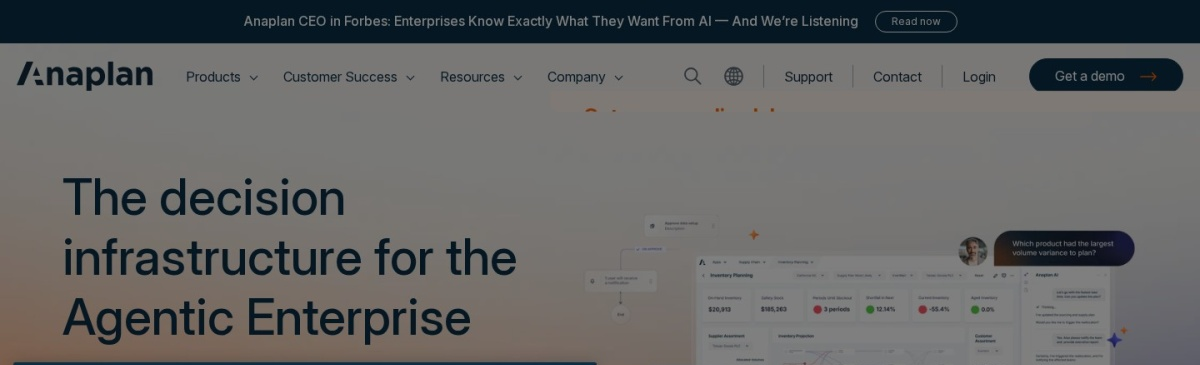
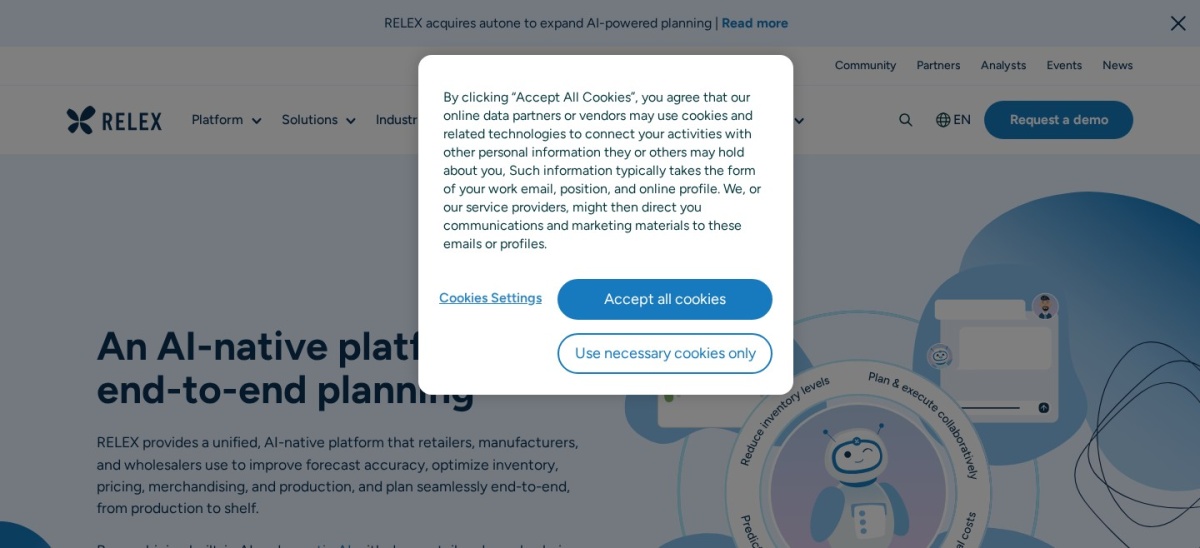
Anaplan and RELEX are the enterprise picks, with scenario planning and probabilistic forecasting, but both need months to implement.
Only Netstock publishes a starting price, so get every other quote in writing before comparing.
What should a wholesale brand look for in inventory forecasting software?
Wholesale forecasting starts with the ERP, not the forecast model. A tool that cannot read sales, stock and supplier lead times from your ERP will never forecast well, which is why Netstock's 60-plus ERP connectors and Streamline's 22 bi-directional links matter more than any single algorithm.
Safety stock is where the money sits. A wholesaler holds cash in stock, so dynamic safety stock and ABC classification turn forecasting into working capital, and the tools in this list exist to cut that stock without cutting service levels.
Promotions and seasonality break naive forecasts. Wholesale brands run trade promotions, seasonal lines and new product launches, so the forecast must model events and phase-ins, which StockIQ, RELEX and Anaplan all handle.
Only one tool here publishes a starting price. Netstock starts at $900 a month on its own pricing page, while every other platform sells by quote, so the comparison has to start with a written quote that covers licences, implementation and renewal. Our guide to inventory management software covers the stock-control side of the same problem.
The 9 best inventory forecasting software for wholesale brands
01
Netstock
4.6/5on G2 (182 reviews, checked Nov 2026)
Starts at$900/mo/yr
Best overall for wholesale brands
Starting price$900/mo
ERP integrations60+
Implementation6 to 10 weeks
Customers2,400+
netstock.com
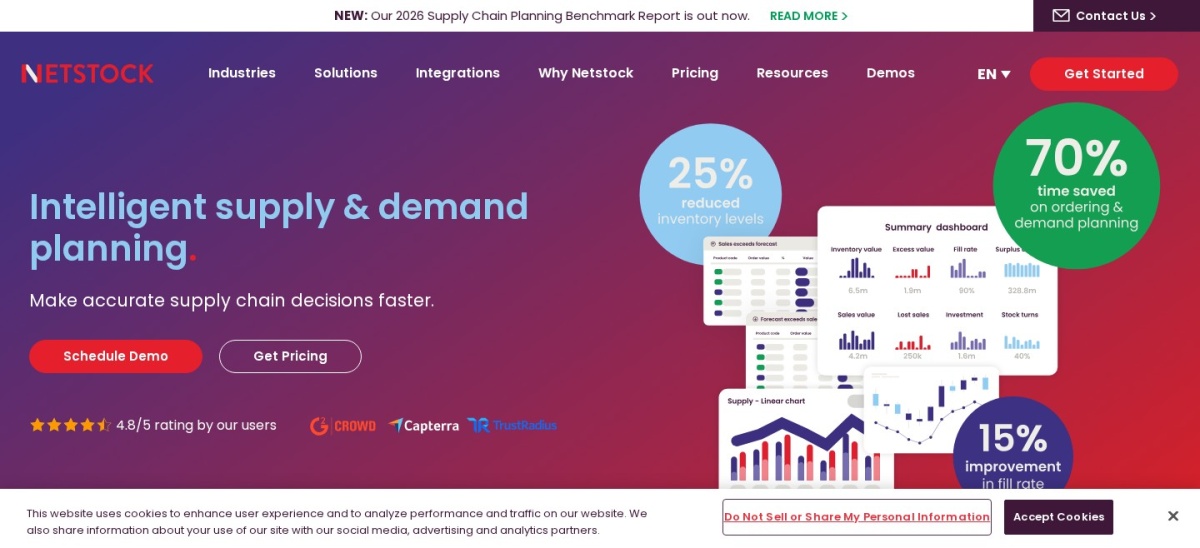
Netstock homepage, captured Nov 2026.
Netstock is the best all-round inventory forecasting tool for wholesale brands, with a published starting price of $900 a month and connectors for more than 60 ERP systems. Its AI Pack turns ERP data into demand forecasts, safety stock and order proposals, and implementation typically takes 6 to 10 weeks.
The trade off is the annual contract. Netstock sells on annual subscriptions, and the $900 starting price is the entry tier, so a wholesaler with many warehouses and SKUs will pay more. Its own pricing page asks for a short questionnaire before giving a final figure.
Slimstock is the highest-rated tool in this list at 4.8 on G2, and its Slim4 platform is built for retailers, wholesalers, distributors and manufacturers that forecast demand and automate replenishment. The company has spent more than 30 years on supply chain planning, and reviewers praise its structured forecasting and exception management.
The trade off is pricing and implementation. Slimstock publishes no price list and sells Slim4 on a quote-based model, and consultant-led implementation typically takes two to four months. A wholesaler that wants a fast start will wait longer here than with Netstock or Inventory Planner.
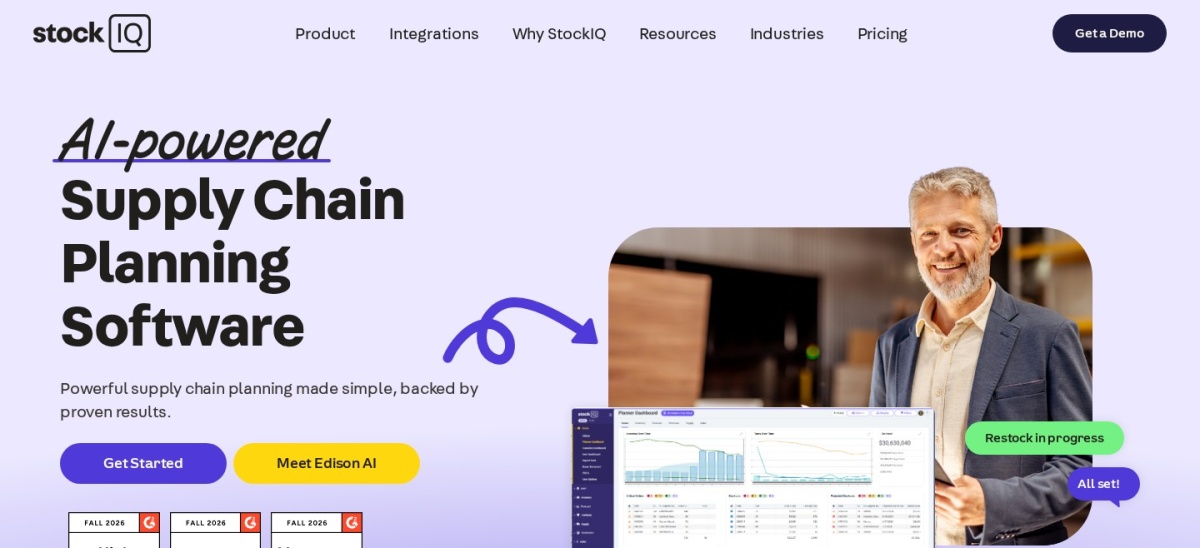
StockIQ is the planner-first platform for manufacturers and distributors, with unlimited users and onboarding led by former demand planners. Its Core and Enterprise packages cover demand forecasting, dynamic safety stock, replenishment and multi-echelon planning, and G2 lists a Basic plan at $750 a month.
The trade off is the price page. StockIQ's own pricing page lists no fixed price and asks for a quote based on ERP depth, SKU count and warehouses, so the $750 figure comes from G2 rather than the vendor. Enterprise features for multi-site teams also add cost on top of Core.
Anaplan is the enterprise scenario planning platform in this list, with a 4.6 rating on G2 from nearly 500 reviews and a number one ranking in seven G2 categories. It connects planning across finance, supply chain and sales in real time, so a wholesale brand can model demand, promotions and supply changes in one model.
The trade off is size and setup. Anaplan takes about six months to implement, and its pricing is quote-only, so it suits a large wholesale brand with a dedicated planning team rather than a mid-market distributor. Smaller teams will find Netstock or Streamline faster to stand up.
RELEX is the AI-native planning platform for retailers, manufacturers and wholesalers, with probabilistic forecasting that models demand uncertainty rather than a single point estimate. Its customers include Dollar Tree, Family Dollar, Home Depot and PetSmart, and its unified platform covers forecasting, replenishment, pricing and space planning.
The trade off is review depth. RELEX has only 40 G2 reviews, the thinnest base among the enterprise tools here, and pricing is quote-only. It is also built first for retail and consumer goods, so a pure B2B wholesaler should confirm the fit before a demo.
Inventory Planner by Sage homepage, captured Nov 2026.
Inventory Planner by Sage is the fastest tool in this list to stand up, with implementation averaging about one month and a six-month payback reported on G2. It turns sales history into demand forecasts and purchase orders, with open-to-buy planning and Sage Copilot insights, and it sits on top of existing ERP and ecommerce systems.
The trade off is pricing and scale. Inventory Planner publishes no price and sells by quote, and its 49 G2 reviews are fewer than Netstock or Streamline. It suits a small or mid-size wholesaler that wants forecast-led buying fast, not a multi-warehouse enterprise.
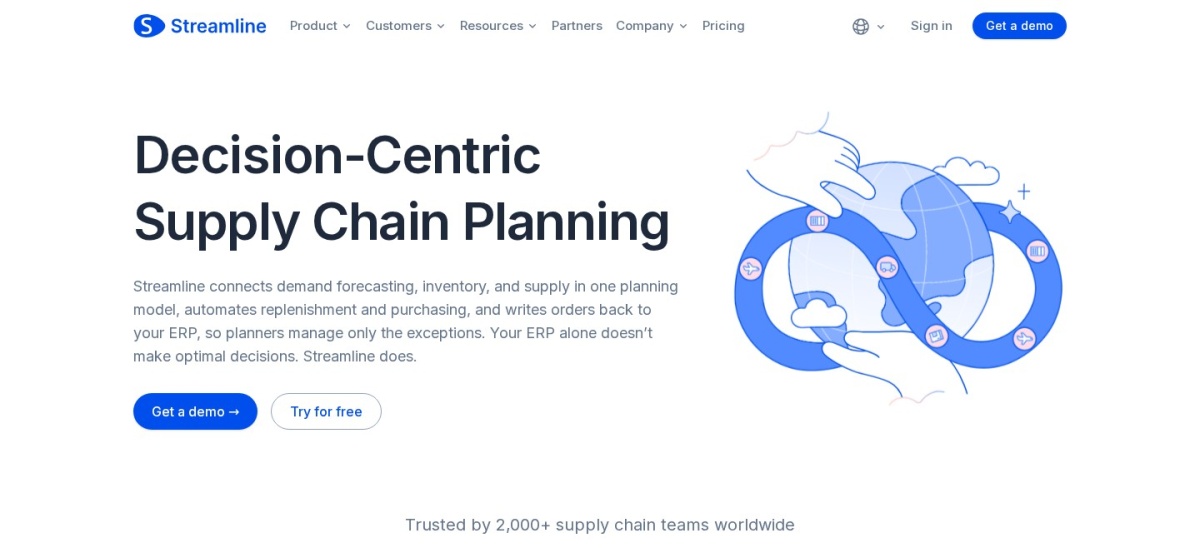
Streamline is the GMDH planning platform trusted by more than 2,000 supply chain teams, with bi-directional integrations for 22 ERP systems. Its continuous-learning forecasting model flags irrelevant data and writes replenishment orders back to the ERP, so planners manage exceptions instead of spreadsheets.
The trade off is depth. Streamline scores 4.4 on G2 from 278 reviews, but it is a mid-market tool, so a wholesaler with complex multi-echelon networks may outgrow it. Its trial is also short, and some reviewers want a longer test before switching.
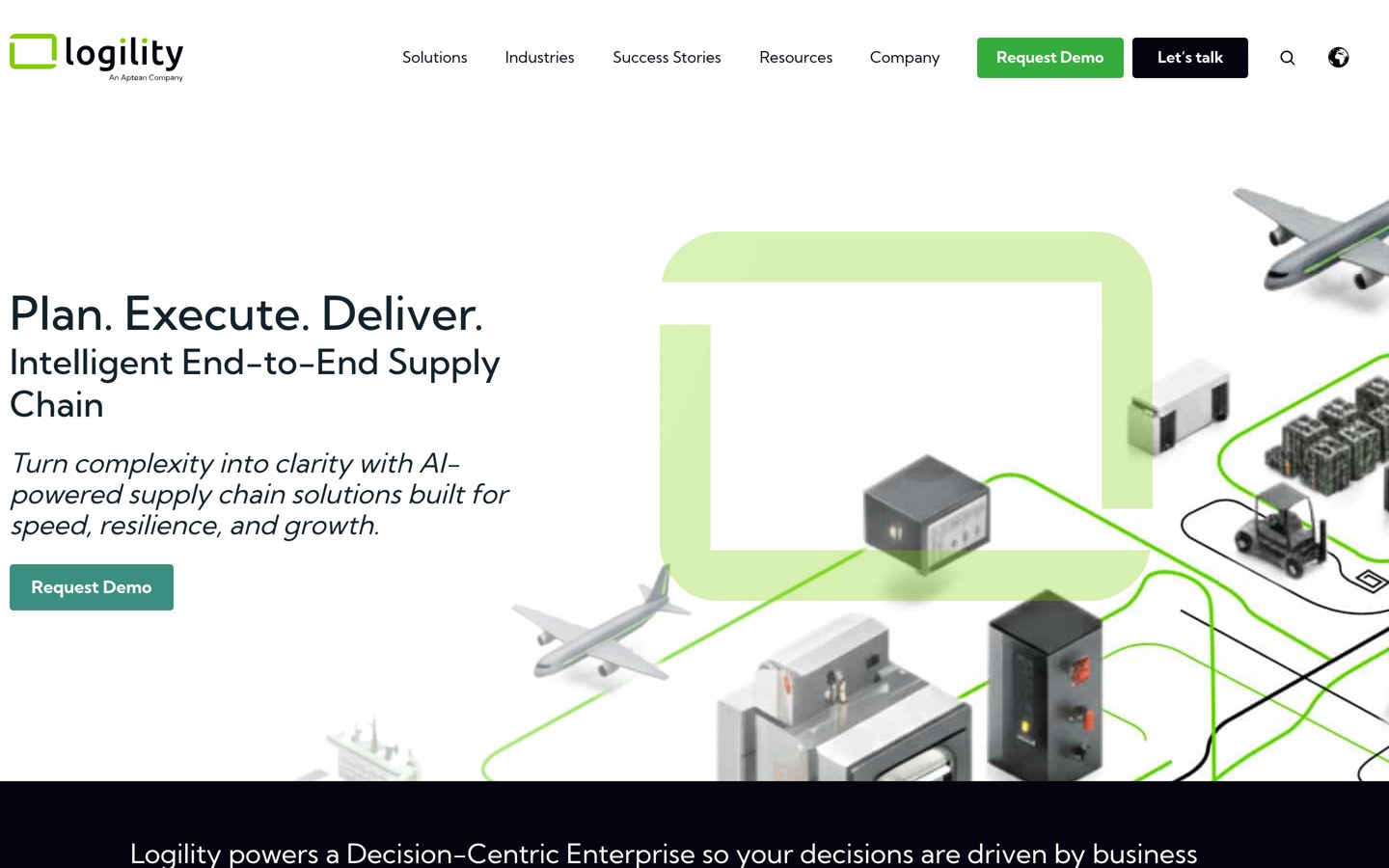
Logility is the AI-first supply chain planning platform in this list, with DemandAI+ for driver-based forecasting and an InventoryAI+ module for multi-echelon stock policies. It suits wholesale brands with complex networks, and G2 reviewers praise its forecast accuracy and ease of use.
The trade off is implementation and rating. Logility takes about four months to implement and scores 4.2 on G2, the lowest rating in this list. Its interface also draws complaints, so a team should budget training time.
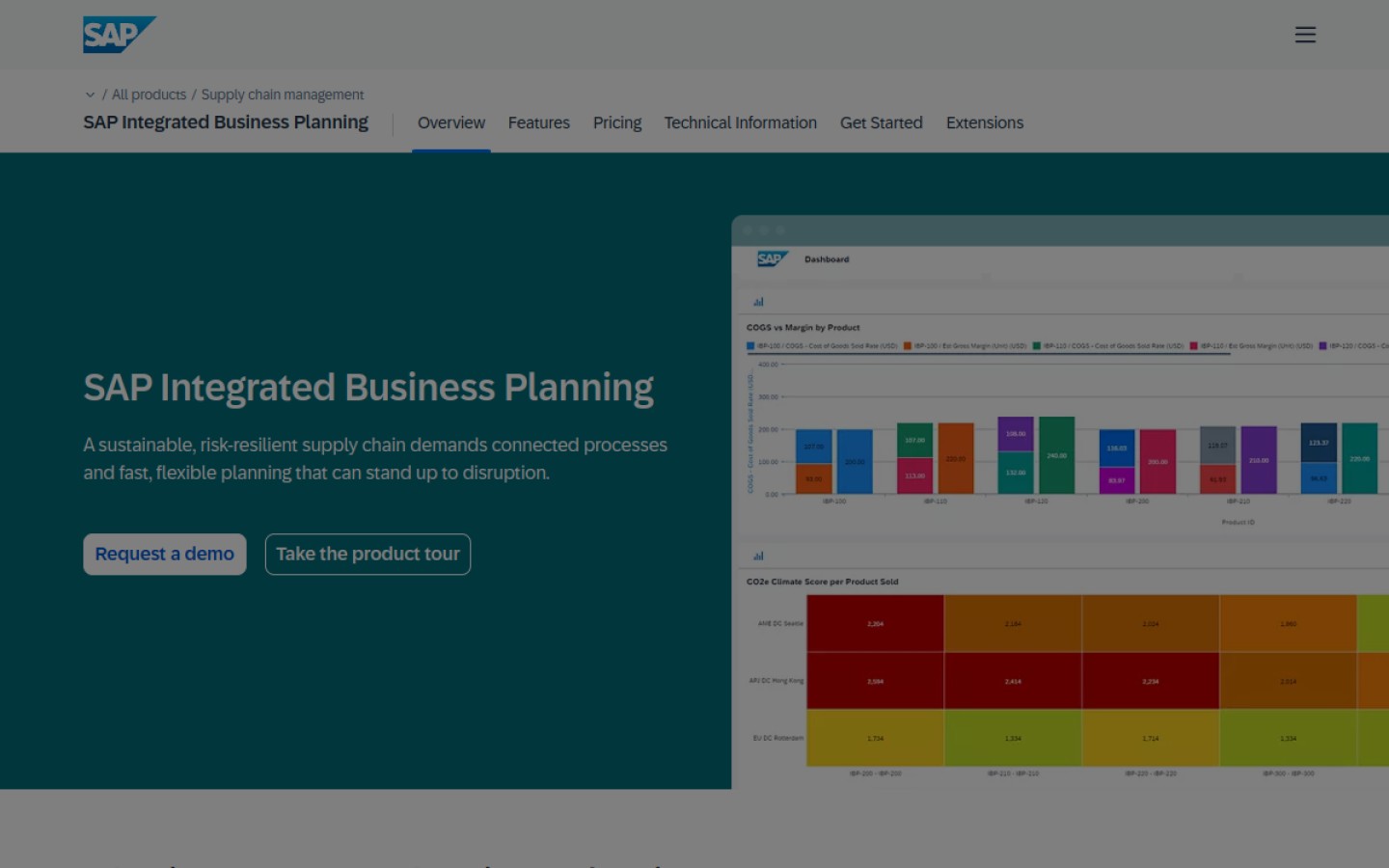
SAP IBP is the planning layer for wholesale brands already running SAP, with real-time demand forecasting, what-if simulations and supply chain analytics inside the SAP ecosystem. It scores 4.3 on G2 from 293 reviews, the largest review base among the enterprise tools here.
The trade off is the ecosystem lock-in. SAP IBP makes sense only for a brand already on SAP, and its pricing is quote-only with enterprise implementation costs. A wholesaler on NetSuite, Acumatica or Microsoft Dynamics will get more value from Netstock or StockIQ.
General inventory trackers such as inFlow and Fishbowl record stock levels and reorder points, but they do not forecast demand, so they are not forecasting tools. They suit a small wholesaler that needs stock control rather than a demand plan.
NetSuite's demand planning module forecasts inside the ERP, but it is a module of a larger suite rather than a standalone forecasting platform, so it is not ranked here. A brand already on NetSuite should still ask NetSuite for its planning quote before buying a separate tool.
Several newer AI forecasting startups publish no G2, Capterra or Trustpilot rating yet, so they cannot be ranked under our rules. A wholesaler can trial them, but should check reference customers in wholesale before committing.
How we chose
We ranked nine inventory forecasting tools by their G2 rating and review count, then checked each one against wholesale work: ERP integration, multi-warehouse stock, promotion handling and safety stock. Every tool here has a numeric G2 rating, and the only published price in the list was checked on the vendor's own pricing page on 30 Nov 2026.
We left out tools with no G2, Capterra or Trustpilot rating, including several newer AI forecasting startups, and we left out general inventory trackers such as inFlow and Fishbowl, which record stock rather than forecast it. NetSuite's own demand planning was left out because it is an ERP module, not a standalone forecasting tool.
No vendor paid for a place, and we do not claim hands-on testing for this list. Ratings come from G2 reviewers, not from our own use, and eight of the nine tools sell by quote, so the final price depends on ERP depth, SKU count, warehouses and contract length.
How to choose inventory forecasting software for a wholesale brand
Start with the ERP connector, then get the quote in writing.
Check the ERP connector first. Confirm the tool has a live connector for your ERP and version before anything else. A forecast built on stale or manual data will be wrong, however good the model is.
Get the full quote in writing. Eight of the nine tools sell by quote, so ask for licences, implementation, training and renewal in one document. Netstock's $900 a month starting price is the only published anchor.
Test with your own lumpy SKUs. Run a trial on your hardest items: seasonal lines, slow movers and promotion SKUs. A tool that only forecasts smooth demand will not help a wholesaler.
Match the tool to the team. A one-person planning team needs Inventory Planner or Streamline, while a multi-warehouse brand with promotions needs StockIQ, Slimstock or RELEX. Buy the tool your planners will actually open daily.
FAQ
What is the best inventory forecasting software for wholesale brands?
Netstock is the best inventory forecasting software for wholesale brands, because it publishes a starting price of $900 a month and connects to more than 60 ERP systems. Slimstock is the highest rated at 4.8 on G2, and StockIQ is the best pick for teams that want planner-led onboarding.
How much does inventory forecasting software cost?
Netstock is the only tool in this list with a published starting price, at $900 a month on annual subscriptions. Every other platform sells by quote, and G2 lists a $750 a month Basic plan for StockIQ, though that figure is not on StockIQ's own pricing page.
What is the difference between inventory forecasting and inventory management software?
Inventory forecasting software predicts future demand and sets safety stock and reorder points, while inventory management software records what is on hand and where it sits. Forecasting tools turn those predictions into purchase orders, which is the part that saves a wholesaler money.
Does Netstock work with my ERP?
Netstock is built to integrate with more than 60 ERP systems, including NetSuite, Acumatica, SAP, Microsoft Dynamics and Sage, and it converts raw ERP data into forecasts automatically. Check the integrations page for your exact ERP version before signing.
Which inventory forecasting tool is best for a small wholesaler?
Inventory Planner by Sage is the fastest start, with implementation averaging about one month, and Streamline suits mid-market teams with 22 ERP integrations. Netstock's $900 a month starting price rules out very small teams, so get a quote first.
What is probabilistic forecasting?
Probabilistic forecasting models a range of possible demand outcomes instead of a single number, so planners can see the chance of a stockout at each service level. RELEX builds its forecasts this way, and it suits wholesalers with lumpy or seasonal demand.
How long does it take to implement inventory forecasting software?
Inventory Planner by Sage averages about one month, Netstock takes 6 to 10 weeks, StockIQ averages about 12 weeks, and Anaplan and Logility take four to six months. The timeline depends on data quality, SKU count and how many warehouses need connecting.
SaaS SEO and WordPress specialist with about 8 years of experience. Rakib compares WordPress plugins, themes, hosting and software using public pricing, documentation and user reviews. See how we rank.