Cloudflare is the best Incapusla alternative for most sites, with a free plan covering CDN, DDoS protection and a managed firewall, and Pro from twenty dollars a month. Sucuri suits WordPress owners who want malware cleanup, while AWS WAF fits teams already running on AWS.
How we make this list: we compare pricing pages, product documentation and public user reviews, then re-check every price before each update. No product paid for a place. Disclosure.
Cloudflare leads for most sites at 4.5 out of 5 on G2, with a free plan and Pro from $20 a month.
Radware holds the highest G2 score here at 4.6 out of 5, with hybrid cloud and on-premises defence.
AWS WAF and Azure WAF both start near $5 a month per policy, but per-rule and per-request fees add up fast.
Sucuri fits WordPress owners who want malware cleanup bundled with the firewall, from $9.99 a month.
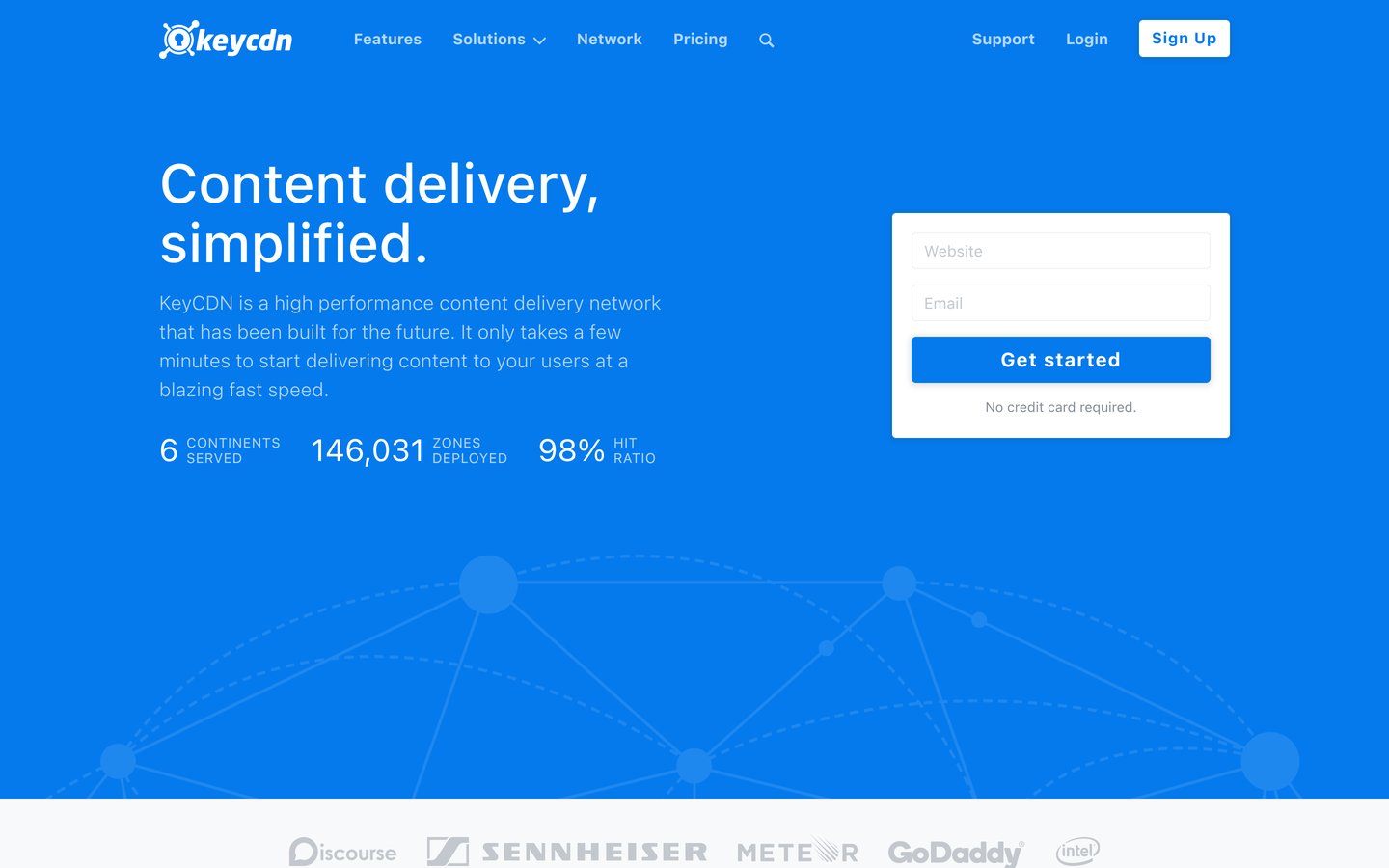
KeyCDN is the cheapest paid step for developers, from $4 a month on pay-as-you-go pricing.
How do you choose the best Incapusla alternative?
Incapsula is now sold as Imperva application security, so buyers compare its replacement against Cloudflare, Akamai-style enterprise WAFs and cloud-native firewalls instead of the old brand name.
The tools split by buyer size. Cloudflare, Sucuri and KeyCDN suit small sites and lower budgets, while Radware, F5 and Fortinet suit large estates with strict compliance needs.
Free plans differ more than prices do. Cloudflare gives a genuinely capable free tier with CDN, unmetered DDoS mitigation and a managed firewall, while the enterprise tools have no free tier at all.
Check how each tool is billed before you compare prices. Cloudflare and Sucuri charge flat rates, AWS WAF and Azure WAF charge per rule and per request, and the enterprise vendors quote by contract.
Cloudflare is a global network that adds CDN, WAF and DDoS protection to any site. The free plan covers DNS, CDN caching, unmetered DDoS mitigation, universal SSL and a basic managed firewall, and Pro starts at $20 a month.
The trade off is cost at the top. Advanced bot management and API security sit on Enterprise contracts, and the jump from Business at $200 a month to Enterprise is steep. It suits small teams and growing sites that want one platform for speed and security.
Radware is a cloud WAF and DDoS protection vendor with behavioural detection and hybrid cloud plus on-premises defence. It holds 4.6 out of 5 on G2 from 142 reviews, the joint highest score in this list.
The trade off is price and complexity. Radware sells by quote with paid add-ons, and initial setup is complex. It suits large sites that need defence across cloud and on-premises estates.
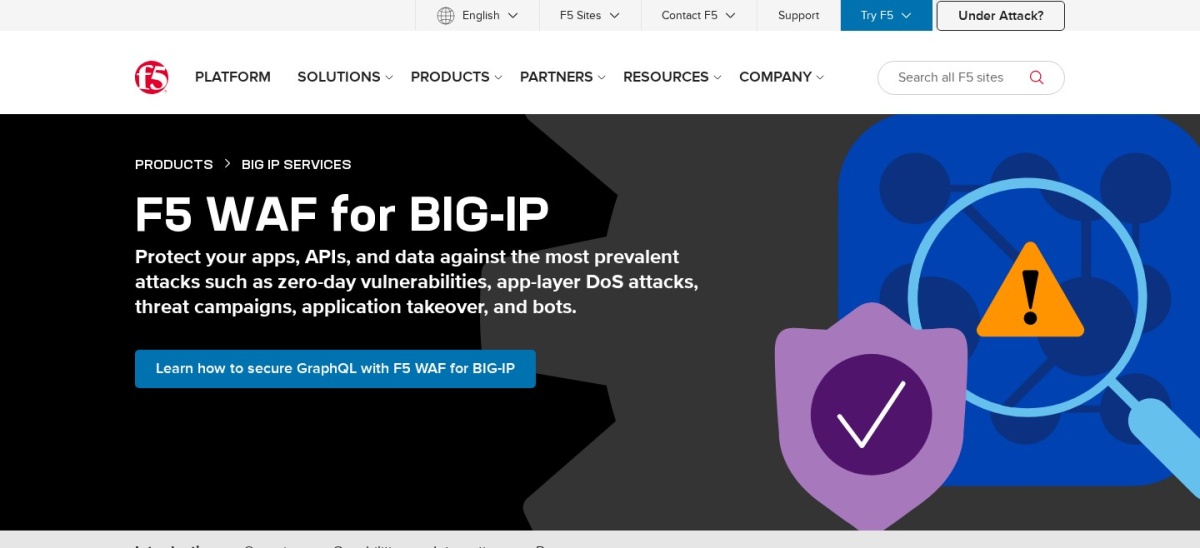
F5 BIG-IP Advanced WAF homepage, captured Nov 2026.
F5 BIG-IP Advanced WAF is an enterprise web application firewall with API security, DDoS protection and load balancing. It holds 4.6 out of 5 on G2, with strong scores for rule depth and enterprise features.
The trade off is review depth and price. Only 24 G2 reviews sit behind the score, and pricing is by quote for complex app estates. It suits large organisations with many applications and strict security requirements.
AWS WAF is the native firewall for AWS, attaching to CloudFront, Application Load Balancer, API Gateway and AppSync. It charges $5 per web ACL a month plus $1 per rule and $0.60 per million requests, with managed rules as add-ons.
The trade off is usage billing. A 20-rule setup with real traffic costs far more than the $5 base fee, and Bot Control and Fraud Control add further per-request charges. It suits teams whose applications already run on AWS.
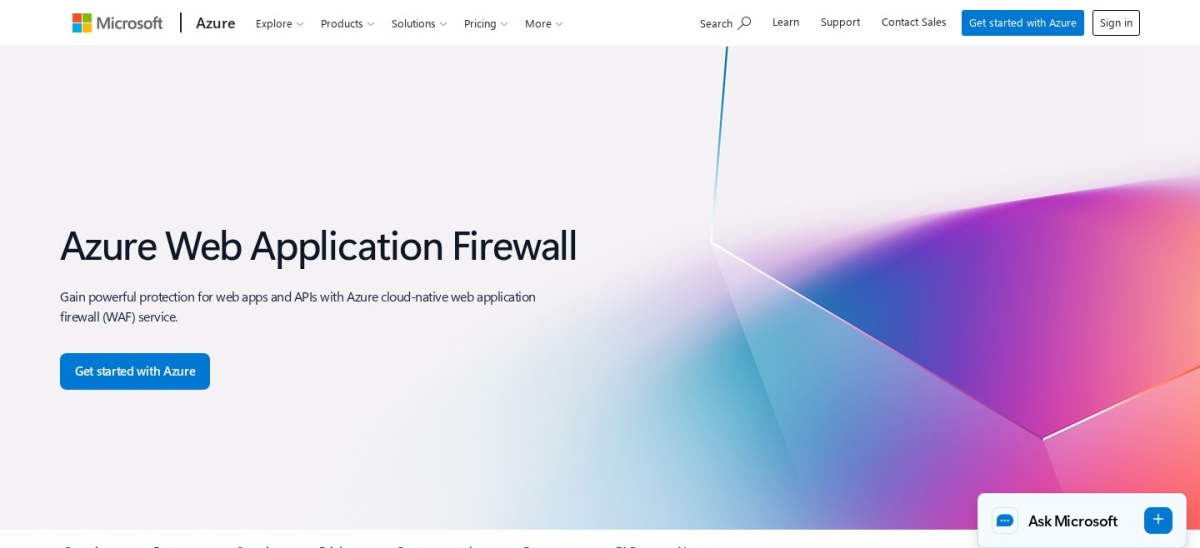
Azure WAF is the native firewall for Azure, protecting apps on Front Door and Application Gateway. Front Door classic charges $5 per policy a month plus $1 per custom rule and $0.60 per million requests.
The trade off is billing complexity. Application Gateway WAF bills by the hour with capacity charges, so the monthly total depends on gateway size. It suits teams already running on Azure and Microsoft services.
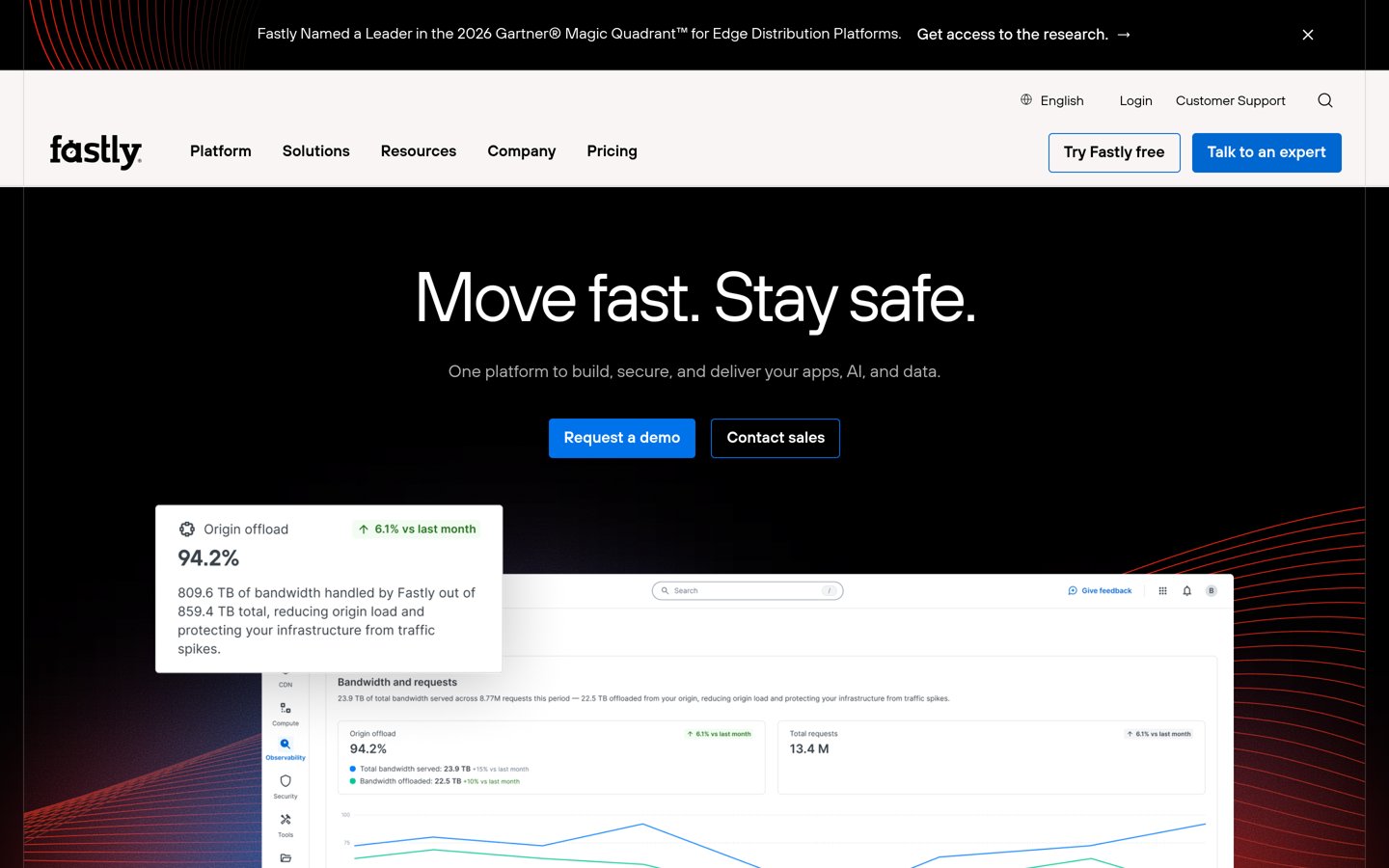
Fastly Next-Gen WAF is a developer-friendly firewall built on the Fastly edge cloud, with instant cache purging and edge computing. It appeals to teams that treat their CDN as code and want low false positives.
The trade off is the minimum spend. Fastly starts at $50 a month plus usage, and the WAF itself is quote-based on top of delivery charges. It suits media and SaaS teams with dedicated DevOps staff.
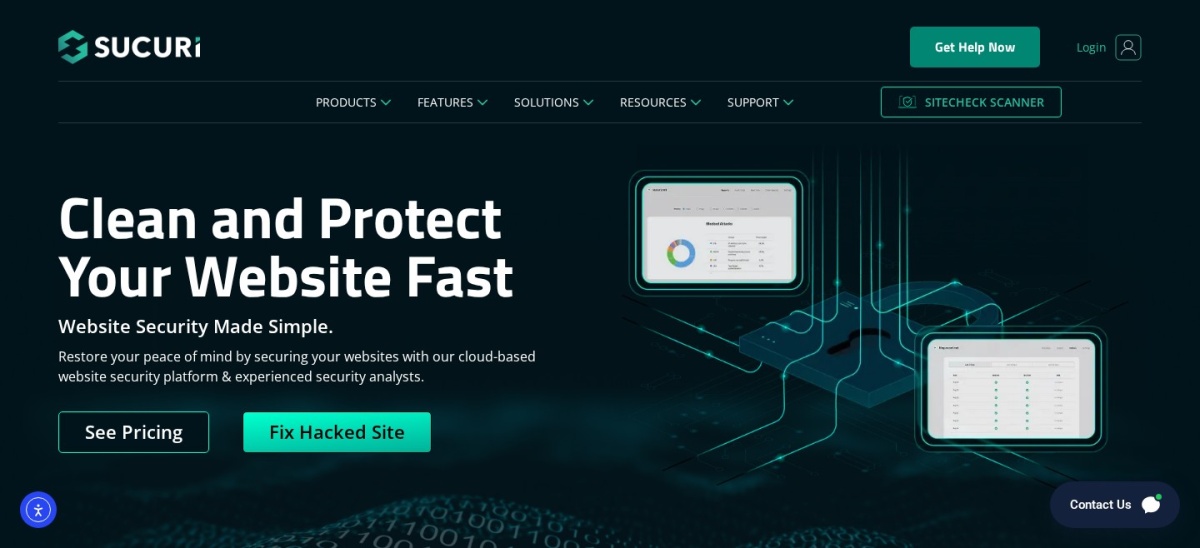
Sucuri is a website security platform with a cloud firewall, CDN and malware removal. Its firewall-only plan starts at $9.99 a month for one site, and platform plans from $229 a year add scanning and unlimited cleanups.
The trade off is review sentiment. Sucuri holds only 3.3 out of 5 on G2 from 48 reviews, with users citing slow support and difficult setup. It suits WordPress owners who want a team to clean malware for them.
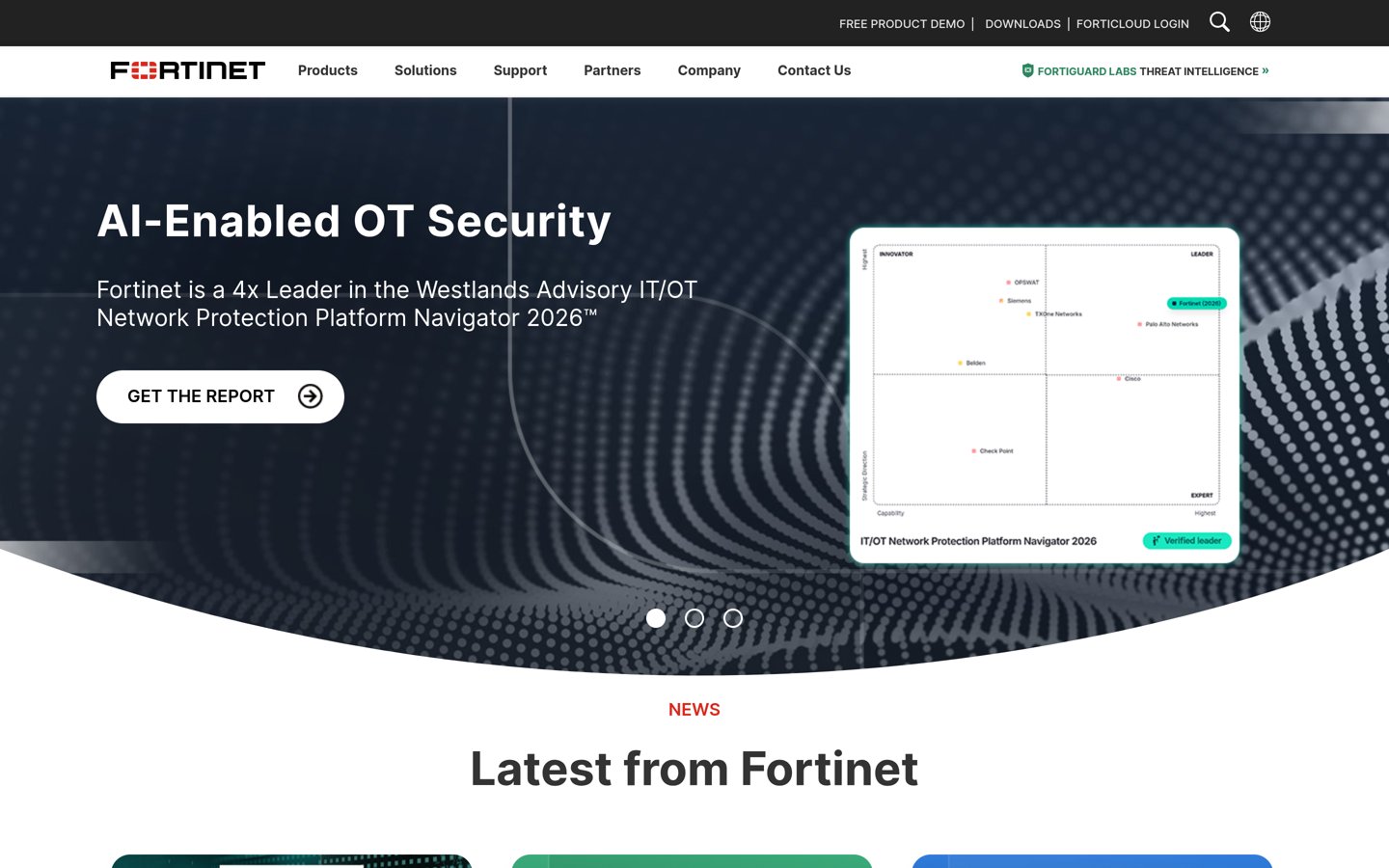
FortiAppSec Cloud is Fortinet's cloud web application and API protection service, part of a wider network security platform. It holds 4.4 out of 5 on G2 from 31 reviews, with AI-driven anomaly detection as its headline feature.
The trade off is pricing opacity. Fortinet publishes no price for the cloud service, so buyers need a quote, and the platform suits teams already invested in Fortinet gear. It suits mid-market and enterprise teams consolidating on one vendor.
KeyCDN is a simple content delivery network with pay-as-you-go pricing from $0.04 per gigabyte and a $4 a month minimum. It holds 4.5 out of 5 on G2 from 71 reviews, with users praising its clean dashboard and easy setup.
The trade off is scope. KeyCDN is a CDN with basic security, not a full WAF, so it lacks managed rules and bot management. It suits developers who want simple per-gigabyte delivery in front of a small site.
Free plans cover the basics well. Cloudflare's free tier already includes CDN caching, unmetered DDoS mitigation and a managed firewall ruleset.
Paid plans mostly add managed rules and support. Faster rule updates, bot management and a named support team are the features that usually force the upgrade.
If your site is small and mostly static, Cloudflare free may be enough for months. Pay when you need malware cleanup, managed rules or an uptime SLA.
How we chose
We started from the WAF and CDN tools most often recommended as Incapsula replacements in 2026, then kept those with a verifiable G2 rating and a published or quote-based price.
Prices come from each vendor's pricing page as reported in November 2026 checks, and ratings and review counts come from G2 on 29 November 2026. Where a vendor shows a sale, the list shows the regular price.
We left out tools with no verifiable G2 review count, including Akamai App and API Protector, whose G2 profile holds only 2 reviews. No vendor paid for a place, and we do not claim hands-on testing for this list.
How to choose an Incapusla alternative
Start with where your site runs and how much traffic it takes, then check the plan that covers it.
Check where your site is hosted. Cloud-native teams should start with AWS WAF or Azure WAF, while any-origin sites fit Cloudflare, Sucuri or Fastly.
Test the free tier first. Cloudflare's free plan covers CDN, DDoS and a basic WAF, so run it for a month before paying for Pro or Business.
Count the rules you need. AWS WAF and Azure WAF charge per rule and per request, so a 20-rule setup costs far more than the $5 base fee.
Get quotes for enterprise WAFs. Radware, F5 and Fortinet sell by contract, so budget a sales cycle and ask about managed rules and support SLAs.
FAQ
What is the best Incapusla alternative in 2026?
Cloudflare is the best Incapusla alternative for most sites. It combines CDN, WAF and DDoS protection, holds 4.5 out of 5 on G2 from 803 reviews, and paid plans start at $20 a month.
What happened to Incapsula?
Incapsula is now part of Imperva, sold as Imperva application security rather than a standalone Incapsula product. New buyers shop for Imperva WAF or compare Cloudflare, Akamai and Fastly instead.
Which Incapusla alternative is cheapest?
Cloudflare is cheapest because its free plan covers CDN, DDoS protection and a basic WAF at no cost. The cheapest paid step is KeyCDN from $4 a month, while Sucuri's firewall starts at $9.99 a month.
Is Cloudflare better than Imperva?
Cloudflare suits most sites better because it is easier to buy and run, with a free plan and flat $20 and $200 monthly tiers. Imperva suits large enterprises that need managed rules and compliance features.
Does Sucuri clean hacked sites?
Yes, Sucuri platform plans include unlimited manual malware cleanups by its staff, with response targets from 30 hours on Basic to 6 hours on Business. The firewall-only plan from $9.99 a month does not include cleanup.
AWS WAF or Azure WAF: which should I pick?
Pick the one that matches your cloud. AWS WAF fits teams on CloudFront and load balancers, while Azure WAF fits teams on Front Door and Application Gateway. Both charge about $5 a month per policy plus per-rule and per-request fees.
SaaS SEO and WordPress specialist with about 8 years of experience. Rakib compares WordPress plugins, themes, hosting and software using public pricing, documentation and user reviews. See how we rank.