Claude is the best of these IBM Watson alternatives for most teams, rated 4.7 out of 5 from 2,408 G2 reviews, with a $20 per month Pro plan and strong enterprise controls. ChatGPT suits the widest model choice, while Databricks fits teams that need data and AI on one platform.
How we make this list: we compare pricing pages, product documentation and public user reviews, then re-check every price before each update. No product paid for a place. Disclosure.
Claude tops the ratings at 4.7 out of 5 from 2,408 G2 reviews, ahead of ChatGPT at 4.6 from 5,140.
ChatGPT Plus and Claude Pro both start at $20 a month; Hugging Face PRO is the cheapest paid plan at $9 a month.
Six of the nine tools bill by usage or quote only, so budget for tokens and compute, not just seats.
Azure OpenAI and Bedrock suit teams already on Azure or AWS; Vertex AI fits Google Cloud shops.
Cohere is the narrowest pick: best for RAG and enterprise search, not a full AI platform.
How do you choose the best IBM Watson alternative?
Start with where your data already lives. Teams on Azure get the shortest path with Azure OpenAI Service, AWS teams with Bedrock, and Google Cloud teams with Vertex AI, because identity, storage and billing stay in one place.
Decide whether you need a chatbot or a platform. Claude and ChatGPT are assistants with APIs, while Databricks, Dataiku and Vertex AI run the full pipeline from data preparation to deployed agents.
Watch the billing model, not just the headline price. Only three tools in this list publish a fixed monthly price; the rest bill by token or compute, so a pilot with usage caps tells you more than a quote. Our guide on connecting an AI model to WordPress shows how API pricing works in practice.
Governance matters more than model choice for regulated teams. Dataiku and Databricks lead on audit trails and access controls, while the cloud platforms add compliance through Azure, AWS or Google Cloud.
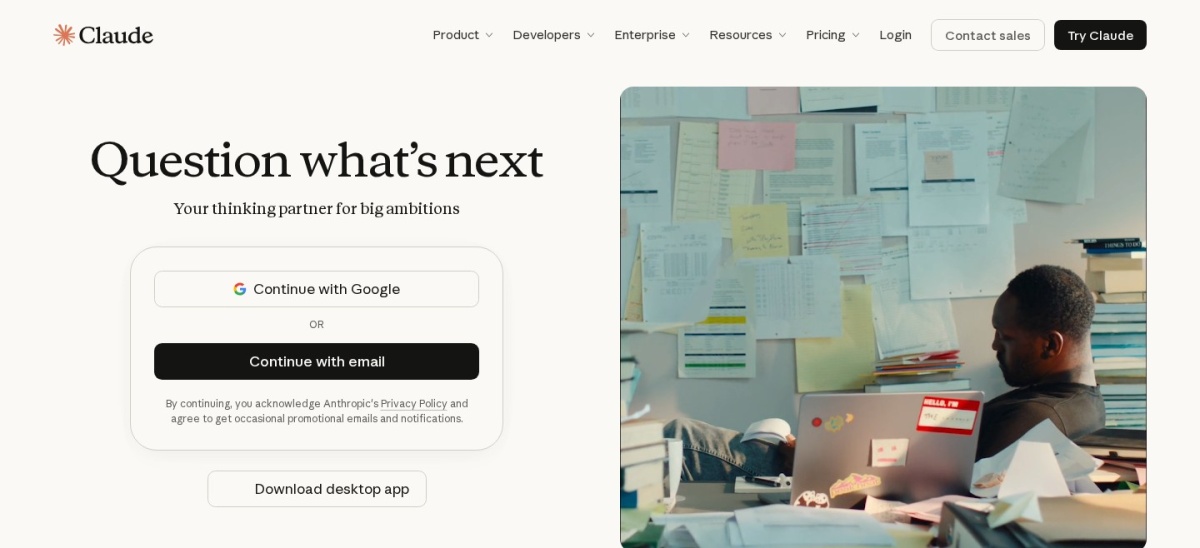
Claude is Anthropic's AI assistant for writing, analysis and coding, with a free plan and a $20 per month Pro plan. Team seats start at $25 per user a month, and Enterprise adds SSO, audit logs and admin controls for larger rollouts.
The trade off is usage limits. G2 reviewers praise the clear writing and long-document work but say paid users can hit message caps on heavy days. It suits teams that want one assistant for documents, research and code.
What we like
Highest G2 rating in this list at 4.7 out of 5
Strong writing, reasoning and coding
Enterprise controls with SSO and audit logs
API access for building the model into apps
Watch out for
Usage caps can bite on heavy days
Enterprise bills API use on top of seats
No native image generation
Team adds shared workspaces; Enterprise adds SSO and audit logsVisit claude.com
02
ChatGPT
4.6/5on G2 (5,140 reviews, checked Nov 2026)
Paid from$20/mo
Best for the widest model and app choice
Entry price$20/mo Plus
Annual$240/yr
Team$25/user/mo
APIPay as you go
openai.com
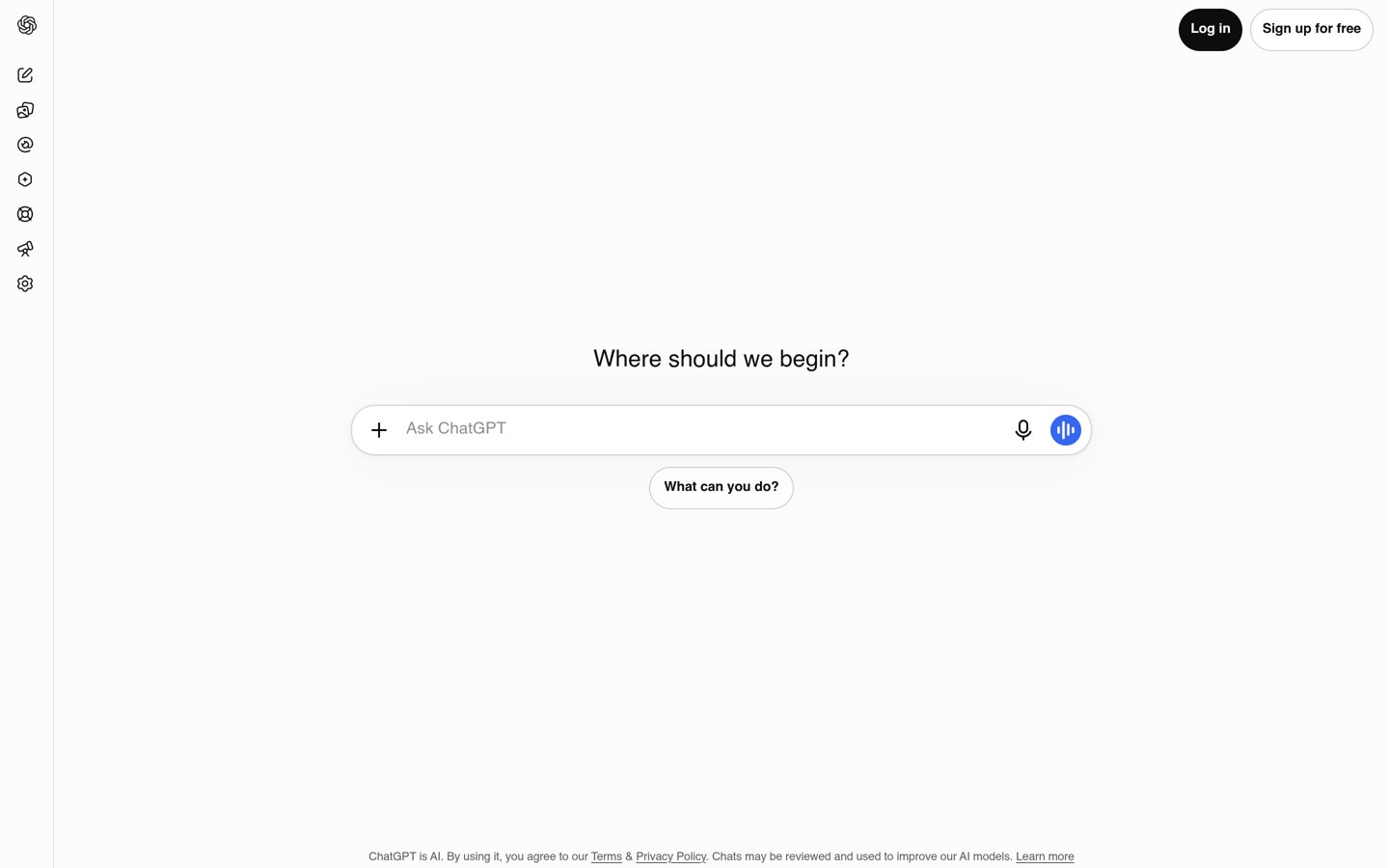
ChatGPT homepage, captured Nov 2026.
ChatGPT is OpenAI's assistant built on the GPT models, with a free plan and Plus at $20 a month. The same account reaches image, voice and file tools, and the OpenAI API lets developers build the models into their own products.
The trade off is that the cheapest business tier is Team at $25 per user a month, and heavy API use bills on top of seats. It suits teams that want the widest model choice and the largest app ecosystem.
What we like
Largest G2 review base in this list at 5,140 reviews
Widest range of models, voice and image tools
Huge third-party app and integration ecosystem
API with fine-tuning and assistants
Watch out for
Team seats cost more than Plus at $25 a user a month
API bills add up fast at high volume
Support gets mixed marks in public reviews
Team adds shared workspaces; API use is billed per tokenVisit openai.com
03
Databricks
4.6/5on G2 (1,366 reviews, checked Nov 2026)
PricingCustom/yr
Best for data and AI on one platform
Entry priceUsage-based
AnnualCustom
Free planNo
CoversLakehouse, ML, agents
databricks.com
Databricks homepage, captured Nov 2026.
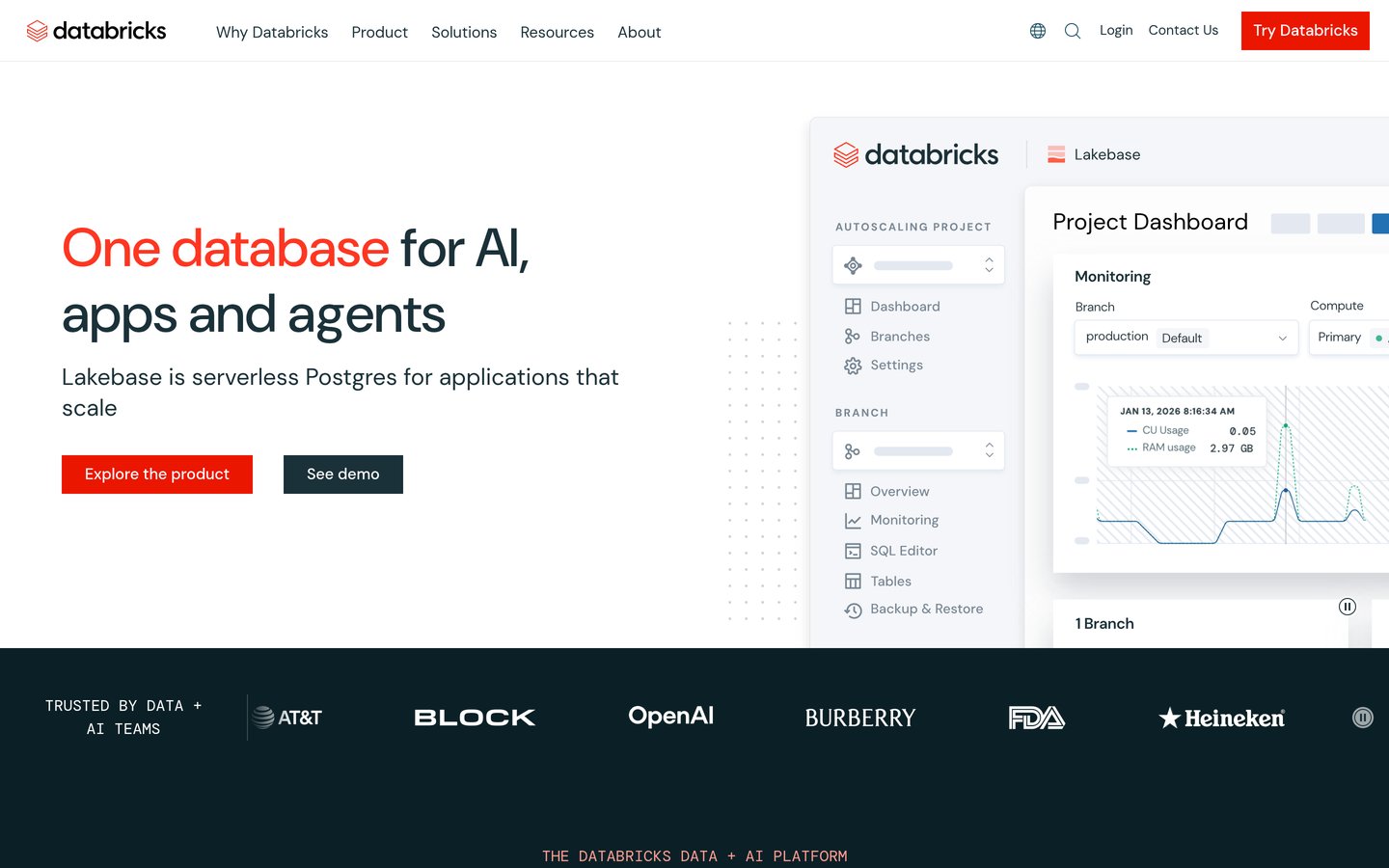
Databricks is a unified data and AI platform built on the lakehouse, combining data engineering, machine learning and agent building in one workspace. It runs on AWS, Azure and Google Cloud, and its Mosaic AI tools cover model serving, RAG and agent evaluation.
The trade off is price. Databricks bills by usage with no published starting plan, so costs depend on compute and need monitoring. It suits teams that already centralise data on a lakehouse and want AI beside it.
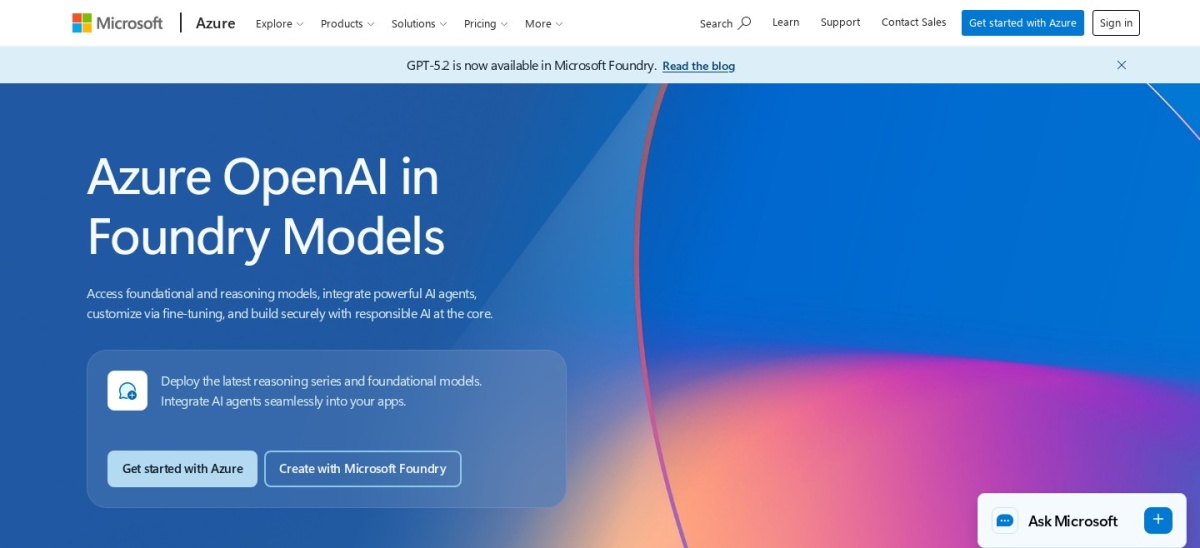
Azure OpenAI Service runs OpenAI models inside Microsoft Azure, with Azure security, private networking and compliance controls. It plugs into the Azure services a Microsoft shop already uses, including search, storage and identity.
The trade off is price clarity. Billing is pay as you go by token, so costs rise with volume and need quotas to stay predictable. It suits enterprises that must keep AI inside Azure for security or compliance reasons.
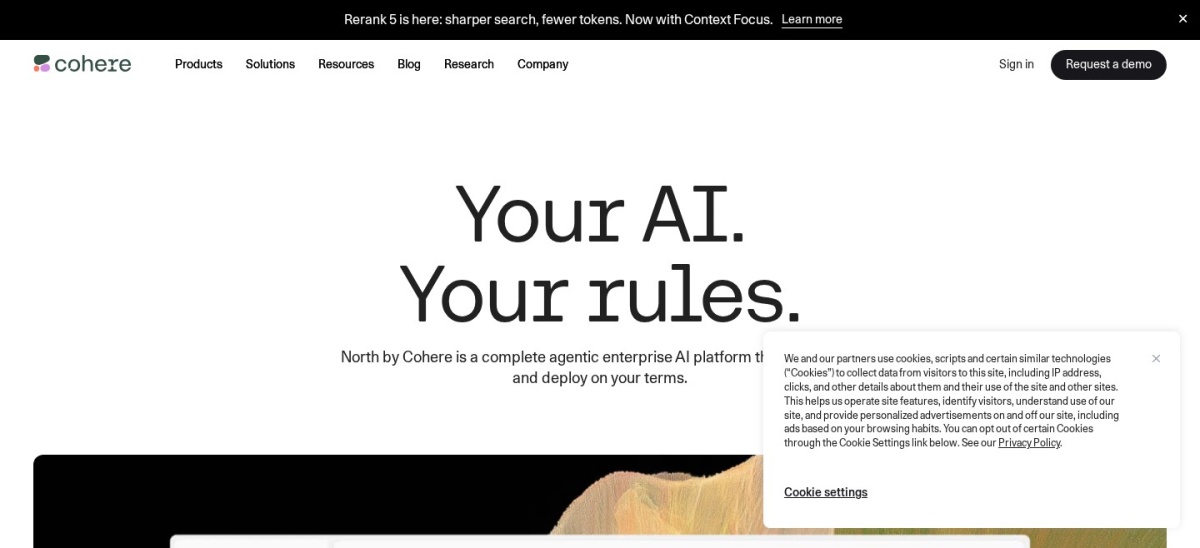
Cohere builds enterprise language models, embeddings and retrieval tools for search and RAG, with a free trial and pay-as-you-go API pricing. Its Command models and Embed models are tuned for business documents rather than general chat.
The trade off is scope. Cohere is narrower than a full platform: it covers language, search and retrieval well but not data pipelines or model training. It suits teams building search, support or document Q&A on their own data.
What we like
Purpose-built for RAG and enterprise search
Multilingual models and embeddings
Deploys in your cloud or on premises
Rated 4.5 out of 5 on G2
Watch out for
No data engineering or training suite
Smaller community than OpenAI or Google
Pricing is usage-based with no fixed plan
API use is metered; enterprise plans add private deploymentVisit cohere.com
06
Dataiku
4.4/5on G2 (268 reviews, checked Nov 2026)
PricingCustom/yr
Best for governed, no-code AI projects
Entry priceCustom, quote-based
AnnualCustom
Free trialYes
FocusData prep, ML, gen AI governance
dataiku.com
Dataiku homepage, captured Nov 2026.
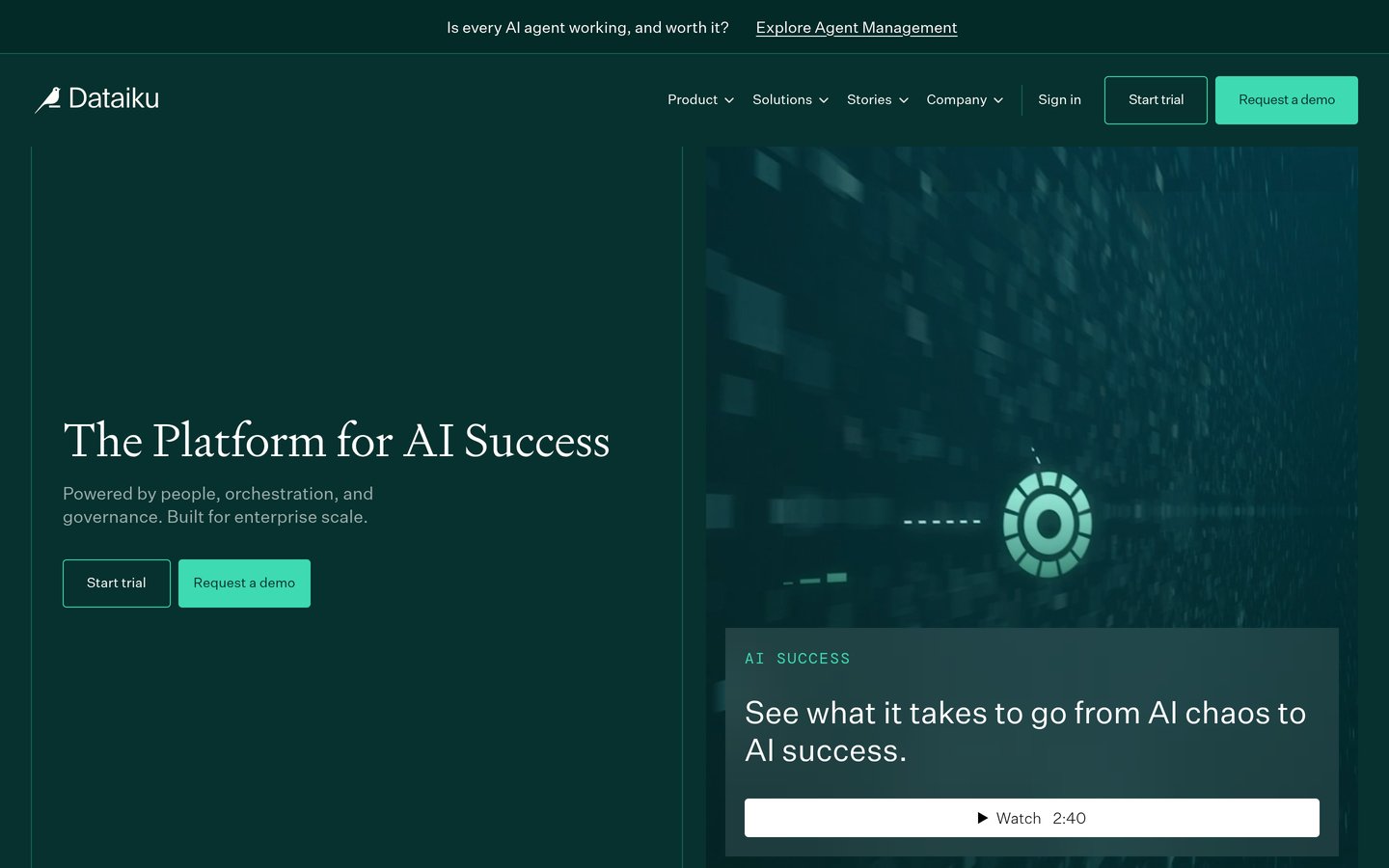
Dataiku is a collaborative platform for data preparation, machine learning and generative AI, built so business and data teams can work on the same projects. Visual workflows, notebooks and governed LLM connections sit in one place.
The trade off is price and weight. Dataiku publishes no prices and reviewers call it expensive for small organisations, with a six-month average implementation time on G2. It suits regulated teams that need governance over every AI project.
Hugging Face is the hub where open models, datasets and demos live, with a free tier and a $9 a month PRO account. PRO adds 1 TB of private storage, $2 a month in inference credits and higher ZeroGPU quota.
The trade off is that it is a hub, not a full enterprise suite: dedicated GPU endpoints and extra storage add variable costs above the $9 plan. It suits teams building on open-weight models who want the widest choice.
Amazon Bedrock is AWS's managed service for building generative AI apps on foundation models from Anthropic, Meta, Mistral and Amazon, through one API. Knowledge Bases, Agents and Guardrails add RAG, automation and safety controls.
The trade off is complexity. Pricing is pay as you go and reviewers call the billing hard to predict at high volume. It suits AWS teams that want several model providers without managing infrastructure.
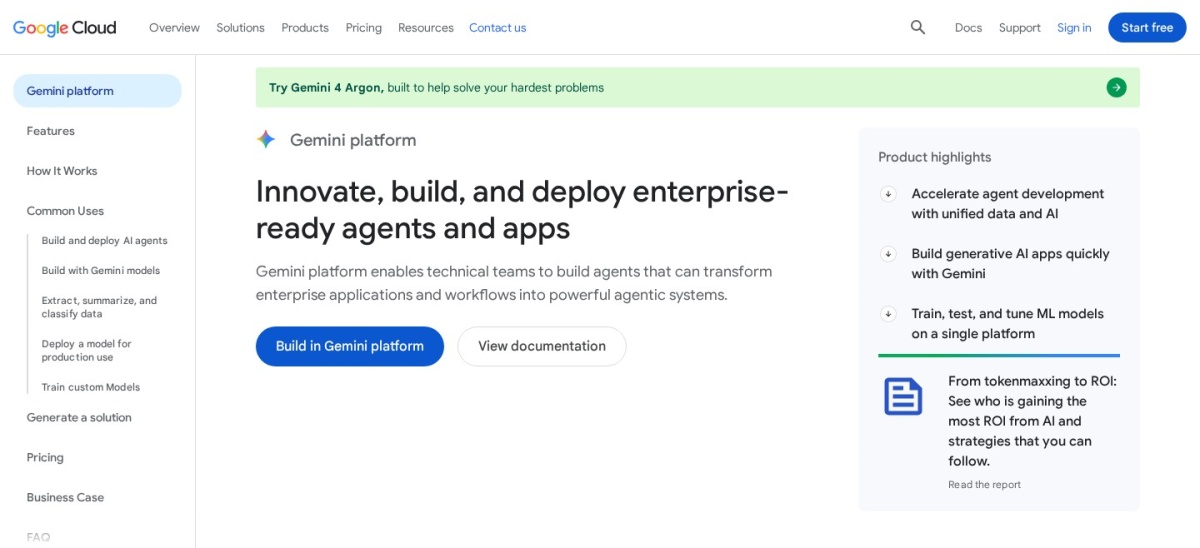
Google Cloud Vertex AI homepage, captured Nov 2026.
Google Cloud Vertex AI is Google's platform for training, tuning and deploying models, including Gemini, on Google Cloud. It covers AutoML, a Model Garden of Gemini, Gemma and partner models, and Agent Builder for building AI agents.
The trade off is the learning curve. G2 reviewers praise the unified workflow but call setup steep and pricing hard to predict. It suits teams already on Google Cloud, especially with BigQuery data.
What we like
Gemini models plus partner models in Model Garden
Tight BigQuery and Google Cloud integration
AutoML for teams without deep ML skills
Largest G2 review base of the cloud platforms here at 745
Six of the nine tools in this list bill by usage or by quote, with no fixed monthly price. That makes them flexible, but a busy month can cost far more than a quiet one.
Set quotas before you roll out. Azure OpenAI, Bedrock and Vertex AI all let you cap spend or throttle requests; turn those limits on during the pilot, not after the first big bill.
Compare per-token prices for the same work. The same prompt can cost several times more on a frontier model than on a smaller one, so route simple jobs to cheaper models.
Ask for the enterprise tier early if you need SSO, audit logs or a data-processing agreement. Those controls are usually quote-only, even on tools with a cheap entry plan.
How we chose
We started from the enterprise AI platforms most often named as IBM Watson replacements, including the three cloud platforms, the leading assistants and the main data-AI suites.
Prices come from each vendor's pricing page, checked on 29 November 2026. Ratings and review counts come from G2 on the same day, except Cohere, whose G2 figure comes from a 23 November 2026 sibling check, and Hugging Face, where G2 listings disagree. Where a vendor bills by usage or quote, the list shows that instead of a fixed price.
We left out IBM watsonx itself, since this list is for alternatives, and tools without a public user rating. No vendor paid for a place, and we do not claim hands-on testing for this list.
How to choose an IBM Watson alternative
Start with your cloud and your data, then test two finalists on a real task.
Map where your data lives. If it sits in Azure, AWS or Google Cloud, the matching platform saves months of integration work.
Pick assistant or platform. Choose Claude or ChatGPT for a team assistant, or Databricks, Dataiku or Vertex AI when you need data pipelines and deployed agents.
Run a pilot on real work. Give two finalists the same documents and prompts, and compare answers, speed and the bill at the end of the month.
Check governance before you sign. Confirm SSO, audit logs, data residency and support terms, since those are usually quote-only extras.
FAQ
What is the best IBM Watson alternative in 2026?
Claude is the best IBM Watson alternative for most teams in 2026. It holds the highest G2 rating in this list at 4.7 out of 5 from 2,408 reviews, with a $20 per month Pro plan and enterprise controls including SSO and audit logs.
Is there a free alternative to IBM Watson?
Yes. Claude, ChatGPT, Cohere and Hugging Face all have free plans or free trials. Hugging Face has the most generous free tier for exploring open models, while Claude and ChatGPT give free access to their assistants with usage limits.
How much does an IBM Watson alternative cost?
Entry prices run from $9 a month for Hugging Face PRO to $20 a month for Claude Pro and ChatGPT Plus. Six of the nine tools bill by usage or quote only, so a team running heavy API workloads should budget for tokens and compute rather than seats alone.
Which IBM Watson alternative is best for enterprises already on Azure?
Azure OpenAI Service is the best fit for Azure shops. It runs OpenAI models inside Azure with Azure security, private networking and compliance controls, and it plugs into the Azure services a Microsoft team already uses.
Claude vs ChatGPT: which replaces Watson better?
Claude rates higher on G2 at 4.7 out of 5 against 4.6 for ChatGPT, and reviewers praise its writing and long-document work. ChatGPT wins on model range, voice and image tools, and the largest app ecosystem. Both cost $20 a month for their main paid plan.
Do I need a data platform or just an AI assistant?
Pick an assistant if the job is writing, research or coding for individuals. Pick Databricks, Dataiku or Vertex AI if you need data preparation, model training, governance and deployed agents across a team.
SaaS SEO and WordPress specialist with about 8 years of experience. Rakib compares WordPress plugins, themes, hosting and software using public pricing, documentation and user reviews. See how we rank.