Front is the best of the hiver alternatives for most teams, because Starter costs 25 dollars a seat a month and covers shared inboxes, assignment and automation. Missive suits smaller teams at 14 dollars a user, and Zoho Desk suits budget teams at 7 dollars an agent.
How we make this list: we compare pricing pages, product documentation and public user reviews, then re-check every price before each update. No product paid for a place. Disclosure.
Front is the best Hiver alternative for most teams, with Starter at 25 dollars a seat a month and the highest G2 rating among full inboxes at 4.7.
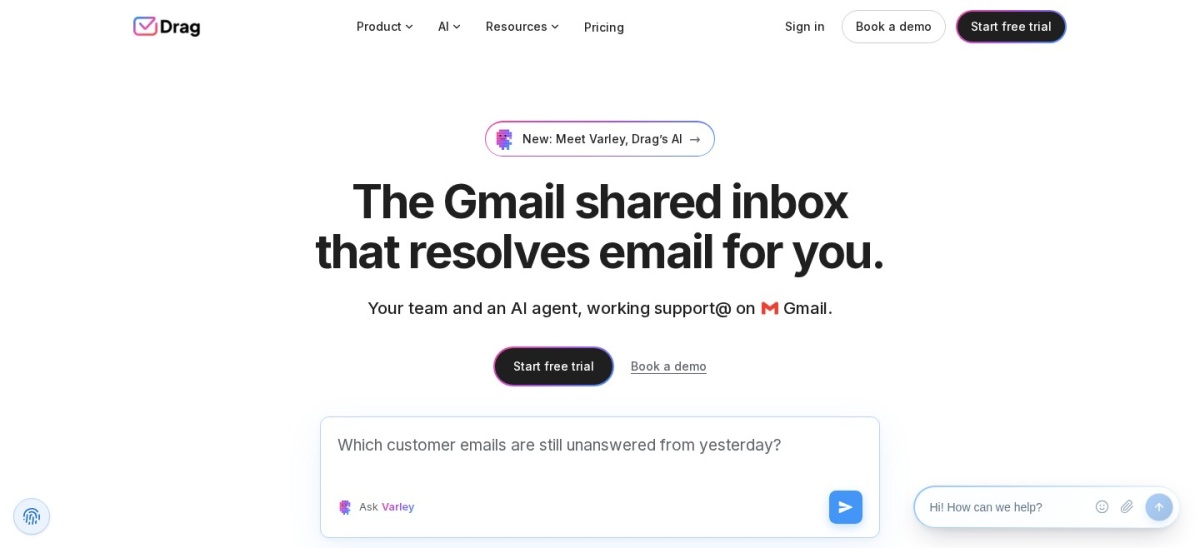
Missive and Drag are the cheapest real shared inboxes, at 14 and 12 dollars a month, for teams that live in email or Gmail.
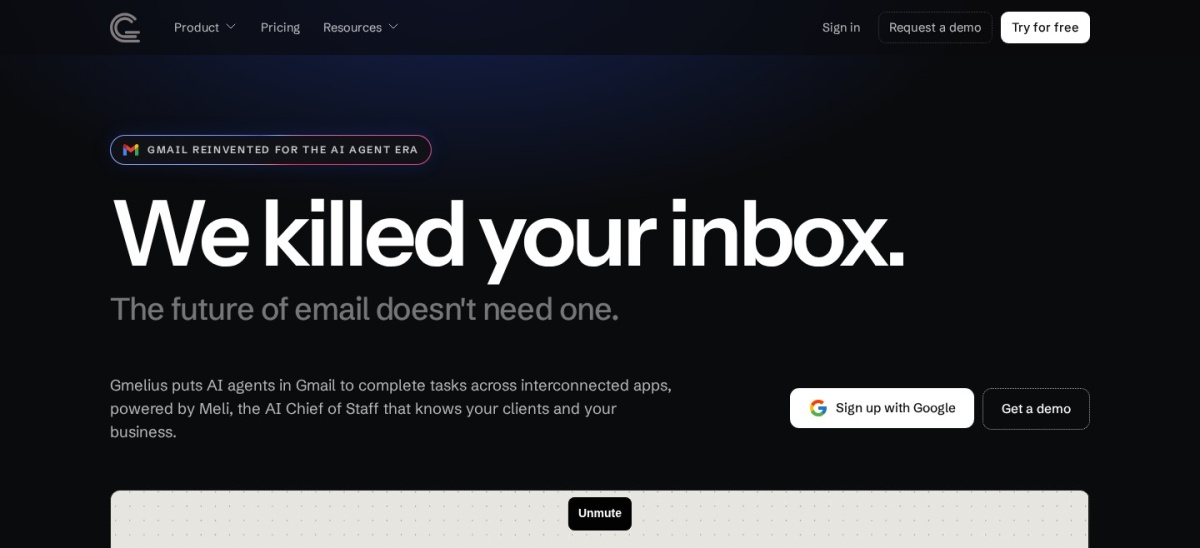
Gmelius costs 25 dollars a user for shared inboxes, because the 19-dollar Meli plan has no shared inbox at all.
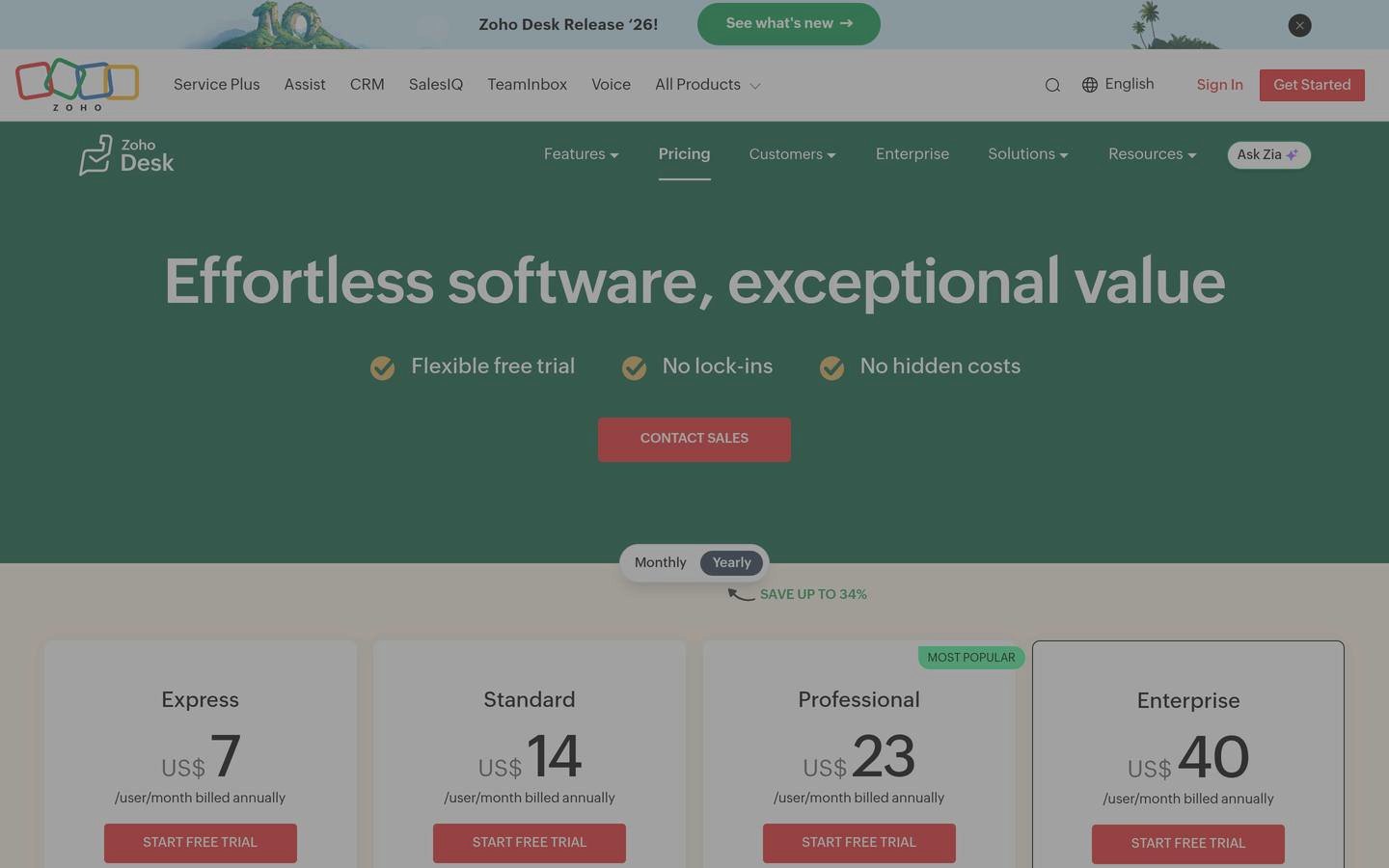
Zoho Desk is the budget help desk at 7 dollars an agent, with a free plan for 3 users and the largest review base here at 8,135.
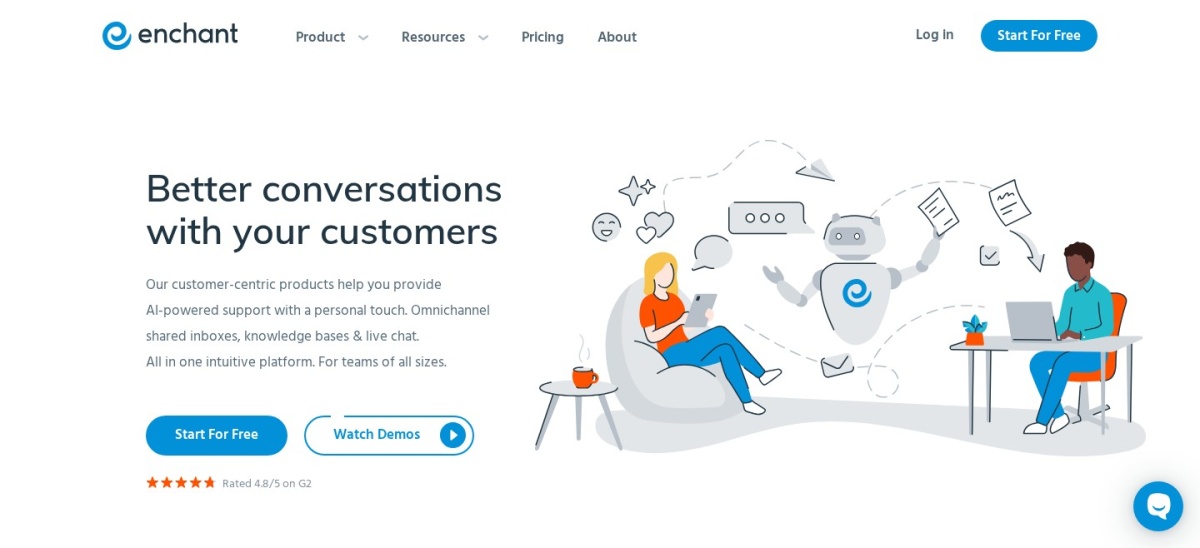
Enchant is the one-price pick at 20 dollars a user with everything included, but its 4.8 rating rests on only 65 reviews.
Which Hiver alternative should you switch to?
Hiver is a shared inbox that lives inside Gmail, with Growth at 25 dollars a user a month and a 4.6 rating on G2 from 2,169 reviews. Teams usually leave for a standalone inbox, a full help desk, or a lower price.
Start with where your team works. Gmail-first teams can stay in Gmail with Drag or Gmelius, while teams that want a real help desk should look at Freshdesk, Zendesk or Zoho Desk.
Watch the plan split. Gmelius charges 19 dollars for an AI plan with no shared inbox, Help Scout's free plan stops at 5 users, and Front's Starter stops at 10 seats.
Ratings here run from 4.3 to 4.8 on G2, with review counts from 65 to 8,135, so the small tools are well liked by the few teams that rate them.
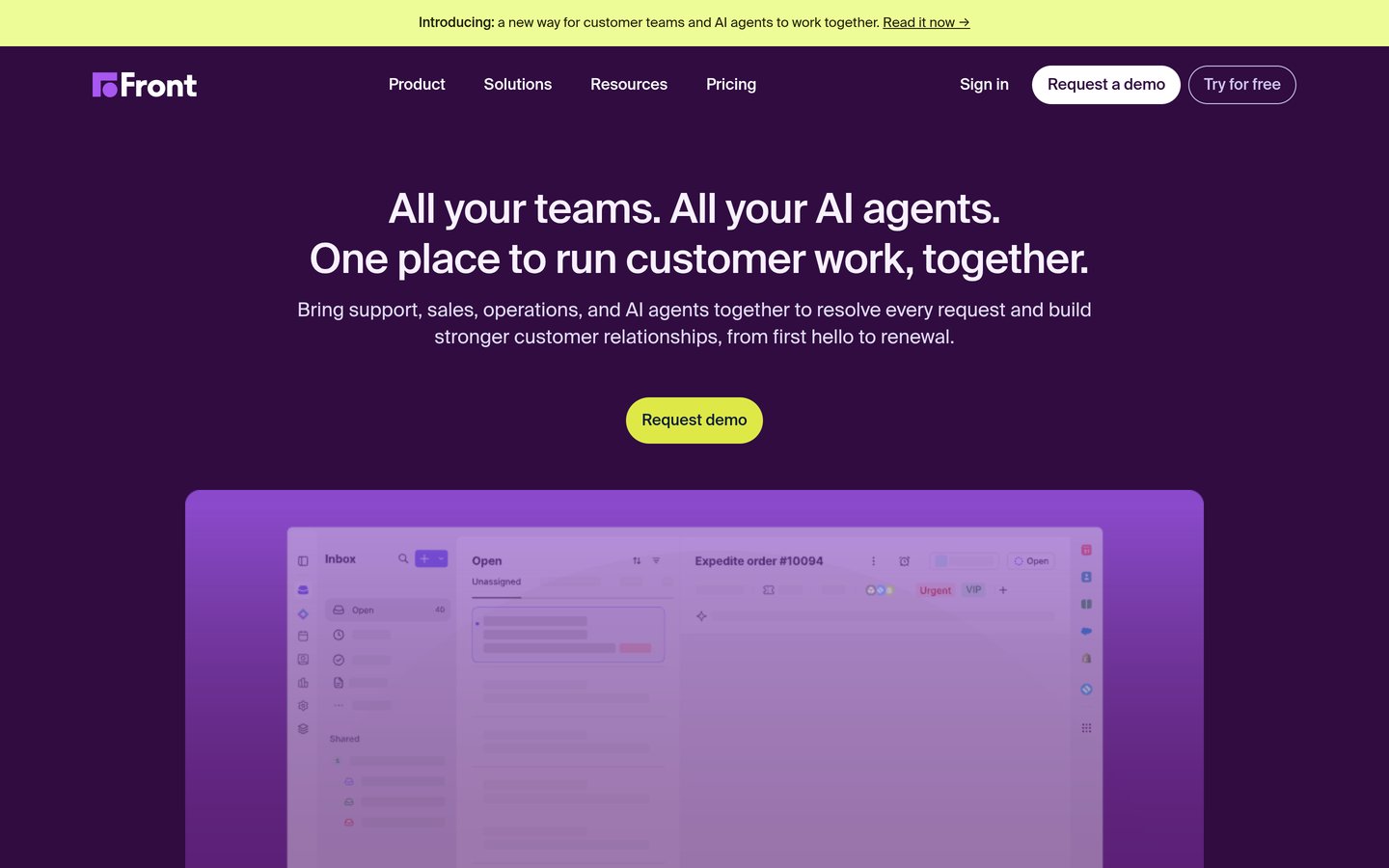
Front is a collaborative inbox platform that turns shared email into a workspace, with assignment, internal comments, automation rules and a knowledge base. Starter costs $25 per seat a month billed annually for up to 10 seats, and it is the highest-rated shared inbox in this list at 4.7 on G2.
The trade off is the seat caps and the add-ons. Starter stops at 10 seats and one channel type, Professional stops at 50, and AI Copilot costs $20 a seat extra. It suits teams that run support from shared inboxes and want to work on them together.
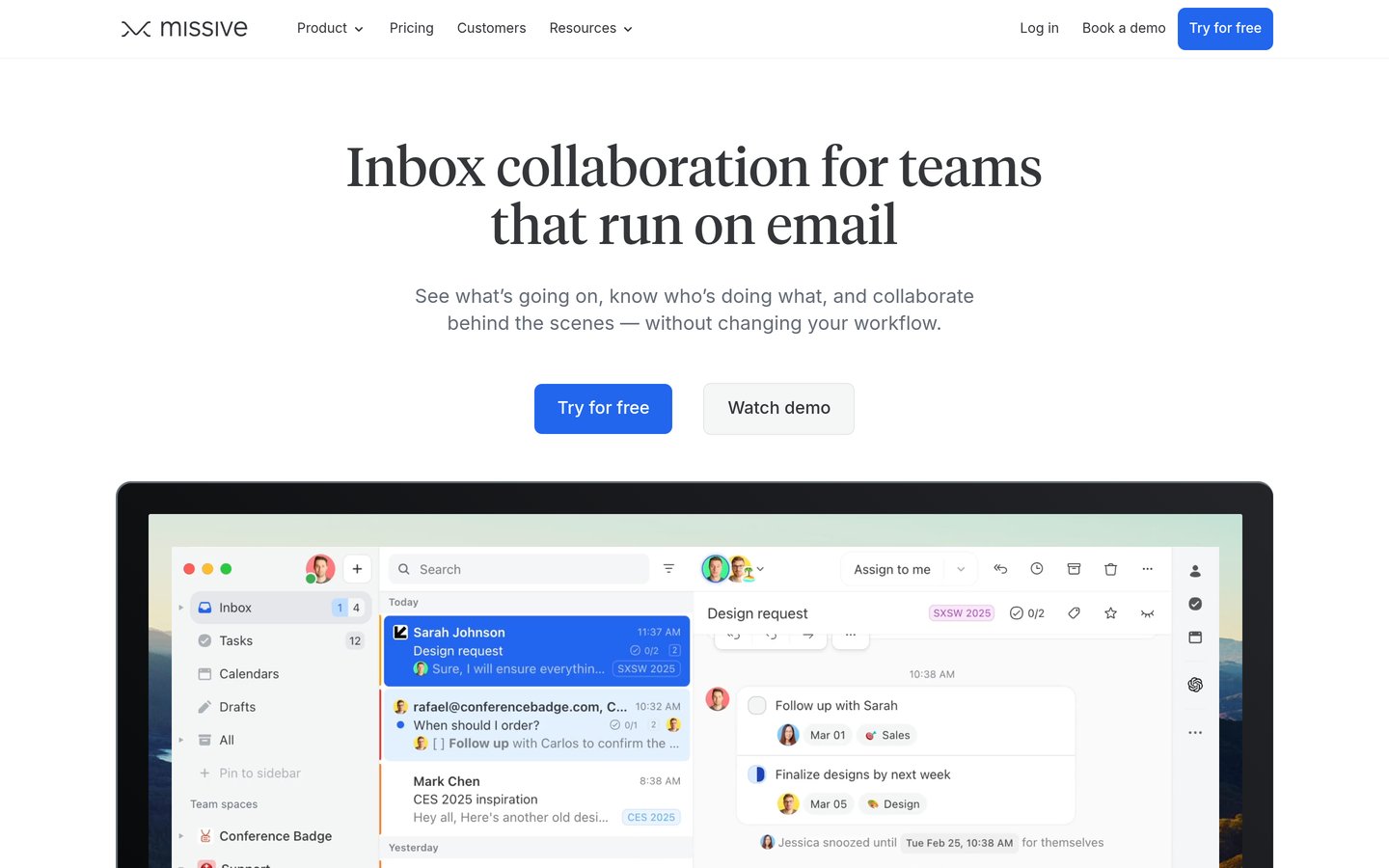
Missive is a team inbox for email, SMS and social accounts, with shared conversations, tasks, assignments and internal chat in one window. Starter costs $14 per user a month and covers up to 5 users, with a 20 percent discount on yearly billing.
The trade off is the small-team focus. Starter stops at 5 users, Productive stops at 50, and the deepest automation needs the Business plan at $36. It suits small teams that want email, SMS and social in one shared inbox.
Drag is a shared inbox that lives inside Gmail, turning shared email addresses into Kanban boards with assignment, notes and automation. Starter costs $12 a month, and the team never leaves Gmail, so there is nothing new to learn and no separate app to open.
The trade off is the Gmail lock-in. Drag only works inside Gmail and Google Workspace, the trial lasts 7 days, and it is the thinnest review base here at 262 on G2. It suits teams that live in Gmail and want a shared inbox without leaving it.
Gmelius is a Gmail and Google Workspace add-on that turns Gmail into a shared team workspace, with shared inboxes, Kanban boards, automation rules and an AI assistant called Meli. Growth costs $25 per user a month billed annually and is the first plan with shared inboxes.
The trade off is the plan split. The $19 Meli plan has no shared inbox, usage caps apply on every plan, and reviewers say Gmail can slow with the extension on large inboxes. It suits Gmail-first teams of 3 to 50 that want AI help inside the inbox.
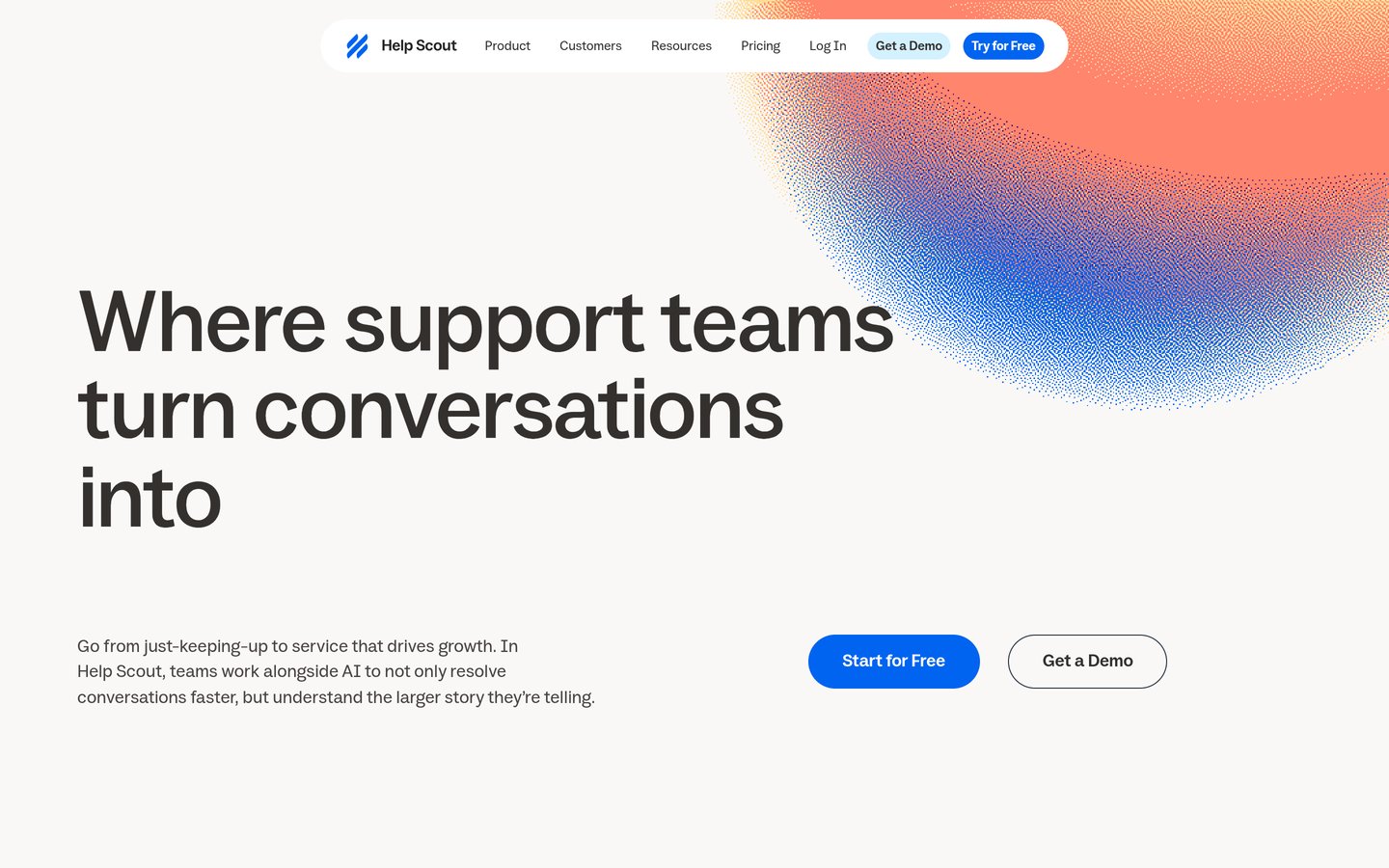
Help Scout is an email-first help desk with a shared inbox, a Docs knowledge base and a Beacon widget for live chat and messaging. The free plan covers up to 5 users, and Standard costs $25 per user a month billed annually with 2 inboxes, live chat and messaging channels.
The trade off is the per-user price and the AI billing. Standard stops at 25 users, Pro needs 10 users at $75 each, and AI agents bill by outcome on top. It suits small teams that want support to look like ordinary email.
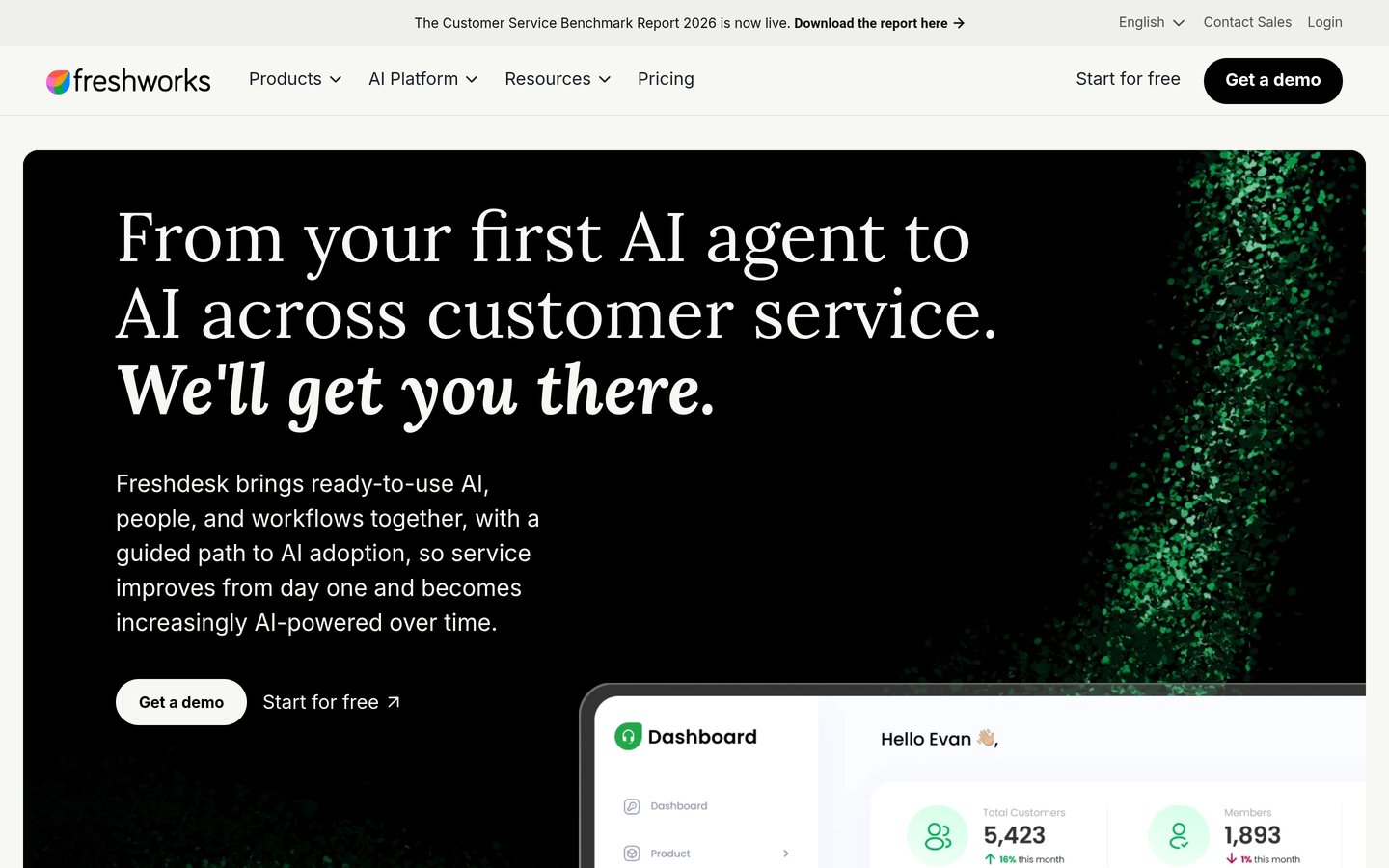
Freshdesk is a classic ticketing help desk from Freshworks, where every email, form and chat becomes a ticket with a status, a priority, an owner and a due time. Growth costs $19 per agent a month billed annually and includes a shared inbox, a customer portal, a knowledge base and 500 Freddy AI Agent sessions.
The trade off is the help-desk philosophy. Freshdesk turns everything into tickets, which suits formal support but feels heavier than a shared inbox for simple email. It suits budget teams that want a full help desk from $19 an agent.
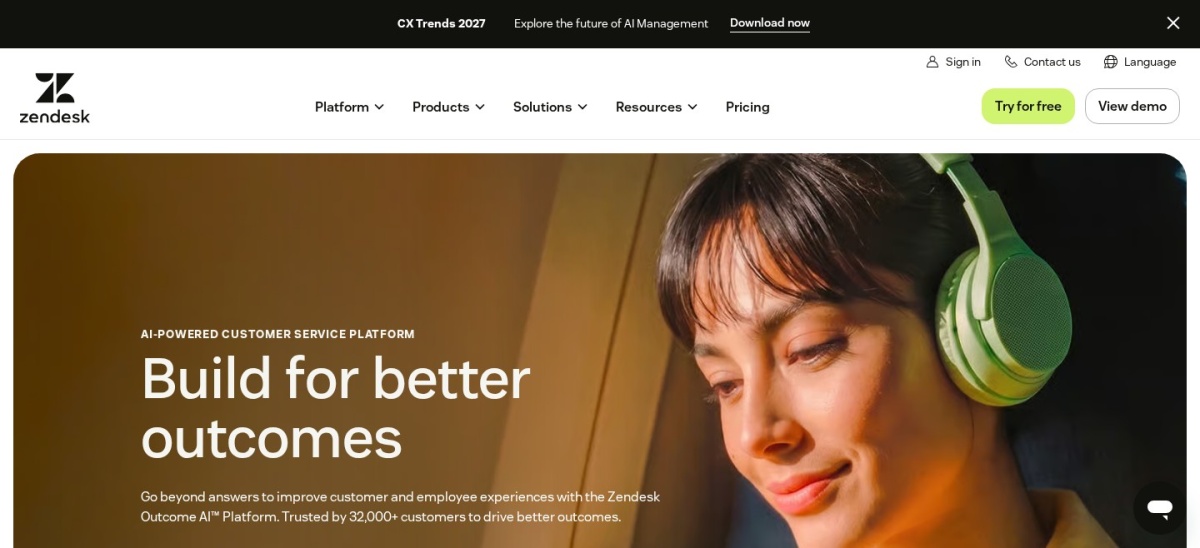
Zendesk is the default help desk for large support teams, with email ticketing, routing, dashboards and automations on the Support Team plan. Support Team costs $19 per agent a month billed annually, and it is the deepest routing and reporting engine in this list.
The trade off is the omnichannel jump. Live chat, messaging and telephony start on Suite Team at $55 an agent, and the full suite climbs to $115. It suits teams of 20-plus agents that need deep routing and AI at scale.
Zoho Desk is the cheapest help desk in this list, with a free plan for 3 users and Express at $7 per agent a month billed annually. It covers email and social ticketing, workflows, escalations and Zia AI, with deep ties to Zoho CRM, Books and the rest of Zoho One.
The trade off is the tier ladder. Express caps at 5 users, and a public help center or chat widget forces every seat onto Standard at $14. It suits budget teams, especially those already running Zoho CRM.
Enchant is a support platform built around one flat plan of $20 per user a month, with shared inboxes, knowledge bases, live chat, a call center, workflow automation and Enchant AI Starter all included. The free plan covers up to 2 users, and there is no annual contract.
The trade off is the thin review base and the add-ons. Its G2 rating of 4.8 rests on only 65 reviews, and the full AI tier and SSO cost extra. It suits small teams that want every feature in one flat price.
Hiver itself scores 4.6 on G2 from 2,169 reviews, with Growth at 25 dollars a user a month billed annually and 35 dollars monthly.
Front, Missive, Drag and Gmelius are shared inboxes like Hiver, while Help Scout, Freshdesk, Zendesk, Zoho Desk and Enchant are full help desks with ticketing, knowledge bases and SLAs.
The biggest change is usually the workflow. A shared inbox keeps support looking like email, while a help desk turns every message into a ticket with a status and a due time.
How we chose
We started from the tools that appear most often as Hiver alternatives in 2026 comparisons, then kept those with a verifiable rating on G2, Capterra or Trustpilot and a published price or free plan.
Prices and ratings were checked on 29 November 2026. Ratings and review counts come from G2 on the same day, and the top three prices were confirmed on each vendor's own pricing page, with the shared-inbox plan used where a cheaper plan lacks the inbox.
We left out tools with no verifiable G2, Capterra or Trustpilot rating and those priced by quote only. No vendor paid for a place, and we do not claim hands-on testing for this list.
How to choose a Hiver alternative
Match the tool to where your team works, then check the seat caps and the real monthly cost.
Name where you work. Gmail-first teams can stay in Gmail with Drag or Gmelius, while teams that want a standalone inbox should look at Front or Missive.
Decide inbox or help desk. A shared inbox keeps support looking like email, while a help desk adds ticketing, knowledge bases and SLAs.
Check the seat caps. Front Starter stops at 10 seats, Missive Starter at 5, and Zoho Desk Express at 5, so count your team first.
Try the free tier. Help Scout, Zoho Desk and Enchant all have free plans, so test the workflow before paying anything.
FAQ
What are the best Hiver alternatives in 2026?
Front is the best Hiver alternative for most teams, because Starter costs 25 dollars a seat a month and covers shared inboxes, assignment and automation. Missive suits smaller teams at 14 dollars a user, and Zoho Desk suits budget teams at 7 dollars an agent.
Is there a free Hiver alternative?
Yes. Help Scout is free for up to 5 users, Zoho Desk is free for 3 users, and Enchant is free for 2 users. Missive, Drag and Gmelius offer 7 to 30 day trials instead, and Front offers a 14-day trial.
What is the cheapest Hiver alternative?
Drag is the cheapest Hiver alternative at 12 dollars a month for a Gmail shared inbox, and Missive Starter costs 14 dollars a user. Zoho Desk Express is cheaper still at 7 dollars an agent, but it is a full help desk rather than a shared inbox.
Which Hiver alternative works inside Gmail?
Drag and Gmelius both work inside Gmail, with Drag turning shared addresses into Kanban boards and Gmelius adding shared inboxes, automation and AI. Hiver itself is also Gmail-native, so these two are the closest switches for a team that never leaves Gmail.
Can I migrate from Hiver to Front?
Yes. Front offers migration help and imports shared inboxes, conversations and contacts from Hiver, and most tools here offer import tools or migration services. Ask for the migration before you pay, so you can test the import on a trial account.
Is Zendesk a good Hiver alternative?
Zendesk is a good Hiver alternative for large teams that need deep routing, reporting and omnichannel support, with Support Team at 19 dollars an agent. Small teams should avoid it, because chat and phone need Suite Team at 55 dollars an agent.
SaaS SEO and WordPress specialist with about 8 years of experience. Rakib compares WordPress plugins, themes, hosting and software using public pricing, documentation and user reviews. See how we rank.