Corelight is the best ExtraHop alternative for most teams, rated 4.6 out of 5 on G2 from 20 reviews for its open, Zeek-based network evidence. Pick Darktrace for self-learning detection with autonomous response, or Vectra AI when alert noise is the bigger problem.
How we make this list: we compare pricing pages, product documentation and public user reviews, then re-check every price before each update. No product paid for a place. Disclosure.
Corelight leads at 4.6/5 on G2: open Zeek telemetry and full network evidence for hunting and forensics.
Darktrace (4.5/5, 47 reviews) and Vectra AI (4.3/5, 20 reviews) are the closest pure NDR swaps for ExtraHop Reveal(x).
Seven of the nine tools publish no price at all: expect a quote sized by sensors, IPs or users.
Datadog is the only tool with a free tier (5 hosts) and the cheapest paid start at $15 per host per month.
Arctic Wolf has the highest rating here (4.7/5, 280 reviews) but it is a managed service, not software you run.
QRadar buyers should note the SaaS move to Cortex XSIAM: this entry covers the on-premises SIEM.
How do you choose the best ExtraHop alternatives?
ExtraHop Reveal(x) is known for deep packet inspection and encrypted traffic analysis, so a real alternative must see the same traffic, not just logs.
Start with what you need the network to prove. Forensics-led teams should weight open evidence and retention, while a thin SOC should weight signal quality and managed triage.
Price is the hardest part of this market. Seven of the nine tools here publish no list price, so budget on a quote sized by sensors, active IPs or protected users, and ask what retention and support cost.
Do not swap a packet-level NDR for an observability platform by accident. Datadog and Dynatrace give excellent network visibility, but neither does deep packet inspection or network forensics.
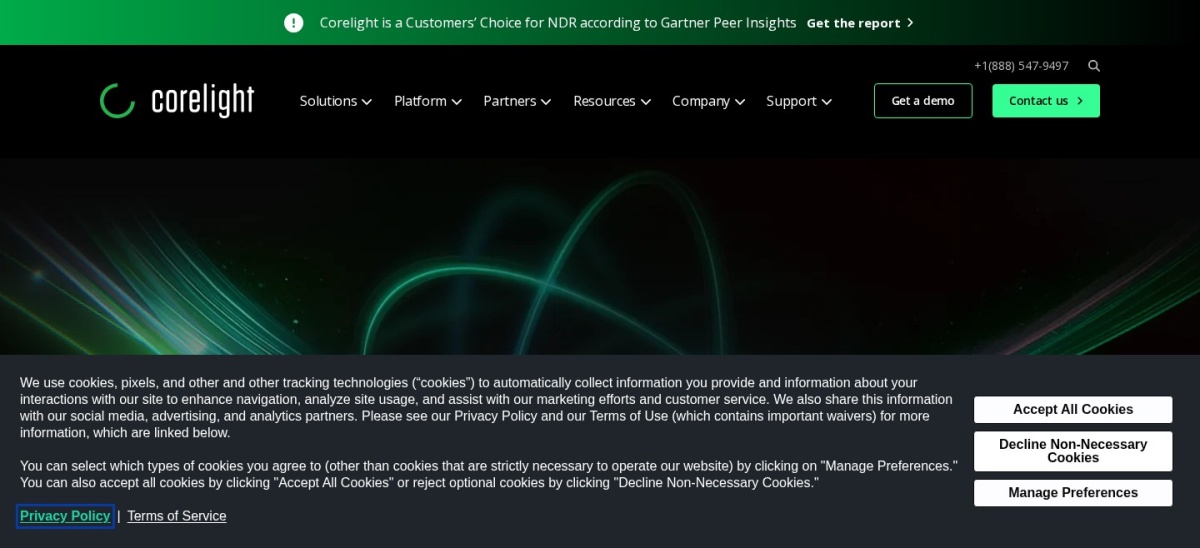
Corelight is an open network detection and response platform built on Zeek, the open-source network analysis framework. It turns raw traffic into structured, searchable evidence for threat hunting, forensics and SOC investigations, with integrations into tools such as CrowdStrike.
The trade off is complexity. Reviewers praise the telemetry but warn that setup and tuning need skilled analysts and training, and pricing is quote-only. It suits forensics-led teams that want evidence in open formats rather than a black box.
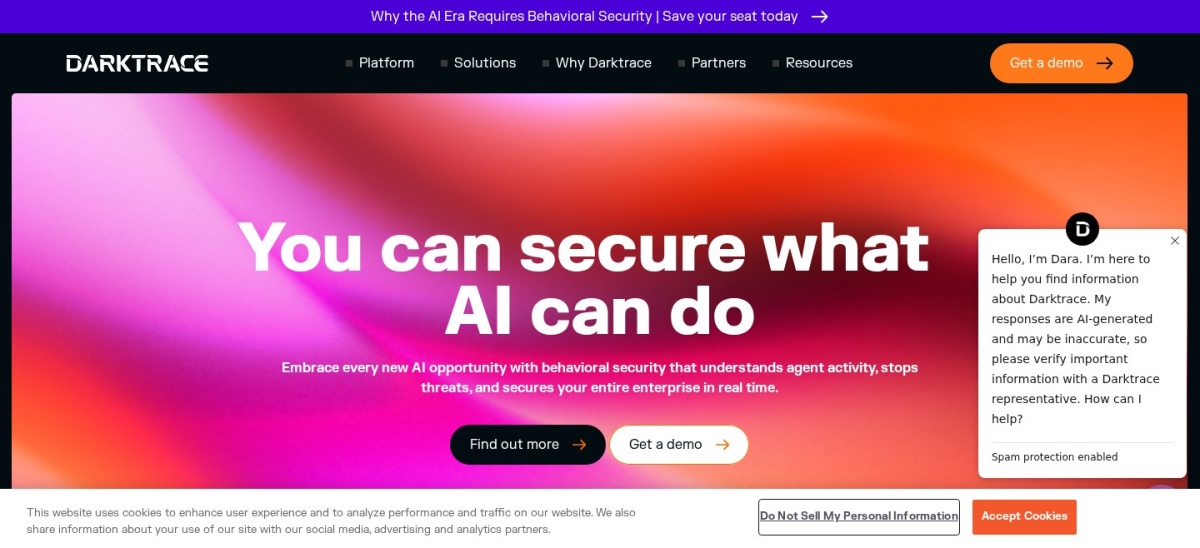
Darktrace is an AI cybersecurity platform whose NETWORK product builds a model of normal behaviour for your network and flags what breaks the pattern. Its autonomous response can isolate a device or block a connection while analysts investigate.
The trade off is price and effort. There is no published price, reviewers call it premium-priced, and tuning the self-learning model takes time. It suits large estates that want AI-led detection with response built in.
What we like
Self-learning detection catches novel behaviour
Autonomous response acts while analysts investigate
Vectra AI is a network detection and response platform that scores and prioritises detections as Attack Signal Intelligence, then maps them to attack progression. It watches network, identity and cloud activity, with strong Microsoft 365 and Azure AD coverage.
The trade off is cost and scope. Pricing is quote-based and licensed on active internal IPs, so large estates pay more, and it works best feeding a SIEM or SOAR for response. It suits SOCs drowning in alerts that need fewer, higher-quality signals.
What we like
Scores and prioritises detections, cutting alert noise
Maps detections to attack progression
Strong M365 and Azure AD coverage
Intuitive interface praised by reviewers
Watch out for
Quote-only, IP-based licensing gets costly at scale
Cortex XDR is Palo Alto Networks' extended detection and response platform, correlating endpoint, network and cloud data into one incident view. It groups related alerts, automates containment and integrates with Palo Alto Networks firewalls.
The trade off is licensing complexity. Reviewers cite high costs and extra licences for advanced features, and smaller teams find it heavy. It suits teams already running Palo Alto firewalls who want one console.
What we like
One incident view across endpoint, network and cloud
Automated containment and alert grouping
Strong integration with Palo Alto firewalls
Rated 4.5 out of 5 on G2 from 85 reviews
Watch out for
High licensing costs, especially for smaller teams
Advanced features often need extra licences
Complex policy management and steep learning curve
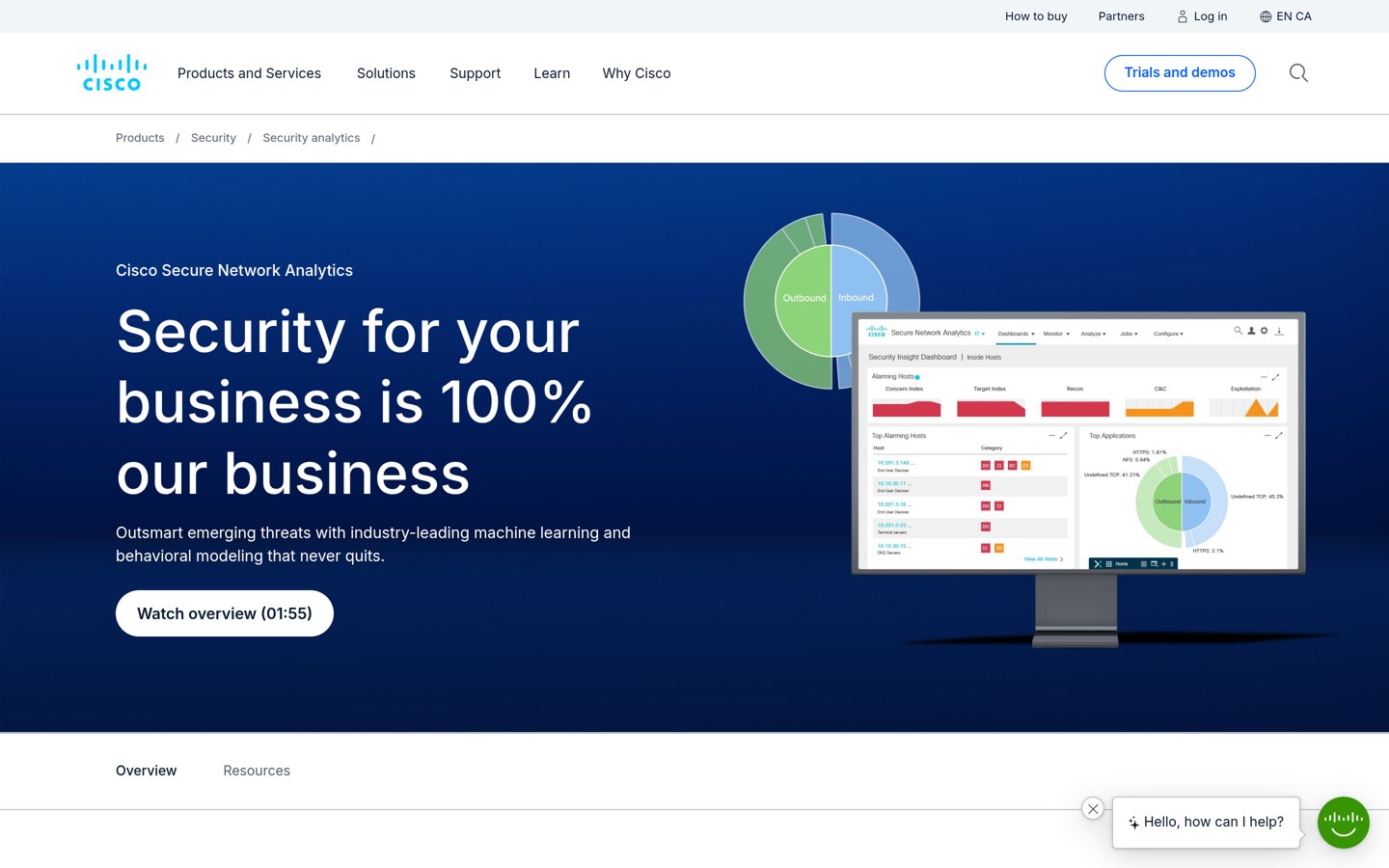
Cisco Secure Network Analytics homepage, captured Nov 2026.
Cisco Secure Network Analytics, formerly Stealthwatch, watches traffic across Cisco infrastructure using flow telemetry. Its encrypted traffic analytics can spot threats inside encrypted flows without full decryption.
The trade off is vendor fit. It is the natural pick for all-Cisco networks, but mixed-vendor estates get less from it, and reviewers describe it as costly. It suits Cisco shops that already collect NetFlow.
What we like
Encrypted traffic analytics without full decryption
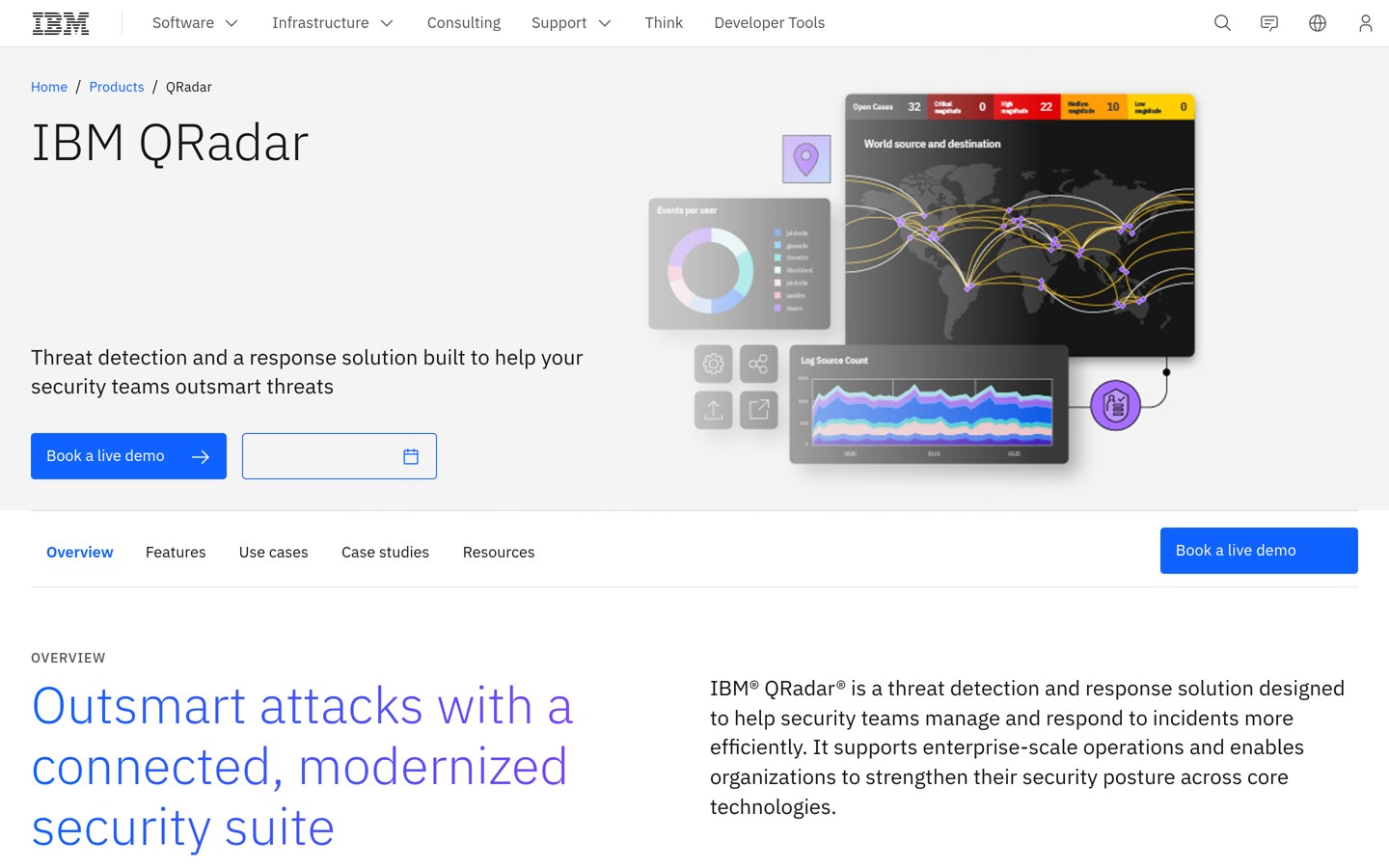
IBM QRadar SIEM collects logs, events, network flows and user behaviour across the enterprise, correlates them against threat intelligence and flags anomalies. It is a long-standing enterprise SIEM with deep use in regulated industries.
The trade off is cost and roadmap. Reviewers cite expensive licensing and heavy infrastructure needs, and IBM moved QRadar SaaS customers to Palo Alto Networks Cortex XSIAM in 2024, so this entry covers the on-premises product. It suits regulated teams with existing QRadar deployments.
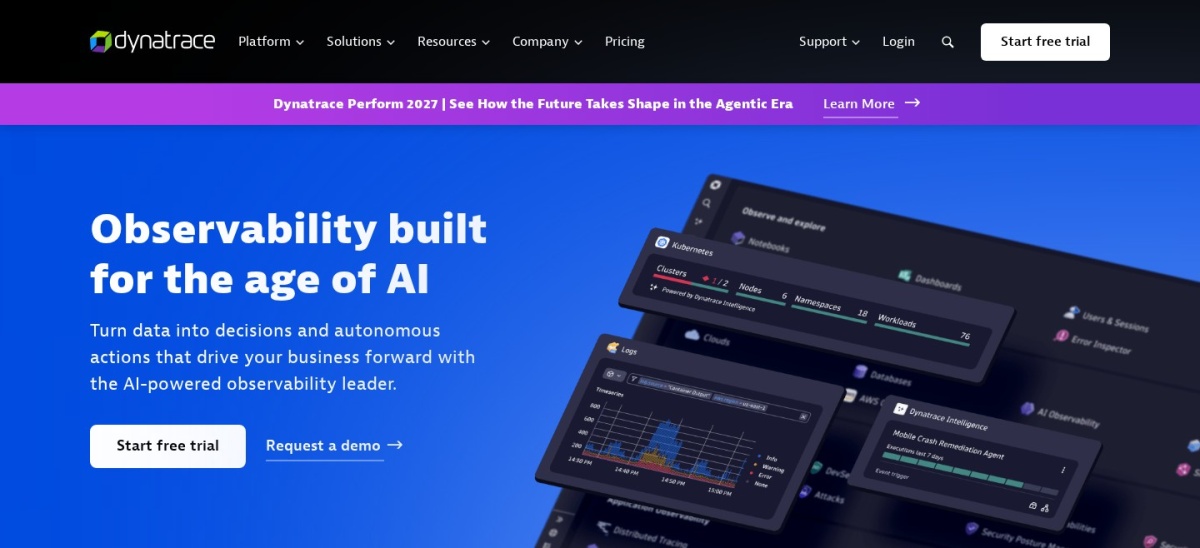
Dynatrace is an observability platform that continuously discovers and maps infrastructure, applications and networks, with Davis AI explaining problems and cutting investigation time. Infrastructure monitoring starts at $21 per host per month billed annually.
The trade off is that it is observability, not a dedicated NDR. It lacks deep packet inspection and network forensics, and costs climb as hosts and modules grow. It suits teams that want network visibility inside a wider monitoring platform.
What we like
Automatic discovery and mapping of the whole estate
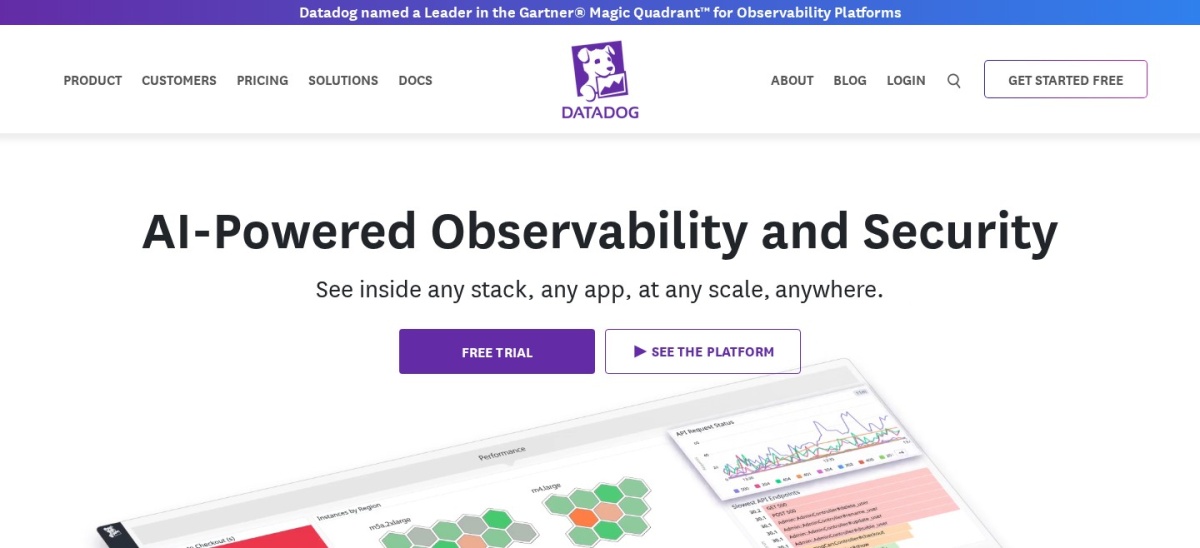
Datadog is a cloud monitoring platform covering infrastructure, applications, logs and real user activity in one place. The free tier covers up to 5 hosts, and Infrastructure Pro starts at $15 per host per month, with network performance monitoring as a $5 per host add-on.
The trade off is the bill. Per-host and per-GB charges add up fast once APM, logs and synthetics are on, and it is monitoring rather than dedicated threat detection. It suits cloud-native teams that want one observability platform.
What we like
One platform for infra, APM, logs and browser monitoring
Arctic Wolf is a managed detection and response service, not software you run yourself. Its cloud-native security operations platform watches your network around the clock, triages alerts and helps with incident response, with endpoint agents and unlimited log retention included.
The trade off is control. You hand triage to an outside team, pricing is quote-based and sized by users and servers, and costs rise with extra connectors. It suits teams without a 24/7 SOC that want coverage without hiring.
What we like
24/7 monitoring and triage without hiring
Customer support praised in 58 G2 mentions
Endpoint agents and log retention included
Highest rating here: 4.7 out of 5 from 280 reviews
Most NDR vendors do not publish prices, so the quote is the price. Ask for the sensor or appliance cost, the retention period, and whether threat intelligence and support are included or extra.
Size the quote on your real traffic. Vendors size on sensors, active internal IPs or protected users, and an undersized quote is the most common reason a first-year bill surprises a buyer.
How we chose
We started from G2's ExtraHop alternatives list and the NDR vendors most often compared with ExtraHop Reveal(x), then kept nine with a verifiable G2 rating and review count.
Prices come from each vendor's pricing page or vendor-supplied G2 listing, checked on 29 November 2026. Ratings and review counts come from G2 on the same day. Where a vendor shows no price, we say so instead of guessing one.
We excluded Trellix Network Detection and Response (4.1/5 on G2 from 67 reviews, the weakest rating in the set) and Plixer Scrutinizer, which has no verifiable G2 rating. No vendor paid for a place, and we do not claim hands-on testing for this list.
How to choose an ExtraHop alternative
Match the tool to the job your SOC actually does, then price it on your real traffic.
Decide NDR, SIEM or observability. If you need packet-level detection and forensics, shortlist Corelight, Darktrace and Vectra AI. If you need log correlation, look at QRadar; if you need monitoring, look at Datadog or Dynatrace.
Check the evidence, not the dashboard. Ask how long full packet or flow evidence is kept, whether it exports in open formats, and how a hunt for a past incident actually works.
Price it on your traffic. Get quotes sized on the same sensor count, active IPs or host count from every vendor, and ask what retention, threat intelligence and support add.
Run a proof of value on live traffic. A two-week trial on a mirrored feed shows detection quality and alert volume far better than a demo, and it exposes tuning work before you sign.
FAQ
What is the best ExtraHop alternative in 2026?
Corelight is the best ExtraHop alternative for most teams. It is rated 4.6 out of 5 on G2 from 20 reviews and turns network traffic into open, Zeek-based evidence for threat hunting and forensics, the closest match to ExtraHop's packet-level visibility.
What is the cheapest ExtraHop alternative?
Datadog is the cheapest starting point here, with a free tier for 5 hosts and Infrastructure Pro from $15 per host per month. Dynatrace starts at $21 per host per month for infrastructure monitoring. The pure NDR tools are all quote-only.
Is there a free ExtraHop alternative?
Datadog is the only tool in this list with a free tier, covering up to 5 hosts. None of the dedicated NDR tools offers a free plan, though most offer a trial or demo on request.
Corelight vs Darktrace: which is better?
Corelight is better for forensics-led teams that want open evidence and Zeek telemetry, rated 4.6 out of 5 on G2. Darktrace is better for teams that want self-learning detection with autonomous response, rated 4.5 out of 5 from 47 reviews.
Can Datadog or Dynatrace replace ExtraHop?
They can replace the visibility part, but not the detection part. Both give strong network and infrastructure monitoring, but neither does deep packet inspection or network forensics, so pair them with a dedicated NDR for threat detection.
Do any ExtraHop alternatives publish their pricing?
Only Datadog and Dynatrace publish per-host prices in this list. Corelight, Darktrace, Vectra AI, Cortex XDR, Cisco Secure Network Analytics, QRadar and Arctic Wolf are all quote-only, so budget on a sales quote.
SaaS SEO and WordPress specialist with about 8 years of experience. Rakib compares WordPress plugins, themes, hosting and software using public pricing, documentation and user reviews. See how we rank.