Greenhouse is the best recruiter software for most hiring teams, because its structured interview kits and scorecards keep every hire consistent and defensible. Workable is the best transparently priced pick at 299 dollars a month, while Manatal is the cheapest per seat at 15 dollars a user a month.
How we make this list: we compare pricing pages, product documentation and public user reviews, then re-check every price before each update. No product paid for a place. Disclosure.
Greenhouse is the best pick for structured, defensible hiring, with custom-quoted pricing.
Workable is the best transparently priced pick at $299 a month for up to 20 employees.
Manatal is the cheapest per seat at $15 a user a month, with AI scoring included.
Breezy HR and Zoho Recruit both offer real free plans for occasional hiring.
Greenhouse and Lever are quote-only, so budget for a sales call before you compare.
What recruiter software should cover
Recruiter software is the system a recruiter lives in all day: an applicant tracking system for jobs and candidates, plus sourcing, scheduling, scorecards and reporting. The best tools add a candidate relationship layer, so past applicants can be rediscovered instead of bought again from a job board.
Prices are charged in different units, so compare carefully. Manatal and Zoho charge per recruiter seat, Breezy and JazzHR charge a flat company rate, Workable and Ashby charge by company size, and Greenhouse and Lever quote by headcount. A 15 dollar seat is not the same as a 299 dollar company plan when five recruiters share one account.
Free does not mean complete. Breezy HR's Bootstrap plan covers one active position and Zoho Recruit's Forever Free plan covers one active job, which suits occasional hiring but not a busy desk. Paid plans add job slots, scorecards, automation and reporting, and add-ons such as texting and video interviews can add more than 100 dollars a month on Workable.
Ratings alone will not separate these tools. G2 lists 606 applicant tracking systems with an average rating of 4.46 out of 5, and every tool here scores between 4.2 and 4.8. Rank by fit instead: structured hiring, agency work, budget, or analytics, and confirm quote-only prices with the vendor before you budget.
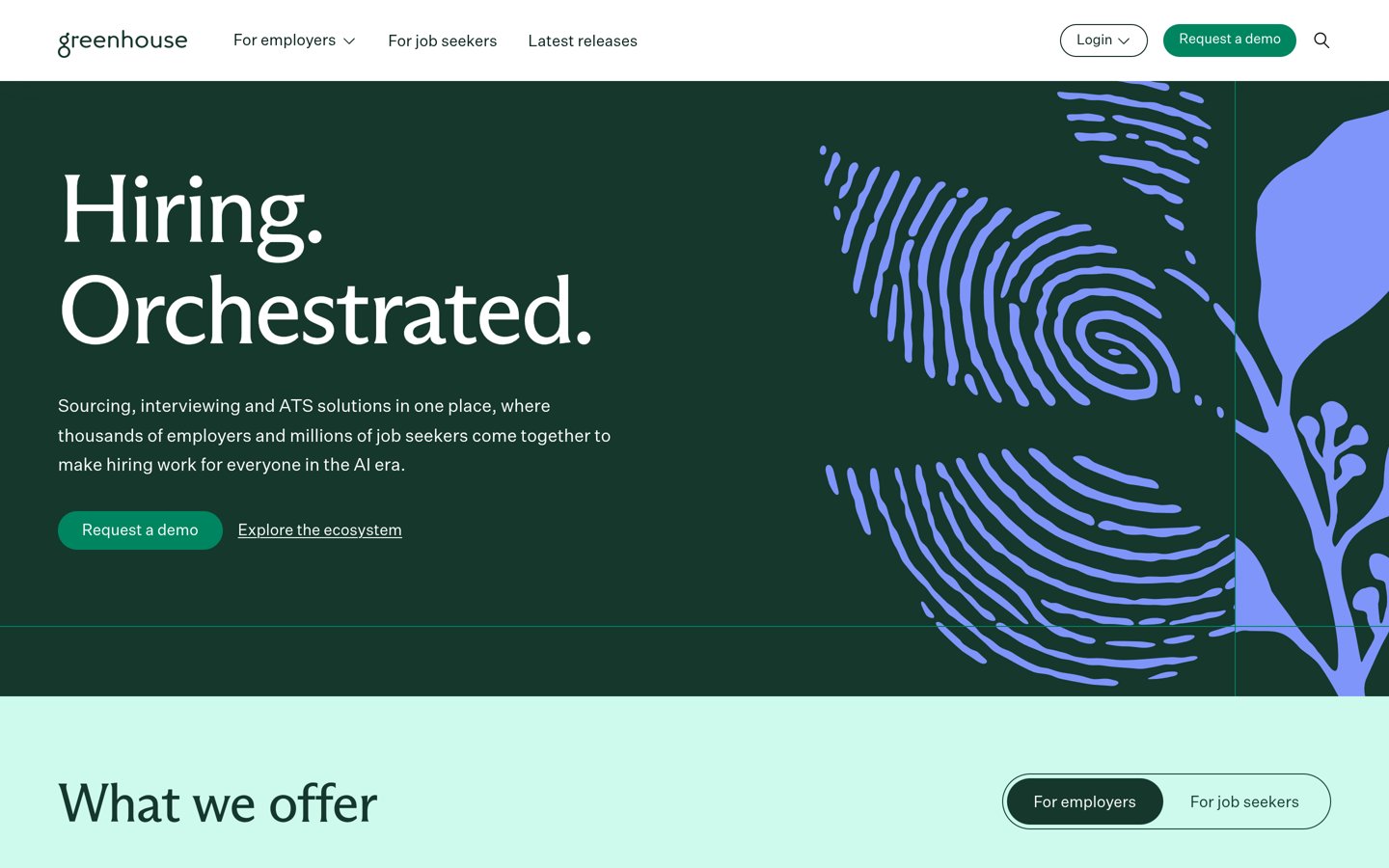
Greenhouse is an applicant tracking system built around structured hiring, with interview kits, scorecards, defined stages and audit trails that keep every hiring decision consistent and defensible. Core, Plus and Pro are the three plans, and all pricing is custom-quoted by headcount, with small-team contracts reported near 6,000 dollars a year. It holds 4.4 out of 5 on G2 from 4,033 reviews.
The trade off is the buying process and the price. There is no published price list, no free plan and no self-serve trial, so budgeting starts with a sales call and a demo. It suits mid-market and enterprise teams that want hiring discipline enforced by software and can pay for it.
What we like
Structured hiring with scorecards and audit trails
Largest G2 review base in this list at 4,033
Deepest DEI analytics of the tools here
450 plus integrations with HR and assessment tools
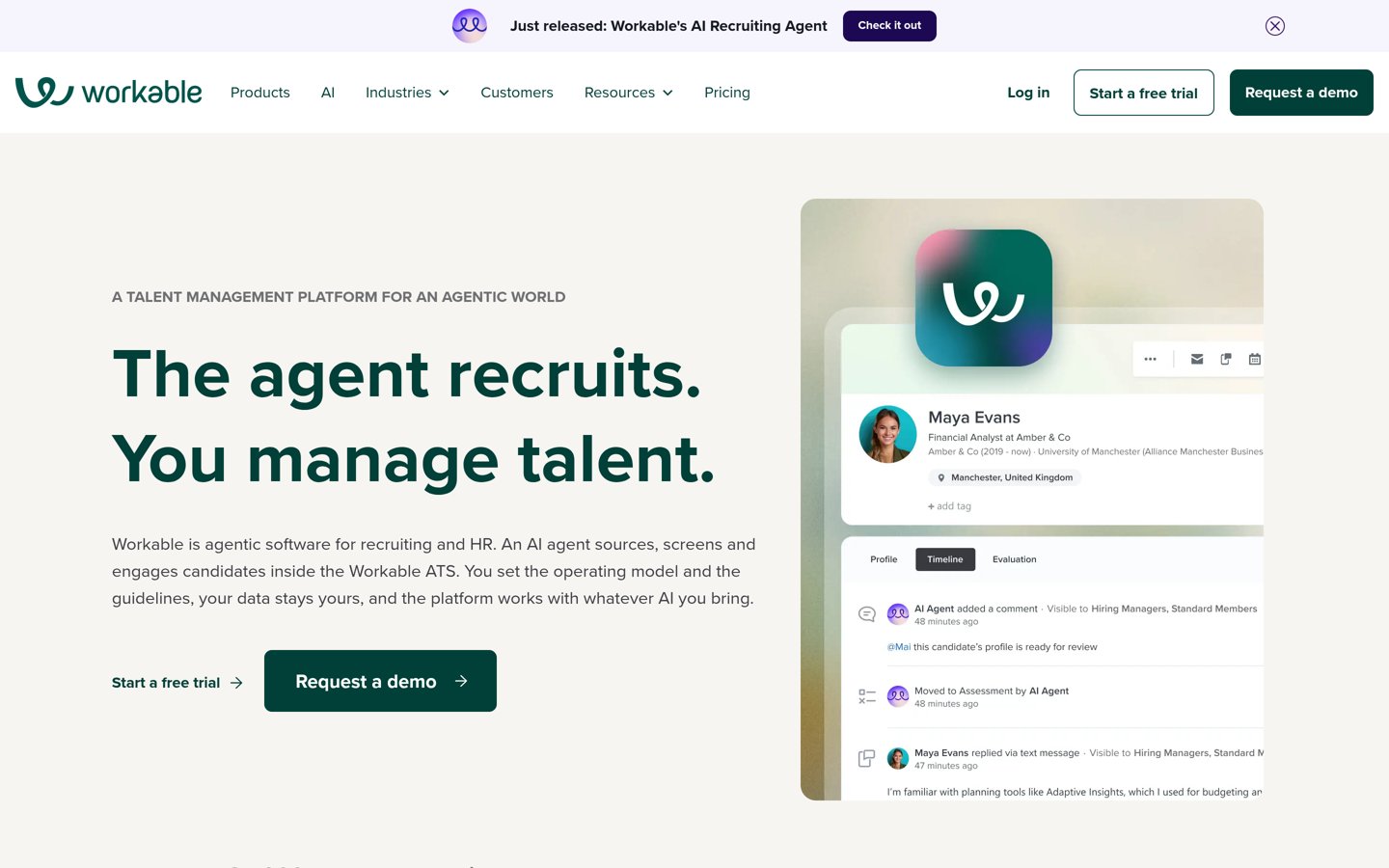
Workable is an applicant tracking system and hiring platform for small and mid-market teams, with a candidate sourcing suite, 200 plus job board distribution and a talent CRM in one place. Standard costs 299 dollars a month for companies with 1 to 20 employees, or 3,588 dollars a year, with Premier at 599 and Enterprise at 719. It holds 4.4 out of 5 on G2 from 706 reviews.
The trade off is headcount pricing. The price rises with company size rather than hiring volume, so a large company that hires rarely pays more than a small one that hires constantly. It suits teams that want transparent pricing and self-serve setup without a sales call.
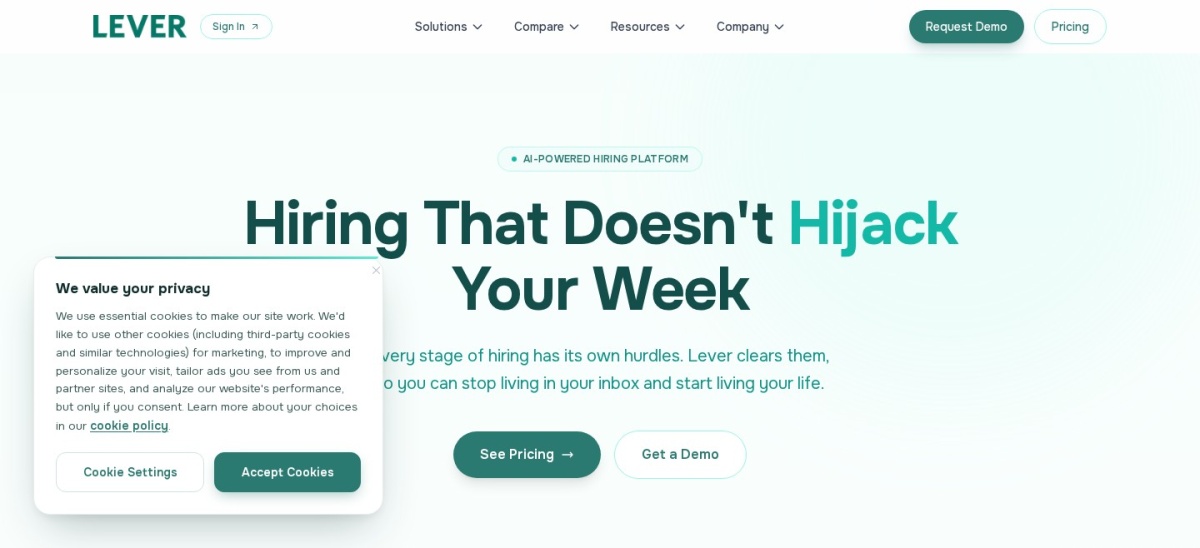
Lever is an applicant tracking system with a built-in candidate relationship management system, so sourcing, nurture campaigns and talent pools sit next to active pipelines. Pricing is custom-quoted, with entry contracts reported near 3,500 dollars a year and larger deals running far higher. It holds 4.3 out of 5 on G2 from 2,123 reviews.
The trade off is price transparency. There is no published price list, and the CRM strength matters most to teams that source outbound rather than waiting for applications. It suits mid-market teams that nurture passive candidates and want one system for sourcing and hiring.
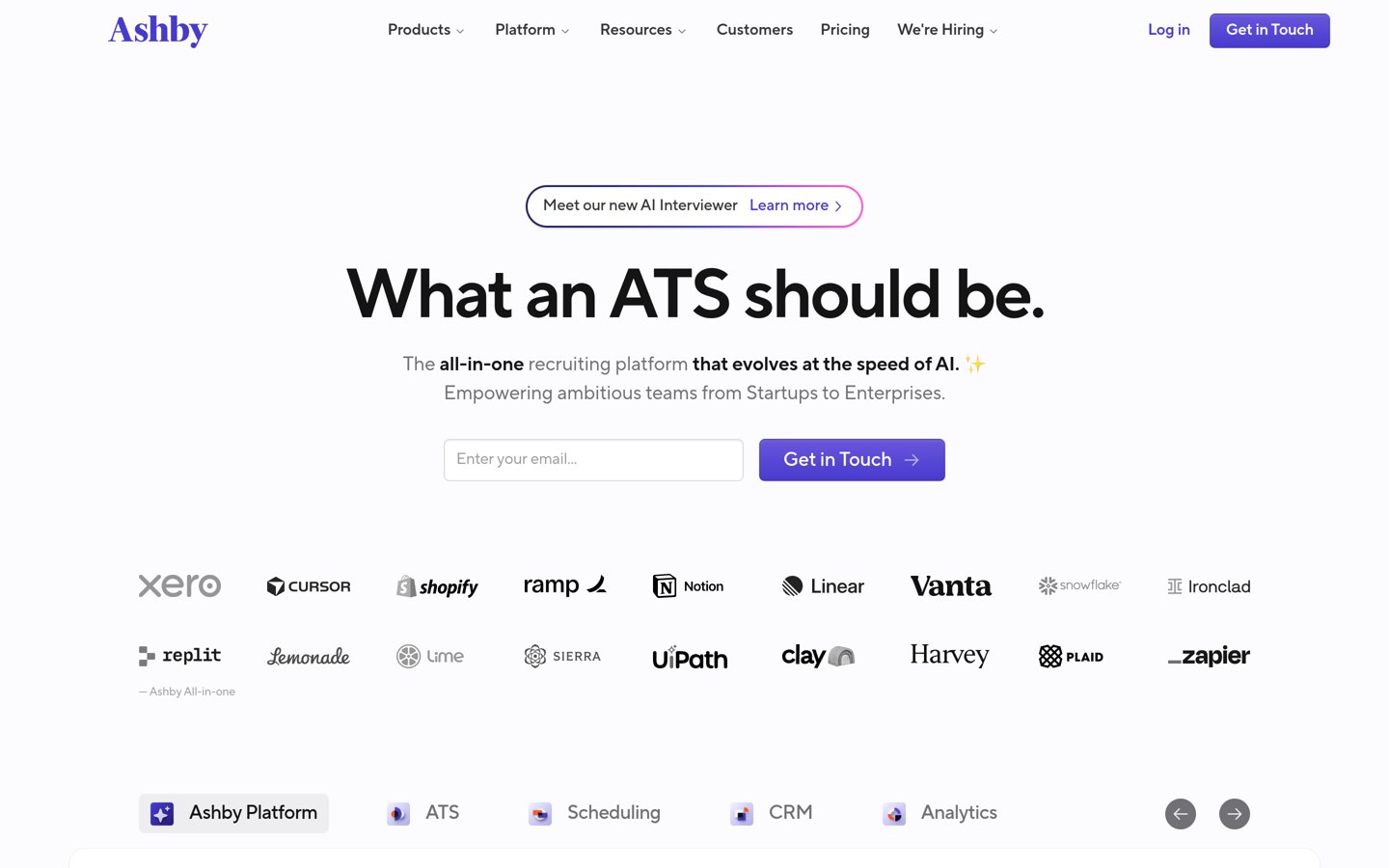
Ashby is an applicant tracking system with native analytics, combining the ATS, a sourcing CRM, scheduling and reporting in one flat-priced platform. Foundations costs 300 dollars a month for companies with 1 to 10 employees, and larger size bands run higher. It holds 4.7 out of 5 on G2 from 212 reviews.
The trade off is the entry price and the thin review base. At 300 dollars a month it costs more than most budget tools, and 212 reviews is the smallest base among the in-house tools here. It suits funded startups and scale-ups that want hiring analytics without a separate reporting tool.
Bullhorn is an applicant tracking and customer relationship platform built for staffing and recruiting agencies, tracking candidates, clients, jobs and placements in one system. Starter costs 99 dollars per user a month, Core costs 165, and AI features sit on the higher Pro and Max tiers. It holds 4.2 out of 5 on G2 from 1,233 reviews.
The trade off is fit. Bullhorn is built only for agencies, so in-house hiring teams should not evaluate it, and the per-user price adds up fast on a large recruiter desk. It suits staffing firms placing candidates with clients, including temp and contract desks.
Breezy HR is a visual applicant tracking system for small teams, with drag-and-drop pipelines, candidate scorecards and a free Bootstrap plan for one active position. Startup costs 157 dollars a month billed annually, or 189 billed monthly, with unlimited users on every plan. It holds 4.4 out of 5 on G2 from 695 reviews.
The trade off is depth. Scorecards and advanced automation sit behind higher tiers, and Breezy has less enterprise reporting than Greenhouse or Ashby. It suits small teams that want to start free and keep every hiring manager in the pipeline without paying per seat.
What we like
Free Bootstrap plan with unlimited users
Visual drag-and-drop pipelines
Flat pricing regardless of user count
Quickest setup of the tools here
Watch out for
Scorecards need higher tiers
Less enterprise reporting than Greenhouse or Ashby
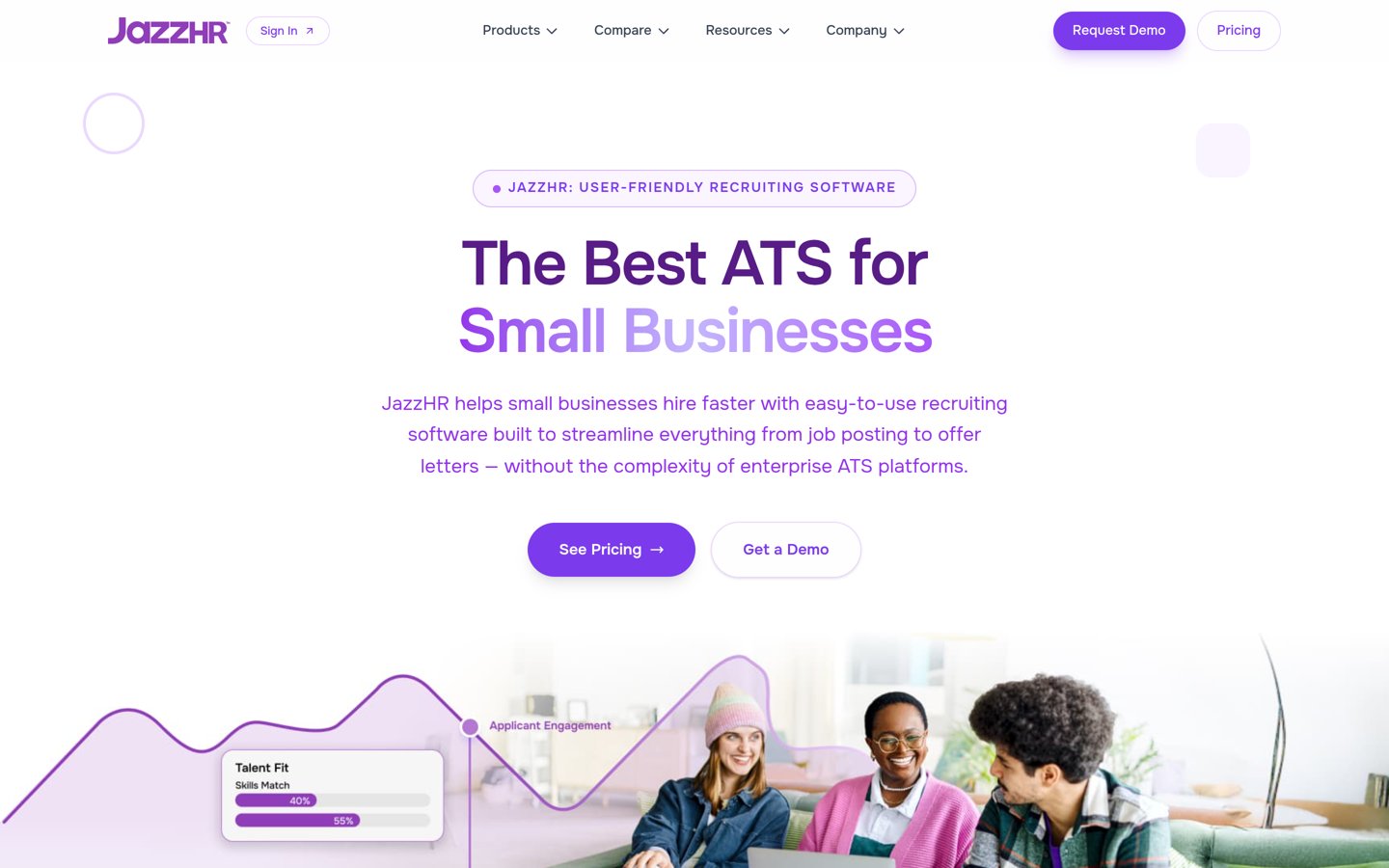
JazzHR is a flat-rate applicant tracking system for small businesses, with unlimited users on every plan and collaborative hiring boards for managers. Hero costs 1,000 dollars a year billed annually and covers 3 open jobs, while Plus and Pro add more jobs and features. It holds 4.4 out of 5 on G2 from 872 reviews.
The trade off is the job cap. Hero covers only 3 open jobs, so a team hiring for several roles at once is pushed to Plus at 3,480 dollars a year. It suits small teams with steady, low-volume hiring that want one flat annual price.
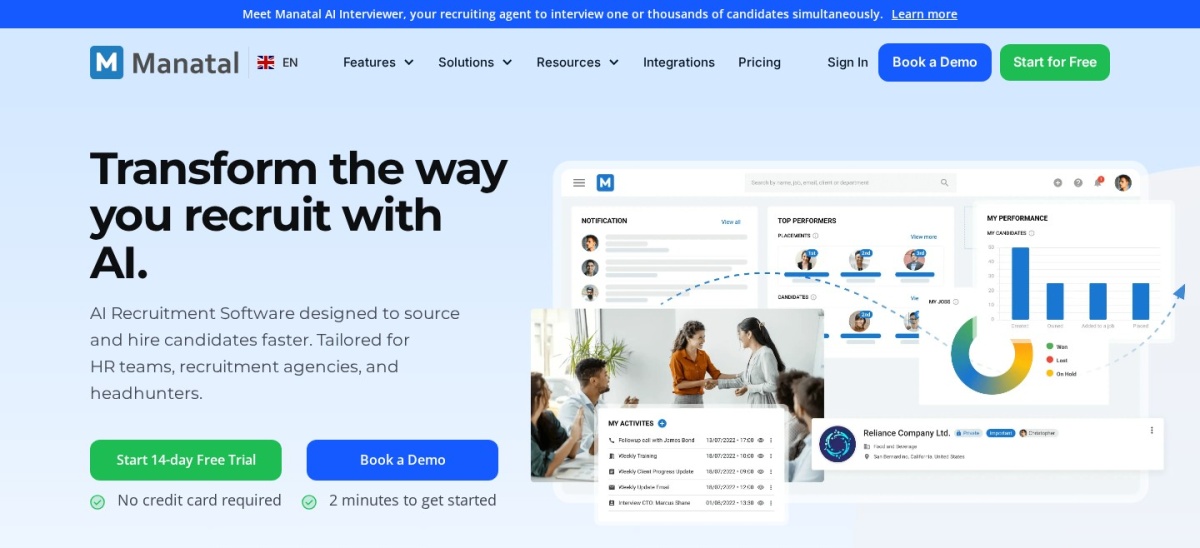
Manatal is an applicant tracking system with a sourcing CRM and AI candidate scoring, priced per recruiter seat for agencies and small businesses. Professional costs 15 dollars per user a month billed annually, with Enterprise at 35 and Custom at 55. It holds 4.8 out of 5 on G2 from 147 reviews.
The trade off is scale and support depth. Manatal is built for smaller teams, and it has fewer enterprise integrations than Greenhouse or Workable. It suits budget-conscious recruiters that want AI scoring and social sourcing without paying enterprise prices.
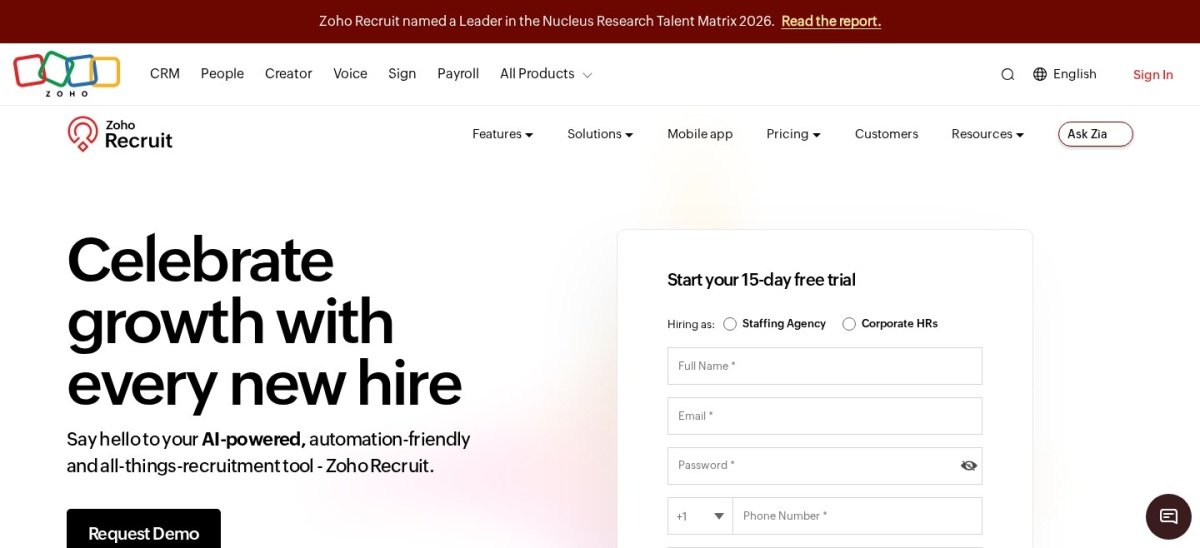
Zoho Recruit is an applicant tracking system with separate editions for in-house HR teams and staffing agencies, plus a Forever Free plan for one active job per recruiter licence. Standard costs 25 dollars per recruiter a month billed annually, with 10 active jobs per licence. It holds 4.4 out of 5 on G2 from 1,867 reviews.
The trade off is the free plan cap and the interface. One active job is enough for occasional hiring but not for a busy recruiter, and reviewers call the interface dated next to Ashby or Workable. It suits teams already on Zoho that want the cheapest real ATS with a free start.
Per seat vs flat rate vs headcount: how the price is charged
Manatal and Zoho Recruit charge per recruiter seat. Manatal Professional is 15 dollars per user a month billed annually and Zoho Standard is 25 dollars per recruiter a month, so a five-recruiter desk pays 75 or 125 dollars a month. Bullhorn Starter is 99 dollars per user a month, which makes it the most expensive per-seat tool here.
Breezy HR and JazzHR charge a flat company rate. Breezy Startup is 157 dollars a month billed annually with unlimited users, and JazzHR Hero is 1,000 dollars a year with unlimited users, so hiring managers can review candidates without extra seats. Flat rates win when many people touch hiring.
Workable and Ashby charge by company size, while Greenhouse and Lever quote by headcount. Workable Standard is 299 dollars a month for 1 to 20 employees and Ashby Foundations is 300 dollars a month for 1 to 10, and both rise as the company grows. Greenhouse and Lever publish no prices at all, so their cost depends on the quote.
How we chose
We compared nine recruiter software systems, checking each one against its vendor pricing page and review profiles in November 2026. Every tool here has a verifiable rating on G2, and a published price or a stated quote model. Greenhouse, Workable, Lever, Ashby, Bullhorn, Breezy HR, JazzHR, Manatal and Zoho Recruit all made the cut.
Prices come from the vendor pricing pages we opened on 26 November 2026, or from dated vendor-page reads in October and November 2026. Workable Standard at 299 dollars a month was confirmed on Workable's own pricing page today, and the Greenhouse and Lever pages opened today confirm both are quote-only with no published prices.
We ranked the tools by overall fit for a recruiter, not by rating alone. A structured-hiring leader outranks a higher-rated budget tool, an agency specialist is judged on agency workflows, and a published price counts for more than a quote. Quote-only tools and second-hand prices are flagged in each tool's notes.
How to choose recruiter software
Start with your hiring volume, then match the billing unit to your team before you buy.
Count your hiring volume. How many open roles and hires a year, and how many recruiters touch each one. A team hiring five people a year needs a different tool than an agency filling fifty roles a month.
Match the billing unit to your team. Per-seat pricing suits a small recruiter desk, flat rates suit teams where managers review candidates, and headcount pricing suits companies that hire rarely relative to size.
Test the free plan or trial first. Breezy HR and Zoho Recruit both offer real free plans, and most paid tools offer 14 to 21 day trials. Post a real role and run it end to end before you pay.
Add up the extras before you sign. Texting, video interviews, assessments and AI credits are add-ons on several tools here. Ask for the total annual cost, including add-ons, before you compare two quotes.
FAQ
What is the best recruiter software?
Greenhouse is the best recruiter software for most hiring teams, because structured interview kits, scorecards and audit trails keep every hire consistent and defensible. It holds 4.4 out of 5 on G2 from 4,033 reviews, the largest review base in this list, but pricing is custom-quoted.
What is the cheapest recruiter software?
Manatal is the cheapest paid pick at 15 dollars per user a month billed annually, with AI candidate scoring included on every plan. Zoho Recruit's Forever Free plan costs nothing for one active job, and JazzHR Hero costs 1,000 dollars a year with unlimited users.
How much does Greenhouse cost?
Greenhouse does not publish prices. Its pricing page lists Core, Plus and Pro plans and asks you to contact sales for a custom quote. Buyer-reported contracts put small teams near 6,000 dollars a year, with a median near 27,000 dollars a year across larger companies.
How much does Workable cost?
Workable Standard costs 299 dollars a month, or 3,588 dollars a year, for companies with 1 to 20 employees. Premier costs 599 dollars a month and Enterprise costs 719, and texting, video interviews and assessments are paid add-ons on Standard.
What is the difference between an ATS and a recruiting CRM?
An applicant tracking system manages active jobs and applicants, while a recruiting CRM manages relationships with past and passive candidates. Lever and Ashby combine both in one platform, so recruiters can nurture talent pools and rediscover past applicants instead of starting every search from scratch.
Is there free recruiter software?
Yes. Breezy HR's Bootstrap plan is free forever for one active position with unlimited users, and Zoho Recruit's Forever Free plan covers one active job per recruiter licence. Both suit occasional hiring, but a busy desk will need a paid plan for more open roles.
Which recruiter software is best for staffing agencies?
Bullhorn is the best pick for staffing agencies, because it tracks candidates, clients, jobs and placements in one system built for agency workflows. Starter costs 99 dollars per user a month. Manatal and Zoho Recruit also offer agency editions at lower per-seat prices.
Does Lever publish its pricing?
No. Lever's pricing page offers a customised quote and no published plan prices, and its own FAQ says pricing is available on request. Buyer-reported entry contracts run near 3,500 dollars a year, with larger deals reported from 10,000 to 30,000 dollars a year.
SaaS SEO and WordPress specialist with about 8 years of experience. Rakib compares WordPress plugins, themes, hosting and software using public pricing, documentation and user reviews. See how we rank.